Protein Bar & Shake Sweeteners Explained (2026): Maltitol vs Erythritol vs Real Sugar — 20 Bars and 5 Shakes Compared
Two bars can both say “1g sugar” and use completely different chemistry to get there. Maltitol (in Barebells, ONE Bar, think!, Pure Protein) has a glycemic index of roughly 35–52 and can trigger GI distress at typical doses; erythritol (in Quest, No Cow, Atkins Strong, Kirkland Signature) sits near zero on both counts. Here is exactly which sweetener system 20 major protein bars and 5 ready-to-drink shakes actually use, verified against our own nutrition-facts reviews of each brand.
The short answer
Our top protein drink picks
Editor-selected and ready to buy. As an Amazon Associate we may earn from qualifying purchases.
 30g protein
 16g protein
Organic Nutrition Shake - Creamy Chocolate Fudge
Amazon returns policy · secure checkout
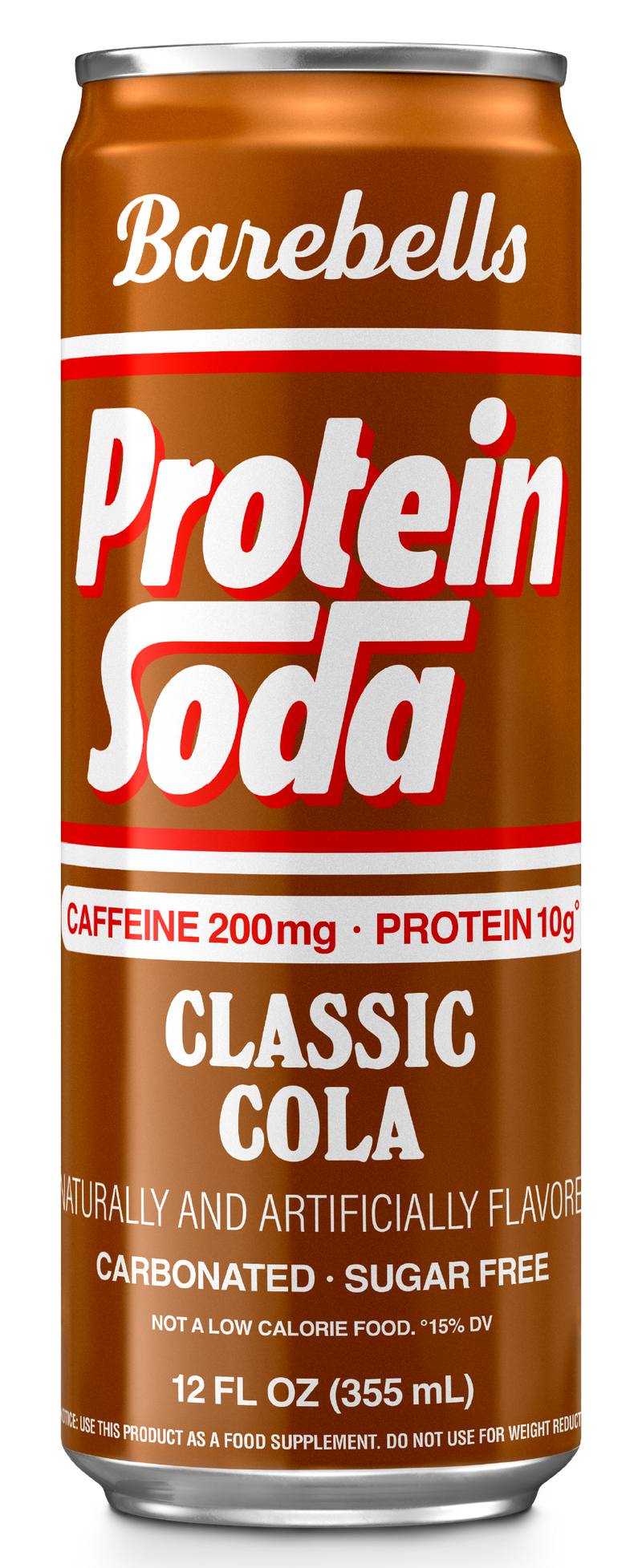 10g protein
Protein Soda Classic Cola
Amazon returns policy · secure checkout
Why “Low Sugar” Doesn't Mean the Same Thing Twice
US nutrition labels report total sugar and total carbohydrate, but sugar alcohols (also called polyols) are counted in total carbs without being broken out unless a brand voluntarily lists them. That means two bars can both say “1g sugar” while one is sweetened with a sugar alcohol that has real glycemic impact and the other uses one that barely registers. The two sugar alcohols that show up most often in protein bars are maltitol and erythritol, and they are not interchangeable:
- Maltitol has a glycemic index of approximately 35–52 — meaningfully higher than erythritol and capable of raising blood glucose in a way that matters for diabetics or strict keto dieters. It is also more likely to cause GI distress (bloating, gas, loose stools) at typical single-serving doses than erythritol.
- Erythritol has a glycemic index of near zero to about 1. Roughly 90% of it is absorbed in the small intestine and excreted unchanged, which is why it causes less GI distress than other sugar alcohols like maltitol or sorbitol at the same dose.
- Stevia and monk fruit are non-caloric plant-derived sweeteners with no measurable glycemic impact and no sugar-alcohol GI risk at all — they are not sugar alcohols.
- Sucralose and acesulfame potassium (Ace-K) are synthetic, zero-calorie, zero-glycemic-index sweeteners used in small amounts alongside a bar's main sweetener (often maltitol or erythritol) to round out the sweetness.
Protein Bar Sweeteners: The Full Breakdown (20 Brands)
All entries below reflect the current formulation described in our own dedicated nutrition-facts review for that brand, linked in each row.
| Bar | Primary Sweetener(s) | Artificial Sweetener? | GI Impact |
|---|---|---|---|
| Quest | Erythritol + sucralose | Yes (sucralose) | Near-zero (erythritol GI ≈1) |
| Barebells | Maltitol + sucralose + Ace-K | Yes | Moderate (maltitol GI ≈35–52) |
| ONE Bar | Maltitol (~5g) + sucralose | Yes | Moderate |
| think! High Protein | Maltitol syrup | No sucralose/Ace-K/aspartame | Moderate |
| Grenade | Maltitol + sucralose (no Ace-K) | Yes (sucralose only) | Moderate |
| GHOST | Maltitol syrup + allulose + sorbitol | No sucralose/Ace-K | Moderate–higher (sorbitol laxative risk) |
| DAVID (Gold line) | Maltitol (~8g) | No | Moderate |
| DAVID (Bronze line) | Maltitol + sucralose + Ace-K | Yes | Moderate |
| Pure Protein | Maltitol syrup + sucralose | Yes | Moderate |
| No Cow | Erythritol + Stevia Reb M + monk fruit | No | Near-zero |
| Atkins Strong | Erythritol + sucralose | Yes (sucralose) | Near-zero |
| Kirkland Signature | Erythritol + stevia | No | Near-zero |
| Power Crunch | Real sugar (small amount) | No | Reflects actual sugar content |
| Built Bar (Puff) | Real sugar | No | Reflects actual sugar (6–8g) |
| KIND Protein (both lines) | Glucose syrup + honey | No | Reflects actual sugar (5–8g) |
| Clif Builder’s | Cane syrup, cane sugar, brown rice syrup | No | Reflects actual sugar (~16–17g) |
| Lenny & Larry’s Complete Cookie | Cane sugar | No | Reflects actual sugar (~22g) |
| RXBAR | Dates (whole food, no added sweetener) | No | Reflects actual sugar (13–16g) from whole fruit |
| Perfect Bar | Organic honey | No | Reflects actual sugar (10–13g, FDA-counted as added) |
Ready-to-Drink Protein Shakes: Sweetener Breakdown
| Shake | Primary Sweetener(s) | Artificial Sweetener? |
|---|---|---|
| Premier Protein | Sucralose + Ace-K | Yes |
| Fairlife Core Power (standard) | Monk fruit + stevia + sucralose + Ace-K | Yes (blended with natural sweeteners) |
| Fairlife Core Power Elite | Same 4-sweetener blend | Yes |
| Fairlife Nutrition Plan | Same 4-sweetener blend | Yes |
| Muscle Milk (2026 reformulation) | None — ultra-filtered milk, no added sweetener | No (removed Spring 2026) |
The most notable shift here is Muscle Milk's Spring 2026 reformulation, which dropped sucralose and Ace-K entirely and switched to ultra-filtered milk as the protein base — making it the only major RTD shake in this list with zero added sweetener of any kind, artificial or natural. Every Fairlife product (Core Power, Core Power Elite, Nutrition Plan) uses the same four-sweetener blend of monk fruit, stevia, sucralose, and Ace-K; the monk fruit and stevia get the marketing emphasis, but the sucralose and Ace-K are also on the current ingredient panel.
The Four Sweetener Camps, Explained
Camp 1: Sugar alcohol + synthetic (the most common combo)
Barebells, ONE Bar, Pure Protein, David Bronze, and Grenade all pair a sugar alcohol (almost always maltitol) with sucralose, sometimes adding Ace-K. This combination hits the lowest sugar-gram numbers on the label but carries the most real glycemic and GI-tolerance risk of the four camps, because maltitol's GI of ~35–52 is a genuine mid-range carbohydrate impact, not a rounding error.
Camp 2: Erythritol-based (lower glycemic impact, still a sugar alcohol)
Quest, No Cow, Atkins Strong, and Kirkland Signature build their low-sugar profile around erythritol instead of maltitol. The glycemic and GI-tolerance profile is meaningfully better — near-zero GI versus maltitol's 35–52 — though very high total erythritol intake across multiple servings a day can still cause GI upset in sensitive people.
Camp 3: Real sugar, honey, or syrup (no sugar alcohols, no synthetic sweeteners)
KIND, Built Bar, Clif Builder’s, Lenny & Larry’s, and Perfect Bar skip both sugar alcohols and synthetic sweeteners entirely. The trade-off is direct: these bars carry more grams of actual sugar (5g to 22g depending on the bar) but avoid the GI-distress risk that comes with high-dose sugar alcohols, and there's no maltitol/erythritol math to untangle on the label.
Camp 4: Whole food only
RXBAR is the one mainstream bar in this comparison with no added sweetener of any kind — its sweetness comes entirely from Medjool dates. Total sugar is relatively high (13–16g) but it's classified as naturally occurring rather than added sugar, since dates are a whole-fruit ingredient.
Which Camp Should You Pick?
- Managing blood sugar or diabetic: Prioritize Camp 2 (erythritol) over Camp 1 (maltitol) if you want a near-zero-sugar bar — maltitol's GI of 35–52 is a real consideration, not a technicality. See our best protein bars for diabetics guide for the full net-carb breakdown.
- Avoiding all non-nutritive/artificial sweeteners: Camp 3 (KIND, Built Bar, Clif Builder’s, Lenny & Larry’s, Perfect Bar) or Camp 4 (RXBAR) are the only bars in this list with zero sucralose, Ace-K, erythritol, or maltitol.
- Prone to GI distress from sugar alcohols: Avoid high-maltitol bars (ONE Bar, Barebells, David Gold) and very high-erythritol bars at multiple servings a day; Camp 3 and Camp 4 carry no sugar-alcohol risk at all.
- Strict keto, want the lowest net carbs regardless of sweetener type: Camps 1 and 2 both subtract sugar alcohols from net carbs and will out-perform Camp 3 and 4 on that specific metric, even though Camp 2 is gentler on blood sugar. See our Quest Bar vs ONE Bar comparison for how that plays out between two maltitol/erythritol competitors.
Frequently Asked Questions
Is maltitol bad for you?
Maltitol is FDA-approved and safe for most people in typical serving amounts, but it has a glycemic index of roughly 35–52 — meaningfully higher than other sugar alcohols like erythritol — and can cause GI distress (bloating, gas, loose stools) at higher doses or across multiple servings in a day. For people managing blood glucose closely or who are sensitive to sugar alcohols, maltitol-sweetened bars (Barebells, ONE Bar, think!, Pure Protein, Grenade, David Gold) are worth comparing against erythritol-based alternatives.
Is erythritol healthier than maltitol?
By glycemic impact, yes — erythritol sits near zero on the glycemic index, while maltitol runs roughly 35–52. Erythritol is also mostly absorbed in the small intestine and excreted unchanged, which generally makes it easier to tolerate at typical doses than maltitol or sorbitol. Neither is inherently unsafe at normal intake levels; the difference matters most for diabetics, strict keto dieters, and people who notice GI symptoms from sugar alcohols.
Which protein bars have no artificial sweeteners at all?
KIND (both the original and Protein Max lines), Built Bar, Clif Builder’s, Lenny & Larry’s Complete Cookie, Perfect Bar, and RXBAR all contain zero sucralose, aspartame, Ace-K, erythritol, and maltitol. Their sweetness instead comes from real sugar, honey, glucose syrup, or (for RXBAR) whole dates — which means higher total sugar on the label in exchange for no sugar-alcohol or synthetic-sweetener exposure.
Why do two bars with 1g of sugar taste so different?
Because “1g of sugar” only describes actual sucrose-type sugar — it says nothing about the sugar alcohols (maltitol, erythritol) or non-nutritive sweeteners (sucralose, stevia, monk fruit) used to replace that sugar, which are counted separately or not broken out at all on a standard US nutrition label. Two bars can post the same 1g sugar figure while one uses maltitol (higher glycemic impact, mild aftertaste) and the other uses erythritol or stevia (near-zero glycemic impact, different aftertaste profile).
Do ready-to-drink protein shakes use the same sweeteners as bars?
Mostly a different mix. Premier Protein and the Fairlife lineup (Core Power, Core Power Elite, Nutrition Plan) rely on sucralose and Ace-K, with Fairlife also blending in monk fruit and stevia. Muscle Milk's 2026 reformulation is the exception — it removed sucralose and Ace-K entirely and uses ultra-filtered milk with no added sweetener. See our Premier Protein vs Core Power comparison for the full shake-by-shake breakdown.
Bottom line: The sugar gram count on a protein bar label tells you almost nothing about which of four very different sweetener systems produced it. Maltitol (Barebells, ONE Bar, think!, Grenade, David, Pure Protein) has real glycemic impact (GI ≈35–52) and more GI-distress potential than erythritol (Quest, No Cow, Atkins Strong, Kirkland Signature), which sits near zero on both counts. If you want zero sugar alcohols and zero synthetic sweeteners entirely, KIND, Built Bar, Clif Builder’s, Lenny & Larry’s, Perfect Bar, and RXBAR are the only bars in this comparison that qualify — at the cost of more grams of real sugar on the label. Among ready-to-drink shakes, Muscle Milk's 2026 formula is the only one with no added sweetener at all. Match the camp to what actually matters for you — blood sugar, GI tolerance, or avoiding synthetic ingredients — rather than the sugar line alone. For full macro breakdowns on any bar above, see our best protein bars of 2026 guide or browse the protein snacks directory.
Shop our top protein drink picks
Editor-selected high-protein options related to this guide. As an Amazon Associate we may earn from qualifying purchases.
30g protein16g proteinOrganic Nutrition Shake - Creamy Chocolate Fudge
Amazon returns policy · secure checkout
10g proteinProtein Soda Classic Cola
Amazon returns policy · secure checkout
Tags
High Protein Snacks Pro Editorial Team
Independently researched and editorially reviewed. We compare real nutrition labels and never accept payment for coverage.
Get the best new protein snacks in your inbox
Weekly picks and honest reviews — no spam, unsubscribe anytime.
More from the journal
Protein Bars With Erythritol: The Full 2026 List, the Research, and 6 Erythritol-Free Picks
Four major protein bars use erythritol in 2026 — Quest, No Cow, Atkins Strong, and Kirkland Signature. Here is the verified bar-by-bar sweetener list, what the Cleveland Clinic research actually found, and six erythritol-free bars ranked, led by RXBAR Chocolate Sea Salt, which is sweetened by nothing but dates.
Read more
Best Protein Bars for Diabetics (2026): Erythritol vs Maltitol, Quest vs ONE vs Barebells, and Why '0g Sugar' Is the Wrong Filter
DAVID leads this list with 28g protein and only 3g effective net carbs (erythritol-only sweetener, 170 cal). Quest delivers 21g protein at roughly 4–5g effective net carbs. Net carbs and sweetener type are the real filters for blood sugar control — not the sugar line on the label, which can say 0g while the bar still raises glucose.
Read more
Protein Bars Without Seed Oils (2026): 5 Picks Verified From the Ingredient List
We read the published ingredient statement for eleven best-selling protein bars. Atlas Real Food Salted Peanut Butter wins with 20g of protein in 220 calories and no oil on its label at all; Quest Chocolate Chip Cookie Dough quietly passes too at 21g in 200 calories. Barebells and think! both list sunflower oil, and DAVID’s “modified plant fat” turns out to be built from canola oil.
Read more