Barebells Protein Bar Nutrition: 20g Protein, 1g Sugar, 200 Cal — Maltitol Warning
Every Barebells original bar delivers 20g protein, 200 calories, and 1g sugar -- but the collagen in the blend and the maltitol sweetener are worth knowing before you buy.
The short answer
Our top protein bar picks
Editor-selected and ready to buy. As an Amazon Associate we may earn from qualifying purchases.
Shopping for Barebells? Barebells People's Choice Pack · My Cart · Barebells Mint Chocolate Crisp
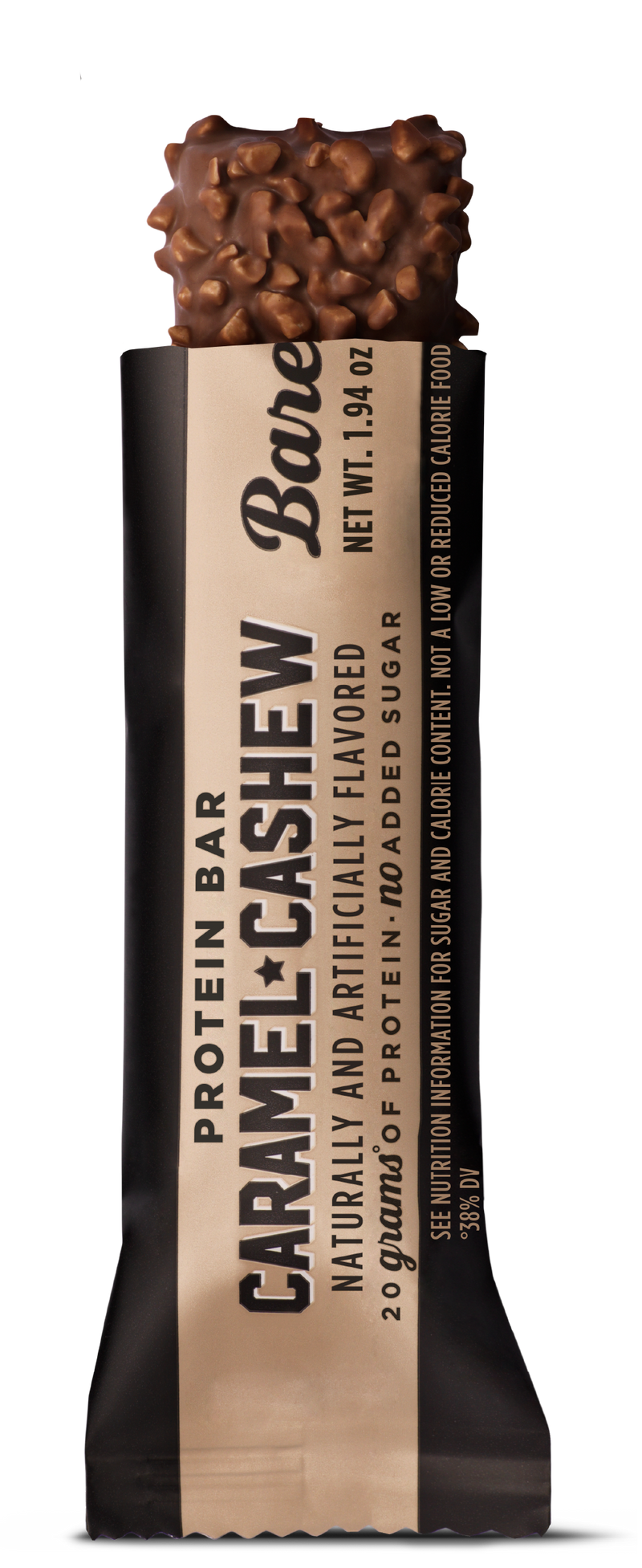 20g protein
Protein Bar - Caramel Cashew
Amazon returns policy · secure checkout
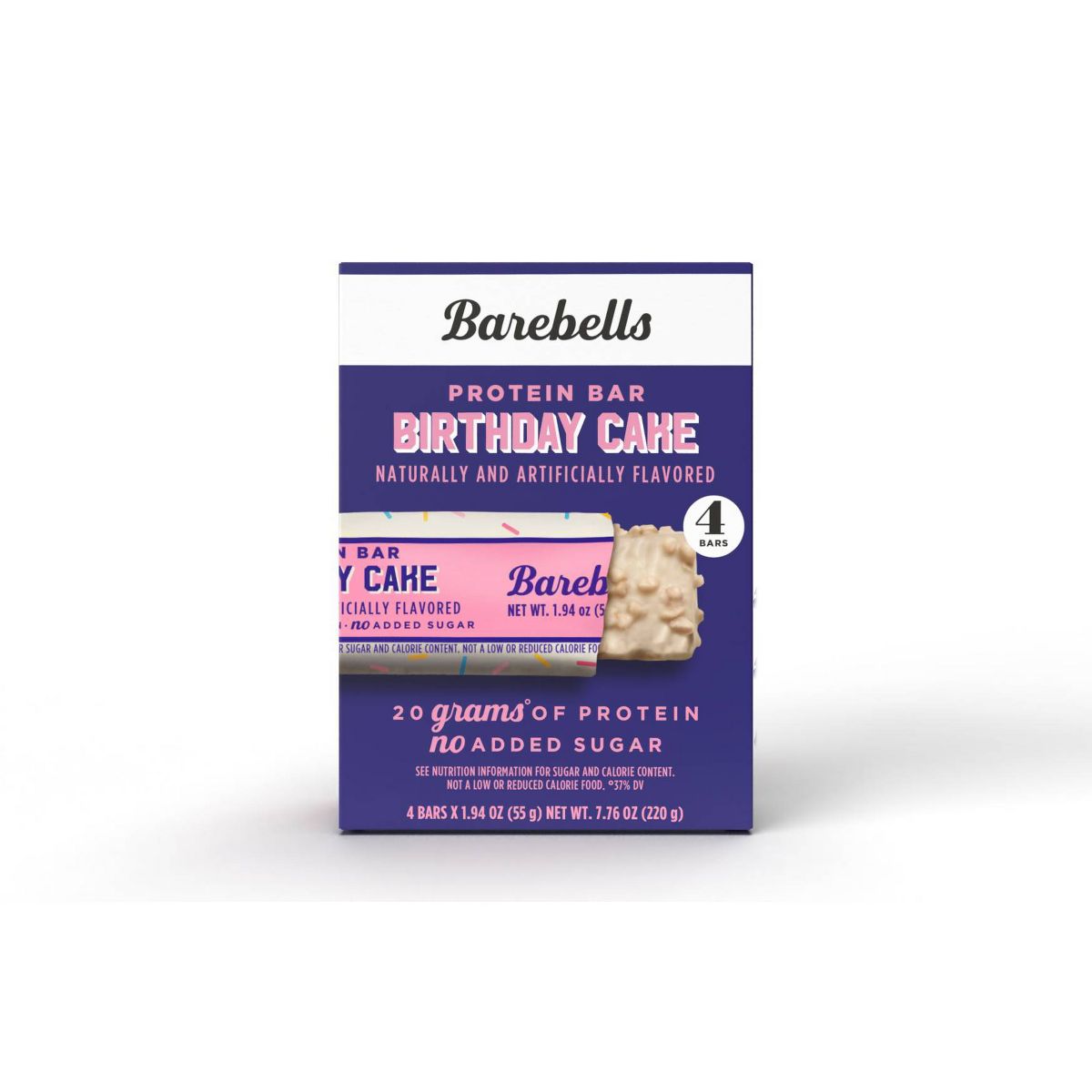 20g protein
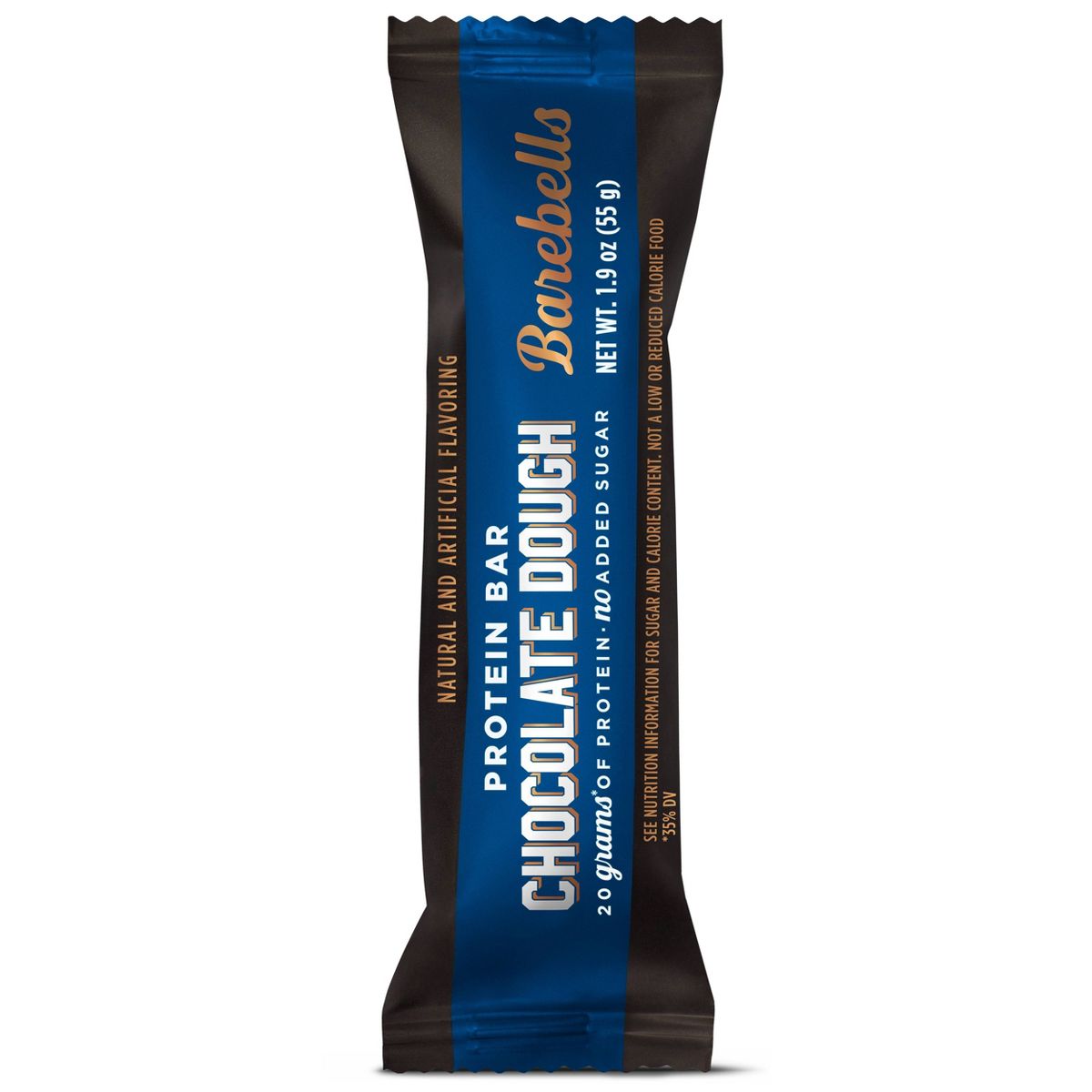 20g protein
Barebells Original Protein Bar Nutrition Facts (Per 1.9oz / 55g Bar)
Every Barebells original bar is a single 55g serving. The figures below are verified across the official Barebells nutrition page and major US retailers including Target, Amazon, and GNC. Sugar alcohols count toward total carbs on the label but are broken out here because they affect net carb calculations.
| Flavor (55g bar) | Calories | Protein | Total Carbs | Sugar | Sugar Alcohols | Fat |
|---|---|---|---|---|---|---|
| Cookies & Cream | 200 | 20g | 20g | 1g | ~5g | 7g |
| Chocolate Dough | 200 | 20g | 20g | 1g | ~5g | 7g |
| Caramel Cashew | 200 | 20g | 18g | 1g | ~5g | 8g |
| Salty Peanut | 200 | 20g | 20g | 1g | ~5g | 8g |
| White Chocolate Almond | 200 | 20g | 19g | 1g | ~5g | 8g |
| Hazelnut Nougat | 200 | 20g | 18g | 2g | ~5g | 9g |
The ~5g sugar alcohol figure represents primarily maltitol (labeled as polyols on the label) and is included in the total carb count. True net carbs per bar — total carbs minus fiber (~3g) minus sugar alcohols (~5g) — work out to roughly 10 to 12g depending on the flavor. That is similar to Quest bars on a net carb basis, though the routes to get there differ significantly.
What the Label Does Not Say: Sweeteners and Protein Explained
The Sweeteners: Maltitol, Sucralose, and Acesulfame K
Barebells keeps sugar at 1g using three sweeteners. Maltitol is a sugar alcohol that contributes most of the sweetness and is responsible for the candy-like flavor Barebells is known for. Sucralose (the artificial sweetener in Splenda) and acesulfame potassium (Ace-K) are both in the blend as well. Two things to know: (1) If you prefer to avoid artificial sweeteners, Barebells is not the right bar — sucralose and Ace-K are present in every original bar. (2) Maltitol at high doses can cause bloating or a laxative effect, especially if you eat two or more bars in a day. Compared with erythritol (used in Quest bars), maltitol has a slightly higher glycemic index and a bigger laxative potential at equivalent doses.
The Protein Blend: Collagen Dilutes the 20g Claim
This is the most important nutrition caveat. The Barebells protein blend includes high-quality dairy proteins — whey protein concentrate, calcium caseinate, micellar casein isolate, and whey protein hydrolysate — but also hydrolyzed bovine collagen. Collagen is a cheap protein source often added to boost the total gram count on the label. It is not a complete protein because it lacks tryptophan, one of the nine essential amino acids. Barebells does not disclose what percentage of the blend is collagen vs. dairy protein. For post-workout recovery where complete amino acid delivery matters, this is a real difference compared with Quest, which uses whey protein isolate and milk protein isolate without any collagen.
Barebells Soft Protein Bars: Nutrition vs the Original
The Soft Bar line uses the same 55g format but has a gummy, ultra-soft nougat texture inside a thin chocolate shell. It is designed to eat more like candy than any other protein bar on the market. The trade-off is less protein and more fat. The Salted Peanut Caramel is the most widely available soft flavor in the US.
| Bar | Calories | Protein | Total Carbs | Sugar | Fat |
|---|---|---|---|---|---|
| Original — Cookies & Cream (55g) | 200 | 20g | 20g | 1g | 7g |
| Soft — Salted Peanut Caramel (55g) | 210 | 16g | 21g | 1g | 11g |
The soft bar trades 4g of protein for a dramatically different texture and more fat. For pure protein per calorie, the original line wins comfortably. The soft bars make more sense as a dessert replacement than as a protein vehicle — the 16g of protein is below the 20g threshold that makes a bar a meaningful standalone protein snack for most active adults.
Barebells vs Quest: Side-by-Side Comparison
Quest and Barebells are the two most-compared protein bars in the sub-200-calorie, under-2g-sugar category. Here is how they differ where it matters.
| Bar | Calories | Protein | Sugar | Fiber | Net Carbs | Sweeteners |
|---|---|---|---|---|---|---|
| Barebells Original (55g) | 200 | 20g | 1g | ~3g | ~10-12g | Maltitol, sucralose, Ace-K |
| Quest Bar — Cookie Dough (60g) | 190 | 21g | 1g | 12g | ~10g | Erythritol, stevia, sucralose |
The headline numbers are close. The meaningful differences: Quest has 12g of fiber per bar vs. Barebells approximately 3g, which is the biggest reason Quest bars tend to feel more filling despite 10 fewer calories. Quest uses a complete protein blend (whey isolate plus milk protein isolate); Barebells adds collagen, which is incomplete. And Barebells tastes dramatically better to most people — the candy bar experience is its defining advantage. If satiety and protein quality are your priorities, Quest is the stronger choice. If texture and palatability are keeping you off protein bars entirely, Barebells is the one you will actually eat. For Quest-specific nutrition, see our Quest protein nutrition guide.
Is Barebells Healthy? Who It Is Actually For
For most goals, Barebells is a solid convenience snack with real caveats. The 20g protein, 200 calorie, 1g sugar profile fits weight management, muscle maintenance, and daily protein targets. It is widely available at Target, Walmart, Costco, and Amazon, shelf-stable without refrigeration, and the taste keeps people coming back in a way that most protein bars do not.
The honest trade-offs: the protein quality is lower than Quest or RXBAR because of the collagen filler; the sweetener list includes sucralose and Ace-K; and the candy-like taste can work against you if you tend to eat more than one bar. It is best for people who have quit other protein bars because the texture felt medicinal. It is less ideal for people who prioritize complete protein, high fiber, or clean-label ingredients. If those things matter, compare it against RXBAR and Quest in our best protein bars of 2026 guide.
Frequently Asked Questions
How much protein is in a Barebells protein bar?
Every Barebells original bar has 20g of protein per 55g (1.9oz) bar. The Soft Bar line has 16g per bar in the same size. Note that the 20g in the original bars comes from a blend that includes hydrolyzed collagen alongside quality dairy proteins (whey concentrate, casein). Collagen is not a complete protein, so the effective complete-protein content is lower than 20g, though the exact split is not disclosed.
Are Barebells bars low in sugar?
Yes — every original bar has 1g of total sugar and 0g of added sugar. The sweet flavor comes from maltitol, sucralose, and acesulfame K. The bars are low-sugar but not sugar-free; the 1g is real sugar alongside approximately 5g of sugar alcohols (primarily maltitol).
Are Barebells bars keto-friendly?
Loosely. The net carbs per bar work out to roughly 10 to 12g (total carbs minus fiber minus sugar alcohols) — similar to Quest bars. That fits most keto budgets as one bar per day. However, maltitol has a higher glycemic index than erythritol and may raise blood sugar more than the net carb count implies, which matters on a strict ketogenic diet.
Does Barebells have artificial sweeteners?
Yes. Barebells original bars contain both sucralose and acesulfame potassium (Ace-K). If avoiding artificial sweeteners is a priority, Quest bars use primarily erythritol and stevia (no sucralose in most flavors), and RXBAR uses no sweeteners at all — the sweetness in RXBAR comes from dates.
Where can you buy Barebells protein bars?
Barebells bars are stocked at Target, Walmart, GNC, Amazon, and most supplement retailers in the US. Costco carries variety packs at the best per-bar price. They are among the easier specialty protein bars to find in physical stores without ordering online.
Bottom line: Barebells delivers 20g of protein and 200 calories with 1g of sugar in a bar that tastes like a chocolate candy bar — its biggest real advantage over competitors. The main trade-offs are a collagen-diluted protein blend, artificial sweeteners, and lower fiber than Quest. Compare it against the full field in our best protein bars of 2026 guide or browse the protein snacks directory for more options.
Shop our top protein bar picks
Editor-selected high-protein options related to this guide. As an Amazon Associate we may earn from qualifying purchases.
Shopping for Barebells? Barebells People's Choice Pack · My Cart · Barebells Mint Chocolate Crisp
 20g protein
Cookies & Cream Protein Bar
Amazon returns policy · secure checkout
20g proteinProtein Bar - Caramel Cashew
Amazon returns policy · secure checkout
20g proteinTags
High Protein Snacks Pro Editorial Team
Independently researched and editorially reviewed. We compare real nutrition labels and never accept payment for coverage.
Get the best new protein snacks in your inbox
Weekly picks and honest reviews — no spam, unsubscribe anytime.
More from the journal
Best Protein Bars for Men (2026): 7 Picks Ranked by Protein Density, Bulk Value, and Real Taste
The best protein bar for men in 2026 is the DAVID Gold — 28g of protein at 150 calories per bar, the highest protein-to-calorie ratio of any mainstream bar. For the best bulk value, Kirkland Signature delivers 21g of protein for around $1 a bar at Costco. Seven bars ranked by what matters most for men: protein density, calorie efficiency, bulk value, and taste for long-term consistency.
Read more
Best Protein Bars for Women (2026): 7 Picks Ranked by Protein, Fiber, and Sweetener Honesty
The best protein bar for women in 2026 is the Quest Bar — 21g of complete protein, 190 calories, and 12g of fiber, the best protein-plus-fiber combination for satiety and weight management. For the lowest-calorie no-artificial-sweetener option, Built Puff delivers 17g of protein at 140 calories. Seven bars ranked by what matters most: calorie efficiency, complete protein, fiber for satiety, and honest sweetener profiles.
Read more
Quest vs Barebells (2026): Which Protein Bar Wins on Protein, Fiber, and Sweeteners?
Quest edges out Barebells on protein efficiency — 21g of protein for 190 calories versus 20g for 200 — and wins clearly on fiber (12g vs about 3g) and protein quality, since Barebells' blend includes collagen. Barebells answers back with a genuinely candy-like taste most people find easier to eat regularly. Here is the verified head-to-head on calories, sugar, sweeteners, fiber, and protein source, plus which bar fits your goal.
Read more