Clif Builder's Protein Bar Nutrition Facts: 20g Protein, 6 Flavors Compared — What You Need to Know Before You Buy
Clif Builder's bars deliver 20g of protein in a 68g bar with no artificial sweeteners, but 16–18g of cane sugar per bar puts them in a very different category from Quest or Barebells. Verified nutrition facts for all six flavors, a complete macro comparison with the major protein bars, and an honest take on who these bars are actually for.
The short answer
Our top protein bar picks
Editor-selected and ready to buy. As an Amazon Associate we may earn from qualifying purchases.
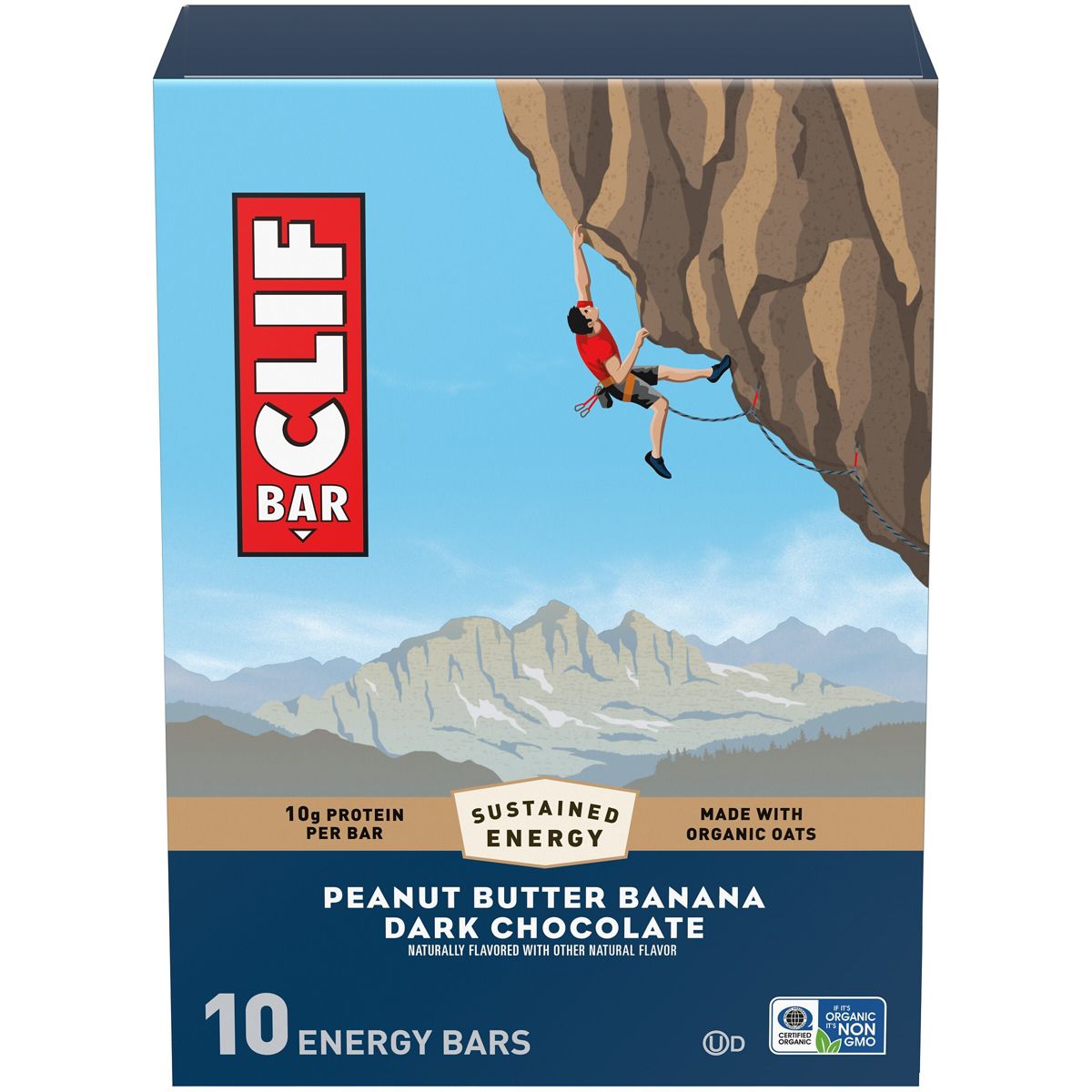 10g protein
Peanut Butter Banana W/ Dark Chocolate
Amazon returns policy · secure checkout
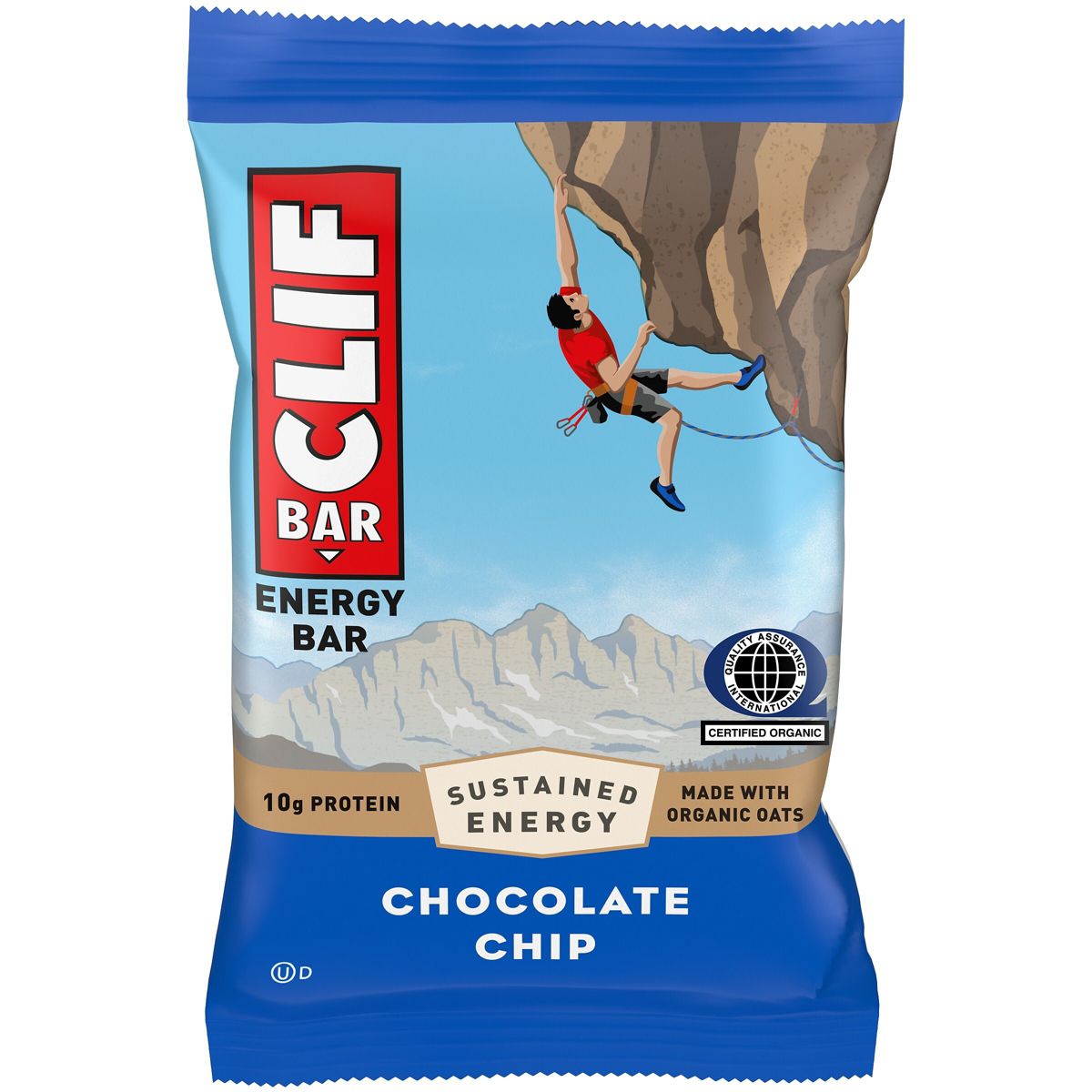 10g protein
 28g protein
Clif Builder's Protein Bar Nutrition Facts: All Six Flavors
Every Clif Builder's bar is 68g (2.4oz) — larger than most protein bars, which typically run 50–60g. The larger format is part of why the calorie count runs higher. All figures below are cross-verified from multiple retailer nutrition panels and calorie tracking databases; numbers marked (~) are close approximations confirmed from two or more sources.
| Flavor (68g bar) | Calories | Protein | Total Carbs | Fiber | Total Sugar | Fat |
|---|---|---|---|---|---|---|
| Chocolate | ~280 | 20g | 31g | 3g | ~16g | 9g |
| Chocolate Mint | 270 | 20g | 30g | 3g | ~16g | 9g |
| Chocolate Peanut Butter | 290 | 20g | 29g | 3g | 17g | 11g |
| Crunchy Peanut Butter | 300 | 20g | 29g | 3g | ~17g | 11g |
| Vanilla Almond | 290 | 20g | 29g | 3g | 16g | 11g |
| White Chocolate Macadamia Nut | ~290 | 20g | ~29g | ~3g | ~17g | ~11g |
Key patterns: every flavor delivers exactly 20g of protein. The chocolate flavors run about 10 to 30 fewer calories than the peanut butter flavors because the peanut content adds more fat. Fiber is consistent at 3g across flavors — moderate but not high (Quest bars deliver 12g of fiber from chicory root). The sugar column is the one that requires the most attention for goal-specific buyers: 16 to 18g of sugar per bar is significantly more than any other major protein bar category leader.
Protein Source: Soy Protein Isolate
The primary protein source in every Clif Builder's flavor is soy protein isolate, supplemented by protein from whole ingredients like almonds or peanuts in the nut-based flavors. Soy protein isolate is relevant to understand for three reasons:
- It is a complete protein. Soy is one of the very few plant-based protein sources that contains all nine essential amino acids, including tryptophan and the branched-chain amino acids (leucine, isoleucine, valine) needed for muscle protein synthesis. Unlike collagen (used in Pure Protein and Barebells), soy protein isolate counts fully toward functional protein intake.
- It is vegan-compatible. No dairy, no whey, no casein. The chocolate coating uses vegetable oil rather than milk fat in most flavors. People avoiding all animal-derived proteins can use Builder's bars — Quest, Barebells, ONE Bar, and Pure Protein all contain milk-derived whey or casein.
- Soy avoidance is a reason to pick a different bar. For people with soy allergies or those intentionally limiting soy intake, RXBAR (egg whites), Quest (whey isolate), and Barebells (whey) are the cleanest alternatives. KIND Protein bars use soy protein isolate in addition to almonds, so that is not a soy-free option either.
Sweeteners: Why the Sugar Is High
Clif Builder's bars achieve their sweetness entirely from real sugars — primarily cane syrup, cane sugar, and brown rice syrup — with no sucralose, no aspartame, no acesulfame potassium (Ace-K), no erythritol, and no maltitol. This is worth noting because most of the mainstream high-protein bar market (Quest, Barebells, ONE Bar, Pure Protein) achieves low-sugar macros specifically by substituting these synthetic sweeteners for real sugar.
The consequence of using real sugar: Builder's bars carry 16 to 18g of total sugar per bar. To put that in context, a standard Snickers bar has about 27g of sugar, a KIND Protein bar has 5g, and a Quest bar has 1g. Builder's bars are not a candy bar — but they are closer to a real-sugar food than an artificially-sweetened protein supplement. For people who are strictly avoiding artificial sweeteners, Builder's bars deliver 20g of protein with no synthetic additives. For people who are managing blood glucose or on a strict low-carb diet, the real-sugar load is a meaningful constraint.
Clif Builder's vs Quest vs Barebells vs ONE Bar vs Pure Protein vs KIND Protein Max
Here is how Builder's bars compare with the major protein bar competitors on the metrics that drive most purchase decisions. All figures are per single bar as labeled.
| Bar (per bar) | Size | Cal | Protein | Protein / 100 cal | Sugar | Fiber | Sweeteners |
|---|---|---|---|---|---|---|---|
| Clif Builder's Chocolate | 68g | ~280 | 20g | ~7.1g | ~16g | 3g | Cane syrup, sugar — no artificial |
| Quest Choc. Chip Cookie Dough | 60g | 190 | 21g | 11.1g | 1g | 12g | Erythritol, sucralose, stevia |
| Barebells Cookies & Cream | 55g | 200 | 20g | 10.0g | 1g | ~3g | Maltitol, sucralose, Ace-K |
| ONE Bar Birthday Cake | 60g | 220 | 20g | 9.1g | 1g | 9g | Maltitol, sucralose |
| Pure Protein Chewy Choc. Chip | 50g | 190 | 20g | 10.5g | 2g | 1g | Maltitol, sucralose |
| KIND Protein Max Dark Choc. | 60g | 240 | 20g | 8.3g | 5g | 7g | Glucose syrup, honey — no artificial |
| Clif Builder's Crunchy PB | 68g | 300 | 20g | 6.7g | ~17g | 3g | Cane syrup, sugar — no artificial |
The comparison surfaces a clear trade-off: Clif Builder's has the highest calorie count and the highest sugar content of any comparable mainstream protein bar, but it also has no artificial sweeteners and uses a complete plant-based protein source. Quest achieves more than 11g of protein per 100 calories (versus Builder's ~7g) at a third of the sugar. Barebells and ONE Bar reach the same 20g protein at 200–220 calories versus Builder's 270–300 calories, again via artificial sweetener substitution. The closest competitor in the “no artificial sweeteners” category is KIND Protein Max, which keeps sugar to 5g while still reaching 20g protein — at 240 calories versus Builder's 270–280 calories for the chocolate flavors. For people who want to avoid both artificial sweeteners AND high real sugar, KIND Protein Max is the more efficient option. Builder's bars are the better pick when the soy-based vegan protein source matters, or when the larger 68g format suits a specific hunger window.
Who Should (and Should Not) Buy Clif Builder's Bars
Best fit:
- Vegans and plant-based eaters who want 20g of complete protein with no animal-derived ingredients. Builder's is the only major mainstream protein bar that achieves this with soy isolate rather than whey or casein.
- People avoiding all artificial sweeteners (no sucralose, no Ace-K, no erythritol, no maltitol) who need more protein than KIND original delivers (12g vs. Builder's 20g) and can accommodate 16–18g of real sugar.
- Endurance athletes and active adults who want a larger-format energy bar (68g) that covers both protein and carbohydrate needs in a single bar — the CLIF heritage use case. The 29–31g of carbs make Builder's bars an actual energy source, not just a protein supplement.
- People who need a bar that is Non-GMO Verified and made with organic ingredients as part of the CLIF supply chain.
Consider an alternative if:
- You want maximum protein per calorie — at 6.7–7.1g per 100 calories, Builder's is the least efficient protein bar in this comparison. Quest (11.1g) and Pure Protein (10.5g) deliver significantly more protein for the same calories.
- You are watching blood glucose or on a ketogenic diet — 16–18g of real sugar from cane syrup and cane sugar will impact blood glucose meaningfully, unlike the erythritol in Quest or maltitol in Barebells.
- You are on a calorie-controlled diet and need to maximize satiety per calorie — Quest's 12g of fiber drives substantially more fullness than Builder's 3g, at fewer calories per bar.
- You have a soy allergy or want to avoid soy protein isolate — every Builder's flavor uses soy isolate as the primary protein source.
- Budget is the priority — Builder's bars retail at approximately $2.50–$3.50 per bar, similar to Quest and Barebells. Pure Protein at $1.50–$2.00 per bar delivers 20g of protein for meaningfully less; see our Pure Protein bar review.
Frequently Asked Questions
How much protein is in a Clif Builder's bar?
Every current Clif Builder's Protein bar flavor delivers 20g of protein per 68g (2.4oz) bar, regardless of flavor. The protein source is primarily soy protein isolate, supplemented by protein from any whole nuts (almonds or peanuts) included in a given flavor. Soy protein isolate is a complete protein — it contains all nine essential amino acids — unlike hydrolyzed collagen, which is incomplete.
Does Clif Builder's bar have artificial sweeteners?
No. Clif Builder's bars contain no sucralose, aspartame, acesulfame potassium (Ace-K), erythritol, or maltitol. All sweetness comes from real sugars: cane syrup, cane sugar, and brown rice syrup. This is why total sugar runs 16–18g per bar — substantially more than artificially-sweetened bars like Quest (1g) or Barebells (1g), which achieve low sugar specifically by substituting synthetic sweeteners.
Are Clif Builder's bars vegan?
The protein source (soy protein isolate) is plant-based, and most flavors do not contain dairy-derived whey or casein. However, some flavors may use milk-derived ingredients in specific components (such as milk fat in the chocolate coating or certain flavor systems). Check the ingredient list on the specific flavor you are purchasing if strict vegan compliance is required.
Are Clif Builder's bars good for weight loss?
They can fit into a calorie-deficit eating plan, but they are not the most efficient option for weight loss. At 270–300 calories per bar with 3g of fiber, Builder's bars are higher in calories and lower in satiety per calorie than Quest (190 cal, 12g fiber) or Barebells (200 cal). The 16–18g of real sugar also makes Builder's bars less suitable for strict calorie management than artificially-sweetened alternatives. If weight loss is the priority and you do not need to avoid artificial sweeteners, Quest is a more efficient choice. See our best high-protein snacks for weight loss guide.
How does Clif Builder's compare to CLIF bars?
Standard CLIF bars are energy bars designed for endurance sports: approximately 250 calories, 9–11g of protein, and 40+g of carbohydrates per bar — they are a carbohydrate-dominant fuel source with modest protein. Clif Builder's bars are the company’s protein-focused product: 270–300 calories, 20g of protein, and 29–31g of carbohydrates. Builder's bars have roughly double the protein of a standard CLIF bar and significantly fewer carbohydrates, though they still carry more real sugar than any major dedicated protein bar competitor.
Bottom line: Clif Builder's bars are the best mainstream option for vegans who want 20g of complete soy protein with no artificial sweeteners, and they have a legitimate use case for endurance athletes who want carbohydrate energy alongside meaningful protein in a larger-format bar. The trade-offs are real: at 270–300 calories with 16–18g of real sugar and only 3g of fiber, they are the least calorie-efficient and most sugar-dense protein bar in the mainstream category. For plant-based buyers who want to minimize sugar while still avoiding artificial sweeteners, KIND Protein Max (20g protein, 5g sugar, 240 cal) is a more efficient alternative. For any buyer comfortable with artificial sweeteners, Quest (21g protein, 1g sugar, 190 cal, 12g fiber) is the clear leader on protein-to-calorie efficiency. Compare all options in our best protein bars of 2026 guide, or browse the protein snacks directory.
Shop our top protein bar picks
Editor-selected high-protein options related to this guide. As an Amazon Associate we may earn from qualifying purchases.
 20g protein
Builder's Protein Bar - Chocolate
Amazon returns policy · secure checkout
10g proteinPeanut Butter Banana W/ Dark Chocolate
Amazon returns policy · secure checkout
10g proteinTags
High Protein Snacks Pro Editorial Team
Independently researched and editorially reviewed. We compare real nutrition labels and never accept payment for coverage.
Get the best new protein snacks in your inbox
Weekly picks and honest reviews — no spam, unsubscribe anytime.
More from the journal
KIND Protein Bar vs RXBAR (2026): Whole Almonds vs Egg Whites and Dates — Which Clean-Label Bar Wins?
Both KIND Protein and RXBAR skip artificial sweeteners entirely, but they get there in opposite ways. KIND delivers 12g of protein at 200 calories from whole almonds plus soy and milk protein isolate, with 5–8g of sugar from glucose syrup and honey. RXBAR delivers the same 12g of protein at 180–210 calories from dried egg whites and dates, with 0g added sugar but 13–16g of total natural sugar. Full verified nutrition side by side, plus who each bar actually fits.
Read more
Clif Builder's Bar vs Quest Bar (2026): Same 20g Protein, Very Different Nutrition
Clif Builder's and Quest bars both deliver 20g of protein, but Quest does it at 190 calories with 1g of sugar — versus Clif Builder's 263 calories and 17g of sugar. Verified 2026 nutrition facts for all core flavors, a soy vs whey protein comparison, and a clear breakdown of who should buy each bar.
Read more
think! High Protein Bar Nutrition Facts: 20g Protein, No Artificial Sweeteners — All Flavors Compared
think! High Protein bars deliver 20g of protein at 230–240 calories with no sucralose, aspartame, or Ace-K — the sweetener is maltitol syrup, a real sugar alcohol. Verified 2026 nutrition facts for every core flavor, a full head-to-head against Quest, Barebells, ONE Bar, and KIND Protein Max, and an honest take on the maltitol question.
Read more