No Cow Protein Bar Nutrition Facts: 20g Plant Protein, 1g Sugar, Dairy-Free and Soy-Free — All Flavors Compared
No Cow protein bars deliver 20g of plant-based protein from brown rice and pea protein with 1g sugar and ~15g fiber per bar — no dairy, no soy, and no artificial sweeteners. Verified 2026 nutrition facts for all core flavors, a full breakdown of the pea + rice protein blend, and a head-to-head against Clif Builder's and other plant-based competitors.
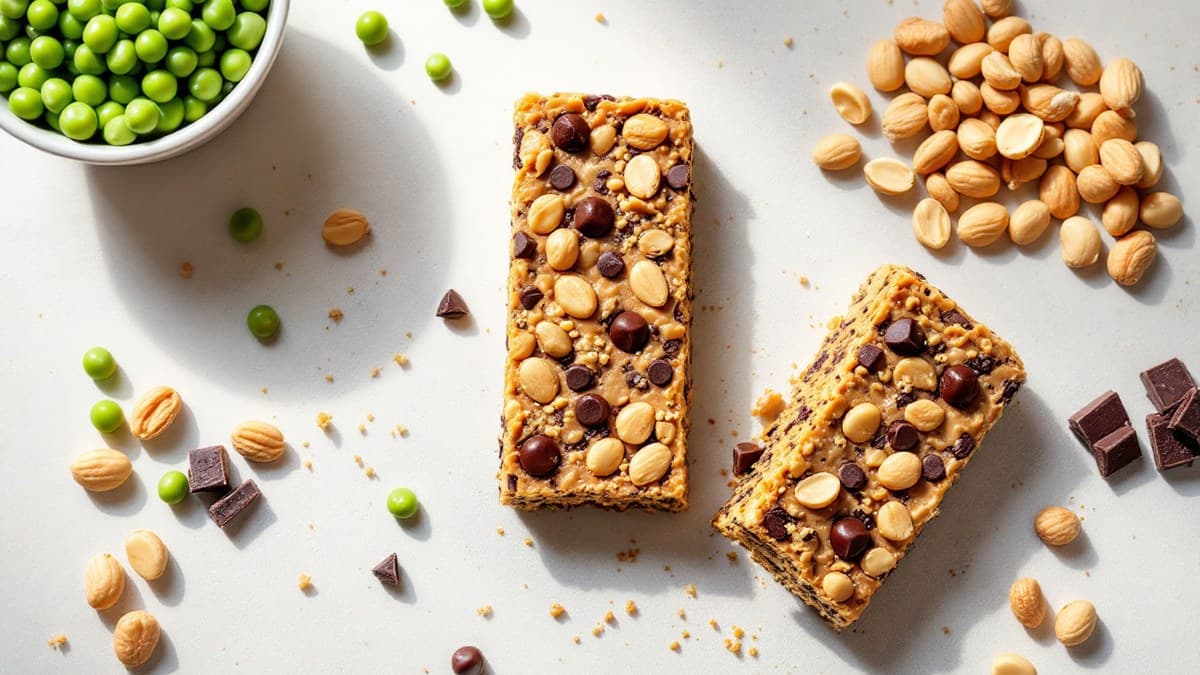
Our top protein bar picks
Editor-selected and ready to buy. As an Amazon Associate we may earn from qualifying purchases.
Shopping for No Cow? Upgraded - Peanut Butter Cup Protein Bar · Chocolate Peanut Butter Cup Protein Bar · Chocolate Chip Cookie Dough Protein Bar
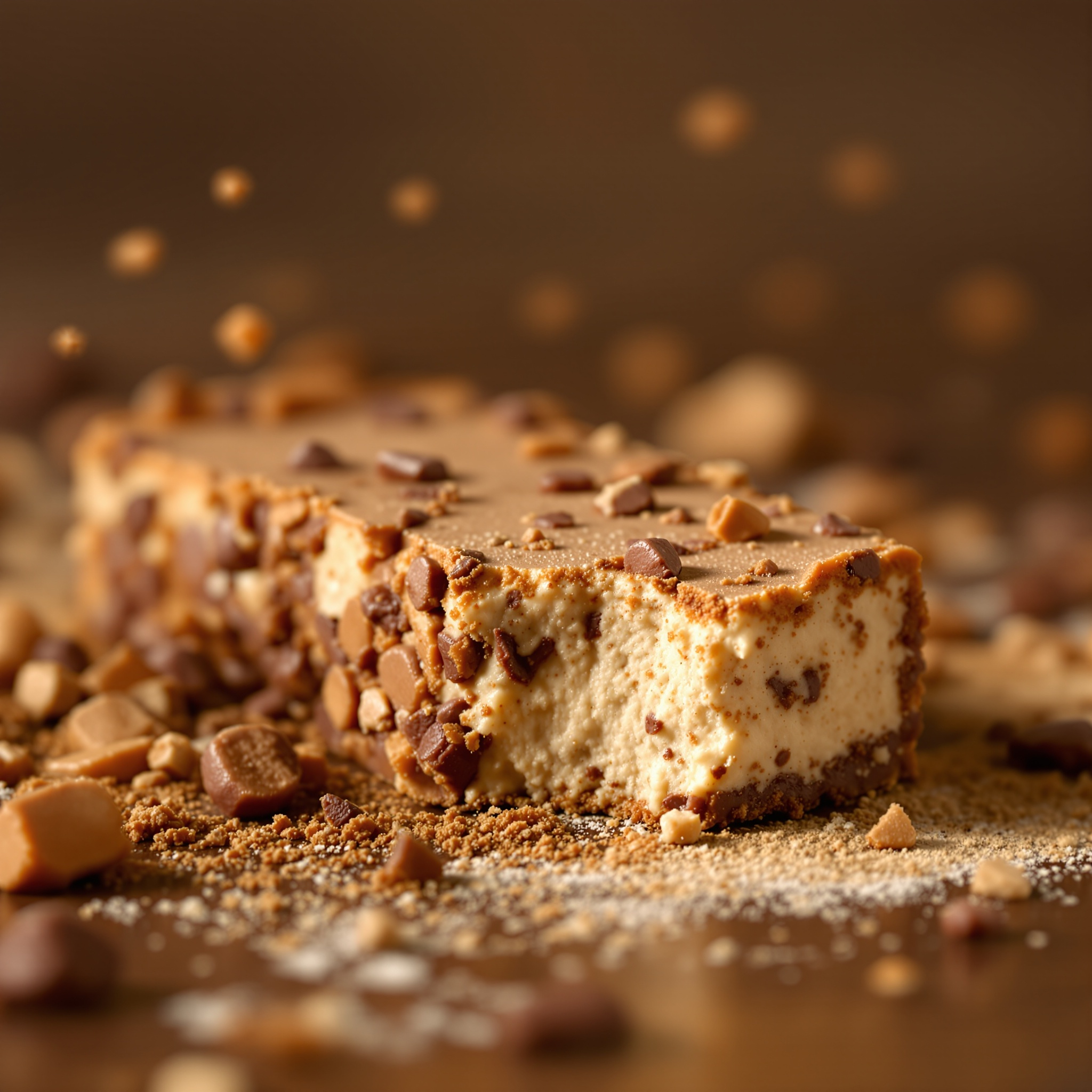 20g protein20g protein20g protein
Direct Answer
A No Cow protein bar delivers 20g of plant protein and roughly 15g of fiber with less than 2g of sugar in a ~60g bar — no dairy, no soy, and no artificial sweeteners, using a pea plus brown rice protein blend. Verified numbers for every core flavor are in the table below.
No Cow protein bars are one of the few mainstream bars that hit 20g of protein with no dairy, no soy, no artificial sweeteners, and less than 2g of sugar per bar — and they do it with a pea protein plus brown rice protein blend that delivers all nine essential amino acids when combined. Each bar also packs roughly 15g of dietary fiber from chicory root (inulin), which is exceptional for a 60g bar and meaningfully higher than the 1–2g in think! bars or the 0g in most candy-style protein bars. For a dairy- and soy-free plant-based alternative to the think! High Protein bars, No Cow is the primary mainstream option at the same 20g protein level. Below are the verified nutrition facts for all core No Cow flavors, a breakdown of what the pea–rice protein blend actually delivers, how the sweetener stack compares to competitors, and a clear picture of who these bars are and are not built for. For broader context, see our best protein bars of 2026 guide or browse the protein snacks directory.
No Cow Protein Bar Nutrition Facts: All Flavors (Per Bar)
All No Cow protein bars are a single serving per bar at approximately 60–62g. The figures below are cross-verified from No Cow’s product pages and major retailer nutrition panels. Numbers marked (~) are close approximations; confirm the label on your specific bar and lot.
| Flavor | Calories | Protein | Total Carbs | Fiber | Sugar | Fat |
|---|---|---|---|---|---|---|
| Peanut Butter Chocolate Chip | 170 | 20g | 25g | 15g | 1g | 7g |
| Chocolate Fudge Brownie | 190 | 20g | 26g | 15g | 1g | 7g |
| Cookie Dough | 200 | 20g | 27g | 15g | 1g | 7g |
| Lemon Meringue Pie | 190 | 20g | 26g | 15g | 1g | 6g |
| Cookies & Cream | 200 | 20g | 27g | 15g | 1g | 7g |
| S’mores | ~190 | 20g | ~26g | ~15g | ~1g | ~6g |
| Birthday Cake | ~190 | 20g | ~26g | ~15g | ~1g | ~6g |
Key observations: all flavors deliver exactly 20g of protein. The Peanut Butter Chocolate Chip flavor comes in at just 170 calories, making it one of the most protein-efficient options in the entire bar category at roughly 11.8g of protein per 100 calories. Sugar is consistently at 1g across all flavors, because sweetness comes from erythritol, stevia, and monk fruit rather than sucrose or high-fructose corn syrup. The 15g of fiber per bar (from chicory root inulin) is the highest fiber count in any mainstream protein bar — roughly 50% of the daily fiber target in a single 60g serving. All figures should be confirmed against the label for your specific lot and flavor.
Protein Blend: Pea Protein + Brown Rice Protein
No Cow bars use a two-source plant protein blend: pea protein isolate and brown rice protein. Neither source is a complete protein on its own:
- Pea protein is high in branched-chain amino acids (leucine, isoleucine, valine) but lower in methionine and cysteine.
- Brown rice protein is rich in methionine and cysteine but lower in lysine.
When combined, these two sources complement each other’s amino acid gaps to deliver a profile that covers all nine essential amino acids at levels sufficient for muscle protein synthesis — a point confirmed by a 2015 study in the Journal of the International Society of Sports Nutrition that found rice protein comparable to whey on muscle mass and recovery outcomes when matched gram-for-gram at 48g per day. At 20g per bar, the combined pea–rice blend is a meaningful plant protein source for daily protein intake.
The most important practical limitation is leucine density. Leucine is the primary trigger for muscle protein synthesis (MPS), and plant proteins are typically lower in leucine than whey isolate by weight. A 20g serving of pea–rice blend delivers less leucine than 20g of whey protein isolate. For maximizing MPS efficiency, some buyers prefer to pair a No Cow bar with a leucine-dense whole-food source (edamame, tempeh, or a higher-serving shake). That said, for general daily protein accumulation — where the priority is hitting a daily gram target across multiple meals — No Cow’s 20g from a fully plant-based source is a strong value.
No Cow bars are certified vegan, certified non-GMO, and gluten-free. They contain no dairy, no soy, no eggs, and no artificial coloring or flavors. This makes them one of the very few 20g-protein bars appropriate for someone who is simultaneously avoiding dairy, soy, and gluten — a narrow set of constraints that eliminates most mainstream competitors.
Sweetener Stack: Erythritol, Stevia Reb M, and Monk Fruit
No Cow bars use three low-glycemic sweeteners instead of sugar or synthetic sweeteners like sucralose:
- Erythritol is a sugar alcohol that is almost entirely excreted without metabolizing, giving it a glycemic index near zero and a caloric contribution of roughly 0.24 kcal/g (vs. 4 kcal/g for sugar). It is well tolerated at typical doses because most of it is absorbed in the small intestine before it can ferment in the colon — unlike sorbitol or maltitol. At the amounts in a single bar, GI side effects are uncommon.
- Stevia Reb M (steviol glycoside M) is a specific extract from the stevia leaf that has less bitterness than standard stevia Reb A. It is calorie-free and has no measurable glycemic impact. It is classified as generally recognized as safe (GRAS) by the FDA.
- Monk fruit extract (luo han guo) provides additional sweetness with no calories and no glycemic impact. It is a natural sweetener (not synthetic) classified as GRAS.
None of these three sweeteners is synthetic or artificial. No Cow bars contain no sucralose, no aspartame, and no acesulfame potassium (Ace-K) — the same claim as think! bars, but achieved with erythritol instead of maltitol. The key difference: erythritol has a glycemic index near zero, while maltitol has a GI of approximately 35–52. For buyers managing blood glucose or following a strict ketogenic diet, No Cow’s sweetener stack produces less glycemic impact than think!’s maltitol syrup. For a full breakdown of which bars minimize blood sugar response, see our best protein bars for diabetics guide.
The 15g of fiber from chicory root inulin also slows glucose absorption from any carbohydrates in the bar, further blunting any glycemic response. The net carbs (total carbs minus fiber and erythritol) for a Peanut Butter Chocolate Chip bar work out to approximately 5–7g — low enough that many keto dieters include No Cow bars within their daily macros.
No Cow vs Plant-Based Competitors: Head-to-Head
Here is how No Cow compares against the other mainstream plant-based protein bars at the 20g protein tier. All figures are per single bar as labeled.
| Bar (per bar) | Cal | Protein | Protein / 100 cal | Fiber | Sugar | Dairy-Free | Soy-Free |
|---|---|---|---|---|---|---|---|
| No Cow PB Choc Chip (~60g) | 170 | 20g | 11.8g | 15g | 1g | Yes | Yes |
| Clif Builder’s Chocolate (68g) | 270 | 20g | 7.4g | 3g | 17g | No (milk) | Yes |
| Garden of Life Sport Bar (~75g) | ~230 | 20g | ~8.7g | ~5g | ~8g | Yes | Yes |
| ALOHA Protein Bar (~58g) | ~220 | 14g | ~6.4g | ~8g | ~5g | Yes | Yes |
| Orgain Protein Bar (~50g) | ~150 | 10g | ~6.7g | ~5g | ~5g | Yes | No (soy) |
The most direct comparison is No Cow vs Clif Builder’s: both deliver 20g of protein on a plant base, but at very different nutritional profiles. Clif Builder’s is 270 calories vs No Cow’s 170 calories for the Peanut Butter Chocolate Chip flavor, contains 17g of actual sugar vs No Cow’s 1g, and is not dairy-free (it contains milk protein). Clif Builder’s uses soy protein isolate as its protein source, which is a complete protein, while No Cow uses pea–rice blend. At the protein-per-calorie level, No Cow (11.8g per 100 cal) is dramatically more efficient than Clif Builder’s (7.4g per 100 cal).
The Garden of Life Sport Bar is the closest competitor to No Cow: also 20g plant protein, dairy-free, soy-free, and certified organic. It runs about 30–40 calories higher per bar and delivers less fiber. Both use pea protein as a primary source; Garden of Life also includes pumpkin seed and navy bean protein in its blend. Price-wise, Garden of Life typically costs slightly more per bar than No Cow. For people who can find both, No Cow generally wins on protein efficiency and fiber content; Garden of Life may have a slight edge on flavor variety.
Notable: most mainstream “protein bars” that claim to be plant-based fall well below 20g of protein per bar, or include soy protein isolate (Orgain, some ALOHA variants) which excludes soy-sensitive buyers. The 20g plant-protein + soy-free + dairy-free combination is genuinely rare in the mainstream market, which is No Cow’s primary positioning advantage.
Who Should (and Should Not) Buy No Cow Bars
Best fit:
- Vegans and plant-based eaters who need 20g of protein from a bar without dairy or soy — No Cow is one of the very few mainstream bars that satisfies all three constraints simultaneously
- People with dairy allergies or lactose intolerance who still want high protein — most high-protein bars use whey or casein; No Cow eliminates the dairy source entirely
- People managing blood glucose or following keto who also avoid dairy and soy — the erythritol–stevia–monk fruit sweetener stack has near-zero glycemic impact, and net carbs run 5–7g per bar
- High-fiber dieters — at 15g of fiber per bar, a No Cow bar delivers roughly 50% of the daily fiber target; paired with a high-fiber diet it meaningfully supports gut health and satiety
- Buyers who want no synthetic sweeteners and no maltitol — the erythritol in No Cow bars has less GI side-effect potential than maltitol (used in think!, ONE Bar, and Barebells)
Consider an alternative if:
- You prioritize muscle protein synthesis efficiency and prefer whey isolate — the pea–rice blend delivers all essential amino acids but at lower leucine density than whey isolate; for pure MPS efficiency, see our best protein bars of 2026 guide for whey-based options
- Fiber causes GI distress for you — 15g of chicory root inulin per bar is a meaningful prebiotic dose; people sensitive to FODMAPs or high-fiber diets may experience bloating at this level, especially when first introducing the bars
- You want the absolute lowest price point — No Cow bars typically run $2.00–$2.50 per bar; Pure Protein and think! bars are available for $1.50–$2.00 per bar at Costco, though both contain dairy and/or soy
- You need a mainstream bar available at every convenience store — No Cow distribution is strong online and at major grocery chains, but is less omnipresent than Quest, ONE Bar, or Clif Builder’s at gas stations and convenience stores
Frequently Asked Questions
How much protein is in a No Cow bar?
Every No Cow protein bar delivers 20g of protein per bar, sourced from a blend of pea protein isolate and brown rice protein. Together, these two plant proteins complement each other’s amino acid profiles to cover all nine essential amino acids. The bars are certified vegan and contain no dairy, soy, or eggs.
Are No Cow bars actually good for you?
By standard macronutrient metrics, No Cow bars are among the strongest plant-based protein bars in the mainstream market: 20g of protein, 1g of sugar, ~15g of fiber, and 170–200 calories per bar. The sweetener stack (erythritol, stevia Reb M, monk fruit) has near-zero glycemic impact and no synthetic sweeteners. The main considerations are the high fiber load (15g of chicory root inulin per bar can cause bloating in FODMAP-sensitive people) and the pea–rice protein blend having lower leucine density than whey isolate. For daily protein accumulation and gut health, they are a strong choice; for pure post-workout muscle protein synthesis, a whey isolate source may be more efficient.
Do No Cow bars have dairy or soy?
No. No Cow bars contain neither dairy nor soy. The protein comes entirely from pea protein isolate and brown rice protein — no whey, no casein, no milk protein concentrate, and no soy protein isolate. The bars are certified vegan and are appropriate for people with dairy allergies, lactose intolerance, or soy allergies. They are also gluten-free.
Are No Cow bars keto-friendly?
Many keto dieters include No Cow bars in their macros. The Peanut Butter Chocolate Chip flavor has approximately 170 calories, 25g of total carbs, 15g of fiber, and 1g of sugar. When subtracting fiber and erythritol (which is almost entirely excreted), net carbs work out to roughly 5–7g per bar. The sweeteners (erythritol, stevia, monk fruit) have near-zero glycemic impact. That said, “keto-friendly” depends on your individual carb limit — confirm the specific flavor’s label and track according to your own daily targets.
How does No Cow compare to think! protein bars?
Both deliver 20g of protein per bar with no sucralose, aspartame, or Ace-K. The key differences: No Cow uses pea–rice plant protein (dairy-free, soy-free, vegan); think! uses whey isolate + soy isolate + caseinate (contains dairy and soy, not vegan). On sweeteners, No Cow uses erythritol + stevia + monk fruit (near-zero glycemic impact), while think! uses maltitol syrup (GI ~35–52). No Cow also packs ~15g of fiber vs think!’s 1–2g per bar. For anyone who can eat dairy and soy and isn’t concerned about glycemic impact, think! offers broadly similar flavor variety and broad retail availability; for anyone avoiding dairy or soy, No Cow is the clear choice at this protein level. See our think! bar nutrition guide for a full comparison.
Bottom line: No Cow protein bars occupy a narrow but genuinely useful niche: 20g of plant-based protein with no dairy, no soy, no artificial sweeteners, and 1g of sugar per bar — at a fiber count (15g) that is unmatched in the mainstream protein bar market. The pea–rice protein blend covers all essential amino acids, the erythritol-based sweetener stack has near-zero glycemic impact, and the Peanut Butter Chocolate Chip flavor achieves 11.8g of protein per 100 calories — among the highest protein efficiency ratios in any bar, plant-based or otherwise. The trade-offs are real: the 15g of chicory root fiber can cause GI discomfort in FODMAP-sensitive people, the pea–rice blend has lower leucine density than whey isolate, and No Cow bars are rarely found at convenience stores. At $2.00–$2.50 per bar, they are priced at a premium over dairy-based options. For vegans, dairy-allergic buyers, or soy-avoiders who need a 20g-protein bar without synthetic sweeteners, No Cow is one of the strongest options in the mainstream market. Browse more plant-based options in our protein snacks directory or see our best protein bars of 2026 guide for a full category comparison.
Shop our top protein bar picks
Editor-selected high-protein options related to this guide. As an Amazon Associate we may earn from qualifying purchases.
Shopping for No Cow? Upgraded - Peanut Butter Cup Protein Bar · Chocolate Peanut Butter Cup Protein Bar · Chocolate Chip Cookie Dough Protein Bar
20g proteinUpgraded - Birthday Cake Protein Bar
Amazon returns policy · secure checkout
20g protein20g proteinTags
High Protein Snacks Pro Editorial Team
Independently researched and editorially reviewed. We compare real nutrition labels and never accept payment for coverage.
Get the best new protein snacks in your inbox
Weekly picks and honest reviews — no spam, unsubscribe anytime.
More from the journal
GoMacro Nutrition Facts: 11–12g Protein, 260–290 Calories — Every MacroBar Flavor (2026)
GoMacro MacroBars deliver 11–12g of protein for 260–290 calories per bar, verified flavor by flavor from the brand’s own label — plus why the organic, low-FODMAP bar carries the least fiber and the lowest protein-per-calorie of the plant-based bars it’s most often compared to.
Read more
Premier Protein Bar Nutrition Facts (2026): 30g Protein Per Bar, All Flavors Compared and Bar vs Shake
Premier Protein’s 30g Protein Bars deliver the same 30g of protein as their RTD shake—but at 340 calories versus the shake’s 160 calories, with 40g of total carbohydrates versus 5g. Verified 2026 nutrition facts for the full 30g bar lineup, a bar-vs-shake macro comparison, sweetener breakdown (sucralose, not stevia), and a side-by-side against DAVID, Quest, and Kirkland at the same protein tier.
Read more
OWYN Protein Shake Nutrition Facts (2026): 32g Plant Protein, 200 Calories, 0g Sugar — Pro Elite Verified
OWYN Pro Elite delivers 32g of plant protein per 11.15 fl oz bottle at 200 calories with 0g sugar and 3g fiber — the highest-protein mainstream vegan ready-to-drink shake we’ve verified, and free of the top 9 allergens. Verified 2026 nutrition facts, the pea-protein-plus-pumpkin-seed blend that makes it a complete protein, and an honest comparison against Fairlife Nutrition Plan, Premier Protein, and Isopure Clear.
Read more