Built Bar Nutrition Facts: 140 Cal, 17g Protein, 6g Real Sugar — Every Flavor (2026)
Built Puff bars: 140–160 calories and 15–17g protein per bar, verified for every flavor — plus how the whey + collagen blend compares to Quest and RXBar.

The short answer
Our top high-protein picks
Editor-selected and ready to buy. As an Amazon Associate we may earn from qualifying purchases.
 15g protein
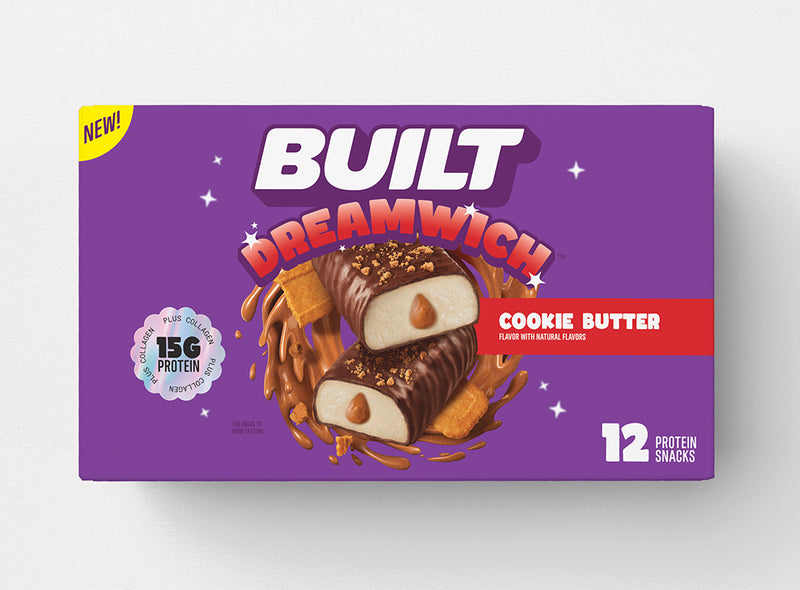 15g protein
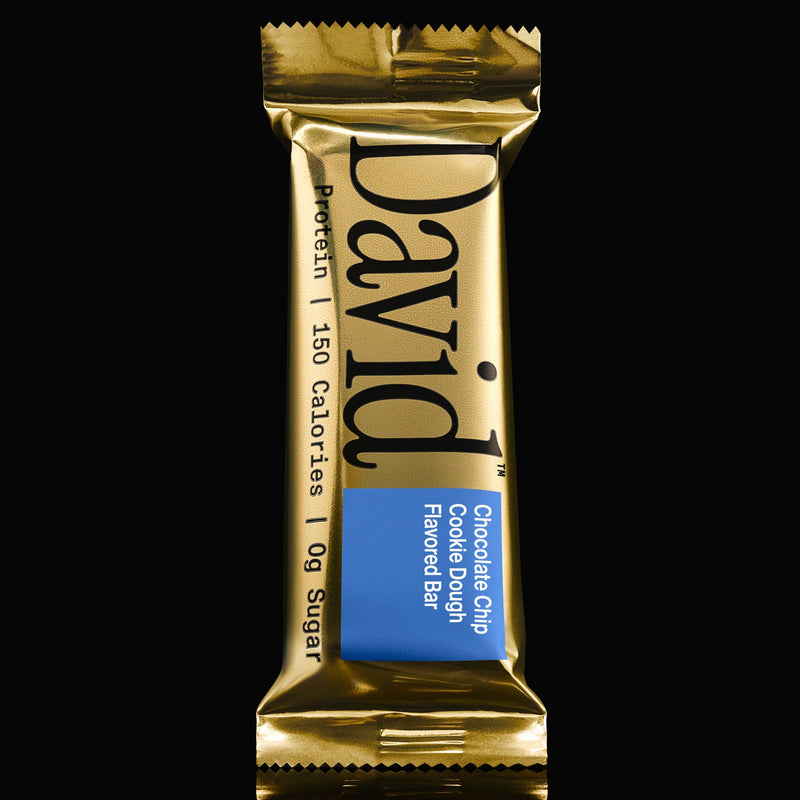 28g protein
Built Bar Nutrition Facts: All Current Puff Flavors Compared
The current Built product line is the Built Puff — a marshmallow-center bar coated in a chocolatey shell. All figures below are cross-verified from Walmart, Target, and grocery retailer product listings. Bar size varies slightly between flavors: the lighter flavors weigh 1.41 oz (40g) and the richer Cookie Dough and Peanut Butter Cup flavors weigh 1.55 oz (44g). Rows marked (~) are estimates extrapolated from macro percentage data and should be confirmed against your specific package label.
| Flavor | Size | Calories | Protein | Total Carbs | Total Sugar | Protein / 100 cal |
|---|---|---|---|---|---|---|
| Brownie Batter Puff | 1.41 oz (40g) | 140 | 17g | 14g | 6g | 12.1g |
| Coconut Puff | 1.41 oz (40g) | 140 | 17g | 13g | 6g | 12.1g |
| Strawberries 'n Cream Puff | 1.41 oz (40g) | 140 | 17g | ~13g | ~6g | 12.1g |
| Mint Chip Puff | 1.41 oz (40g) | ~140 | ~17g | ~13g | ~6g | ~12.1g |
| Cookies N' Cream Puff | 1.41 oz (40g) | 150 | 17g | 14g | ~7g | 11.3g |
| Pink Lemonade Sour Puff | 1.45 oz (41g) | 150 | 16g | ~14g | ~6g | 10.7g |
| Peanut Butter Cup Puff | 1.55 oz (44g) | 150 | 15g | ~14g | ~6g | 10.0g |
| Cookie Dough Chunk Puff | 1.55 oz (44g) | 160 | 15g | ~17g | 8g | 9.4g |
Several patterns emerge. First, Built Puffs are one of the lowest-calorie protein bars in the mainstream market: most competitors clock in at 180–230 calories per bar. Second, the lighter 1.41 oz flavors consistently hit 17g of protein for 140–150 calories; the larger Cookie Dough and Peanut Butter Cup flavors trade a little protein density for richer flavor. Third, there are no fiber grams to subtract here — Built Puffs have 0–1g of dietary fiber, unlike Quest bars with 12g. The total carbs on the label are essentially all digestible. Available flavors rotate seasonally, so check built.com or major retailers for the current lineup.
The Whey + Collagen Protein Blend: What It Means for Your Diet
Built Puffs list their protein source as a “Premium Collagen Protein Blend (Partially Hydrolyzed Whey Protein Isolate, Collagen).” This is different from most protein bars, which use whey protein isolate or concentrate alone, and it is worth understanding what the blend means in practice.
Whey protein isolate is a complete protein — it contains all nine essential amino acids, including tryptophan, in ratios effective for muscle protein synthesis. It is the same form of protein used in most premium protein bars and powders.
Collagen peptides are an incomplete protein. Collagen contains 18 of the 19 amino acids found in food proteins but is entirely lacking in tryptophan, one of the nine essential amino acids. It is also low in leucine, isoleucine, and valine — the branched-chain amino acids (BCAAs) most associated with muscle protein synthesis. On their own, collagen peptides are not an effective muscle-building protein source.
Because the blend includes both whey isolate and collagen, the combined protein provides all essential amino acids — the whey supplies what the collagen lacks. Whey protein is listed first in the blend, which under FDA ingredient listing rules indicates it is present in greater quantity by weight, suggesting the whey portion is dominant. However, Built does not disclose the exact whey-to-collagen ratio, so the quality advantage of whey cannot be fully quantified.
Practical implication: Built Puffs work well as a convenient high-protein snack for general health, weight management, and everyday protein goals. For people specifically optimizing muscle protein synthesis — such as competitive athletes timing protein around training — a pure-whey bar, Greek yogurt, or cottage cheese provides a more complete, research-backed protein source per gram. See high-protein whole-food alternatives in our best post-workout protein snacks guide.
Are Built Bars Healthy? Who They’re For
For most people, yes — Built Puffs have specific strengths worth calling out honestly:
- Exceptionally low calorie for a protein bar: 140 calories for 17g of protein is among the best calorie-to-protein ratios in the packaged bar category — competitive with some Greek yogurt options. If you are in a calorie deficit and want a dessert-style snack, Built Puffs have a structural advantage over 200+ calorie bars. See more options in our best high-protein snacks for weight loss guide.
- No artificial sweeteners: Built Puffs do not use erythritol, sucralose, aspartame, or Ace-K. The 6–8g of sugar per bar is real dietary sugar. If GI distress from sugar alcohols — a common complaint with Quest bars — is a concern, Built Puffs avoid that entirely.
- Gluten-free: All Built Puff flavors are certified gluten-free, which matters for people with celiac disease or gluten sensitivity.
- Very low fiber: Built Puffs have 0–1g of dietary fiber per bar. If you want a bar that also adds meaningful fiber, Quest bars (12g fiber per bar) or whole-food snacks like edamame or roasted chickpeas are better choices.
- Real sugar, not net carbs: Because Built Puffs contain no erythritol or large amounts of other sugar alcohols, the total carbohydrate count (13–17g per bar) reflects actual digestible carbohydrates. There is no “subtract the sugar alcohols” math here. This is more transparent on the label but means the net carb count is higher than a Quest or ONE bar of similar size.
Built Puffs are best for: active adults who want a genuinely low-calorie, dessert-style protein snack without artificial sweeteners, who do not require maximum protein quality for muscle building purposes, and who do not need high fiber from their protein bar.
Consider an alternative if: you are a competitive athlete optimizing muscle protein synthesis (choose pure-whey bars); you are tracking strict net carbs on keto (Quest, ONE Bar, and Barebells have lower net carbs via erythritol); or you need maximum protein per bar (Quest at 21g, ONE Bar at 20g). See all options in our protein snacks without sugar guide.
Built Bar vs Quest vs RXBar vs ONE Bar vs Barebells
Here is how Built Puff Brownie Batter (the highest-protein, lowest-calorie flavor) compares to the most commonly compared alternatives on the metrics that matter most.
| Bar | Calories | Protein | Protein / 100 cal | Total Sugar | Sweetener type | Fiber |
|---|---|---|---|---|---|---|
| Built Puff Brownie Batter | 140 | 17g | 12.1g | 6g | Real sugar, no artificial | <1g |
| Quest Choc. Chip Cookie Dough | 190 | 21g | 11.1g | 1g | Erythritol + sucralose | 12g |
| ONE Bar Birthday Cake | 220 | 20g | 9.1g | 1g | Erythritol + sucralose | 10g |
| Barebells Chocolate Dough | 200 | 20g | 10.0g | 0g | Maltitol + sucralose | ~3g |
| RXBar Chocolate Sea Salt | 210 | 12g | 5.7g | 15g | Dates (natural) | 5g |
Built Puffs have the best protein-to-calorie ratio in this comparison at 12.1g of protein per 100 calories, beating Quest (11.1g). They achieve this by being a smaller, lighter bar rather than by exceptional protein density per gram. The honest trade-off: with 17g of protein per bar, if you need 20+ grams in one snack, Quest, ONE Bar, or Barebells delivers more total protein without needing a second bar. For detailed flavor-by-flavor breakdowns, see our Quest protein nutrition guide, RXBar nutrition facts, and ONE Bar nutrition facts.
What Sweeteners Does Built Use?
One of the clearest differences between Built Puffs and most competing protein bars is the sweetener approach. The ingredient list for Built Puff Brownie Batter includes: Premium Collagen Protein Blend (Partially Hydrolyzed Whey Protein Isolate, Collagen), Glycerin, Sugar, Water, Palm And Palm Kernel Oil, Cocoa Processed With Alkali, Gelatin, Natural Flavors, Cultured Dextrose, Nonfat Milk, Soy Lecithin.
“Sugar” is listed as an ingredient — actual table sugar. There is no erythritol, sucralose, aspartame, Ace-K, stevia, or allulose. The 6–8g of total sugar per bar is real dietary sugar, not a sugar alcohol.
- The advantage: No risk of GI distress from erythritol or soluble corn fiber. Many people find that bars with high erythritol content (Quest, ONE Bar) cause bloating, gas, or loose stools, especially at multiple servings per day. Built Puffs have none of that risk.
- The trade-off: 6–8g of actual sugar contributes to blood glucose in a way that erythritol does not. For people managing blood sugar carefully or following strict keto where every gram of sugar matters, this is a meaningful difference from near-zero-sugar bars.
Frequently Asked Questions
How much protein is in a Built Bar?
Current Built Puff bars deliver 15–17g of protein per bar depending on flavor. The most popular flavors — Brownie Batter, Coconut, Strawberries 'n Cream, and Cookies N' Cream — all hit 17g of protein for 140–150 calories. The larger Cookie Dough Chunk and Peanut Butter Cup flavors deliver 15g. All protein comes from a blend of partially hydrolyzed whey protein isolate and collagen peptides.
Are Built Bars keto-friendly?
Not in the same way as Quest or ONE bars. Built Puffs have 13–17g of total carbohydrates per bar with 0–1g of fiber and no large sugar alcohol amounts to subtract, so net carbs are roughly equal to total carbs — approximately 12–16g net carbs per bar. Quest bars, by contrast, have about 10g net carbs despite 22g total carbs because of 12g fiber and erythritol. Built Puffs can fit a low-carb eating pattern but are not a strict keto specialist product the way Quest or ONE bars are.
Do Built Bars cause stomach problems?
Built Puffs are significantly less likely to cause GI distress than bars that rely on erythritol and soluble corn fiber, because they use neither. The sweetness comes from actual sugar, and the collagen ingredient is generally well-tolerated. They are also gluten-free. GI complaints are uncommon at one-bar servings.
Is the collagen in Built Bars a complete protein?
Collagen peptides alone are not a complete protein — they lack tryptophan, an essential amino acid. However, Built Puffs pair collagen with whey protein isolate, which is a complete protein. The combined blend provides all essential amino acids. Because Built does not disclose the whey-to-collagen ratio, the exact protein quality per gram cannot be precisely determined from the label, but the whey is listed first in the blend, suggesting it is the dominant protein source.
Where can I buy Built Bars?
Built Puffs are sold at built.com and widely available at Walmart, Target, Costco, Kroger, Harris Teeter, Sprouts, and other major US grocery chains and club stores. Single bars retail for approximately $2.50–$3.50; 12-count boxes typically run $20–$28, working out to roughly $1.70–$2.30 per bar. For a full range of protein bar options, browse the protein snacks directory.
Bottom line: Built Puff protein bars deliver 140–160 calories and 15–17g of protein per bar in a uniquely light, chocolate-coated marshmallow format, with real sugar and no artificial sweeteners. The 12.1g protein per 100 calories in the Brownie Batter flavor is among the best calorie efficiency ratios in the bar category — a genuine advantage for calorie-conscious snackers who want a dessert feel without a high calorie cost. The whey + collagen protein blend covers all essential amino acids, though pure-whey bars are better optimized for muscle protein synthesis. Very low fiber and real dietary sugar (not net carbs) are the honest trade-offs. Compare them against Quest, RXBar, ONE Bar, and more in our best protein bars of 2026 roundup, or browse the full protein snacks directory.
Shop our top high-protein picks
Editor-selected high-protein options related to this guide. As an Amazon Associate we may earn from qualifying purchases.
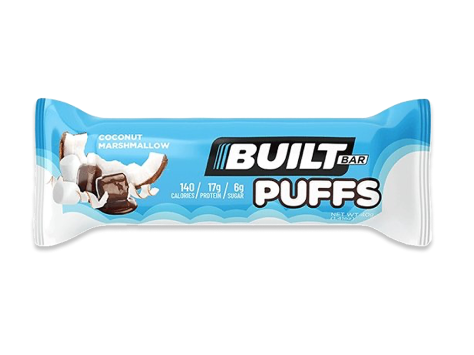 17g protein
Protein Bar - Coconut
Amazon returns policy · secure checkout
15g protein15g proteinTags
High Protein Snacks Pro Editorial Team
Independently researched and editorially reviewed. We compare real nutrition labels and never accept payment for coverage.
Get the best new protein snacks in your inbox
Weekly picks and honest reviews — no spam, unsubscribe anytime.
More from the journal
DAVID Protein Bar vs Built Bar (2026): 28g vs 17g Protein — Which Low-Calorie Bar Actually Wins?
DAVID Gold Chocolate Chip Cookie Dough delivers 28g of protein for 150 calories and 0g of sugar per 62g bar. Built Puff Brownie Batter delivers 17g of protein for 140 calories and 6g of real sugar per 40g bar. Verified 2026 head-to-head from each brand’s own published nutrition facts — the protein-to-calorie math, the collagen-in-both-blends story, the EPG-vs-palm-oil ingredient trade-off, and which bar actually fits your goals.
Read more
David Protein Bar Nutrition Facts: 28g Protein in 150 Calories — Gold vs Bronze, Every Flavor, EPG Explained
DAVID Gold bars deliver 28g of protein and 150 calories with 0g of sugar per 62g bar — the highest protein-to-calorie ratio of any mainstream US protein bar. Here are the verified nutrition facts for every Gold and Bronze flavor, what EPG is and why it matters, and how DAVID compares to Quest, Barebells, and Built Bar.
Read more
Premier Protein Bar Nutrition Facts (2026): 30g Protein Per Bar, All Flavors Compared and Bar vs Shake
Premier Protein’s 30g Protein Bars deliver the same 30g of protein as their RTD shake—but at 340 calories versus the shake’s 160 calories, with 40g of total carbohydrates versus 5g. Verified 2026 nutrition facts for the full 30g bar lineup, a bar-vs-shake macro comparison, sweetener breakdown (sucralose, not stevia), and a side-by-side against DAVID, Quest, and Kirkland at the same protein tier.
Read more