Perfect Bar Nutrition Facts: 17g–20g Protein per Bar — Whole-Food Ingredients, No Artificial Sweeteners (All Flavors Compared)
Perfect Bar Original Peanut Butter delivers 17g of protein and 340 calories per 2.5oz bar, sweetened only with organic honey — no artificial sweeteners, no sugar alcohols, no preservatives. The new Protein + Prebiotics line hits 20g protein with prebiotic fiber. Verified nutrition for every core flavor compared against Quest, RXBAR, and ONE Bar.

The short answer
Our top high-protein picks
Editor-selected and ready to buy. As an Amazon Associate we may earn from qualifying purchases.
 12g protein
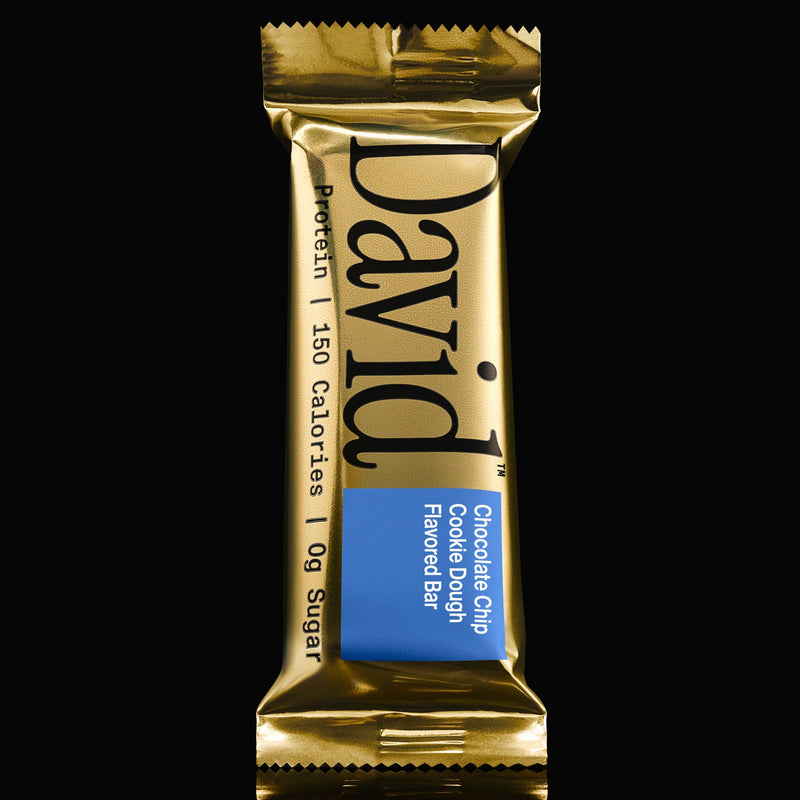
CHOCOLATE CHIP COOKIE DOUGH
Amazon returns policy · secure checkout
 28g protein
 12g protein
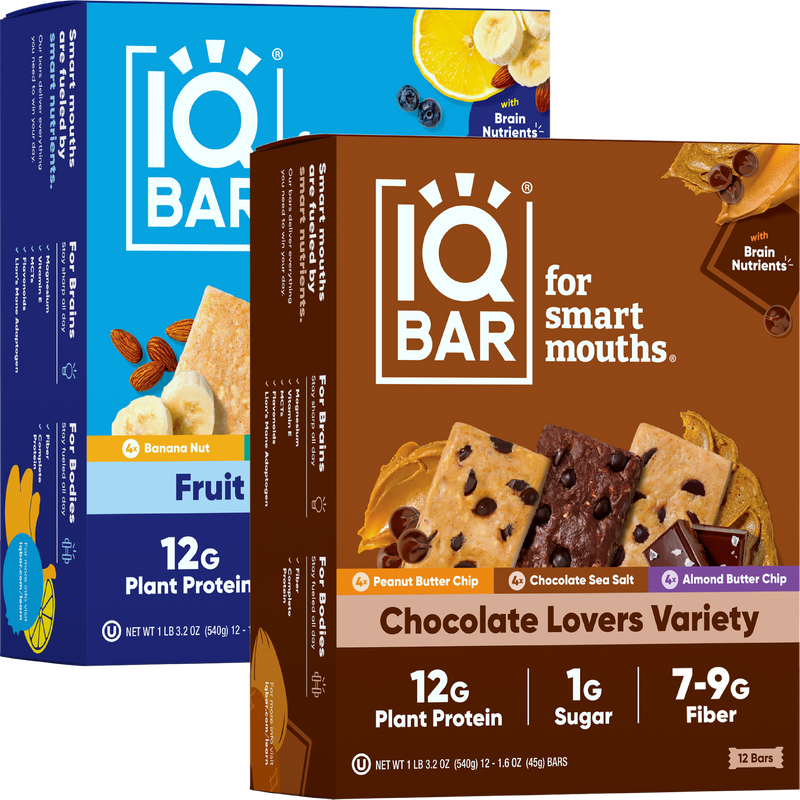
Chocolate Lovers & Fruit Lovers (24 Bars)
Amazon returns policy · secure checkout
Perfect Bar Nutrition Facts: All Core Flavors Compared
Perfect Bar sells two main product lines in the US: the Original bars and the Protein + Prebiotics bars launched in early 2026. The Original line uses nut butters as the primary protein source; the Protein + Prebiotics line adds grass-fed whey protein to reach a higher protein count. All figures below are cross-verified from multiple nutrition databases and retail product listings.
| Flavor / Bar | Serving | Calories | Protein | Total Fat | Carbs | Fiber | Total Sugar | Added Sugar |
|---|---|---|---|---|---|---|---|---|
| Original Peanut Butter | 2.5oz (71g) | 340 | 17g | 19g | 27g | 3g | 19g | 13g |
| Dark Chocolate Chip PB with Sea Salt | 2.3oz (65g) | 330 | 17g | 16g | 23g | 5g | 12g | ~10g |
| Chocolate Chip Cookie Dough | ~2.18oz (62g) | 310 | 12g | 18g | 25g | 2g | 18g | ~13g |
| Protein + Prebiotics — PB Chocolate Crunch | 70g | 330 | 20g | — | 24g | 6g | 11g | 10g |
| Protein + Prebiotics — Chocolate Mint Crunch | 70g | 330 | 20g | — | 24g | 6g | 11g | 10g |
A few things stand out immediately. First, the Original Peanut Butter bar is significantly higher in calories than most commercial protein bars — 340 calories versus 190 to 220 for Quest, ONE Bar, or Barebells. The reason is structural: nut butter is calorie-dense by nature, and 19g of fat in the PB bar comes almost entirely from unsaturated fat from peanut butter, not from cheap fillers. Second, the 13g of added sugar in the Original PB bar comes entirely from organic honey — there are no artificial sweeteners, no sugar alcohols, and no stevia in any Original Perfect Bar. Third, the Protein + Prebiotics line is a meaningfully different product: grass-fed whey protein is added to reach 20g, total sugar is cut to 11g, and 3g of prebiotic fiber from chicory root is included — all while keeping the same no-artificial-sweetener philosophy. Numbers marked with “~” are approximated from available nutrition database entries and should be confirmed on the product label.
Why Perfect Bars Must Be Refrigerated
Nearly every other protein bar on the market is shelf-stable at room temperature for months. Perfect Bar is not — and the reason matters because it is directly related to the ingredient philosophy. The bars use fresh-ground nut butter, egg whites (which provide binding and protein), and organic honey as the core ingredients, with no artificial preservatives whatsoever. At room temperature, the egg whites and nut butter begin to degrade within days. Refrigeration is not a marketing claim; it is a genuine food-safety requirement for this formulation. The bars last approximately four weeks refrigerated, or longer in the freezer. The refrigeration requirement also explains where you find Perfect Bars in stores: the grab-and-go refrigerated case near the deli or produce section, rather than the protein bar aisle.
What Perfect Bar Is Made From
Understanding the ingredient philosophy makes sense of the nutrition numbers. The Original bars use a short, recognizable ingredient list built around:
- Freshly ground organic peanut butter (primary protein and fat source)
- Organic honey (the only sweetener — hence the 13g of honey-derived added sugar)
- Organic egg whites (complete protein, acts as a binder)
- Organic puffed rice (texture)
- 20+ organic superfoods in small amounts: flaxseed, sunflower seed, pumpkin seed, organic brown rice protein, and others
No sucralose, no acesulfame potassium, no maltitol, no erythritol, no stevia, no monk fruit, no artificial flavors, no artificial preservatives. This makes Perfect Bar fundamentally different from the mainstream protein bar market, where sugar-free or very-low-sugar products almost universally rely on sugar alcohols or artificial sweeteners to hit their macro targets.
Perfect Bar vs Quest, RXBAR, ONE Bar, and Barebells
Perfect Bar competes against other premium protein bars at specialty and natural grocery stores. But the comparison reveals very different philosophies about what a protein bar should be. Here is how the core products stack up on protein, calories, sweetener approach, and real-food commitment.
| Bar (per bar) | Cal | Protein | Added Sugar | Sweetener | Artificial? | Refrigerated? |
|---|---|---|---|---|---|---|
| Perfect Bar Original PB (71g) | 340 | 17g | 13g honey | Organic honey | No | Yes |
| RXBAR Chocolate Sea Salt (52g) | 210 | 12g | 0g (dates) | Dates (natural) | No | No |
| Quest Choc Chip Cookie Dough (60g) | 190 | 21g | 0g | Erythritol, sucralose, stevia | Yes | No |
| ONE Bar (60g) | 220 | 20g | 0g | Erythritol, sucralose | Yes | No |
| Barebells Original (55g) | 200 | 20g | 0g | Maltitol, sucralose, Ace-K | Yes | No |
The key insight from this table: Perfect Bar is the only bar in this comparison that uses zero artificial sweeteners and zero sugar alcohols while still delivering a meaningful amount of protein (17g). RXBAR also avoids artificial sweeteners and uses only whole-food sweeteners (dates), but it delivers 12g of protein versus Perfect Bar’s 17g, and it contains significantly fewer calories (210 vs. 340) because dates are less calorie-dense than peanut butter. Quest, ONE, and Barebells all use artificial sweeteners or sugar alcohols to reach near-zero sugar while staying below 220 calories — which is why they are efficient tools for hitting a protein target without extra calories, but at the cost of processed ingredients. The choice between them comes down to one question: do you want maximum protein per calorie with artificial sweeteners, or whole-food ingredients with real honey and more calories from nut butter? For the full breakdown on each competitor, see our guides to RXBAR nutrition facts, Quest nutrition guide, ONE Bar nutrition facts, and Barebells nutrition guide.
Is Perfect Bar Healthy? An Honest Assessment
The answer depends on your goal and what you are comparing it to.
- For whole-food ingredient quality: Perfect Bar wins against almost every other protein bar in wide distribution. No artificial sweeteners, no sugar alcohols, no preservatives, and a recognizable ingredient list. If clean-label eating is your priority, Perfect Bar is the standard.
- For calorie management or weight loss: Perfect Bar is the wrong tool. At 310–340 calories per bar, it occupies the calorie space of a light meal. If you are managing a 1,600-calorie-per-day target, a Perfect Bar takes roughly 20–21% of your daily budget as a snack. Quest, ONE Bar, or RXBAR deliver similar protein for 40–45% fewer calories. See our best high-protein snacks for weight loss guide for better-fitting options.
- For blood-sugar-conscious eaters: The 13g of added honey in the Original PB bar is real sugar that raises blood glucose, unlike the sugar alcohols in Quest or ONE Bar. The Protein + Prebiotics line cuts added sugar to 10g and adds 3g of prebiotic fiber, which moderates the glycemic response, but it is still not a low-sugar bar.
- For post-workout recovery: 17g of protein post-workout is at the lower end of the typical effective range (20–40g). The Protein + Prebiotics line at 20g is better positioned for recovery, and the addition of grass-fed whey ensures a complete amino acid profile including high leucine for muscle protein synthesis.
- For people avoiding artificial sweeteners: Perfect Bar is one of very few widely distributed protein bars that genuinely delivers here. If avoiding sucralose, erythritol, stevia, and acesulfame potassium is important to you, Perfect Bar and RXBAR are the two mainstream options that meet this bar.
Frequently Asked Questions
How much protein is in a Perfect Bar?
The Original Peanut Butter bar delivers 17g of protein per 2.5oz (71g) bar. The Dark Chocolate Chip Peanut Butter with Sea Salt also delivers 17g per 2.3oz (65g) bar. The Chocolate Chip Cookie Dough has approximately 12g per bar. The Protein + Prebiotics line (launched 2026) delivers 20g per 70g bar in both Peanut Butter Chocolate Crunch and Chocolate Mint Crunch flavors.
How many calories are in a Perfect Bar?
The Original Peanut Butter bar has 340 calories per 2.5oz (71g) bar. The Dark Chocolate Chip Peanut Butter with Sea Salt has 330 calories per 2.3oz bar. The Protein + Prebiotics line is 330 calories per 70g bar. Perfect Bars run significantly higher in calories than most protein bars because they are built from calorie-dense whole-food ingredients (nut butter, honey) rather than processed protein isolate with artificial sweeteners.
Why does Perfect Bar need to be refrigerated?
Perfect Bars use fresh-ground nut butter, egg whites, and organic honey with no artificial preservatives. These whole-food ingredients require refrigeration to remain safe and prevent spoilage. The bars last approximately four weeks refrigerated or longer if frozen. Most other protein bars use protein isolates, artificial preservatives, and low-moisture formulations that allow for room-temperature shelf stability — Perfect Bar deliberately avoids all of those.
Does Perfect Bar have artificial sweeteners?
No. Perfect Bar uses only organic honey as a sweetener in both its Original line and Protein + Prebiotics line. There are no artificial sweeteners (sucralose, aspartame, acesulfame potassium), no sugar alcohols (erythritol, maltitol, xylitol), and no stevia or monk fruit in any Perfect Bar product. This distinguishes it from Quest, ONE Bar, and Barebells, which all use artificial sweeteners to keep sugar near zero.
Is Perfect Bar good for weight loss?
As a primary protein snack for weight management, Perfect Bar is not the most efficient choice due to its high calorie count (310–340 per bar). Bars like Quest (21g protein, 190 cal) or ONE Bar (20g protein, 220 cal) deliver equal or more protein for roughly half the calories. Perfect Bar is better positioned as a whole-food meal supplement or a substantial snack for people who are not in a caloric deficit. For lower-calorie, high-protein options, browse our best protein bars of 2026 guide or explore the full protein snacks directory.
Bottom line: Perfect Bar Original delivers 17g of protein and 340 calories per 2.5oz bar, sweetened only with organic honey and made from real whole-food ingredients including fresh-ground nut butter and egg whites — no artificial sweeteners, no sugar alcohols, no preservatives, which is why refrigeration is required. The Protein + Prebiotics line (2026) raises protein to 20g by adding grass-fed whey and includes 3g of prebiotic fiber from chicory root. For clean-label, whole-food ingredient quality, Perfect Bar is the best in the protein bar category. For calorie efficiency, bars like Quest (21g for 190 cal) or ONE Bar (20g for 220 cal) are better tools. Explore all options in the protein snacks directory or see our best protein bars of 2026 guide for the full ranked comparison.
Shop our top high-protein picks
Editor-selected high-protein options related to this guide. As an Amazon Associate we may earn from qualifying purchases.
 17g protein
Original Peanut Butter Protein Bar
Amazon returns policy · secure checkout
12g proteinCHOCOLATE CHIP COOKIE DOUGH
Amazon returns policy · secure checkout
28g proteinTags
High Protein Snacks Pro Editorial Team
Independently researched and editorially reviewed. We compare real nutrition labels and never accept payment for coverage.
Get the best new protein snacks in your inbox
Weekly picks and honest reviews — no spam, unsubscribe anytime.
More from the journal
Best Breakfast Protein Bars 2026: 5 Real Whole-Food Picks Ranked by Ingredients, Protein, and Morning Staying Power
The best breakfast protein bar in 2026 is KIND Breakfast Protein Almond Butter — literally built and branded for breakfast, with 8g of protein, 6g of fiber, and a whole-nut and grain base sweetened with honey. For a whole-food refrigerated pick, Perfect Bar Peanut Butter delivers 15g of protein and roughly 20 organic superfoods at meal-replacement scale. Five real breakfast protein bars ranked strictly by ingredient quality, protein, and morning staying power — every macro number verified from each brand's own 2026 nutrition panel.
Read more
RXBAR vs Perfect Bar (2026): Shelf-Stable Dates vs Refrigerated Honey — Which Real-Food Bar Wins?
RXBAR's Chocolate Sea Salt bar delivers 12g of protein for 210 calories with 0g added sugar from dates and sits at room temperature indefinitely; Perfect Bar's Original Peanut Butter delivers 17g of protein for 340 calories with 13g of added sugar from honey and must stay refrigerated. Verified 2026 head-to-head using both brands' own published nutrition facts — full flavor lineups, why one needs a fridge and the other doesn't, dates vs honey as a sweetener, and which bar fits keto, weight loss, and dairy-free diets.
Read more
FitCrunch Protein Bar Nutrition Facts 2026: 30g Whey Protein, 6-Layer Baked Bar — Every Flavor Compared
FitCrunch full-size bars deliver 30g of whey protein at 380 calories with 6g of total sugar — the only mainstream 6-layer baked protein bar in the US, created by Food Network chef Robert Irvine. Snack-size bars deliver 16g of protein at 190 calories and 3g of sugar. Every flavor compared by calories, protein, fat, fiber, sugar, and sodium, with verified 2026 nutrition label data.
Read more