RXBAR Nutrition Facts: 12g Protein, 0g Added Sugar per Bar (All Core Flavors Compared)
Every RXBAR delivers 12g protein and 0g added sugar in a 52g bar — but natural sugar from dates runs 13–16g per bar. Verified nutrition facts for every core flavor plus an honest comparison with Quest and Barebells.
The short answer
Our top protein bar picks
Editor-selected and ready to buy. As an Amazon Associate we may earn from qualifying purchases.
 12g protein
 12g protein
 28g protein
RXBAR Nutrition Facts Per Bar (All Core Flavors)
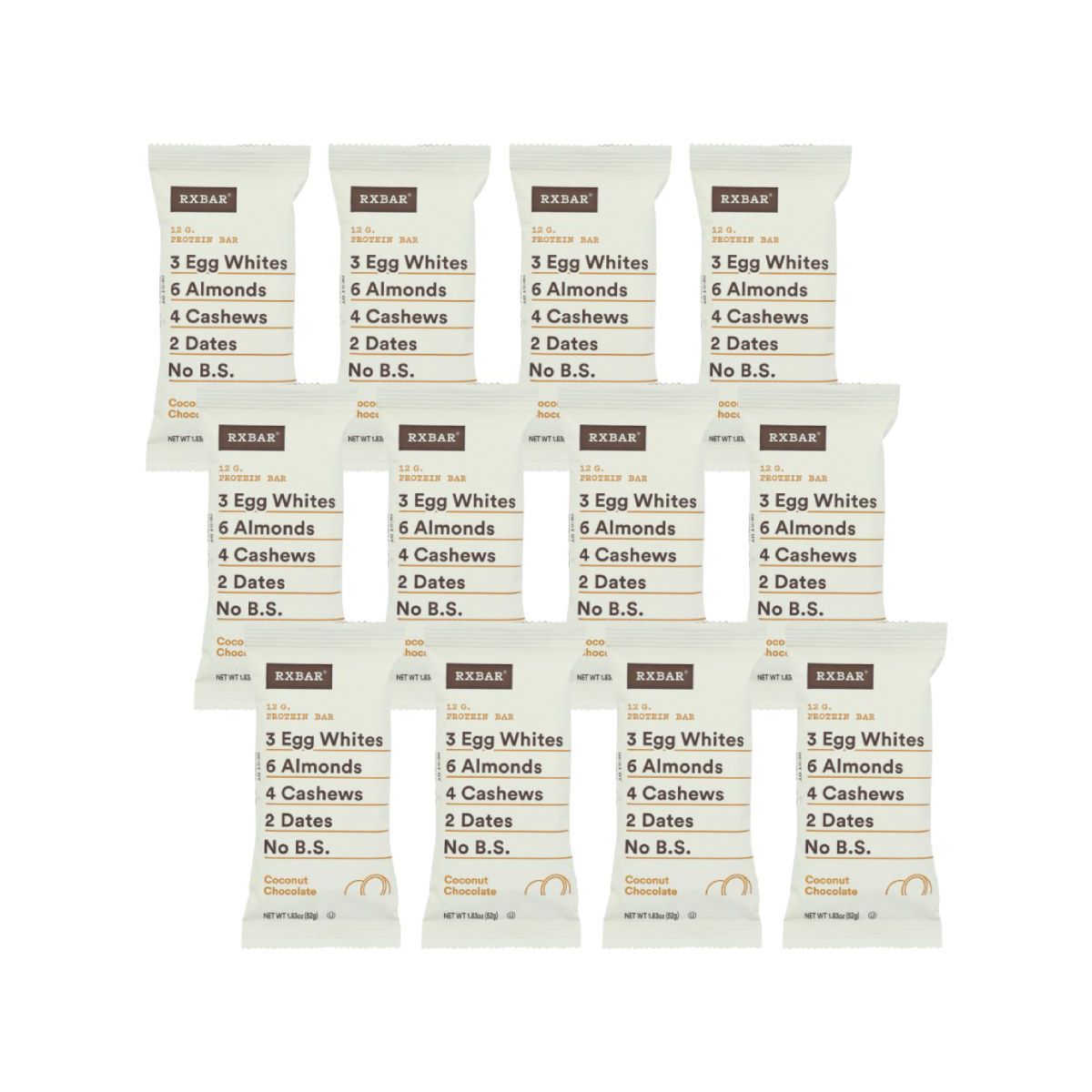
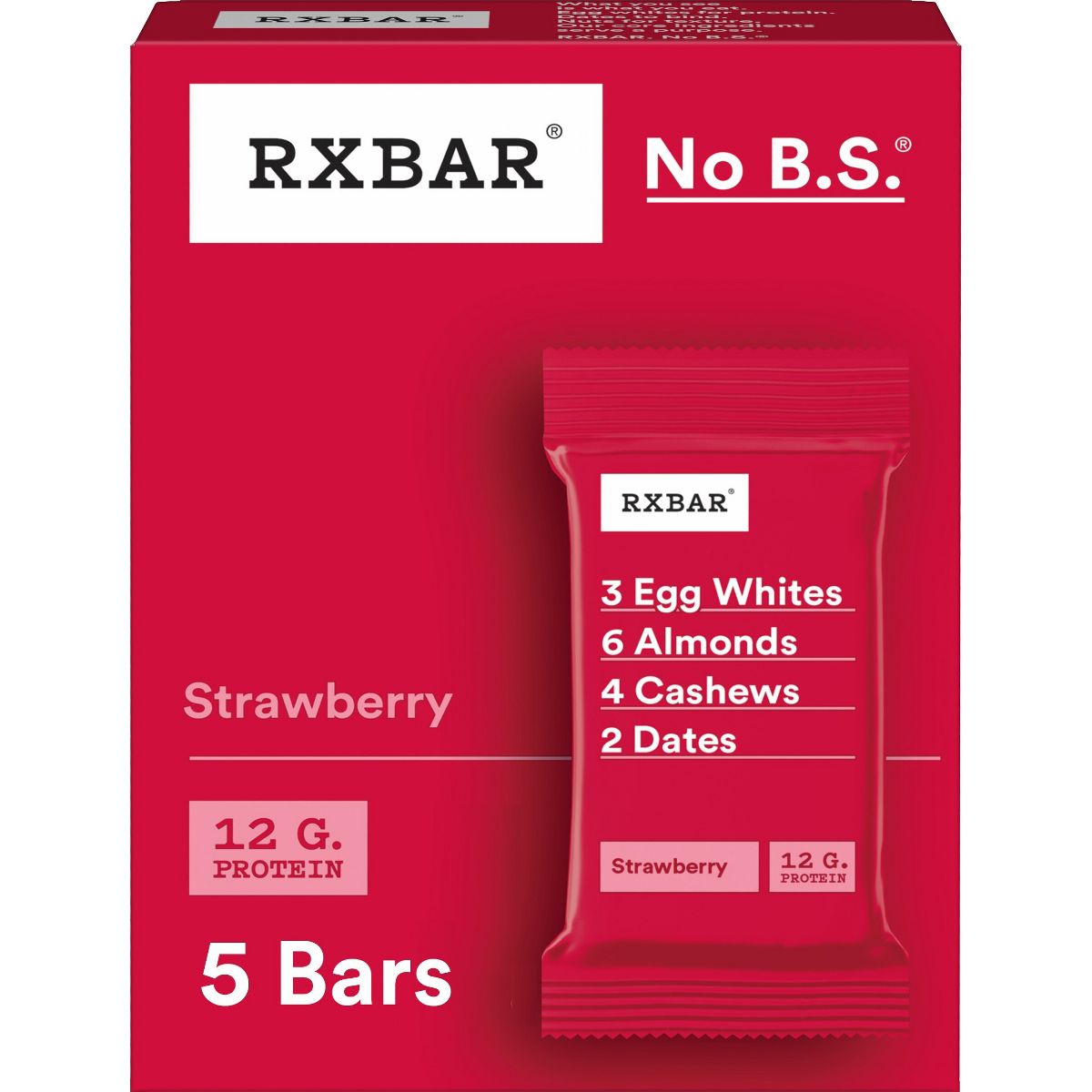
Every standard RXBAR is a single 52g (1.83oz) serving. Protein is always 12g and added sugar is always 0g. The variation between flavors comes from fat and calorie content, driven by whether the bar uses mainly almonds and cashews versus peanuts (higher fat), and how much date is in the base. Numbers below are verified across multiple nutrition databases cross-referencing official RXBAR SmartLabel product listings.
| Flavor (52g bar) | Calories | Protein | Total Carbs | Fiber | Total Sugar | Added Sugar | Fat |
|---|---|---|---|---|---|---|---|
| Chocolate Sea Salt | 210 | 12g | 23g | 5g | 13g | 0g | 8g |
| Peanut Butter Chocolate | 200 | 12g | 23g | 4g | 15g | 0g | 9g |
| Blueberry | 180 | 12g | 24g | 6g | 15g | 0g | 6g |
| Mixed Berry | 210 | 12g | 24g | 5g | 14g | 0g | 7g |
| Vanilla Almond | 190 | 12g | 24g | 5g | 16g | 0g | 7g |
| Peanut Butter | 200 | 12g | 25g | 5g | 15g | 0g | 7g |
A few things to note. First, Blueberry is the lowest-calorie and highest-fiber bar in the lineup, making it a good choice if calorie control and filling fiber matter to you. Second, the peanut-based flavors (Peanut Butter, Peanut Butter Chocolate) run slightly higher in fat, which is where the extra calories come from. Third, the total sugar (13 to 16g) is entirely natural sugar from dates — there is no cane sugar, corn syrup, honey, or artificial sweetener in any standard RXBAR. That is meaningfully different from how most protein bars achieve a “low sugar” claim, which is usually by substituting artificial sweeteners or sugar alcohols.
What “No B.S.” Actually Means: Ingredients Explained
Egg whites: complete protein without isolates
RXBAR gets its protein from dried egg whites, not from whey protein isolate, milk protein concentrate, or hydrolyzed collagen. Egg whites are a complete protein containing all nine essential amino acids, and the dried form retains the same amino acid profile as fresh egg whites. The “3 egg whites” figure on the label is accurate: three large egg whites weigh roughly 90g when raw and contain about 10 to 12g of protein once the water is removed during drying. Unlike collagen-padded protein blends (used in Barebells), egg white protein counts toward your full essential amino acid intake without caveats.
Dates: natural sweetener with real sugar
Dates are the binding ingredient and the sole source of sweetness in every RXBAR. Medjool dates are approximately 66% sugar by weight (mostly fructose and glucose), which is why RXBAR bars land at 13 to 16g of total sugar per bar despite having zero added sugar. This sugar is nutritionally equivalent to the natural sugars in fruit — it comes with fiber and small amounts of minerals — but it is still sugar. The glycemic impact is real, though the fiber and fat from nuts slow the absorption somewhat. If you are managing diabetes or strictly limiting all sugar, RXBAR has more total sugar per bar than Quest (1g) or Barebells (1g), even though its sugar is natural versus artificial-sweetener-based.
Almonds, cashews, and peanuts: fat and texture
The nut content provides most of the fat and helps bind the bar. Almonds and cashews are the base nuts in most flavors; peanuts replace them in the peanut butter flavors. The fat from nuts is primarily unsaturated, and the nut content is what makes RXBAR feel more like eating real food than a bar built on protein powder.
No artificial sweeteners, no sugar alcohols, no gums
Standard RXBAR contains no sucralose, no aspartame, no acesulfame K, no stevia, no erythritol, and no maltitol. This is relevant if you get GI distress from sugar alcohols (common with Quest and Built bars) or want to avoid artificial sweeteners (present in Barebells and Premier Protein). RXBAR is the cleanest conventional protein bar by ingredient standard, though it is not allergen-free: most flavors contain eggs, nuts, and are made in a facility that handles other allergens.
RXBAR vs Quest vs Barebells: Side-by-Side Comparison
These are the three bars most often compared in the clean-label, low-sugar protein bar category. Here is how they differ on the numbers and the ingredients that produce those numbers.
| Bar | Calories | Protein | Total Sugar | Added Sugar | Fiber | Sweeteners | Protein Source |
|---|---|---|---|---|---|---|---|
| RXBAR Chocolate Sea Salt (52g) | 210 | 12g | 13g | 0g | 5g | Dates only (natural) | Dried egg whites |
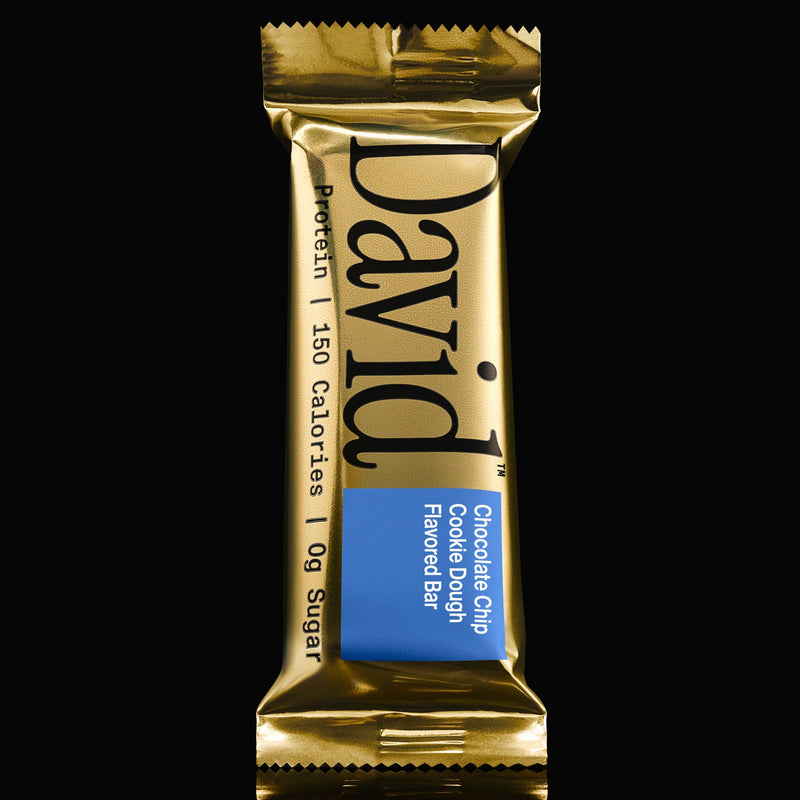
| Quest Choc. Chip Cookie Dough (60g) | 190 | 21g | 1g | 0g | 12g | Erythritol, stevia, sucralose | Whey isolate, milk protein isolate |
| Barebells Cookies & Cream (55g) | 200 | 20g | 1g | 0g | 3g | Maltitol, sucralose, Ace-K | Whey blend + collagen |
The differences are significant and worth understanding. RXBAR wins clearly on ingredient transparency and label cleanliness: no sweeteners, no isolates, no sugar alcohols, nothing hard to pronounce. Quest wins on protein (21g vs 12g) and fiber (12g vs 5g) for fewer calories. Barebells wins on taste and also delivers 20g of protein — though part of that protein comes from collagen, which is an incomplete protein. If you are choosing a bar purely for post-workout protein, Quest or Barebells give you more grams. If you are choosing for ingredient quality, GI tolerance, and a clean label, RXBAR is the stronger choice. For the full comparison, see our Barebells nutrition guide and Quest nutrition guide.
Is RXBAR Healthy? Who It Is Actually For
For the right person, yes. The combination of complete egg-white protein, natural sugar from whole-food dates, and healthy fats from nuts gives RXBAR a genuinely clean nutritional profile by packaged-bar standards. There are no sweeteners to avoid, no sugar alcohols to cause bloating, and no collagen filler misrepresenting the protein quality. At 180 to 210 calories with 12g of protein and 0g added sugar, it is a reasonable snack or mini-meal for weight management, on-the-go eating, or daily protein supplementation.
The real trade-offs: the 12g protein per bar is notably lower than Quest (21g) and Barebells (20g), so RXBAR is not the most efficient protein vehicle if maximizing grams per serving is the priority. The 13 to 16g of total natural sugar per bar is also higher than many people expect from a bar marketed around “no added sugar” — that sugar comes from dates, not a sweetener, but it is still sugar that shows up in your daily total. And at roughly $2.50 to $3.00 per bar, RXBAR is at the higher end of the price range for this category.
It is best for people who want a protein bar they can feel good about ingredients-wise, who have had GI issues with Quest or Barebells (sugar alcohols and artificial sweeteners), or who prefer their food to read like food rather than a supplement label. It is less ideal for people focused purely on maximum protein per calorie, strict low-sugar or diabetic dietary management (where the natural date sugar still matters), or tight budget snacking. For more clean-label bar options, see our best protein bars of 2026 guide.
Frequently Asked Questions
How much protein is in an RXBAR?
Every standard RXBAR (52g / 1.83oz) contains 12g of protein from dried egg whites. This is lower than Quest (21g) and Barebells (20g) per bar, though the egg-white protein is a complete protein with all nine essential amino acids — no collagen filler, no incomplete plant protein. The lower protein count is the main reason RXBAR is often not the top pick for pure post-workout protein, but it is exactly as much protein as the label claims.
Does RXBAR have added sugar?
No. Every RXBAR has 0g of added sugar, and there are no sweeteners of any kind in the standard bars. All sugar — which runs 13 to 16g per bar depending on the flavor — comes naturally from dates. Dates are approximately two-thirds sugar by weight, so even a “no added sugar” claim leaves a meaningful amount of natural sugar in each bar. It is a very different product from Quest (1g total sugar from sugar alcohols and sucralose) or Barebells (1g total sugar from maltitol and sucralose). RXBAR’s sugar is real food sugar; the others are chemically derived.
Is RXBAR keto-friendly?
Not for strict keto. At 23 to 25g total carbs per bar, even after subtracting 4 to 6g of fiber, net carbs run 17 to 20g per bar — too high for most keto budgets that target 20 to 30g total net carbs per day. The sugar comes from dates (not a sweetener), but your body processes it as real carbohydrate regardless. Quest bars (3 to 4g net carbs) are a far better fit for keto. For keto-specific picks, see our best keto protein bars guide.
Are RXBAR bars gluten-free and dairy-free?
Yes, most standard RXBAR flavors are both gluten-free and dairy-free. The protein source is dried egg whites, not whey or casein, so they are a rare protein bar option for people who are lactose intolerant or avoiding dairy. They are not nut-free (all core flavors contain almonds, cashews, or peanuts), and they are not egg-free. Always check the allergen statement on the specific flavor you buy since formulations can change and some bars are made in shared facilities.
Which RXBAR flavor has the most protein?
Every core flavor has exactly 12g of protein per bar — the protein count does not change between flavors because every bar is built on the same dried egg white base. The lowest-calorie option (Blueberry, 180 calories) therefore gives you the best protein-to-calorie ratio at roughly 6.7g protein per 100 calories. The Chocolate Sea Salt and Mixed Berry flavors run 210 calories each for the same 12g protein.
Bottom line: RXBAR delivers 12g of complete egg-white protein, 0g of added sugar, and 0g of artificial sweeteners in a 52g bar with 13 to 16g of natural sugar from dates. It is the cleanest-label conventional protein bar available and the best choice for people who want real-food ingredients with no sweetener trade-offs. The trade-off is lower protein (12g) than Quest or Barebells and more natural sugar per bar than any bar sweetened with erythritol or stevia. Compare the full field in our best protein bars of 2026 guide or browse all options in the protein snacks directory.
Shop our top protein bar picks
Editor-selected high-protein options related to this guide. As an Amazon Associate we may earn from qualifying purchases.
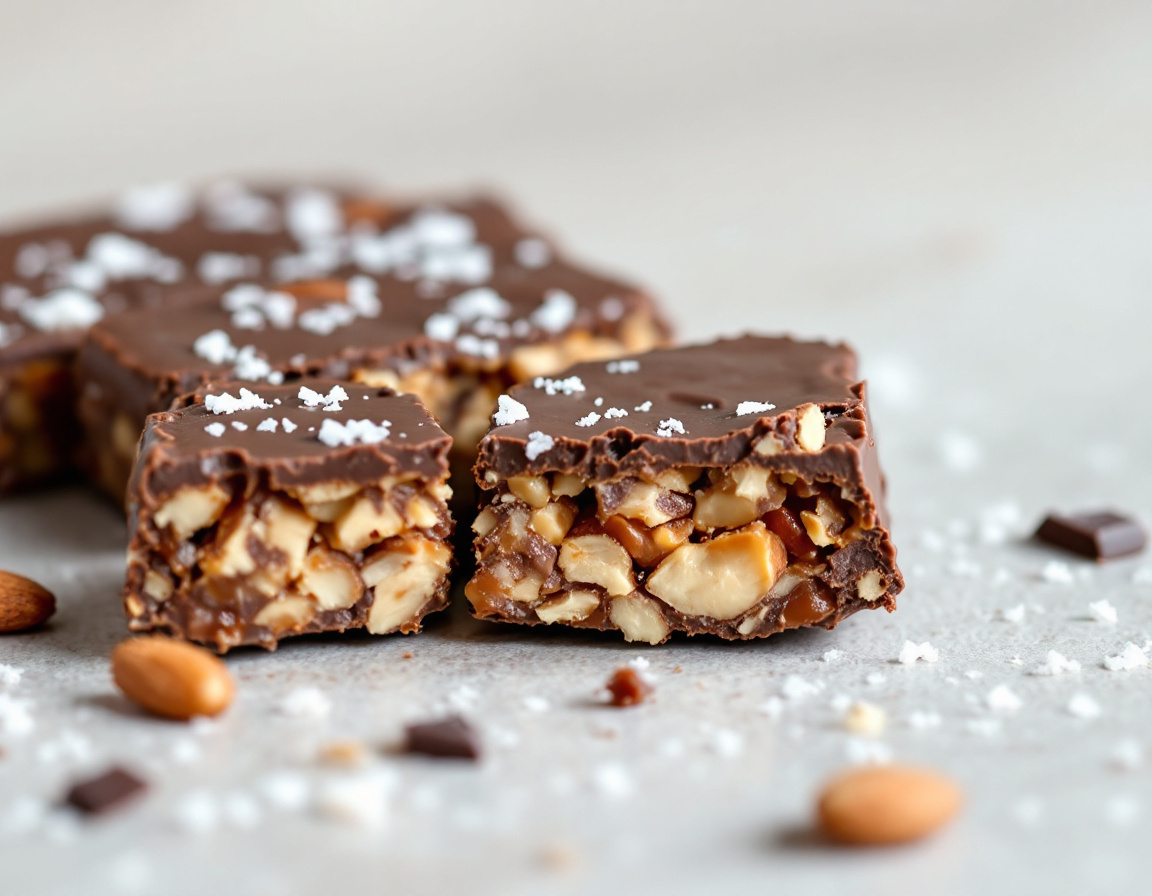 12g protein
Chocolate Sea Salt Protein Bar
Amazon returns policy · secure checkout
12g protein12g proteinTags
High Protein Snacks Pro Editorial Team
Independently researched and editorially reviewed. We compare real nutrition labels and never accept payment for coverage.
Get the best new protein snacks in your inbox
Weekly picks and honest reviews — no spam, unsubscribe anytime.
More from the journal
Best Protein Bars Without Artificial Sweeteners (2026): 6 Clean-Label Picks Ranked
The best protein bar without artificial sweeteners for most people is Kirkland Signature — 21g of complete protein, 190 calories, 12g of fiber, erythritol and stevia (no sucralose, no Ace-K, no aspartame). For 20g of plant protein at just 170 calories with 15g of fiber and zero artificial sweeteners, No Cow is the standout dairy-free pick. Six clean-label protein bars ranked by protein density and sweetener honesty, with verified 2026 nutrition data.
Read more
Best Protein Bars for Women (2026): 7 Picks Ranked by Protein, Fiber, and Sweetener Honesty
The best protein bar for women in 2026 is the Quest Bar — 21g of complete protein, 190 calories, and 12g of fiber, the best protein-plus-fiber combination for satiety and weight management. For the lowest-calorie no-artificial-sweetener option, Built Puff delivers 17g of protein at 140 calories. Seven bars ranked by what matters most: calorie efficiency, complete protein, fiber for satiety, and honest sweetener profiles.
Read more
KIND Protein Bar vs RXBAR (2026): Whole Almonds vs Egg Whites and Dates — Which Clean-Label Bar Wins?
Both KIND Protein and RXBAR skip artificial sweeteners entirely, but they get there in opposite ways. KIND delivers 12g of protein at 200 calories from whole almonds plus soy and milk protein isolate, with 5–8g of sugar from glucose syrup and honey. RXBAR delivers the same 12g of protein at 180–210 calories from dried egg whites and dates, with 0g added sugar but 13–16g of total natural sugar. Full verified nutrition side by side, plus who each bar actually fits.
Read more