Best Protein Bars for Diabetics (2026): Erythritol vs Maltitol, Quest vs ONE vs Barebells, and Why '0g Sugar' Is the Wrong Filter
DAVID leads this list with 28g protein and only 3g effective net carbs (erythritol-only sweetener, 170 cal). Quest delivers 21g protein at roughly 4–5g effective net carbs. Net carbs and sweetener type are the real filters for blood sugar control — not the sugar line on the label, which can say 0g while the bar still raises glucose.

The short answer
Our top protein bar picks
Editor-selected and ready to buy. As an Amazon Associate we may earn from qualifying purchases.
Buy the products in this guide: Chocolate Chip Cookie Dough Flavored Protein Bar · Chocolate Chip Cookie Dough Protein Bars · Oatmeal Chocolate Chip Protein Bars
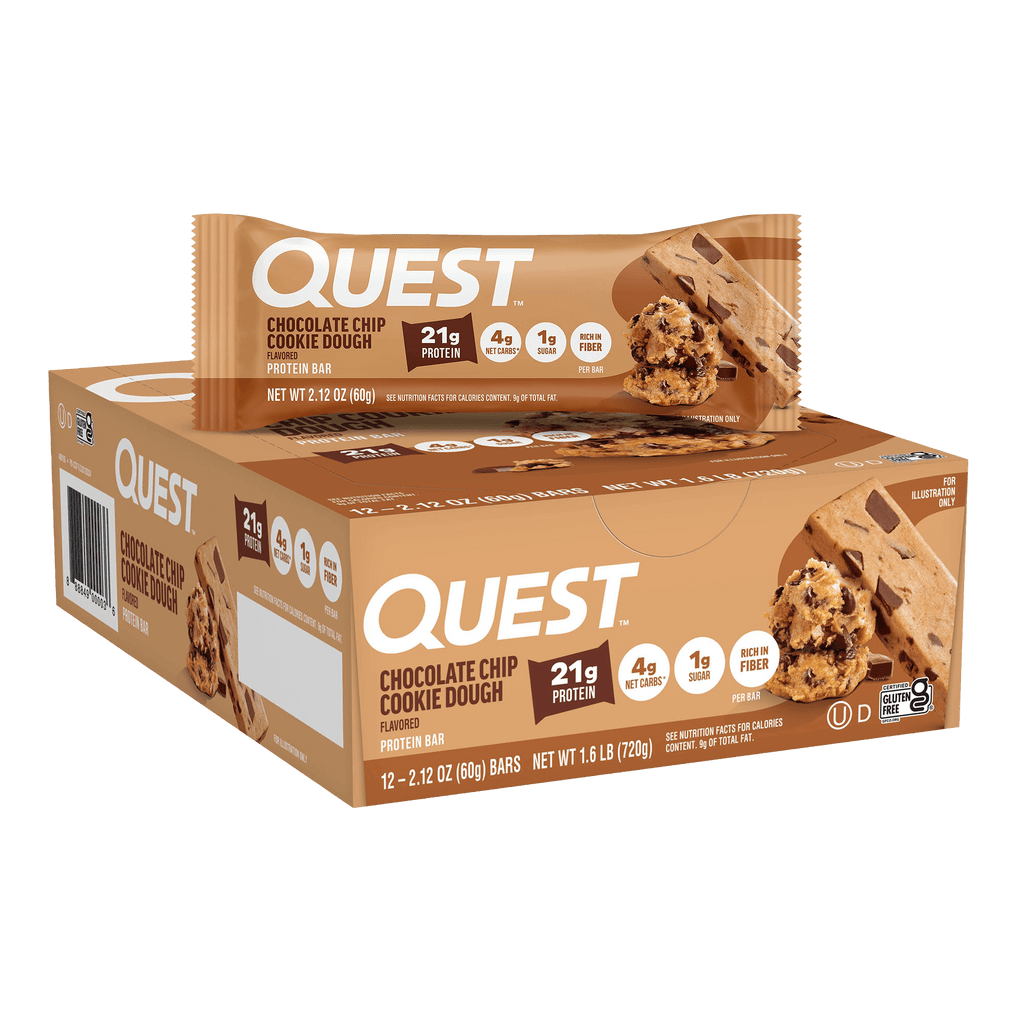 20g protein
Chocolate Chip Cookie Dough Protein Bar
Amazon returns policy · secure checkout
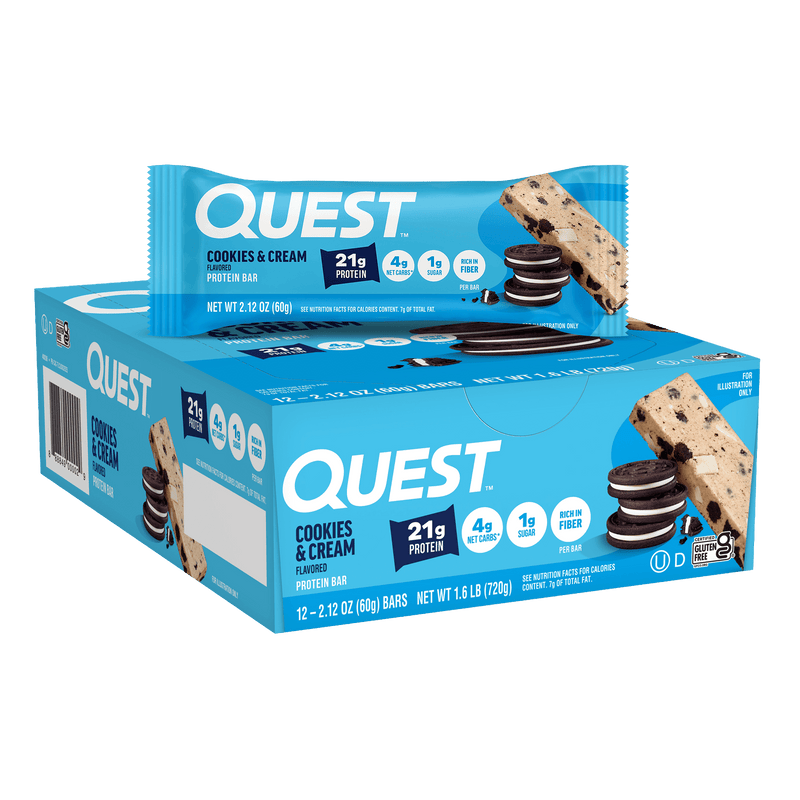 21g protein
Cookies & Cream Protein Bars
Amazon returns policy · secure checkout
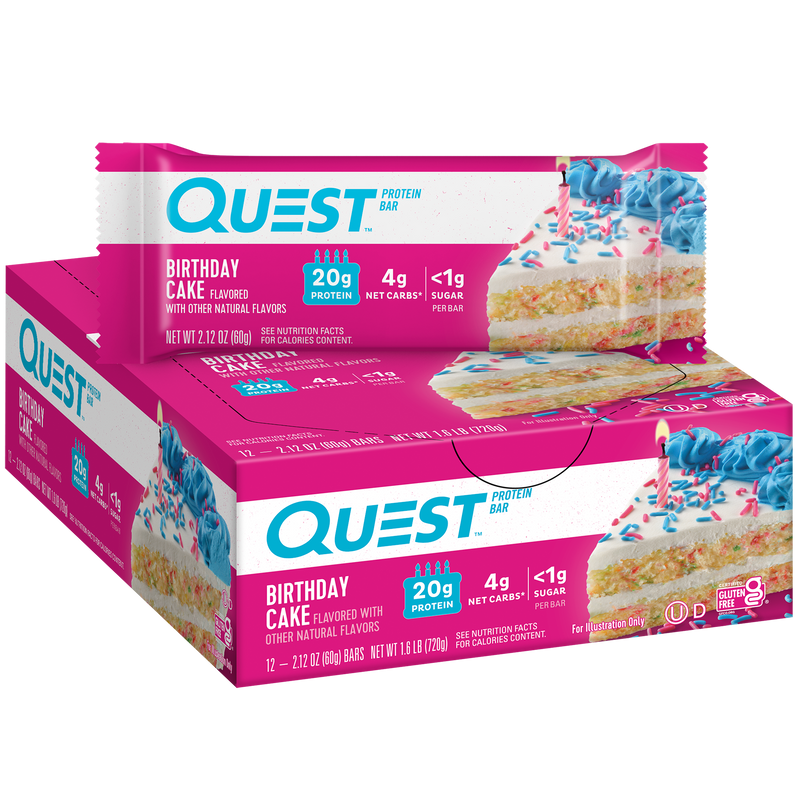 20g protein
Birthday Cake Protein Bars
Amazon returns policy · secure checkout
This article is informational, not medical advice. Individual glucose responses to protein bars vary significantly based on the rest of the meal, insulin sensitivity, activity level, and bar flavor. Work with your healthcare team before using any food as part of a diabetes management plan. Always check the label for your specific bar and flavor, as nutrition facts vary within a brand.
2026 Comparison: 7 Popular Protein Bars Ranked by Effective Net Carbs
Net carbs here = Total Carbohydrates − Dietary Fiber. For erythritol-sweetened bars, effective net carbs also subtract erythritol (GI ≈1) since it has negligible blood sugar impact. Numbers reflect typical values across common flavors; individual flavors may vary by 1–3g.
| Bar (per bar) | Protein | Calories | Total Carbs | Fiber | Eff. Net Carbs | Sugar | Sweetener |
|---|---|---|---|---|---|---|---|
| DAVID Protein Bar † | 28g | 170 | 25g | 1g | 3g† | 0g | Erythritol, stevia |
| Quest Protein Bar † | 21g | 190 | 22g | 12g | 4–5g† | 1g | Erythritol, sucralose |
| ONE Bar | 20g | 210 | 22g | 9g | 13g | 1g | IMO, maltitol, sucralose |
| KIND Zero Added Sugar | 10g | 160 | 17g | 6g | 11g | 5g (natural) | Monk fruit extract |
| Barebells [note] | 20g | 200 | 20g | 3g | 17g | 1g | Maltitol, sucralose |
| Think! High Protein [note] | 20g | 230 | 22g | 1g | 21g | 0g | Maltitol syrup |
| RXBAR | 12g | 210 | 24g | 5g | 19g | 13g (from dates) | None |
† Erythritol has a glycemic index of approximately 1 and is excreted largely intact — subtract it from total carbs to get effective net carbs. DAVID: 25g total − 1g fiber − 21g erythritol = 3g effective. Quest: 22g total − 12g fiber − 5–6g erythritol = ~4–5g effective.
[note] = Contains maltitol, which has a partial glycemic impact (GI ≈35–52). The net carbs figure above understates the true blood sugar load compared to erythritol-based bars. See the sweetener section for a full explanation.
Why Sweetener Type Matters More Than the Sugar Line
Most protein bars marketed to low-carb or diabetic shoppers show 0–1g of sugar on the label. That number is not lying — but it is also not telling you everything. The sweeteners that replace sugar in these bars each have very different effects on blood glucose. For a full brand-by-brand breakdown of which sweetener system 20 popular bars actually use — erythritol vs. maltitol vs. stevia vs. real sugar — see our protein bar sweeteners explainer.
Erythritol (Quest): the best option for blood sugar control
Erythritol is a sugar alcohol with a glycemic index of approximately 1 — essentially zero. The reason is structural: erythritol is absorbed in the small intestine but not metabolized, so it is excreted intact in urine rather than converted to glucose. Studies consistently show negligible effect on blood glucose or insulin levels at typical serving sizes. Quest uses erythritol as its primary sweetener, which is why its effective carb load is as low as its net carb numbers suggest. If you want to subtract erythritol from Quest’s total carbs (22g), you can do so legitimately — reducing the effective carb count to around 4–5g per bar. For blood sugar management, this is the sweetener category to look for.
Maltitol (Barebells, Think!): lower glycemic than sugar, but not zero
Maltitol has a glycemic index of approximately 35–52 depending on the form (syrup vs. powder), compared to table sugar at ~65. That is meaningfully lower than sugar, but it is not negligible the way erythritol is. Roughly half of maltitol’s calories are absorbed as glucose, and research shows it does raise blood sugar in people with type 2 diabetes, particularly when consumed in the quantities found in a full bar (5–11g of maltitol per serving is typical). Both Barebells and Think! High Protein bars use maltitol as their primary sweetener. Their labels show "0g sugar" because maltitol is classified as a sugar alcohol, not a sugar — but someone monitoring postprandial glucose carefully should not treat a Barebells bar the same as a Quest bar. Think! bars are especially relevant here because they advertise "no artificial sweeteners" specifically because they use maltitol instead of erythritol or sucralose. That distinction matters for some people’s ingredient preferences, but it comes at the cost of higher glycemic impact.
Monk fruit (KIND): clean label, naturally low glycemic
The KIND Zero Added Sugar bar uses monk fruit extract as its sweetener. Monk fruit has a glycemic index of zero and does not raise blood sugar. The 5g of sugar in the KIND bar is naturally occurring from almonds, dark chocolate, and other nut ingredients — not added sugar. Natural nut sugars have a relatively low glycemic impact because of the fat and fiber that comes with them. KIND’s lower protein count (10g vs 20g in Quest) means it works better as a light snack or complement to a meal than as a standalone protein source.
No sweetener (RXBAR): real food, real sugar from dates
RXBAR uses dates as its binder and sweetener. Dates have a glycemic index of around 42–62, and the 13g of sugar in a typical RXBAR is 100% from whole food sources — dates, dried fruit, and egg whites. This appeals to people who want minimal processing, but for blood sugar management, 13g of date sugar behaves more like 13g of moderate-GI carbohydrate. People with tightly managed diabetes or low carb targets may find RXBAR less predictable than erythritol-based bars, even though the ingredients are cleaner. That said, RXBAR’s 5g of fiber and 12g of protein help moderate the glucose response compared to an equivalent amount of straight sugar.
Net Carbs and Fiber: What the Numbers Actually Mean
Net carbs (total carbohydrates − dietary fiber) is the most practical calculation for blood sugar management because dietary fiber — particularly soluble fiber — slows gastric emptying and reduces the glycemic response of the carbohydrates that accompany it. Quest’s 12g of fiber per bar is high enough to make a meaningful difference: that fiber is primarily soluble corn fiber and chicory root, which ferments in the colon rather than raising blood glucose. ONE Bar’s 9g of fiber is also substantial. A bar with only 1g of fiber (like Think! High Protein) gets very little of this buffering effect, making its total carb load much closer to its net carb load in terms of glucose impact.
One important caveat: the net carb calculation is not standardized by the FDA. Different manufacturers, apps, and nutrition databases compute it differently — some subtract only fiber, some subtract all sugar alcohols, and some subtract a partial value for maltitol. When comparing bars, be consistent: always use the total carbs minus fiber number as a neutral baseline, then factor in sweetener type separately as described above.
Top Picks for Blood Sugar Management
Best overall: DAVID Protein Bar
DAVID is the strongest protein bar for tight blood sugar control. It combines 28g of protein — more than any other bar in this guide — with only 3g of effective net carbs after subtracting 21g of erythritol. At 170 calories, it also has the best protein-to-calorie ratio on this list. The sweetener system is erythritol plus stevia, with no sucralose, no Ace-K, and no maltitol. People wearing continuous glucose monitors consistently report a flat response to DAVID bars. The main tradeoff is distribution: DAVID is widely available online and at Walmart, but its shelf presence at smaller grocery chains varies. See the full DAVID Protein Bar nutrition breakdown for flavor-by-flavor data.
DAVID Protein Bar (62g)
28g protein • 170 cal • 3g effective net carbs • 0g sugar • erythritol + stevia
Check price on Amazon →Best for widespread availability: Quest Protein Bar
Quest is the most widely available erythritol-sweetened protein bar and remains an excellent choice for tight blood sugar control — its combination of high fiber (12g) with erythritol as the primary sweetener gives it low effective glucose load at every major retailer. At 21g of protein and 190 calories, it also delivers real protein for the calories. At 21g of protein and 190 calories, it also delivers real protein for the calories. The wide availability (Target, Walmart, Costco, Amazon) and many flavor options make it easy to keep stocked. Chocolate Chip Cookie Dough is the most popular flavor; Double Chocolate Chunk, Peanut Butter Brownie, and Birthday Cake all follow the same basic nutrition profile. Individual flavors vary by 1–2g of carbs — check your specific flavor’s label. For people using continuous glucose monitors, Quest is frequently cited as one of the better bar options for a flat glucose response.
Runner-up: ONE Bar
ONE Bar matches Quest on protein (20g), making it a practical alternative, though it uses maltitol (GI ≈35–52) rather than erythritol as its primary sweetener — a meaningful difference for blood sugar management. See our Quest Bar vs ONE Bar comparison for a full breakdown. As an alternative, it has less fiber (9g vs. 12g) and slightly more calories (210 vs. 190), but the taste profile is often described as closer to a dessert bar, which helps with adherence. Birthday Cake, Almond Bliss, and Peanut Butter Pie are popular flavors. ONE Bar is also widely available at major grocery chains. For people who find Quest’s texture too dense, ONE Bar is the logical alternative without switching sweetener type. See the full 2026 protein bar rankings for a broader comparison across goals.
Best whole-food option: KIND Zero Added Sugar
KIND Zero Added Sugar uses monk fruit and delivers 10g of protein with a simpler, recognizable ingredient list centered on whole nuts. The lower protein count means it works better as a complement to a meal than as a standalone protein snack — pair it with a hard-boiled egg or Greek yogurt to reach a meaningful protein total. Its 5g of sugar is naturally occurring from almonds and dark chocolate, and the fat from nuts helps slow gastric emptying. For people who want something that looks and reads like real food — no protein isolates, no long ingredient panel — this is the better option even at the cost of some protein.
Use with awareness: Barebells and Think! High Protein
Both Barebells and Think! High Protein deliver 20g of protein in a candy-bar-like format, and both use maltitol as the primary sweetener. The "0g sugar" label is technically accurate but can be misleading for someone who assumes it means zero glycemic impact. Barebells in particular has become popular for its texture and chocolate coating, and it is a reasonable bar for people who are primarily minimizing sugar (not erythritol or fiber specifically). But for people on tight glucose targets or wearing a CGM, switching to a Quest or ONE Bar instead will generally produce a lower glucose response. If you prefer Barebells or Think! for taste reasons, eating a half bar and pairing it with fiber-rich food is one way to moderate the impact. For a dedicated look at the Barebells macro profile, see the Barebells nutrition facts breakdown.
Approach carefully: RXBAR
RXBAR’s appeal is the short, whole-food ingredient list. It deserves credit for transparency and real ingredients. But its 13g of sugar from dates and its lower fiber content (5g) mean it will generally produce a higher glucose response than Quest or ONE Bar, particularly in people with insulin resistance or type 1 diabetes managing carb counts tightly. If RXBAR is your preferred bar for taste or ingredient reasons, it is best paired with protein or fat (a handful of nuts, a cheese stick) to slow absorption, and consumed as part of a meal rather than as a standalone snack.
What to Look for on the Label
- Check fiber first. Bars with 8g or more of fiber (Quest, ONE) get a meaningful blood sugar buffer. Bars with 1–3g of fiber do not.
- Find the sweetener in the ingredient list. "Sugar alcohols" on the nutrition panel is a catch-all term. The ingredient list tells you which one: erythritol (very low GI), maltitol (partial GI), xylitol (low GI, ~13), or stevia/monk fruit (zero GI).
- Total carbs minus fiber = baseline net carbs. This number is more informative than total carbs alone. Then adjust downward if the sweetener is erythritol, and adjust less if it is maltitol.
- "Keto friendly" does not guarantee low glycemic impact. Many keto-branded bars use maltitol, which does not fit a strict ketogenic approach or a tight glucose target.
- Verify the serving size. Some bars list nutrition for half a bar or for a smaller 40g bar. The full-size bars in this comparison are in the 55–60g range.
Protein Bars vs. Other Diabetes-Friendly Snacks
Protein bars are convenient but they are not always the best snack for blood sugar management. Hard-boiled eggs, plain Greek yogurt, string cheese, tuna pouches, and a handful of nuts all deliver protein without the carb load of even the best protein bars. A Quest bar at 10g net carbs is better than most packaged snacks, but it still has more carbohydrate than an egg. The case for protein bars is convenience and palatability — they are easy to carry, taste satisfying, and remove the need to think. If blood sugar control is the primary goal and you have whole-food options available, those are usually the lower-risk choice. Bars shine when you need something shelf-stable, portable, and filling that you will actually eat. Browse the protein snacks directory for options across categories, or see best keto protein bars for a list focused on lowest-carb options across the category.
Frequently Asked Questions
Can people with diabetes eat protein bars?
Many people with diabetes do use protein bars as part of their diet, typically choosing bars with high fiber, erythritol or monk fruit as the sweetener, and controlled calorie counts. However, individual glucose responses vary significantly. Some people with type 2 diabetes report minimal glucose impact from a Quest bar; others see a more noticeable rise. The only reliable way to know how a specific bar affects you is to check glucose before and after eating it, ideally on multiple occasions. Work with a registered dietitian or diabetes educator when adding new foods to your routine.
What is the most important number to check on a protein bar label if I have diabetes?
Net carbs (total carbs minus fiber) is the most useful single number, but sweetener type is the critical context. A bar with 10g net carbs from erythritol will typically produce a much lower glucose response than a bar with 10g net carbs from maltitol or natural sugar. Look at both: calculate net carbs first, then find the sweetener in the ingredient list. Together these two data points tell you far more than sugar or total carbs alone.
Is the "0g sugar" label trustworthy for blood sugar management?
"0g added sugar" or "0g sugar" is technically accurate but incomplete for blood sugar purposes. It means the bar contains no sucrose, glucose, or fructose. It does not mean no blood sugar impact. Sugar alcohols like maltitol (used in Think! and Barebells) are not classified as sugars, so they appear as "0g sugar" even though they have a meaningful glycemic index. Natural sugars from dates or fruit (as in RXBAR) would appear as "13g sugar" and do raise blood sugar. The sugar line on the label tells you about ingredient sourcing, not glycemic load.
Which protein bar is best for someone with type 1 diabetes counting carbs precisely?
Quest is generally the most predictable option for carb counting. The combination of high fiber (12g) and erythritol (fully non-glycemic) means the effective carb count is closer to 4–5g rather than the 22g total carbs on the label. ONE Bar also performs well for the same reasons. For precise carbohydrate counting, it is worth consulting with your endocrinologist or diabetes educator about how to factor in fiber and specific sugar alcohols for insulin dosing calculations, since guidance varies.
Does protein in a bar affect blood sugar?
Protein has a small effect on blood sugar, particularly in people with type 1 diabetes or those using insulin — research shows protein can trigger a delayed glucose response approximately 2–3 hours after eating, as gluconeogenesis converts amino acids to glucose. For most people with type 2 diabetes managing blood sugar through diet and oral medications, dietary protein at bar-sized quantities (15–21g) has a modest and generally manageable effect. High-protein bars are still considered a better snack option than high-carb alternatives for blood sugar stability, but the protein effect is worth knowing, especially for people on insulin.
Bottom line: DAVID Protein Bar is the top choice for tight blood sugar management — 28g protein, 3g effective net carbs, erythritol-only sweetener, 170 calories. Quest is the strongest widely-available alternative at 21g protein and ~4–5g effective net carbs. ONE Bar is a solid runner-up if Quest's texture isn't your preference. KIND Zero Added Sugar is the best whole-food option at lower protein. Avoid assuming "0g sugar" equals zero glycemic impact — always check the sweetener type and effective net carbs together. If you would rather sip than chew, our best protein drinks for diabetics guide ranks the lower-sugar, higher-protein shakes side by side. For the full spectrum of protein snack options, browse the protein snacks directory.
Shop our top protein bar picks
Editor-selected high-protein options related to this guide. As an Amazon Associate we may earn from qualifying purchases.
Buy the products in this guide: Chocolate Chip Cookie Dough Flavored Protein Bar · Chocolate Chip Cookie Dough Protein Bars · Oatmeal Chocolate Chip Protein Bars
20g proteinChocolate Chip Cookie Dough Protein Bar
Amazon returns policy · secure checkout
21g proteinCookies & Cream Protein Bars
Amazon returns policy · secure checkout
20g proteinBirthday Cake Protein Bars
Amazon returns policy · secure checkout
Tags
High Protein Snacks Pro Editorial Team
Independently researched and editorially reviewed. We compare real nutrition labels and never accept payment for coverage.
Get the best new protein snacks in your inbox
Weekly picks and honest reviews — no spam, unsubscribe anytime.
More from the journal
Protein Bar & Shake Sweeteners Explained (2026): Maltitol vs Erythritol vs Real Sugar — 20 Bars and 5 Shakes Compared
Two bars can both say “1g sugar” and use completely different chemistry to get there. Maltitol (in Barebells, ONE Bar, think!, Pure Protein) has a glycemic index of roughly 35–52 and can trigger GI distress at typical doses; erythritol (in Quest, No Cow, Atkins Strong, Kirkland Signature) sits near zero on both counts. Here is exactly which sweetener system 20 major protein bars and 5 ready-to-drink shakes actually use, verified against our own nutrition-facts reviews of each brand.
Read more
Protein Bars With Erythritol: The Full 2026 List, the Research, and 6 Erythritol-Free Picks
Four major protein bars use erythritol in 2026 — Quest, No Cow, Atkins Strong, and Kirkland Signature. Here is the verified bar-by-bar sweetener list, what the Cleveland Clinic research actually found, and six erythritol-free bars ranked, led by RXBAR Chocolate Sea Salt, which is sweetened by nothing but dates.
Read more
Best Protein Bars for Intermittent Fasting (2026): 5 Picks Ranked by Protein per Calorie, Fiber, and Sugar
The best protein bar for intermittent fasting in 2026 is DAVID Gold — 28g of protein at 150 calories with 0g of sugar, the highest protein-per-calorie ratio of any mainstream bar and the most efficient way to hit a protein target inside a restricted eating window. Quest Chocolate Chip Cookie Dough earns the satiety pick at 21g of protein and 14g of fiber in 190 calories — the fiber extends fullness to bridge the next fasting window. Five protein bars ranked for the IF eating window by protein per calorie, fiber, and sugar, with verified 2026 nutrition label data.
Read more