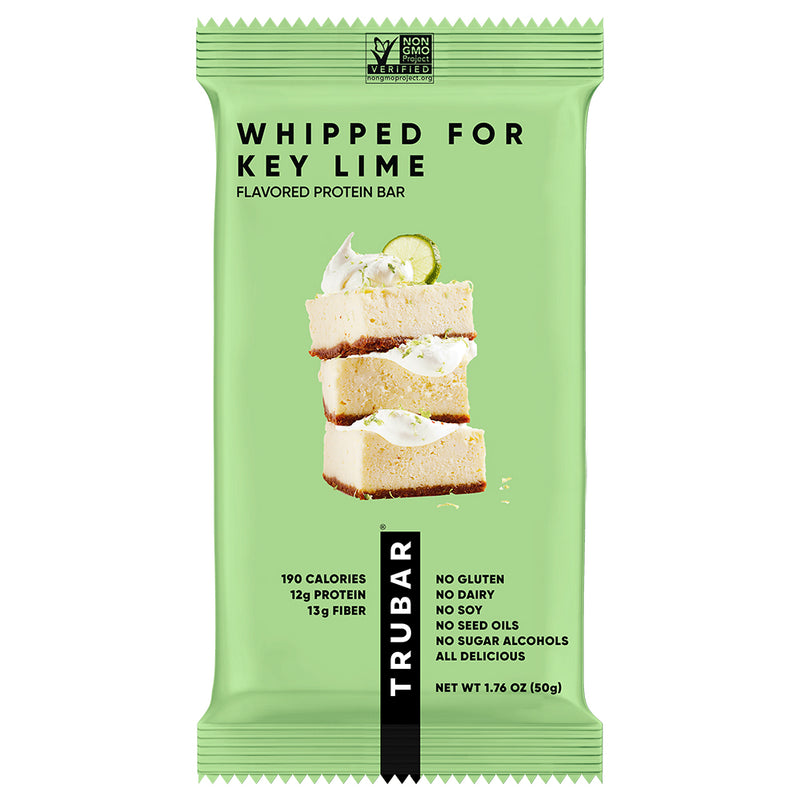
 12g protein
TRUBAR3.6(655)
Whipped For Key Lime TRUBAR Nutrition and Protein Bar
700+ bought190 cal · 8g sugar
Covered by Amazon’s returns policy
Secure Amazon checkout — no extra cost to you
Get your daily calories and protein, carbs, and fat targets — then see high-protein snacks that help you hit them. Just want a protein number? Use the protein calculator.
We estimate the calories you burn each day from your body stats and activity level, then adjust for your goal — a calorie deficit to lose fat, a surplus to build muscle, or your maintenance level to stay the same. From there we set your macros the way evidence-based coaches do: protein first (about 1 gram per pound of body weight), a healthy fat minimum (~0.3g per pound), and the rest of your calories as carbs.
Protein is almost always the macro people fall short on. Every product below has at least 10g of protein per serving, so a snack or two makes hitting your target far easier.
12g proteinCovered by Amazon’s returns policy
Secure Amazon checkout — no extra cost to you
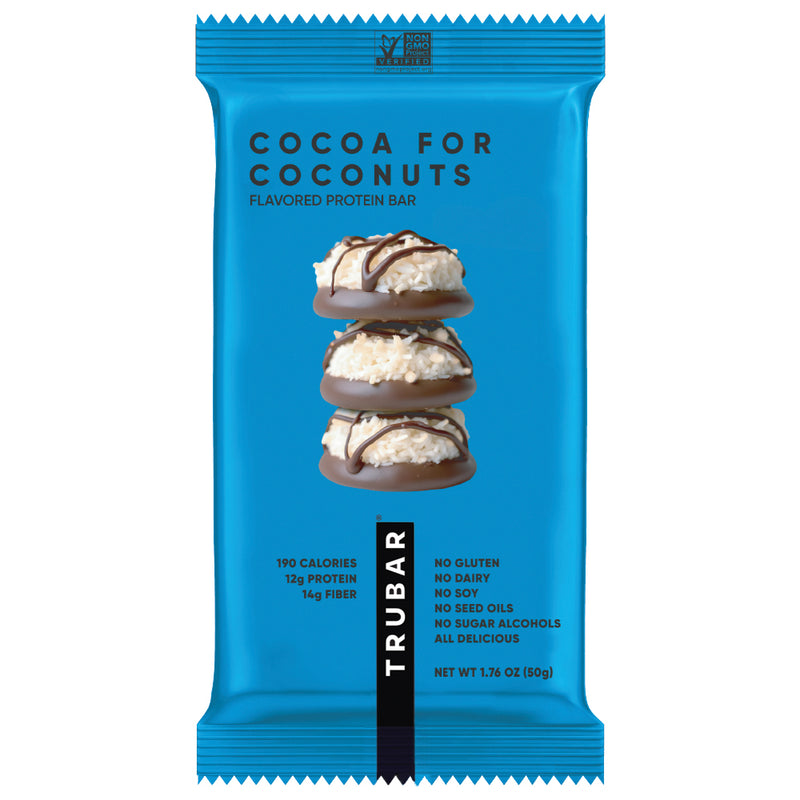 12g protein
Covered by Amazon’s returns policy
Secure Amazon checkout — no extra cost to you
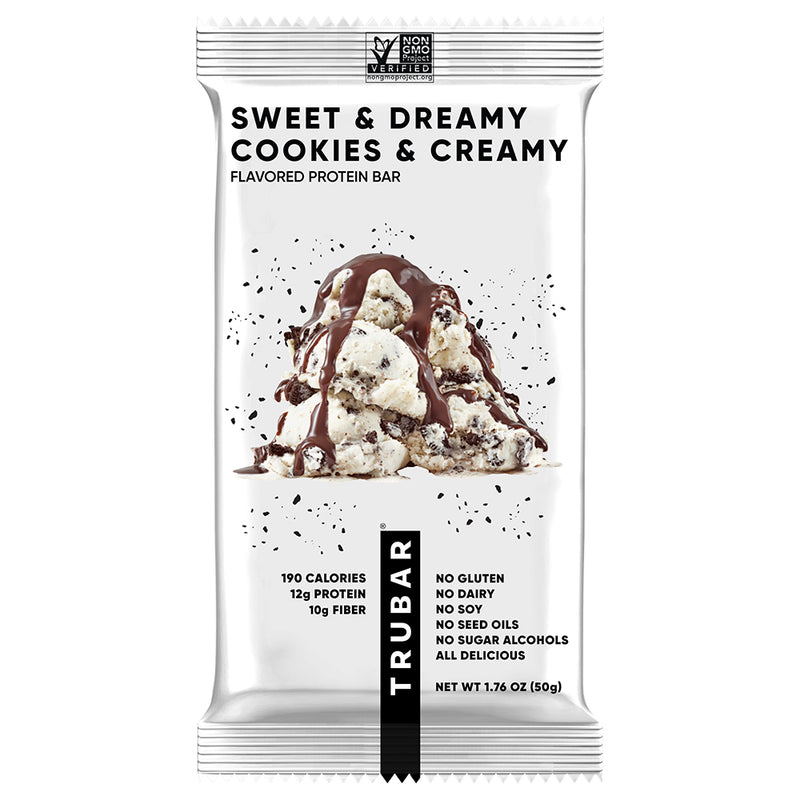 12g protein
Covered by Amazon’s returns policy
Secure Amazon checkout — no extra cost to you
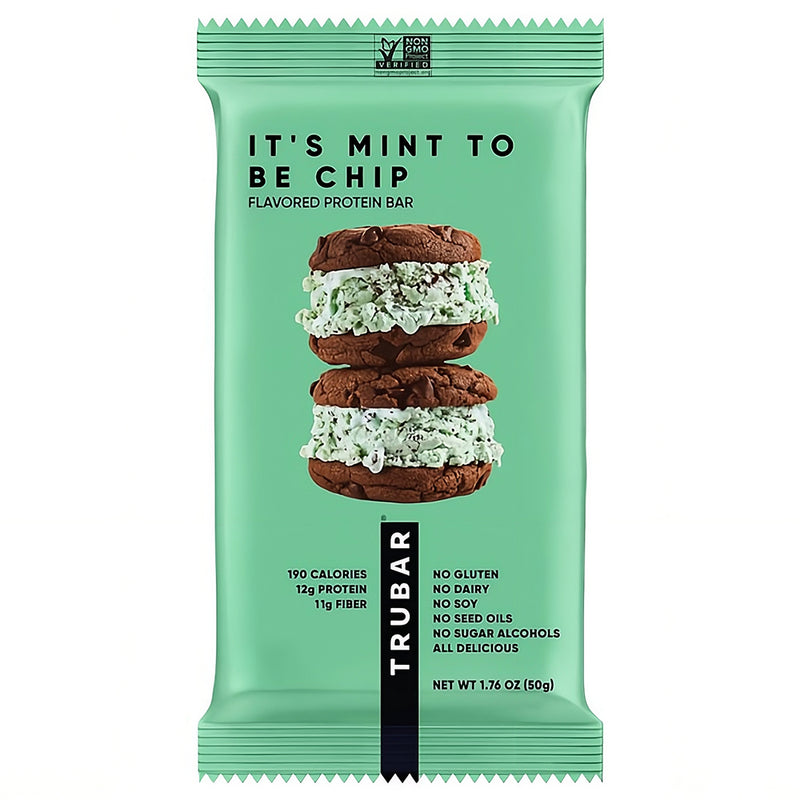 12g protein
Covered by Amazon’s returns policy
Secure Amazon checkout — no extra cost to you
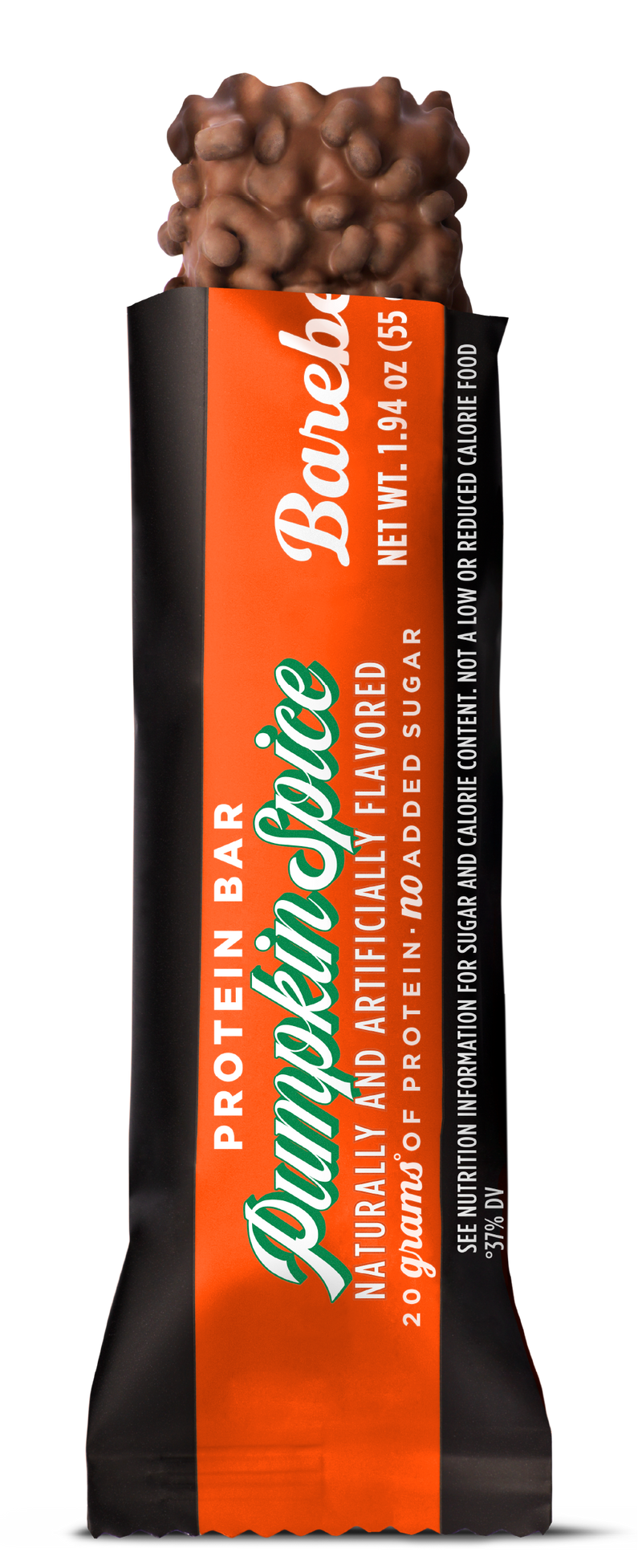 20g protein
Covered by Amazon’s returns policy
Secure Amazon checkout — no extra cost to you
 22g protein
Covered by Amazon’s returns policy
Secure Amazon checkout — no extra cost to you
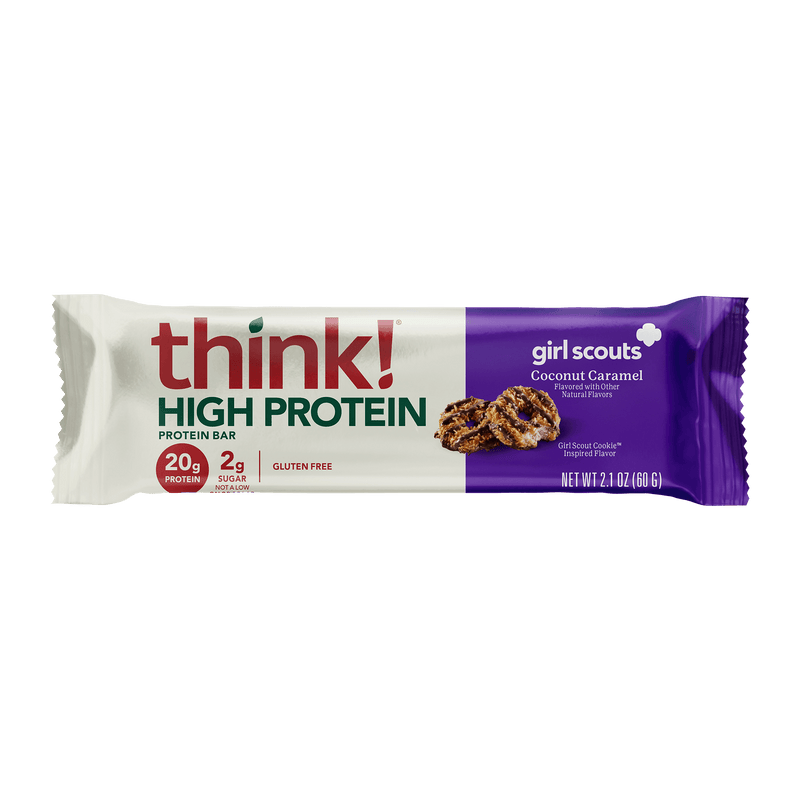 20g protein
Covered by Amazon’s returns policy
Secure Amazon checkout — no extra cost to you
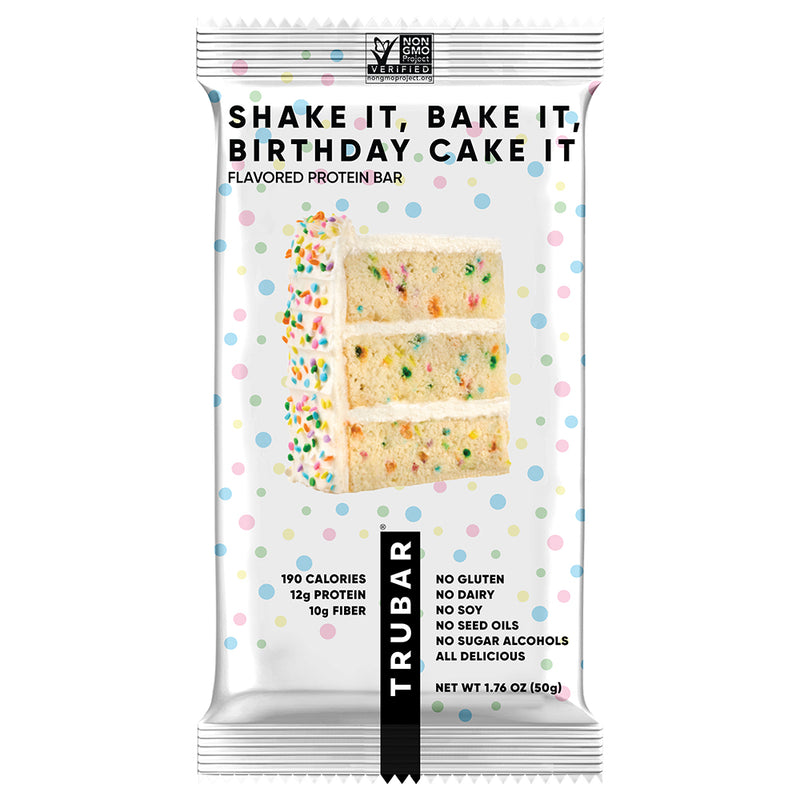 12g protein
Covered by Amazon’s returns policy
Secure Amazon checkout — no extra cost to you
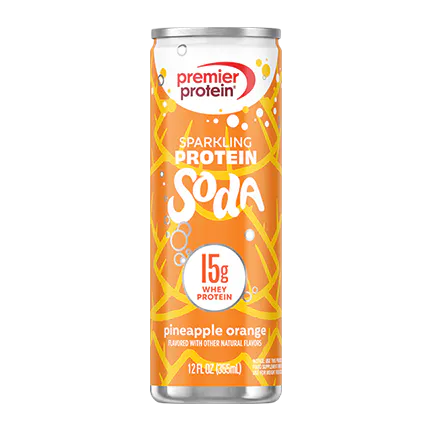 15g protein
Covered by Amazon’s returns policy
Secure Amazon checkout — no extra cost to you
We estimate your daily calorie burn from your weight, height, age, sex, and activity (the Mifflin-St Jeor formula), then adjust for your goal. Protein is set at about 1 gram per pound of body weight, fat at a healthy minimum of ~0.3g per pound, and the remaining calories go to carbs.
Protein around 1 gram per pound of body weight (a bit higher when cutting), fat at least ~0.3g per pound, and carbs filling the rest of your calories. Active people and those building muscle do best toward the higher end of carbs.
Protein is usually the hardest macro to hit. Adding one or two high-protein snacks between meals — bars, jerky, Greek yogurt, protein chips, or shakes — is the easiest way to add 10–30g at a time. See the options below, all with at least 10g per serving.
Many people keep protein and fat steady and eat more carbs on hard training days to fuel performance and recovery, and fewer on rest days. This calculator gives a solid daily average to start from.