KIND Protein Bar Nutrition Facts: 12g Protein, Whole Almonds, No Artificial Sweeteners — All Flavors Compared
KIND Protein bars deliver 12g of protein at 200 calories per bar using whole roasted almonds and dark chocolate with no artificial sweeteners of any kind. The KIND Protein Max line reaches 20g at 240 calories. Verified 2026 nutrition facts for every flavor, a direct comparison with Quest, Barebells, ONE Bar, and RXBAR, and an honest take on who these bars are built for.
The short answer
Our top protein bar picks
Editor-selected and ready to buy. As an Amazon Associate we may earn from qualifying purchases.
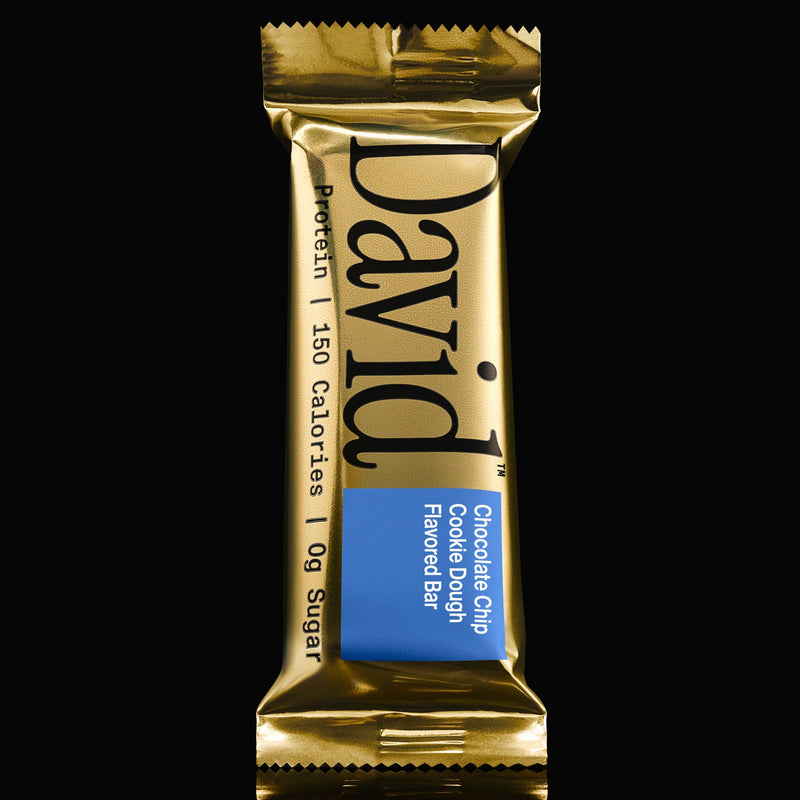 28g protein
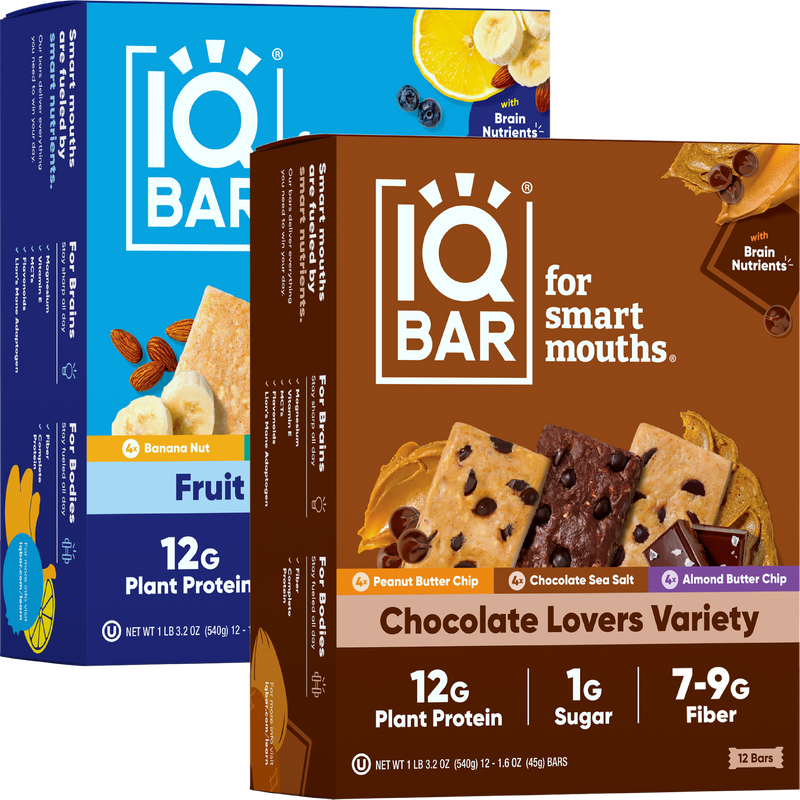 12g protein
Chocolate Lovers & Fruit Lovers (24 Bars)
Amazon returns policy · secure checkout
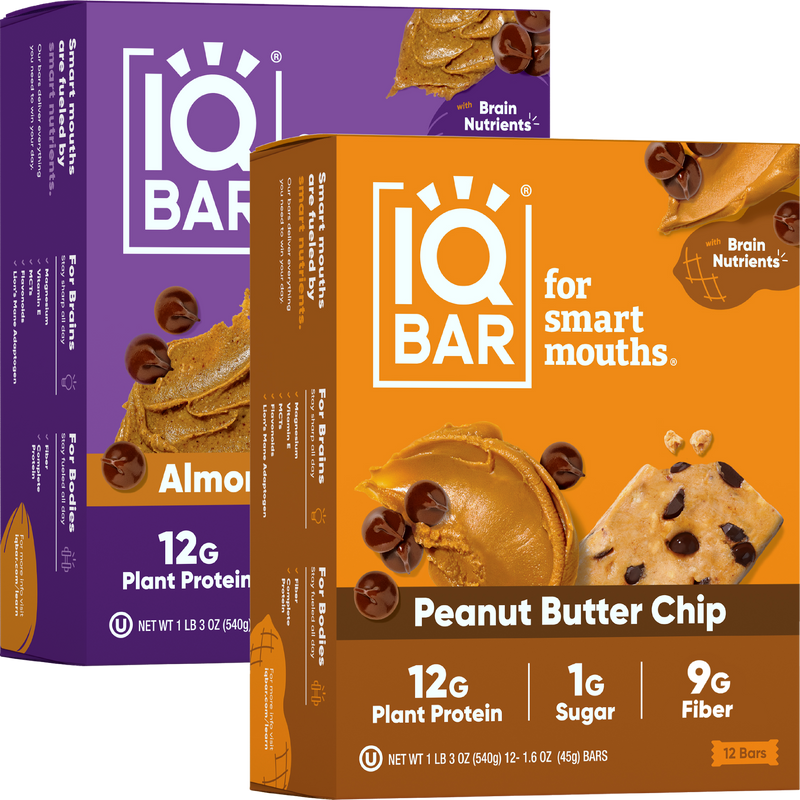 12g protein
Almond Butter Chip & Peanut Butter Chip (24 Bars)
Amazon returns policy · secure checkout
KIND Protein Bar (12g) Nutrition Facts — All Flavors
Every standard KIND Protein bar is approximately 50g (1.76oz). The figures below are cross-verified from KIND’s product pages, major nutrition databases, and retailer listings. Numbers marked (~) are approximations; confirm against the label on your specific bar.
| Flavor (~50g bar) | Calories | Protein | Total Carbs | Fiber | Total Sugar | Fat |
|---|---|---|---|---|---|---|
| Dark Chocolate Nut | 200 | 12g | 15g | 5g | 5g | 14g |
| Double Dark Chocolate Nut | 200 | 12g | 17g | 5g | 7g | 12g |
| Crunchy Peanut Butter | 210 | 12g | 15g | 4g | 5g | 14g |
| Toasted Caramel Nut | 200 | 12g | 17g | 5g | 8g | 12g |
Key observations: Crunchy Peanut Butter runs 10 extra calories driven by peanut butter’s higher fat content. Toasted Caramel Nut has the most sugar in the line (8g) because caramel requires heavier use of glucose syrup. All four flavors are gluten-free and contain soy and milk as allergens. The 4 to 5g of fiber per bar comes primarily from chicory root fiber (inulin) in the coating — soluble fiber that contributes to satiety without the GI complaints associated with high doses of erythritol or maltitol. The fat (12 to 14g per bar) comes largely from whole almonds, meaning it is predominantly monounsaturated rather than saturated. This combination of fiber and fat from whole nuts makes KIND bars disproportionately satiating relative to their calorie count despite the lower absolute protein.
KIND Protein Max (20g) Nutrition Facts
The KIND Protein Max line is a larger 60g bar with additional soy protein isolate and milk protein isolate to push the protein to 20g, while retaining the no-artificial-sweetener commitment. Availability is more limited than the original line — primarily online and at specialty retailers.
| Flavor (~60g bar) | Calories | Protein | Total Carbs | Fiber | Total Sugar | Fat |
|---|---|---|---|---|---|---|
| Double Dark Chocolate Almond | 240 | 20g | 22g | 7g | 5g | 12g |
| Dark Chocolate Peanut Butter | 240 | 20g | 21g | 7g | 4g | 13g |
The Protein Max hits 8.3g of protein per 100 calories — above RXBAR (5.7g) and below ONE Bar (9.1g per 100 cal). It closes the gap with mainstream high-protein bars while keeping the ingredient philosophy intact. For calorie-focused buyers, note that 240 calories is meaningfully higher than Quest (190 cal) or Barebells (200 cal) at a comparable protein count.
KIND Protein vs Quest vs Barebells vs ONE Bar vs RXBAR
Here is how KIND stacks up against the other major mainstream protein bars on the metrics that drive most purchase decisions. All figures are per single bar as labeled.
| Bar (per bar) | Cal | Protein | Protein / 100 cal | Sugar | Fiber | Sweeteners |
|---|---|---|---|---|---|---|
| KIND Protein Dark Choc Nut (~50g) | 200 | 12g | 6.0g | 5g | 5g | Glucose syrup, honey — no artificial |
| KIND Protein Max (~60g) | 240 | 20g | 8.3g | 5g | 7g | Glucose syrup, honey — no artificial |
| Quest Choc. Chip Cookie Dough (60g) | 190 | 21g | 11.1g | 1g | 12g | Erythritol, sucralose, stevia |
| Barebells Cookies & Cream (55g) | 200 | 20g | 10.0g | 1g | ~3g | Maltitol, sucralose, Ace-K |
| ONE Bar Birthday Cake (60g) | 220 | 20g | 9.1g | 1g | 9g | Maltitol, sucralose |
| RXBAR Chocolate Sea Salt (52g) | 210 | 12g | 5.7g | 13g | 5g | Dates only — no added sweeteners |
The clearest head-to-head is KIND original vs. RXBAR: both deliver 12g of protein with no artificial sweeteners and a real-food ingredient emphasis at similar calorie counts (200 vs. 210 cal). KIND has less sugar (5g vs. 13g for RXBAR Chocolate Sea Salt) and a slightly higher protein density (6.0g vs. 5.7g per 100 cal). RXBAR contains no protein isolates — egg whites and dates do the work — while KIND includes soy protein isolate and milk protein isolate alongside the almonds. Texture is the other differentiator: KIND is crunchy from whole almonds; RXBAR is dense and chewy from date paste. The KIND Protein Max competes most directly with ONE Bar — both at roughly 20g protein — but KIND Max is the only option in that class without synthetic sweeteners. For detailed breakdowns see our guides on Quest protein nutrition, ONE Bar nutrition, and RXBAR nutrition.
KIND Protein Bar Ingredients and Sweeteners
The original KIND Protein bar typically lists these primary ingredients: almonds, sugar, dark chocolate, soy protein isolate, chicory root fiber, glucose syrup, milk protein isolate, vegetable glycerin, honey. The key absence: no sucralose, no aspartame, no acesulfame potassium (Ace-K), no erythritol, and no maltitol in either line.
What this means in practice: the sweetness in KIND bars comes from glucose syrup and honey — real-food sugars — which is why total sugar runs 5 to 8g per bar. Bars like Quest (1g sugar) and Barebells (1g sugar) achieve near-zero sugar only by substituting erythritol, maltitol, sucralose, and stevia. KIND’s trade-off is direct: more real sugar, no synthetic sweeteners. For people who prioritize avoiding all non-nutritive sweeteners, KIND is one of the only mainstream bars that delivers this at a meaningful protein count.
One allergen to note: soy protein isolate appears in both lines. For people avoiding soy, KIND bars are not appropriate. The almond content is substantive — typically 7 to 9 whole or partial almonds per bar — contributing genuine tree-nut nutrition (vitamin E, magnesium, oleic acid) rather than just a nut-flavored coating over an extruded protein matrix.
Who Should (and Should Not) Buy KIND Protein Bars
Best fit:
- People avoiding all artificial sweeteners (sucralose, aspartame, Ace-K, erythritol, maltitol) — KIND is one of the only mainstream protein bars that qualifies on every count
- Buyers who want whole-nut texture and recognizable real-food ingredients over maximum protein density
- Anyone who finds Quest-style bars too sweet or experiences GI complaints from erythritol or maltitol at typical doses
- People who want a convenient bar that tastes like a nut bar rather than a protein supplement
Consider an alternative if:
- You need maximum protein per calorie — Quest (11.1g per 100 cal) and Barebells (10g per 100 cal) deliver significantly more protein per calorie than KIND original (6g per 100 cal)
- You have a soy allergy or want to avoid soy protein isolate — RXBAR and most Barebells flavors do not contain soy
- You are on strict keto — at 5 to 8g of real sugar per bar, KIND does not fit a strict ketogenic target; Quest at 1g sugar is the better option
- Budget is the priority — Pure Protein delivers 20g of protein at $1.50 to $2.00 per bar vs. KIND at $2.50 to $3.00 per bar; see our best protein bars of 2026 guide for the full budget breakdown
Frequently Asked Questions
How much protein is in a KIND Protein bar?
The original KIND Protein line delivers 12g of protein per approximately 50g bar at 200 to 210 calories. The KIND Protein Max line delivers 20g of protein per approximately 60g bar at 240 calories. The protein blend in both lines includes soy protein isolate, milk protein isolate, and protein from whole almonds.
Does KIND Protein bar have artificial sweeteners?
No — neither the original KIND Protein line nor the KIND Protein Max line contains sucralose, aspartame, acesulfame potassium (Ace-K), erythritol, or maltitol. Sweetness comes from glucose syrup and honey. This is why KIND bars carry more total sugar (5 to 8g per bar) than zero-sugar bars like Quest (1g) or Barebells (1g), which achieve near-zero sugar through synthetic sweeteners and sugar alcohols.
Is KIND Protein bar good for weight loss?
At 200 calories and 12g of protein, the original KIND Protein bar is a reasonable choice if you are also avoiding artificial sweeteners — but not the most protein-efficient option for a calorie deficit. Quest delivers 21g of protein for 190 calories, a meaningfully better protein-to-calorie ratio. The whole-nut fat and fiber in KIND bars provides real satiety, which can help prevent overeating later. If calorie and protein efficiency are the priority, Quest is the better choice. See our best high-protein snacks for weight loss guide for a full comparison.
What is the difference between KIND Protein bar and RXBAR?
Both use real-food sweeteners with no artificial additives. The key differences: KIND uses whole almonds (crunchy texture, ~200 cal, 12g protein, 5g sugar) and includes soy protein isolate; RXBAR uses egg whites as the protein base with dates for sweetness (chewy, dense texture, ~210 cal, 12g protein, 13g sugar) and contains no protein isolates. KIND has less sugar; RXBAR is soy-free. Both are good for people avoiding artificial sweeteners — the choice comes down to texture preference and soy tolerance. See our full RXBAR nutrition guide for a complete comparison.
What is the difference between a KIND bar and a KIND Protein bar?
Standard KIND bars (the original nut-and-fruit line) deliver approximately 5 to 6g of protein and 200 calories — no added protein isolates, primarily whole almonds and honey. KIND Protein bars are specifically formulated to hit 12g of protein by adding soy protein isolate and milk protein isolate on top of the almond base. The packaging is visually similar — check the front-of-pack protein callout to confirm which line you have. If a KIND bar in your pantry shows only 5 or 6g of protein, it is the standard snack bar, not the Protein line.
Bottom line: KIND Protein bars offer the cleanest sweetener profile in the mainstream protein bar category — no sucralose, no erythritol, no maltitol, no aspartame — at the cost of below-average protein density (6g per 100 cal for the original line, 8.3g for the Protein Max). The whole-almond base and real-food sweeteners provide genuine satiety despite the lower protein per calorie. If eliminating synthetic sweeteners is non-negotiable and you want a bar built from recognizable ingredients, KIND is the clearest mainstream choice. For maximum protein per calorie, compare Quest and Barebells in our best protein bars of 2026 guide, or browse the full protein snacks directory.
Shop our top protein bar picks
Editor-selected high-protein options related to this guide. As an Amazon Associate we may earn from qualifying purchases.
 12g protein
Protein Bar - Almond Butter
Amazon returns policy · secure checkout
28g protein12g proteinChocolate Lovers & Fruit Lovers (24 Bars)
Amazon returns policy · secure checkout
Tags
High Protein Snacks Pro Editorial Team
Independently researched and editorially reviewed. We compare real nutrition labels and never accept payment for coverage.
Get the best new protein snacks in your inbox
Weekly picks and honest reviews — no spam, unsubscribe anytime.
More from the journal
KIND Protein Bar vs RXBAR (2026): Whole Almonds vs Egg Whites and Dates — Which Clean-Label Bar Wins?
Both KIND Protein and RXBAR skip artificial sweeteners entirely, but they get there in opposite ways. KIND delivers 12g of protein at 200 calories from whole almonds plus soy and milk protein isolate, with 5–8g of sugar from glucose syrup and honey. RXBAR delivers the same 12g of protein at 180–210 calories from dried egg whites and dates, with 0g added sugar but 13–16g of total natural sugar. Full verified nutrition side by side, plus who each bar actually fits.
Read more
think! High Protein Bar Nutrition Facts: 20g Protein, No Artificial Sweeteners — All Flavors Compared
think! High Protein bars deliver 20g of protein at 230–240 calories with no sucralose, aspartame, or Ace-K — the sweetener is maltitol syrup, a real sugar alcohol. Verified 2026 nutrition facts for every core flavor, a full head-to-head against Quest, Barebells, ONE Bar, and KIND Protein Max, and an honest take on the maltitol question.
Read more
Clif Builder's Protein Bar Nutrition Facts: 20g Protein, 6 Flavors Compared — What You Need to Know Before You Buy
Clif Builder's bars deliver 20g of protein in a 68g bar with no artificial sweeteners, but 16–18g of cane sugar per bar puts them in a very different category from Quest or Barebells. Verified nutrition facts for all six flavors, a complete macro comparison with the major protein bars, and an honest take on who these bars are actually for.
Read more