Quest Protein Nutrition Guide: Bars, Chips, Cookies & PB Cups (Verified Facts)
Verified Quest nutrition facts: bars (21g protein, 1g sugar), chips (19g protein), cookies, and PB cups. Plus whether Quest bars are actually healthy.
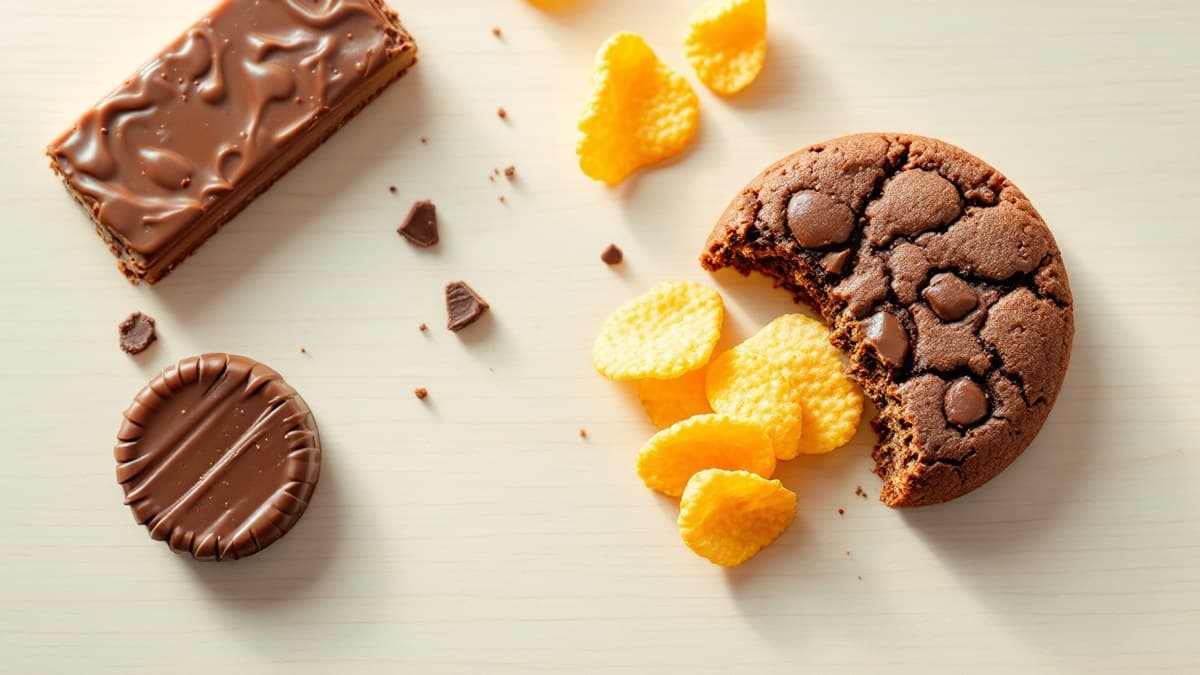
The short answer
Our top high-protein picks
Editor-selected and ready to buy. As an Amazon Associate we may earn from qualifying purchases.
Shopping for Quest Nutrition? BBQ Original Style Protein Chips · Original Chips Variety Pack · Chocolate Milkshake Protein Powder
 20g protein
Chili Lime Tortilla Style Protein Chips
Amazon returns policy · secure checkout
 19g protein
Protein Chips - Loaded Taco
Amazon returns policy · secure checkout
 19g protein
Protein Chips - BBQ
Amazon returns policy · secure checkout
Quest Nutrition Facts Compared (Per Serving)
Here are the verified numbers for the core Quest products, each per single serving as listed on the official Quest nutrition panels. Net carbs are calculated as total carbs minus fiber minus sugar alcohols, the way Quest markets them.
| Product (serving) | Calories | Protein | Total Carbs | Fiber | Sugar | Net Carbs | Fat |
|---|---|---|---|---|---|---|---|
| Protein Bar — Choc Chip Cookie Dough (60g) | 190 | 21g | 22g | 12g | 1g | ~10g | 9g |
| Tortilla Chips — Loaded Taco (32g bag) | 140 | 19g | 5g | 1g | <1g | 4g | 5g |
| Protein Cookie — Chocolate Chip (59g) | 240 | 15g | 19g | 9g | 1g | 2g | 17g |
| Peanut Butter Cups (2 cups, 42g) | 200 | 11g | 13g | 4g | <1g | 1g | 15g |
A few things stand out. The bar has the best protein-to-calorie ratio of the group (21g for 190 calories). The chips are the lowest-calorie, lowest-carb option and are baked rather than fried, with protein coming from a milk and whey protein isolate blend. The cookie packs the most protein-adjacent indulgence but also the most fat and calories. The peanut butter cups are a candy replacement first and a protein source second. Note that Quest also sells a Dipped version of most bars (with a chocolate coating) that runs slightly higher in calories and fat than the figures above.
What Sweeteners Does Quest Use?
This is the part most labels gloss over, so here it is plainly. Quest keeps sugar near zero by using sugar alcohols (mainly erythritol), sucralose, and stevia instead of cane sugar. The Chocolate Chip Cookie Dough bar lists 6g of sugar alcohols; the Chocolate Chip cookie lists 8g; the peanut butter cups list 8g of erythritol. All three list erythritol, sucralose, and stevia among the ingredients under 2%. The high fiber in the bars and cookies comes largely from added soluble corn fiber (a prebiotic fiber), which is also why the fiber counts look so high relative to whole-food snacks.
Are Quest Bars Actually Healthy?
The honest answer: for the right person and in reasonable quantity, yes — with real caveats. On the plus side, a Quest bar delivers 21g of complete dairy protein for 190 calories with only 1g of sugar, which is a genuinely strong macro profile for a packaged snack. The high fiber adds fullness, and the low net carbs make it easy to fit into low-carb or keto eating. As a convenient way to hit a protein target between meals, it does its job well.
The caveats are worth taking seriously. First, these are highly processed foods built from protein isolates, fibers, and sweeteners — they are a supplement-style snack, not a substitute for whole foods like Greek yogurt, eggs, or cottage cheese. Second, the sugar alcohols and soluble corn fiber can cause GI issues — bloating, gas, or loose stools — for some people, especially if you eat more than one bar in a day or are sensitive to erythritol. That is the single most common complaint about Quest products, and it is dose-dependent: one bar bothers far fewer people than three. Third, sucralose is FDA-approved and considered safe, but if you prefer to avoid artificial sweeteners entirely, Quest is not for you. Bottom line: a Quest bar is a reasonable, high-protein convenience snack, not a health food, and most digestive complaints come down to portion size. If sugar alcohols don't sit well with you, compare alternatives in our protein snacks without sugar guide.
Best Quest Product for Your Goal
Different Quest products suit different goals. Here is how to choose.
- Best for cutting / weight loss: The Loaded Taco tortilla chips. At 140 calories for 19g of protein and only 4g net carbs, they have the best protein-per-calorie of the lineup and scratch a salty-crunchy craving that bars can't. The bar is a close second. See more options in our protein chips comparison.
- Best everyday grab-and-go snack: The Chocolate Chip Cookie Dough bar. Shelf-stable, 21g protein for 190 calories, travels well, and is the most balanced macro pick for hunger between meals.
- Best for a sweet tooth / dessert swap: The Chocolate Chip protein cookie for a soft-baked dessert feel (240 calories, 15g protein), or the peanut butter cups as a near-candy treat at 1g net carb. Both replace higher-sugar desserts. Compare against rivals in our best protein cookies roundup.
Frequently Asked Questions
How much protein is in a Quest bar?
Most standard Quest protein bars contain about 20 to 21g of protein per 60g bar. The Chocolate Chip Cookie Dough bar specifically has 21g for 190 calories, with 1g of sugar and roughly 10g of net carbs.
Are Quest bars keto-friendly?
Generally yes. The Chocolate Chip Cookie Dough bar has about 10g of net carbs (22g total carbs minus 12g fiber), while the cookie (2g net) and peanut butter cups (1g net) are even lower. Quest markets the lineup as keto-friendly, but count the net carbs against your daily budget, since 10g from a single bar is meaningful on a strict keto day.
Why do Quest bars upset some people's stomachs?
The most common culprits are the sugar alcohols (mainly erythritol) and the added soluble corn fiber. Both can ferment in the gut and cause bloating, gas, or loose stools in sensitive people, especially at higher doses. Eating one bar at a time and drinking water helps; eating two or three in a day is when most people notice problems.
How much protein is in Quest chips?
A single 32g bag of Quest Loaded Taco tortilla-style chips has 19g of protein for 140 calories, 5g total carbs, and 5g of fat. The protein comes from a milk and whey protein isolate blend, and the chips are baked rather than fried.
Are Quest peanut butter cups healthy?
They are a smart swap for regular peanut butter cups, with 11g of protein and under 1g of sugar per 2-cup serving versus the heavy sugar load of conventional candy. But at 200 calories and 15g of fat (10g saturated) per serving, they are a treat to enjoy in moderation, not a protein staple.
Bottom line: Quest products deliver high protein, high fiber, and almost no sugar by leaning on sugar alcohols, sucralose, and stevia. The bar is the most versatile pick, the chips are the leanest, and the cookie and PB cups are dessert swaps. They are a solid high-protein convenience snack as long as the sugar alcohols agree with you. Compare Quest against the rest of the field in our best protein bars of 2026 guide, or browse the full protein snacks directory to find your next staple.
Shop our top high-protein picks
Editor-selected high-protein options related to this guide. As an Amazon Associate we may earn from qualifying purchases.
Shopping for Quest Nutrition? BBQ Original Style Protein Chips · Original Chips Variety Pack · Chocolate Milkshake Protein Powder
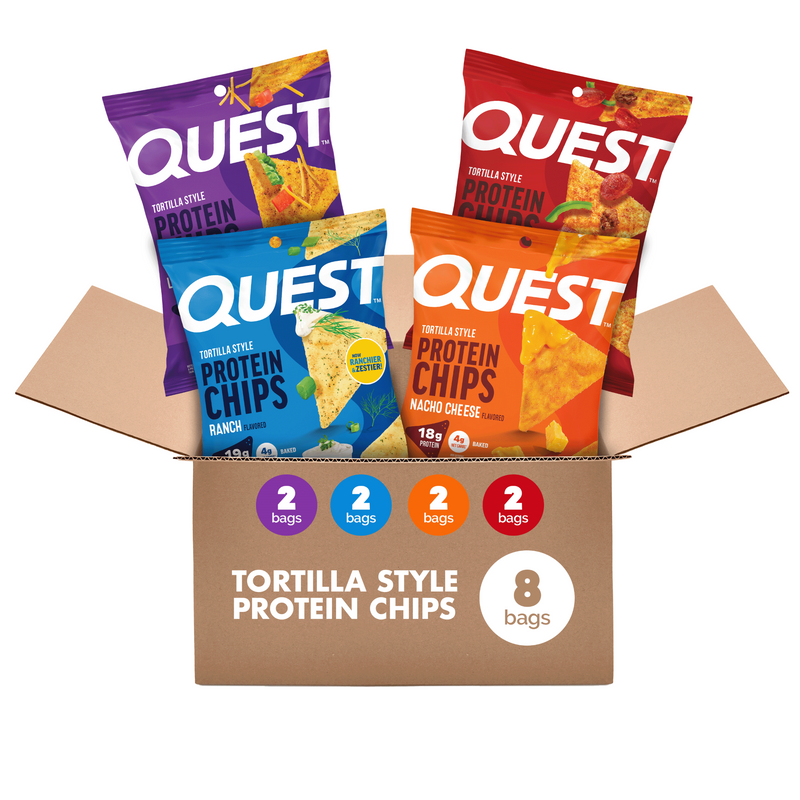 10g protein
Tortilla Style Protein Chips, Salty Snack Variety Pack, Pizza, Loaded Taco, Nacho Cheese, Ranch, High Protein
Amazon returns policy · secure checkout
20g proteinChili Lime Tortilla Style Protein Chips
Amazon returns policy · secure checkout
19g proteinProtein Chips - Loaded Taco
Amazon returns policy · secure checkout
Tags
High Protein Snacks Pro Editorial Team
Independently researched and editorially reviewed. We compare real nutrition labels and never accept payment for coverage.
Get the best new protein snacks in your inbox
Weekly picks and honest reviews — no spam, unsubscribe anytime.
More from the journal
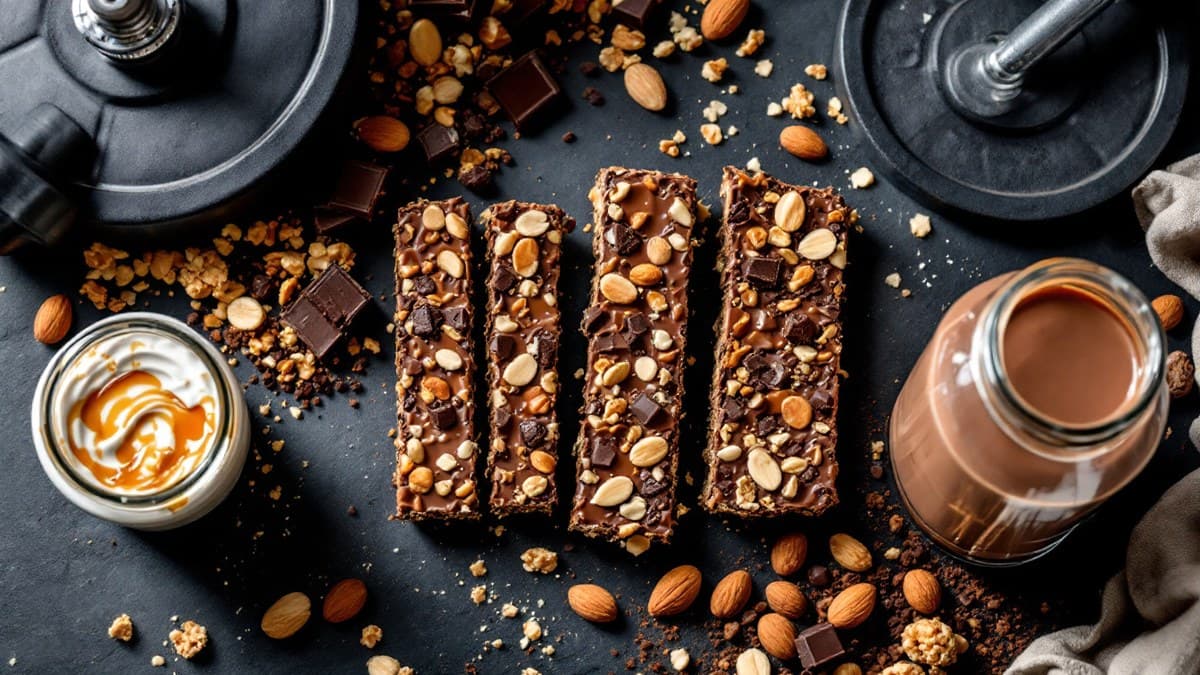
Best Protein Bars for Men (2026): 7 Picks Ranked by Protein Density, Bulk Value, and Real Taste
The best protein bar for men in 2026 is the DAVID Gold — 28g of protein at 150 calories per bar, the highest protein-to-calorie ratio of any mainstream bar. For the best bulk value, Kirkland Signature delivers 21g of protein for around $1 a bar at Costco. Seven bars ranked by what matters most for men: protein density, calorie efficiency, bulk value, and taste for long-term consistency.
Read more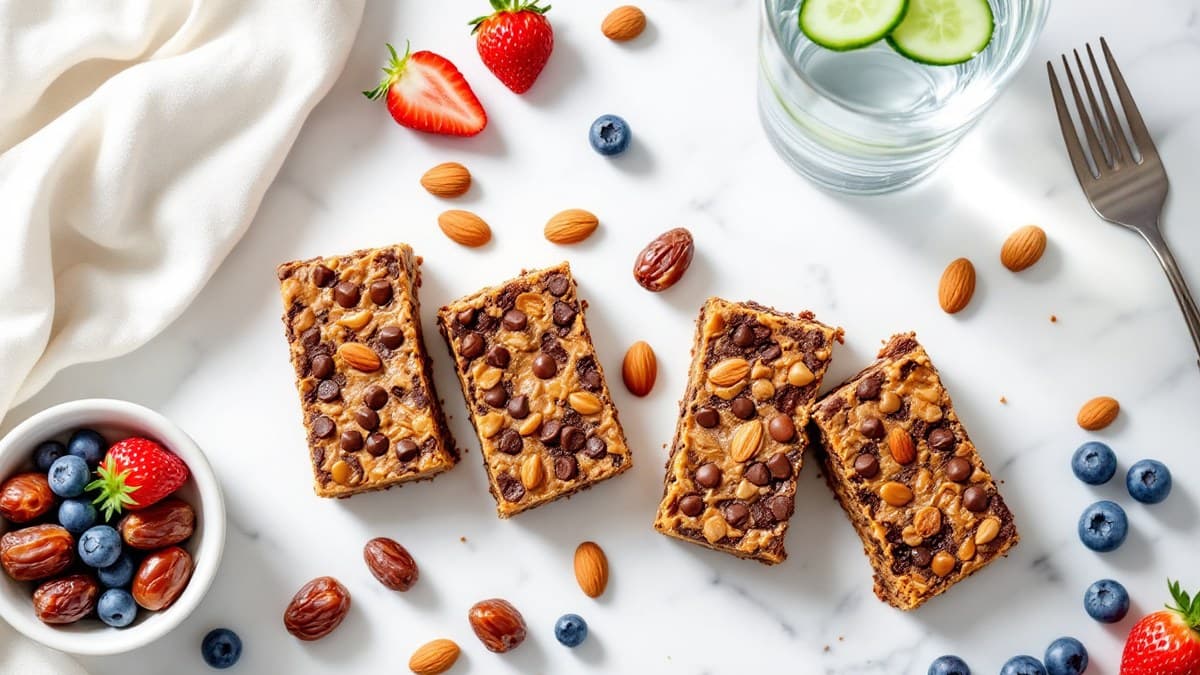
Best Protein Bars for Women (2026): 7 Picks Ranked by Protein, Fiber, and Sweetener Honesty
The best protein bar for women in 2026 is the Quest Bar — 21g of complete protein, 190 calories, and 12g of fiber, the best protein-plus-fiber combination for satiety and weight management. For the lowest-calorie no-artificial-sweetener option, Built Puff delivers 17g of protein at 140 calories. Seven bars ranked by what matters most: calorie efficiency, complete protein, fiber for satiety, and honest sweetener profiles.
Read more
RXBar vs Quest Bar 2026: 12g Real-Food Protein vs 21g Functional Protein — Which Bar Wins?
RXBar Chocolate Sea Salt delivers 12g of egg-white protein from 6 whole-food ingredients with 0g of added sugar. Quest Chocolate Chip Cookie Dough delivers 21g of whey isolate protein with 14g of fiber and 1g of total sugar. Both are complete proteins with no collagen. This comparison breaks down every macro, every sweetener, and every use case so you can stop second-guessing which bar belongs in your diet.
Read more