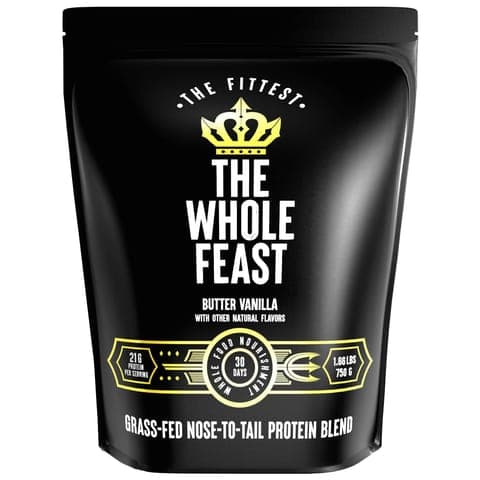
Highest Protein-to-Calorie Ratio: The Most Protein-Dense Snacks & Drinks Ranked (2026)
Dymatize ISO-100, Fairlife Nutrition Plan, and FAGE Total 0% all deliver 20g of protein per 100 calories or better — the top of a full ranking of every verified snack, shake, and bar on this site by protein-to-calorie ratio.
The short answer
Our top protein drink picks
Editor-selected and ready to buy. As an Amazon Associate we may earn from qualifying purchases.
 30g protein
 16g protein
Organic Nutrition Shake - Creamy Chocolate Fudge
Amazon returns policy · secure checkout
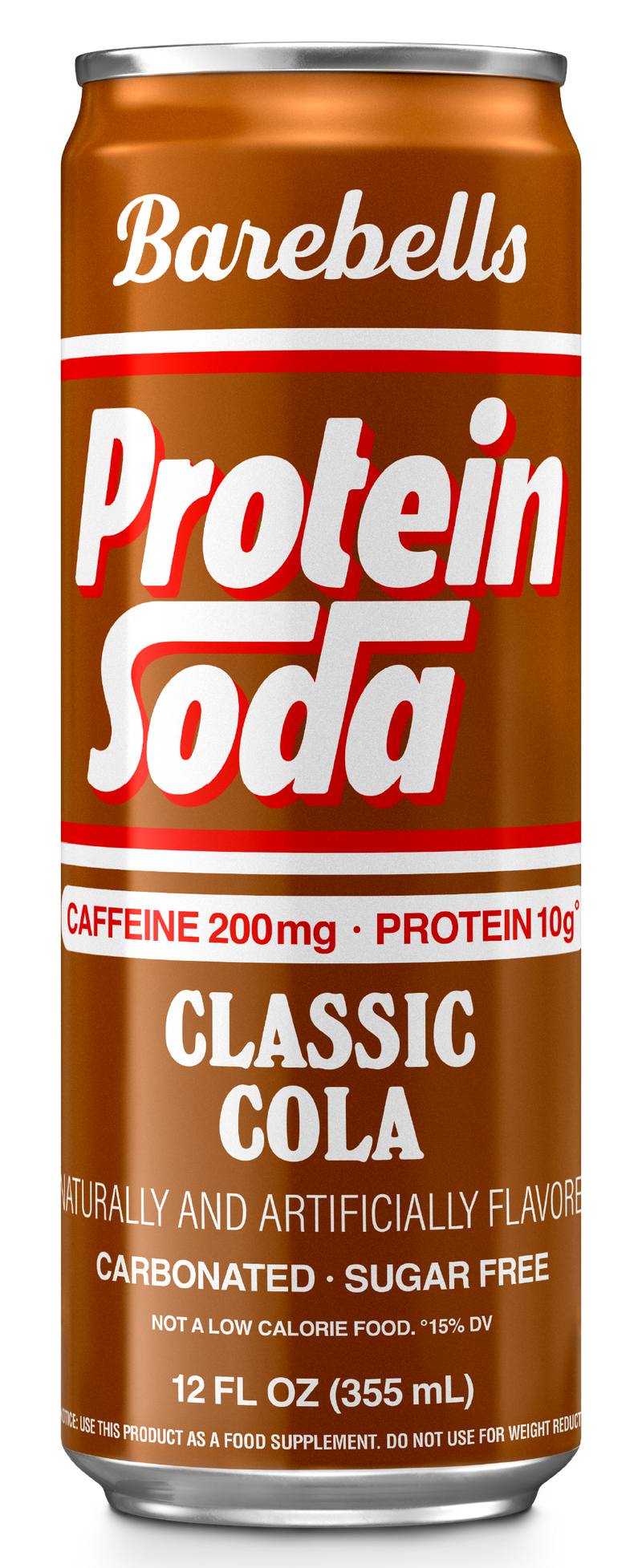 10g protein
Protein Soda Classic Cola
Amazon returns policy · secure checkout
The Most Protein-Dense Snacks & Drinks, Ranked
Every number below comes from the verified nutrition-facts breakdown already published on this site (linked in the Source column), sourced from each brand's official label. “Protein per 100 cal” is calculated as (protein grams ÷ calories) × 100, which lets you compare a 90-calorie yogurt cup against a 280-calorie bar on equal footing.
| Rank | Product | Category | Serving | Calories | Protein | Protein / 100 cal |
|---|---|---|---|---|---|---|
| 1 | Dymatize ISO-100 (Gourmet Chocolate) | Protein powder | 1 scoop (~30g) | 120 | 25g | 20.8g |
| 2 (tie) | Optimum Nutrition Gold Standard Whey | Protein powder | 1 scoop (~30g) | 120 | 24g | 20.0g |
| 2 (tie) | Fairlife Nutrition Plan | RTD shake | 11.5 fl oz | 150 | 30g | 20.0g |
| 2 (tie) | FAGE Total 0% (plain) | Greek yogurt | 3/4 cup (170g) | 90 | 18g | 20.0g |
| 5 | Premier Protein Shake | RTD shake | 11.5 fl oz | 160 | 30g | 18.8g |
| 6 | DAVID Gold Protein Bar | Protein bar | 62g bar | 150 | 28g | 18.7g |
| 7 | Fairlife Core Power Elite | RTD shake | 14 fl oz | 230 | 42g | 18.3g |
| 8 | siggi's Plain Nonfat Skyr | Yogurt (skyr) | 5.3oz cup | 100 | 17g | 17.0g |
| 9 | Oikos Triple Zero | Greek yogurt | 5.3oz cup | 90 | 15g | 16.7g |
| 10 | Muscle Milk Genuine (2026 formula) | RTD shake | 11 fl oz | 160 | 26g | 16.3g |
| 11 | Fairlife Core Power (standard) | RTD shake | 14 fl oz | 170 | 26g | 15.3g |
| 12 (tie) | Chomps Turkey Stick | Meat stick | 1 stick | 80 | 12g | 15.0g |
| 12 (tie) | Two Good Greek Yogurt | Greek yogurt | 5.3oz cup | 80 | 12g | 15.0g |
| 14 | Built Puff (Brownie Batter) | Protein bar | 40g bar | 140 | 17g | 12.1g |
| 15 (tie) | Quest Protein Bar | Protein bar | 60g bar | 190 | 21g | 11.1g |
| 15 (tie) | Kirkland Signature Protein Bar | Protein bar | 60g bar | 190 | 21g | 11.1g |
| 17 (tie) | Barebells Original | Protein bar | 55g bar | 200 | 20g | 10.0g |
| 17 (tie) | Chomps Original Beef Stick | Meat stick | 1 stick | 100 | 10g | 10.0g |
| 19 | ONE Bar | Protein bar | 60g bar | 220 | 20g | 9.1g |
| 20 | Clif Builder's (Chocolate) | Protein bar | 68g bar | ~280 | 20g | 7.1g |
| 21 | KIND Protein (original) | Protein bar | ~50g bar | 200 | 12g | 6.0g |
| 22 | RXBAR | Protein bar | 52g bar | 210 | 12g | 5.7g |
A few things jump out. The top of the list is dominated by powders and ultra-filtered milk — not because those products are magic, but because liquid whey isolate and UF milk are close to pure protein with almost nothing else added, while a bar has to also carry fat, fiber, chocolate coating, and enough bulk to feel like food. Plain, unsweetened Greek yogurt (FAGE) and skyr (siggi's) prove that a genuine whole-food dairy product can match a supplement powder on pure ratio. And the two Chomps entries show that serving size within the same brand matters: the smaller 80-calorie turkey stick actually beats the 100-calorie beef stick on ratio, even though the beef stick is the brand's flagship.
Why Protein-to-Calorie Ratio Matters (and When It Doesn't)
Protein per 100 calories is the right metric when your constraint is calories — cutting weight, hitting a protein target on a fixed calorie budget, or comparing snacks of very different sizes on equal footing. A 90-calorie yogurt cup with 18g of protein is doing more work per calorie than a 280-calorie bar with 20g, even though the bar has more total protein. If you're simply trying to eat more protein in a day and calories aren't tight, total grams per serving (see our high-protein snacks with 30g or more guide) matters more than the ratio. The two metrics answer different questions: ratio tells you efficiency, total grams tells you how much ground one serving covers.
The Trade-Offs: Processed vs. Whole Food, Satiety, and Cost
Chasing the highest ratio alone can lead you to the most processed options on the list. ISO-100, Gold Standard Whey, and the ultra-filtered RTD shakes get their efficiency from protein isolates and filtration, not whole ingredients, and several rely on artificial sweeteners (sucralose is in ISO-100, Gold Standard, and Premier Protein). Whole-food entries like FAGE, siggi's, and Chomps deliver the same or better ratio with a shorter ingredient list, which is why they're worth weighing even though a couple of powders technically edge them out. Bars sit at the bottom of the ratio list for a structural reason, not a quality one: fiber, nuts, and chocolate coating add calories without adding protein, but that same fiber and fat is often what makes a bar more filling per calorie than a shake, even with a lower ratio. A shake gets you to your protein number efficiently; a bar or a bowl of yogurt with fruit is more likely to keep you full until the next meal. Cost is the other factor the ratio ignores entirely — see our price-per-gram comparison if budget is the deciding factor instead.
Best Pick by Goal
- Strict calorie deficit / cutting: Fairlife Nutrition Plan or FAGE Total 0% — 20g of protein per 100 calories with a clean macro profile, and both are widely available.
- Want a supplement-free, whole-food option: FAGE Total 0% or siggi's plain skyr. Both land at 17–20g of protein per 100 calories with a short, recognizable ingredient list and no protein isolates.
- Post-workout absorption speed: Dymatize ISO-100. It tops the ranking and is hydrolyzed for faster digestion, which matters most in the narrow post-workout window.
- Portable, no refrigeration needed: Chomps Turkey Stick (15.0g per 100 cal) or DAVID Gold (18.7g per 100 cal) — both shelf-stable and near the top of the list.
- Maximum fullness per calorie, ratio be damned: A fiber-rich bar like Quest (12g fiber) or a fat-and-protein combo will hold you longer than a shake despite a lower ratio. See our best high-protein snacks for weight loss guide for fullness-focused picks.
Frequently Asked Questions
What is a good protein-to-calorie ratio for a snack?
Anything above 10g of protein per 100 calories is solid; the products at the top of this list (17–21g per 100 calories) are exceptional. For context, a plain chicken breast lands around 31g of protein per 165 calories (about 19g per 100 cal), so the top entries here are competitive with lean whole-food protein sources, not just supplements.
Why do protein bars rank lower than shakes and powders?
Bars need fat, fiber, sweeteners, and a coating to hold together and taste good, and all of that adds calories without adding protein. A shake or powder can be almost pure protein isolate dissolved in liquid, which is structurally impossible for a bar. That doesn't make bars worse snacks — the added fat and fiber are often what makes a bar more filling — it just means they will rarely out-rank a shake on pure ratio.
Is a higher protein-to-calorie ratio always better?
No. It's the right metric when calories are your binding constraint. If you're not counting calories closely and just want to hit a daily protein number, total protein grams per serving and how filling the snack is matter more. See our 30g-or-more protein snacks guide for that angle instead.
Are whey powders better than whole-food options like Greek yogurt?
Not necessarily. FAGE Total 0% plain Greek yogurt ties Fairlife Nutrition Plan and Optimum Nutrition Gold Standard Whey at exactly 20g of protein per 100 calories, using nothing but strained milk. If you'd rather get your protein from a recognizable whole food than an isolate powder, FAGE and siggi's prove you don't have to sacrifice ratio to do it.
Bottom line: gram for gram against the calories, whey isolate powders, ultra-filtered milk shakes, and plain strained Greek yogurt are the most protein-dense things we've verified — all landing at 17g or more of protein per 100 calories. Protein bars trail on this specific metric because of the fat and fiber it takes to make a bar taste like a bar, not because they're a worse snack. Pick by ratio when calories are tight, and by total grams or satiety when they're not. Compare every option in the full protein snacks directory, or see our best protein bars of 2026 and 30g-or-more protein snacks guides for other angles on the same data.
Shop our top protein drink picks
Editor-selected high-protein options related to this guide. As an Amazon Associate we may earn from qualifying purchases.
30g protein16g proteinOrganic Nutrition Shake - Creamy Chocolate Fudge
Amazon returns policy · secure checkout
10g proteinProtein Soda Classic Cola
Amazon returns policy · secure checkout
Tags
High Protein Snacks Pro Editorial Team
Independently researched and editorially reviewed. We compare real nutrition labels and never accept payment for coverage.
Get the best new protein snacks in your inbox
Weekly picks and honest reviews — no spam, unsubscribe anytime.
More from the journal
Best Casein Protein Powder (2026): 5 Top Micellar Caseins Ranked by Protein per Scoop, Purity, and Slow-Digestion Profile
The best casein protein powder in 2026 is Optimum Nutrition Gold Standard 100% Casein — 24g of 100% micellar casein per scoop at 120 calories with 1g of sugar, the market-standard slow-digesting protein used before bed for overnight muscle recovery. Naked Casein leads for the cleanest label at 26g of protein per scoop with a single-ingredient panel (micellar casein only). Five real casein protein powders ranked by grams of protein per scoop, calories per scoop, ingredient purity, and third-party certification, with verified 2026 label data.
Read more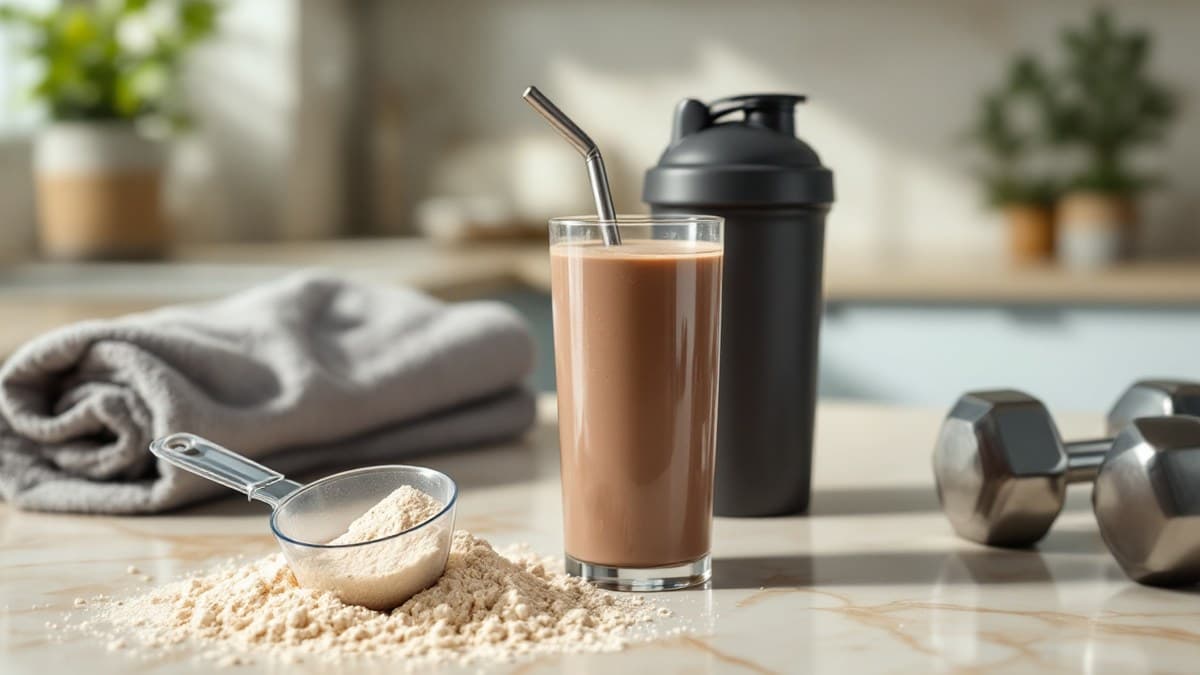
Best Whey Protein Isolate (2026): 5 Top Isolates Ranked by Protein-per-Serving, Purity, and Ingredient Profile
The best whey protein isolate in 2026 is Dymatize ISO100 Hydrolyzed Whey Protein Isolate — 25g of pre-digested whey isolate per scoop at 120 calories with just 1g of sugar, the market-standard for fast-absorbing post-workout protein. Transparent Labs Grass-Fed Whey Protein Isolate leads for pure protein density at 28g per scoop with a clean ingredient panel. Five real whey isolates ranked by grams of protein per serving, calories per scoop, sugar per serving, and ingredient purity, with verified 2026 label data.
Read more
Best Vegan Protein Bars 2026: 4 Plant-Based Picks Ranked by Protein, Ingredients, and Value
The best vegan protein bar in 2026 is No Cow — 20g of plant-based protein from a pea and brown rice blend at 190–200 calories per bar, with no dairy, no soy, and no sucralose or Ace-K. For certified organic with no sugar alcohols, ALOHA Organic delivers 14g of protein from sprouted brown rice and pea protein. Four vegan protein bars ranked by protein density, ingredient honesty, and real-world availability — every nutrition figure verified from each brand's 2026 label.
Read more