Best High-Protein Snacks for Weight Loss (2026): 13 Verified Picks Ranked — Tuna Leads at 24g Per 100 Calories
A plain StarKist albacore pouch delivers 24g of protein per 100 calories at just 70 calories total — the most protein-efficient snack on this list. FAGE Total 0% Greek yogurt hits 20g per 100 cal with 0g added sugar. DAVID Gold bar is the bar leader at 28g protein and 0g total sugar in 150 calories. Thirteen verified picks ranked by protein-per-calorie ratio, with honest notes on sweeteners, sugar, and which format actually fits a calorie deficit.
The short answer
Our top high-protein picks
Editor-selected and ready to buy. As an Amazon Associate we may earn from qualifying purchases.
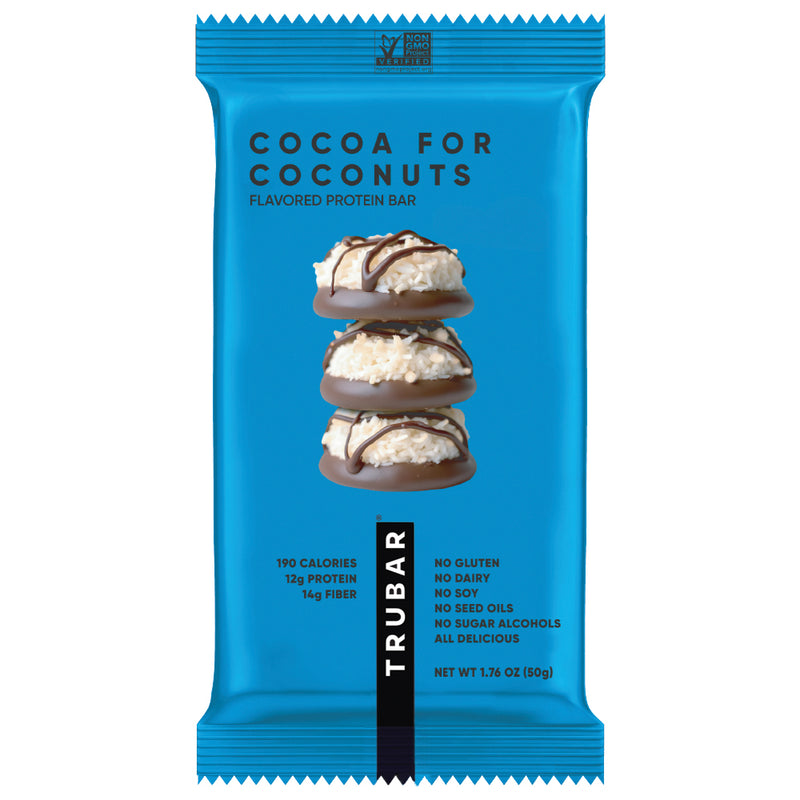 12g protein
Cocoa for Coconuts TRUBAR Nutrition and Protein Bar
Amazon returns policy · secure checkout
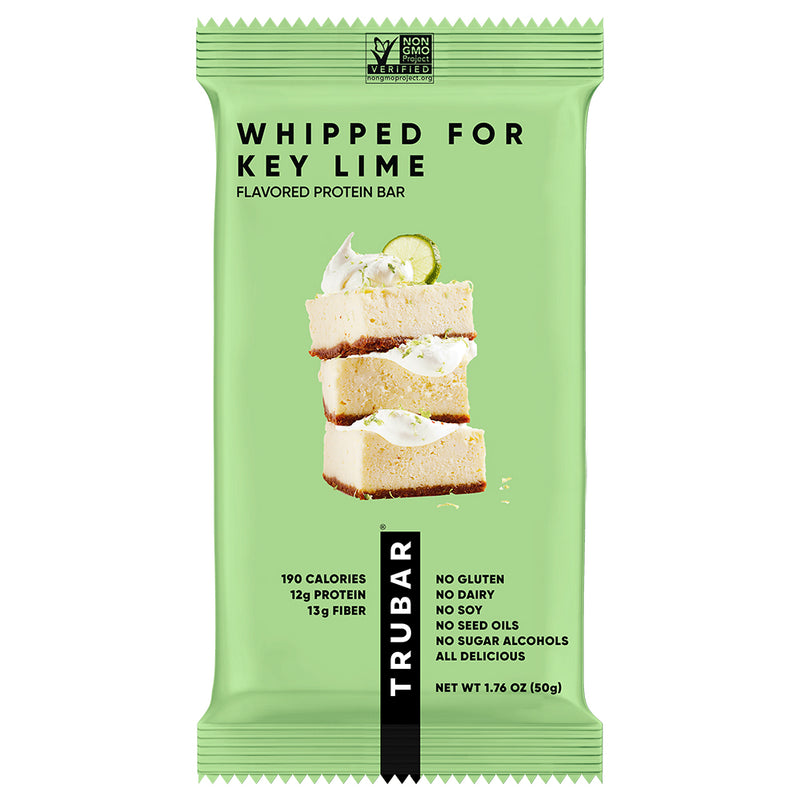 12g protein
Whipped For Key Lime TRUBAR Nutrition and Protein Bar
Amazon returns policy · secure checkout
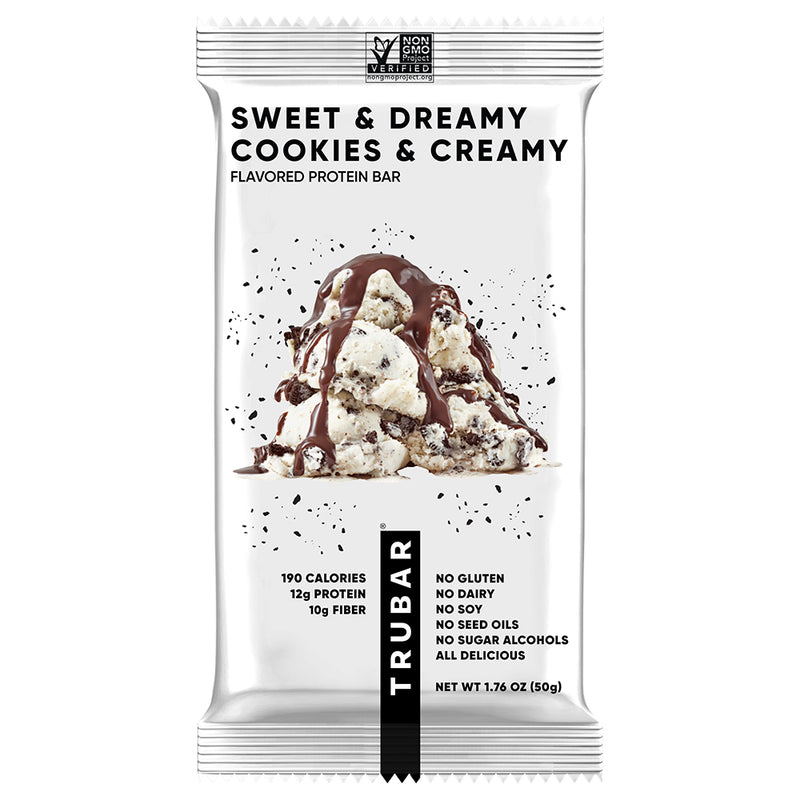 12g protein
Sweet & Dreamy, Cookies & Creamy
Amazon returns policy · secure checkout
13 Best High Protein Snacks for Weight Loss: Ranked by Protein Density
Protein density = grams of protein per 100 calories. Higher is better when you are in a calorie deficit. All numbers are verified from USDA FoodData Central and official brand nutrition panels.
| Snack | Serving | Protein | Calories | Protein / 100 cal | Sugar |
|---|---|---|---|---|---|
| Plain tuna pouch (StarKist) | 1 pouch (2.6oz) | 17g | 70 | 24g | 0g |
| Non-fat plain Greek yogurt (Fage 0%) | 3/4 cup (170g) | 18g | 90 | 20g | 5g |
| Oikos Triple Zero yogurt (any flavor) | 5.3oz cup | 15g | 90 | 17g | 5g |
| Chomps Original Beef Stick | 1 stick (33g) | 10g | 100 | 10g | 0g |
| 1% cottage cheese (Daisy) | 1/2 cup (113g) | 14g | 90 | 16g | 4g |
| Turkey jerky (Applegate) | 1oz (28g) | 10g | 70 | 14g | 3g |
| Two Good Greek yogurt (vanilla) | 5.3oz cup | 12g | 80 | 15g | 2g |
| String cheese (Sargento, 2% reduced-fat) | 1 stick (21g) | 7g | 50 | 14g | 0g |
| Hard-boiled egg (large) | 1 egg (50g) | 6g | 70 | 9g | 0g |
| DAVID Gold Protein Bar | 1 bar (62g) | 28g | 150 | 19g | 0g |
| Quest Protein Bar (Choc. Chip Cookie Dough) | 1 bar (60g) | 21g | 190 | 11g | 1g |
| Premier Protein Shake (chocolate) | 11.5 fl oz bottle | 30g | 160 | 19g | 1g |
| Fairlife Nutrition Plan (chocolate) | 11.5 fl oz bottle | 30g | 150 | 20g | 2g |
A few patterns jump out. Whole-food options like tuna, Greek yogurt, and cottage cheese dominate the top of the protein-density ranking because they carry very little fat or carbohydrate filler. Protein bars score well on total protein per serving but not always on protein per calorie — Quest bars are a good example, with 21g of protein but also 190 calories. Shakes are among the most efficient at getting a big protein dose with minimal calories, though they are not a substitute for a real meal when it comes to satiety.
The Principle Behind the List: Why Protein Density Matters on a Cut
When you reduce calories, keeping protein high is the single most important strategy for avoiding muscle loss and staying full enough to stick to the deficit. Research consistently shows that higher-protein diets lead to better preservation of lean mass during weight loss and result in greater feelings of fullness compared to higher-carbohydrate diets at the same calorie level. The practical target for active adults is roughly 0.7 to 1g of protein per pound of body weight per day — and snacks that deliver 12 to 21g of protein in under 200 calories make that target much easier to hit without blowing the calorie budget.
The trap to avoid: snacks that market a “high protein” claim but only add 5 to 7g of protein in 200 or more calories (common in many granola bars, “protein” trail mixes, and flavored yogurts). Those snacks barely move the protein needle while taking a big bite out of your daily calorie allowance.
Best Picks by Situation
Best refrigerated snack: Non-fat Greek yogurt or cottage cheese
Both Fage Total 0% (18g protein, 90 calories per 3/4 cup) and low-fat cottage cheese (14g protein, 90 calories per 1/2 cup) earn top spots because they are affordable, widely available, filling, and pair easily with fruit or vegetables. For flavored options with low added sugar, see our Oikos Triple Zero review (15g protein, 90 calories, 0g added sugar) or our Two Good yogurt review (12g, 80 cal, 2g sugar).
Best shelf-stable snack: Tuna pouch or meat sticks
A single StarKist tuna pouch in water gives you 17g of complete protein for 70 calories and zero sugar — the best protein-per-calorie ratio in this entire list. The catch is that it requires something to eat it with. Chomps beef sticks (10g protein, 100 calories, 0g sugar) are the better fully grab-and-go option. For more options, see our tuna and salmon pouch guide and our meat sticks rankings.
Best packaged bar: DAVID Gold
DAVID Gold now leads the packaged bar category on efficiency: 28g of protein and 150 calories per 62g bar, with 0g of sugar — that is 19g of protein per 100 calories, better than any other bar on this list. Quest (21g protein, 190 calories, 1g sugar) remains the mainstream default, available at virtually every grocery store and gas station. For a clean-label alternative with no artificial sweeteners, RXBAR (12g protein, 180–210 calories, 0g added sugar, natural ingredients only) is also excellent — see our RXBAR nutrition facts guide. Full DAVID Gold breakdown in our DAVID protein bar nutrition guide.
Best bottled shake: Fairlife Nutrition Plan
At 30g of protein for 150 calories with only 2g of sugar per 11.5 fl oz bottle, the Fairlife Nutrition Plan is the leanest, most efficient ready-to-drink option available. It works best as a meal supplement rather than a replacement for whole food, but for closing a protein gap quickly, nothing in this category comes close on efficiency. See the full breakdown in our Fairlife Core Power nutrition guide.
What to Watch Out For
- “High protein” granola bars: Many popular bars that market a protein benefit (Kind, CLIF Builders) deliver only 5 to 10g of protein in 200 to 270 calories — a weak protein-to-calorie ratio for weight loss.
- Flavored Greek yogurts with added sugar: Regular fruit-on-the-bottom yogurts can have 15 to 22g of added sugar per cup. Look for “0g added sugar” on the label or buy plain.
- Trail mix and nut butter snacks: Healthy fats from nuts are fine, but they are calorie-dense. Two tablespoons of almond butter = 180 calories and only 7g of protein. Use sparingly if the goal is staying in a deficit.
- Protein bars above 250 calories: A bar that large should be counted as a mini-meal, not a snack. Check the label before assuming it fits your calorie budget.
Frequently Asked Questions
How much protein do I need in a snack for weight loss?
Aim for at least 12 to 15g of protein per snack if that snack is meant to hold you between meals. Below 10g, you are unlikely to get meaningful satiety benefit from protein alone. The snacks at the top of our ranking — tuna pouches, Greek yogurt, cottage cheese — all clear 14 to 18g in well under 200 calories.
Are protein bars good for weight loss?
Selectively. The best protein bars (Quest, RXBAR, Premier Protein) deliver 12 to 21g of protein for 160 to 200 calories, which is competitive. The worst ones pack 10g of protein into 250 or 300 calories with 15 to 20g of sugar. Read the label rather than trusting the “high protein” front claim. For the best options, see our best protein bars of 2026 roundup.
Is Greek yogurt or cottage cheese better for weight loss?
They are very close in protein density. Plain non-fat Greek yogurt (Fage 0%) gives you 18g of protein per 90-calorie serving; low-fat cottage cheese gives you about 14g for 90 calories. Greek yogurt wins slightly on protein per calorie, but cottage cheese wins on slow-digesting casein protein that may keep you fuller longer. Both are excellent choices — pick the one you will actually eat consistently.
Can I eat protein snacks every day while trying to lose weight?
Yes, and you probably should. Consistent daily protein intake is more important than occasional high-protein meals. The snacks on this list are designed to fit into a daily routine without wrecking a calorie deficit. The key is choosing options that are genuinely protein-dense (not just labeled “high protein”) and tracking portions on the denser calorie items like cottage cheese, shakes, and bars.
What is the lowest-calorie high-protein snack?
A plain tuna pouch (17g protein, 70 calories) is the most extreme protein-to-calorie ratio of any shelf-stable snack. Non-fat plain Greek yogurt is the best option if you prefer something creamy. A string cheese stick is the most convenient low-calorie addition at 50 calories and 7g of protein. All three are easy to work into almost any calorie budget.
Bottom line: The best high-protein snacks for weight loss are the ones with the highest protein per calorie, not the ones with the highest total protein. Tuna pouches, plain non-fat Greek yogurt, and cottage cheese lead on protein density; protein bars and shakes lead on convenience and total protein per serving. Use both categories to hit your daily protein target without eating away your entire calorie budget. Browse more options in the protein snacks directory.
Shop our top high-protein picks
Editor-selected high-protein options related to this guide. As an Amazon Associate we may earn from qualifying purchases.
12g proteinCocoa for Coconuts TRUBAR Nutrition and Protein Bar
Amazon returns policy · secure checkout
12g proteinWhipped For Key Lime TRUBAR Nutrition and Protein Bar
Amazon returns policy · secure checkout
12g proteinSweet & Dreamy, Cookies & Creamy
Amazon returns policy · secure checkout
Tags
High Protein Snacks Pro Editorial Team
Independently researched and editorially reviewed. We compare real nutrition labels and never accept payment for coverage.
Get the best new protein snacks in your inbox
Weekly picks and honest reviews — no spam, unsubscribe anytime.
More from the journal

Chomps Nutrition Facts: 10g Protein, 0g Sugar Per Stick (All Varieties Compared)
Every Chomps beef stick delivers 10g of protein, 100 calories, and 0g of sugar in a 1.15oz stick. Turkey sticks hit 12g protein at just 80 calories. Verified nutrition for every Chomps variety plus an honest comparison with conventional meat sticks.
Read more
Best High-Protein Snacks Under 100 Calories (2026): 9 Verified Picks With Up to 22g Protein
Tuna tops it at 22g of protein for 80 calories, nonfat Greek yogurt hits 15g for 90 calories, and beef jerky delivers 12g for 70 calories — the verified under-100 list with brand callouts, the 100-calorie-pack trap to stop falling for, and pairing formulas to hit 20g+ under 200 calories.
Read more
String Cheese Protein: How Much Is in Each Stick? 4 Brands Compared (2026)
A standard string cheese stick (28g) delivers 6–7g of protein at 80–90 calories — roughly 8–9g of protein per 100 calories, which beats most crackers and granola bars. We pulled Nutrition Facts from four major brands (Sargento, Polly-O/BelGioioso, Frigo CheeseHeads, Organic Valley) and ranked them by protein density, sodium, fat, and cost.
Read more