High-Protein Snacks With 30 Grams or More (2026): 9 Options — RTD Shakes, DIY Combos, and Single-Serve Foods That Hit the Muscle-Building Threshold
Thirty grams is where a snack triggers real muscle building — the leucine threshold math, nine verified ways to get there (RTD shakes, DIY combos, and single-serve foods), and the plateau rule for splitting doses instead of stacking them.
The short answer
Our top protein drink picks
Editor-selected and ready to buy. As an Amazon Associate we may earn from qualifying purchases.
 30g protein
 16g protein
Organic Nutrition Shake - Creamy Chocolate Fudge
Amazon returns policy · secure checkout
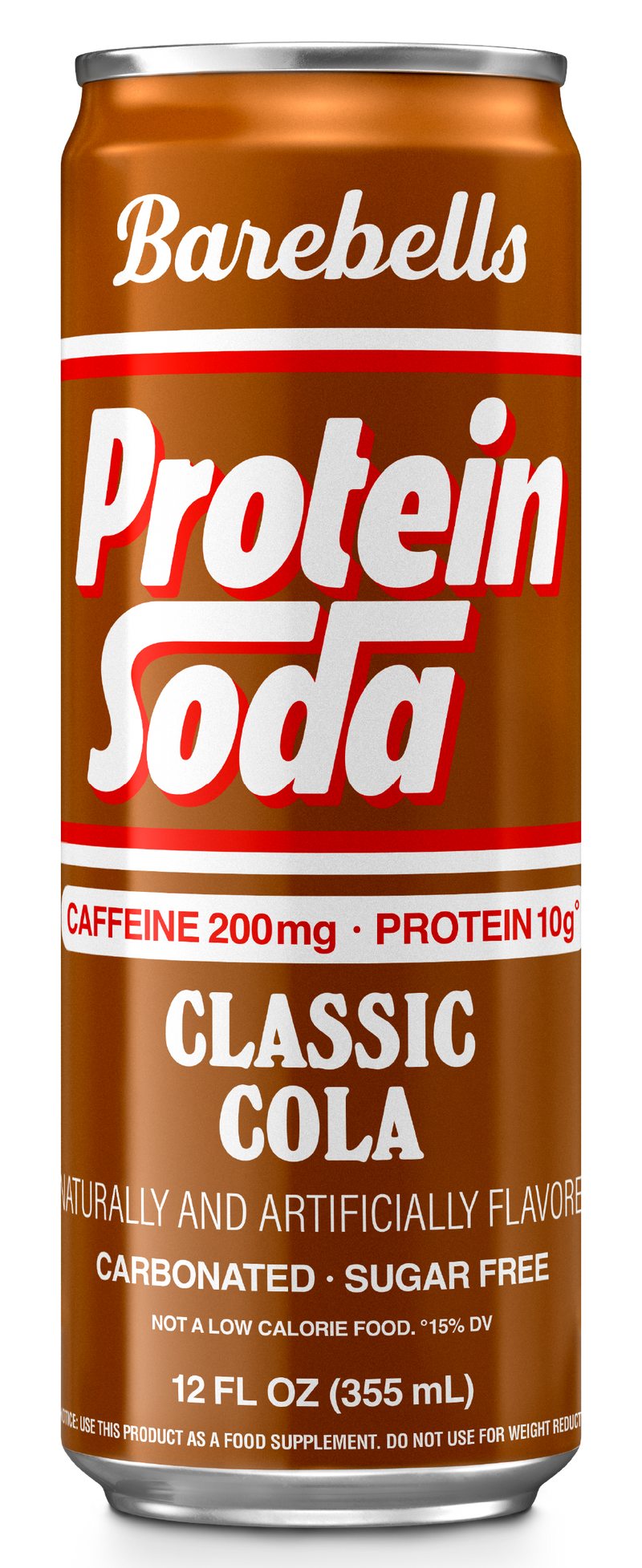 10g protein
Protein Soda Classic Cola
Amazon returns policy · secure checkout
The Math That Decides Whether You Need These
A lifter cutting at 180 pounds may target 160–180g of protein a day; three square meals at 35–40g each cover only 105–120g of it. The remaining 40–60g has to arrive somewhere, and two 30g snacks are exactly the shape of the gap. Run your own number: body weight in pounds times 0.7 to 1.0 for a training goal, minus what your meals actually deliver. If the remainder is under 25g, ordinary snacks (eggs, cheese, yogurt) close it; if it is 40g or more, the recipes below are the efficient answer. People eating at maintenance with modest targets rarely need a 30g snack at all — it displaces real food variety for no added benefit.
Five DIY Combos That Hit 30 Grams, With Verified Math
- Yogurt + whey pudding: ~15g (USDA, nonfat Greek cup) + one scoop = 35–40g for ~250–300 calories. The powders are compared in our protein powders guide.
- Tuna pouch + two hard-boiled eggs: 22g (verified label) + 12g (USDA) = 34g of protein for about 220 calories — the leanest 30g+ on the list. More in the tuna pouches guide.
- Cottage cheese bowl: one cup of low-fat cottage cheese is about 28g of protein (USDA) — plus a half cup more or a string cheese crosses 30g. The cottage cheese guide covers brands and pairings.
- Shake made with milk, not water: a scoop plus a cup of milk = ~31–33g, and the milk adds casein so the release slows.
- The post-training format: any of the above, timed within the window that is honestly much wider than the myth says — our post-workout snacks guide covers the timing evidence.
Ready-to-Eat: Single-Serve Products That Cross 30 Grams
The most efficient path to 30g in one snack is a ready-to-drink protein shake — no mixing, no prep, and the protein count is printed on the label. Four worth knowing:
| Product | Protein | Calories | Format | Sweeteners |
|---|---|---|---|---|
| Fairlife Core Power Elite | 42g | 230 | 14 fl oz RTD shake | No artificial sweeteners |
| Muscle Milk Pro Series 40g | 40g | 150 | 14 fl oz RTD shake | Sucralose |
| Premier Protein Shake | 30g | 160 | 11.5 fl oz RTD shake | Sucralose, Ace-K |
| Orgain Organic Protein Shake | 26g | 260 | 11 fl oz RTD shake | No artificial sweeteners |
RTD figures from each brand’s current label. Fairlife Core Power Elite: verified 42g from ultra-filtered milk protein (whey + casein); 7g natural milk sugar, no added sugar. Premier Protein: 30g from milk protein concentrate, sucralose-sweetened. Muscle Milk Pro: 40g from milk protein isolate, sucralose-sweetened. Orgain: 26g from organic pea and brown rice protein blend, sweetened with organic cane sugar and stevia.
Fairlife Core Power Elite is the single-serve pick when maximizing protein matters most and artificial sweeteners are acceptable (they are not used). At 42g of protein from ultra-filtered milk protein — a naturally fast-digesting whey and slower-casein blend — and 230 calories, it crosses the 30g threshold by a margin that makes it function as a full recovery meal. It contains no sucralose or Ace-K; the sweetener is a small amount of natural milk sugar (7g), making it the only mainstream RTD at this protein level without artificial sweeteners. For the full analysis, see our Core Power nutrition guide.
Premier Protein Shake at 30g protein and 160 calories is the best-value RTD for daily snacking. It uses sucralose and Ace-K, which puts it off the list for sweetener avoiders, but at roughly $1.37 per bottle in Walmart 12-packs it is far cheaper than Core Power. The 30g protein is exactly at the threshold. For full comparison, see our Premier Protein nutrition facts guide.
The no-artificial-sweeteners RTD above 25g: Orgain Organic at 26g is the main option, though it is slightly below the 30g mark. Pairing an Orgain with one string cheese (7g) crosses 33g without artificial sweeteners.
The Plateau Rule: Split, Do Not Stack
Muscle protein synthesis responds to a protein dose up to about 40g and then flattens — doubling the dose does not double the building. The practical consequences run both directions: a 70g protein milkshake wastes the top half of its dose on energy rather than muscle, and two 35g servings separated by a few hours outbuild one 70g sitting. This is the actual reason "snacks" deserve the 30g label at all: they are the efficient second and third anabolic occasions of the day, not a smaller version of dinner. The related absorption myth — that the body can only "use" 30g at a time — is sloppier than that: the gut absorbs nearly all of it; it is the muscle-building response that plateaus, with the surplus burned as energy.
What to Watch For
Calorie creep. Thirty grams of protein costs 120 calories at whey efficiency and 400+ through fatty routes — peanut butter, nuts, and whole-milk products reach 30g with a meal's calories attached. Lean routes first when weight matters. Satiation is real. A true 30g+ snack suppresses the next meal; schedule it where you would otherwise graze, or it becomes a surplus. Relying on bars. Very few bars honestly carry 30g without a matching sugar load; read the label against the pudding trick, which usually wins on both price and protein-per-calorie.
Frequently Asked Questions
Can the body absorb more than 30g of protein at once?
Yes — absorption is rarely the limit. What plateaus is the muscle-building response, at roughly 40g of a quality protein in one sitting, with the rest of the dose used as energy. Splitting large intakes across the day converts more of each gram into muscle.
What is the best 30g protein snack for weight loss?
The tuna pouch plus two eggs: 34g of protein for about 220 calories, no cooking beyond boiling eggs. On the sweet side, the yogurt-plus-whey pudding delivers 35–40g for 250–300 calories and eats like dessert.
Do I need 30g snacks to build muscle?
Only if your daily target outruns your meals — roughly, if body weight in pounds times 0.7 to 1.0 exceeds what three 35–40g meals deliver. Otherwise ordinary protein snacks between meals are enough, and the extra grams buy nothing measurable.
Is 30g of protein too much for one snack?
For muscle purposes it is near the top of the useful range, not past it — the plateau sits around 40g. Past that, the snack's extra protein mostly becomes calories, which is fine when you are gaining and wasteful when you are cutting.
Are there packaged snacks that hit 30 grams without mixing anything?
Yes — RTD protein shakes are the easiest path. Fairlife Core Power Elite (42g, 230 cal) and Muscle Milk Pro Series (40g, 150 cal) both cross the threshold in a single sealed bottle. Premier Protein (30g, 160 cal) hits the exact mark at around $1.37 per bottle in multi-packs. No prep, no cleanup — just read the label and confirm the count matches what is listed above, as formulas occasionally change.
Bottom line: 30g is where a snack earns the muscle-building label. The quickest packaged route is an RTD shake (Core Power Elite at 42g, Premier Protein at 30g). The cheapest DIY routes are the yogurt-plus-whey pudding (35–40g, ~$1.50) and tuna-plus-two-eggs (34g, ~$1.80). Splitting doses across the day beats stacking them in one sitting. Compare buyable options in the protein snacks directory.
Shop our top protein drink picks
Editor-selected high-protein options related to this guide. As an Amazon Associate we may earn from qualifying purchases.
30g protein16g proteinOrganic Nutrition Shake - Creamy Chocolate Fudge
Amazon returns policy · secure checkout
10g proteinProtein Soda Classic Cola
Amazon returns policy · secure checkout
Tags
High Protein Snacks Pro Editorial Team
Independently researched and editorially reviewed. We compare real nutrition labels and never accept payment for coverage.
Get the best new protein snacks in your inbox
Weekly picks and honest reviews — no spam, unsubscribe anytime.
More from the journal
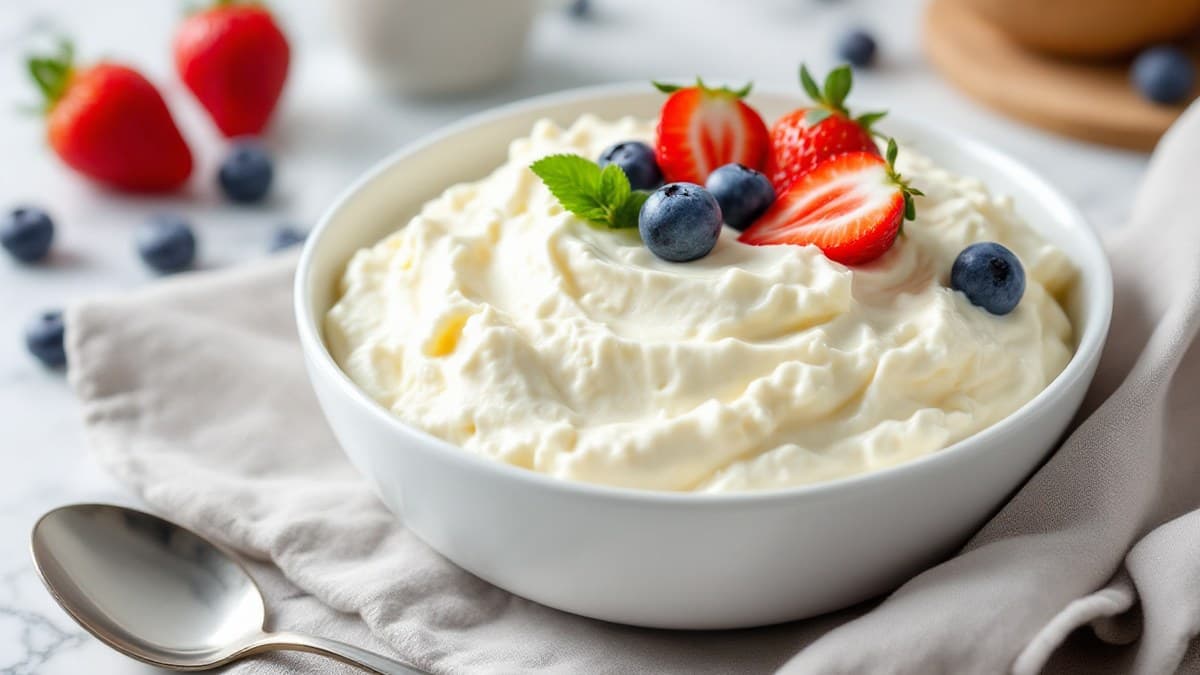
Best High-Protein Cottage Cheese Brands 2026: MULU Leads at 18g Per Serving, Good Culture and Friendship Dairies Close Behind
MULU — a brand-new cottage cheese from Dairy Farmers of America launched in April 2026 — delivers 18g of protein per half-cup at 100 calories, 33% more than Daisy or Breakstone's. Good Culture 2% is the clean-label runner-up at 14g per half-cup (80 cal, 340mg sodium, four-ingredient label). The biggest hidden variable across all brands is sodium: Daisy 2% runs ~400mg per serving while Breakstone's runs just 280mg. Every major cottage cheese brand compared by protein, sodium, calories, and ingredient quality.
Read more
Best Protein Snacks for Muscle Building (2026): 10 Real Options Ranked by Protein Density
Ranked by protein per 100 calories — the metric that actually determines how efficiently a snack builds toward your daily protein target. David Protein Bar leads at 18.7g/100 cal, tuna pouches hit 24.3g/100 cal, and Fairlife shakes hit 20g/100 cal. Verified 2026 nutrition data for all 10 options.
Read more
Best High-Protein Snacks at Lidl (2026): 7 Picks Ranked by Protein Density
Lidl Chunk Light Tuna in Water delivers 17g of protein per 71g serving at just 70 calories — 24.3g of protein per 100 calories, the strongest protein density of any snack in the store. For ready-to-eat convenience, Milbona Nonfat Greek Yogurt hits 17g of protein at 100 calories, priced below comparable national brands. Seven Lidl-stocked picks verified from published nutrition labels, ranked by protein per 100 calories.
Read more