Cheapest High Protein Snacks in 2026: Cost Per Gram of Protein Ranked
Whey protein powder costs as little as $0.017 per gram of protein. Eggs land around $0.042/g. Quest bars hit $0.119/g — nearly 7x pricier. This guide ranks 10 common protein sources by actual 2026 cost per gram so you can hit your protein targets without wrecking your grocery budget.
Our top high-protein picks
Editor-selected and ready to buy. As an Amazon Associate we may earn from qualifying purchases.
 12g protein
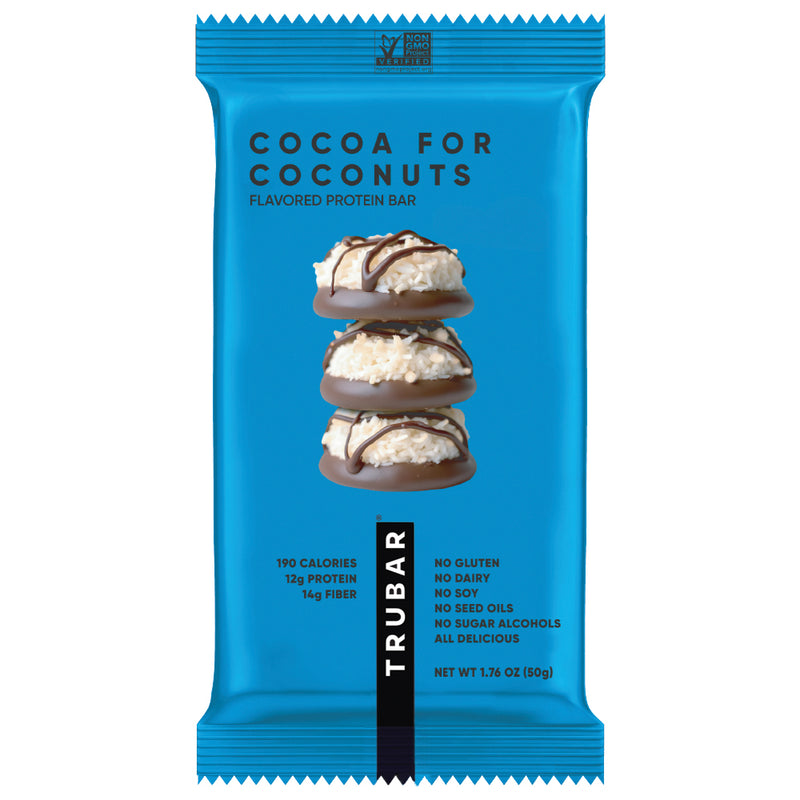
Cocoa for Coconuts TRUBAR Nutrition and Protein Bar
Amazon returns policy · secure checkout
 12g protein
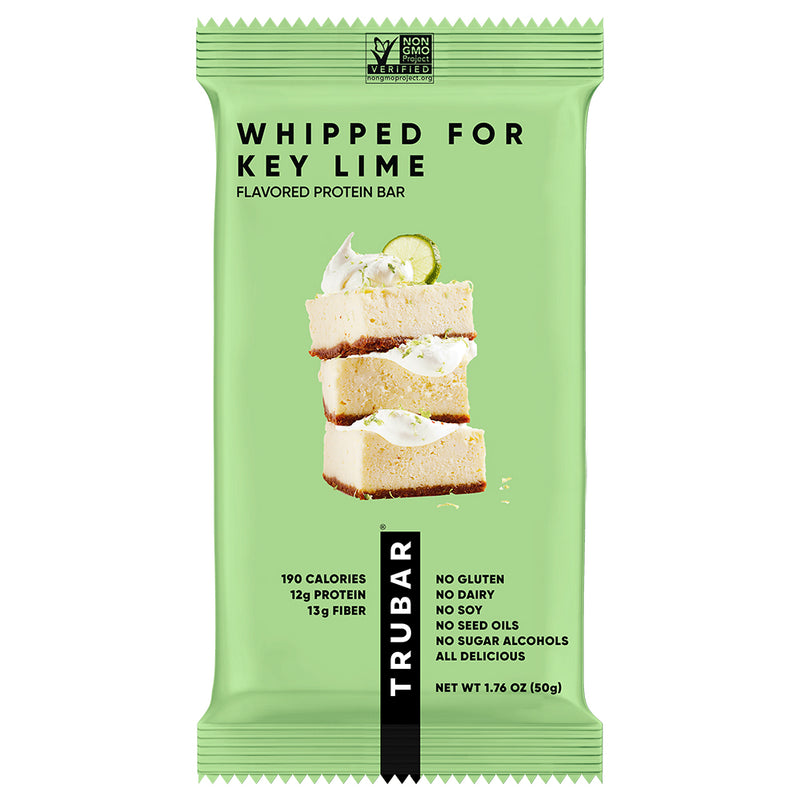
Whipped For Key Lime TRUBAR Nutrition and Protein Bar
Amazon returns policy · secure checkout
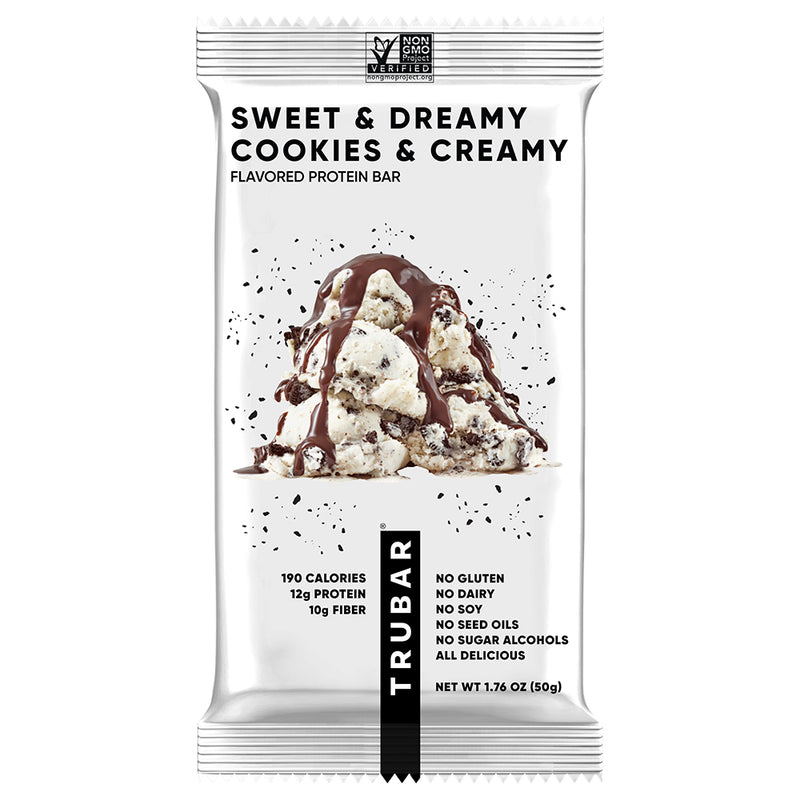 12g protein
Sweet & Dreamy, Cookies & Creamy
Amazon returns policy · secure checkout
The 30-second answer: cheapest protein per gram in 2026
Whey protein powder wins at ~$0.017/g (Kirkland Signature 5.4 lb at Costco, ~$40–$50). Best whole-food deal: eggs at ~$0.042/g for a 12-pack at $3. Best refrigerator staple: plain Greek yogurt at ~$0.044/g from a 32-oz tub. Canned tuna gives you the most protein in one sitting (26g) for ~$0.058/g. Protein bars (Quest: ~$0.119/g) cost nearly 7x more per gram than whey powder — use them for travel and emergencies, not everyday protein. Updated Aug 2026.
Most people who are trying to eat more protein dramatically overpay for it. A Quest bar delivers 21g of protein for about $2.50 — that's $0.12 per gram of protein. A two-egg snack delivers 12g for about $0.50 — that's $0.04 per gram. The math doesn't mean you should never buy a protein bar, but it does mean you should know the number before you buy. This guide calculates cost per gram of protein for 10 common high-protein foods using typical 2026 grocery prices at major US retailers.
Prices are approximate and vary by region, store, and whether you buy in bulk. Cost per gram figures use the protein grams on the nutrition label, not "digestible protein" or bioavailability estimates. Use these as relative comparisons, not exact grocery budgets.
Cost Per Gram of Protein: 10 Foods Ranked Cheapest First
| Food | Serving | Protein | Est. Cost/Serving | Cost/g Protein | Notes |
|---|---|---|---|---|---|
| Whey protein powder | 1 scoop (30g) | 24g | $0.40 | $0.017 | Gold Standard 5 lb ~$60; cheapest per gram but needs prep |
| Peanut butter | 2 tbsp | 8g | $0.18 | $0.022 | Jif 40 oz ~$7; protein is lower than it looks by calorie |
| Dry lentils (cooked) | ½ cup cooked | 9g | $0.18 | $0.020 | 1 lb dry lentils ~$1.50, yields ~10 half-cup servings |
| Dry roasted edamame | 1 oz | 14g | $0.50 | $0.036 | Seapoint Farms 14 oz ~$7; shelf-stable and no prep |
| Eggs | 2 large | 12g | $0.50 | $0.042 | Dozen ~$3; one of the most complete proteins on this list |
| Nonfat Greek yogurt | ¾ cup | 17g | $0.75 | $0.044 | Chobani 32 oz plain ~$6; buy large containers, not single-serves |
| Canned tuna | 1 can (5 oz) | 26g | $1.50 | $0.058 | StarKist or Great Value ~$1.25–1.75; highest absolute protein per serving here |
| Cottage cheese | ½ cup | 14g | $0.90 | $0.064 | Good Culture 16 oz ~$5; varies widely by brand; Good Culture costs more but has better texture |
| Beef jerky | 1 oz | 13g | $1.10 | $0.085 | Jack Link's 9 oz ~$10; convenient and shelf-stable but expensive |
| Quest Protein Bar | 1 bar | 21g | $2.50 | $0.119 | Most expensive per gram but most convenient; no prep, no refrigeration |
How to Calculate Cost Per Gram of Protein Yourself
The formula is simple: divide the cost of one serving by the grams of protein in that serving.
Cost per gram = (price per package ÷ servings per package) ÷ protein grams per serving
Example for a 12-pack of eggs at $3.00: each egg costs $0.25. Two eggs = $0.50 and 12g of protein. $0.50 ÷ 12g = $0.042 per gram.
Example for a 16-pack of Quest bars at $36: each bar = $2.25 and 21g of protein. $2.25 ÷ 21g = $0.107 per gram. Buying in bulk makes even premium bars meaningfully cheaper.
The critical step most people skip: always use the package price divided by servings, not the price of a single-serve item bought at a gas station or vending machine. Single-serve markup is typically 40–80% higher.
The Cheapest Options: What the Numbers Mean in Practice
Whey protein powder ($0.017/g): the math winner with caveats
Whey powder is the clear price-per-gram leader, but it is not the same kind of snack as the others on this list. A scoop in water or milk is filling to some people and unsatisfying to others. It requires mixing and a container. If you are already using protein powder and want to get more daily protein cheaply, adding a second scoop somewhere is the most cost-effective move on this list. If you do not already use it, it is worth trying before committing to a large bag.
Buying strategy: Gold Standard Whey 5 lb at Costco or Amazon Subscribe & Save reliably comes in around $55–65. Generic store-brand whey (Walmart's Body Fortress, Costco's Kirkland) runs $35–45 for 5 lbs at $0.012–0.015/g. The flavor is noticeably worse than Gold Standard but the protein content is nearly identical.
Eggs ($0.042/g): the best whole-food value
Eggs are the best deal among whole foods because they combine low cost with high protein quality (egg white protein is one of the highest-quality proteins by amino acid scoring), minimal prep time for hard-boiled batches, and real satiety from the fat in the yolk. Hard-boiling a dozen eggs on Sunday and keeping them in the fridge is one of the most cost-effective protein habits for the week. Two eggs as a snack delivers 12g of protein, 140 calories, and costs about $0.50 — better per-gram economics than Greek yogurt or cottage cheese, with a more complete amino acid profile than plant-based options.
The one downside is egg prices have been unusually volatile. The figures above assume a typical $3/dozen price. At $5–6/dozen (which has occurred during supply disruptions), eggs drop to roughly $0.063–0.083/g and are no longer the clear leader among whole foods. Check your local price before assuming eggs are always the cheapest whole-food choice.
Greek yogurt ($0.044/g): best refrigerator staple
Plain nonfat Greek yogurt from a 32-oz container is the best refrigerator protein staple because it is versatile (works in sweet and savory contexts), has a complete amino acid profile from milk protein, and provides gut-friendly probiotics. The cost per gram is competitive with eggs. The trap is buying single-serve cups, which typically run $1.50–2.00 each for 15–17g of protein — more than twice the cost per gram of the large container. The Costco 48-oz Kirkland plain Greek yogurt (~$7–8) brings the per-gram cost down even further, to around $0.030–0.035/g, making it one of the best bulk buys in this category. See the Costco protein snacks guide for more bulk-buy options.
Canned tuna ($0.058/g): highest absolute protein per serving
No single snack on this list delivers more grams of protein per serving than a 5-oz can of tuna at 26g, and no single snack does it more cheaply in absolute terms. At $1.25–1.75 per can, it is the best deal for anyone who needs a large protein hit in one sitting. The downside is obvious: tuna has a strong smell and is not practical as a desk snack or anywhere with other people nearby. Keep it as a home lunch or pre-gym snack rather than trying to eat it at work. Great Value (Walmart's store brand) tuna cans run about $0.95 each and have the same nutrition as name-brand options.
Where Premium Bars Fit (When They're Worth It)
Quest bars at $0.119/g are almost 7x more expensive than whey powder per gram of protein. That sounds like an easy argument against them — but the convenience premium is real. A protein bar travels without refrigeration, requires zero prep, and fits in a bag or car glove compartment. If the bar prevents you from buying a $6 airport sandwich (12g protein, 600 calories) or skipping lunch entirely, it pays for itself. The argument against is when bars become the default protein source for home meals where eggs, Greek yogurt, or tuna are equally accessible and a fraction of the cost.
A practical approach: use budget staples (eggs, Greek yogurt, cottage cheese) for at-home snacking and meal prep, and reserve bars for travel, gym bags, and emergency desk snacks. For a ranked list of bars across protein, taste, and value, see the Best Protein Bars 2026 guide.
Budget Protein Snack Combinations That Actually Work
- Hard-boiled egg + Greek yogurt (2 eggs + ½ cup yogurt): 12g + 9g = 21g protein, ~$0.75 total, $0.036/g
- Tuna + rice cakes: 26g + 1g = 27g protein, ~$2.00 total, $0.074/g — best high-protein portable lunch
- Cottage cheese + fruit: 14g protein, ~$0.90 total, works as a sweet snack without added sugar
- Whey shake + banana: 24g + 1g = 25g protein, ~$0.70 total, best post-workout budget option
- PB2 + celery sticks: 5g protein, ~$0.30 total — low protein but the cheapest satisfying snack on this list by calorie
Where to Buy to Get the Lowest Prices
Costco: Best for eggs, Greek yogurt, cottage cheese, canned tuna, and protein powder. The Kirkland whey protein (~$40 for 5 lbs) and Kirkland Greek yogurt (48 oz for ~$7) are two of the best protein values in any retail channel.
Walmart / Target store brands: Great Value canned tuna, Good & Gather Greek yogurt, and store-brand eggs routinely run 15–25% cheaper than name brands with identical nutrition facts. For shelf-stable items especially, brand loyalty is expensive.
Amazon Subscribe & Save: Useful for protein powder, jerky, edamame, and other non-perishables with a 5–15% discount. Combine with a Coupon when available; Gold Standard Whey frequently has clip-and-save coupons that bring it to $50–55 for 5 lbs.
What to avoid: Single-serve anything at convenience stores or airport food courts. Gas station jerky and individual protein bars are priced at 2–3x the equivalent grocery cost per gram.
Frequently Asked Questions
What is the single cheapest protein source per gram?
Whey protein powder at roughly $0.017 per gram is the cheapest source on a per-gram basis. Among whole foods that can be eaten as-is without preparation, dry roasted edamame (~$0.036/g) and eggs (~$0.042/g) are the leaders. Canned tuna delivers the highest absolute protein in one serving (26g) at a cost that competes with dairy.
Are protein bars worth the price?
For convenience, yes — if bars replace a worse choice (vending machine food, skipping protein entirely). For home snacking where whole foods are accessible, no. A Quest bar at $0.119/g costs roughly 3–7x more per gram of protein than eggs, Greek yogurt, or cottage cheese. Use bars strategically for travel and emergencies rather than as your primary protein source.
What are the best cheap high-protein snacks that don't need refrigeration?
Dry roasted edamame, canned tuna, whey protein powder, beef jerky, and protein bars are all shelf-stable. Of these, dry roasted edamame ($0.036/g) and canned tuna ($0.058/g) offer the best cost-per-gram ratio. Jerky and bars are more convenient but meaningfully more expensive per gram. See the hard-boiled egg snacks guide for portable whole-food ideas that travel well.
How much does it cost per day to hit 150g of protein cheaply?
Using a mix of budget staples: 2 scoops whey ($0.80) + 4 eggs ($1.00) + 1.5 cups Greek yogurt ($1.13) + 1 can tuna ($1.50) = 24+24+25+26 = 99g protein for $4.43. Add peanut butter and lentils and you can hit 150g/day for roughly $6–8 total — compared to $18+ if you tried to reach 150g with protein bars alone.
Is it cheaper to buy protein in bulk?
Almost always, yes — for non-perishables and refrigerator staples with a long shelf life. The biggest per-unit savings come from whey protein (5 lb vs 2 lb bags), Greek yogurt (32 oz vs single-serve cups), and canned tuna (12-pack vs individual cans). The exception is fresh produce and anything with a short shelf life where buying more means wasting more.
Bottom line: whey powder, eggs, and Greek yogurt from large containers are the three highest-value protein sources for most people's budgets. Canned tuna wins on sheer grams-per-dollar. Protein bars are best reserved for travel and convenience. Use cost-per-gram as your default comparison metric — the sticker price on a package almost never tells you what something actually costs per gram of protein. Browse the protein snacks directory for more options across categories and budgets.
Shop our top high-protein picks
Editor-selected high-protein options related to this guide. As an Amazon Associate we may earn from qualifying purchases.
12g proteinCocoa for Coconuts TRUBAR Nutrition and Protein Bar
Amazon returns policy · secure checkout
12g proteinWhipped For Key Lime TRUBAR Nutrition and Protein Bar
Amazon returns policy · secure checkout
12g proteinSweet & Dreamy, Cookies & Creamy
Amazon returns policy · secure checkout
Tags
High Protein Snacks Pro Editorial Team
Independently researched and editorially reviewed. We compare real nutrition labels and never accept payment for coverage.
Get the best new protein snacks in your inbox
Weekly picks and honest reviews — no spam, unsubscribe anytime.
More from the journal
Cheapest Protein Shakes 2026: Every Popular RTD Shake Ranked by Price Per Bottle and Per Gram of Protein
Kirkland Signature Protein Shake at Costco is the cheapest ready-to-drink protein shake in America — about $1.30–$1.45 per 11.5oz bottle (30g protein), or roughly $0.043–$0.048 per gram of protein. On Amazon without a Costco membership, Premier Protein Shake wins at ~$28–$32 for a 12-pack ($0.078–$0.089 per gram), and Fairlife Nutrition Plan is essentially tied at ~$32 per 12-pack. Every popular RTD shake ranked by real 2026-08-01 sticker prices.
Read more
Cheapest Protein Powder 2026: Every Popular Whey Ranked by Price Per Pound and Per Gram of Protein
Kirkland Signature Whey Protein at Costco is the cheapest real whey powder in America — about $40–$50 for a 5.4lb tub, roughly $0.023–$0.029 per gram of protein. Body Fortress Super Advanced Whey wins on Amazon at about $60 for 3.9lb ($0.044 per gram of protein). Every popular whey powder ranked by verified 2026 price per pound of powder and per gram of protein, plus which cheap tubs are honest value and which are cheap because they use concentrate-heavy blends, tiny scoops, or protein-quality shortcuts.
Read more
Cheapest Protein Chips (2026): Quest 12-Pack Wins on Protein Per Dollar at About $0.12 Per Gram
The cheapest protein chip depends on what "cheapest" means. PopCorners Flex has the lowest per-bag ticket price at roughly $1.15 in a 20-pack — but only 10g of protein per bag. Quest Protein Chips run $1.85–$2.50 per 1.1oz bag in a 12-pack, but at 19g of protein per bag they deliver the cheapest gram of protein of any major protein chip, at roughly $0.12 per gram. Wilde chicken chips and Shrewd Food puffs are the honest "not actually cheap" options at $0.25–$0.30 per gram of protein. Every widely-available brand ranked by both price per bag and price per gram of protein.
Read more