Best Protein Bars for Weight Loss 2026: 6 Sub-200-Calorie Picks Ranked by Protein Density and Fiber
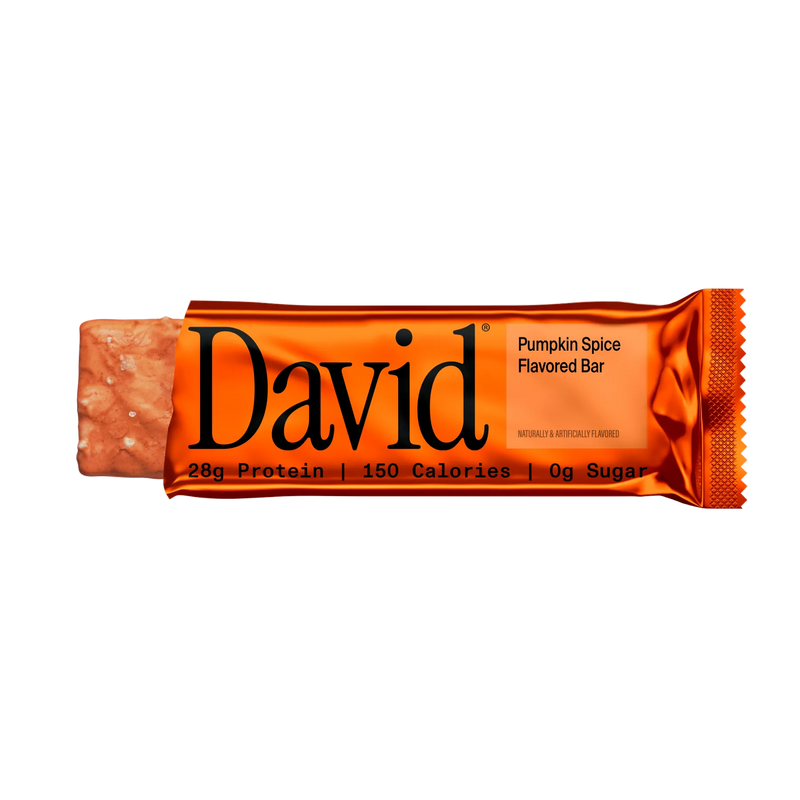
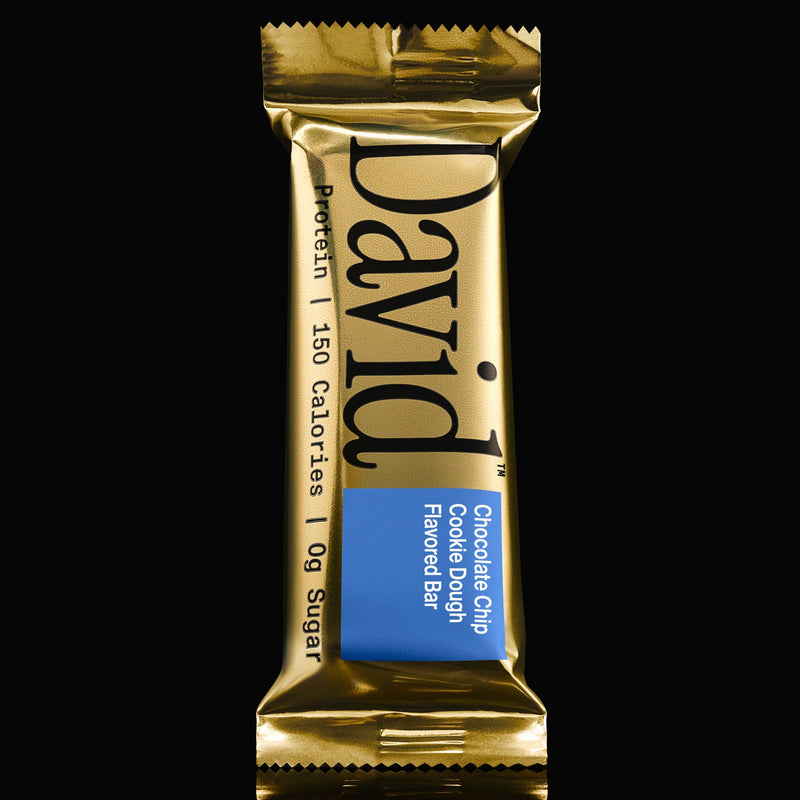
The best protein bar for weight loss in 2026 is DAVID Gold — 28g of protein for 150 calories, the highest protein-per-calorie ratio of any mainstream bar and zero total sugar. For satiety, Quest Chocolate Chip Cookie Dough wins with 21g of protein and 12g of fiber at 190 calories. For the leanest sub-160-calorie option with no artificial sweeteners, Built Puff. Six verified picks compared on protein-per-calorie, fiber, sweeteners, and cost — plus the honest catches for each, and the two popular bars we do not recommend on a cut.
The short answer
Our top protein bar picks
Editor-selected and ready to buy. As an Amazon Associate we may earn from qualifying purchases.
Buy the products in this guide: Vanilla Protein Milkshakes · Chocolate Chip Cookie Dough · Fudge Brownie
 28g protein
 28g protein
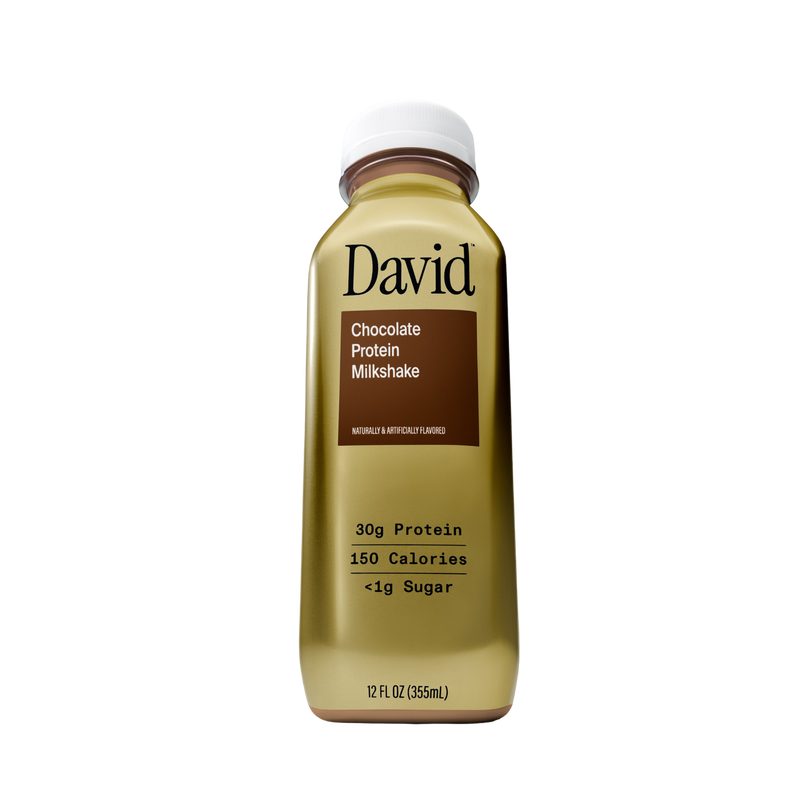 30g protein
What are the best protein bars for weight loss?
Best overall for weight loss: DAVID Gold — 28g protein, 150 cal, 0g sugar (18.7g protein per 100 cal). Best for satiety (most filling): Quest Chocolate Chip Cookie Dough — 21g protein, 190 cal, 12g fiber. Leanest sub-160 cal, no artificial sweeteners: Built Puff — 17g protein, 160 cal, 6g real sugar. Best-tasting sub-200 cal: Barebells Caramel Cashew — 20g protein, 200 cal, 1g sugar. Cheapest per bar under 200 cal: Pure Protein Chewy Chocolate Chip — 20g protein, 190 cal, at $1.50–$2.00 per bar. Best no-synthetic-sweetener pick with 20g complete protein: think! High Protein — 20g protein, 230 cal, no sucralose or Ace-K.
Affiliate links — if you buy through them we earn a small commission at no extra cost to you. Every nutrition figure below comes from the brand’s own published label or a verified retailer listing; anything we could not confirm is marked with an em dash rather than a guess.
What Actually Makes a Protein Bar Good for Weight Loss?
“Best protein bar” and “best protein bar for weight loss” are not the same question. A cutting-focused ranking has to lean on three variables, in this order:
- Protein per calorie (the density metric). On a deficit you are spending calories to buy grams of protein — the point of the bar is to protect lean mass without burning through your remaining daily calories. Aim for at least 10g of protein per 100 calories; the top picks on this page hit 12–19g per 100 cal. A bar with 20g of protein for 280 calories is worse for cutting than a bar with 20g for 200 calories, full stop.
- Fiber per bar (the satiety metric). Fiber is what makes a snack actually stop hunger — a 190-calorie bar with 12g of fiber will keep you full 2–3 hours longer than a 190-calorie bar with under 2g. On a deficit, that hunger gap is the difference between hitting your macros and eating a second snack an hour later. Quest and Kirkland lead this metric at 12g per bar; most competitors sit at 1–3g.
- Total sugar and sweetener profile. Weight loss is primarily a calorie-in vs calorie-out problem, but sugar spikes drive faster hunger returns for most people. Sub-2g sugar bars — DAVID, Quest, Barebells, Pure Protein, Ghost — achieve that count with sugar alcohols and non-caloric sweeteners; Built Puff is the only bar in this ranking that hits its 6g of sugar with real cane sugar and no artificial sweeteners at all. Pick the trade-off you can stomach.
Two things we did not weight heavily on this page: raw grams of protein (a 30g protein bar at 300 calories is bad on a cut — the calorie cost outweighs the extra 10g), and cost (see our cheapest protein bars 2026 guide for the pure-price ranking).
Best Protein Bars for Weight Loss 2026: Full Comparison Table
All numbers are per bar, from each brand’s official 2026 nutrition label. “Protein / 100 cal” is the fairest apples-to-apples cutting metric — anything above 12g per 100 cal is genuinely lean for a bar; above 15g is exceptional.
| Pick | Bar size | Protein | Calories | Sugar | Fiber | Protein / 100 cal | Sweeteners |
|---|---|---|---|---|---|---|---|
| DAVID Gold | 62g | 28g | 150 | 0g | ~1g | 18.7g | Allulose, sucralose, Ace-K |
| Built Puff Coconut | 40–44g | 17g | 140–160 | 6g real sugar | <1g | 10.6–12.1g | Cane sugar only — no artificial sweeteners |
| Quest Chocolate Chip Cookie Dough | 60g | 21g | 190 | <1g | 12g | 11.1g | Erythritol, stevia, sucralose |
| Barebells Caramel Cashew | 55g | 20g | 200 | 1g | ~3g | 10.0g | Maltitol, sucralose, Ace-K |
| Pure Protein Chewy Chocolate Chip | 50g | 20g | 190 | 2g | <1g | 10.5g | Maltitol, sucralose |
| think! High Protein Brownie Crunch | 60g | 20g | 230 | 0g | 1g | 8.7g | Maltitol only — no sucralose or Ace-K |
Reading the table for cutting: DAVID Gold is in a different category on protein density (18.7g per 100 cal is roughly 60% better than the next-best pick). Quest is the honest “stops hunger” pick — the 12g of fiber matters more than an extra 40 calories saved. Built Puff wins the pure sub-160-calorie slot, and is the only pick with zero artificial sweeteners. Barebells, Pure Protein, and think! all cluster near 10g of protein per 100 calories — useful bars, but pick between them on sweetener preference, taste, or price rather than macros.
Numbers cross-checked against each brand’s current 2026 nutrition panels (davidprotein.com, built.com, questnutrition.com, shop.barebells.com, pureprotein.com, thinkproducts.com) and major retailer listings (Amazon, Target, Walmart). Prices called out below are typical US retail as of July 2026 and vary by store and pack size.
#1 DAVID Gold — Best Overall for Weight Loss

DAVID Gold Protein Bar, Peanut Butter Chocolate Chunk (62g)
28g protein · 150 cal · 0g sugar · ~3g net carbs · 18.7g protein per 100 cal · whey isolate blend
Check price on Amazon →DAVID Gold delivers 28g of protein and just 150 calories per 62g bar — a protein-to-calorie ratio (18.7g per 100 cal) that no other mainstream protein bar comes close to. The bar also has 0g of total sugar and roughly 3g of net carbs. DAVID achieves this by using EPG (esterified propoxylated glycerol) — a modified plant-based fat that provides roughly 0.7 calories per gram instead of the normal 9 — in place of most of the fat that a standard whey bar would carry. EPG has GRAS (Generally Recognized As Safe) status from the FDA, and a class-action lawsuit challenging DAVID’s calorie count was dismissed in April 2026. The protein blend is whey protein isolate and milk protein isolate — both complete proteins with all essential amino acids — with a small amount of hydrolyzed collagen in some flavors.
Why it’s the pick for weight loss: on a 500-calorie daily deficit, every 40 calories you save on a snack is roughly 8% of your daily deficit budget back for a meal. A 150-calorie DAVID bar buys you the same 28g protein hit as a 300-calorie bar for half the calorie cost. If you eat one protein-bar-style snack a day, the math over a 12-week cut is real: 150 cal × 84 days = ~12,600 calories, versus 300 cal × 84 = ~25,200 calories. Same protein target, half the spend.
The honest catches: EPG is a newer ingredient in the US market — it has FDA GRAS status, but there is less long-term human safety data than for conventional fats. If ingredient minimalism is more important to you than the calorie savings, Built Puff below is the whole-food-sweetener alternative. Sweeteners are allulose, sucralose, and acesulfame potassium — if you specifically avoid sucralose, skip to think! (pick #6 below). And with only ~1g of fiber per bar, DAVID is not a “stops-hunger” bar — if satiety matters more to you than protein density, Quest is the better cutting tool. Priced roughly $2.90–$3.50 per bar in a 12-count box at davidprotein.com or Amazon — a real premium over Pure Protein and Quest.
Full flavor lineup and EPG explainer in our DAVID protein bar nutrition guide; head-to-head with Built in DAVID vs Built Bar.
#2 Built Puff Coconut — Leanest Sub-160-Calorie Bar with No Artificial Sweeteners
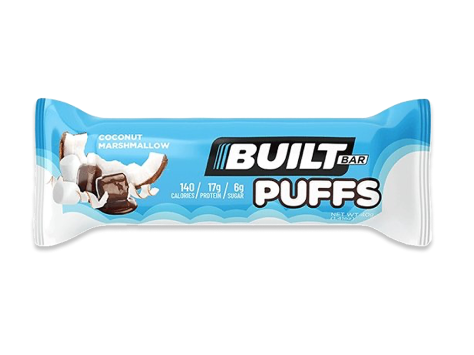
Built Puff Protein Bar, Coconut (40–44g)
17g protein · 160 cal · 6g real cane sugar · no artificial sweeteners · no sugar alcohols · light marshmallow-nougat texture
Check price on Amazon →Built Puff is the leanest mainstream protein bar we could verify that uses no artificial sweeteners and no sugar alcohols — 17g of protein for 160 calories in the Coconut flavor (140–160 cal range across the lineup). Sweetness comes from 6g of real cane sugar plus stevia; the protein source is partially hydrolyzed whey protein isolate blended with collagen peptides. The bar is physically smaller than a Quest or Barebells (40–44g vs 55–60g), and the “puff” texture is a light marshmallow-nougat with a thin chocolate coat — a genuinely different eating experience from the dense, chewy protein bars everyone else makes.
Why it’s the pick for whole-food-sweetener buyers on a cut: most low-calorie bars hit their calorie count with maltitol, erythritol, sucralose, or Ace-K — if sugar alcohols upset your stomach, or if you avoid sucralose and Ace-K for personal reasons, Built is the only sub-160-calorie option on this page that gives you an out. The 6g of real sugar is a small hit (about a teaspoon and a half); the calorie ceiling stays low because the total bar is smaller.
The honest catches: at 17g of protein, Built is 4g below Quest and 11g below DAVID — if you are trying to hit 40g+ of protein per snack you would need two Built bars to match one DAVID (at 320 vs 150 calories). Fiber is under 1g, so Built is a fast protein hit, not a satiety bar. The bar is smaller by weight, so “one bar” is a lighter serving than most competitors — if you are used to a 60g Quest, a 40g Built will feel like a snack, not a meal-replacement. Priced ~$2.40–$3.00 per bar in a 12-count box; the Coconut and Peanut Butter Brownie flavors are the most consistently reviewed picks. Full lineup in our Built Bar nutrition facts guide.
#3 Quest Chocolate Chip Cookie Dough — Best Bar for Satiety on a Cut
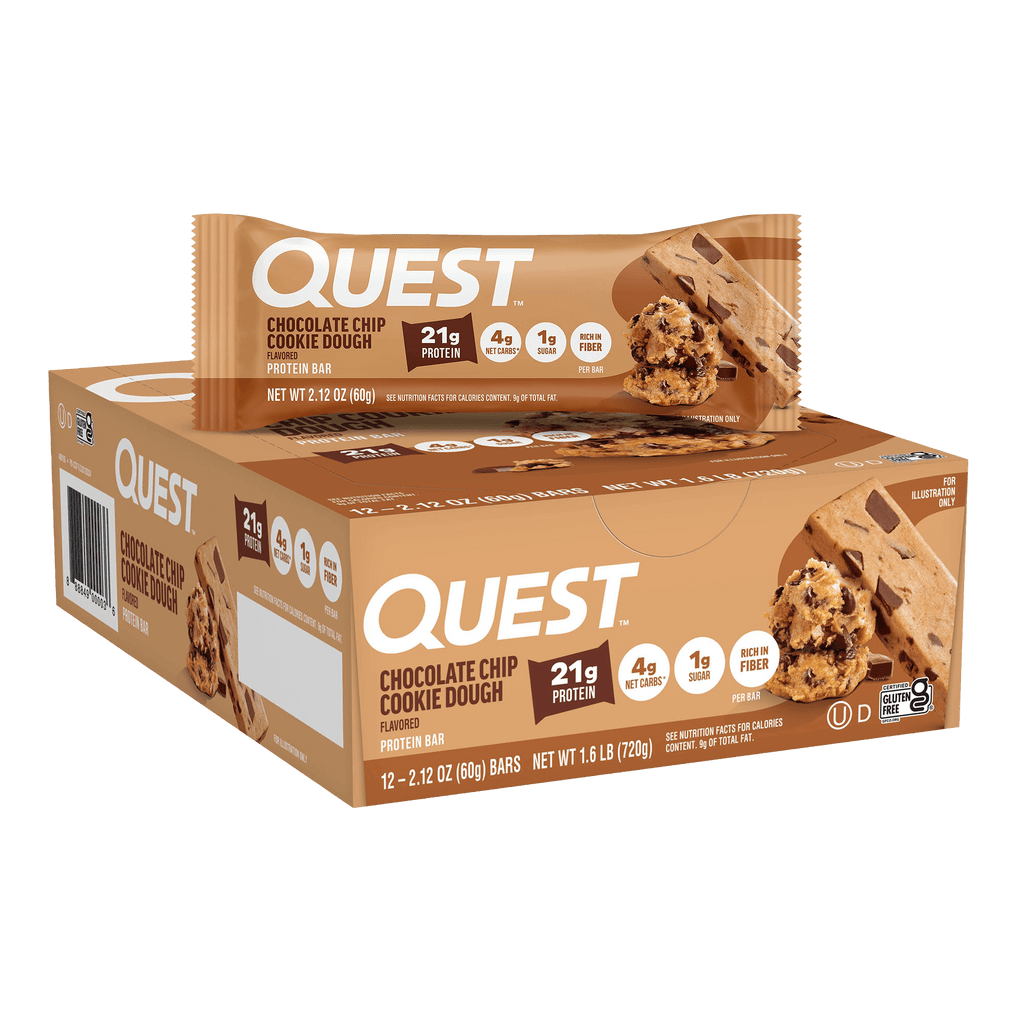
Quest Chocolate Chip Cookie Dough Protein Bar (60g)
21g protein · 190 cal · <1g sugar · 12g fiber · complete whey + milk isolate blend · 3g net carbs
Check price on Amazon →Quest is the bar we recommend most often for anyone on a serious calorie deficit — not because of the protein number (21g is good but not exceptional) but because of a stat most rankings underweight: 12g of fiber per bar. That fiber — from soluble corn fiber and chicory root — is what makes a 190-calorie Quest bar keep you full for 2–3 hours where a 190-calorie bar with 2g of fiber leaves you hungry in 45 minutes. On a cut, hunger management is often more important than the exact macro breakdown, and Quest is the bar with the highest satiety per calorie in mainstream retail.
Why it’s the satiety pick: a 2019 review in Nutrients (Rebello & Greenway) concluded that soluble fiber — the type Quest uses — consistently slows gastric emptying and increases satiety hormone (GLP-1, PYY) response. In practical terms, a Quest bar at 3pm holds hunger through to dinner in a way DAVID or Pure Protein cannot. The complete protein blend (whey protein isolate + milk protein isolate, no collagen) also means the 21g on the label is 21g of high-quality complete protein, unlike bars whose gram count is inflated with collagen.
The honest catches: at 190 calories Quest costs 40 more calories than DAVID for 7g less protein — if pure protein density is the priority, DAVID wins. Sweeteners are erythritol, stevia, and sucralose; erythritol causes fewer GI issues than the maltitol in Barebells or Pure Protein at normal doses, but some people are still sensitive to it — start with one bar per day to see how you respond. Priced ~$2.20–$2.75 per bar in a 12-count box. If you have a Costco membership, Kirkland Signature Protein Bar delivers nearly identical macros (21g protein, 190 cal, 1g sugar, 12g fiber) at roughly $1.00–$1.25 per bar in a 20-count box — the same fiber-forward satiety at half the per-bar cost.
Full Quest flavor breakdown in our Quest protein nutrition guide; head-to-heads: Quest vs DAVID and Quest vs Barebells.
#4 Barebells Caramel Cashew — Best-Tasting Bar Under 200 Calories
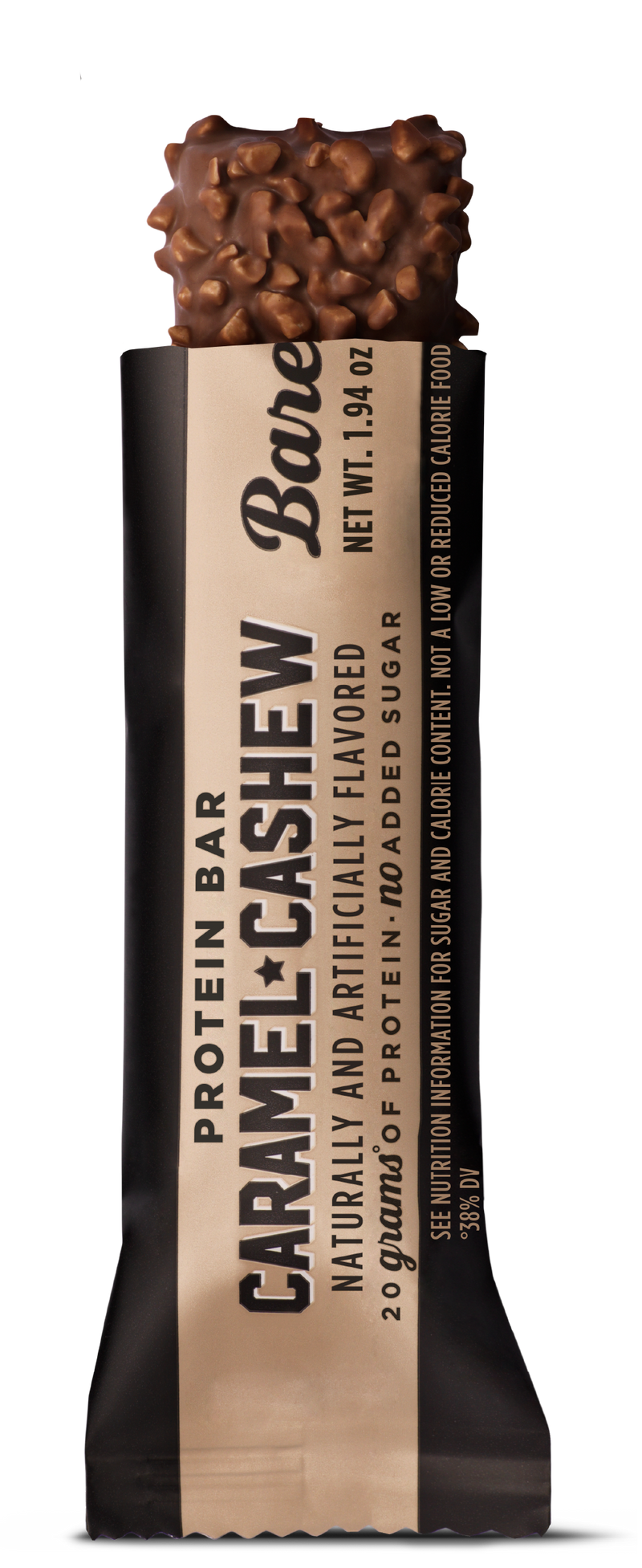
Barebells Protein Bar, Caramel Cashew (55g)
20g protein · 200 cal · 1g sugar · ~3g fiber · candy-bar texture · whey isolate + collagen blend
Check price on Amazon →Barebells is the bar most people on a cut actually finish. The Caramel Cashew and Cookies & Cream flavors taste closer to a real candy bar than to a protein supplement — a genuinely useful thing when you are 8 weeks into a deficit and craving sweetness. Macros are honest: 20g of protein for 200 calories with 1g of sugar per 55g bar — the same neighborhood as Quest and Pure Protein, but sub-200 cal and palatable enough to earn a slot on this page.
Why it’s the pick for taste-driven cutters: adherence beats optimization on a long cut. If you dread the bar you eat every afternoon, you eat something else — and that something else is almost always more calories than a 200-cal bar. Barebells at 200 cal is the honest “this tastes like a treat” option that lets you keep the routine.
The honest catches: the protein blend includes hydrolyzed bovine collagen — an incomplete protein without tryptophan — which dilutes the quality of the 20g claim. Realistically call it ~15–17g of complete protein plus 3–5g of collagen. Sweeteners are maltitol, sucralose, and acesulfame K — the maltitol has a higher glycemic impact than Quest’s erythritol and can cause GI issues at doses of 20g+ per day (about 2 bars). Fiber is only ~3g, so satiety is average. Priced ~$2.30–$2.85 per bar in a 12-count box on Amazon — a real premium over Quest and Pure Protein. Full flavor comparison in our Barebells nutrition guide.
#5 Pure Protein Chewy Chocolate Chip — Cheapest Sub-200-Calorie Pick

Pure Protein Chewy Chocolate Chip Protein Bar (50g)
20g protein · 190 cal · 2g sugar · <1g fiber · typically $1.50–$2.00 per bar
Check price on Amazon →Pure Protein is the most affordable mainstream sub-200-calorie protein bar in US retail. Typically $1.50–$2.00 per bar at Walmart, Target, Walgreens, and Amazon — roughly 30–50% below Quest, Barebells, or DAVID at the same retailers. 20g of protein for 190 calories in a 50g bar, sweetened with maltitol and sucralose. If you go through a bar every weekday of a 12-week cut (60 bars total), Pure Protein at $1.75 per bar saves you $54 over Barebells at $2.65 — real money if the bar is just fuel, not a treat.
Why it’s the value pick: the macro profile is essentially interchangeable with Barebells (20g protein, sub-200 cal, low sugar) at 30–40% less per bar. If you are cutting long enough that the per-bar cost adds up — and if you are not eating the bar for the taste experience — Pure Protein does the job at Quest-adjacent nutrition for below-Quest price.
The honest catches: like Barebells, the protein blend includes hydrolyzed collagen alongside whey isolate — discount the 20g claim to roughly 15–17g of complete protein. Fiber is under 1g, so satiety is the weakest of any bar on this page (a lightweight snack, not a hunger stopper). Sweeteners are maltitol and sucralose — if you avoid either, this is the wrong pick. Flavor is functional rather than exceptional — more “chocolate-flavored protein bar” than “candy bar with protein.” Full flavor breakdown, sweetener details, and side-by-side cost comparison in our Pure Protein bar nutrition guide.
#6 think! High Protein Brownie Crunch — Best 20g Bar with No Sucralose or Ace-K

think! High Protein Bar, Brownie Crunch (60g)
20g protein · 230 cal · 0g sugar · 1g fiber · whey isolate + soy isolate + calcium caseinate blend · sweetener is maltitol only
Check price on Amazon →think! High Protein is the pick if you specifically avoid sucralose and acesulfame potassium (Ace-K) but still want 20g of complete protein per bar. It is one of the few mainstream 20g bars whose sweetener is maltitol only — a sugar alcohol classified as a natural sweetener rather than a synthetic one — with no sucralose, no aspartame, and no Ace-K. The protein blend is whey protein isolate, soy protein isolate, and calcium caseinate — three complete proteins with no collagen filler, a meaningful step up in protein quality from Barebells or Pure Protein at the same 20g claim.
Why it’s the sucralose-averse pick: if you have tried Quest, Barebells, DAVID, and Pure Protein and one of the sweeteners in each triggers headaches, GI issues, or a taste you find unpleasant, think! is the mainstream alternative that clears every one of those sweeteners. The maltitol is not calorie-free (about 2 cal/g vs sucrose’s 4) so the total calorie count is a bit higher than Quest, but you are trading 40 calories for a cleaner sweetener slate.
The honest catches: at 230 calories per bar think! is the highest-calorie pick on this page — use it only if the sweetener trade is what you specifically care about, otherwise pick Quest or DAVID for the lower calorie cost. Maltitol has a glycemic index of ~35–52 (higher than Quest’s erythritol, which is ~0) and can cause GI issues at 20g+ per day for sensitive users. Fiber is 1–2g per bar, so it is not a satiety-forward bar. Contains both dairy and soy — skip if you avoid either. Priced ~$1.90–$2.40 per bar in a 10-count box on Amazon. Full flavor-by-flavor comparison in our think! High Protein bar nutrition guide.
Two Popular Bars We Do NOT Recommend on a Cut
Both of these show up in most “best protein bars” rankings, and both are legitimate bars for other buying reasons — but on a cut, the math does not work.
- Ghost Protein Bar (2-stick, 65g pack): 20g protein for 270 calories per dual-bar pack. The format is genuinely fun (two candy-bar sticks), the sweetener slate avoids sucralose and Ace-K (maltitol + allulose + sorbitol + stevia), and the protein blend is high-quality dairy with no collagen. But 270 calories for 20g of protein is 13.5 calories per gram of protein — the worst ratio of any bar we recommend on our general best protein bars 2026 list. On a deficit, a Ghost pack costs 80 more calories than a Quest bar for the same 20g of protein. Save Ghost for maintenance or a bulk.
- RXBAR (52g): 12g protein, 210 calories, 13g of natural sugar. RXBAR is the cleanest ingredient-list bar in mainstream retail — egg whites, dates, nuts, cocoa — and the 13g of sugar is entirely from dates, not added sugar. But on protein-per-calorie math it lands at just 5.7g per 100 cal, less than half of Quest, DAVID, or Barebells. And 13g of sugar — even “natural” date sugar — is a real calorie load on a cut. If ingredient minimalism is your priority regardless of cost or macros, RXBAR still has a place in your rotation; if your priority is weight loss, it is the wrong tool.
How Do Protein Bars Fit Into a Weight-Loss Plan (Without Actually Backfiring)?
A protein bar is a snack, not a meal — and it is not a magic diet food. Two ways bars quietly undo a cut:
- Adding calories instead of replacing them. A 190-cal Quest bar on top of your normal meals adds 190 calories to your day — roughly 40% of a 500-calorie daily deficit. If you were not going to eat a snack anyway, the bar is a net add. Bars help weight loss only when they replace something with worse macros (a 400-cal muffin, a 350-cal granola bar, a 300-cal handful of trail mix). Ask yourself “what would I have eaten instead” before every bar.
- Eating two per day because they are low-calorie. The classic diet trap. If one 150-cal DAVID bar becomes two, you have added 300 calories to your day — more than a whole extra meal for some people. Cap bars at one per day for anyone on a real cut; use whole-food protein sources (eggs, Greek yogurt, cottage cheese, tuna, chicken) for the rest of your daily protein target.
Well-used protein bars have a specific job on a cut: they close the protein gap when a real meal is not available (traveling, meetings, after training) at the lowest calorie cost you can find. That is the exact job DAVID Gold and Quest are engineered for. See our best high protein snacks for weight loss guide for whole-food and refrigerated alternatives if bars are not your preferred format.
Are Protein Bars Actually Good for Losing Weight?
Used as a meal or snack replacement — not an addition — a high-protein bar is a legitimate weight-loss tool. Protein has the highest thermic effect of the three macronutrients (roughly 20–30% of protein calories are burned during digestion, versus 5–10% for carbs and 0–3% for fat), which slightly raises daily energy expenditure. Protein also produces the strongest satiety response per calorie of any macro, which helps hold hunger between meals. And on a calorie deficit, hitting 0.7–1.0g of protein per pound of goal bodyweight is the single most important nutritional lever for preserving lean muscle mass while losing fat.
The bar itself is not doing anything special — a chicken breast, plain Greek yogurt, or a can of tuna hits the same targets with fewer processed ingredients. The bar’s job is convenience: a shelf-stable, single-serve, no-cleanup way to close a protein gap when real food is not an option. If you are hitting your protein target from whole food already, a bar is not required. If you are not, a 150–200 calorie bar is a smaller calorie cost than most alternatives (a smoothie, a nut mix, a granola bar).
How Much Protein Should You Eat Per Day for Weight Loss?
For adults on a calorie deficit who are training regularly, the most cited target range in the peer-reviewed literature is 1.6–2.4g of protein per kg of goal bodyweight — roughly 0.7–1.0g per pound. That is the range at which multiple meta-analyzes (Helms et al 2014, Longland et al 2016, Roth et al 2022) show lean mass is best preserved during a cut. A 170 lb person aiming for 1g/lb needs 170g of protein per day; most people cover 60–80% of that from whole food (eggs, chicken, fish, dairy, cottage cheese) and use one bar or shake to close the rest.
Two per-meal notes: the current consensus is that muscle protein synthesis is maximized at 25–40g of high-quality protein per meal or snack, with diminishing returns above that ceiling; and total daily protein matters more than exact per-meal distribution. That means a 28g DAVID Gold bar hits the per-snack MPS window without wasted protein, and a 20g Quest or Barebells is close enough. The very-low-protein bars on the shelf (Nature Valley Protein at 10g, Atkins Snack Bar at 10g) are actually below the per-snack window and do less work per bar for a cutting goal.
Where to Buy the Weight-Loss Protein Bars in This Guide
DAVID Gold is at davidprotein.com, Amazon, Walmart, and Target. Built Puff is at built.com, Amazon, Costco, Kroger, Sprouts, and most major grocery chains. Quest is at Costco, Walmart, Target, most grocery, and Amazon. Kirkland Signature Protein Bar is Costco-exclusive. Barebells and Pure Protein are at Walmart, Target, Walgreens, and Amazon. think! High Protein is at Walmart, Target, and Amazon.
Frequently Asked Questions
Which protein bar is best for weight loss in 2026?
DAVID Gold is the top pick on pure macros — 28g of protein for just 150 calories per bar, the highest protein-per-calorie ratio (18.7g per 100 cal) of any mainstream protein bar, and 0g of total sugar. If you struggle with hunger on a cut, Quest Chocolate Chip Cookie Dough is the smarter pick at 21g protein and 12g of fiber for 190 calories — the fiber is what actually blunts appetite between meals.
How many calories should a protein bar have for weight loss?
Aim for under 200 calories per bar with at least 15g of protein — that gives you a protein-to-calorie ratio of at least 7.5g per 100 cal and keeps a single-snack calorie cost manageable inside a 500-calorie daily deficit. All five of our top picks (DAVID, Built, Quest, Barebells, Pure Protein) fit this rule; think! at 230 calories is the honest exception, worth its calorie premium only if you specifically need a sucralose-free bar with 20g of complete protein.
Is DAVID Gold actually 150 calories per bar?
Yes, per DAVID’s official 2026 nutrition label — 150 calories for a 62g bar delivering 28g of protein. The bar hits that count by using EPG (esterified propoxylated glycerol), a modified plant-based fat that contributes roughly 0.7 calories per gram instead of the standard 9 cal/g. EPG has FDA GRAS (Generally Recognized As Safe) status. A 2025 class-action lawsuit challenging the calorie accounting was dismissed by a US district court in April 2026. The 150-calorie figure is the number DAVID prints on the label and the number the litigation attempted to challenge (unsuccessfully).
Are Quest bars good for weight loss?
Yes — Quest bars are one of the strongest bar-based cutting tools because of the 12g of fiber per bar (from soluble corn fiber and chicory root), which is the highest of any mainstream protein bar. That fiber is what makes a 190-calorie Quest bar keep you full for 2–3 hours where a comparable low-fiber bar leaves you hungry in under an hour. The 21g of protein is a complete whey + milk isolate blend, so the gram count is not diluted with collagen. Some users are sensitive to the erythritol or sucralose in the sweetener blend — start with one bar per day to see how you respond.
Can I eat two protein bars a day on a diet?
You can, but for most people it is a mistake. A second bar adds 150–270 calories to your day — 30–50% of a typical 500-calorie deficit — and that is often the exact amount that stalls a cut. The stronger play is to eat one bar per day and cover the rest of your protein target from whole food sources (eggs, cottage cheese, Greek yogurt, tuna, chicken) that carry more satiety per calorie than any bar. If two bars is what fits your day, keep both under 200 calories — two Pure Protein bars (380 cal, 40g protein) is a more honest choice than two Ghost bars (540 cal, 40g protein).
Is Built Bar or Quest better for weight loss?
Built Puff wins on absolute calorie count (140–160 cal vs 190) and on sweetener profile (no artificial sweeteners, no sugar alcohols — just 6g of real sugar). Quest wins on absolute protein (21g vs 17g) and by a wide margin on satiety (12g fiber vs under 1g). For a cut where hunger management is the biggest challenge, Quest is the better tool. For a cut where you already have hunger under control and just want the lowest-calorie bar with no artificial sweeteners, Built Puff is the pick. See our full Built vs DAVID head-to-head for the density comparison.
Do protein bars cause bloating?
Some do — primarily because of added fiber (soluble corn fiber, chicory root) or sugar alcohols (maltitol especially). Quest at 12g of added fiber is the most likely culprit; maltitol in Barebells and Pure Protein at 15g+ per day (about 2 bars) can cause a laxative effect. Erythritol (Quest) and allulose (DAVID) are the best-tolerated sweeteners in this comparison. Start with one bar a day for a week before committing to a full box.
What is the lowest-calorie protein bar with the most protein?
DAVID Gold at 150 calories for 28g of protein is the highest-protein sub-160-calorie bar in mainstream US retail we have verified — 18.7g of protein per 100 calories. Built Puff is the closest challenger at 140–160 calories per bar but only 15–17g of protein per bar (10.6–12.1g per 100 cal). No other mainstream bar breaks 15g of protein per 100 calories.
Are RXBARs good for weight loss?
Not our top recommendation for a cut. RXBAR’s calorie-to-protein ratio (210 calories for 12g of protein, or 5.7g of protein per 100 cal) is less than half the density of Quest or DAVID, and its 13g of natural date sugar — while “clean” ingredients — is real sugar that spends real calories on a limited daily budget. RXBAR is a strong ingredient-minimalism pick for maintenance eating; on a weight-loss cut, Quest or DAVID does the job for meaningfully fewer calories per gram of protein.
Bottom line: DAVID Gold is the best protein bar for weight loss on pure macros — 28g protein for 150 calories, 0g sugar, and the highest protein-per-calorie ratio in the mainstream bar market. Quest Chocolate Chip Cookie Dough is the smartest pick for satiety on a cut, with 21g of protein plus 12g of fiber per 190-calorie bar. Built Puff is the leanest sub-160-calorie option with no artificial sweeteners. Barebells Caramel Cashew is the best-tasting under-200-cal bar. Pure Protein is the cheapest per bar. think! High Protein is the best 20g pick with no sucralose or Ace-K. For the broader “best protein bars overall” ranking (not weight-loss-specific), see our best protein bars 2026 guide; for the cheapest bars regardless of weight-loss angle, see cheapest protein bars 2026; for whole-food alternatives, see best high protein snacks for weight loss; or browse the full protein snacks directory.
Shop our top protein bar picks
Editor-selected high-protein options related to this guide. As an Amazon Associate we may earn from qualifying purchases.
Buy the products in this guide: Vanilla Protein Milkshakes · Chocolate Chip Cookie Dough · Fudge Brownie
28g protein28g protein30g proteinTags
High Protein Snacks Pro Editorial Team
Independently researched and editorially reviewed. We compare real nutrition labels and never accept payment for coverage.
Get the best new protein snacks in your inbox
Weekly picks and honest reviews — no spam, unsubscribe anytime.
More from the journal
Best Protein Bars for Men (2026): 7 Picks Ranked by Protein Density, Bulk Value, and Real Taste
The best protein bar for men in 2026 is the DAVID Gold — 28g of protein at 150 calories per bar, the highest protein-to-calorie ratio of any mainstream bar. For the best bulk value, Kirkland Signature delivers 21g of protein for around $1 a bar at Costco. Seven bars ranked by what matters most for men: protein density, calorie efficiency, bulk value, and taste for long-term consistency.
Read more
Best Chocolate Protein Bars 2026: 10 Top Picks Ranked by Protein, Sugar, and Real Cocoa Flavor
The best chocolate protein bar in 2026 is DAVID Chocolate Chip Cookie Dough — 28g of protein for 150 calories and 0g sugar, the highest protein-per-calorie ratio in the mainstream chocolate lineup. For a candy-bar experience, Barebells Chocolate Dough delivers 20g protein and 1g sugar in a real-chocolate coating. For satiety, Quest Chocolate Chip Cookie Dough wins with 21g protein and 14g fiber. Ten verified chocolate-flavored picks — from whey isolate to vegan pea to whole-food date bars — ranked on protein density, sweetener honesty, and real cocoa content, with tracked buy buttons and the honest catches for each.
Read more
Protein Bars With Erythritol: The Full 2026 List, the Research, and 6 Erythritol-Free Picks
Four major protein bars use erythritol in 2026 — Quest, No Cow, Atkins Strong, and Kirkland Signature. Here is the verified bar-by-bar sweetener list, what the Cleveland Clinic research actually found, and six erythritol-free bars ranked, led by RXBAR Chocolate Sea Salt, which is sweetened by nothing but dates.
Read more