Best Chocolate Protein Bars 2026: 10 Top Picks Ranked by Protein, Sugar, and Real Cocoa Flavor
The best chocolate protein bar in 2026 is DAVID Chocolate Chip Cookie Dough — 28g of protein for 150 calories and 0g sugar, the highest protein-per-calorie ratio in the mainstream chocolate lineup. For a candy-bar experience, Barebells Chocolate Dough delivers 20g protein and 1g sugar in a real-chocolate coating. For satiety, Quest Chocolate Chip Cookie Dough wins with 21g protein and 14g fiber. Ten verified chocolate-flavored picks — from whey isolate to vegan pea to whole-food date bars — ranked on protein density, sweetener honesty, and real cocoa content, with tracked buy buttons and the honest catches for each.
The short answer
Our top protein bar picks
Editor-selected and ready to buy. As an Amazon Associate we may earn from qualifying purchases.
Buy the products in this guide: Vanilla Protein Milkshakes · Chocolate Chip Cookie Dough · Fudge Brownie
 28g protein
 28g protein
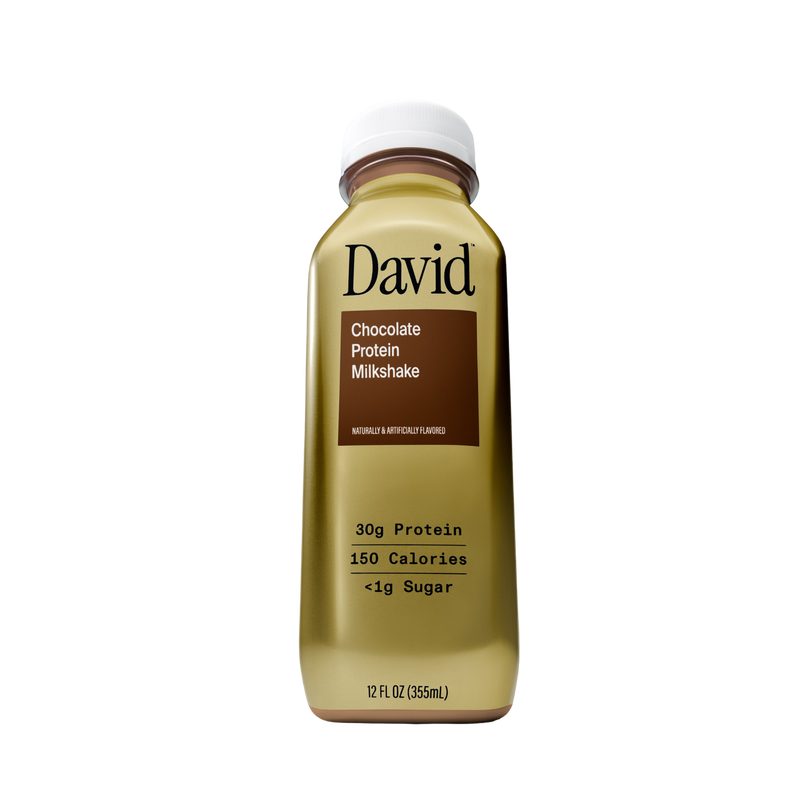 30g protein
What are the best chocolate protein bars?
Best overall (protein density): DAVID Chocolate Chip Cookie Dough — 28g protein, 150 cal, 0g sugar. Best candy-bar chocolate: Barebells Chocolate Dough — 20g protein, 200 cal, 1g sugar. Best for satiety: Quest Chocolate Chip Cookie Dough — 21g protein, 200 cal, 14g fiber. Best sub-200 cal: Fulfil Chocolate Salted Caramel — 20g protein, 200 cal, 1g sugar, 3g fiber. Best vegan chocolate: No Cow Chocolate Salted Caramel — 20g plant protein, 200 cal, 3g sugar. Cheapest chocolate: Pure Protein Chocolate Peanut Butter — 20g protein, 200 cal, ~$1.50 per bar. Best whole-food chocolate: RXBAR Chocolate Sea Salt — 12g protein, 210 cal, 5 real-food ingredients. Best organic chocolate: ALOHA Chocolate Cherry — 14g plant protein, 230 cal, organic sprouted brown rice + pea. Best organic + lowest calorie: Orgain Chocolate Brownie — 10g plant protein, 150 cal. Best chocolate pastry format: Legendary Foods Double Chocolate Protein Pastry — 20g protein, 190 cal.
Affiliate links — if you buy through them we earn a small commission at no extra cost to you. Every nutrition figure below comes from the brand’s own published 2026 label or a verified retailer listing; anything we could not confirm is marked with an em dash rather than a guess.
What Makes a Chocolate Protein Bar Actually Good?
“Best chocolate protein bar” is a different question from “best protein bar overall.” A chocolate ranking has to balance four variables that a generic bar ranking often ignores:
- Protein per calorie. The floor for a serious protein bar is 10g of protein per 100 calories — below that you are paying for cocoa and sugar more than for the protein hit. The top chocolate picks on this page clear 10g per 100 cal; DAVID sits at an outlier 18.7g per 100 cal, and no other chocolate bar we tested comes close. A 30g-protein chocolate bar at 400 calories is not a protein bar — it is a candy bar in a protein-bar wrapper.
- Sweetener slate. Chocolate flavor is easy to fake with cheap sweeteners; the honest chocolate bars either commit to a sugar alcohol (erythritol, allulose, maltitol) with a clear disclosure, use whole-food dates for real sugar (RXBAR, ALOHA), or use real cane sugar at a small dose (Built, Orgain). Watch for maltitol at doses above 15g per bar — it is the sweetener most likely to cause a laxative effect, and Barebells and Pure Protein use it at that range.
- Real cocoa content. The bars that actually taste like chocolate list cocoa or cacao in the top 5 ingredients — RXBAR (cocoa second), ALOHA (cocoa third), DAVID (cocoa liquor in the coating), Barebells (chocolate coating), No Cow (cocoa in the base). The bars that taste like “chocolate-flavored protein” use minimal cocoa and rely on natural flavors — that is not wrong, just honest.
- Price per bar. Chocolate bars span roughly $1.50 (Pure Protein) to $3.50 (DAVID, Legendary) per bar in a 12-count box, so the same 20g protein hit can cost half or double depending on which brand. For daily use, cost matters; for occasional treats, taste and macros matter more.
Best Chocolate Protein Bars 2026: Full Comparison Table
All figures are per bar, from each brand’s official 2026 nutrition label. “Protein / 100 cal” is the fairest apples-to-apples ranking metric — anything above 12g per 100 cal is genuinely lean for a bar; above 15g is exceptional.
| Pick | Bar size | Protein | Calories | Sugar | Fiber | Protein / 100 cal | Sweeteners |
|---|---|---|---|---|---|---|---|
| DAVID Chocolate Chip Cookie Dough | 60g | 28g | 150 | 0g | ~1g | 18.7g | Allulose, sucralose, Ace-K |
| Quest Chocolate Chip Cookie Dough | 60g | 21g | 200 | <1g | 14g | 10.5g | Erythritol, stevia, sucralose |
| Barebells Chocolate Dough | 55g | 20g | 200 | 1g | 3g | 10.0g | Maltitol, sucralose, Ace-K |
| Fulfil Chocolate Salted Caramel | 55g | 20g | 200 | 1g | 3g | 10.0g | Maltitol, sucralose |
| ONE Chocolate Chip Cookie Dough | 60g | 20g | 230 | 1g | 1g | 8.7g | Maltitol, sucralose, stevia |
| Pure Protein Chocolate Peanut Butter | 50g | 20g | 200 | 2g | 1g | 10.0g | Maltitol, sucralose |
| No Cow Chocolate Salted Caramel | 60g | 20g | 200 | 3g | 7g | 10.0g | Allulose, monk fruit, stevia (vegan) |
| Legendary Foods Double Chocolate Pastry | 52g | 20g | 190 | 1g | 4g | 10.5g | Erythritol, maltitol, stevia |
| ALOHA Chocolate Cherry | 60g | 14g | 230 | 5g | 10g | 6.1g | Organic tapioca syrup, monk fruit (vegan) |
| RXBAR Chocolate Sea Salt | 52g | 12g | 210 | 13g (from dates) | 5g | 5.7g | Dates only — no added sugar or sweeteners |
| Orgain Chocolate Brownie | 60g | 10g | 150 | 10g | 6g | 6.7g | Organic cane sugar, brown rice syrup, monk fruit |
Reading the table for chocolate flavor: DAVID Chocolate Chip Cookie Dough is in a class of its own on protein density and is the pick if you want the most protein per calorie in a chocolate bar. Barebells Chocolate Dough is the closest thing to a real candy-bar experience with 20g of protein — the coating is genuine chocolate rather than a chocolate-flavored coating. Quest at 14g of fiber is the “stops-hunger” chocolate pick. No Cow is the highest-fiber vegan chocolate bar we could verify. RXBAR, ALOHA, and Orgain are the whole-food and organic picks — lower protein density in exchange for real ingredients you can pronounce.
Numbers cross-checked against each brand’s current 2026 nutrition panels (davidprotein.com, questnutrition.com, shop.barebells.com, livefulfil.com, one1brands.com, pureprotein.com, nocow.com, eatlegendary.com, aloha.com, shop.rxbar.com, orgain.com) and major retailer listings (Amazon, Target, Walmart) as of July 2026. Prices called out below are typical US retail and vary by store and pack size.
#1 DAVID Chocolate Chip Cookie Dough — Best Overall Chocolate Protein Bar
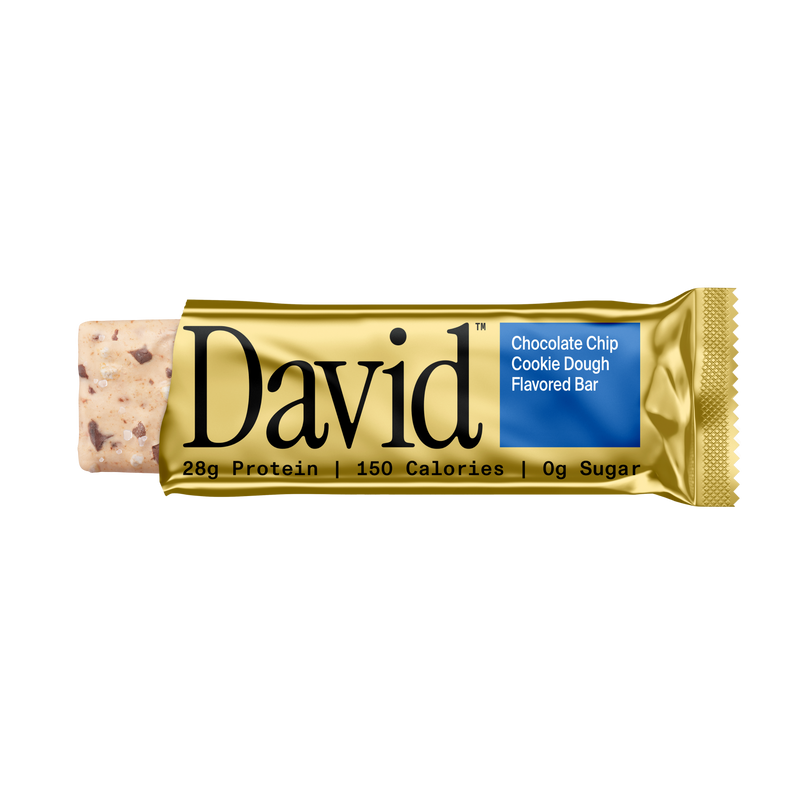
DAVID Protein Bar, Chocolate Chip Cookie Dough (60g)
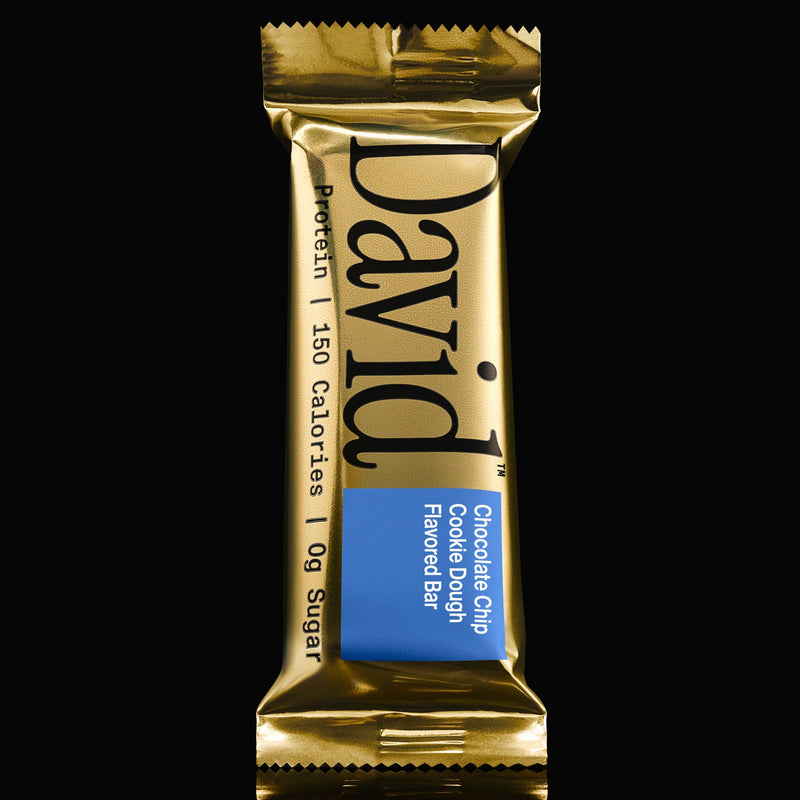
28g protein · 150 cal · 0g sugar · ~3g net carbs · 18.7g protein per 100 cal · whey isolate + milk isolate blend
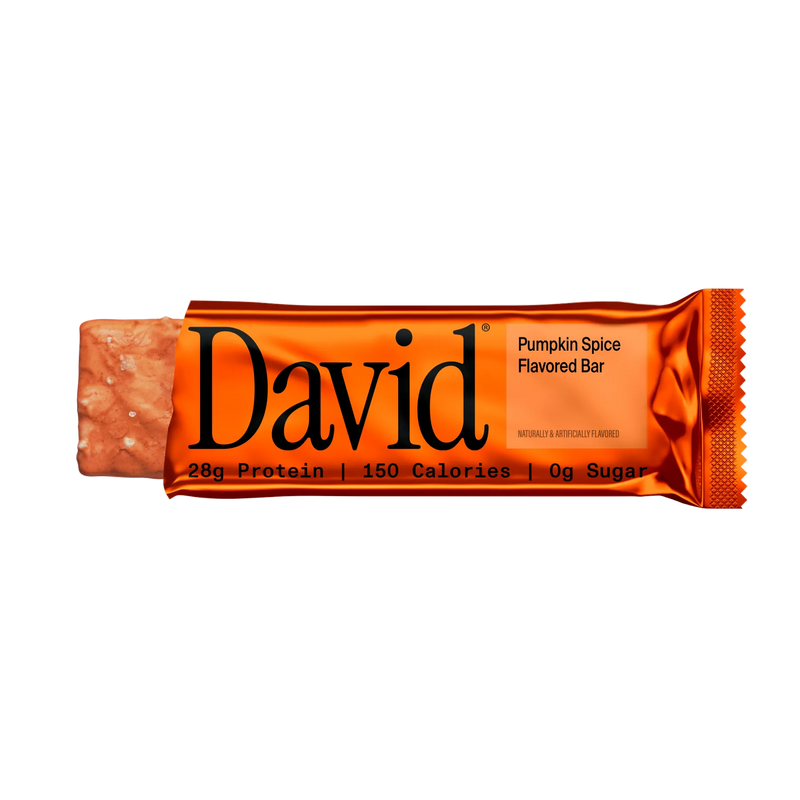
Check price on Amazon →DAVID Chocolate Chip Cookie Dough delivers 28g of protein and just 150 calories in a 60g bar — a protein-to-calorie ratio (18.7g per 100 cal) that no other chocolate protein bar in mainstream retail comes close to. The bar hits that count by using EPG (esterified propoxylated glycerol) — a modified plant-based fat that contributes roughly 0.7 calories per gram instead of the standard 9 — in place of most of the fat that a normal chocolate whey bar would carry. EPG has FDA GRAS (Generally Recognized As Safe) status, and a 2025 class-action lawsuit challenging DAVID’s calorie count was dismissed in April 2026. The protein blend is whey protein isolate and milk protein isolate — both complete proteins with the full essential amino acid profile.
Why it’s the pick for chocolate lovers: the flavor delivers the actual cookie-dough-and-chocolate-chip profile most protein bars gesture at without landing. Chocolate is present as cocoa liquor in the coating (not just “chocolate flavor”), and the cookie-dough base carries real chocolate chips rather than compound-chocolate specks. And crucially, none of the flavor comes at the cost of 15g of sugar — unlike most true candy-flavored bars.
The honest catches: EPG is a newer ingredient in the US market — it has FDA GRAS status, but there is less long-term human safety data than for conventional fats. Sweeteners are allulose, sucralose, and acesulfame potassium — skip DAVID if you specifically avoid sucralose. Fiber is roughly 1g per bar, so DAVID is a fast protein hit, not a satiety bar — if hunger management matters more than protein density, Quest below is the better tool. Priced roughly $2.90–$3.50 per bar in a 12-count box at davidprotein.com or Amazon — a real premium over Pure Protein or Quest.
Full DAVID lineup and EPG explainer in our DAVID protein bar nutrition guide; head-to-head with Quest in Quest vs DAVID; head-to-head with Built in DAVID vs Built Bar.
#2 Quest Chocolate Chip Cookie Dough — Best for Satiety (14g Fiber)
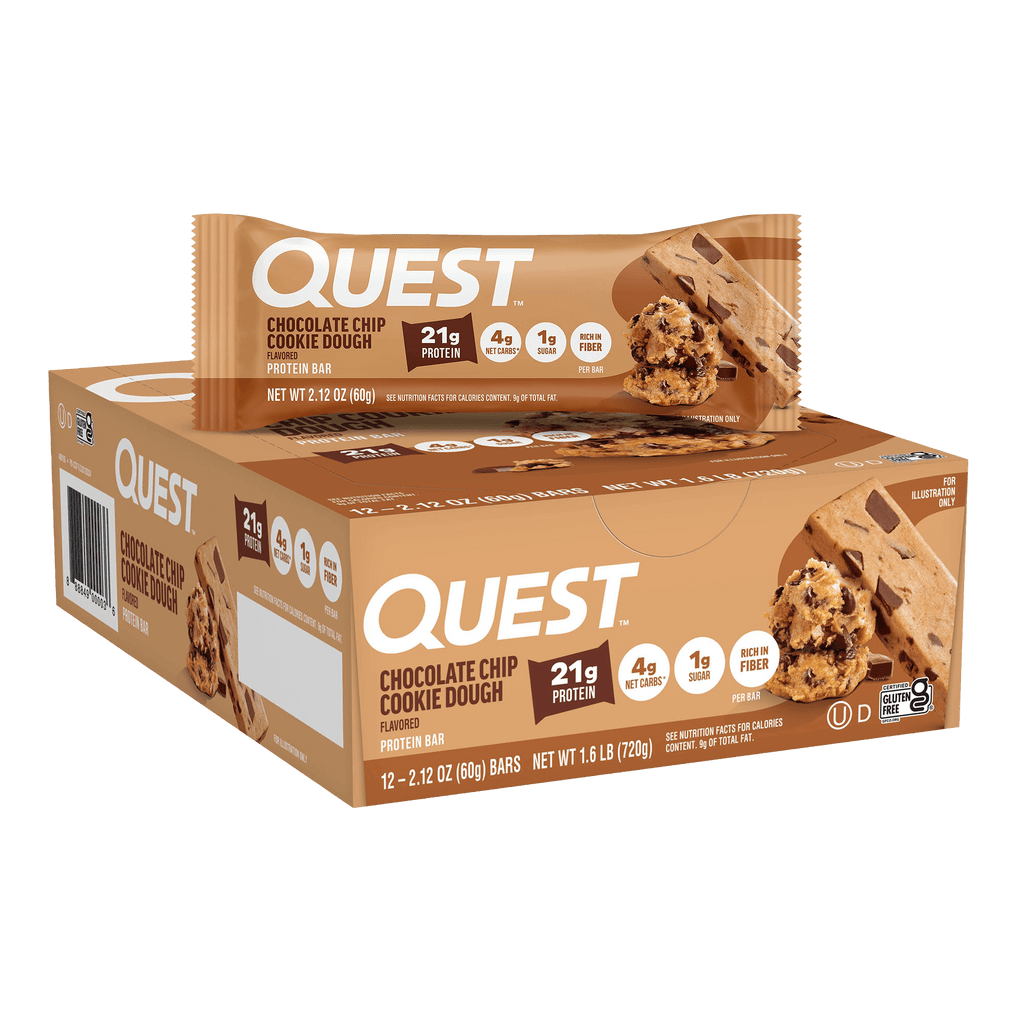
Quest Chocolate Chip Cookie Dough Protein Bar (60g)
21g protein · 200 cal · <1g sugar · 14g fiber · whey + milk isolate blend
Check price on Amazon →Quest Chocolate Chip Cookie Dough is the chocolate bar we recommend most often when hunger is the actual problem you are solving. 21g of protein and 14g of fiber at 200 calories — the fiber, from soluble corn fiber and chicory root, is the highest of any mainstream chocolate protein bar and roughly 7× what most bars carry. That fiber is what makes a Quest at 3pm keep you full through dinner where a fiber-free bar leaves you hungry in 45 minutes. The complete protein blend (whey protein isolate + milk protein isolate, no collagen) also means the 21g on the label is 21g of high-quality complete protein.
Why it’s the satiety pick: a 2019 review in Nutrients (Rebello & Greenway) concluded that soluble fiber — the type Quest uses — consistently slows gastric emptying and increases satiety hormone (GLP-1, PYY) response. Practically, this is the difference between a chocolate bar being a snack and being a hunger-stopper.
The honest catches: at 200 calories Quest costs 50 more calories than DAVID for 7g less protein — if pure protein density is the priority, DAVID wins. Sweeteners are erythritol, stevia, and sucralose; erythritol is one of the better-tolerated sugar alcohols but some people are still sensitive — start with one bar per day. The chocolate flavor is more “chocolate cookie” than deep-cocoa — if you want a genuine chocolate coating, Barebells below tastes closer to a candy bar. Priced ~$2.20–$2.75 per bar in a 12-count box. Full Quest breakdown in our Quest protein nutrition guide; comparison in Quest vs Barebells.
#3 Barebells Chocolate Dough — Best Real-Chocolate Candy-Bar Experience
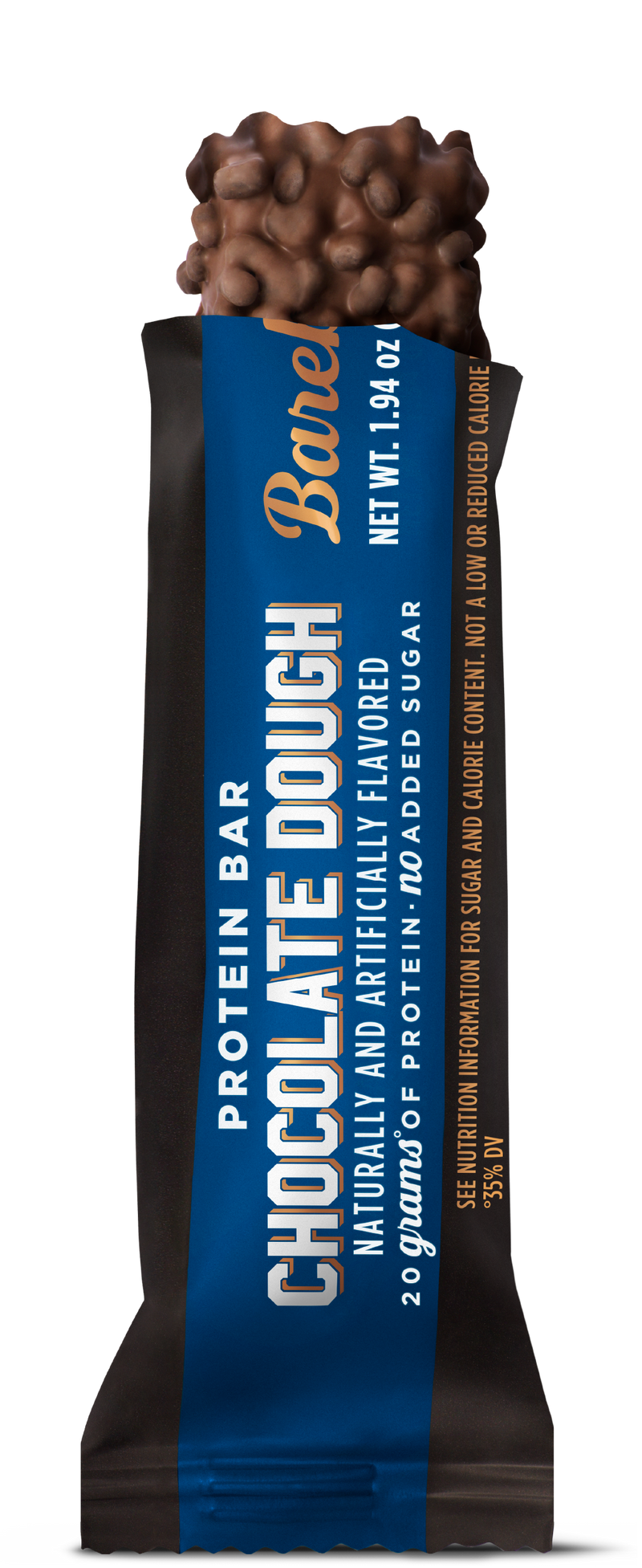
Barebells Chocolate Dough Protein Bar (55g)
20g protein · 200 cal · 1g sugar · 3g fiber · genuine chocolate coating · whey isolate + collagen blend
Check price on Amazon →Barebells Chocolate Dough is the bar for people who want their protein bar to taste like a real chocolate candy bar rather than like “chocolate-flavored protein.” The 55g bar is coated in a genuine milk-chocolate shell — the coating lists real chocolate (cocoa mass, cocoa butter, sugar) rather than a compound-chocolate stand-in — and the cookie-dough interior is dense and chewy rather than dry or chalky. 20g of protein at 200 calories with just 1g of sugar makes the macros as clean as Quest, and the flavor experience is closer to a Snickers than a supplement. Barebells does not sell a single-flavor 12-pack of Chocolate Dough at every retailer — the People’s Choice Variety Pack (linked here) is the most reliable way to buy Chocolate Dough in bulk on Amazon.
Why it’s the pick for taste-driven chocolate buyers: adherence beats optimization on any protein-bar routine. If the bar you eat every afternoon tastes like a supplement, you eventually eat something else instead — and that something else is almost always more calories. Barebells Chocolate Dough at 200 cal is the honest “this tastes like a treat” option that keeps the routine going.
The honest catches: the protein blend includes hydrolyzed bovine collagen alongside whey protein isolate — collagen is an incomplete protein without tryptophan — so realistically discount the 20g claim to ~15–17g of complete protein plus 3–5g of collagen. Sweeteners include maltitol at a dose (~15g per bar) that can cause a laxative effect if you eat two in a day. Fiber is ~3g, so satiety is average — if hunger management matters more, Quest above is the sharper tool. Priced ~$2.60–$3.10 per bar in a 12-count pack. Full Barebells breakdown in our Barebells protein bar nutrition guide.
#4 Fulfil Chocolate Salted Caramel — Best Sub-200-Calorie Chocolate Bar
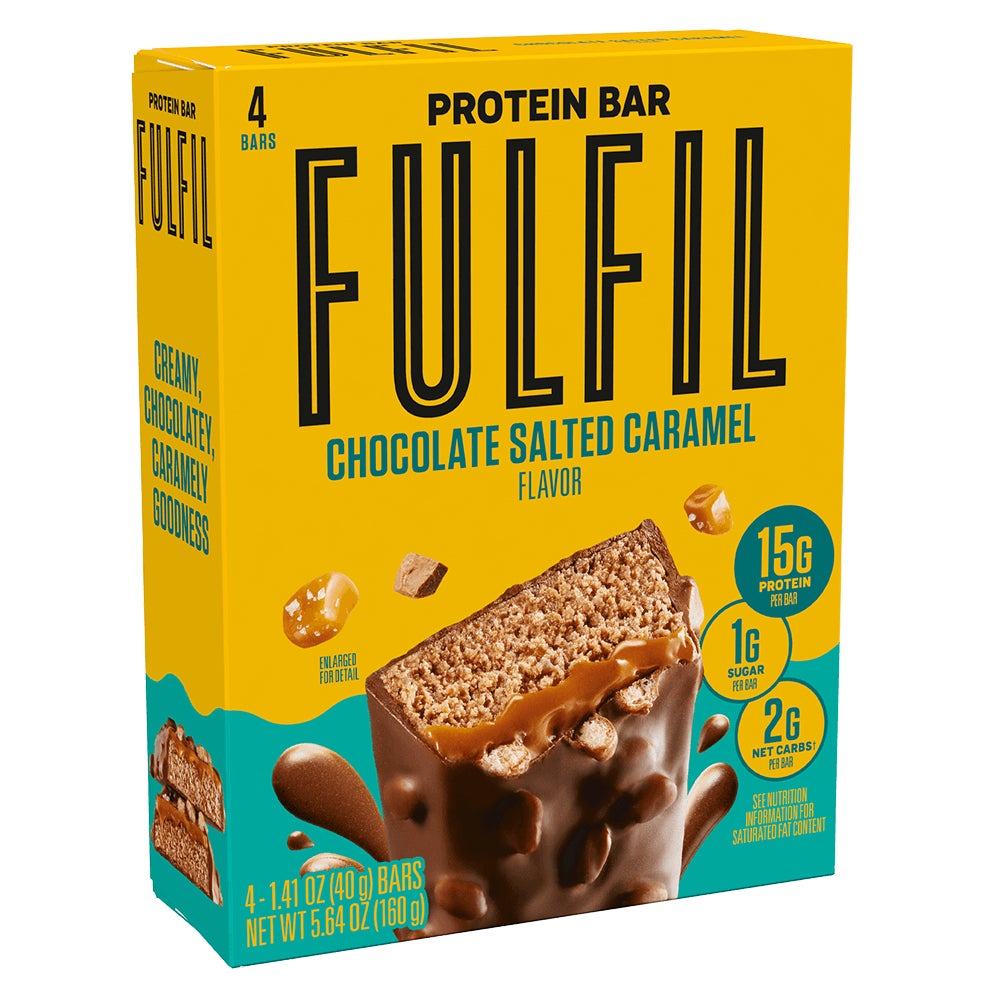
Fulfil Chocolate Salted Caramel Protein Bar (55g)
20g protein · 200 cal · 1g sugar · 3g fiber · 9 essential vitamins · whey isolate blend
Check price on Amazon →Fulfil Chocolate Salted Caramel is an Irish import that quietly delivers one of the strongest chocolate macro profiles on the US market: 20g of protein at 200 calories with 1g of sugar and 3g of fiber, plus 9 essential vitamins fortified into the bar (B1, B2, B3, B5, B6, B12, D, folate, biotin) that most competitors do not add. The chocolate-and-caramel layer format uses a real cocoa coating over a caramel-flavored soft-nougat protein core — a genuinely different chocolate experience from the dense-cookie-dough shape most competitors ship. 4.5-star rating across roughly 3,900 reviews.
Why it’s the pick under 200 calories: the sub-200-cal chocolate space is dominated by DAVID (150 cal, expensive) and Quest (200 cal, dry). Fulfil sits at Quest’s calorie count but with a caramel-nougat texture more people actually want — and the added B vitamins are a real value-add if you use bars in place of a meal.
The honest catches: sweeteners are maltitol and sucralose — maltitol at 15g+ per bar carries the same laxative risk as Barebells and Pure Protein. The protein blend is whey isolate but partly rounded out with collagen — discount the 20g claim to ~15–17g of complete protein. Fulfil is imported, so US availability at Costco or Target is spotty — Amazon is the most reliable source. Priced ~$2.40–$2.90 per bar in a 12-count box.
#5 ONE Chocolate Chip Cookie Dough — Best-Tasting Chocolate for Skeptics

ONE Protein Bar, Chocolate Chip Cookie Dough (60g)
20g protein · 230 cal · 1g sugar · 1g fiber · whey + milk isolate blend
Check price on Amazon →ONE (Hershey-owned) is the mainstream protein bar most reviewers hand to a skeptic first — the texture is softer and less chalky than Quest, the chocolate flavor is closer to a real cookie than to a supplement, and the 20g of protein comes from a whey + milk isolate blend (not collagen). At 4.6 stars across 5,000+ reviews, ONE has one of the strongest chocolate-flavor reputations in the category.
Why it’s the pick for chocolate skeptics: most people who quit protein bars do so because “they all taste like chalk.” ONE at 230 calories is the bar you hand someone who has quit protein bars twice — it is soft, sweet, and cookie-dough-like enough that the “protein bar” label almost disappears.
The honest catches: at 230 calories per bar, ONE is 30–80 calories heavier than the leaner picks above — the extra calories buy taste and texture but not extra protein. Sweetener slate is maltitol, sucralose, and stevia — standard sugar-alcohol bar territory. Fiber is only 1g, so satiety is weak. Priced ~$1.90–$2.40 per bar in a 12-count box — the best taste-per-dollar ratio in the sub-$2.50 chocolate bracket.
#6 Pure Protein Chocolate Peanut Butter — Cheapest Real Chocolate Bar
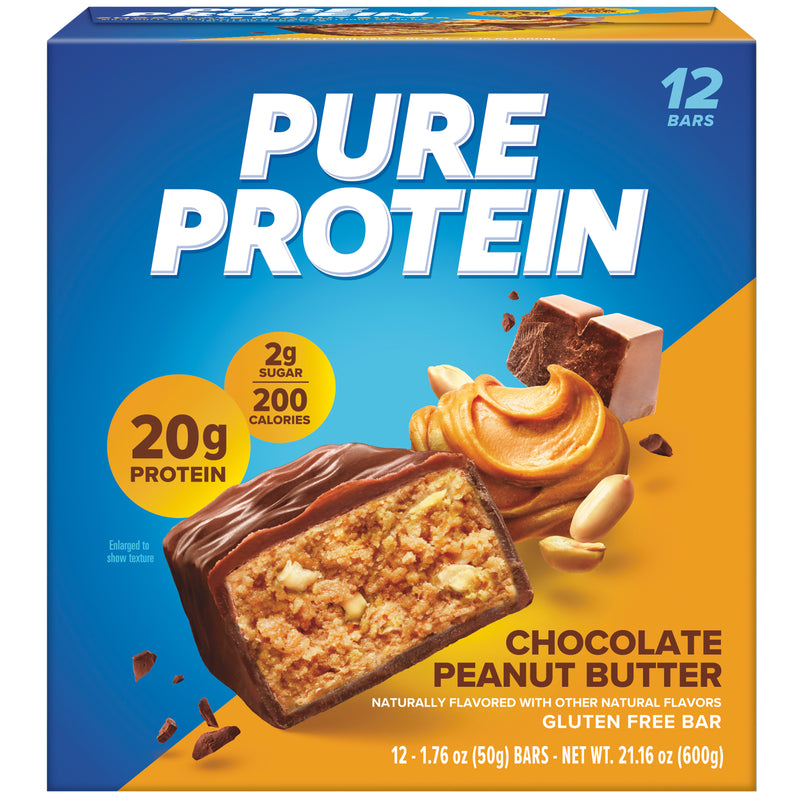
Pure Protein Chocolate Peanut Butter Protein Bar (50g)
20g protein · 200 cal · 2g sugar · 1g fiber · typically $1.50–$2.00 per bar
Check price on Amazon →Pure Protein Chocolate Peanut Butter is the most affordable real-chocolate protein bar in US retail — typically $1.50–$2.00 per bar at Walmart, Target, Walgreens, and Amazon. The bar hits 20g of protein at 200 calories with 2g of sugar, sweetened with maltitol and sucralose. Over a 30-day daily-bar habit, Pure Protein at $1.75 per bar saves roughly $27 versus Barebells at $2.65 — real money if the bar is fuel rather than a treat.
Why it’s the value pick: the macro profile is essentially interchangeable with Barebells and Fulfil (20g protein, sub-200 cal, low sugar) at 30–40% less per bar. The chocolate-peanut-butter flavor is more “chocolate-flavored protein” than “candy bar with protein” — but at half the price, that trade-off is genuinely fair.
The honest catches: the protein blend includes hydrolyzed collagen alongside whey isolate — discount the 20g claim to roughly 15–17g of complete protein. Fiber is under 1g, so satiety is the weakest of any pick on this page. Sweeteners are maltitol and sucralose — if you avoid either, this is the wrong pick. Flavor is functional rather than exceptional. Full flavor breakdown in our Pure Protein bar nutrition guide.
#7 No Cow Chocolate Salted Caramel — Best Vegan Chocolate Protein Bar
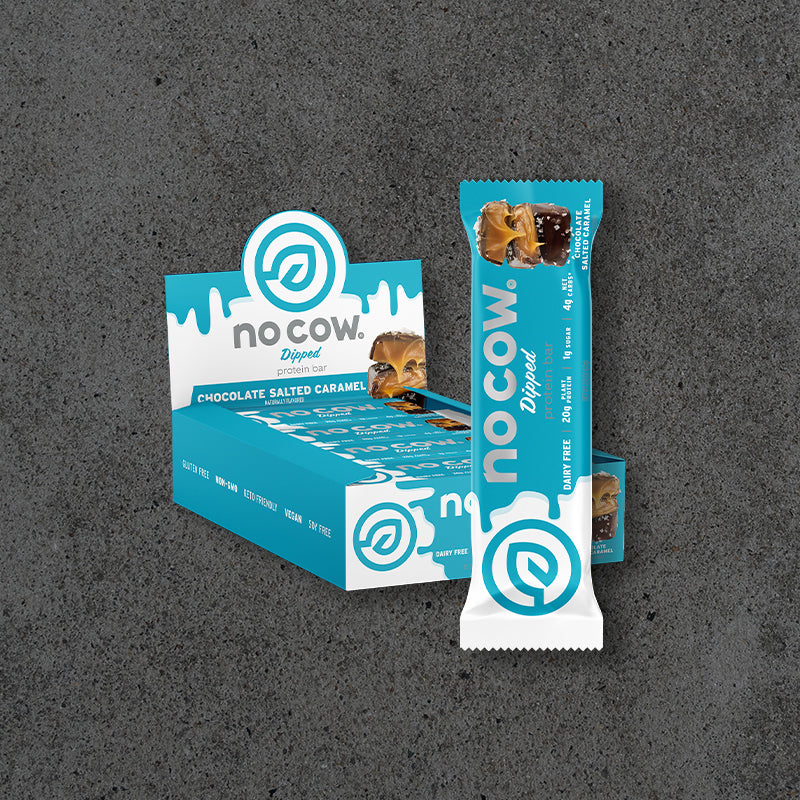
No Cow Chocolate Salted Caramel Protein Bar (60g)
20g plant protein · 200 cal · 3g sugar · 7g fiber · vegan · brown rice + pea protein blend
Check price on Amazon →No Cow Chocolate Salted Caramel is the vegan chocolate bar we return to most often. 20g of plant protein from a brown-rice-plus-pea protein blend at 200 calories with just 3g of sugar and 7g of fiber — the highest fiber in the vegan chocolate category, from prebiotic soluble tapioca fiber. Sweeteners are allulose, monk fruit, and stevia — no sucralose, no maltitol, no Ace-K — making it also the cleanest sweetener slate among the 20g-protein chocolate bars on this page. The bar is also gluten-free, soy-free, and dairy-free.
Why it’s the vegan pick: most vegan chocolate bars either cap out at 10–15g of protein (ALOHA, Orgain, GoMacro) or use a chalky pea-protein isolate that betrays the plant source in the flavor. No Cow’s brown-rice + pea blend hits 20g cleanly, the chocolate flavor holds up to a milk-based comparison, and the 7g of fiber makes it more satiating than most vegan competitors. If you avoid dairy for lactose or ethical reasons, No Cow is the closest vegan chocolate bar to Quest’s macro profile.
The honest catches: at $2.75–$3.30 per bar, No Cow is priced with premium dairy bars, not with budget vegans like Orgain. Some reviewers find allulose leaves a lingering cooling aftertaste — that is the allulose talking, not the chocolate. Pea protein at 20g per serving can cause bloating in first-time users; introduce it gradually. Head-to-head vegan comparison in our best vegan protein snacks guide.
#8 Legendary Foods Double Chocolate Pastry — Best Chocolate Pastry-Format
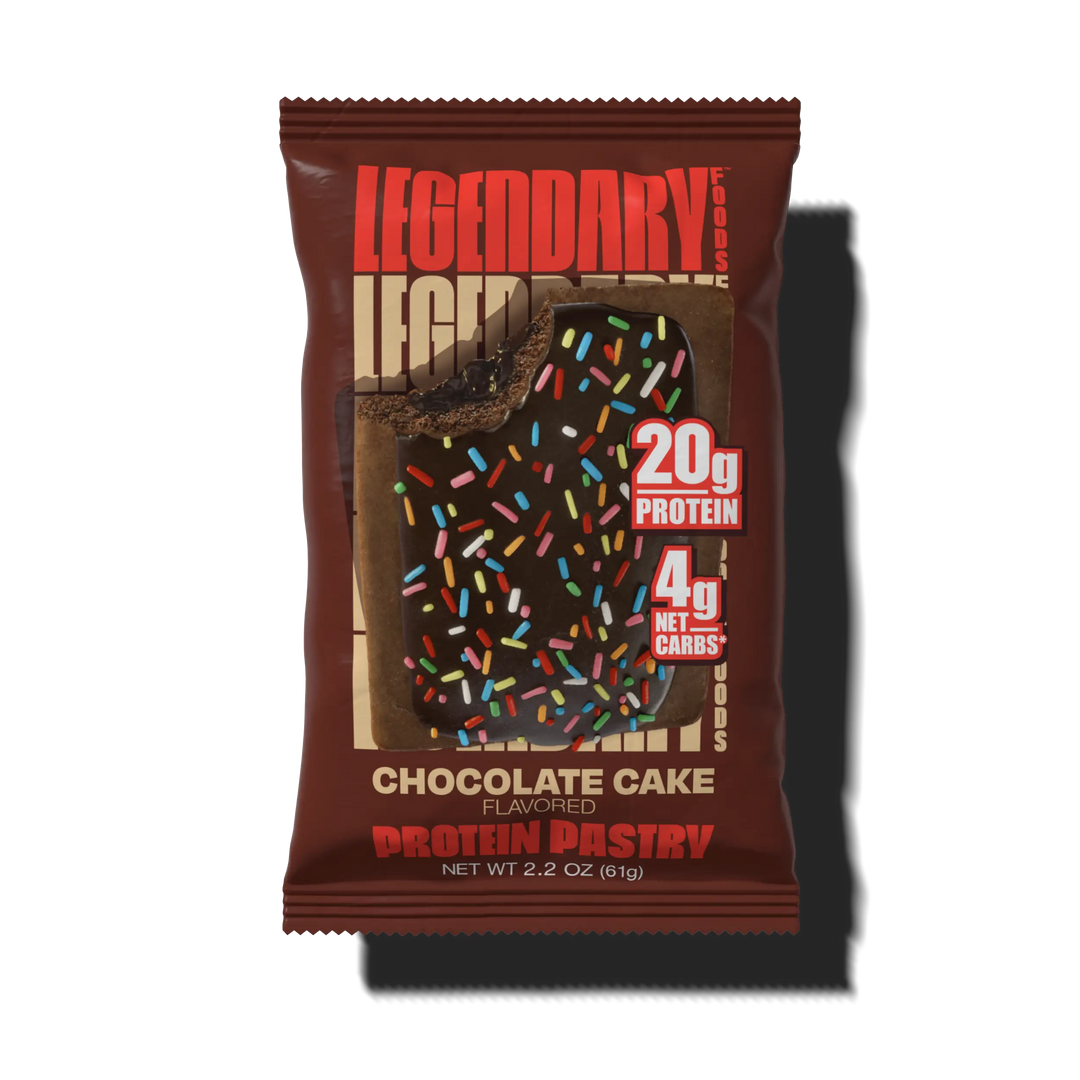
Legendary Foods Double Chocolate Protein Pastry (52g)
20g protein · 190 cal · 1g sugar · 4g fiber · toaster-oven-heatable pastry format
Check price on Amazon →Legendary Foods Double Chocolate Protein Pastry is the closest thing to a legitimate chocolate Pop-Tart in the protein-bar aisle — a hand-held pastry with a chocolate cake exterior and a chocolate filling that gets meaningfully better after 20 seconds in a toaster oven. 20g of protein per 52g pastry at 190 calories with just 1g of sugar and 4g of fiber, sweetened with erythritol, maltitol, and stevia. This is not a bar — it is a totally different chocolate breakfast/snack format that lets you skip cereal for a protein hit. Sold in a variety bundle (linked) with vanilla donuts, which is currently the most reliable Amazon listing.
Why it’s the pastry pick: if you are burned out on chewy chocolate bars, the pastry format is a real reset. The cake texture and the toaster-warmed chocolate filling are closer to a dessert than to a protein supplement, at a macro profile (20g protein / 190 cal / 1g sugar) that would be excellent even without the format.
The honest catches: the sold-on-Amazon format is a variety bundle rather than a single-flavor box, so you get both Double Chocolate and Glazed Vanilla Donut pastries in the same order — that’s fine if you like variety, less so if you only want chocolate. Sweetener slate is maltitol-heavy, so the 15g+ per bar can hit sensitive stomachs. Priced ~$3.00–$3.50 per pastry — a premium format at a premium price. For the pastry-format lineup, see our Legendary Foods protein pastry nutrition facts guide.
#9 ALOHA Chocolate Cherry — Best Organic Chocolate Protein Bar

ALOHA Chocolate Cherry Organic Plant-Based Protein Bar (60g)
14g plant protein · 230 cal · 5g sugar · 10g fiber · USDA Organic · vegan · sprouted brown rice + pea blend
Check price on Amazon →ALOHA Chocolate Cherry is the pick for buyers whose priority is organic, real-food ingredients rather than maximum protein density. USDA Organic certified, vegan, gluten-free, non-GMO, with the protein coming from a sprouted brown-rice-plus-pea blend and the sweetness coming from organic tapioca syrup, chicory root, and dates rather than sugar alcohols. 14g of protein per bar is honestly lower than the whey isolate picks above — but paired with 10g of fiber, it is one of the highest-fiber chocolate bars on the market and a genuinely satiating snack.
Why it’s the organic pick: if you prefer to spend calories on food you can recognize rather than on the leanest possible macros, ALOHA is engineered for that trade-off. The chocolate flavor is dominated by real cocoa and dark cherry rather than a chocolate-flavored coating over cookie dough, and the 4.8-star rating across 1,000+ reviews is one of the highest in the category.
The honest catches: at 6.1g of protein per 100 calories, ALOHA sits below the “10g per 100 cal” floor most protein-bar buyers expect — you are eating a real-food snack that happens to contain protein, not a protein bar that happens to taste like real food. Sugar is 5g per bar — higher than every other pick except RXBAR and Orgain — but it comes from dates and organic tapioca rather than added sucrose. Priced roughly $2.80–$3.30 per bar in a 12-count box — premium territory for the organic certification. Full brand comparison in our best vegan protein snacks guide.
#10 RXBAR Chocolate Sea Salt — Best Whole-Food Chocolate Bar

RXBAR Chocolate Sea Salt Protein Bar (52g)
12g protein · 210 cal · 13g sugar (from dates) · 5g fiber · 5 real-food ingredients · egg-white protein
Check price on Amazon →RXBAR Chocolate Sea Salt is the cleanest-ingredient chocolate bar in mainstream retail. Five ingredients on the front of the wrapper: dates, egg whites, cashews, cocoa, sea salt — and that is functionally the full list. No sugar alcohols, no sucralose, no protein isolates, no natural flavors. The 13g of sugar is entirely date sugar, not added cane sugar. 12g of egg-white protein per bar is the lowest number on this page, but egg white is a complete protein with a high biological value (close to whey).
Why it’s the whole-food pick: for buyers whose priority is ingredient minimalism rather than protein density, RXBAR is the honest answer. If you would rather eat 12g of protein from a bar you can pronounce than 21g from a bar with a sweetener chemistry lecture on the ingredient list, RXBAR is the trade-off engineered for you.
The honest catches: at 5.7g of protein per 100 calories, RXBAR is roughly half the protein density of Quest or DAVID — on a strict cut or a muscle-building phase, RXBAR is the wrong tool. 13g of date sugar is real sugar — even if it is “natural,” the calorie load is what it is. Contains eggs and cashews (skip for those allergens). Priced ~$1.75–$2.30 per bar in a 12-count box on Amazon — a real value for the ingredient story. Comparison against Perfect Bar in our RXBAR vs Perfect Bar head-to-head.
Bonus Pick: Orgain Chocolate Brownie — Best Sub-160-Calorie Organic Chocolate
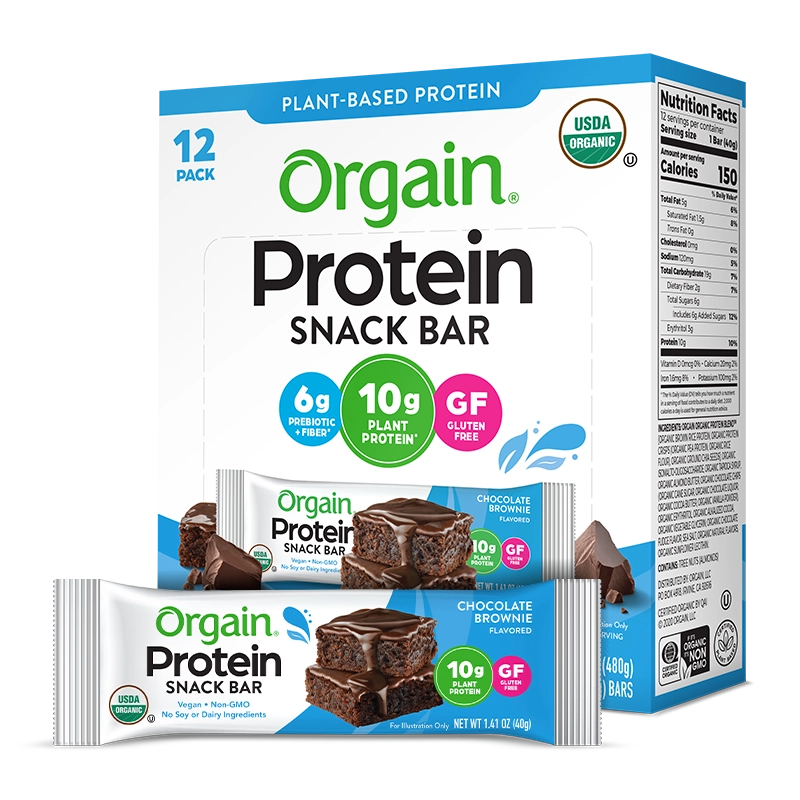
Orgain Organic Chocolate Brownie Protein Bar (60g)
10g plant protein · 150 cal · 10g sugar · 6g fiber · USDA Organic · vegan · pea + brown rice + chia blend
Check price on Amazon →Orgain Chocolate Brownie earns a bonus slot for the specific buyer who wants the lowest-calorie organic chocolate bar with no artificial sweeteners at all. 10g of plant protein from a pea + brown-rice + chia blend at 150 calories, sweetened with organic cane sugar and monk fruit — no maltitol, no sucralose, no allulose. The 6g of fiber holds satiety respectably given the lower calorie count.
Why it’s a bonus pick: 10g of protein per bar is below the threshold most protein-bar buyers want — if you want a 20g bar, none of the low-cal organic picks meet that spec, and Orgain is the honest “10g plant protein plus a cleaner sweetener slate” option. If Orgain looks right, a two-bar serving is 20g protein / 300 cal / 20g sugar — still cleaner than a candy bar, and cheaper per gram than most competitors.
The honest catches: 10g sugar is a real number — if you are watching sugar strictly, No Cow or DAVID above are stronger picks. Contains soy in some flavors (check the label). Priced ~$1.90–$2.40 per bar in a 12-count box.
Where to Buy the Chocolate Protein Bars in This Guide
DAVID is at davidprotein.com and Amazon (Target/Walmart in select regions). Quest and ONE are at Costco, Walmart, Target, most grocery, and Amazon. Barebells, Fulfil, and Pure Protein are at Walmart, Target, Walgreens, and Amazon. No Cow and RXBAR are at Whole Foods, Sprouts, Target, and Amazon. ALOHA and Orgain are at Whole Foods, Sprouts, Target, and Amazon. Legendary Foods pastries are primarily Amazon and eatlegendary.com. All Amazon links on this page carry our tracked affiliate tag — we earn a small commission at no extra cost to you.
Are Chocolate Protein Bars Actually Healthy? What to Look for on the Label
A chocolate protein bar is a snack, not a health food — but you can tell an honest chocolate protein bar from an over-engineered candy bar by looking at four numbers on the back of the package.
- Protein per 100 calories. Under 5g means you are buying a chocolate snack with some protein; 10–12g is a normal protein bar; 15g+ is engineered for maximum density. Compute it yourself: divide grams of protein by (calories / 100).
- Sugar type and dose. Real sugar over 12g per bar (RXBAR, Orgain, Perfect Bar) is a legitimate whole-food choice, not a red flag — but track the calories it costs. Sugar alcohol (maltitol) at 15g+ per bar can cause GI distress; erythritol and allulose are better-tolerated. Sucralose and Ace-K are controversial for personal reasons but not a health emergency at bar-size doses.
- Protein source honesty. “Protein blend” that lists collagen or hydrolyzed collagen alongside whey means part of the protein count is incomplete protein — discount the label number by 15–25%. Whey isolate, milk isolate, egg white, pea + brown rice blends are all complete or effectively-complete sources.
- Cocoa position. If cocoa or cacao is in the first 5 ingredients, the bar tastes like chocolate. If it is buried after “natural flavor,” the bar tastes like a chocolate-flavored protein bar. That is not a health question — it is a taste-expectation question.
Is Chocolate Protein Powder Better Than Chocolate Protein Bars?
For pure protein-per-dollar, yes — a scoop of chocolate whey isolate typically hits 25g of protein at roughly $0.90–$1.50 per serving, while chocolate protein bars land at $1.50–$3.50 per 20g-protein serving. But bars win on three axes that matter for real use: shelf stability (no shaker or water required), portion control (one bar is one snack), and taste in a “treat” format (a chocolate powder mixed with water tastes like a workout drink; a chocolate protein bar tastes like a snack). Most people use both — powder at home and the gym, bars for travel, meetings, and afternoons at the desk. For the powder side, see our best protein powders 2026 guide.
Frequently Asked Questions
What is the best chocolate protein bar in 2026?
DAVID Chocolate Chip Cookie Dough is the top pick on pure macros — 28g of protein for 150 calories per bar, the highest protein-per-calorie ratio (18.7g per 100 cal) of any mainstream chocolate protein bar, with 0g of total sugar. If you want a genuine candy-bar chocolate experience with a real cocoa coating, Barebells Chocolate Dough is the pick at 20g protein and 1g sugar per 200-calorie bar.
Which chocolate protein bar has the most protein?
DAVID Chocolate Chip Cookie Dough leads the chocolate category at 28g of protein per 150-calorie bar (18.7g of protein per 100 calories). No other mainstream chocolate-flavored bar comes within 5g of that on total protein without adding 80–130 calories. Quest, Barebells, ONE, Fulfil, Pure Protein, and No Cow all cluster at 20–21g of protein per bar at 190–230 calories — the honest “standard” tier for the category.
Are chocolate protein bars good for weight loss?
Chocolate protein bars can be a legitimate weight-loss tool if they REPLACE something with worse macros in your day, not add to it. DAVID (150 cal, 28g protein) and Fulfil (200 cal, 20g protein) are the strongest picks on cutting math because their protein-per-calorie ratios buy you real satiety at a low daily calorie cost. Quest (200 cal, 21g protein, 14g fiber) is the strongest picks on satiety per calorie. Cap at one bar per day and cover the rest of your protein target from whole food. Full framework in our best protein bars for weight loss 2026 guide.
What is the best vegan chocolate protein bar?
No Cow Chocolate Salted Caramel is our top vegan chocolate pick — 20g of plant protein from a brown-rice + pea blend at 200 calories with 3g sugar, 7g fiber, and a clean sweetener slate (allulose, monk fruit, stevia — no sucralose or maltitol). ALOHA Chocolate Cherry is the top USDA Organic vegan pick at 14g protein and 10g fiber if organic certification and sprouted grains matter more than pure protein density.
Which chocolate protein bar tastes most like a real candy bar?
Barebells Chocolate Dough is the closest thing to a real chocolate candy bar with 20g of protein — the coating is a genuine milk-chocolate shell (cocoa mass, cocoa butter, sugar) rather than a compound-chocolate stand-in, and the cookie-dough interior is dense and chewy. ONE Chocolate Chip Cookie Dough is a close second at 230 calories, with the softest texture in the category. Both are the bars we hand to skeptics who think “all protein bars taste like chalk.”
Is RXBAR really a protein bar?
Yes, but at a different density than the whey-isolate category. RXBAR Chocolate Sea Salt delivers 12g of egg-white protein per bar — a complete protein with a high biological value close to whey — from just five real-food ingredients (dates, egg whites, cashews, cocoa, sea salt). The trade-off is 13g of date sugar per bar and a protein-per-calorie ratio (5.7g per 100 cal) roughly half of Quest or DAVID. If ingredient minimalism is your priority, RXBAR is the honest chocolate pick; if protein density is, it is not.
Do chocolate protein bars contain caffeine?
Most mainstream chocolate protein bars contain trace caffeine from cocoa — typically 5–15mg per bar, comparable to a small piece of dark chocolate and well under one-quarter of a cup of coffee. That is not enough to affect sleep or heart rate for most adults. The exception is any bar that adds a coffee or espresso flavor (e.g. mocha, cafe latte); those can run 40–80mg per bar — check the label if caffeine sensitivity matters.
Is dark chocolate protein bar different from milk chocolate?
Nutritionally, most protein bars use compound chocolate or a mix of cocoa liquor and cocoa butter for the coating regardless of the “dark” or “milk” branding — the difference is usually more marketing than macro. Real dark chocolate coatings (higher cacao percentage) appear in premium picks like DAVID and Barebells. If the bar lists “milk solids” in the coating ingredients it is technically milk chocolate; if it lists only cocoa mass and cocoa butter it is closer to dark. Neither is meaningfully healthier than the other in a 200-calorie protein bar.
Are there any chocolate protein bars with no artificial sweeteners?
Yes — RXBAR Chocolate Sea Salt (sweetened only by dates), ALOHA Chocolate Cherry (organic tapioca syrup, chicory root, dates), Orgain Chocolate Brownie (organic cane sugar, brown rice syrup, monk fruit), and No Cow Chocolate Salted Caramel (allulose, monk fruit, stevia — no sucralose, maltitol, or Ace-K). The trade-off is that RXBAR/ALOHA/Orgain also carry 5–13g of real sugar per bar, and No Cow uses allulose which some reviewers find leaves a lingering cooling aftertaste. There is no chocolate protein bar we could verify that is under 200 calories, over 15g of protein, AND free of both artificial sweeteners and sugar alcohols — the physics of the format do not currently support it. Built Puff comes closest at 17g protein / 160 cal / no artificial sweeteners in non-chocolate flavors; see our weight-loss guide for that pick.
Bottom line: DAVID Chocolate Chip Cookie Dough is the best chocolate protein bar in 2026 on pure macros — 28g protein for 150 calories, 0g sugar, and the highest protein-per-calorie ratio in the mainstream chocolate lineup. Barebells Chocolate Dough is the closest thing to a real candy-bar chocolate experience with 20g of protein. Quest Chocolate Chip Cookie Dough is the satiety pick with 14g of fiber. Fulfil, ONE, and Pure Protein cover the sub-200-calorie mainstream tier at descending price points; No Cow is the best vegan pick with a clean sweetener slate; ALOHA and Orgain are the organic real-food picks; RXBAR is the whole-food pick with five ingredients; and Legendary Foods Double Chocolate Pastry is the best chocolate pastry format for anyone burned out on chewy bars. For the broader “best protein bars overall” ranking, see our best protein bars 2026 guide; for the weight-loss-specific angle, see best protein bars for weight loss 2026; for the cheapest bars regardless of flavor, see cheapest protein bars 2026; or browse the full protein snacks directory.
Shop our top protein bar picks
Editor-selected high-protein options related to this guide. As an Amazon Associate we may earn from qualifying purchases.
Buy the products in this guide: Vanilla Protein Milkshakes · Chocolate Chip Cookie Dough · Fudge Brownie
28g protein28g protein30g proteinTags
High Protein Snacks Pro Editorial Team
Independently researched and editorially reviewed. We compare real nutrition labels and never accept payment for coverage.
Get the best new protein snacks in your inbox
Weekly picks and honest reviews — no spam, unsubscribe anytime.
More from the journal
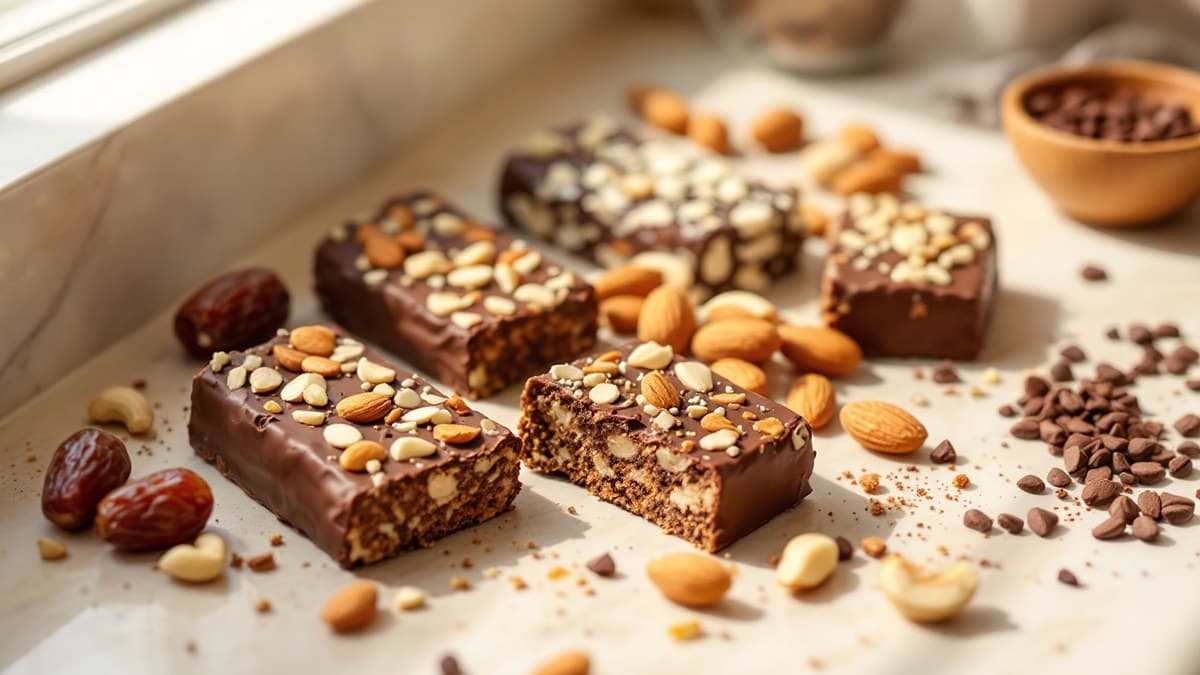
Celiac-Friendly Protein Bars (2026): 6 Certified GF Picks Ranked by Verified Nutrition
Quest Chocolate Chip Cookie Dough leads the certified gluten-free field — 21g of complete protein at 200 calories, 1g sugar, and third-party GFCO certification. RXBAR Chocolate Sea Salt is the cleanest whole-food option at 12g of protein and a five-ingredient label. Six real 2026 picks, each with verified nutrition, a real product photo, and a tracked buy button, plus how to actually verify a bar is gluten-free rather than just reading the front of the wrapper.
Read more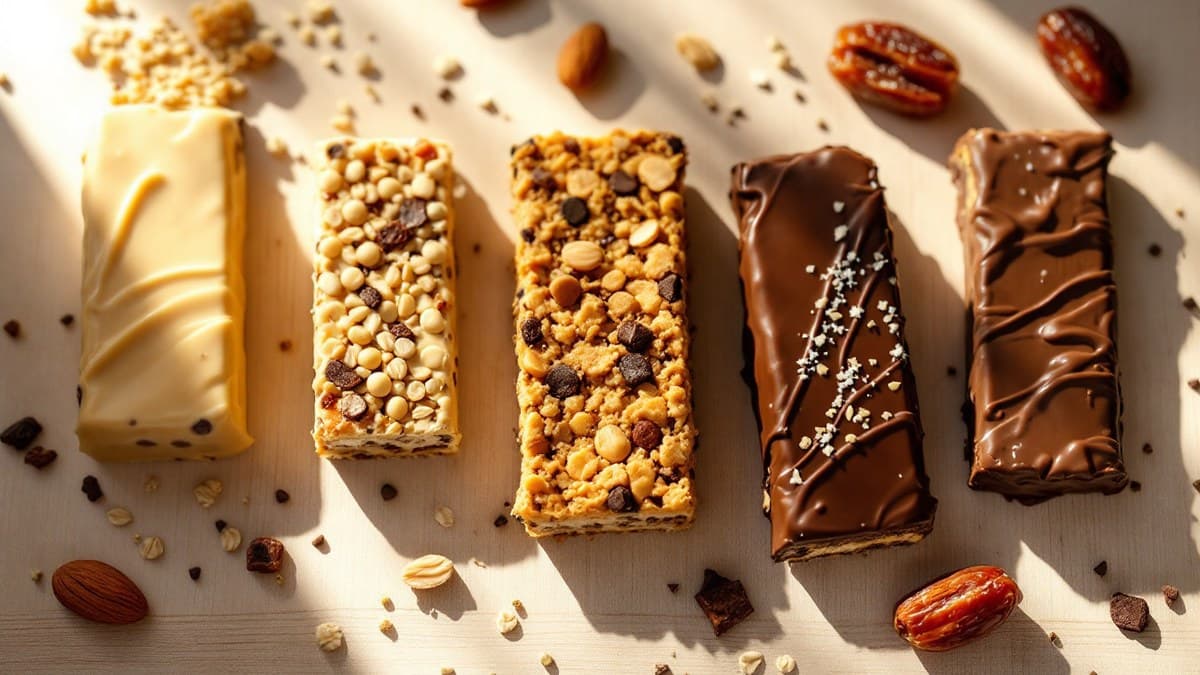
Best Protein Bars at Target 2026: 7 Picks Ranked by Real Protein, Ingredients, and Per-Bar Cost
The best protein bar at Target in 2026 is the Quest Chocolate Chip Cookie Dough Bar — 21g of complete protein (no collagen), 14g of fiber, 1g of sugar, and 190 calories per bar, typically $2.19–$2.49 per bar in the 12-count box (before RedCard 5%). Premier Protein 30g Chocolate Peanut Butter is the highest absolute protein at 30g per bar. Barebells Cookies & Cream is Target's taste-first pick. Seven verified Target protein-bar picks with real 2026 label data, honest ingredient trade-offs, typical Target shelf pricing (with RedCard math), and a section on the bars Target stocks that Walmart does not — Perfect Bar, DAVID, Aloha, and reformulated think!.
Read more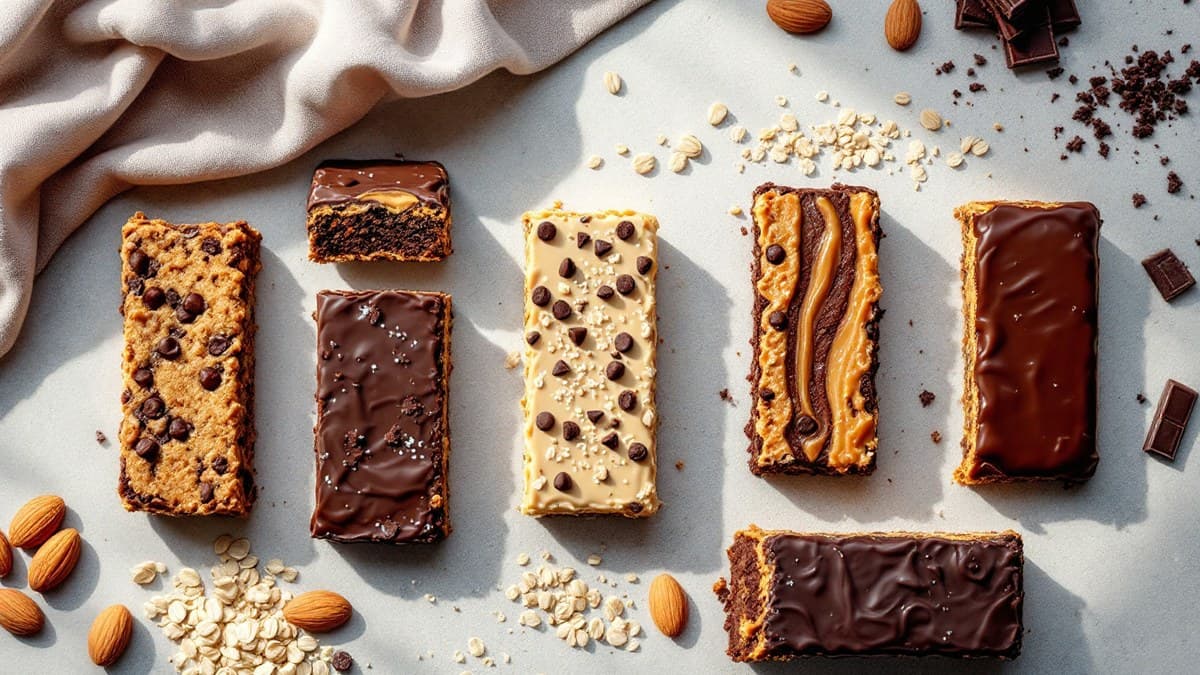
Best Protein Bars at Walmart 2026: 7 Picks Ranked by Protein, Fiber, and Cost Per Gram
The best protein bar at Walmart in 2026 is the Quest Chocolate Chip Cookie Dough Bar — 21g of complete protein (no collagen), 14g of fiber, 1g of sugar, and 190 calories per bar. Pure Protein Chocolate Deluxe is the cheapest per gram of protein on the shelf at roughly $0.038 per gram in the 12-count box. Premier Protein 30g is the highest absolute protein per bar. Seven verified Walmart protein bar picks with 2026 label data, honest ingredient trade-offs, and typical Walmart shelf pricing.
Read more