Best Protein Bars for Cutting (2026): 5 Picks Ranked by Protein per Calorie, Net Carbs, and Muscle-Preserving Complete Protein
The best protein bar for cutting in 2026 is DAVID Gold — 28g of protein at 150 calories with 0g of sugar and ~3g of net carbs, the highest protein density of any mainstream bar and the leanest fit inside a calorie deficit. Quest Chocolate Chip Cookie Dough is the satiety pick for cutters at 21g of pure complete protein and 14g of fiber in 190 calories — the fiber blunts hunger for three to four hours when calories are scarce. Five protein bars ranked for a cutting phase by protein per calorie, net carbs, calorie floor, and muscle-preserving complete-protein quality, with verified 2026 nutrition label data.
Our top protein bar picks
Editor-selected and ready to buy. As an Amazon Associate we may earn from qualifying purchases.
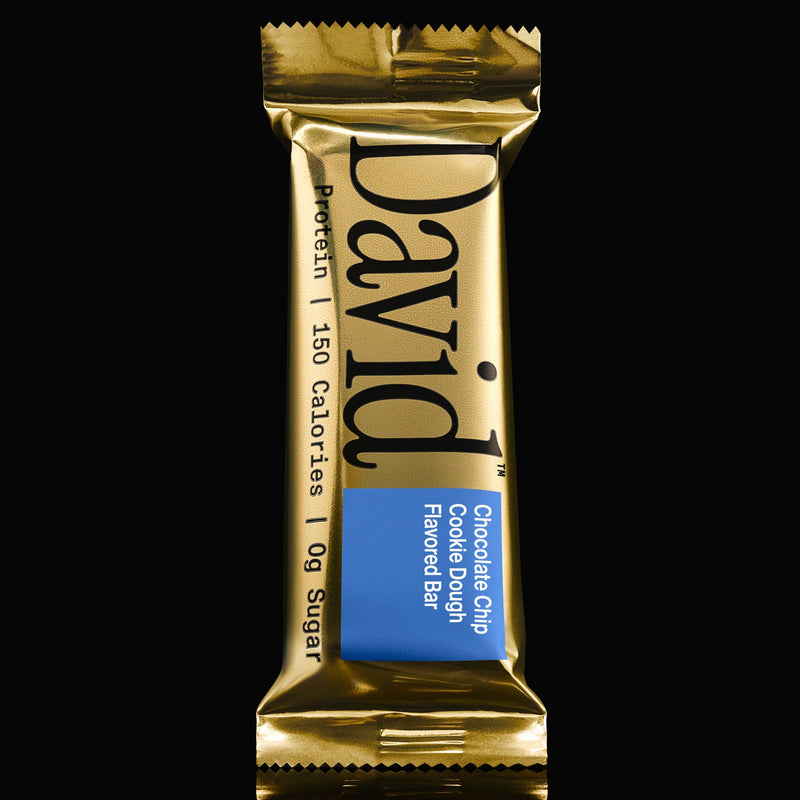 28g protein
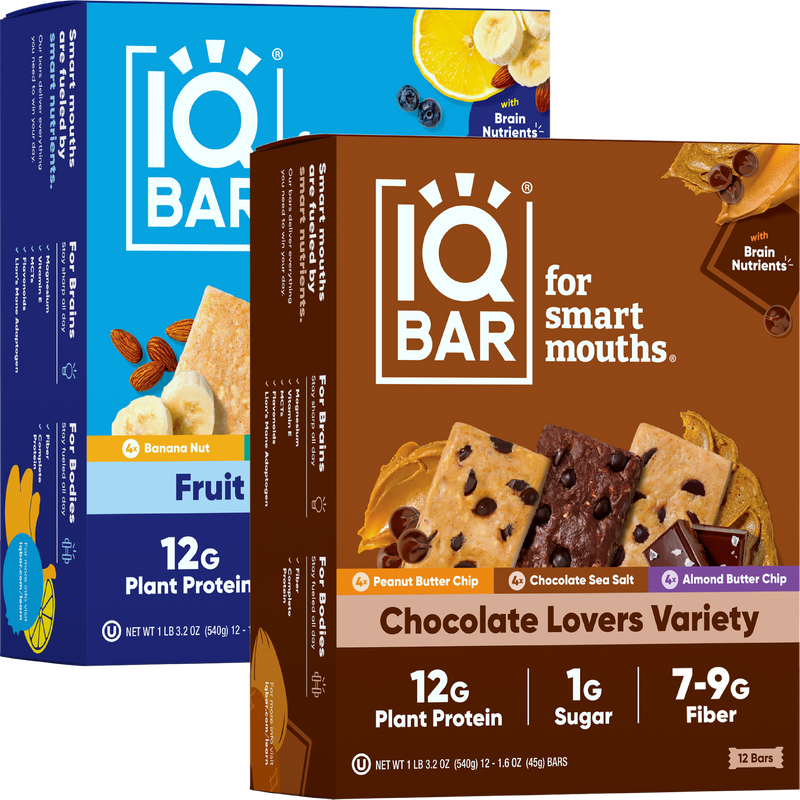 12g protein
Chocolate Lovers & Fruit Lovers (24 Bars)
Amazon returns policy · secure checkout
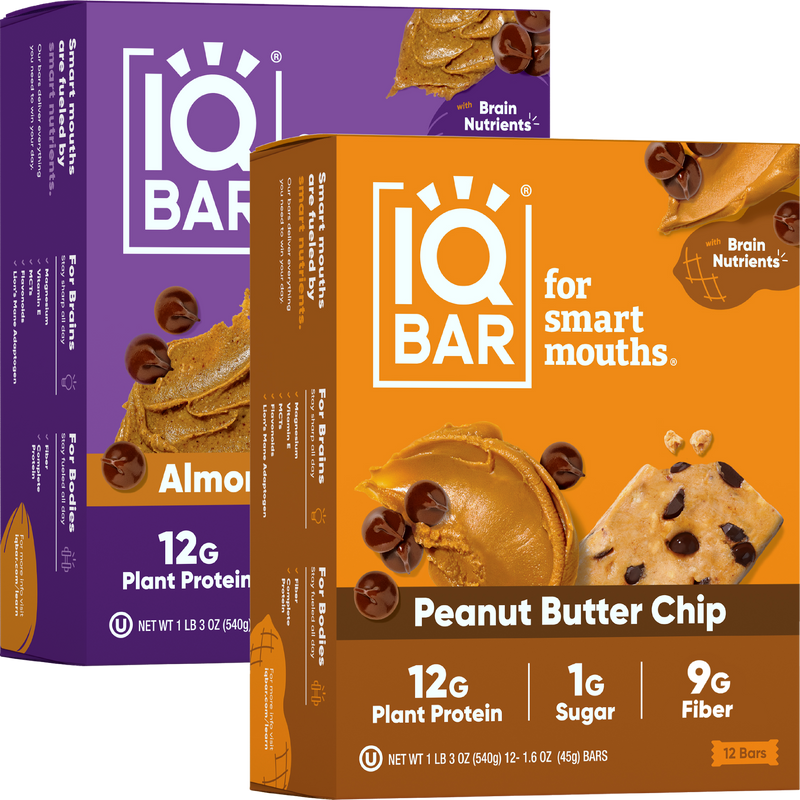 12g protein
Almond Butter Chip & Peanut Butter Chip (24 Bars)
Amazon returns policy · secure checkout
The 30-second answer
Best overall for cutting (highest protein density): DAVID Gold — 28g of protein at 150 calories, 0g of sugar, ~3g of net carbs; the leanest fit inside a calorie deficit and the most protein you can buy per calorie in a mainstream bar. Best satiety in a deficit (fiber + complete protein): Quest Chocolate Chip Cookie Dough — 21g of pure whey isolate + milk protein isolate (no collagen) and 14g of fiber at 190 calories; the fiber blunts hunger for three to four hours when calories are scarce. Lowest calorie floor for tight cuts: Built Puff — 17g of protein at only 140 calories; the easiest bar to fit into a strict daily calorie budget and the only pick sweetened with real cane sugar rather than sugar alcohols. Best when eating on the go during a cut: ONE Bar Peanut Butter Pie — 20g of complete protein (milk isolate + whey isolate, no collagen) at 220 calories with 9g of fiber; stocked in nearly every grocery, drugstore, and convenience store in the US. Best budget cutting bar: Pure Protein Chocolate Peanut Butter — 20g of protein at 200 calories for roughly $1.10–$1.30 per bar in bulk; the cheapest way to hit a daily protein target on a long cut, with an honest collagen caveat.
A cutting phase is a caloric deficit run for weeks or months to strip body fat while holding onto muscle — and the math of that goal changes what a good protein bar looks like. When you are eating 500 to 750 calories a day below your maintenance number, every calorie has to earn its slot in the day. A bar that costs 220 calories to deliver 20g of protein is not automatically wrong — but a bar that delivers 28g of protein for 150 calories, or 21g plus 14g of fiber for 190, is doing meaningfully more work per calorie you spend. That trade — protein density per calorie — is the number that separates a cutting-appropriate bar from a bulking bar. On top of that, cutters need to look harder at two things most bar rankings gloss over: complete protein quality (is the 20g on the label actually 20g of leucine-rich complete protein, or is it partially collagen padding a number?) and net carbs (which drive insulin response and, for cutters running low-carb or keto-adjacent protocols, meaningfully shape hunger between meals). The five bars below are ranked on all four variables. Every nutrition figure comes from each brand’s own published 2026 label; anything not confirmed by the label is marked with a dash rather than a guess.
Affiliate links — if you buy through them we earn a small commission at no extra cost to you. Every number below comes from each brand’s own published 2026 nutrition panel.
Protein Bar Comparison for Cutting: 2026 Verified Nutrition
| # | Bar (per bar) | Protein | Calories | Protein / 100 cal | Sugar | Fiber | Collagen? |
|---|---|---|---|---|---|---|---|
| 1 | DAVID Gold (62g) | 28g | 150 | 18.7g | 0g | ~1g | Yes (blend) |
| 2 | Quest Chocolate Chip Cookie Dough (60g) | 21g | 190 | 11.1g | 1g | 14g | No |
| 3 | Built Puff (40g) | 17g | 140 | 12.1g | 6g | <1g | Yes (blend) |
| 4 | ONE Bar Peanut Butter Pie (60g) | 20g | 220 | 9.1g | 1g | 9g | No |
| 5 | Pure Protein Chocolate Peanut Butter (50g) | 20g | 200 | 10.0g | 2g | <1g | Yes (blend) |
Protein / 100 cal = (protein ÷ calories) × 100. All figures per the manufacturer’s published 2026 label. “Collagen?” = whether the protein blend includes hydrolyzed collagen alongside whey or milk protein. Collagen is an incomplete protein missing tryptophan and low in leucine — the amino acid that drives muscle protein synthesis — so a “20g protein” bar that includes 5g of collagen delivers roughly 15g of muscle-preserving complete protein. See individual write-ups for the specific blend of each pick.
The 5 Best Protein Bars for Cutting in 2026
#1 Best Overall for Cutting — DAVID Gold Protein Bar
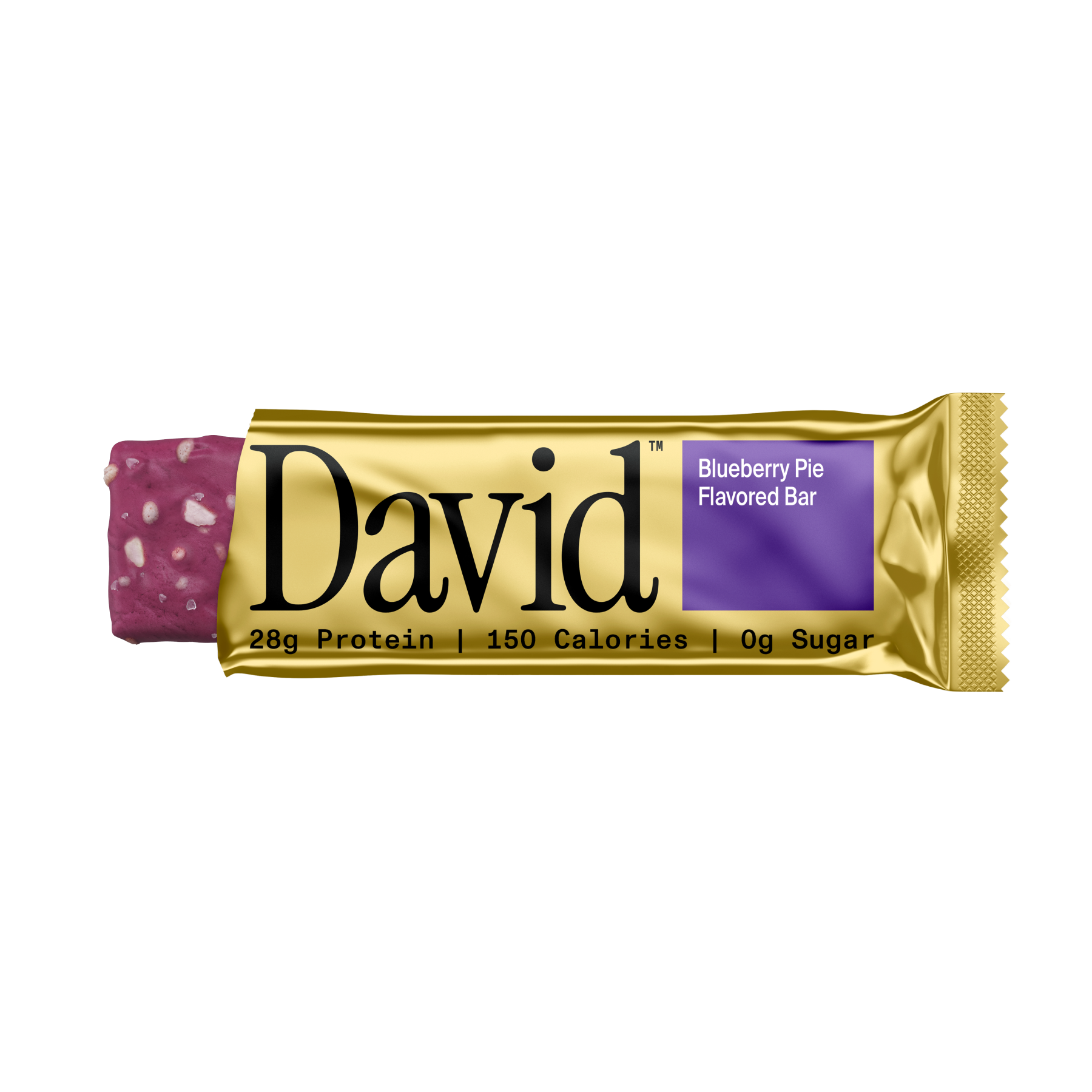
DAVID Gold Protein Bar (2.19 oz / 62g)
28g protein · 150 cal · 0g sugar · ~3g net carbs · 18.7g protein per 100 cal · novel EPG fat · protein blend includes collagen + complete proteins
Check price on Amazon →DAVID Gold is the strongest single-bar answer to the central cutting question: how do I hit 150–180g of daily protein without blowing through my calorie budget? At 28g of protein for 150 calories — 18.7g of protein per 100 calories — DAVID delivers more muscle-preserving protein per calorie than any other mainstream bar sold in the US. For a 180-pound cutter aiming at 1g of protein per pound of body weight per day (180g), a single DAVID bar covers 15.5% of that target for only 150 calories — roughly 7–9% of a strict cutting-day budget. The 0g of sugar and ~3g of net carbs also mean a minimal insulin response, which cutters running any variant of a low-carb or carb-cycled protocol actively want; a sharp blood-sugar spike followed by a crash triggers the cravings that end cuts prematurely. Sweeteners are maltitol (a sugar alcohol), allulose, sucralose, and acesulfame potassium. Available in Chocolate Chip Cookie Dough, Fudge Brownie, Blueberry Pie, Cinnamon Roll, and Peanut Butter Chocolate Chunk at Walmart, Target, and direct from davidprotein.com. Full nutrition breakdown in our DAVID protein bar nutrition guide.
The honest catch: DAVID Gold’s protein blend includes hydrolyzed collagen alongside milk protein isolate, whey protein concentrate, and egg white. Collagen is an incomplete protein — it lacks tryptophan and is low in branched-chain amino acids, especially leucine, which is the specific amino acid that triggers muscle protein synthesis. The three complete proteins in the blend compensate for what collagen lacks in the amino-acid gaps, so all essential amino acids are present, but a pure whey isolate bar like Quest is delivering slightly higher-quality per gram protein for the muscle-preservation job that cutting demands. Second catch: fiber is only ~1g per bar (Quest delivers 14g), so DAVID is the top pick for raw protein efficiency but not the top pick for staying full between meals. If satiety in a deficit is your main problem, skip to Quest.
#2 Best Satiety in a Deficit — Quest Chocolate Chip Cookie Dough Bar
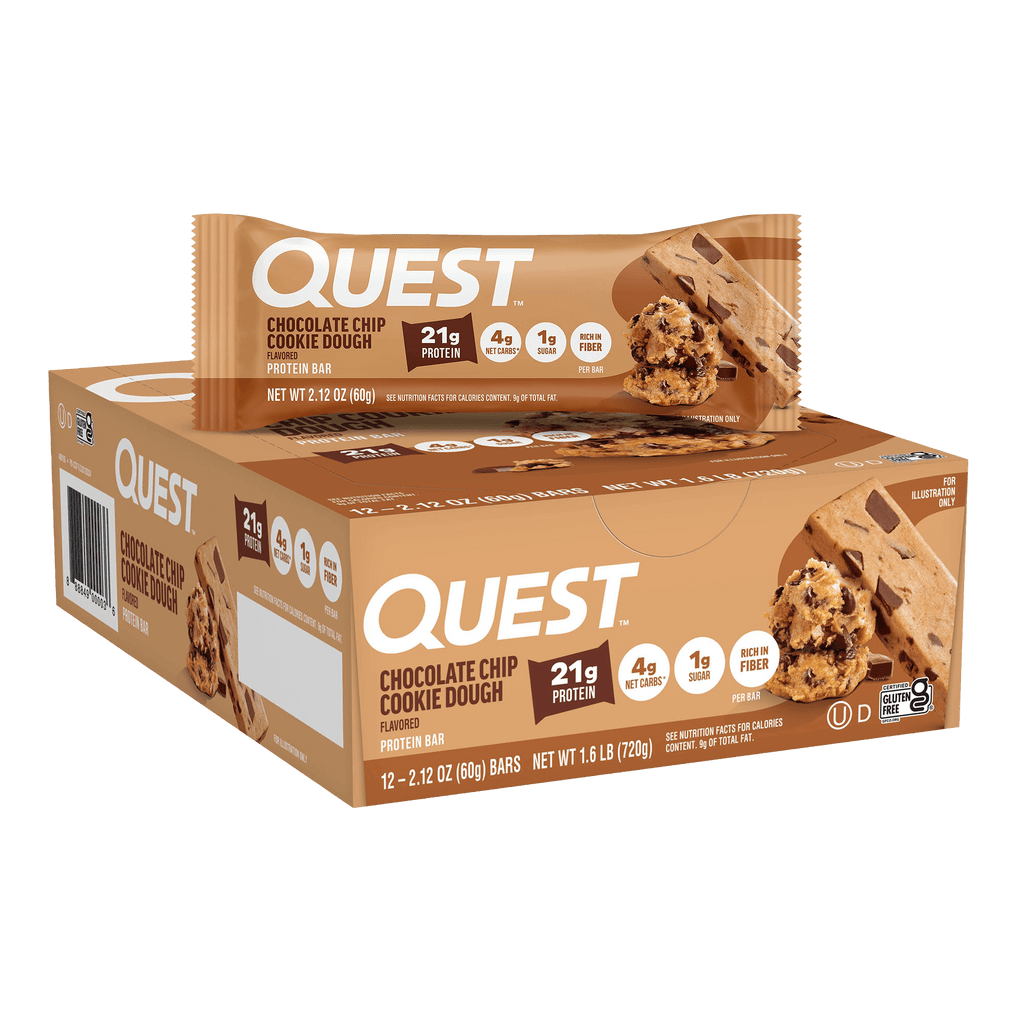
Quest Chocolate Chip Cookie Dough (60g / 2.12 oz)
21g protein · 190 cal · 1g sugar · 14g fiber · whey isolate + milk protein isolate (no collagen) · erythritol + sucralose · 11.1g protein per 100 cal
Check price on Amazon →Quest wins the cutter’s satiety problem for one measurable reason: 14g of soluble fiber per bar. Soluble corn fiber slows gastric emptying, blunts the rate at which nutrients hit the bloodstream, and keeps you full for three to four hours after eating — which is the practical difference between reaching your next meal comfortably and grazing through 400 calories of pantry snacks you did not plan for. Cutters lose to hunger more than to willpower; a bar that pushes off the next hunger spike by three hours is a bar that keeps the cut on the rails. Just as important for cutting: the 21g of protein is pure complete protein (whey isolate + milk protein isolate, no collagen anywhere in the blend), so all 21g count toward the muscle-preservation target. Leucine content is high, which is what actually triggers muscle protein synthesis. Sweetener is erythritol, glycemic index essentially zero — the cleanest insulin profile of any bar in this category. Full breakdown in our Quest protein nutrition guide.
The honest catch: Quest uses soluble corn fiber and isomalto-oligosaccharide (IMO) as fiber sources. At 14g per bar, some people get gas, bloating, or loose stools — especially on the first week of eating one daily. Ramp in slowly: one bar per day for the first week of a cut, then two if needed. Erythritol is associated with a cooling mouthfeel some cutters find odd, and occasional GI sensitivity at very high daily doses (four-plus bars). At 190 calories for 21g of protein, Quest is also 40 more calories than DAVID Gold for 7g less protein — a genuine trade if raw protein efficiency is what you are optimizing. See our Quest vs. ONE Bar comparison for a full head-to-head.
#3 Lowest Calorie Floor for Tight Cuts — Built Puff (Brownie Batter)
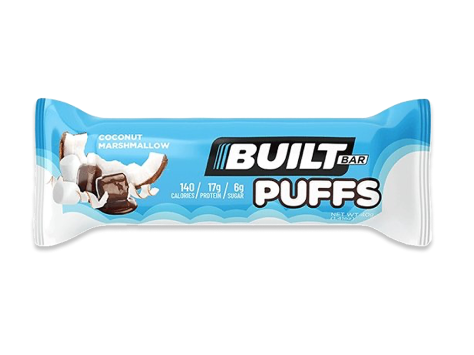
Built Puff (40g)
17g protein · 140 cal · 6g real cane sugar · <1g fiber · aerated marshmallow-style texture · no sugar alcohols · no artificial sweeteners · 12.1g protein per 100 cal
Check price on Amazon →Built Puff is the cutting pick for anyone running a tight daily calorie budget — sub-1,800 for smaller athletes, sub-2,000 for a lean-out phase — where every 60-calorie difference on a snack matters. At 140 calories per bar, Built is the lowest-calorie mainstream option and the easiest to slot into a strict daily budget without pushing another meal off the plan. The texture is genuinely different from the pressed-isolate style of Quest or DAVID: an aerated marshmallow-style core under a thin chocolate coat that eats more like a small candy bar than a dense protein slab, which is worth actual money in adherence terms on a long cut where bar fatigue is a real threat. Built also does one thing no other bar on this list does — it uses zero artificial sweeteners and zero sugar alcohols. Sweetening is 6g of real cane sugar, disclosed and real. If you avoid sucralose, maltitol, and erythritol on principle or for GI reasons, Built is the only pick on this list that clears both bars. Full breakdown in our Built Bar nutrition guide.
The honest catch: 6g of real cane sugar generates a larger insulin response than the sugar-alcohol-sweetened bars above — not dramatic in absolute terms, but real. For cutters running low-carb, keto, or strict fasted-training protocols, 6g of real sugar mid-morning is a bigger hit than the 0g or 1g sugar of DAVID or Quest. Built’s protein also includes collagen alongside whey, so the complete-protein number is closer to ~13–14g than to the 17g on the label — still respectable at 140 calories, still a real cut-friendly bar, but not a pure-whey delivery vehicle. Fiber is under 1g, which means Built satisfies for 60–90 minutes rather than three to four hours — treat it as the “small snack” option in your day, not the 3pm bridge to a 6pm dinner.
#4 Best On the Go During a Cut — ONE Bar Peanut Butter Pie
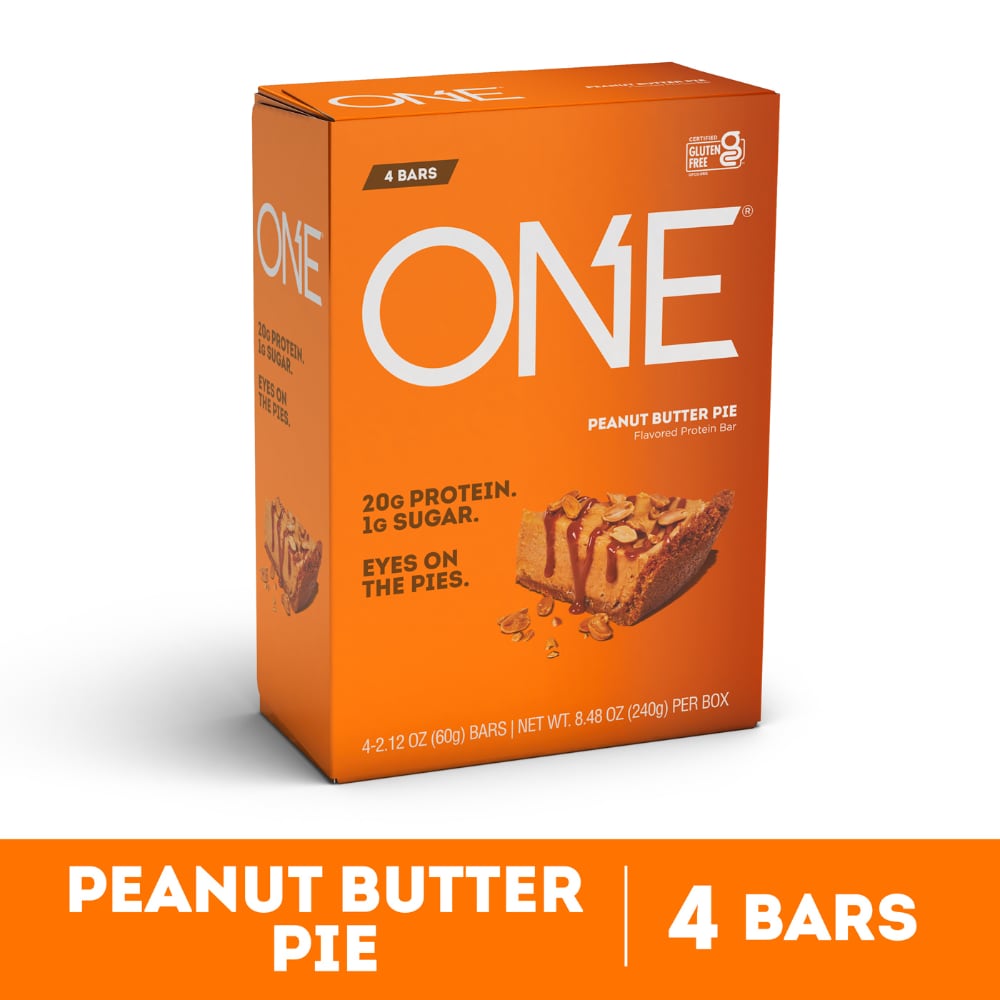
ONE Bar Peanut Butter Pie (60g / 2.12 oz)
20g protein · 220 cal · 1g sugar · 9g prebiotic fiber · milk protein isolate + whey isolate (no collagen) · 9.1g protein per 100 cal · 25+ flavors
Check price on Amazon →ONE Bar earns the “you had to eat something and here you are” slot on the cutting shelf. It is available in nearly every US grocery store, Walmart, Target, Kroger, Walgreens, CVS, airport newsstand, and highway gas station — which is a real cutting problem, because the moment a cutter travels or works late without a packed snack is the moment a cut turns into a fast-food detour. ONE Bar solves that specific problem: a bar that delivers 20g of complete protein (milk protein isolate + whey isolate, no collagen anywhere in the blend) at 220 calories, wherever you are. The 9g of prebiotic fiber (isomalto-oligosaccharide) is real satiety help — not as strong as Quest’s 14g of soluble corn fiber, but meaningfully more than Built’s under-1g. The 25+ flavors (Birthday Cake, Cinnamon Roll, Almond Bliss, Blueberry Cobbler, Maple Glazed Doughnut) prevent the flavor fatigue that kills a daily bar habit somewhere in the fifth week of a cut. Full nutrition breakdown in our ONE Bar nutrition guide.
The honest catch: at 220 calories for 20g of protein (9.1g per 100 cal), ONE Bar is the least calorie-efficient bar on this list and the highest absolute calorie hit per unit. On a strict cut budget those extra 30–70 calories over DAVID or Built matter, especially eaten daily over a 12-week cut — roughly two to three extra pounds worth of maintenance calories across a full phase. Sweeteners are sucralose and maltitol. The 9g of IMO fiber on the label is a prebiotic fiber that the FDA no longer counts as dietary fiber under updated labeling rules — the satiety benefit is real but smaller than an equivalent 9g of soluble corn fiber or oat fiber. Worth the calorie premium for convenience, variety, and a clean complete-protein blend; not the pick if you are optimizing every calorie of the day.
#5 Best Budget Cutting Bar — Pure Protein Chocolate Peanut Butter
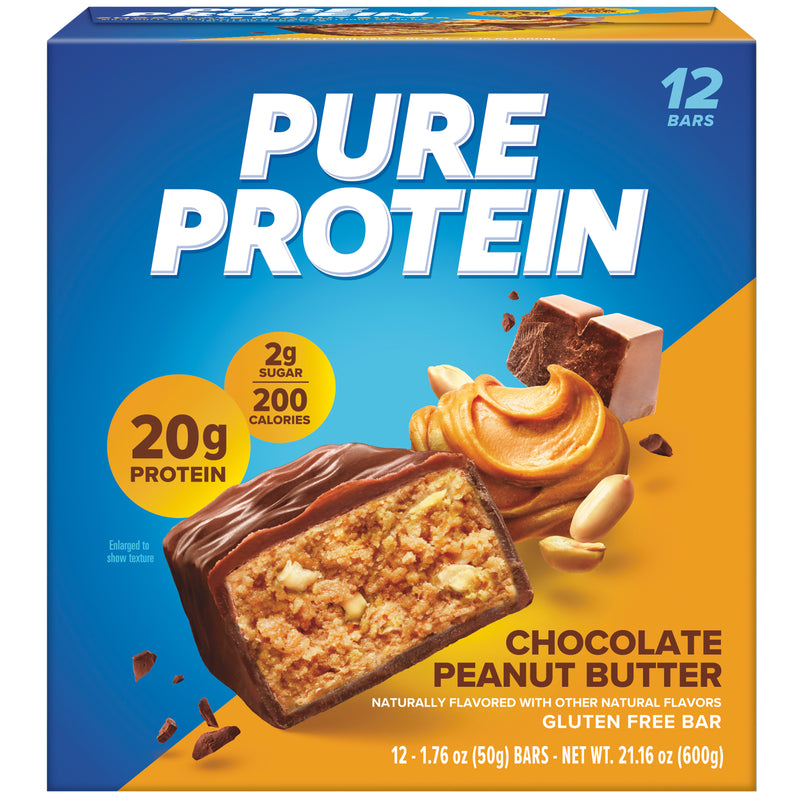
Pure Protein Chocolate Peanut Butter (50g)
20g protein · 200 cal · 2g sugar · <1g fiber · whey isolate + collagen · maltitol/sucralose · 10.0g protein per 100 cal
Check price on Amazon →Pure Protein is the pick for cutters running a 12-week or longer phase who need to buy protein bars by the case and cannot justify $3+ per bar for 84 days straight. In Costco or Amazon 18-count boxes, Pure Protein typically prices at $19.99–$23.99 — roughly $1.10–$1.30 per bar. Per gram of protein that lands at about $0.055–$0.065, roughly half the per-gram cost of Barebells or Quest and about a third of DAVID. The macro profile is honest cutting-appropriate territory: 20g of protein, 200 calories, 2g of sugar. The soft-chew core under a chocolate coat is genuinely more palatable than the pressed-isolate feel of some competitors — a real feature on a long cut where bar fatigue is a threat. If dollars-per-gram-of-protein is your cutting constraint and you are willing to accept a collagen-blend caveat on the label, Pure Protein is the correct answer. Full flavor breakdown in our Pure Protein bar nutrition guide.
The honest catch: the protein blend includes hydrolyzed collagen alongside whey isolate and soy protein isolate — discount the 20g claim to roughly 15–17g of complete protein for muscle-preservation purposes, plus a few grams of collagen (which is fine for skin and joint use, but not the same as whey for muscle protein synthesis on a cut). Fiber is under 1g per bar, so satiety runs shorter than Quest or ONE Bar — you will be hungry again in about 90 minutes. Sweeteners are maltitol (glycemic index of ~35–52, and can cause bloating at higher intakes) and sucralose. For a lean, high-value bulk buy that keeps the daily bar habit affordable across a full cut, Pure Protein is the right compromise; if you can absorb the extra $1–$2 per bar, Quest or DAVID deliver higher-quality protein per gram. See our cheapest protein bars 2026 guide for the full budget-first ranking.
What Should You Look For in a Protein Bar for Cutting?
Four variables matter more on a cut than they do at maintenance or on a bulk:
Protein per calorie. The whole point of a cut is protein preservation inside a deficit. A bar that costs you 220 calories to deliver 20g of protein is not doing the same work as one that delivers 28g for 150 calories. On a 1,800-calorie cutting day, the DAVID Gold bar leaves you 1,650 calories for the rest of the day; a 220-calorie ONE Bar leaves you 1,580. Over a 12-week cut, that 70-calorie daily difference compounds meaningfully.
Complete protein quality. Cutting is a caloric deficit; muscle is only preserved by adequate complete protein at the right leucine threshold, roughly 2.5–3g of leucine per meal or protein feeding. Bars that pad the front-of-package number with hydrolyzed collagen are delivering less muscle-preserving protein than the label suggests — a 20g bar with 5g of collagen delivers about 15g of complete protein, and the leucine number drops in step. Look for “whey isolate”, “milk protein isolate”, or “egg white” as the top protein ingredients, and either no collagen at all (Quest, ONE Bar) or a blend where collagen is not the majority (DAVID, Built).
Net carbs. Most cutters run some form of carb management — low-carb, cyclical carb, or simply carb-timed around training — because the insulin spike from a large carb load between meals is a real hunger trigger later that day. Bars with 3–6g of net carbs (DAVID at ~3g, Quest at ~4g, Barebells at ~5g) are broadly compatible with almost any cutting protocol; bars with 12–15g of net carbs are effectively snack-sized meals for insulin purposes and belong to a different tool.
Fiber for satiety. A cut is a deficit, and a deficit is hunger. High-fiber bars (Quest at 14g, ONE Bar at 9g) meaningfully extend the time from “I just ate” to “I need to eat again.” Low-fiber bars (Built at <1g, DAVID at ~1g) satisfy for 60–90 minutes and let hunger back in. Fiber is the single biggest lever a bar has to keep a cut on the rails between meals.
How Many Protein Bars Should You Eat Per Day on a Cut?
One bar per day is the right dose for most cutters — as a mid-afternoon snack, a post-workout protein hit that bridges to dinner, or a pre-training snack that keeps the session fueled. Two bars per day is workable for larger athletes with 180g+ daily protein targets or for cutters whose whole-food protein sources cannot cover the day’s target through meals alone. More than two bars per day almost always signals a whole-food gap that should be closed: eggs, plain Greek yogurt, cottage cheese, chicken breast, tuna pouches, and lean deli turkey all deliver complete protein at similar or better per-calorie ratios without the sugar alcohols and fiber additives that most bars carry. Bars are a supplement to real food on a cut, not a replacement. For expanded whole-food options that complement the bars above, see our best high-protein snacks for weight loss guide.
Is a Protein Bar a Good Meal Replacement on a Cut?
No. Even the best cutting bars — Quest at 21g protein and 14g fiber, DAVID at 28g protein — are engineered as snack bars, not as meal replacements. A real cutting meal typically delivers 30–40g of complete protein, 400–550 calories with meaningful volume from vegetables or lean carbs, plus vitamins, minerals, and phytonutrients that no protein bar contains. Replacing a whole meal with a 200-calorie bar three or four times a day pushes total daily calories too low, drops micronutrient intake into a real deficiency zone, and speeds the metabolic downshift that ends cuts (unwanted). The right frame is: bars fill the gaps between real meals. If your cutting day is three meals of chicken, vegetables, and rice or oats plus one Quest bar as the 3pm bridge to a 6pm dinner, you will hit your protein target and preserve muscle. If your cutting day is a Quest bar for breakfast, an ONE Bar for lunch, and a DAVID Gold for dinner, you have crash-dieted with extra steps.
Frequently Asked Questions
What is the best protein bar for cutting?
DAVID Gold is the best protein bar for cutting on a protein-per-calorie basis: 28g of protein at 150 calories, 0g of sugar, and ~3g of net carbs — the most efficient way to hit a protein target inside a calorie deficit. Quest Chocolate Chip Cookie Dough is the best for satiety on a cut: 21g of pure complete protein and 14g of fiber at 190 calories keeps hunger at bay for three to four hours between meals, which is the specific problem most cuts fail on. Which is right depends on whether protein density or satiety is your bigger cutting challenge.
Are protein bars good for a cut?
Yes, when used correctly. Protein bars help cutters hit a daily protein target of 0.7–1g per pound of body weight without the calorie load of a full meal, which is what preserves lean muscle mass through a caloric deficit. The important qualifier: bars are a supplement to real food on a cut, not a replacement. One bar per day as a between-meal snack or post-workout protein hit is appropriate; three or four bars per day replacing real meals is crash dieting with extra steps and will slow the cut and cost you muscle.
How much protein should you eat per day on a cut?
Research on protein needs in a caloric deficit consistently shows 0.7–1g of protein per pound of body weight per day is required to preserve muscle mass. For a 180-pound cutter that is 126–180g of protein per day; for a 150-pound cutter it is 105–150g. Protein needs are actually higher in a deficit than at maintenance, because the deficit itself increases the rate of muscle protein breakdown that adequate dietary protein has to offset. This is the single most important dietary variable on a cut.
Should I avoid collagen in protein bars while cutting?
Not entirely, but discount it. Hydrolyzed collagen and gelatin are incomplete proteins — they lack tryptophan and are low in leucine, the amino acid that specifically triggers muscle protein synthesis. A “20g protein” bar that includes 5g of collagen delivers about 15g of complete muscle-preserving protein, which matters when you are cutting and trying to hit a specific daily protein target. Bars with no collagen (Quest Chocolate Chip Cookie Dough, ONE Bar Peanut Butter Pie) count as their full label protein toward muscle preservation. Bars with a collagen blend (DAVID Gold, Built Puff, Pure Protein) count as roughly 75–85% of the label number for muscle purposes.
Are low-calorie protein bars actually filling on a cut?
It depends on the fiber content, not the calories. Built Puff at 140 calories with less than 1g of fiber will satisfy hunger for 60–90 minutes; Quest at 190 calories with 14g of fiber will genuinely keep you full for three to four hours. Fiber is the satiety lever, not the calorie count. For a cutter who is fighting between-meal hunger specifically, spending 50 extra calories on the Quest bar buys three extra hours of satiety, which is almost always the better trade on a long cut.
Do protein bars break a keto diet on a cut?
DAVID Gold (0g sugar, ~3g net carbs after accounting for EPG and sugar alcohols) and Quest (4g net carbs from a 190-calorie bar) are both compatible with standard ketogenic macros of 20–50g of net carbs per day. Built Puff at 6g of real sugar plus additional carbs from the marshmallow core lands around 11–13g of net carbs, which is too high for a strict ketogenic cut but fine for a general low-carb approach. See our best keto protein bars guide for the full low-carb ranking.
What is the lowest-calorie protein bar for cutting?
Built Puff at 140 calories per bar is the lowest-calorie mainstream protein bar in the US that still delivers 15g+ of protein. Some smaller-format bars (Barebells Vegan mini formats, RXBAR Kids) come in under 140 calories but with 5–8g of protein, which does not clear the bar for cutting purposes. If “lowest calories per unit” is your specific constraint, Built Puff is the answer; if “lowest calories per gram of protein” is your constraint, DAVID Gold at 5.4 calories per gram of protein is the better answer.
Where can you buy the best protein bars for cutting?
Amazon carries all five picks with Prime shipping and multi-count box pricing. Quest, ONE Bar, and Pure Protein are available at Walmart, Target, Kroger, Costco, CVS, Walgreens, and most grocery stores across the US. DAVID Gold is at Walmart, Target, and direct from davidprotein.com. Built Puff is at Target, Amazon, and direct from built.com. Subscribe-and-save on Amazon typically saves 10–15% versus one-time purchases on any of these — worth setting up at the start of a cut so bars arrive on their own schedule.
Bottom line: for most cutters in 2026, the best protein bar depends on one question — is your bigger enemy the calorie count or the hunger between meals? For maximum protein per calorie inside a strict deficit, DAVID Gold (28g at 150 calories, 0g sugar, ~3g net carbs) is the clear answer — the leanest bar delivering the most protein. For staying full through the 3pm hunger wall that ends most cuts, Quest Chocolate Chip Cookie Dough (21g protein + 14g fiber at 190 calories, no collagen) is the bar that actually holds satiety for three to four hours. Built Puff is the pick when 140 calories is genuinely all you can spend on a snack; ONE Bar is the pick when you are away from home and the alternative is a fast-food stop; Pure Protein is the pick for the 12-week cut where dollars-per-bar matters more than premium ingredients. Browse all high-protein snacks in the protein snacks directory, see the full cross-category best protein bars of 2026 ranking, and see best protein bars for weight loss 2026 for the broader weight-management ranking.
If you are choosing specifically between RXBar and Quest for a cutting phase, see the full RXBar vs Quest Bar 2026 comparison — a macro-by-macro breakdown of 12g real-food egg-white protein versus 21g complete whey isolate protein, and which bar wins on protein density, satiety, blood-sugar response, and ingredient quality.
Shop our top protein bar picks
Editor-selected high-protein options related to this guide. As an Amazon Associate we may earn from qualifying purchases.
28g protein12g proteinChocolate Lovers & Fruit Lovers (24 Bars)
Amazon returns policy · secure checkout
12g proteinAlmond Butter Chip & Peanut Butter Chip (24 Bars)
Amazon returns policy · secure checkout
Tags
High Protein Snacks Pro Editorial Team
Independently researched and editorially reviewed. We compare real nutrition labels and never accept payment for coverage.
Get the best new protein snacks in your inbox
Weekly picks and honest reviews — no spam, unsubscribe anytime.
More from the journal
Best Protein Bars for Endurance Athletes (2026): 5 Picks Ranked by Carb-to-Protein Ratio, Digestibility, and Portable Fueling for Runners, Cyclists, and Triathletes
The best protein bar for endurance athletes in 2026 is CLIF Builders Chocolate Peanut Butter — 20g of soy-isolate complete protein plus 30g of real carbs at 280 calories, the strongest post-workout recovery bar for runners, cyclists, and triathletes replacing glycogen after a long session. PROBAR Meal Bar is the ultra-endurance fueling pick at 370 calories and 42g of whole-food carbs. Five protein bars ranked for endurance training by carb-to-protein ratio, real-food digestibility, and portability, with verified 2026 nutrition label data from each manufacturer's own panel.
Read more
Best Protein Bars for Intermittent Fasting (2026): 5 Picks Ranked by Protein per Calorie, Fiber, and Sugar
The best protein bar for intermittent fasting in 2026 is DAVID Gold — 28g of protein at 150 calories with 0g of sugar, the highest protein-per-calorie ratio of any mainstream bar and the most efficient way to hit a protein target inside a restricted eating window. Quest Chocolate Chip Cookie Dough earns the satiety pick at 21g of protein and 14g of fiber in 190 calories — the fiber extends fullness to bridge the next fasting window. Five protein bars ranked for the IF eating window by protein per calorie, fiber, and sugar, with verified 2026 nutrition label data.
Read more
Best Low Calorie Protein Bars 2026: 10 Bars Ranked by Protein Per Calorie
The DAVID Protein Bar (Chocolate Chip Cookie Dough) is the strongest low-calorie protein bar in 2026 — 28g of protein at 150 calories, 18.7g of protein per 100 calories, the highest ratio of any widely-available bar. These 10 low-calorie protein bars are ranked strictly by protein per 100 calories with verified nutrition data, so you can compare bars fairly regardless of serving size.
Read more