Best Protein Bars for Endurance Athletes (2026): 5 Picks Ranked by Carb-to-Protein Ratio, Digestibility, and Portable Fueling for Runners, Cyclists, and Triathletes
The best protein bar for endurance athletes in 2026 is CLIF Builders Chocolate Peanut Butter — 20g of soy-isolate complete protein plus 30g of real carbs at 280 calories, the strongest post-workout recovery bar for runners, cyclists, and triathletes replacing glycogen after a long session. PROBAR Meal Bar is the ultra-endurance fueling pick at 370 calories and 42g of whole-food carbs. Five protein bars ranked for endurance training by carb-to-protein ratio, real-food digestibility, and portability, with verified 2026 nutrition label data from each manufacturer's own panel.
Our top protein bar picks
Editor-selected and ready to buy. As an Amazon Associate we may earn from qualifying purchases.
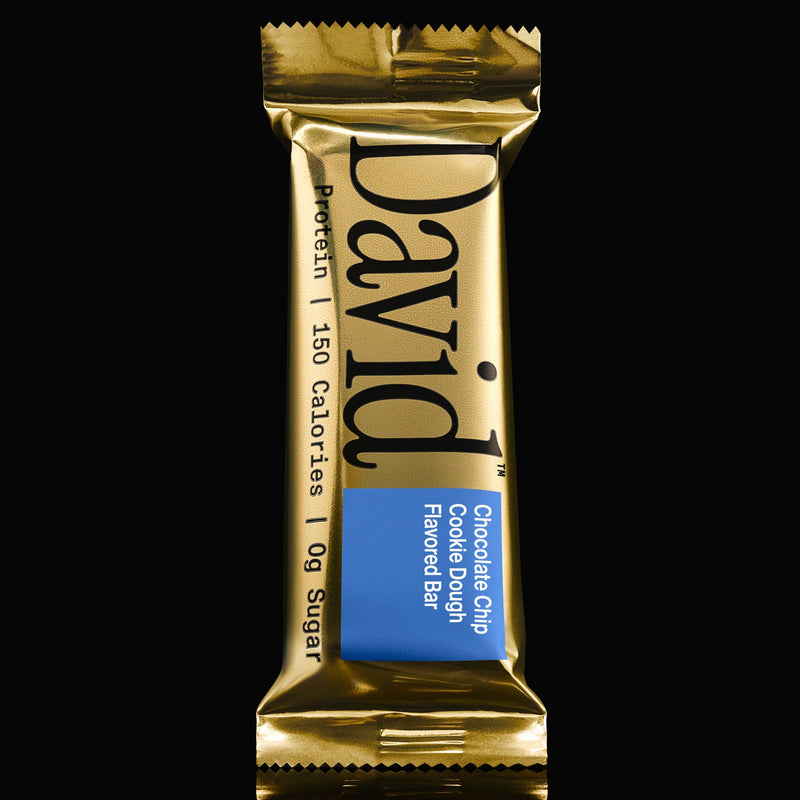 28g protein
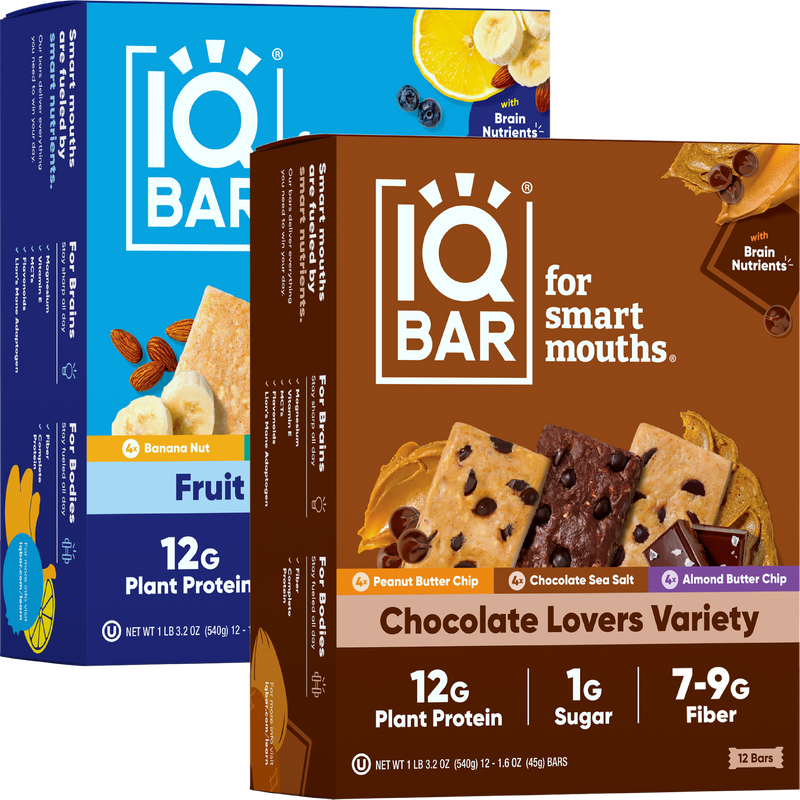 12g protein
Chocolate Lovers & Fruit Lovers (24 Bars)
Amazon returns policy · secure checkout
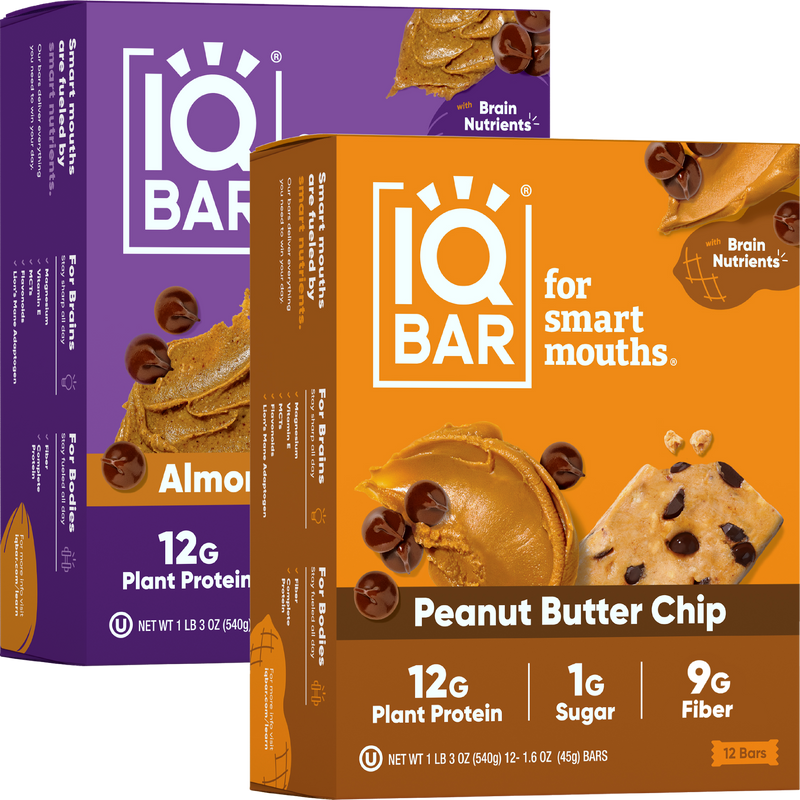 12g protein
Almond Butter Chip & Peanut Butter Chip (24 Bars)
Amazon returns policy · secure checkout
The 30-second answer
Best overall for endurance (post-workout recovery balance): CLIF Builders Chocolate Peanut Butter — 20g of complete soy-isolate protein plus 30g of carbohydrate at 280 calories; the strongest 3:1 carb-to-protein recovery ratio in a shelf-stable bar and the standard answer for glycogen replenishment after a long run or ride. Best ultra-endurance fueling (long training and racing): PROBAR Meal Bar Peanut Butter Chocolate Chip — 370 calories, 10g of protein, 42g of real whole-food carbs from oats, dates, and sunflower seeds; the go-to bar for four-hour rides, ultra-marathon aid stations, and back-to-back training days. Best real-food pre-workout digestion: RXBAR Chocolate Sea Salt — 210 calories, 12g of complete egg-white protein, 23g of carbs from dates; three real ingredients (egg whites, dates, almonds) and zero sweeteners so it moves through the gut faster than pressed-isolate bars. Best whole-food breakfast bar (pre-race, refrigerated): Perfect Bar Peanut Butter — 320 calories, 17g of protein, 17g of natural sugar from honey; the strongest bar for a two-hour-out pre-race breakfast when whole food is not an option. Best plant-based endurance bar: GoMacro Peanut Butter Chocolate Chip MacroBar — 270 calories, 11g of brown rice + pea protein, 31g of carbs; the top-selling vegan endurance bar with real oats and dates and no dairy in the blend.
Endurance training is the opposite nutrition problem from lifting or a cutting phase — and it changes what a good protein bar looks like. A marathoner, cyclist, or triathlete is not trying to hit a 30g protein dose on a low-calorie budget; they are trying to replace glycogen, deliver a small protein pulse for muscle repair, and eat something that will not spend the next hour bouncing around a jostled stomach. The three variables that actually matter for endurance fueling — carb-to-protein ratio, whole-food digestibility, and total calorie density — are the exact three variables most “high protein bar” roundups get wrong. A 190-calorie bar with 21g of protein and 1g of carbs is a great cutting bar and a terrible endurance bar: after a two-hour run it delivers a fraction of the carbohydrate you burned and cannot begin to repay a depleted glycogen store. The five bars below are ranked on the endurance math instead: how much complete protein and real carbohydrate they deliver per serving, how tolerable they are during or immediately after activity, and how portable they are in a jersey pocket, hydration vest, or transition-bag zip pouch. Every nutrition figure comes from each brand’s own published 2026 label; anything not confirmed by the label is marked with a dash rather than a guess.
Affiliate links — if you buy through them we earn a small commission at no extra cost to you. Every nutrition figure below comes from the manufacturer’s own published 2026 nutrition panel.
Protein Bar Comparison for Endurance Athletes: 2026 Verified Nutrition
| # | Bar (per bar) | Calories | Protein | Carbs | Fiber | Sugar | Carb:Protein | Format |
|---|---|---|---|---|---|---|---|---|
| 1 | CLIF Builders Choc. Peanut Butter (68g) | 280 | 20g | 30g | 3g | 17g | 1.5:1 | Shelf-stable |
| 2 | PROBAR Meal Bar PB Choc. Chip (85g) | 370 | 10g | 42g | 5g | 20g | 4.2:1 | Shelf-stable |
| 3 | RXBAR Chocolate Sea Salt (52g) | 210 | 12g | 23g | 5g | 13g | 1.9:1 | Shelf-stable |
| 4 | Perfect Bar Peanut Butter (65g) | 320 | 17g | 26g | 3g | 17g | 1.5:1 | Refrigerated |
| 5 | GoMacro PB Choc. Chip MacroBar (65g) | 270 | 11g | 31g | 3g | 14g | 2.8:1 | Shelf-stable |
Carb:Protein = total carbohydrate grams divided by protein grams. All figures per the manufacturer’s published 2026 label. Sports-nutrition research (Ivy 2004, Betts & Williams 2010) points to a 3:1 to 4:1 carb-to-protein ratio as optimal for post-exercise glycogen replenishment after endurance training lasting 60 minutes or longer; ratios below 2:1 are better characterized as protein snacks with some carbohydrate. “Format” = shelf-stable (jersey-pocket safe) or refrigerated (cooler-bag or day-of only).
The 5 Best Protein Bars for Endurance Athletes in 2026
#1 Best Overall for Endurance — CLIF Builders Chocolate Peanut Butter
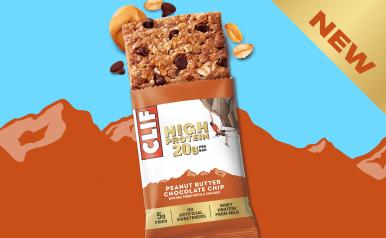
CLIF Builders Chocolate Peanut Butter (68g / 2.4 oz)
20g protein · 280 cal · 30g carbs · 17g sugar · 3g fiber · soy protein isolate (complete) · 1.5:1 carb:protein · shelf-stable in a jersey pocket
Check price on Amazon →CLIF Builders is the strongest single-bar answer to the central endurance question: how do I get real recovery carbohydrate and enough protein into my body in the first 30–60 minute post-training window without opening a mixing bottle or sitting down to cook? At 20g of soy protein isolate (a complete plant protein with a full amino acid profile) and 30g of carbohydrate at 280 calories, Builders is the closest shelf-stable equivalent to a recovery shake. That 30g of carbs is what separates it from every “high-protein bar” on the same shelf: it is enough to meaningfully begin replacing the ~150–300g of glycogen a 90-minute run or 2-hour ride can burn through, which most 20g-protein bars completely fail to do (a Quest or Barebells bar at 3–5g of net carbs is a protein snack, not a recovery meal). The bar is shelf-stable, wrapped in a foil pouch that survives a jersey pocket or transition bag, and available in Chocolate Peanut Butter, Chocolate Mint, Chocolate, Vanilla Almond, Cookies ’n’ Cream, and Chocolate Chip Cookie Dough at almost every US grocery, Walmart, Target, and Amazon. Full nutrition breakdown in our CLIF Builders nutrition guide and a head-to-head in CLIF Builders vs Quest Bar.
The honest catch: 17g of sugar per bar is high — that sugar is the point (fast glycogen replacement) and it is exactly what an endurance athlete wants after a long session, but if you are trying to eat a Builders bar as an office snack on a rest day you are getting a sizable sugar hit for no training reason. The protein source is soy protein isolate, which is a complete protein and delivers on the label but has more skepticism attached than whey among some athletes; the actual sports-nutrition evidence shows soy isolate is roughly equivalent to whey for muscle protein synthesis in the amounts here, but if you specifically avoid soy this is not your bar. The 3g of fiber is modest — deliberately, because high-fiber bars during or immediately after training cause GI distress for many endurance athletes (the “runner’s trots” problem). Builders is engineered for recovery, not office satiety, and the fiber choice reflects that.
#2 Best Ultra-Endurance Fueling — PROBAR Meal Bar Peanut Butter Chocolate Chip
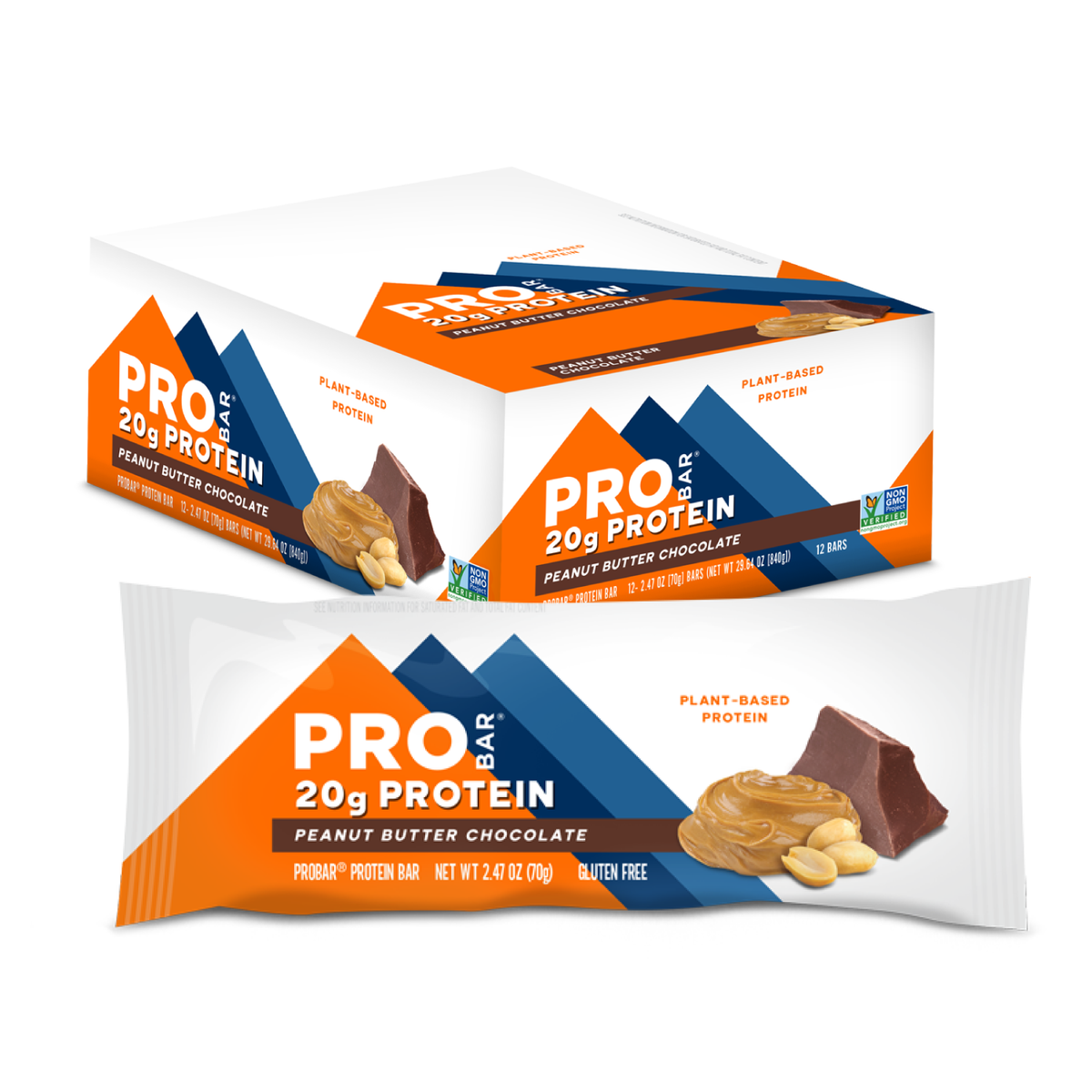
PROBAR Meal Bar Peanut Butter Chocolate Chip (85g / 3.0 oz)
370 cal · 10g protein · 42g carbs · 5g fiber · 20g sugar · oats + dates + sunflower seeds + almonds · 4.2:1 carb:protein · vegan · non-GMO
Check price on Amazon →PROBAR Meal Bar is the ultra-endurance bar and has been for a decade — long-course triathletes, ultra-marathoners, gravel cyclists, and backcountry mountaineers keep buying it because 370 calories of dense whole-food carbohydrate is exactly what a four-hour training day requires. The macro shape is the endurance opposite of a cutting bar: 42g of real carbohydrate (from rolled oats, dates, and dried fruit) with a 4.2:1 carb-to-protein ratio, which is the ratio the sports-nutrition literature (Ivy, Betts & Williams) points to as optimal for glycogen replacement after long-duration endurance activity. The 10g of protein is not the point of a Meal Bar and is not a deficit — endurance athletes recovering from a 3-hour session actually want carbohydrate to lead the recovery, with protein as a supporting player rather than the star. The whole-food base (visible oats, real date pieces, sunflower seeds, chia seeds, almonds) digests more gently than a pressed-isolate bar, which matters when you are eating during or immediately after a session and your gut blood flow is redirected to working muscles. Individually wrapped, shelf-stable up to about 12 months, and packs flat in a hydration-vest pocket or seatbag. Vegan, non-GMO, and gluten-free options across the line.
The honest catch: 370 calories in one bar is a lot for someone whose ride is under an hour or whose run is a Zone-2 easy 30-minute base session — PROBAR is genuine training fuel for real endurance volume, not an every-day office snack. The 20g of sugar (roughly half from dates, half from evaporated cane syrup) is again the point during endurance work but overkill on a rest day. Peanut allergen risk is present (all Meal Bar flavors are made in a facility that also handles peanuts), so it is not the pick for a peanut-sensitive athlete. And because the bar is dense and chewy, it is best eaten in small bites over 10–15 minutes rather than shoved in whole mid-effort — the gut can process about 60g of carbs per hour during activity, and this bar delivers roughly 42g in one shot, which is fine as one of two carb sources but not as your entire hour’s fueling.
#3 Best Real-Food Pre-Workout Digestion — RXBAR Chocolate Sea Salt
RXBAR Chocolate Sea Salt (52g / 1.83 oz)
210 cal · 12g protein · 23g carbs · 5g fiber · 13g sugar (0g added) · egg whites + dates + almonds · 1.9:1 carb:protein · no sweeteners
Check price on Amazon →RXBAR is the answer to a specific endurance problem: the 60–90-minute-before-training snack that has to deliver real carbohydrate and enough protein to matter, but must not sit heavy in a stomach that is about to be shaken loose by two hours of pounding. The three-ingredient base (dried egg whites, dates, almonds) is genuinely food-shaped, digests roughly at the speed of a piece of fruit plus a handful of nuts, and does not carry the sugar-alcohol or fiber-syrup load that makes many pressed-isolate bars a bad idea within an hour of exercise. The 23g of carbohydrate is real date-derived sugar that hits blood glucose predictably, the 12g of complete egg-white protein is a small but real muscle-repair signal, and the 5g of whole-food fiber (from dates and almond skin) is tolerable pre-training in a way that 12–14g of soluble corn fiber is not. RXBAR is also one of the only bars on the endurance shelf sweetened by only fruit — zero cane sugar, zero maltitol, zero sucralose. For a marathoner or triathlete used to gut issues around race day, that ingredient minimalism matters. Full verified nutrition in our RXBAR nutrition facts guide, and a head-to-head against Perfect Bar in our RXBAR vs Perfect Bar comparison.
The honest catch: 12g of protein is at the low end for a “protein bar” category, and endurance athletes who want a bar to double as post-workout recovery on 20g+ protein targets will need to eat two RXBARs or pair one with a shake — roughly $5–$6 in bar for that dose. At $2.50–$3.00 per bar, RXBAR is also one of the most expensive per-gram-of-protein picks on this list. Dates are ~66% sugar by weight, so “0g added sugar” on the front of the package does not mean low-sugar — the 13g of total sugar per bar is real sugar that will raise blood glucose exactly the way any sugar does, which is fine and even desirable pre-training but should not be misread as sugar-free. Contains almonds and egg (obvious allergens, less obvious than some brands emphasize on the front of the label). See our Quest vs Barebells comparison if you prefer higher-protein alternatives that trade off the real-food profile.
#4 Best Whole-Food Breakfast Bar (Pre-Race, Refrigerated) — Perfect Bar Peanut Butter
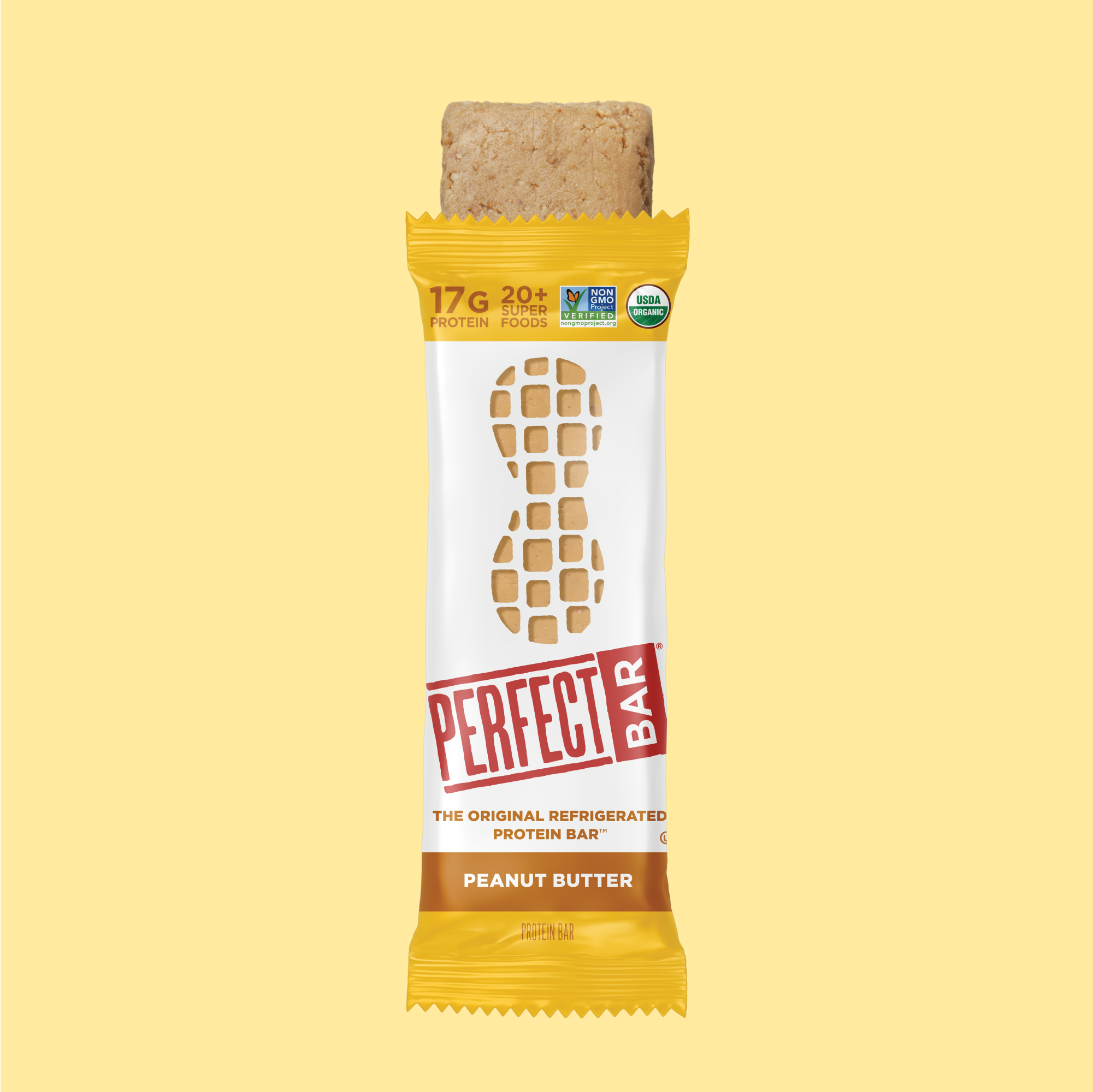
Perfect Bar Peanut Butter (65g / 2.3 oz)
320 cal · 17g protein · 26g carbs · 17g sugar (honey) · 3g fiber · freshly refrigerated whole-food base · peanut butter + honey + 20+ superfoods · needs a cooler on race day
Check price on Amazon →Perfect Bar earns the pre-race breakfast slot on an endurance shelf that otherwise leans shelf-stable. The whole-food base (real peanut butter, honey, egg white, dried whole-milk yogurt, and a blend of dried whole-food nutrients including flax, kale, and rose hips) reads more like a homemade energy ball than a pressed protein bar — and it eats that way, which is exactly what a marathoner or triathlete who cannot stomach a bowl of oatmeal at 4:30am wants. The 17g of protein is respectable for a whole-food bar, the 17g of natural sugar is entirely from honey (a well-tolerated pre-endurance carbohydrate with a familiar glycemic profile), and the 320 calories are exactly the size of a small pre-race breakfast. Unlike every other bar on this list, Perfect Bar is sold refrigerated — it sits in the cooler at Whole Foods, Sprouts, Wegmans, and Target and needs to stay cold until roughly race morning, when it can be pulled from a cooler bag and eaten. This trade-off (needs a cooler for a race trip; not something you carry on a hot bike jersey) is real, but the up-side is a genuinely whole-food breakfast option a stressed pre-race gut usually tolerates well. Full breakdown in our Perfect Bar nutrition guide.
The honest catch: the refrigeration requirement is the biggest one — a Perfect Bar left in a warm gym bag for two days is not going to be as good as one from the cooler, and the brand’s own guidance is to eat within a week of leaving refrigeration. This makes Perfect Bar unusable as pocket fuel on a five-hour ride and best treated as a pre-training or morning-of-race option only. 17g of natural honey sugar plus 19g of fat means blood-sugar and gastric-emptying response is slower than a straight glucose gel — that is a feature at 90 minutes before a race (steady energy release) and a problem at 15 minutes before, when a fast carb source is what you actually want. Peanut and egg allergens are present. And at $2.75–$3.50 per bar depending on retailer, Perfect Bar is a premium pick.
#5 Best Plant-Based Endurance Bar — GoMacro Peanut Butter Chocolate Chip MacroBar

GoMacro Peanut Butter Chocolate Chip MacroBar (65g / 2.3 oz)
270 cal · 11g protein · 31g carbs · 3g fiber · 14g sugar · brown rice + pea protein blend · vegan · gluten-free · kosher · non-GMO · 2.8:1 carb:protein
Check price on Amazon →GoMacro is the plant-based endurance answer — the bar of choice for the substantial minority of endurance athletes who eat vegan or vegetarian and cannot get on with a soy-isolate CLIF Builders. The macro shape is genuinely endurance-appropriate: 31g of carbohydrate against 11g of complete plant protein (a brown rice + pea protein blend that together delivers a full essential amino-acid profile, matching the standard vegan-protein research consensus), yielding a 2.8:1 carb-to-protein ratio that sits comfortably in the endurance recovery window. Ingredients are visibly food-shaped: brown rice syrup, peanut butter, sprouted brown rice protein, pea protein, chocolate chips, real rolled oats. No dairy, no soy, no gluten, no eggs, no whey, no artificial anything — a genuinely uncommon combination in a 270-calorie shelf-stable bar. The soft, chewy texture holds up in a jersey pocket without falling apart the way some pressed-oat bars do at 90-degree summer temps, which matters more than most rankings admit. Widely stocked at Whole Foods, Target, Wegmans, and Amazon, with Peanut Butter Chocolate Chip as the perennial best-seller of the flavor lineup. See our full best vegan protein bars 2026 guide for the broader vegan-bar field.
The honest catch: 11g of protein is on the lower side for a “protein bar” category and endurance athletes on higher daily protein targets (0.8–1g per pound of body weight for high-training-volume athletes) will need to pair GoMacro with a second protein source to hit that target — it is best framed as endurance fuel that happens to include real protein, not as a primary protein delivery vehicle. Brown rice syrup is the main sweetener, which is real food but glycemically similar to cane sugar — the 14g of total sugar behaves the same way in your blood as any sugar. And at $2.75–$3.50 per bar, GoMacro is a premium price. For higher-protein plant-based options that trade some real-food purity for a bigger protein dose, see our vegan protein powder comparison.
What Should You Look For in a Protein Bar for Endurance Training?
Four variables matter more on an endurance training day than they do for a lifter or a cutter:
Carb-to-protein ratio. Endurance work depletes muscle glycogen (the stored form of carbohydrate) at 1–3g per minute of moderate to hard effort. A 90-minute run can burn through 90–270g of glycogen; a two-hour ride, more. Replacing that store is the primary recovery job, and the sports-nutrition literature (Ivy 2004, Betts & Williams 2010) points to a 3:1 to 4:1 carb-to-protein ratio as optimal for the first 30–60 minute post-exercise window when muscle is most insulin-sensitive. That is the exact opposite of a cutting or muscle-gain bar profile, and it is why a 21g-protein, 3g-net-carb Quest bar is a poor endurance-recovery choice despite being a great bar in general.
Total calorie density for the duration. Match the bar to the session: a 30-minute Zone-2 base run does not need a 370-calorie PROBAR Meal Bar; a 4-hour bike does not need a 210-calorie RXBAR. Under an hour of training, a 200–280 calorie bar is right. Ninety minutes to two hours, 280–320 calories. Three hours and up, plan for 300–400 calories per hour on the bike from any mix of sources (a Meal Bar counts as roughly one hour of that budget).
Digestibility and real-food shape. A pressed-isolate bar with 14g of soluble corn fiber and 5g of maltitol is fine at your desk. During or within an hour of intense endurance work, that same bar can cause the well-documented “runner’s trots” problem — sudden GI distress driven by reduced gut blood flow during exercise combined with hard-to-digest fibers and sugar alcohols. Real-food bars (RXBAR, PROBAR Meal, Perfect Bar, GoMacro) shape the fiber and carbs the way whole food does and get through the gut more predictably. Save the pressed-isolate bars for the rest day office snack.
Portability and format. A jersey pocket, a running belt, or a hydration vest is a hot, jostled environment. Look for individually foil- or plastic-wrapped bars (all five picks above), and check the bar’s summer-heat behavior — chocolate-coated bars melt into wrapper-glued messes on July rides, while uncoated bars (PROBAR Meal, GoMacro) handle heat better. Refrigerated bars like Perfect Bar are the exception rather than the rule for on-the-go training and belong to pre-training or race-morning use only.
Should Endurance Athletes Eat a Protein Bar Before or After Training?
Both, but for different reasons. Before training (roughly 60–90 minutes out), the bar’s job is to top up muscle and liver glycogen with a real carbohydrate load that will not sit heavy during the session. That means a mostly-carb, moderate-protein, real-food bar — RXBAR, Perfect Bar (if refrigerated), or half a PROBAR Meal Bar — and avoiding high-fiber pressed-isolate bars that many athletes tolerate poorly under exercise. After training (ideally within the first 30–60 minutes), the job flips: replace burned glycogen and deliver a protein pulse to start muscle repair. That means a bar with a 2:1 to 4:1 carb-to-protein ratio — CLIF Builders is the top single-bar pick, PROBAR Meal Bar is right for long sessions, GoMacro is the plant-based pick. A cutting-style 21g protein / 3g carb bar is a poor post-endurance choice: it fails the recovery job the science actually points to. Whole-food meals (rice with chicken, oatmeal with milk and peanut butter, a smoothie with banana and protein powder) are still the gold standard when time and access allow; bars are the answer when they do not.
Is a Protein Bar a Good Meal Replacement on a Training Day?
Not usually. Even the biggest bars on this list — PROBAR Meal Bar at 370 calories, Perfect Bar at 320 — are engineered as snacks or small meals, not as replacements for a full training-day dinner. A serious endurance athlete on a 20-hour training week is burning 3,500–5,000+ calories per day and needs whole meals loaded with real carbohydrate (rice, potatoes, pasta, oats), complete protein (chicken, salmon, eggs, tofu), and vegetables. Trying to run that intake through bars alone drops total daily fiber, phytonutrient, and micronutrient intake into a real deficiency zone and, over weeks, produces the underfueling and RED-S (Relative Energy Deficiency in Sport) problems that end seasons and, in the worst cases, careers. The right frame is: bars are the fueling and recovery tool between meals and during long sessions. A well-fed training day still starts with breakfast and ends with dinner. For expanded whole-food snack options that complement the bars above, see our best pre-workout protein snacks and best post-workout protein snacks guides.
Frequently Asked Questions
What is the best protein bar for endurance athletes?
CLIF Builders Chocolate Peanut Butter is the best overall protein bar for endurance athletes on a carb-to-protein basis: 20g of complete soy-isolate protein plus 30g of real carbohydrate at 280 calories — the strongest 3:1-style recovery ratio in a shelf-stable bar, ideal for the 30–60 minute post-training window. PROBAR Meal Bar is the pick for ultra-endurance and long training sessions at 370 calories and 42g of whole-food carbohydrate. Which is right depends on session length: Builders for 60–120 minute sessions and post-workout recovery, PROBAR for anything three hours or longer.
What is the best protein bar for runners?
For most distance runners, RXBAR Chocolate Sea Salt is the strongest choice as a 60–90-minute pre-run snack: three real ingredients (egg whites, dates, almonds) that digest cleanly and do not carry the sugar-alcohol or fiber-syrup load that triggers GI distress mid-run. For post-long-run recovery, CLIF Builders delivers the 20g protein plus 30g carbohydrate combination the sports-nutrition literature points to as optimal. Marathon and ultra-marathon runners doing three-plus hour sessions should also carry PROBAR Meal Bars in their vest or aid-station stash.
What is the best protein bar for cyclists?
For a two-hour road ride or gravel session, PROBAR Meal Bar Peanut Butter Chocolate Chip fits both back-jersey pockets and the effort profile: 370 calories and 42g of whole-food carbohydrate per bar covers roughly a third of a serious ride’s carbohydrate needs. For shorter Zone-2 rides, CLIF Builders or GoMacro at 270–280 calories is right-sized. For post-ride recovery, CLIF Builders is the standard answer — the 3g of fiber and moderate fat content are easier on a gut that is coming back online after a long saddle session than higher-fiber alternatives.
What is the best protein bar for triathletes?
Triathletes benefit from carrying a small stable of bars for different phases of training and race day: RXBAR or Perfect Bar for the pre-swim breakfast (90 minutes out), a PROBAR Meal Bar for a long brick workout (bike+run back-to-back) or century ride, and CLIF Builders for immediate post-workout recovery. On race day itself most triathletes use gels and sports drinks mid-race and reserve bars for pre-race breakfast and post-race recovery, when the gut is willing to accept solid food again.
Are protein bars good for long-distance running?
Yes, when used correctly. During long runs (90 minutes and up), whole-food-style bars like PROBAR Meal Bar can substitute for or supplement gels — slower to absorb than a straight gel but longer-acting and more satisfying, which matters on 3-hour-plus efforts where flavor and gel fatigue become real problems. Break the bar into small bites and eat over 10–15 minutes; the gut can absorb about 60g of carbohydrate per hour during exercise, and a whole bar eaten in one swallow overshoots that window. After the run, a carb-forward protein bar (CLIF Builders, GoMacro) in the first 30–60 minutes starts glycogen replacement before the athlete gets to a real meal.
Should endurance athletes eat high-carb or high-protein bars?
Both, depending on when. For recovery in the first hour after training, endurance sports-nutrition research points to a 3:1 to 4:1 carb-to-protein ratio as optimal — that is a carb-forward bar with real protein alongside, not a low-carb protein bar. For rest-day snacking or non-training-day protein, a standard higher-protein bar (Quest, Barebells, DAVID) is fine. The mistake most endurance athletes make is defaulting to the low-carb 21g protein bar they see in every “best protein bar” roundup and then wondering why recovery feels slow and legs feel dead the next day; the answer is usually that recovery-window carbohydrate is missing.
How many carbs should a protein bar have for endurance recovery?
Aim for at least 25g of carbohydrate in the post-training bar for a sub-90-minute session, and 40g+ for anything two hours or longer. CLIF Builders (30g), PROBAR Meal Bar (42g), and GoMacro (31g) all meet the standard. A bar with under 15g of net carbs is a protein snack, not an endurance-recovery tool — it will support muscle repair but will not meaningfully replace burned glycogen, and the athlete will feel the difference in next-day training quality. Pair the bar with a real meal within 2–3 hours for full recovery.
Where can you buy the best protein bars for endurance athletes?
Amazon carries all five picks with Prime shipping and multi-count case pricing. CLIF Builders, RXBAR, and PROBAR are widely available at Whole Foods, Sprouts, REI, Walmart, Target, and most grocery stores across the US. Perfect Bar is stocked refrigerated at Whole Foods, Sprouts, Wegmans, and Target. GoMacro is at Whole Foods, Sprouts, Target, and most natural-grocery independents. Subscribe-and-save on Amazon typically saves 10–15% versus one-time purchases — worth setting up early in a training block so bars arrive on their own schedule.
Shop our top protein bar picks
Editor-selected high-protein options related to this guide. As an Amazon Associate we may earn from qualifying purchases.
28g protein12g proteinChocolate Lovers & Fruit Lovers (24 Bars)
Amazon returns policy · secure checkout
12g proteinAlmond Butter Chip & Peanut Butter Chip (24 Bars)
Amazon returns policy · secure checkout
Tags
High Protein Snacks Pro Editorial Team
Independently researched and editorially reviewed. We compare real nutrition labels and never accept payment for coverage.
Get the best new protein snacks in your inbox
Weekly picks and honest reviews — no spam, unsubscribe anytime.
More from the journal
Best Protein Bars for Cutting (2026): 5 Picks Ranked by Protein per Calorie, Net Carbs, and Muscle-Preserving Complete Protein
The best protein bar for cutting in 2026 is DAVID Gold — 28g of protein at 150 calories with 0g of sugar and ~3g of net carbs, the highest protein density of any mainstream bar and the leanest fit inside a calorie deficit. Quest Chocolate Chip Cookie Dough is the satiety pick for cutters at 21g of pure complete protein and 14g of fiber in 190 calories — the fiber blunts hunger for three to four hours when calories are scarce. Five protein bars ranked for a cutting phase by protein per calorie, net carbs, calorie floor, and muscle-preserving complete-protein quality, with verified 2026 nutrition label data.
Read more
Best Protein Bars for Intermittent Fasting (2026): 5 Picks Ranked by Protein per Calorie, Fiber, and Sugar
The best protein bar for intermittent fasting in 2026 is DAVID Gold — 28g of protein at 150 calories with 0g of sugar, the highest protein-per-calorie ratio of any mainstream bar and the most efficient way to hit a protein target inside a restricted eating window. Quest Chocolate Chip Cookie Dough earns the satiety pick at 21g of protein and 14g of fiber in 190 calories — the fiber extends fullness to bridge the next fasting window. Five protein bars ranked for the IF eating window by protein per calorie, fiber, and sugar, with verified 2026 nutrition label data.
Read more
Protein Shakes With the Most Protein: 9 Ready-to-Drink Shakes Ranked by Grams per Bottle (2026)
The Quest Protein Milkshake holds the most protein of any nationally stocked ready-to-drink shake — 45g in a 14 fl oz bottle for 230 calories and 2g of sugar. fairlife Core Power Elite and Premier Protein Ultimate tie at 42g; Muscle Milk Pro Series follows at 40g. The highest gram count is not the most efficient bottle: fairlife Nutrition Plan and Ensure Max Protein both hit 30g for 150 calories (20g of protein per 100 cal), beating every 40g+ shake on efficiency. OWYN Pro Elite leads among plant-based and dairy-free shakes at 32g. Nine shakes ranked on verified 2026 label data, with protein per calorie and cost per gram.
Read more