RXBar vs Quest Bar 2026: 12g Real-Food Protein vs 21g Functional Protein — Which Bar Wins?
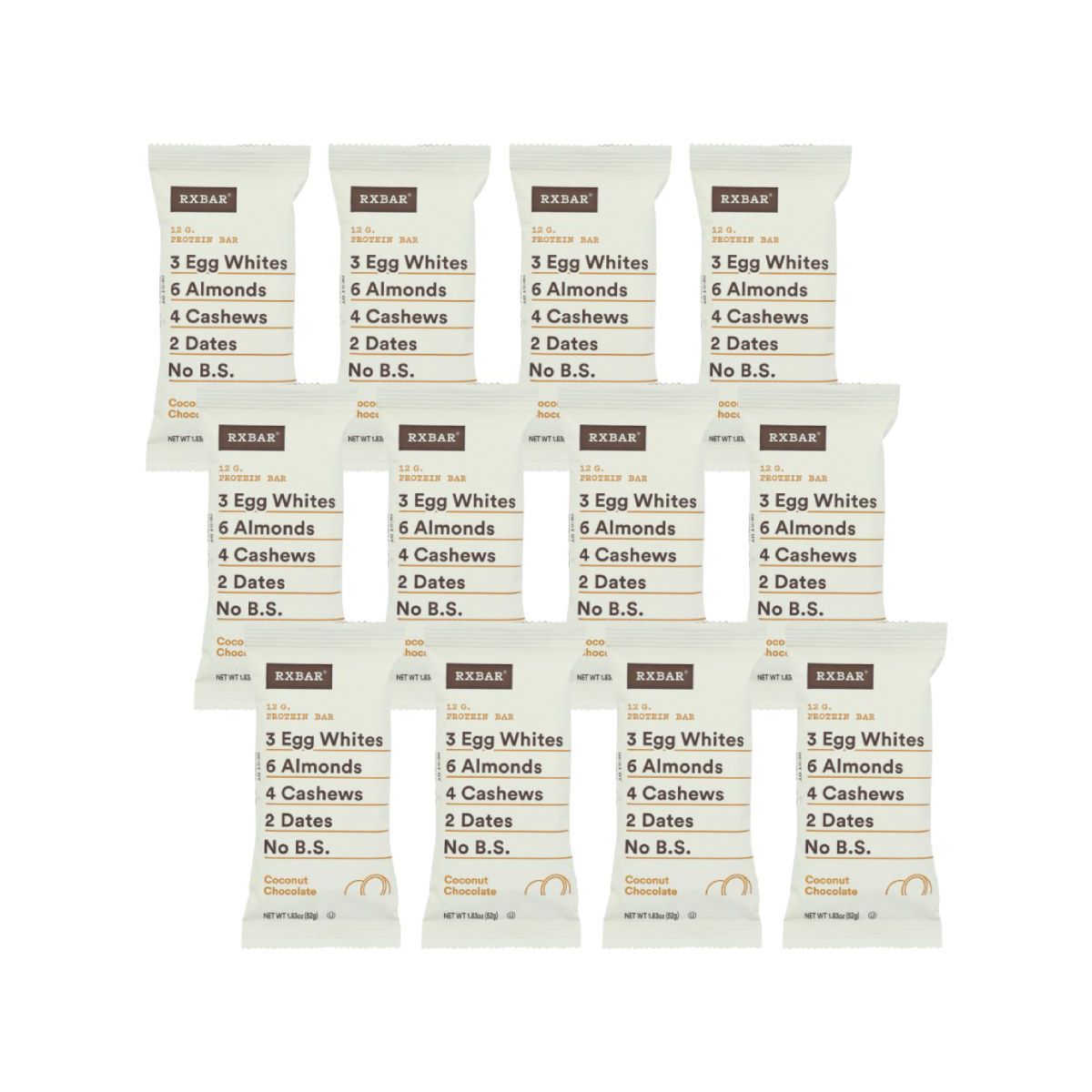
RXBar Chocolate Sea Salt delivers 12g of egg-white protein from 6 whole-food ingredients with 0g of added sugar. Quest Chocolate Chip Cookie Dough delivers 21g of whey isolate protein with 14g of fiber and 1g of total sugar. Both are complete proteins with no collagen. This comparison breaks down every macro, every sweetener, and every use case so you can stop second-guessing which bar belongs in your diet.
Our top protein bar picks
Editor-selected and ready to buy. As an Amazon Associate we may earn from qualifying purchases.
Buy the products in this guide: Chocolate Chip Cookie Dough Protein Bar · Cookies & Cream Protein Bars · Birthday Cake Protein Bars
 12g protein
Chocolate Sea Salt Protein Bar
Amazon returns policy · secure checkout
 12g protein
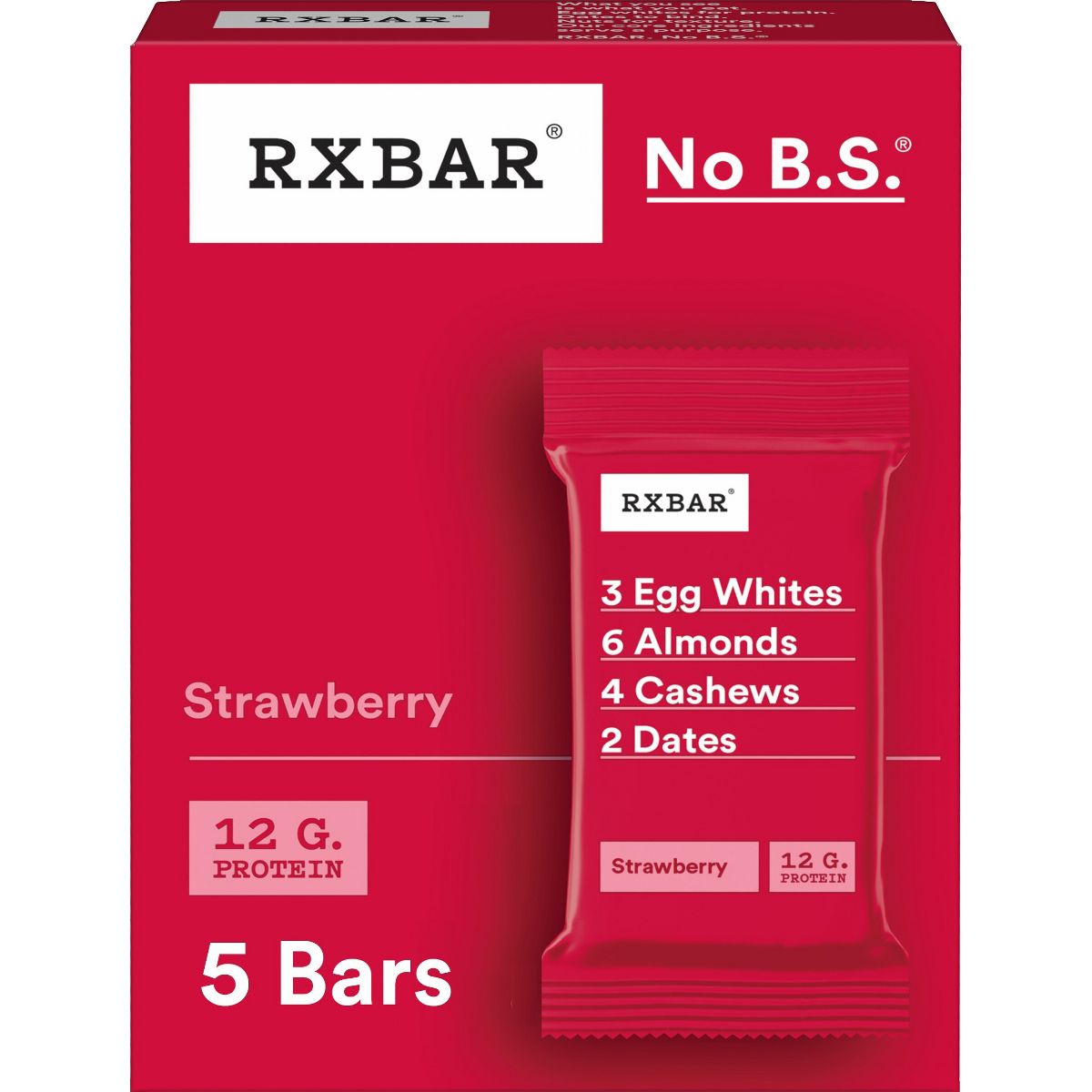 12g protein
The 30-second answer
Choose RXBar if ingredient simplicity is your priority: 6 real-food ingredients (dates, egg whites, almonds, cashews, chocolate, natural cocoa), 0g of added sugar, and no sweetener chemicals of any kind — the bar digests cleanly before a workout and works well for people who react to sugar alcohols or find artificial sweeteners harsh. Choose Quest if hitting a protein target is your priority: 21g of complete whey isolate protein at 190 calories gives you 75% more protein per bar for 20 fewer calories, plus 14g of fiber that blunts hunger for three to four hours. Quest wins on every functional macro metric; RXBar wins on ingredient quality and naturalness. The two bars serve meaningfully different needs and are not close substitutes.
RXBar and Quest are the two most searched protein bar comparisons in the “clean eating” and “functional fitness” categories respectively — and they are almost always compared incorrectly. The standard framing is “which bar is healthier?” which treats the two bars as interchangeable objects on a health spectrum when they are actually solving different problems. RXBar built a product for buyers who are done reading ingredient lists that feel like chemistry homework: six whole-food ingredients, nothing artificial, and a protein source (egg whites) that happens to be complete and bioavailable. Quest built a product for buyers whose priority is hitting a daily protein number inside a calorie budget: 21g of whey isolate at 190 calories, 14g of fiber for satiety, and virtually zero glycemic impact via erythritol and sucralose. Whether you need “real food in a bar format” or “maximum protein per calorie” determines which bar is right — not which one scores higher on some aggregate health rubric. Every number in this comparison comes from each brand’s published 2026 nutrition label; any figure we could not confirm is marked with a dash rather than a guess.
Affiliate links — if you buy through them we earn a small commission at no extra cost to you. Every number below comes from each brand’s own published 2026 nutrition panel.
RXBar vs Quest Bar: Full Nutrition Comparison (2026 Labels)
| Metric (per bar) | RXBar Chocolate Sea Salt | Quest CCCD |
|---|---|---|
| Calories | 210 | 190 |
| Protein | 12g | 21g |
| Protein source | Egg whites | Whey isolate + milk protein isolate |
| Collagen? | No | No |
| Fat | 8g | 8g |
| Total carbs | 23g | 26g |
| Dietary fiber | 5g | 14g |
| Net carbs | 18g | ~4g |
| Total sugar | 13g | 1g |
| Added sugar | 0g | 0g |
| Sweetener | Dates (whole food) | Erythritol, sucralose |
| Protein per 100 cal | 5.7g | 11.1g |
| Ingredients count | 6 | 20+ |
| Bar weight | 52g (1.83 oz) | 60g (2.12 oz) |
Net carbs = total carbs − dietary fiber. Protein per 100 cal = (protein ÷ calories) × 100. All figures from each brand’s published 2026 label. CCCD = Chocolate Chip Cookie Dough flavor, the most commonly compared Quest flavor.
RXBar Deep Dive
RXBar Chocolate Sea Salt contains exactly six ingredients: dates, egg whites, almonds, cashews, chocolate, and natural cocoa. That is the entire list. No protein isolates, no gums, no sweetener chemicals, no binding agents — just whole foods pressed into a bar. The 12g of protein comes entirely from egg whites, which carry a biological value of roughly 100 (essentially equivalent to whey on amino acid profile), making it a complete protein with all nine essential amino acids including leucine. This is often misunderstood: RXBar is not a “lower quality protein” source than Quest — egg white is one of the highest-quality proteins that exists. What it lacks is protein density: 12g at 210 calories versus Quest’s 21g at 190 calories.
The 13g of sugar in RXBar comes entirely from dates — a whole food with intact fiber, micronutrients (potassium, magnesium, copper), and natural sugars that digest more gradually than refined sugar. Added sugar is 0g. The 5g of dietary fiber (3g soluble, 2g insoluble) comes from the dates themselves and the almond skins, not from isolated fiber syrups. The 8g of fat comes from the almonds and cashews — unsaturated fats, primarily oleic acid (monounsaturated), the same fat profile as olive oil. The net carb count is 18g — a meaningful figure for anyone running a keto or low-carb protocol. RXBar is not a keto bar. It is a real-food bar with real-food carbs.
RXBar’s target buyer is someone who eats protein bars but wants the bar to look and behave like food, not a supplement. Athletes who react poorly to erythritol (GI cramping, cold mouthfeel), people with sweetener sensitivities, and buyers running elimination diets often choose RXBar specifically because there is literally nothing to react to. Pre-workout, the clean ingredient list means no risk of GI distress mid-session from soluble corn fiber or sugar alcohols. For a full nutrition breakdown, see our RXBar nutrition facts guide.
Quest Bar Deep Dive
Quest Chocolate Chip Cookie Dough contains 21g of protein from whey protein isolate and milk protein isolate — two of the fastest-absorbing, most leucine-rich proteins available in a bar format. There is no collagen anywhere in the blend (a meaningful caveat for buyers who know that collagen is an incomplete protein that pads protein numbers without contributing to muscle protein synthesis). The 21g figure is clean: all 21g count toward muscle-building and recovery.
The 14g of fiber comes from a blend of soluble corn fiber and isomalto-oligosaccharide (IMO). Soluble corn fiber slows gastric emptying and blunts the post-meal blood glucose curve; the practical effect is that Quest holds satiety for three to four hours after eating — meaningfully longer than RXBar’s 5g of fiber. The trade-off: at 14g per bar, soluble corn fiber causes gas, bloating, or loose stools in a significant minority of users, particularly in the first week. Ramp in slowly. The sweetener is erythritol (a sugar alcohol with a glycemic index near zero) plus sucralose (an artificial sweetener). Erythritol does not spike insulin and is largely excreted unmetabolized. Net carbs are roughly 4g — Quest is legitimately keto-compatible.
Quest’s protein-per-calorie ratio is 11.1g per 100 calories versus RXBar’s 5.7g — Quest delivers nearly twice the protein per calorie. For a buyer trying to hit 150–180g of daily protein inside a 1,600-calorie deficit, that difference is substantial. A single Quest bar covers 14% of a 150g protein target for only 190 calories; the equivalent from RXBar would be two bars at 420 calories. For a full nutrition breakdown, see our Quest protein nutrition guide.
5 Key Differences That Actually Matter
1. Protein Quantity: Quest wins by 75%
21g (Quest) versus 12g (RXBar) at comparable weights. If your primary goal is hitting a daily protein number, Quest is not marginally better — it is in a different tier. A 9g protein difference per bar is the difference between reaching a 150g protein target in six bars versus nine, or the difference between a post-workout bar that covers your recovery window and one that supplements it.
2. Protein Source: Both are complete; neither has collagen
This is the area where the two bars are more similar than their reputations suggest. RXBar’s egg white protein is complete (all essential amino acids, high leucine content), as is Quest’s whey isolate + milk protein isolate blend. Neither bar dilutes its protein count with collagen — a meaningful differentiator from DAVID Gold, Pure Protein, and ONE Bar, which include collagen in their protein blends. Both bars’ protein numbers are honest numbers.
3. Sugar and Blood Glucose Response: Quest wins on glycemic impact
RXBar has 13g of sugar from dates (whole-food, but still sugar; net carbs = 18g). Quest has 1g of sugar with net carbs near 4g. For any buyer managing blood sugar — diabetics, pre-diabetics, or anyone running a low-carb protocol — Quest is the only viable choice. For a healthy person eating RXBar as one of three daily meals, the 13g of date sugar is not a concern (it is the same amount of sugar as a small apple). Context matters, but on the raw glycemic number, Quest wins.
4. Satiety: Quest’s 14g fiber vs RXBar’s 5g
Quest’s 14g of soluble corn fiber is one of the highest fiber payloads in any mainstream protein bar. Soluble fiber slows gastric emptying and blunts the appetite hormone ghrelin — the practical effect is an extra two to three hours of fullness compared to a bar with 5g of fiber. If you are eating a bar to hold yourself until the next meal and hunger management is the key metric, Quest has the structurally superior answer.
5. Ingredient Simplicity: RXBar wins outright
Six whole-food ingredients (RXBar) versus 20+ including synthetic sweeteners, isolated fiber syrups, and binding agents (Quest). For buyers on elimination diets, those with sweetener sensitivities, or anyone who simply prefers eating something that looks like food rather than a supplement, RXBar is the only bar in this comparison. Quest is engineered; RXBar is assembled from ingredients that exist in a kitchen.
Who Should Buy RXBar vs Quest
Choose RXBar if: You want a protein bar with real-food ingredients and no artificial sweeteners. You train before meals and need something that digests cleanly without GI risk. You react to erythritol (cold mouthfeel, cramping) or soluble corn fiber (bloating). You are on an elimination diet or eating plan that restricts artificial additives. You prioritize food quality over protein quantity and are comfortable getting your protein target from multiple sources throughout the day.
Choose Quest if: You are trying to maximize protein per bar or per calorie and need to hit a specific daily protein target. You are in a calorie deficit (cutting phase) and cannot afford the calorie cost of eating two RXBars to match one Quest’s protein. You need 14g of fiber to manage hunger between meals. You are running a keto or low-carb protocol and cannot afford 18g of net carbs per bar. You have no sensitivity to erythritol or sucralose and tolerate high-fiber foods well. For a detailed cutting-phase framework, see our best protein bars for cutting 2026 guide.
Frequently Asked Questions
Is RXBar or Quest Bar better for you?
Neither is categorically “better for you” — they solve different problems. RXBar is better for buyers who prioritize real-food ingredients and no artificial sweeteners. Quest is better for buyers who prioritize protein density and fiber per calorie. A person eating RXBar for ingredient quality and a person eating Quest to hit a 150g protein target are both making sensible choices for their own goals.
Does RXBar or Quest have more protein?
Quest Chocolate Chip Cookie Dough has 21g of protein per bar versus RXBar Chocolate Sea Salt’s 12g — Quest delivers 75% more protein. RXBar’s protein is egg white (complete, high biological value); Quest’s is whey isolate + milk protein isolate (also complete). Both are high-quality proteins. The gap is in quantity, not quality.
Is RXBar good for weight loss?
RXBar can fit into a weight-loss eating plan but is not optimized for it. At 210 calories and 12g of protein, it has a protein-per-calorie ratio (5.7g per 100 cal) roughly half of Quest’s. Buyers in a calorie deficit will generally see better results from Quest (21g protein + 14g fiber at 190 calories) for staying full and protecting muscle. RXBar is a better choice as a real-food pre-workout snack than as a cutting-phase bar.
Is Quest Bar keto?
Quest Chocolate Chip Cookie Dough has approximately 4g of net carbs per bar, which fits within most keto daily budgets (typically 20–50g of net carbs per day). RXBar Chocolate Sea Salt has 18g of net carbs per bar — a significant portion of a strict keto allowance. Quest is the keto-compatible choice between these two bars.
Does RXBar have artificial sweeteners?
No. RXBar Chocolate Sea Salt contains no artificial sweeteners, no sugar alcohols, and no stevia. The 13g of sugar comes entirely from dates — a whole food. Quest uses erythritol (a sugar alcohol with essentially zero glycemic impact) and sucralose (an artificial sweetener). If artificial sweetener avoidance is a priority, RXBar is the only choice between these two bars.
Can you eat RXBar or Quest before a workout?
RXBar is the better pre-workout choice: the real-food ingredients (egg whites, nuts, dates) carry no GI risk from sugar alcohols or high-dose soluble fiber. Quest’s 14g of soluble corn fiber can cause cramping or GI distress during high-intensity training for sensitive individuals, and it needs 90–120 minutes to clear the stomach. RXBar can be eaten 45–60 minutes before most training sessions. See our best protein bars for endurance athletes 2026 guide for more pre-workout options.
For related comparisons, see our RXBar nutrition facts guide, our Quest protein nutrition guide, and our best protein bars for cutting 2026 ranking. Browse all protein bars in the full protein snacks directory.
Shop our top protein bar picks
Editor-selected high-protein options related to this guide. As an Amazon Associate we may earn from qualifying purchases.
Buy the products in this guide: Chocolate Chip Cookie Dough Protein Bar · Cookies & Cream Protein Bars · Birthday Cake Protein Bars
12g proteinChocolate Sea Salt Protein Bar
Amazon returns policy · secure checkout
12g protein12g proteinTags
High Protein Snacks Pro Editorial Team
Independently researched and editorially reviewed. We compare real nutrition labels and never accept payment for coverage.
Get the best new protein snacks in your inbox
Weekly picks and honest reviews — no spam, unsubscribe anytime.
More from the journal
Best High-Protein Snacks (2026): 10 Category Winners Ranked by Verified Nutrition Labels
Country Archer Zero Sugar Classic is the best beef jerky, FAGE Total 0% is the best Greek yogurt, and Quest Chocolate Chip Cookie Dough is the best packaged protein bar — one verified pick per category across ten snack formats, ranked on real 2026 nutrition labels with honest sweetener and sodium disclosure. Every pick has 15g+ of protein per serving (or protein-per-100-calorie efficiency that matters more), a clean enough label to defend, and a tracked buy link — with the honest catches on each one so you can pick the right pick for your goal.
Read more
Protein Bar vs Protein Shake (2026): 17.7g vs 13.2g Protein Per 100 Cal — Which Wins for Muscle and Fullness?
We read the Nutrition Facts panel for three best-selling protein shakes and three best-selling protein bars from each brand's own product page on September 8, 2026. Shakes average 17.7g of protein per 100 calories; bars average 13.2g — but the single best bar (David, 18.7g/100 cal) beats every shake on that metric. Bars win on fiber and fullness. Cost is a wash at $0.12–$0.13 per gram of protein either way.
Read more
Best High-Protein Snacks at Harris Teeter (2026): 7 Picks Ranked by Protein, Price, and Availability
Harris Teeter stocks a stronger protein-snack lineup than most regional grocers, including Fairlife Core Power Elite (42g protein), Quest Protein Bars (21g), Premier Protein shakes (30g), and multiple cottage cheese brands — all in one trip without a warehouse membership. Seven picks verified against 2026 Harris Teeter listings and label data, ranked by protein per serving, price per gram of protein, and grab-and-go convenience.
Read more