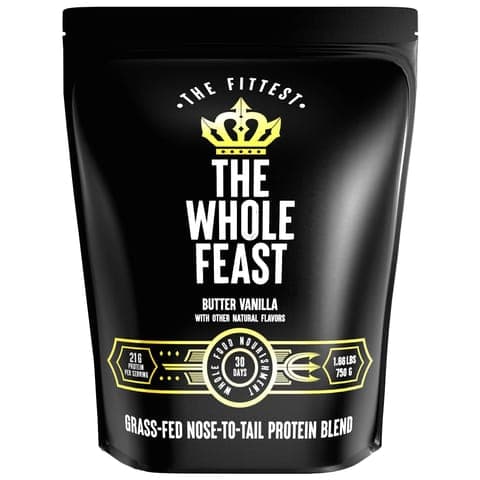
Best High-Protein Snacks for Teens (2026): 6 Verified Picks, Ranked by Protein Per Serving
Most high-protein snack rankings are written for adults counting calories, which is the wrong lens for a growing teenager. Premier Protein Chocolate leads on raw protein at 30g per 160-calorie bottle with no refrigeration, FAGE Total 0% plain is the best everyday pick at 18g for 90 calories, and Chomps beef sticks (10g, 0g sugar) are the one thing that survives a backpack. Verified October 2026 label data for all 6, plus the American Academy of Pediatrics number for how much protein a teen actually needs — and which flavors hide caffeine.
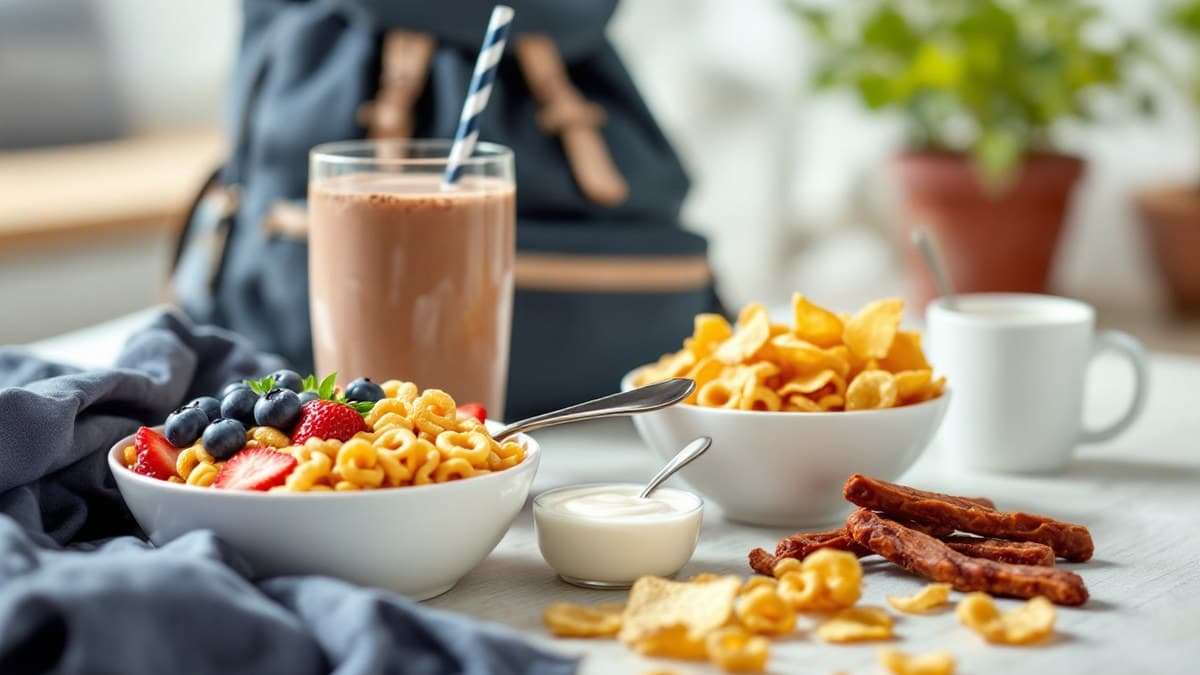
Our top high-protein picks
Editor-selected and ready to buy. As an Amazon Associate we may earn from qualifying purchases.
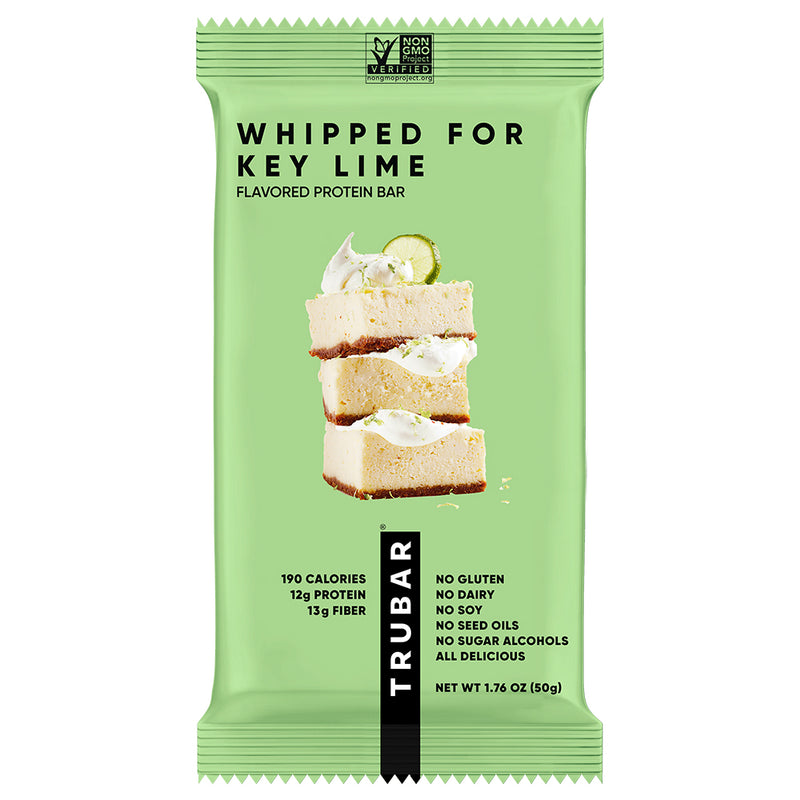 12g protein
Whipped For Key Lime TRUBAR Nutrition and Protein Bar
Amazon returns policy · secure checkout
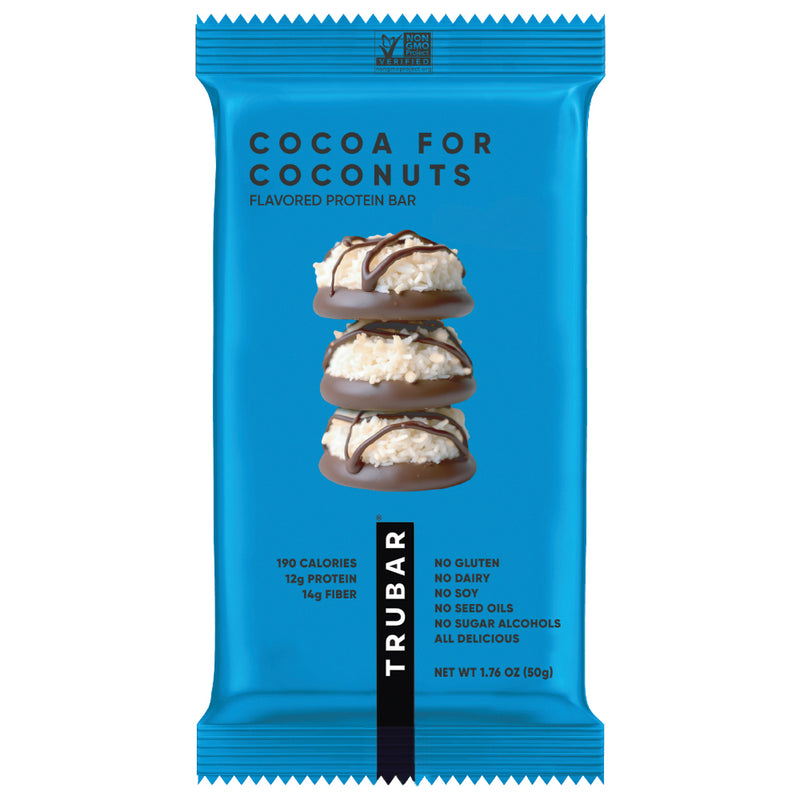 12g protein
Cocoa for Coconuts TRUBAR Nutrition and Protein Bar
Amazon returns policy · secure checkout
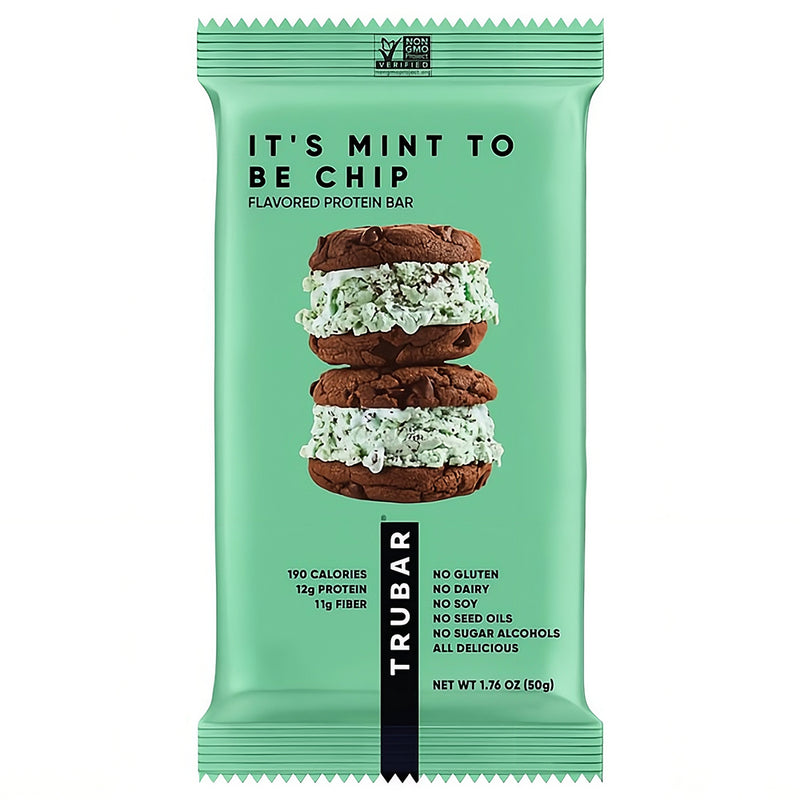 12g protein
It's Mint to Be Chip TRUBAR Nutrition and Protein Bar
Amazon returns policy · secure checkout
What is the best high-protein snack for a teenager?
The biggest single protein hit is a Premier Protein Chocolate shake — 30g of protein in 160 calories per 11.5 fl oz bottle, shelf-stable, so it survives a locker or a gym bag. The best everyday pick is FAGE Total 0% plain Greek yogurt, at 18g of protein for 90 calories per 170g serving, the most protein per calorie of anything here and real food rather than a supplement. The best thing to leave in a backpack is a Chomps Original beef stick: 10g of protein, 100 calories, 0g of sugar, and no refrigeration. The honest headline, though, is that a typical teen needs about half a gram of protein per pound of body weight a day, and two of these snacks cover most of it — so the goal is filling the gaps in a teen’s day, not stacking up supplements.
Search “high-protein snacks” and almost everything you find was written for an adult trying to lose weight. The whole genre is built on one metric — protein per calorie — because the reader is assumed to be rationing calories. For a 15-year-old that metric is close to backwards. Teenagers are still growing, many of them train most days, and the common problem is not too many calories but too few, eaten too late, in a day with no time for lunch.
So this ranking uses a different spine: protein per serving in a format a teenager will actually eat at the moment they need it. Every number below came off the product’s own current Nutrition Facts panel, checked against the live listing in October 2026. Where a figure is not on record it is shown as “—” rather than guessed. We also flag the two things that matter most for this age group and get left out of adult round-ups: which products carry caffeine, and which ones are safe to put in a school lunch.
How much protein does a teenager actually need per day?
Less than the internet implies. The American Academy of Pediatrics states that “boys and girls between ages 11 and 14 need half a gram per pound of body weight daily,” and notes that for ages 15 to 18 the recommended amount drops slightly. For a 140-pound teenager that is roughly 70g of protein in a day.
Put the picks below against that number and the scale becomes clear. One cup of FAGE Total 0% (18g) plus one Premier Protein shake (30g) is 48g — about seventy percent of a 140-pound teen’s entire daily requirement from two snacks, before breakfast, lunch or dinner are counted. That is the single most useful fact on this page, and it is the reason the honest recommendation is food first and a shake only where there is a genuine gap.
The same AAP page is blunt about the thing most teenagers believe: “Exercise, not dietary protein, increases muscle mass,” and “it’s a mistake to think you can simply build up muscles by eating lots of protein.” Extra protein beyond requirement does not build extra muscle. It is worth repeating to a teenager who has just discovered protein powder.
Are protein shakes safe for teenagers?
A ready-to-drink milk-based shake is food, not a supplement, and there is nothing in a Premier Protein or Fairlife bottle a teenager could not get from milk and yogurt. Two real cautions apply. First, caffeine: Premier Protein’s Café Latte flavor carries roughly 120mg of caffeine per bottle, about the same as a strong cup of coffee, and the protein energy shots sold on the same shelf are higher still. Buy the Chocolate or Vanilla, not the coffee flavors, and skip anything labeled “energy.”
Second, powders and loose supplements are a different category from a sealed shake. The AAP does not recommend protein supplements for young athletes, and powders are not pre-market tested for purity the way food is. If a teen wants one anyway, a product carrying a third-party sport certification is the only version worth buying. Our protein powder ranking notes which ones are certified.
Which of these can go in a school lunch?
Four of the six need no refrigeration and no utensils: the Premier Protein shake, the Chomps beef stick, the Quest chips, and dry Magic Spoon cereal eaten by the handful. All four are also nut-free, which matters in a school with a nut ban — the usual “high-protein snack” answer of almonds or a peanut butter bar is the one thing that cannot go in the bag. The two yogurts need a fridge or an ice pack and will not survive a warm locker until 1 PM. For more options built around that constraint, see our school lunch protein guide and our nut-free protein bars ranking.
All 6 picks compared
| Pick | Protein | Calories | Protein per 100 cal | Added sugar | Serving | Needs a fridge? |
|---|---|---|---|---|---|---|
| Premier Protein Chocolate Shake | 30g | 160 | 18.8g | None added (1g total sugars) | 11.5 fl oz bottle | No |
| Quest BBQ Protein Chips | 19g | 140 | 13.6g | — | 1.1 oz (32g) bag | No |
| FAGE Total 0% Plain | 18g | 90 | 20.0g | None added (milk sugars only) | 170g (about ¾ cup) | Yes |
| Oikos Triple Zero Vanilla | 15g | 90 | 16.7g | 0g added sugar | 5.3 oz cup | Yes |
| Magic Spoon Frosted Cereal | 13g | 150 | 8.7g | — | 1 cup (40g) | No |
| Chomps Original Beef Stick | 10g | 100 | 10.0g | 0g sugar | 1.15 oz stick | No |
Protein per 100 calories is calculated from each product’s own panel. A dash means the figure is not published on the current label or listing, so we have not estimated it.
The 6 Best High-Protein Snacks for Teens, Ranked by Protein Per Serving
#1 Premier Protein Chocolate Shake — the most protein a teen can carry without a cooler

Premier Protein Chocolate Shake, 11.5 fl oz, 12 Pack
30g protein · 160 cal · 18.8g protein per 100 cal · 1g total sugars · no added sugar · 24 vitamins and minerals · shelf-stable
Check price on Amazon →It is also milk-based rather than a powder: the protein comes from milk protein concentrate and calcium caseinate, and the label carries 24 added vitamins and minerals and no added sugar at 1g of total sugars. Full label breakdown for every flavor is in our Premier Protein shake nutrition guide.
The honest limitations: two, and the first is important. Do not buy the Café Latte flavor for a teenager — it carries roughly 120mg of caffeine per bottle. Chocolate and Vanilla have none. Second, sodium varies a lot by flavor, from around 170mg in Strawberries and Cream to around 320mg in Caramel, so a teen drinking one daily alongside salty snacks is worth a glance at the panel. If you want the leaner version of the same idea, Fairlife Nutrition Plan delivers the same 30g at 150 calories.
#2 Quest BBQ Protein Chips — the only chip swap that actually changes the numbers

Quest Nutrition BBQ Protein Chips, 1.1 oz Bags
19g protein · 140 cal · 13.6g protein per 100 cal · 5g total carbohydrate · 1g fiber · 5g fat · 330mg sodium · shelf-stable
Check price on Amazon →It is also shelf-stable, nut-free and portioned by the bag, which removes the argument about how much is a serving. Our Quest Protein Chips nutrition breakdown covers every flavor, and our protein chips comparison puts it against the rest of the category.
The honest limitations: it is still a processed snack, and two numbers show it. 330mg of sodium per bag is high for 140 calories, so it is a once-a-day item rather than a free pass. And the protein comes from a milk protein blend sweetened with sucralose; a teen who reacts to artificial sweeteners, or a family avoiding them, should go to the yogurt picks instead. The fiber is only 1g, so it does not fill anyone up the way the numbers suggest it should.
#3 FAGE Total 0% Plain Greek Yogurt — the most protein per calorie, and it is just food

FAGE Total 0% Nonfat Plain Greek Yogurt, 32 oz Tub
18g protein · 90 cal · 20.0g protein per 100 cal · 0g fat · no added sugar · two ingredients
Check price on Amazon →It is also the right answer to the bedtime question. Greek yogurt is high in casein, the slow-digesting milk protein, which is why it holds up as a late-evening snack for a teen who trains in the afternoon. Full serving-size breakdown is in our FAGE Total 0% nutrition guide, and the wider category is ranked in our Greek yogurt protein ranking.
The honest limitations: plain 0% Greek yogurt is sour and thick, and a teenager handed a bowl of it unadorned will not finish it. It genuinely needs fruit, honey or granola, which adds sugar and calories the table above does not show — a tablespoon of honey is about 17g of sugar. It also needs a fridge, so it is a home snack, not a locker snack. And buying the pre-sweetened flavored tubs undoes most of the advantage.
#4 Oikos Triple Zero Vanilla — a sweet yogurt with no added sugar and no artificial sweeteners

Oikos Triple Zero Vanilla Nonfat Greek Yogurt, 5.3 oz Cups
15g protein · 90 cal · 16.7g protein per 100 cal · 0g added sugar · 0g fat · no artificial sweeteners
Check price on Amazon →The single-serve cup also removes the portioning problem entirely, which matters more than it sounds for a snack a teenager grabs on the way out. Our Oikos Triple Zero nutrition guide covers every flavor, including the newer Oikos Pro line at 20g per cup.
The honest limitations: stevia has a distinct aftertaste and some teenagers will refuse it outright — this is the pick most likely to be rejected on taste, and there is no way to know without buying one cup. It needs refrigeration. And per gram of protein a cup costs noticeably more than scooping the same amount out of a large plain tub.
#5 Magic Spoon Frosted Cereal — the breakfast a teen will eat on a school morning

Magic Spoon Frosted High Protein Cereal, 4 Pack
13g protein · 150 cal · 8.7g protein per 100 cal · grain free · gluten free · casein and whey protein blend · shelf-stable
Check price on Amazon →It is also grain-free and gluten-free, and it works dry by the handful as a locker snack, which none of the yogurts do. The rest of the category is ranked in our best protein cereal guide.
The honest limitations: the ratio is the weakest here — 8.7g of protein per 100 calories, less than half of FAGE — because this is a sweet cereal first and a protein food second. The protein is a casein and whey blend, so it is not dairy-free. And it is expensive for cereal: per gram of protein this is one of the costlier picks on the page, which is a real objection when a teenager eats two bowls. See our price-per-gram comparison if cost is the deciding factor.
#6 Chomps Original Beef Stick — the one that lives in the backpack and never spoils

Chomps Original Grass-Fed Beef Sticks, 1.15 oz, 10 Count
10g protein · 100 cal · 10.0g protein per 100 cal · 0g sugar · grass-fed beef · no refrigeration
Check price on Amazon →The ingredient list is short — grass-fed beef and seasoning, no added sugar and no corn syrup, which separates it from the mainstream meat sticks on the same shelf. The turkey version is the better buy on paper at 12g of protein for 80 calories. Every variety is broken down in our Chomps nutrition guide, and the category is ranked in our best high-protein meat sticks guide.
The honest limitations: sodium, which is unavoidable in any cured meat. It is the one number on this panel worth reading against the rest of the day, especially for a teen already eating the Quest chips. It is also the most expensive protein per gram of the six, and a single stick is a small snack — it closes a gap, it does not replace a meal.
What we would not buy for a teenager
Three categories sit next to these on the shelf and should not go in the cart.
- Anything labeled “energy” that also claims protein. Protein energy shots and caffeinated protein drinks exist and are stocked beside the plain versions. They are built for adults and the caffeine dose is the point of the product, not an afterthought.
- Coffee-flavored ready-to-drink shakes. The same bottle in a coffee flavor is a caffeinated drink — Premier Protein Café Latte is roughly 120mg per bottle. The flavor name is the only warning on the front of the package.
- High sugar-alcohol bars bought in bulk. Many low-sugar bars reach their numbers with erythritol or maltitol, which in the quantities a hungry teenager eats cause real stomach trouble. Our guide to erythritol in protein bars explains which bars use how much, and our sweeteners guide covers the rest.
And one thing that is not a product: a teenager who eats three normal meals with meat, dairy or beans in them is very likely already at requirement. The snacks above are for filling real gaps — a skipped breakfast, a late practice, a growth spurt — not for stacking on top of an adequate diet.
Frequently Asked Questions
How much protein does a 15-year-old need per day?
The American Academy of Pediatrics puts the requirement at about half a gram of protein per pound of body weight daily for ages 11 to 14, dropping slightly for ages 15 to 18. For a 140-pound teenager that is roughly 70g a day. Teens in heavy training may need somewhat more, but the AAP is explicit that exercise, not extra dietary protein, is what increases muscle mass.
What is the highest-protein snack for a teenager?
Of the six verified picks here, a Premier Protein Chocolate shake is the highest at 30g of protein per 11.5 fl oz bottle, with 160 calories and no added sugar. Quest BBQ Protein Chips are next at 19g per 1.1 oz bag, then FAGE Total 0% plain Greek yogurt at 18g per 170g serving.
Should teenagers drink protein shakes?
A sealed milk-based ready-to-drink shake is food and is fine for a teenager who has a genuine gap to fill, such as a skipped breakfast or a late practice. Avoid coffee-flavored versions, which carry caffeine — Premier Protein Café Latte is roughly 120mg per bottle. Loose protein powders are a different matter: the AAP does not recommend protein supplements for young athletes, and powders are not tested for purity before sale the way food is.
Which high-protein snacks are nut-free for school?
Four of the six picks here are nut-free and need no refrigeration: the Premier Protein shake, Quest BBQ Protein Chips, Magic Spoon Frosted cereal eaten dry, and Chomps Original beef sticks. The two Greek yogurts are also nut-free but need a fridge or an ice pack.
Do teen athletes need more protein than other teens?
Somewhat, but less than most supplement marketing implies. The AAP notes that athletes in strength and endurance training may need slightly more protein, while warning that it is a mistake to think muscle can be built by eating lots of protein. Timing matters more than total: a protein snack within an hour or so of a hard session is more useful than a larger daily total eaten at random.
Is Greek yogurt or a protein bar better for a teenager?
Greek yogurt, on both numbers and cost. FAGE Total 0% delivers 18g of protein for 90 calories, a ratio no mainstream protein bar matches, with two ingredients and no sweeteners. A bar wins only on portability. If a bar is the practical choice, our healthiest protein bars ranking covers which ones are worth buying.
The bottom line
If you buy one thing, buy the 32 oz tub of FAGE Total 0% plain: the most protein per calorie on this page, the lowest cost per gram, and a base for breakfast, smoothies and late-evening snacks. If the problem is specifically the window after practice or a morning with no breakfast, add Premier Protein Chocolate for the 30g dose that needs no fridge — in Chocolate or Vanilla, never Café Latte. Keep a box of Chomps in the backpack for the 4 PM gap.
Then stop. Two well-timed snacks cover most of a teenager’s daily protein requirement, and the AAP is right that what builds muscle is the training, not the supplement shelf. For the wider list across every category we have verified, see our best high-protein snacks ranking, or our age-appropriate options for younger kids.
Shop our top high-protein picks
Editor-selected high-protein options related to this guide. As an Amazon Associate we may earn from qualifying purchases.
12g proteinWhipped For Key Lime TRUBAR Nutrition and Protein Bar
Amazon returns policy · secure checkout
12g proteinCocoa for Coconuts TRUBAR Nutrition and Protein Bar
Amazon returns policy · secure checkout
12g proteinIt's Mint to Be Chip TRUBAR Nutrition and Protein Bar
Amazon returns policy · secure checkout
Tags
High Protein Snacks Pro Editorial Team
Independently researched and editorially reviewed. We compare real nutrition labels and never accept payment for coverage.
Get the best new protein snacks in your inbox
Weekly picks and honest reviews — no spam, unsubscribe anytime.
More from the journal
Best High-Protein Yogurt 2026: 6 Brands Ranked, Up to 25g Protein per Cup
Six high-protein yogurts ranked head-to-head by total protein and protein density. Ratio Protein leads on total protein (25g per 5.3 oz cup at 170 calories); FAGE Total 0% leads on density (20g of protein per 100 calories at just 90 calories per serving). Every number from the manufacturer's own 2026 Nutrition Facts panel, cross-checked at three or more retailer nutrition databases.
Read more
Best High-Protein Snacks for Night Shift Workers (2026): 6 Picks That Survive a 12-Hour Shift
Night shift workers face a 10–12-hour protein gap between dinner and post-sleep breakfast — Premier Protein RTD (30g/160 cal) covers the biggest gap in one shelf-stable bottle, Chomps beef sticks (9g/90 cal) fit in any pocket for the rest, and FAGE 0% Greek yogurt (18g/90 cal) is the highest-protein refrigerated option for anyone with locker access. Verified 2026 nutrition data and portability ratings for all 6 picks.
Read more
Protein Bar Alternatives (2026): 7 Shelf-Stable Swaps Ranked Against the Bar They Replace
The best protein bar alternative is a StarKist Wild Caught Albacore tuna pouch: 17g of protein in 80 calories, which is 21.3g of protein per 100 calories against the 11.1g a Quest Chocolate Chip Cookie Dough bar delivers. The finding most swap lists get wrong is that only four of the seven common replacements actually beat the bar on protein per calorie, and the two recommended most often, the meat stick and the cheese crisp, both lose to it. Every number here was read off the manufacturer's own published panel, and every pick is shelf-stable, single-serve and ready to eat.
Read more