Best Protein Cereal 2026: 7 High-Protein Cereals Ranked by Protein, Sugar, and Cost Per Gram
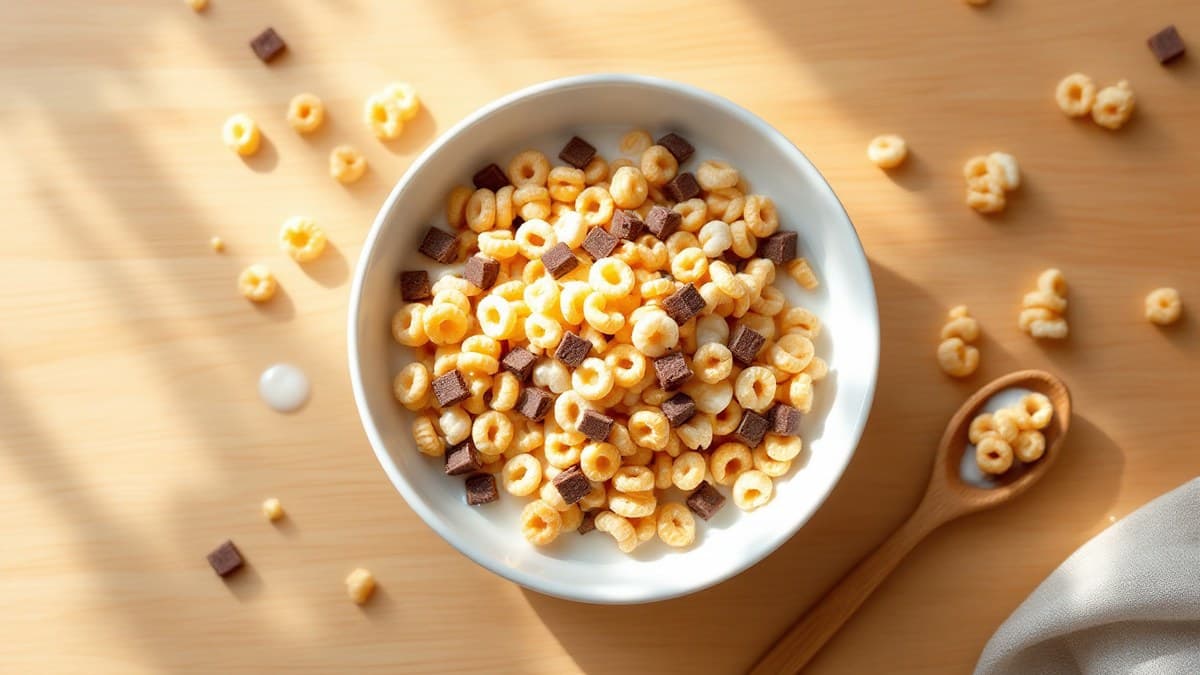
Magic Spoon Frosted delivers 12g of protein and 0g of sugar per 35g (~1 cup) serving for about $1.32 per serving. Kashi GO Original wins on price per gram of protein at grocery — 13g of protein and 8g of fiber for roughly $0.55 per serving. This is every popular high-protein cereal in 2026 ranked by real per-serving protein, sugar, fiber, and cost per gram of protein — plus which ones are honest value and which trade the front-of-box protein claim for a heavy sugar load.
The short answer
Our top protein cereal picks
Editor-selected and ready to buy. As an Amazon Associate we may earn from qualifying purchases.
Buy the products in this guide: Variety 6 - Protein Cereal - 6 box case · Variety 6 · Variety 6 - Protein Treats - 24 Treats (6 Boxes)
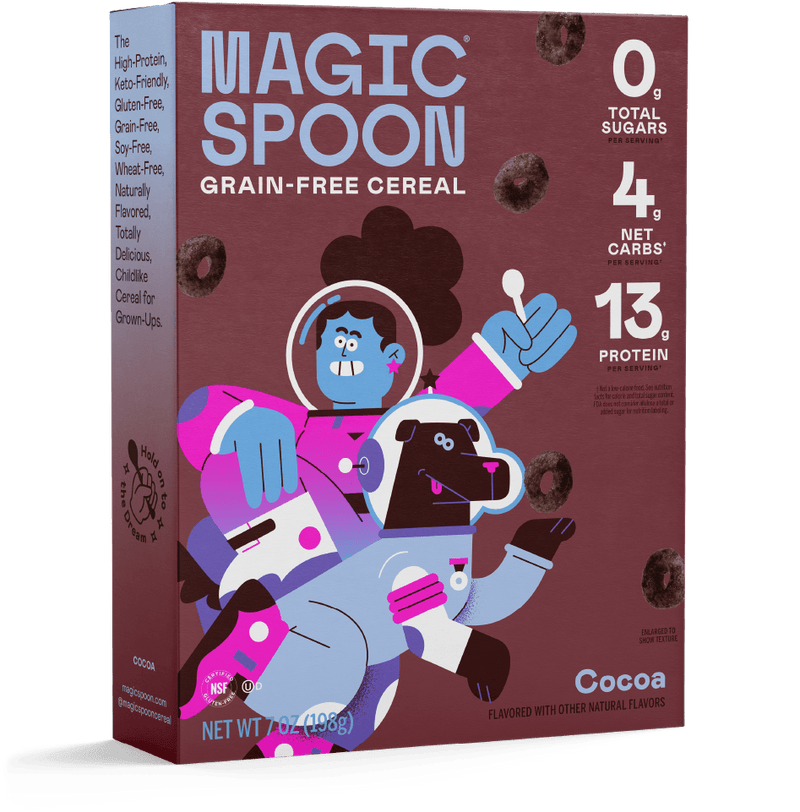 10g protein
 12g protein
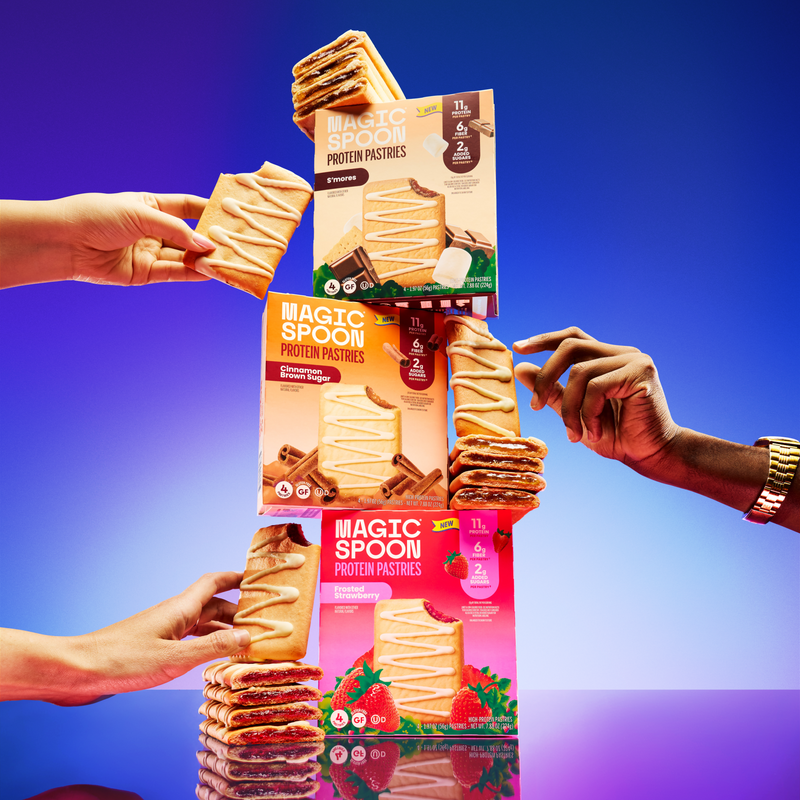 11g protein
Protein Pastries - 24 Pastries
Amazon returns policy · secure checkout
What is the best protein cereal?
Best overall: Magic Spoon Frosted — 12g protein, 0g sugar, 4g fiber, 140 cal per 35g cup, sweetened with allulose and monk fruit. Best cost per gram of protein at grocery: Kashi GO Original — 13g protein and 8g fiber for ~$0.55 per 52g serving, but 11g of sugar. Best keto/low-carb pick: Catalina Crunch Dark Chocolate — 11g protein, 0g sugar, 5g net carbs per 42g cup. Skip “protein” cereals that carry 10–17g of sugar per serving (Special K Protein, Cheerios Protein) if you are eating cereal to control blood sugar or lose weight — the protein number is real but the sugar number cancels the benefit.
Affiliate links — if you buy through them we earn a small commission at no extra cost to you. Rankings and picks below are our own.
All nutrition numbers below come from each brand’s current 2026 nutrition label. Prices are typical US retail on Amazon Subscribe & Save and at grocery; check the current sticker before buying a case. Cost per gram of protein uses the label protein grams — not adjusted for protein quality (which we discuss separately for each pick).
What Is the Best Protein Cereal Overall?
The best all-around high-protein cereal in 2026 is Magic Spoon Frosted (or any variety in the classic line). It delivers 12–13g of protein per 35g serving (about one cup) for 130–140 calories, with 0g of total sugar and 4g of fiber. The protein comes from a real blend of milk protein isolate and whey protein isolate — both complete proteins containing all nine essential amino acids — not from an incomplete filler like collagen. Sweetness comes from allulose and monk fruit, two sweeteners with essentially no impact on blood sugar. It costs meaningfully more than a mainstream grocery cereal at about $1.32 per serving, but it is the only cereal in this comparison that hits a real 12g protein number, a zero-sugar label, and a complete-protein blend at the same time. If any of those three things does not matter to you, Kashi GO Original delivers more protein per dollar at grocery.
Best Protein Cereals 2026: The 7 Picks at a Glance
Every cereal below is verified from its official 2026 nutrition label. Serving sizes vary by brand — 30g to 52g depending on density — so protein per 100 calories is the most useful cross-brand comparison. Sugar alcohols (allulose, erythritol) are excluded from the “sugar” column because they are labeled separately and do not raise blood glucose the way regular sugar does.
| Cereal (per serving) | Protein | Calories | Total Sugar | Fiber | Best for |
|---|---|---|---|---|---|
| Magic Spoon Frosted (35g / ~1 cup) | 12g | 140 | 0g | 4g | Best overall: real protein, zero sugar, complete-protein blend |
| Kashi GO Original (52g / ~1 cup) | 13g | 190 | 11g | 8g | Best cost per gram of protein at grocery; real whole grains |
| Catalina Crunch Dark Chocolate (42g / ~1 cup) | 11g | 110 | 0g | 9g | Best keto/low-carb: 5g net carbs, 0g sugar, high fiber |
| Three Wishes Grain-Free Honey (30g / ~3/4 cup) | 8g | 120 | 3g | 3g | Cleanest grain-free ingredient list; kid-friendly |
| HighKey Cinnamon Cereal (30g / ~1 cup) | 10g | 130 | 0g | 4g | Best strict-keto pick with real fat and no grains |
| Special K Protein Original (44g / ~3/4 cup) | 10g | 150 | 10g | 4g | Cheapest widely-available; grocery convenience only |
| Fiber One Protein (40g / ~3/4 cup) | 10g | 140 | 5g | 10g | Highest fiber mainstream option at a grocery price |
Reading the table: Magic Spoon and Catalina Crunch are the only two “zero-sugar, real-protein-number” picks in the mainstream market. Kashi GO delivers more protein and more fiber per serving than either but carries 11g of sugar — if you use milk that adds another 12g. Three Wishes is the cleanest grain-free option but at 8g of protein is closer to a normal cereal with a protein bump than a true high-protein cereal. HighKey is the strict-keto pick. Special K Protein and Fiber One Protein look cheap on the shelf but both carry meaningful sugar, and Special K in particular is not a real “low-sugar” cereal despite the front-of-box protein claim.
Cost Per Gram of Protein Ranked (Cheapest First)
Cost per gram of protein is the value metric most buyers actually care about — it normalizes for the fact that a 30g Magic Spoon serving with 12g of protein costs more than a 52g Kashi serving with 13g. Prices below assume the typical bulk pack for each brand (a 4-box Magic Spoon case, a 2-pack Catalina Crunch, a single grocery box for Kashi, etc.) at 2026 US Amazon and grocery pricing.
| Cereal | Protein per serving | Typical price per serving | Cost per gram of protein |
|---|---|---|---|
| Kashi GO Original (grocery box) | 13g | $0.55–$0.65 | $0.042–$0.050 |
| Special K Protein Original (grocery box) | 10g | $0.45–$0.55 | $0.045–$0.055 |
| Fiber One Protein (grocery box) | 10g | $0.50–$0.60 | $0.050–$0.060 |
| Three Wishes Grain-Free (6-box case) | 8g | $0.75–$0.95 | $0.094–$0.119 |
| Catalina Crunch (2-pack) | 11g | $1.10–$1.30 | $0.100–$0.118 |
| HighKey Cereal (2-pack) | 10g | $1.05–$1.20 | $0.105–$0.120 |
| Magic Spoon (4-box case) | 12g | $1.25–$1.40 | $0.104–$0.117 |
Reading the table: on pure cost per gram of protein, the two grocery-shelf incumbents (Kashi GO Original and Special K Protein) win by a wide margin at roughly $0.04–$0.06 per gram. The DTC-first “better-for-you” brands (Magic Spoon, Catalina Crunch, HighKey) all sit at roughly $0.10–$0.12 per gram, or roughly double. What you pay for at the premium tier is what is not in the box: no added sugar, no wheat, no whole-food carbs. If sugar is not a constraint for you and price is, Kashi GO is genuinely the cheapest-per-gram-of-protein cereal in the US market at scale. If sugar is the whole reason you are shopping for “protein cereal,” Magic Spoon or Catalina Crunch is the honest pick, even at double the cost per gram.
#1 Best Overall: Magic Spoon Frosted (and Variety Pack)
Magic Spoon Frosted is the closest thing on the market to the childhood-cereal experience with a real protein number and no sugar. At 12g of protein per 35g cup for 140 calories, 0g of total sugar, 4g of fiber, and 5g of fat, it hits the trifecta most other “protein cereals” miss: real protein, real fiber, and no sugar on the label. The protein blend is milk protein isolate and whey protein concentrate — both complete dairy proteins with all nine essential amino acids — not collagen or an incomplete plant filler. Sweetness comes from allulose (~8g) plus monk fruit; allulose has been classified by the FDA as excluded from the “total sugars” and “added sugars” label counts because it is not metabolized as a sugar. The full ingredient stack is grain-free, gluten-free, and grain- and wheat-flour-free (base is milk protein isolate, tapioca starch, and coconut oil).
The honest caveats:
- Cost: At roughly $1.32 per serving in a 4-box case on Amazon, Magic Spoon costs about 2.5x a grocery box of Kashi GO or Special K per serving. Per gram of protein it lands at $0.10–$0.12 — a real premium for zero sugar.
- Small serving size (35g). One cup is a modest bowl. If you eat a large 60g bowl the way most Americans eat cereal, you are consuming closer to 20g of protein and 240 calories — still a good macro, but read the label as one cup, not the whole bowl.
- Allulose can cause gas or GI discomfort at higher doses. Most adults tolerate the ~8g per serving without issue, but a very large bowl (17g+ of allulose) can produce bloating in sensitive users.
- Contains dairy. Not vegan, not dairy-free. If you need a dairy-free protein cereal, Three Wishes is the pick.
#2 Best Value: Kashi GO Original
Kashi GO Original (formerly Kashi GoLean) is the cheapest legitimate high-protein cereal on the US grocery shelf. A single 52g cup serving delivers 13g of protein — more than any Magic Spoon variety — plus 8g of fiber for 190 calories, at a typical grocery price of about $5–$6 per box (roughly $0.55 per serving). Cost per gram of protein comes in at $0.042–$0.050 — the lowest in this comparison by a comfortable margin. The base is a genuine whole-grain blend (whole grain oats, soybean flakes, hard red winter wheat, whole grain barley) and the protein comes primarily from soy protein isolate and wheat protein concentrate. It is one of the very few “protein cereals” that is not built on isolated milk protein and artificial sweeteners.
The honest catch: 11g of total sugar per cup, of which roughly 8g is added. That is more sugar than a full Krispy Kreme original glazed doughnut (~10g). If you eat Kashi GO with a cup of milk, you have crossed 20g of total sugar in a single bowl — more than the AHA daily added-sugar limit for adult women (25g). Kashi GO is the pick for buyers who want a real whole-grain protein cereal at the lowest possible per-gram cost and are already comfortable with grocery-store sugar levels. It is not the pick for anyone specifically shopping for a low-sugar cereal to manage weight, blood sugar, or PCOS.
#3 Best Keto/Low-Carb: Catalina Crunch Dark Chocolate
Catalina Crunch is the low-carb pick that consistently ranks with Magic Spoon on protein and sugar and beats it on fiber. The Dark Chocolate & Cinnamon Toast Crunch variety pack delivers 11g of protein per 42g cup for 110 calories, 0g of total sugar, 9g of fiber, and just 5g of net carbs. Sweetness comes from a blend of monk fruit, stevia, and allulose (with a small amount of other sugar alcohols). The base is a plant-based protein blend (pea protein plus rice protein) rather than milk protein, so it is dairy-free and vegan-friendly — a rare combination among low-sugar protein cereals.
The trade-offs: the pea/rice protein blend is a complete protein by amino-acid coverage but is often described as less palatable than Magic Spoon’s dairy-based blend — the texture is denser and crunchier, closer to a low-carb granola cluster than to a childhood cereal loop. Cost per gram of protein lands at $0.10–$0.12, essentially the same as Magic Spoon. If you specifically want a plant-based, keto-friendly, zero-sugar cereal with the highest fiber count in the category, Catalina Crunch is the pick.
#4 Cleanest Grain-Free: Three Wishes Honey
Three Wishes Grain-Free is the pick for buyers who want the shortest, most parent-recognizable ingredient list — usually chickpea protein, tapioca, pea protein, and cane sugar — without any sugar alcohols, artificial sweeteners, or protein isolates. The Honey variety delivers 8g of protein per 30g (about 3/4 cup) serving for 120 calories, with 3g of total sugar (from real cane sugar), 3g of fiber, and 4g of fat. The lower protein number is the reality of using pea and chickpea protein instead of an isolated milk protein; the trade-off is a legitimately clean label most families are comfortable serving to kids.
Where Three Wishes fits: it is the “cereal for kids and picky eaters” option in this comparison — a small, mild-flavored loop with about 40% more protein than Cheerios and about a third the sugar of Honey Nut Cheerios, from an ingredient list adults will actually recognize. It is not a keto or ultra-low-carb pick, and it is not the highest-protein option if you are trying to hit a large morning protein target on cereal alone.
#5 Best Strict-Keto Pick: HighKey Cinnamon
HighKey Cinnamon Cereal is engineered specifically for a strict ketogenic macro. At 10g of protein per 30g cup for 130 calories, it carries 14g of total carbs but only 4g of net carbs (10g of fiber and allulose subtract out), with 0g of total sugar and 7g of fat. The base is almond flour plus whey protein isolate; sweetness comes primarily from allulose plus a small amount of monk fruit. What differentiates HighKey from Magic Spoon and Catalina Crunch is the higher fat content — 7g per serving vs. 3–5g — which is a feature if you are eating keto and specifically want fat calories from your breakfast, and a drawback if you are trying to control calories on a lower-fat diet.
Cost per gram of protein lands at $0.10–$0.12, same neighborhood as Magic Spoon and Catalina Crunch. If you follow a strict ketogenic macro (under 20–30g of net carbs per day), HighKey is the pick because it fits the fat target as well as the carb target; if you follow a lower-carb-but-not-strict-keto approach, Magic Spoon or Catalina Crunch is the leaner option.
#6 Cheapest Widely-Available: Special K Protein Original
Special K Protein is the cereal most Americans actually buy when they walk into a grocery store looking for “protein cereal” — it is stocked at essentially every Kroger, Walmart, Target, and drugstore in the country at roughly $4.50–$5.50 per box. A 3/4 cup (44g) serving delivers 10g of protein for 150 calories, with 4g of fiber. Cost per serving lands at $0.45–$0.55 (about $0.05 per gram of protein), which is competitive with Kashi GO on price.
The honest catch: 10g of total sugar per serving, most of which is added sugar. Special K Protein is functionally a sweetened, protein-enriched grain cereal rather than a low-sugar high-protein cereal — the protein number is real (soy protein isolate plus wheat protein isolate), but the sugar load is on par with a mainstream sweetened cereal, not with Magic Spoon or Catalina Crunch. If you want a cheap, convenient protein-cereal option available at any grocery store and you are not managing sugar closely, Special K Protein is a fair buy. If sugar is the reason you are shopping for a protein cereal in the first place, this is the wrong box.
#7 Highest Fiber Mainstream: Fiber One Protein
Fiber One Protein delivers the highest fiber count of any mainstream grocery cereal in this comparison at 10g of fiber per 3/4 cup (40g) serving, alongside 10g of protein and 140 calories. That fiber count is genuinely useful for satiety and digestive regularity, and it matches Catalina Crunch’s fiber level at less than half the price per serving ($0.50–$0.60 vs. $1.10–$1.30). The protein comes primarily from soy protein isolate plus wheat protein.
The honest catch: 5g of total sugar per serving. Lower than Special K Protein or Kashi GO but not a “zero sugar” cereal — and the fiber blend is heavily reliant on chicory root and other added functional fibers, which can cause gas and bloating in sensitive users at higher intakes. Fiber One Protein is the pick if you want a high-fiber, moderate-protein grocery cereal and are comfortable with 5g of added sugar per serving. If total sugar is the primary constraint, Magic Spoon or Catalina Crunch is the honest pick even at a higher price.
Is 10g of Protein in a Cereal Actually High Protein?
On its own, 10g of protein in a serving of cereal is a meaningful upgrade over a mainstream cereal (Cheerios at 3g, Rice Krispies at 2g, Frosted Flakes at 1g) but it is not a full protein target for a meal. Most nutrition guidance suggests 25–35g of protein per meal for adults trying to maintain muscle mass or lose fat while preserving lean mass. Practically, a “high protein cereal” only becomes a real high-protein breakfast when you pair it with a source of complete protein alongside — usually cow’s milk (8g per cup), Greek yogurt (~17g per 3/4 cup), or a protein shake poured over the bowl. Magic Spoon or Kashi GO with a cup of milk hits 20–21g of protein per bowl, which is genuinely a real protein breakfast. Cereal alone at 8–13g is the beginning of a protein meal, not the whole meal.
What to Look For in a Protein Cereal
The front-of-box protein number is the starting filter, not the whole story. Four things that actually differentiate a good protein cereal from a marketing-first “protein” label:
- Protein source and completeness. Whey protein isolate, milk protein isolate, and soy protein isolate are complete proteins. A pea + rice blend (Catalina Crunch) or pea + chickpea blend (Three Wishes) covers all essential amino acids when paired correctly — look for both on the ingredient list. Wheat protein alone is not complete (low in lysine).
- Total sugar, not just added sugar. Some protein cereals list “0g added sugar” on the front while carrying 8–11g of total sugar from raisins, honey, or fruit pieces (Kashi GO). If you are eating cereal to manage blood sugar, the total sugar number is what matters — the body does not distinguish added from natural once the food is in your stomach.
- Fiber for satiety. A cereal with 10g of protein and 1g of fiber will leave you hungry in 60 minutes. Quest bars taught the market that fiber is what makes a high-protein product filling. Catalina Crunch (9g), Fiber One Protein (10g), and Kashi GO (8g) lead the fiber column; Magic Spoon and HighKey sit at 4g.
- Serving size sanity. A 30–35g “serving” on the box is about one cup. Most adults eat 60–75g of cereal in a bowl. Double the label numbers when you compare across brands and against what you actually pour.
Which Protein Cereals Should You Actually Skip?
Two categories of “protein cereal” are a false economy in 2026:
- Sweetened kids’ cereals with a “protein” front-of-box claim. Cheerios Protein Cinnamon Almond and similar reformulated grocery cereals sit at 7–11g of protein per bowl but carry 12–17g of sugar — the same or more sugar than the non-protein original, plus a modest protein bump. If you shop by the front-of-box protein claim without turning the box over, these are the cereals that will trick you.
- Protein granolas eaten in cereal-sized bowls. Protein granolas (Magic Spoon Grain-Free Granola, Bear Naked Protein, KIND Granola Clusters) typically list 8–14g of protein per 2/3 cup serving. That is genuinely high per serving, but a normal “granola bowl” is closer to 1.5 cups — which more than doubles the calorie count and doubles the fat. If you eat granola like cereal, the calorie load moves from 130 to 350+ per bowl. Compare protein granolas on the granola-specific side in our best protein granola brands ranked guide, not against cereals.
Frequently Asked Questions
What is the best protein cereal in 2026?
Magic Spoon Frosted is the best all-around protein cereal for most buyers — 12g of protein per 35g cup, 0g of total sugar, 4g of fiber, and a complete-protein blend of milk protein isolate and whey protein concentrate. Kashi GO Original is the best per-dollar option on the grocery shelf at 13g of protein for about $0.55 per serving, with the caveat that it carries 11g of sugar. Catalina Crunch Dark Chocolate is the pick for keto and low-carb buyers at 11g of protein, 5g of net carbs, and 0g of sugar per serving.
Which protein cereal has the most protein per serving?
Kashi GO Original at 13g of protein per 52g cup is the highest per-serving protein cereal in this comparison. Magic Spoon Frosted delivers 12g per 35g cup, which is a higher protein density by weight but a smaller absolute number per typical bowl. If protein per calorie matters most, Catalina Crunch (11g protein for 110 calories = 10g per 100 cal) is the leader.
Is Magic Spoon actually healthy?
Magic Spoon is a real high-protein, zero-sugar cereal — not a marketing gimmick. The 12g protein claim is delivered by real milk protein isolate and whey protein concentrate, both complete proteins. The 0g sugar claim is delivered by using allulose (a rare sugar not metabolized as a sugar) and monk fruit rather than sucralose or aspartame. The honest caveats: it is grain-free (base is milk protein isolate and tapioca starch), contains dairy, and can cause GI discomfort in a very large serving because of the allulose load. For most people looking for a low-sugar cereal with real protein, it is one of the cleanest options on the market.
Which protein cereal is best for weight loss?
Catalina Crunch or Magic Spoon. Both deliver 10–12g of protein per serving with 0g of sugar and moderate calories (110–140), which is the profile most conducive to satiety on a calorie deficit. Kashi GO’s 8g of fiber is helpful for satiety but the 11g of sugar per serving works against a weight-loss goal for anyone insulin-sensitive. Special K Protein at 10g of sugar per serving is not a real weight-loss cereal despite the front-of-box protein claim.
Is Kashi GO Original the same as Kashi GoLean?
Yes. Kashi renamed the GoLean line to Kashi GO around 2020–2021 as part of a broader brand refresh. The GO Original variety carries the same 13g protein / 8g fiber profile as the original GoLean, though minor formulation tweaks have shifted the sugar content by a gram or two over time — always read the current box.
What is the cheapest high-protein cereal?
Kashi GO Original at roughly $0.55 per 52g serving (about $0.042–$0.050 per gram of protein) is the cheapest legitimate high-protein cereal on the US grocery shelf. Special K Protein is very close at $0.45–$0.55 per serving with 10g of protein. Both are meaningfully cheaper per gram of protein than the DTC-first brands (Magic Spoon, Catalina Crunch, HighKey), which sit at $0.10–$0.12 per gram. If sugar is not a constraint, Kashi GO wins on cost; if sugar is the whole reason you are shopping, Magic Spoon or Catalina Crunch is the honest pick.
Can I eat protein cereal every day?
Yes, if the specific box you pick fits your goals. A single serving of any cereal on this list is nutritionally reasonable for daily use — the health question is what you pour on it (milk, yogurt, fruit) and how much you actually eat per bowl. If you are eating protein cereal every day for the protein number and eating a 60–70g bowl rather than the 30–35g listed serving, you are consuming closer to 20–24g of protein and 260–280 calories from the cereal alone, which is a legitimate high-protein breakfast when paired with milk or yogurt.
Are protein cereals better than protein bars for breakfast?
They serve different jobs. A protein cereal bowl paired with milk delivers roughly 20g of protein plus 300–350 calories from a real meal that keeps you full for 3–4 hours. A protein bar delivers roughly the same 20g of protein in 190–220 calories in 30 seconds of eating, but is a snack format and typically doesn’t sustain fullness as long as a bowl of cereal with milk. If you have 5 minutes for breakfast, cereal is the better meal. If you have zero minutes, a bar is the fallback. For the bar-side comparison, see our best protein bars of 2026 guide.
Bottom line: Magic Spoon Frosted wins on the best combination of real protein, zero sugar, and a complete-protein blend — 12g protein, 0g sugar, 4g fiber per 35g cup — at a premium of about $1.32 per serving. Kashi GO Original wins on price per gram of protein at grocery (13g protein for $0.55 per serving) if you can tolerate 11g of sugar per cup. Catalina Crunch Dark Chocolate is the keto/low-carb pick at 11g protein, 0g sugar, and 5g of net carbs. Three Wishes is the cleanest grain-free option for kids and picky eaters; HighKey is the pick for strict-keto macros; Special K Protein and Fiber One Protein are legitimate cheap grocery options only if you are comfortable with 5–10g of sugar per serving. Compare against protein granolas in our best protein granola brands ranked guide, protein bars in our best protein bars 2026, and the full high-protein snack universe in the protein snacks directory.
Shop our top protein cereal picks
Editor-selected high-protein options related to this guide. As an Amazon Associate we may earn from qualifying purchases.
Buy the products in this guide: Variety 6 - Protein Cereal - 6 box case · Variety 6 · Variety 6 - Protein Treats - 24 Treats (6 Boxes)
10g protein12g protein11g proteinProtein Pastries - 24 Pastries
Amazon returns policy · secure checkout
Tags
High Protein Snacks Pro Editorial Team
Independently researched and editorially reviewed. We compare real nutrition labels and never accept payment for coverage.
Get the best new protein snacks in your inbox
Weekly picks and honest reviews — no spam, unsubscribe anytime.
More from the journal
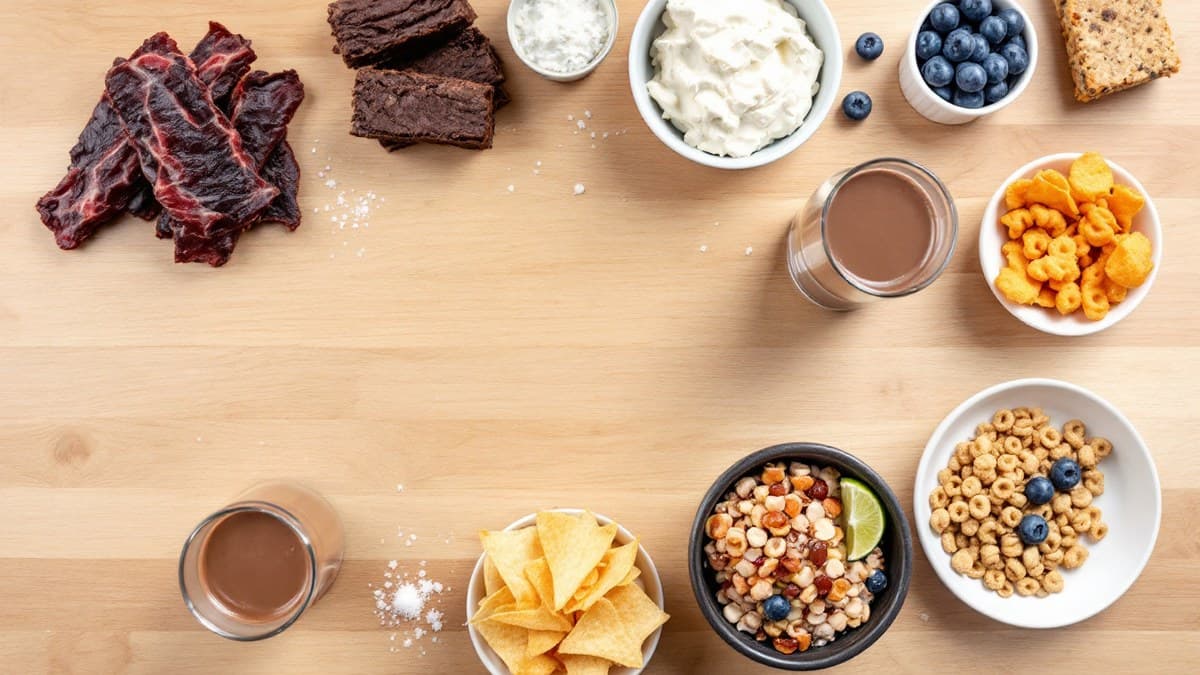
Best High-Protein Snacks (2026): 10 Category Winners Ranked by Verified Nutrition Labels
Country Archer Zero Sugar Classic is the best beef jerky, FAGE Total 0% is the best Greek yogurt, and Quest Chocolate Chip Cookie Dough is the best packaged protein bar — one verified pick per category across ten snack formats, ranked on real 2026 nutrition labels with honest sweetener and sodium disclosure. Every pick has 15g+ of protein per serving (or protein-per-100-calorie efficiency that matters more), a clean enough label to defend, and a tracked buy link — with the honest catches on each one so you can pick the right pick for your goal.
Read more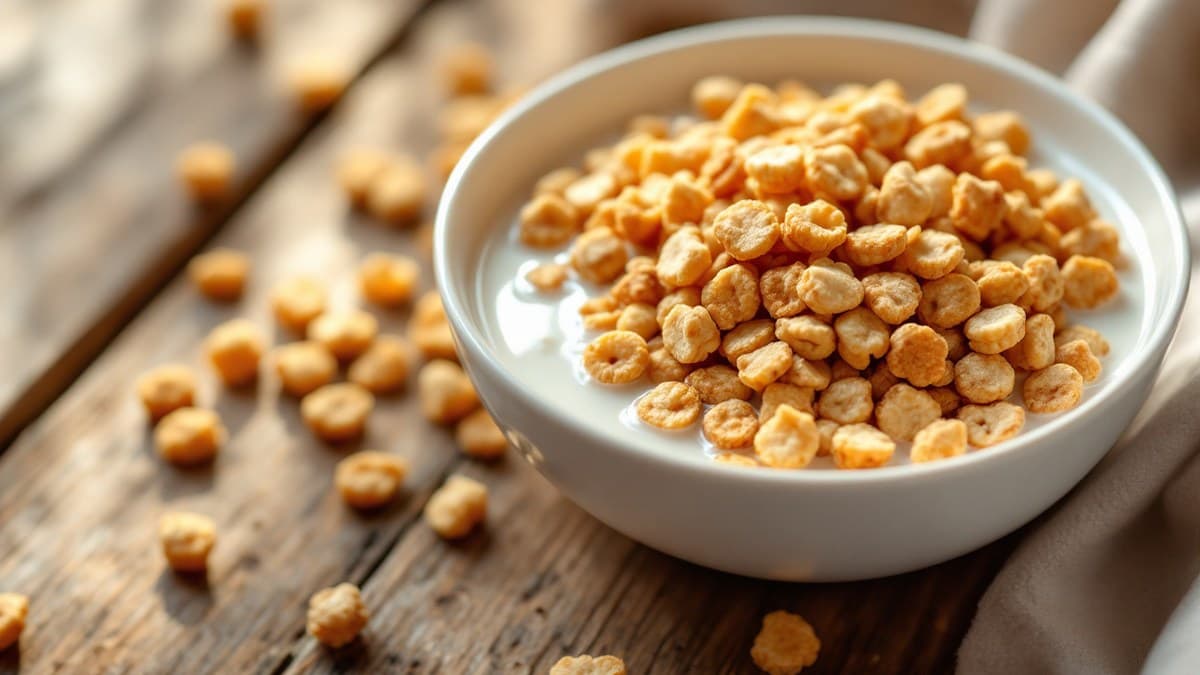
Catalina Crunch Nutrition Facts (2026): 11g Protein and 0g Sugar Per Bowl Explained
Catalina Crunch delivers 11g of plant-based protein, 9g of prebiotic fiber, and 0g of sugar in a single half-cup (36g) serving at 110 calories. Verified 2026 nutrition facts for all major flavors, a breakdown of the pea protein blend and monk fruit sweetener system, and a direct comparison with Magic Spoon and Kashi Go.
Read more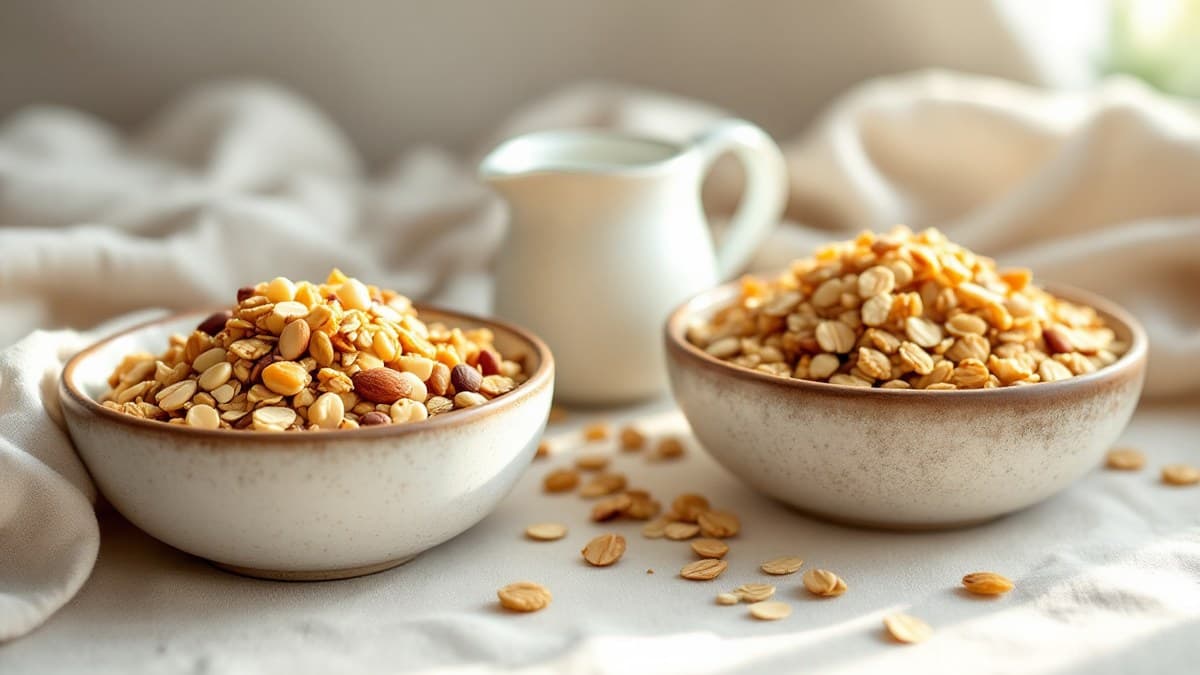
Magic Spoon vs Nature Valley Protein Granola (2026): Nearly Identical Protein, 8× the Sugar
Magic Spoon Grain-Free Protein Granola delivers 14g of protein for 260 calories and 2g of sugar per 2/3 cup. Nature Valley Protein Granola Oats & Honey delivers 13g of protein for 280 calories and 16g of sugar (15g added) per 2/3 cup. Verified 2026 head-to-head from each brand's own nutrition label — the protein numbers are within one gram, but the sugar and carb load differ by an order of magnitude. Cost per gram of protein, who each fits, and the honest trade-offs.
Read more