Best High-Protein Yogurt 2026: 6 Brands Ranked, Up to 25g Protein per Cup
Six high-protein yogurts ranked head-to-head by total protein and protein density. Ratio Protein leads on total protein (25g per 5.3 oz cup at 170 calories); FAGE Total 0% leads on density (20g of protein per 100 calories at just 90 calories per serving). Every number from the manufacturer's own 2026 Nutrition Facts panel, cross-checked at three or more retailer nutrition databases.
Our top Greek yogurt picks
Editor-selected and ready to buy. As an Amazon Associate we may earn from qualifying purchases.
 10g protein
 12g protein18g protein
Direct Answer
The highest-protein single-serve yogurt cup in 2026 is Ratio Protein Vanilla: 25g of protein per 5.3 oz cup at 170 calories. The highest protein-per-calorie is FAGE Total 0%: 18g of protein at 90 calories — 20g per 100 calories — achieved with nothing but strained nonfat milk and live cultures. Every figure below was read from the brand’s own published Nutrition Facts panel in October–November 2026, cross-checked at three or more retailer nutrition databases.
The yogurt aisle holds more protein per dollar than almost anywhere else in the grocery store — but the protein numbers printed on the front of the cup span from 12g to 25g per single-serve container, and the calorie cost of those grams varies just as widely. Ratio Protein and Oikos Pro use ultra-filtered milk and added whey to push the protein ceiling higher; FAGE and siggi’s get there by straining longer with no additives; Chobani Complete and Two Good trade total protein for flavor at a lower calorie footprint. This guide ranks all six on both total protein per cup and protein density so you can pick the one that fits your actual goal.
Affiliate links — if you buy through them we earn a small commission at no extra cost to you. Prices vary by retailer and are not listed because they change weekly. All nutrition figures from each brand’s own 2026 Nutrition Facts panel, read in October–November 2026.
All 6 High-Protein Yogurts Ranked
Both rankings matter: total protein tells you how much protein you get from one cup; protein per 100 calories shows how efficient that protein is relative to your calorie budget.
| Rank by protein | Brand / product | Serving | Cal | Protein | Protein / 100 cal | Sweetener |
|---|---|---|---|---|---|---|
| 1 | Ratio Protein Vanilla | 5.3 oz (150g) cup | 170 | 25g | 14.7g | Stevia + monk fruit |
| 2 | Oikos Pro Vanilla | 5.3 oz (150g) cup | 130 | 20g | 15.4g | Stevia extract |
| 3 | siggi’s 0% Plain | 5.9 oz (167g) cup | 100 | 19g | 19.0g | None (plain) |
| 4 | FAGE Total 0% Plain | 6 oz (170g) serving | 90 | 18g | 20.0g | None |
| 5 | Chobani Complete Vanilla | 5.3 oz (150g) cup | 120 | 15g | 12.5g | None (0g added sugar) |
| 6 | Two Good Vanilla | 5.3 oz (150g) cup | 80 | 12g | 15.0g | Monk fruit extract |
Two products lead the table on different metrics. Ratio Protein wins on total grams (25g) because it supplements ultra-filtered milk with whey protein concentrate. FAGE Total 0% wins on density (20g per 100 cal) because straining concentrates protein relative to calories without adding anything else. They are answering two different questions: “how much protein can I get from one cup?” versus “how do I get the most protein while spending the fewest calories?”
1. Ratio Protein Vanilla — Most Protein per Cup
25g protein · 170 calories · 4g fat · 9g carbs · 3g sugar (0g added) · 100mg sodium · 5.3 oz cup
Ratio Protein (made by Dannon) reaches 25g of protein per 5.3 oz cup by starting from ultra-filtered nonfat milk and adding whey protein concentrate — the same two-step approach Oikos Pro uses, taken further. The Vanilla cup lists 170 calories, 25g of protein, 4g of fat, 9g of carbohydrate, 3g of total sugar and 0g added sugar, plus 100mg of sodium. That is more protein per single-serve cup than any Greek yogurt produced by straining alone can match without an implausibly large container. At 14.7g of protein per 100 calories the density is lower than FAGE or siggi’s, because the added whey and fat carry extra calories alongside the extra protein. Ratio Protein uses stevia and monk fruit as sweeteners, making the Vanilla cup noticeably sweet. Data verified at Hannaford, Stop & Shop, Giant Food, H-E-B and Albertsons nutrition databases, October–November 2026. For a direct comparison with Oikos Triple Zero see our Oikos Triple Zero vs Ratio Protein guide.
Check Ratio Protein on Amazon →
2. Oikos Pro Vanilla — Best Balance of Protein and Calories
20g protein · 130 calories · 3g fat · 6g carbs · 3g sugar (0g added) · 45mg sodium · 220mg calcium (15% DV) · 5.3 oz cup
Oikos Pro Vanilla uses the same approach as Ratio Protein (ultra-filtered nonfat milk plus whey protein concentrate) but stops at 20g of protein in a 130-calorie cup. That is 5g less protein than Ratio but 40 fewer calories, and 15.4g of protein per 100 calories sits usefully between Ratio’s 14.7g and the plain-strained leaders. The Vanilla cup adds 220mg of calcium (15% DV) and vitamin B12 at 50% of the daily value — more than any other product in this comparison. Sodium is 45mg, the lowest here. Sweetened with stevia extract. Full breakdown in our Oikos Pro nutrition facts guide.
3. siggi’s 0% Plain — Best High-Protein, No-Sweetener Option
19g protein · 100 calories · 0g fat · 5g sugar (all lactose, 0g added) · 5.9 oz cup
siggi’s 0% Plain is Icelandic-style skyr — strained so thoroughly that a 5.9 oz cup concentrates to 19g of protein at 100 calories with 0g of fat and no additives beyond live cultures. That is 19g of protein per 100 calories, second only to FAGE Total 0% on density. The ingredient list is two items: nonfat milk and live active cultures. No sweetener, no thickener, no added protein. siggi’s is noticeably tangier than conventional Greek yogurt. The flavored cups add cane sugar, which pushes protein density down significantly — the plain version is the only one that hits 19g. Full breakdown in our siggi’s nutrition facts guide.
4. FAGE Total 0% Plain — Best Protein Density
18g protein · 90 calories · 0g fat · 5g sugar (all lactose, 0g added) · 200mg calcium (15% DV) · 170g (6 oz) serving
FAGE Total 0% is the gold standard for Greek yogurt protein density: 18g of protein at 90 calories per 170g serving — 20g of protein per 100 calories — with an ingredient list of two items (Grade A pasteurized skimmed milk and five live active cultures) and nothing else. In the 5.3 oz cup it lists 16g of protein for 80 calories, the same 20g-per-100-cal ratio. It is the most protein-efficient yogurt in any supermarket dairy section, more efficient per calorie than all three yogurts above it on the total-protein ranking despite having fewer total grams. For how it compares to Chobani see FAGE vs Chobani; for the full Oikos matchup see Oikos vs FAGE.
Check FAGE Total 0% on Amazon →
5. Chobani Complete Vanilla — Best Option With Fiber
15g protein · 120 calories · 3g fat · 10g carbs · 6g sugar (0g added) · 3g fiber · 5.3 oz cup
Chobani Complete sits fifth on total protein (15g) at 120 calories, but it is the only yogurt in this group with dietary fiber listed on its panel at 3g per cup. That fiber, combined with protein, makes it notably more filling than plain yogurt at the same calorie count. The Vanilla cup lists 0g added sugar; the sweetness comes from 6g of naturally occurring lactose sugar and natural flavors. At 12.5g of protein per 100 calories it is the lowest density here, but the fiber makes it the pick for people who want something that functions as a meal rather than a supplement. Full breakdown in our Chobani nutrition facts guide.
Check Chobani Complete on Amazon →
6. Two Good Vanilla — Lowest Calories, Lowest Sugar
12g protein · 80 calories · 0g fat · 2g total sugar · monk fruit extract · 5.3 oz cup
Two Good Vanilla lands last on total protein (12g) but 12g per 80-calorie cup is 15g of protein per 100 calories — above Ratio Protein and Chobani on the density metric. Two Good achieves 2g of total sugar through an extended fermentation process that breaks down most of the lactose, then sweetens the result with monk fruit extract. It is the pick for strict sugar-watchers who still want a flavored yogurt. Full breakdown in our Two Good yogurt nutrition guide.
Is High-Protein Yogurt Healthy?
Yes, with one caveat per product. Greek yogurt and skyr are among the most nutrient-dense whole foods in a supermarket: they deliver complete protein (all nine essential amino acids), significant calcium, live probiotic cultures, and essentially no calorie-to-nutrient waste in the plain versions. Ratio Protein and Oikos Pro add whey protein concentrate to reach their protein counts — a real-food ingredient, but it means the ingredient list is longer and the cup carries 2.5–4g of saturated fat that plain nonfat yogurt does not. Ratio Protein, Oikos Pro, and Two Good use stevia or monk fruit for sweetness at “0g added sugar”; both sweeteners are FDA-permitted but some people prefer to avoid them. FAGE Total 0% and siggi’s 0% plain have nothing added — their “5g of sugar” is entirely naturally occurring lactose. Chobani Complete is the only cup here with fiber, which improves satiety. If a doctor has you limiting saturated fat, the plain-strained options are the correct choice at 0g fat per cup.
Who Should Buy Each One
| Your goal | Best pick | Why |
|---|---|---|
| Maximum protein per cup, sweetened | Ratio Protein Vanilla | 25g — no other standard cup comes close |
| Most protein per calorie | FAGE Total 0% | 20g per 100 cal; shortest ingredient list |
| High protein, no sweetener, very low calorie | siggi’s 0% Plain | 19g at 100 calories, 0g fat, two ingredients |
| Protein + fiber for fullness | Chobani Complete | Only option with 3g fiber |
| Very low sugar with flavor | Two Good Vanilla | 2g total sugar at 80 calories |
| High protein, reasonable calories, most calcium | Oikos Pro Vanilla | 20g per cup at 130 cal; 220mg calcium, 50% DV B12 |
Frequently Asked Questions
Which yogurt has the most protein?
Per single-serve cup, Ratio Protein Vanilla has the most at 25g per 5.3 oz cup at 170 calories. Oikos Pro Vanilla is second at 20g per 5.3 oz cup at 130 calories. In the plain-strained category, siggi’s 0% Plain leads at 19g per 5.9 oz cup at 100 calories, with FAGE Total 0% next at 18g per 6 oz serving at 90 calories. All figures from each brand’s own 2026 Nutrition Facts panel, cross-checked at three or more retailer nutrition databases in October–November 2026.
Which has more protein: FAGE 0% or siggi’s?
Per cup, siggi’s 0% Plain has slightly more at 19g per 5.9 oz cup against FAGE Total 0%’s 18g per 6 oz serving. Per 100 calories, FAGE is marginally higher at 20.0g versus siggi’s 19.0g. The difference is small enough that availability and preference for the flavor profile — siggi’s is tangier — matter more than the one-gram gap. For a detailed head-to-head see our FAGE vs siggi’s comparison.
Is Ratio Protein Yogurt good for you?
Ratio Protein delivers 25g of protein per cup with 0g added sugar, 4g of fat and 170 calories, using ultra-filtered nonfat milk plus whey protein concentrate. The catches are the sweeteners (stevia and monk fruit) and 4g of fat per cup (2.5g saturated) versus 0g in plain nonfat strained yogurt. Neither is a red flag for most buyers — if you prefer unsweetened products and 0g fat, FAGE or siggi’s plain are the alternatives.
Is Greek yogurt or skyr higher in protein?
In the plain-strained category they are nearly identical. siggi’s skyr delivers 19g per cup at 100 calories; FAGE Greek yogurt delivers 18g per 170g serving at 90 calories. Both use the same straining principle to concentrate protein, and the one-gram difference is within normal batch variation. Skyr is traditionally strained longer and uses a different bacterial culture, but the nutrition panel difference is not meaningful at 1g of protein and 10 calories.
How do high-protein yogurts compare to protein bars on protein density?
Plain strained yogurt is consistently more protein-dense per calorie than most protein bars. FAGE Total 0% delivers 20g of protein per 100 calories; a Quest Bar delivers 11g per 100 calories; a DAVID bar delivers 18.7g per 100 calories (the closest any bar gets to matching plain yogurt). The fortified yogurts (Ratio Protein, Oikos Pro) sit lower at 14–15g per 100 calories because of the added fat and carbohydrates. Protein bars win on portability and no refrigeration; plain strained yogurt wins on protein efficiency and shorter ingredient lists. For a broader look see our best Greek yogurt brands ranked guide.
Bottom line: buy Ratio Protein Vanilla if the number on the label is what matters most — no standard single-serve yogurt cup delivers more than 25g. Buy FAGE Total 0% if calorie efficiency is the priority: 20g of protein per 100 calories with two ingredients and 0g fat. Oikos Pro is the right middle ground: more protein than FAGE, fewer calories and less sweetener than Ratio. siggi’s 0% Plain is the best unsweetened high-protein option. Two Good is the correct call when sugar matters most. For full head-to-head comparisons see Oikos vs FAGE, FAGE vs Chobani, and the best Greek yogurt brands ranked guide.
Shop our top Greek yogurt picks
Editor-selected high-protein options related to this guide. As an Amazon Associate we may earn from qualifying purchases.
10g protein12g protein18g proteinTags
High Protein Snacks Pro Editorial Team
Independently researched and editorially reviewed. We compare real nutrition labels and never accept payment for coverage.
Get the best new protein snacks in your inbox
Weekly picks and honest reviews — no spam, unsubscribe anytime.
More from the journal
Oikos Pro Nutrition Facts (2026): 20g Protein Per Cup, All Flavors Verified, and How It Compares to Oikos Triple Zero
A single 5.3oz cup of Oikos Pro delivers 20g of protein and 0g of added sugar at 140 calories — 33% more protein than Oikos Triple Zero in the same serving. Verified per-cup nutrition facts for every Oikos Pro flavor, what ultra-filtered milk actually does to the label, and a head-to-head comparison with Oikos Triple Zero, Ratio PROTEIN, and Two Good to help you pick the right cup.
Read more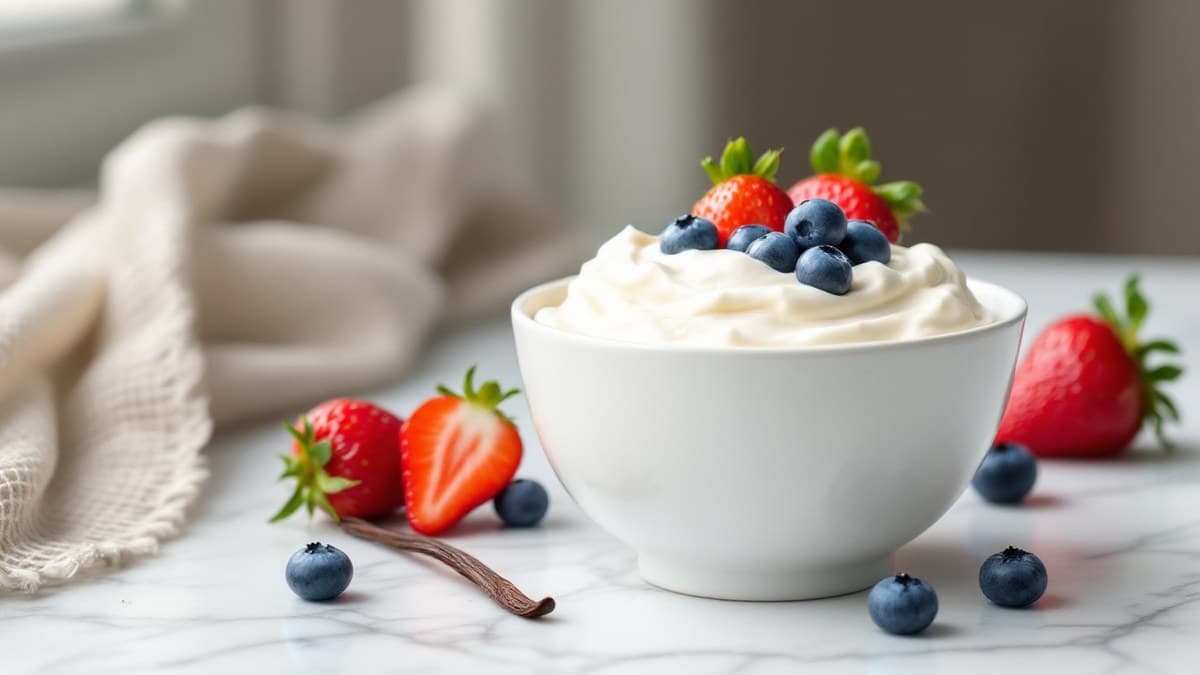
:ratio PROTEIN Yogurt Nutrition Facts (2026): 25g Protein, 170 Calories, Zero Added Sugar — All Flavors Verified
:ratio PROTEIN yogurt packs 25 grams of protein into a 5.3 oz cup for 170 calories and just 3 grams of naturally-occurring sugar — no added sugar, sweetened only with sucralose. It achieves that protein density by combining ultra-filtered nonfat milk with whey protein concentrate, producing roughly 4× the protein of a traditional yogurt cup. Here is the complete verified label, a flavor-by-flavor breakdown, and a head-to-head against Oikos Triple Zero, Two Good, and Siggi’s.
Read more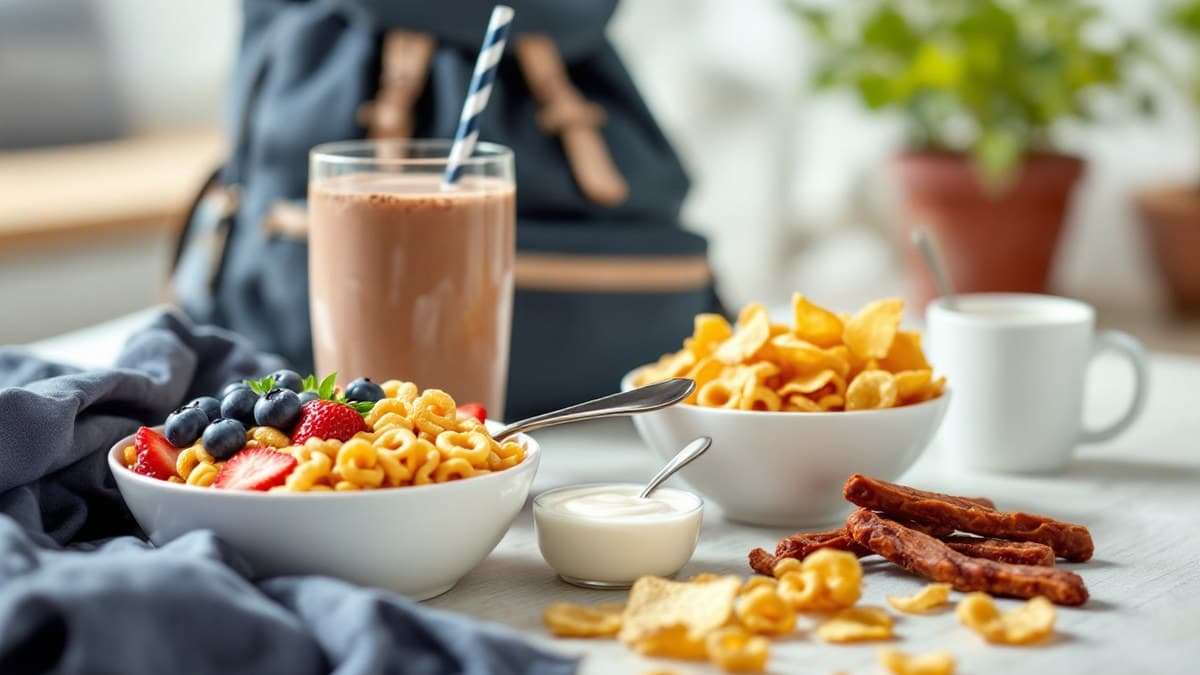
Best High-Protein Snacks for Teens (2026): 6 Verified Picks, Ranked by Protein Per Serving
Most high-protein snack rankings are written for adults counting calories, which is the wrong lens for a growing teenager. Premier Protein Chocolate leads on raw protein at 30g per 160-calorie bottle with no refrigeration, FAGE Total 0% plain is the best everyday pick at 18g for 90 calories, and Chomps beef sticks (10g, 0g sugar) are the one thing that survives a backpack. Verified October 2026 label data for all 6, plus the American Academy of Pediatrics number for how much protein a teen actually needs — and which flavors hide caffeine.
Read more