Best High-Protein Snacks for Kids (2026): Age-by-Age Guide With Exact Protein Targets — Toddlers to Teens
A toddler's full-day protein target (13g) is what an adult gets from one Quest bar. Here are the 10 best real-food snacks matched to each age group — with verified protein numbers and the adult bars you should skip.
The short answer
Our top high-protein picks
Editor-selected and ready to buy. As an Amazon Associate we may earn from qualifying purchases.
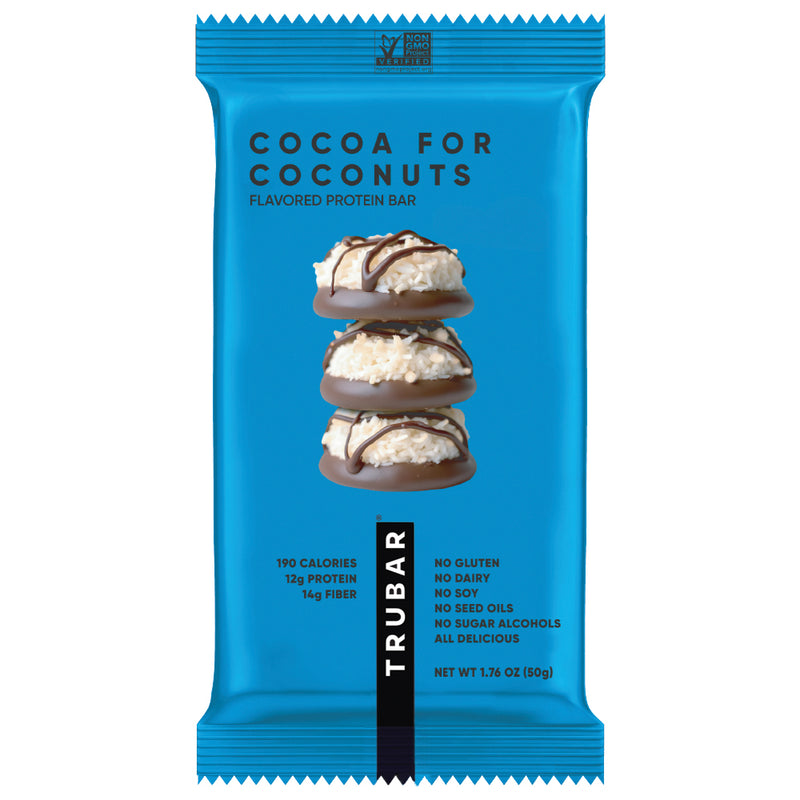 12g protein
Cocoa for Coconuts TRUBAR Nutrition and Protein Bar
Amazon returns policy · secure checkout
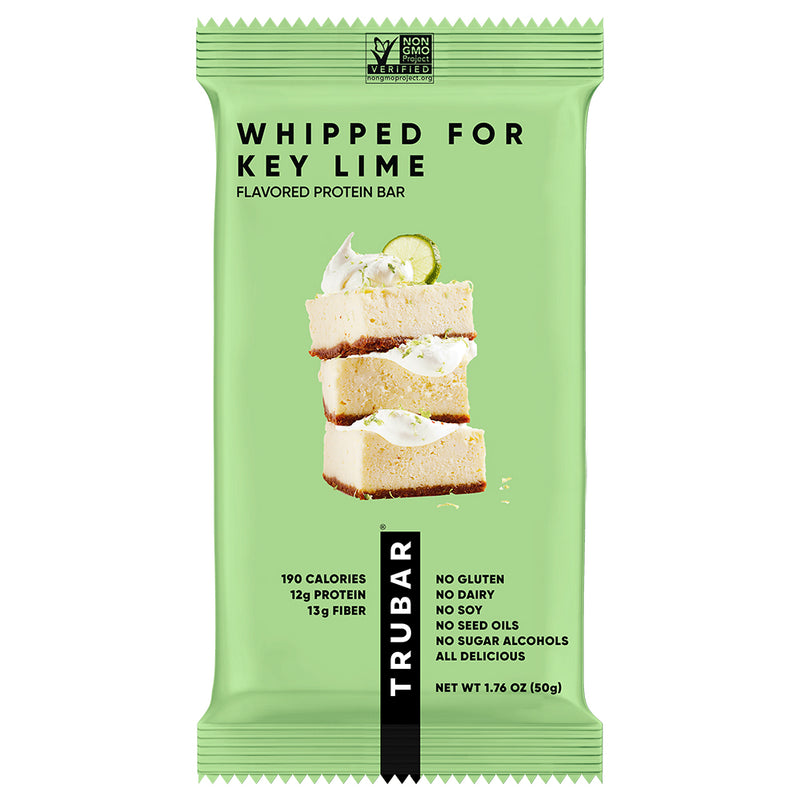 12g protein
Whipped For Key Lime TRUBAR Nutrition and Protein Bar
Amazon returns policy · secure checkout
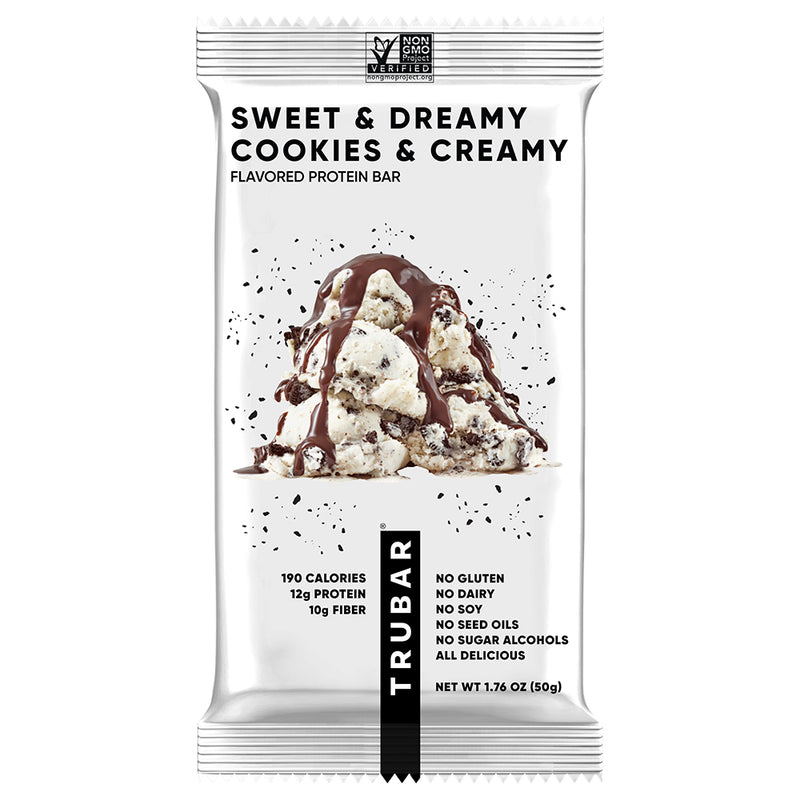 12g protein
Sweet & Dreamy, Cookies & Creamy
Amazon returns policy · secure checkout
Daily Protein Targets by Age (USDA DRI)
| Age Group | Daily Protein Target | Per-Snack Target |
|---|---|---|
| Toddlers (1–3) | 13g/day | 4–5g per snack |
| School-age (4–8) | 19g/day | 5–7g per snack |
| Tweens (9–13) | 34g/day | 8–12g per snack |
| Teen girls (14–18) | 46g/day | 12–15g per snack |
| Teen boys (14–18) | 52g/day | 14–17g per snack |
High-Protein Snacks for Kids: Quick Comparison
| Snack | Serving | Protein | Calories | Best Age Group | Why It Works |
|---|---|---|---|---|---|
| String cheese | 1 stick | 6g | 80 | All ages (1+) | Portable, familiar, no prep |
| Full-fat Greek yogurt | 5.3 oz cup | 15–17g | 130–150 | 2+ years | High protein, calcium, real food |
| Hard-boiled egg | 1 large | 6g | 70 | All ages (1+) | Whole food, portable, nutrient-dense |
| Turkey roll-ups | 2–3 slices | 10–15g | 80–110 | 3+ years | High protein, low sugar, easy variety |
| Shelled edamame | 1/2 cup | 9g | 95 | 4+ years | Plant protein, fiber, fun to eat |
| Chomps beef stick | 1 stick | 9g | 100 | 4+ years | No nitrates, clean ingredient list |
| Tuna pouch | 2.6 oz pouch | 17g | 90 | 6+ years | Highest protein per calorie |
| FAGE 0% plain Greek yogurt | 7 oz | 20g | 100 | 8+ years | Very high protein, minimal sugar |
| Cottage cheese | 1/2 cup | 13g | 110 | 2+ years | Casein protein, calcium-rich, filling |
| Oikos Triple Zero yogurt | 5.3 oz cup | 15g | 100 | 10+ years | High protein, no added sugar |
Toddlers (Ages 1–3): Keep It Simple and Whole
Toddlers need only 13g of protein per day total. One cup of whole milk delivers 8g; two eggs cover nearly the full daily target. The goal at this age is not a “high protein snack” in the adult sense — it is introducing a variety of protein-containing whole foods without creating a pattern around processed snacks. The best protein choices for toddlers are foods they can self-feed in age-appropriate textures:
- Cheese cubes or string cheese (6g per stick) — easy to hold, familiar, pairs with fruit
- Full-fat Greek yogurt (5–15g per cup depending on brand) — mix with mashed banana or berries for texture
- Hard-boiled egg yolk and white (6g each) — mash for toddlers under 2, serve halved for older toddlers
- Cottage cheese (13g per 1/2 cup) — soft texture, can mix with peaches or pineapple
What to avoid for toddlers: adult protein bars (too high in sugar alcohols and potential stimulants), high-sodium meat sticks, and anything with a choking hazard (whole nuts, hard jerky pieces). Toddler serving sizes are small — a 1-oz cube of cheese and a few tablespoons of yogurt is a reasonable protein snack at this age.
School-Age Kids (Ages 4–8): Convenience and Familiarity Win
School-age kids (4–8) need 19g of protein per day. Two snacks at 5–7g each plus protein at meals easily covers this. At this age, the practical challenge is portability and acceptance — the snack has to survive a lunchbox and pass the “I don't want to eat it” test. The best options here are recognizable, portable, and do not require refrigeration for the first few hours:
- String cheese (6g) — the single most reliably accepted high-protein snack for this age group
- Chomps beef sticks (9g per stick) — no nitrates, no artificial preservatives, cleaner than most gas station jerky; see the full Chomps nutrition breakdown
- Shelled edamame in a snack bag (9g per 1/2 cup) — frozen, microwaved, salted, packed cold; plant protein with fiber that kids often enjoy eating one at a time
- Turkey roll-ups (10–15g for 2–3 slices) — deli turkey rolled around a cheese stick or cucumber; no cooking required
- Babybel cheese rounds (4g each) — the wax-sealed format survives room temp for several hours and appeals to kids as a “special” snack
At this age, adult protein bars are generally not the right fit — serving sizes are calibrated for adults, and products like Quest or ONE Bar contain sugar alcohols and artificial sweeteners that are not necessary for a child meeting protein targets through real food. If a bar format is needed for convenience, Chomps meat sticks or a simple string cheese plus a hard-boiled egg is a better combination. For the occasions a bar does make sense, see our best protein bars for kids picks, ranked from live nutrition data for lower sugar and lunchbox-sized portions.
Tweens (Ages 9–13): Higher Targets, More Options
Protein needs jump at ages 9–13: 34g per day. A child hitting this age who is active in sports or growing rapidly may need even more. At this stage, real food options become more flexible, and some kids in this group can handle a wider variety of protein-rich products. Better options for this age group:
- FAGE Total 0% plain Greek yogurt (20g per 7 oz serving) — the highest protein per calorie of any mainstream yogurt; add honey and granola if the plain version gets rejected. Full FAGE nutrition breakdown here
- Tuna pouch with crackers (17g per 2.6 oz pouch) — a complete snack with high protein and minimal preparation
- Cottage cheese with fruit (13g per 1/2 cup) — casein protein for slow-release satiety, pairs well with pineapple, peaches, or berries
- Oikos Triple Zero yogurt (15g per 5.3 oz) — higher protein than most kid-marketed yogurts with no added sugar; see the full Oikos Triple Zero review
- Hard-boiled eggs (6g each, easy to pack 2 at a time)
Active tweens playing competitive sports may genuinely need the higher protein counts. At this age, introducing them to whole-food protein sources first — before leaning on bars or shakes — builds better habits that carry into adulthood. If the child is a picky eater who will accept a bar format, a Chomps stick or a meat-and-cheese snack pack is more appropriate than a full adult protein bar.
Teenagers (Ages 14–18): Real Targets, Real Products
At ages 14–18, protein targets align closely with adults: 46g/day for girls, 52g/day for boys. Teenagers who are active in sports, strength training, or are in a growth phase can reasonably aim for 0.7–1.0g of protein per pound of body weight. At this point, adult protein products become appropriate in moderation:
- Greek yogurt (17–20g per cup) — still the most efficient whole-food protein source per calorie
- Protein bars for active teens: if a teenager is regularly training and genuinely struggling to hit protein targets, a Quest or similar bar post-workout is appropriate. Check for no added caffeine (some bars add stimulants). See the best protein bars of 2026 for vetted options
- Meat sticks and jerky (9–14g per serving) — watch sodium; aim for under 400mg per serving
- Tuna or chicken pouches (17–25g per pouch) — very high protein per calorie, pairs with crackers or in wraps
- Cottage cheese (13–25g per cup depending on low-fat vs full-fat) — high in casein, filling, pairs with most foods
For teen athletes specifically, the focus should be on hitting daily protein targets through a combination of meals and real-food snacks first. Protein bars and shakes work well as supplements for active teens who are consistently falling short, but they are not necessary for sedentary teenagers meeting protein needs through meals. Browse the protein snacks directory for options across age groups and activity levels.
What NOT to Give Kids (At Any Age)
- Adult protein bars with 20g+ protein — calibrated for adult bodies; excessive for small kids, often contain sugar alcohols, artificial sweeteners, or high sodium
- Products with added caffeine or stimulants — some protein bars and snacks contain added caffeine; always check labels before giving to children
- Gas station jerky — high sodium (often 500–800mg per serving), nitrate-heavy preservatives, tough texture for younger kids
- Protein powder for kids under 10 — unless directed by a pediatrician, kids at this age should get protein from whole foods, not supplements
- High-sugar “protein” products — many products marketed as high-protein for kids deliver only 3–5g of protein with significant sugar; always check the label
Frequently Asked Questions
How much protein does my child actually need per day?
USDA Dietary Reference Intakes: ages 1–3 need 13g/day, ages 4–8 need 19g/day, ages 9–13 need 34g/day, teen girls (14–18) need 46g/day, and teen boys (14–18) need 52g/day. Active children and teenagers in sports or growth phases may need 20–50% more. Most kids in the US meet basic protein needs through meals; snacking strategies matter most for active teens and picky eaters who regularly skip protein at meals.
Can kids eat protein bars?
Teens (14+) who are active can use adult protein bars in moderation — post-workout or as a bridge snack when whole foods are not available. For children under 10, whole-food sources (yogurt, eggs, cheese, meat) are more appropriate and nutritionally balanced. Between ages 10–13, lower-protein options like Chomps sticks or Greek yogurt are better than full adult protein bars. Always check for added caffeine, high doses of sugar alcohols, and sodium before giving any bar to a child.
Is string cheese actually high in protein for kids?
Yes — for a toddler or school-age child, 6g of protein from one 80-calorie string cheese stick is a meaningful contribution toward a daily target of 13–19g. It is not high protein by adult standards, but it is one of the best snacks for young children because it is familiar, portable, self-contained, and accepted by most kids without resistance. Pair it with a hard-boiled egg to bring a snack to 12g total.
What are the best protein snacks for picky eaters?
String cheese, yogurt pouches, Chomps meat sticks, and hard-boiled eggs are the most accepted options for picky eaters. They work because they are familiar, in a convenient format, or have a recognizable flavor. Avoid trying to introduce a new high-protein food when the child is tired or already hungry — introduce it alongside a preferred food first.
Should active teenagers take protein supplements?
Generally, no — not before trying to meet targets through whole food first. A teenager playing competitive sports 5 days a week with a 130-lb frame needs roughly 90–100g of protein per day. That is achievable through food: 3 eggs at breakfast (18g), a tuna pouch at lunch (17g), Greek yogurt after practice (17g), and protein at dinner. Protein powder or bars become useful only when the athlete is consistently falling short despite eating protein-rich meals, or when convenience during travel or tournaments is a real constraint. If supplements are used, choose unflavored whey or casein without added stimulants.
Bottom line: match the snack to the age. Toddlers need 4–5g per snack from whole foods like cheese and yogurt. School-age kids do well with string cheese, meat sticks, and edamame. Tweens need 8–12g per snack and can handle Greek yogurt and tuna pouches. Teens playing sports can use the full adult protein snack toolkit. Adult protein bars are appropriate for active teens but not for younger kids. Browse the protein snacks directory for options across all ages and goals.
Shop our top high-protein picks
Editor-selected high-protein options related to this guide. As an Amazon Associate we may earn from qualifying purchases.
12g proteinCocoa for Coconuts TRUBAR Nutrition and Protein Bar
Amazon returns policy · secure checkout
12g proteinWhipped For Key Lime TRUBAR Nutrition and Protein Bar
Amazon returns policy · secure checkout
12g proteinSweet & Dreamy, Cookies & Creamy
Amazon returns policy · secure checkout
Tags
High Protein Snacks Pro Editorial Team
Independently researched and editorially reviewed. We compare real nutrition labels and never accept payment for coverage.
Get the best new protein snacks in your inbox
Weekly picks and honest reviews — no spam, unsubscribe anytime.
More from the journal
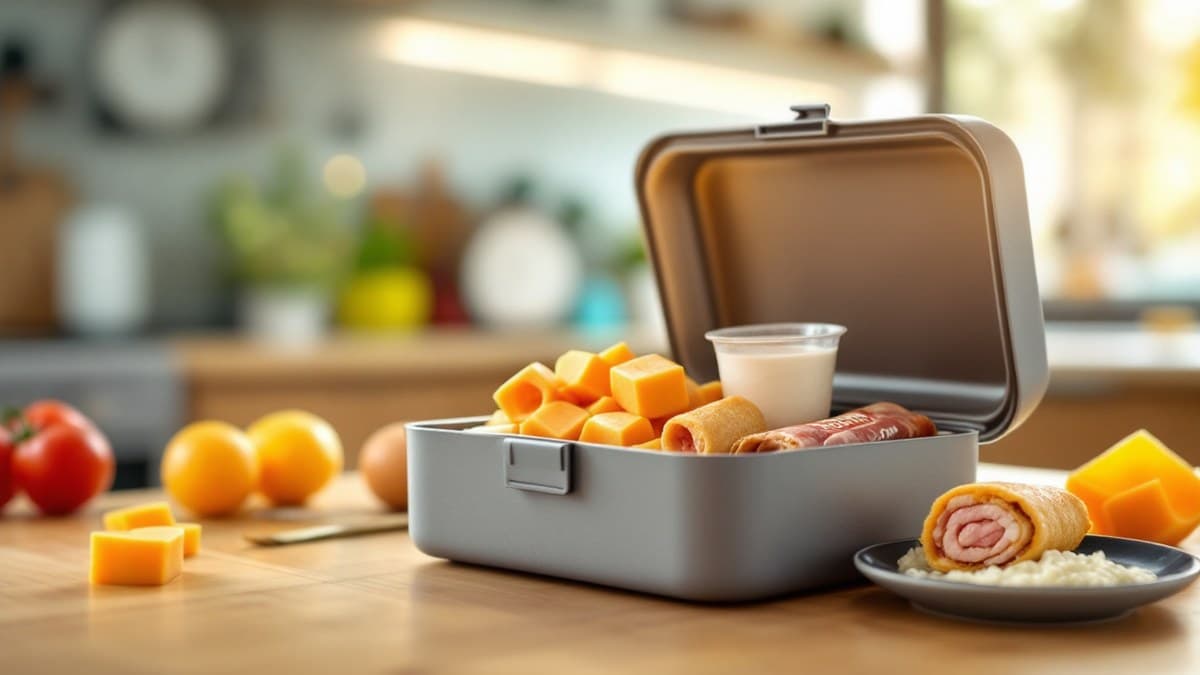
Best Protein Snacks for School Lunches 2026: 10 Lunchbox Picks with Real Nutrition Data (Nut-Free Options Included)
The best protein snack for a school lunchbox is a cheese stick paired with 2 oz of sliced deli turkey: 14g of protein at 160 calories, zero prep time, and lunchbox-safe for 4+ hours with an ice pack. We ranked 10 specific branded options with verified nutrition numbers—including nut-free picks for allergy-restricted schools—so you know exactly what to buy, not just what category to browse.
Read more
Best Nut-Free Protein Bars (2026): 5 Picks Ranked by Protein and Allergen Statement
The best nut-free protein bars in 2026, ranked by how strong each brand's nut-free guarantee actually is: Alio Choco Mint (15g protein, 170 calories, peanuts and tree nuts not processed in its facility), No Nuts! (12g, 190 calories, 'Made in a 100% NUT-FREE Facility' printed on the box) and 88 Acres (12g, dedicated bakery free of seven allergens). Every bar with a real nut-free facility behind it tops out at 15g of protein — here is why, and what to do instead.
Read more
String Cheese Protein: How Much Is in Each Stick? 4 Brands Compared (2026)
A standard string cheese stick (28g) delivers 6–7g of protein at 80–90 calories — roughly 8–9g of protein per 100 calories, which beats most crackers and granola bars. We pulled Nutrition Facts from four major brands (Sargento, Polly-O/BelGioioso, Frigo CheeseHeads, Organic Valley) and ranked them by protein density, sodium, fat, and cost.
Read more