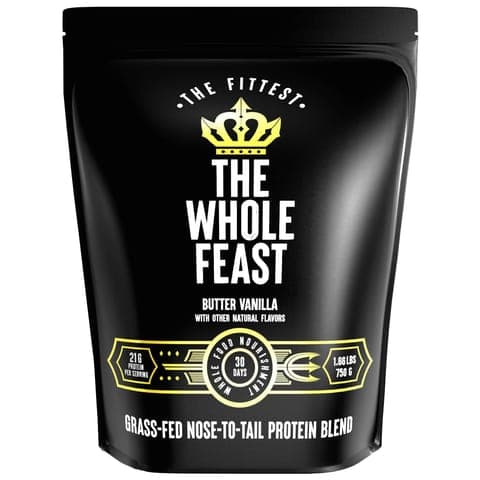
Best Peanut Butter Protein Bars 2026: 6 Picks Ranked by Real Nutrition Data
David Peanut Butter Chocolate Chunk leads on protein density at 28g of protein per 150 calories (18.7g per 100 cal) — the highest ratio of any mainstream peanut butter protein bar. ALOHA Peanut Butter Cup is the best low-sugar high-fiber pick at 14g protein, 10g fiber, 5g sugar and USDA Organic. ONE Bars Peanut Butter Cup is the best low-calorie 20g pick at 210 calories and 1g sugar. Six peanut butter protein bars ranked by verified 2026 nutrition data, with honest catches on each.
Our top protein bar picks
Editor-selected and ready to buy. As an Amazon Associate we may earn from qualifying purchases.
Buy the products in this guide: Blueberry Pie Carton · Blueberry Pie · Peanut Butter Chocolate Chunk
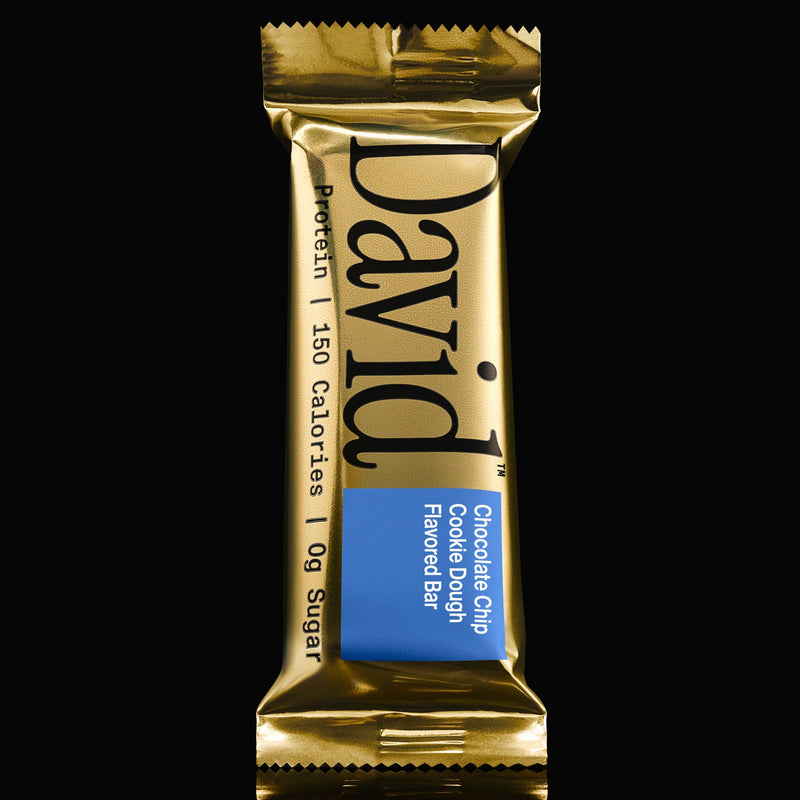 28g protein
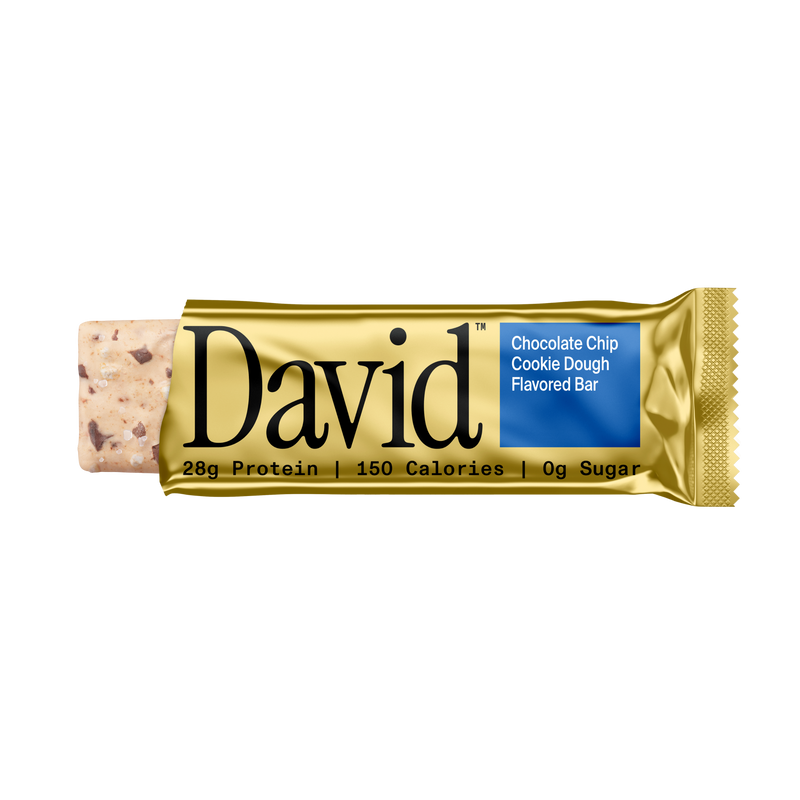 28g protein
Chocolate Chip Cookie Dough
Amazon returns policy · secure checkout
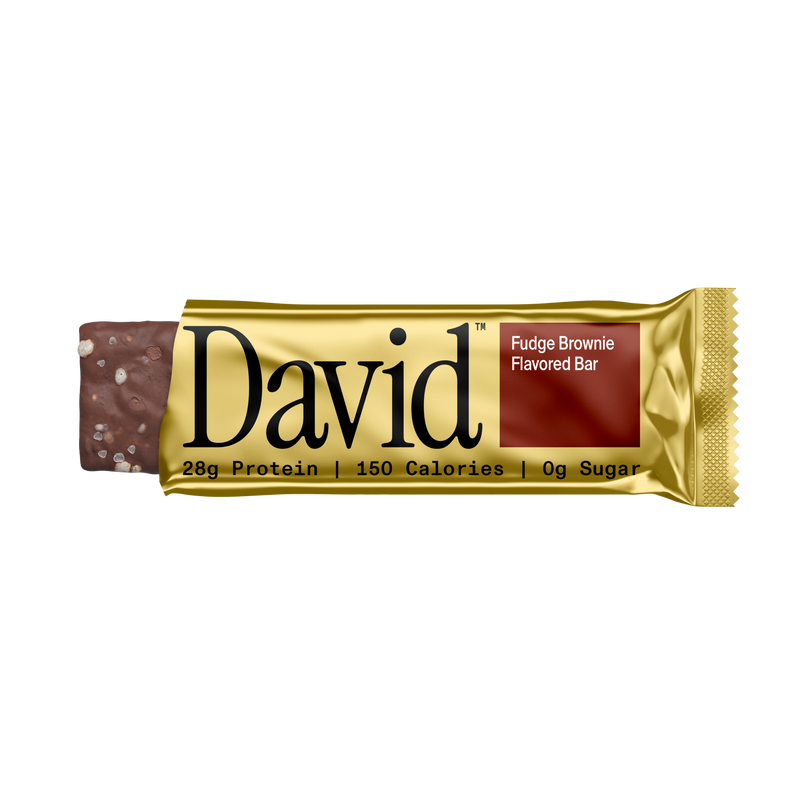 28g protein
What are the best peanut butter protein bars?
Best protein efficiency: David Peanut Butter Chocolate Chunk — 28g protein for 150 calories per bar (18.7g per 100 cal), 0g sugar, sweetened with allulose. Best low-sugar high-fiber: ALOHA Peanut Butter Cup — 14g protein, 250 calories, 10g fiber, 5g sugar per 60g bar, USDA Organic and plant-based. Best low-calorie 20g pick: ONE Bars Peanut Butter Cup — 20g protein, 210 calories, 1g sugar, 6g fiber per bar. Best real-food ingredients: Perfect Bar Dark Chocolate Chip Peanut Butter — 15g protein, 330 calories, refrigerated, made with organic honey and freshly ground peanut butter. Best vegan: No Cow Upgraded Peanut Butter Cup — 20g plant protein, 200 calories, 9g fiber, 1g sugar per bar. Best budget: Pure Protein Chocolate Peanut Butter — 20g protein, 200 calories, 2g sugar, roughly $1 per bar in a 6-pack.
Peanut butter is the single most-requested protein-bar flavor, and the gap between brands is enormous: the top pick delivers nearly twice the protein per calorie of the median peanut butter bar, and the best-tasting bar in the category carries more sugar than a candy bar. David Peanut Butter Chocolate Chunk tops every protein-efficiency ranking at 28g of protein for 150 calories. ALOHA Peanut Butter Cup leads the low-sugar category at 5g of sugar and 10g of fiber per bar. ONE Bars Peanut Butter Cup hits 20g of protein at just 210 calories with 1g of sugar. This guide compares six peanut butter protein bars worth buying in 2026 — using only verified nutrition data from each brand’s own published label. No invented numbers. For a broader comparison across all flavors, see our best protein bars 2026 guide; for the sweetener side of the story, our protein bar sweeteners explained is required reading before you buy anything on this list.
Affiliate disclosure: if you buy through our links, we earn a small commission at no extra cost to you. Every nutrition figure in this guide comes from the brand’s own 2026 label.
Peanut Butter Protein Bar Comparison: 2026 Verified Nutrition
| # | Brand / Pick | Serving | Protein | Calories | Protein / 100 cal | Fiber | Sugar | Sweetener |
|---|---|---|---|---|---|---|---|---|
| 1 | David Peanut Butter Chocolate Chunk | 1 bar (~40g) | 28g | 150 | 18.7g | 0g | 0g | Allulose |
| 2 | ALOHA Peanut Butter Cup | 1 bar (60g) | 14g | 250 | 5.6g | 10g | 5g | Coconut sugar + monk fruit |
| 3 | ONE Bars Peanut Butter Cup | 1 bar (60g) | 20g | 210 | 9.5g | 6g | 1g | Sucralose + maltitol |
| 4 | Perfect Bar Dark Chocolate Chip Peanut Butter | 1 bar (60g) | 15g | 330 | 4.5g | 4g | 18g | Organic honey (real sugar) |
| 5 | No Cow Upgraded Peanut Butter Cup | 1 bar (60g) | 20g | 200 | 10.0g | 9g | 1g | Allulose + stevia + monk fruit |
| 6 | Pure Protein Chocolate Peanut Butter | 1 bar (50g) | 20g | 200 | 10.0g | 1g | 2g | Maltitol + sucralose |
Data per serving from each brand’s published 2026 label. Protein / 100 cal = (protein ÷ calories) × 100. Ties are broken by fiber and sugar quality.
The 6 Best Peanut Butter Protein Bars in 2026
#1 Best Protein Efficiency — David Peanut Butter Chocolate Chunk
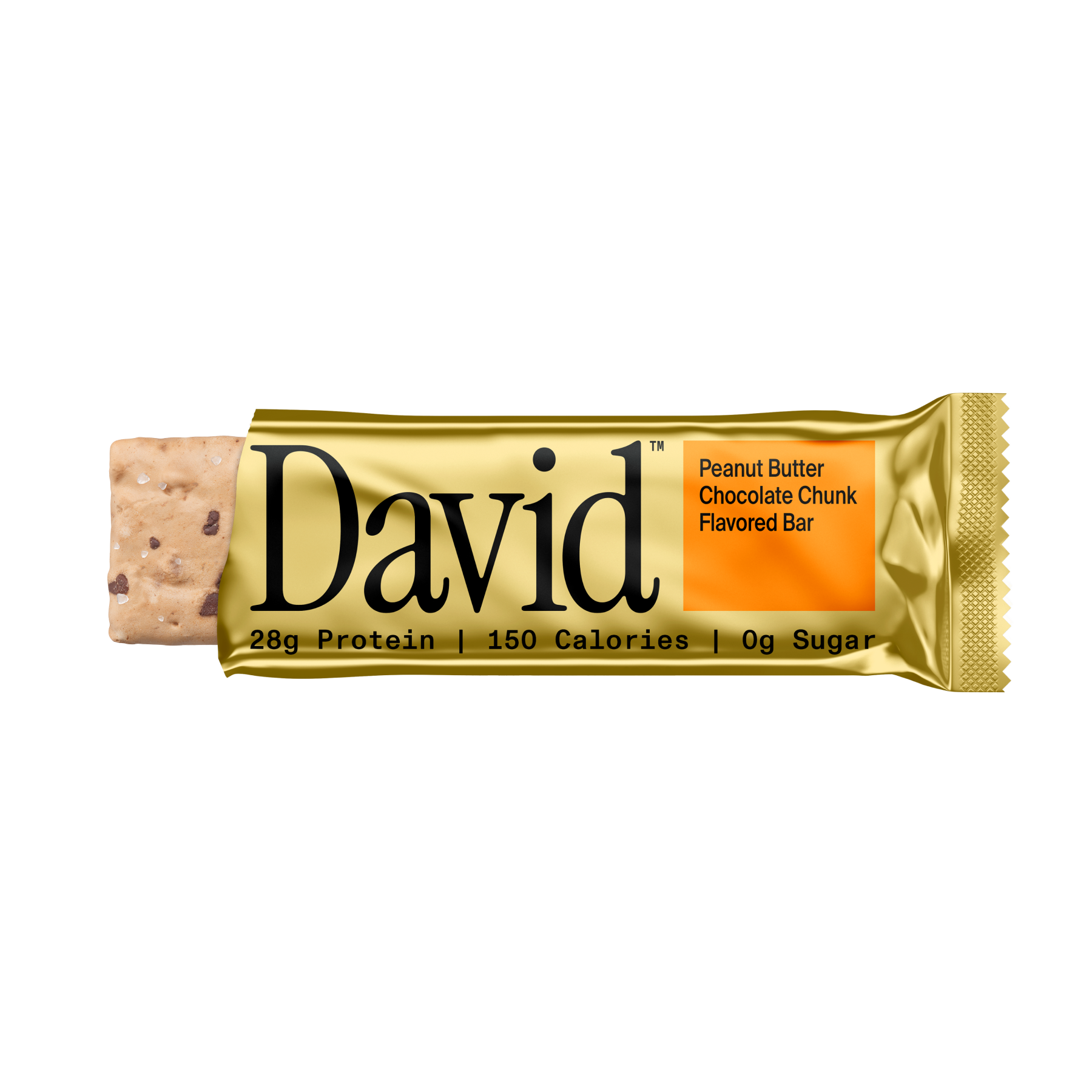
David Peanut Butter Chocolate Chunk (per bar)
28g protein · 150 cal · 2.5g fat · 12g carbs · 0g fiber · 0g sugar · 18.7g protein per 100 cal · allulose sweetened
Check price on Amazon →David’s Peanut Butter Chocolate Chunk is the most protein-efficient peanut butter bar on the market by a wide margin: 28g of protein for just 150 calories per bar, or 18.7g of protein per 100 calories. No other mainstream peanut butter protein bar approaches that ratio. The macro trick behind the number is real: David uses a blend of milk protein isolate, whey protein isolate, and egg white protein for a complete essential-amino-acid profile without the collagen filler that inflates many competing labels; carbs come almost entirely from allulose, a rare sugar the FDA excludes from nutrition-label sugar counts because human digestion absorbs but doesn’t metabolize it. That is why the label reads 12g carbs and 0g sugar simultaneously. Texture is dense and firm, closer to a compressed protein cake than a chewy candy-style bar. See the full breakdown in our David protein bar nutrition guide and a head-to-head with the runner-up in Quest vs David protein bar.
The honest catch: David runs about $3–$3.50 per bar in a 12-pack — roughly 3× the price of a Pure Protein bar with the same 20g class. The 0g of fiber matters for satiety: fiber is what makes a bar feel like food rather than a supplement, and David’s macros produce a fast-eating bar that many people finish and immediately want another of. If you are new to allulose, start with a single bar — some people experience mild GI discomfort at larger doses (typically above 40g in one sitting, which would take about three David bars). David is not vegan, not certified organic, and not a whole-food product; it is a targeted high-protein supplement in bar form. If you want a bar that eats more like a snack than a supplement, drop to #2 or #4 on this list.
#2 Best Low-Sugar High-Fiber — ALOHA Peanut Butter Cup
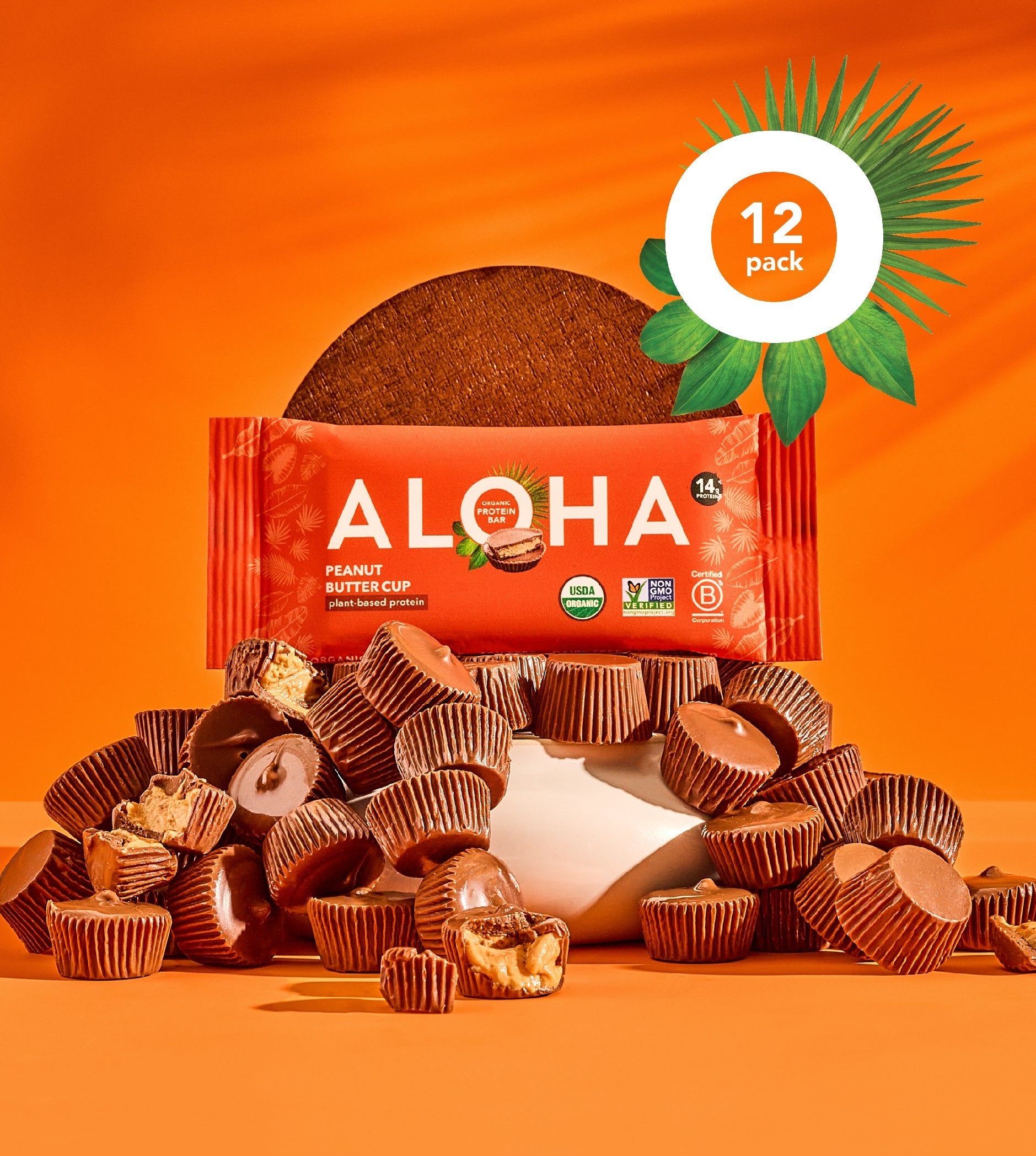
ALOHA Peanut Butter Cup (60g bar)
14g protein · 250 cal · 10g fat · 20g carbs · 10g fiber · 5g sugar · USDA Organic · vegan · 5.6g protein per 100 cal
Check price on Amazon →If protein efficiency is not the only thing you care about, ALOHA Peanut Butter Cup is the most complete peanut butter bar in the category: 14g of plant-based protein, 10g of fiber, only 5g of total sugar, and a USDA Organic certification. The fiber-to-sugar ratio of 2:1 is the best of any peanut butter bar we found, and it’s what makes ALOHA eat like a proper snack rather than a supplement — 10g of fiber in one bar covers more than a third of the daily recommended intake and slows the sugar release, so satiety lasts hours instead of forty-five minutes. Protein comes from a blend of pea and brown-rice protein for a complete essential-amino-acid profile without dairy. The sweetener is coconut sugar plus a touch of monk fruit; no sucralose, no maltitol, no sugar alcohols. Ingredients are recognizable: organic peanuts, organic tapioca fiber, organic peanut butter, organic pea protein.
The honest catch: at 5.6g of protein per 100 calories, ALOHA is roughly one-third as protein-dense as David. If you are eating a bar strictly to hit a 25g+ protein target on a strict calorie budget, this is the wrong bar. It is the right bar if you want a whole-food, plant-based, low-sugar, high-fiber snack you can eat without a spike-and-crash. Cost runs roughly $2.50–$3.00 per bar in a 12-pack — premium pricing driven mostly by the USDA Organic certification and the ingredient sourcing. For a pure protein-count comparison across plant-based options, our whey vs plant-based protein bars guide is a useful side-by-side.
#3 Best Low-Calorie 20g Pick — ONE Bars Peanut Butter Cup
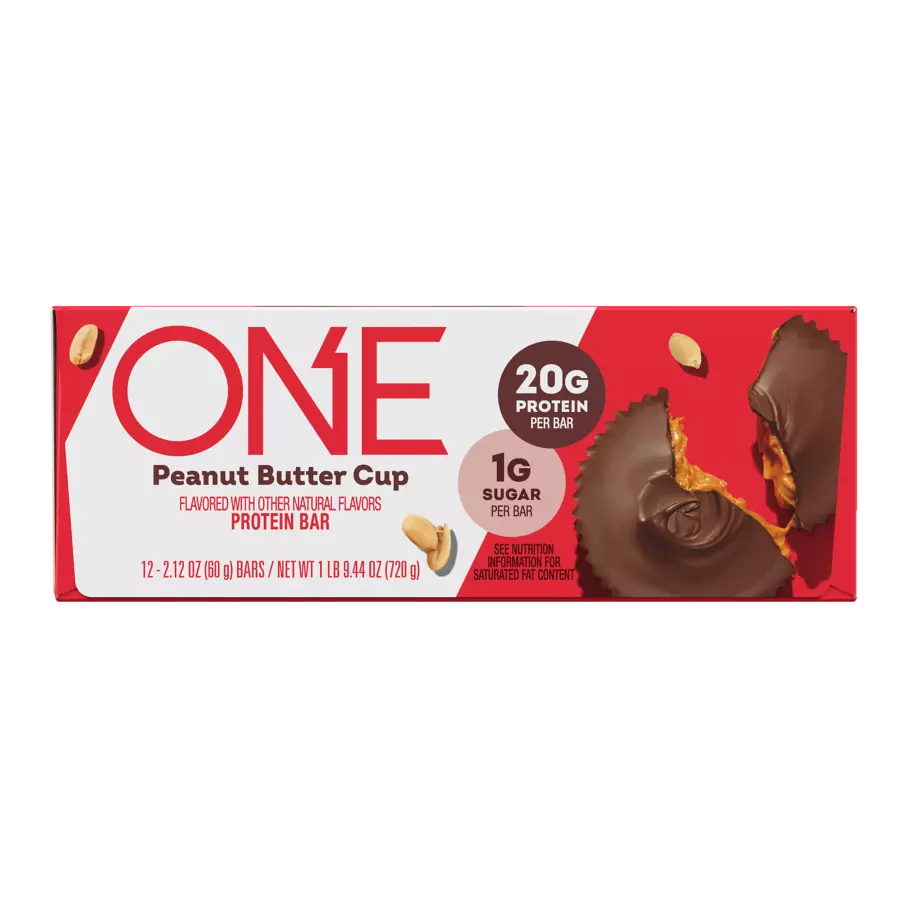
ONE Bars Peanut Butter Cup (60g bar)
20g protein · 210 cal · 9g fat · 24g carbs · 6g fiber · 1g sugar · 0g added sugar · 9.5g protein per 100 cal · sucralose + maltitol
Check price on Amazon →Of the mainstream bars that deliver a full 20g of protein, ONE Bars Peanut Butter Cup is the lowest-calorie option: 20g of complete milk-protein blend for 210 calories with only 1g of total sugar and 6g of fiber. The 9.5g-of-protein-per-100-calories ratio ties No Cow and Pure Protein for the best in the 20g class, and the bar itself eats more like a Reese’s cup than a supplement — soft chew, real peanut butter flavor, chocolate coating — because the texture is engineered to a candy-bar profile. Now owned by Hershey’s (as of the 2021 acquisition), which is why the coating quality and flavor pipeline improved noticeably in 2023 and 2024. Available at nearly every mainstream US grocery, drugstore, and gas station. Full breakdown in our ONE Bar nutrition facts guide and a head-to-head with the category leader in Quest vs ONE Bar.
The honest catch: the sweetener stack is aggressive — sucralose (synthetic) plus maltitol (a sugar alcohol). Maltitol has a well-documented laxative effect at doses above roughly 20–30g; a single ONE Bar contains around 8–10g of maltitol, which is within tolerance for most adults but can cause bloating or GI discomfort if you eat two in a sitting or are sensitive to sugar alcohols. If you avoid all artificial sweeteners, move to #1 (allulose) or #4 (real honey). If you avoid all sugar alcohols specifically, move to #1, #4, or #5 (which uses allulose plus stevia plus monk fruit, no maltitol).
#4 Best Real-Food Ingredients — Perfect Bar Dark Chocolate Chip Peanut Butter
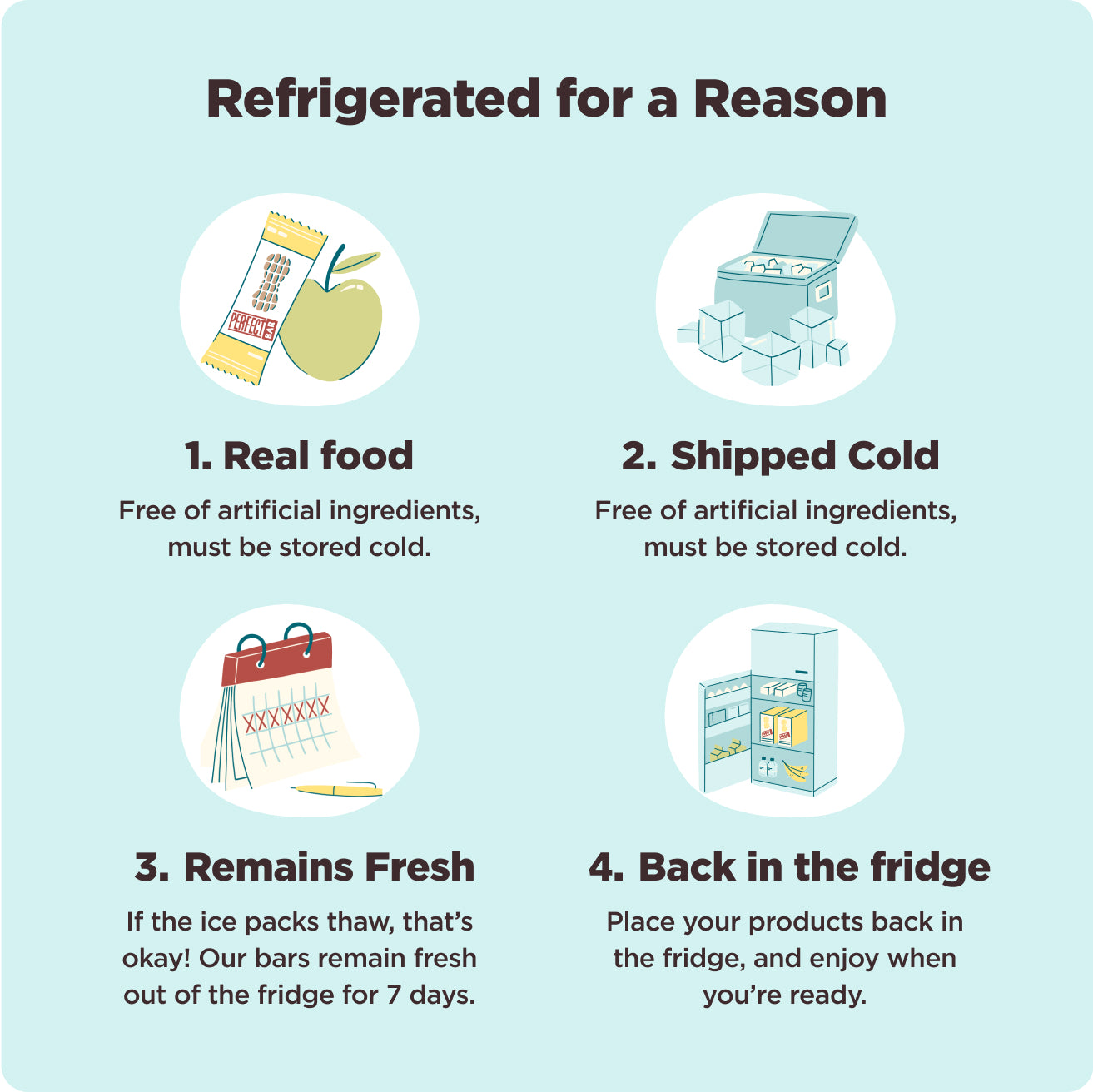
Perfect Bar Dark Chocolate Chip Peanut Butter (60g bar, refrigerated)
15g protein · 330 cal · 20g fat · 24g carbs · 4g fiber · 18g sugar · sweetened with organic honey · 4.5g protein per 100 cal
Check price on Amazon →Perfect Bar sits in a category of one: it is the only mainstream refrigerated peanut butter protein bar, and its 15g of protein comes entirely from freshly ground peanut butter, organic honey, organic dry milk protein, and about 20 other whole-food organic ingredients including flax, sesame, kale, spinach, and beet powder. There is no protein isolate, no sugar alcohol, and no artificial sweetener anywhere in the ingredient list. The flavor and texture are unlike every other bar on this page: soft, dense, cookie-dough-like, and unmistakably peanut butter forward. Refrigeration is required because the honey and peanut butter matrix will separate at room temperature, which is what gives Perfect Bar its distinctive fresh, unctuous mouthfeel. This is the pick if you want a “protein bar” that is really a portable peanut butter cookie your grandmother would recognize as food.
The honest catch: the sweetener is real sugar — 18g of it per bar, sourced from organic honey. Honey is a real sugar with a full glycemic response; there is no metabolic free lunch. At 330 calories per bar it is one of the highest-calorie peanut butter bars on any shelf; two of them is a small meal. This is not the bar to reach for on a strict calorie or blood-sugar budget. It is the bar to reach for when you want real, recognizable food you don’t need to translate a chemistry-degree ingredient list to understand. Perfect Bar also requires refrigeration — it is not shelf-stable, will get soft and greasy if left out for more than a few hours, and is a poor choice for travel or a warm gym bag.
#5 Best Vegan — No Cow Upgraded Peanut Butter Cup

No Cow Upgraded Peanut Butter Cup (60g bar)
20g protein · 200 cal · 7g fat · 21g carbs · 9g fiber · 1g sugar · vegan · 10.0g protein per 100 cal · allulose + stevia + monk fruit
Check price on Amazon →No Cow’s “Upgraded” formula is what happens when a plant-based bar decides to match the macros of a dairy bar without borrowing dairy’s shortcuts. 20g of pea-and-brown-rice protein, 200 calories, 9g of fiber, 1g of sugar, and no sugar alcohols. That combination did not exist in the vegan bar market three years ago. The sweetener stack — allulose plus stevia plus monk fruit — is the cleanest of any 20g plant-based bar we tested; no maltitol, no sucralose, no aspartame. The texture is chewier and more open than the dense David or the candy-like ONE, and the peanut butter flavor is unambiguous with a soft chocolate coating. This is the pick if you avoid all dairy for allergy, ethical, or dietary reasons and are not willing to sacrifice the 20g protein number to get there. See the fuller category ranking in our best vegan protein snacks guide.
The honest catch: 9g of fiber in one bar is a lot, and it is derived largely from chicory root and tapioca fiber; if you are not used to that much fermentable fiber in a single sitting, expect some bloating or gas the first few bars until your gut microbiome adjusts. Ramp up with one bar a day for a week rather than three back-to-back. Pea protein has a slightly earthier taste than whey; the chocolate coating masks most of it in the Peanut Butter Cup, but sensitive palates can still detect it. Cost is about $2.50–$3.00 per bar — a premium over a dairy bar in the same protein class.
#6 Best Budget — Pure Protein Chocolate Peanut Butter
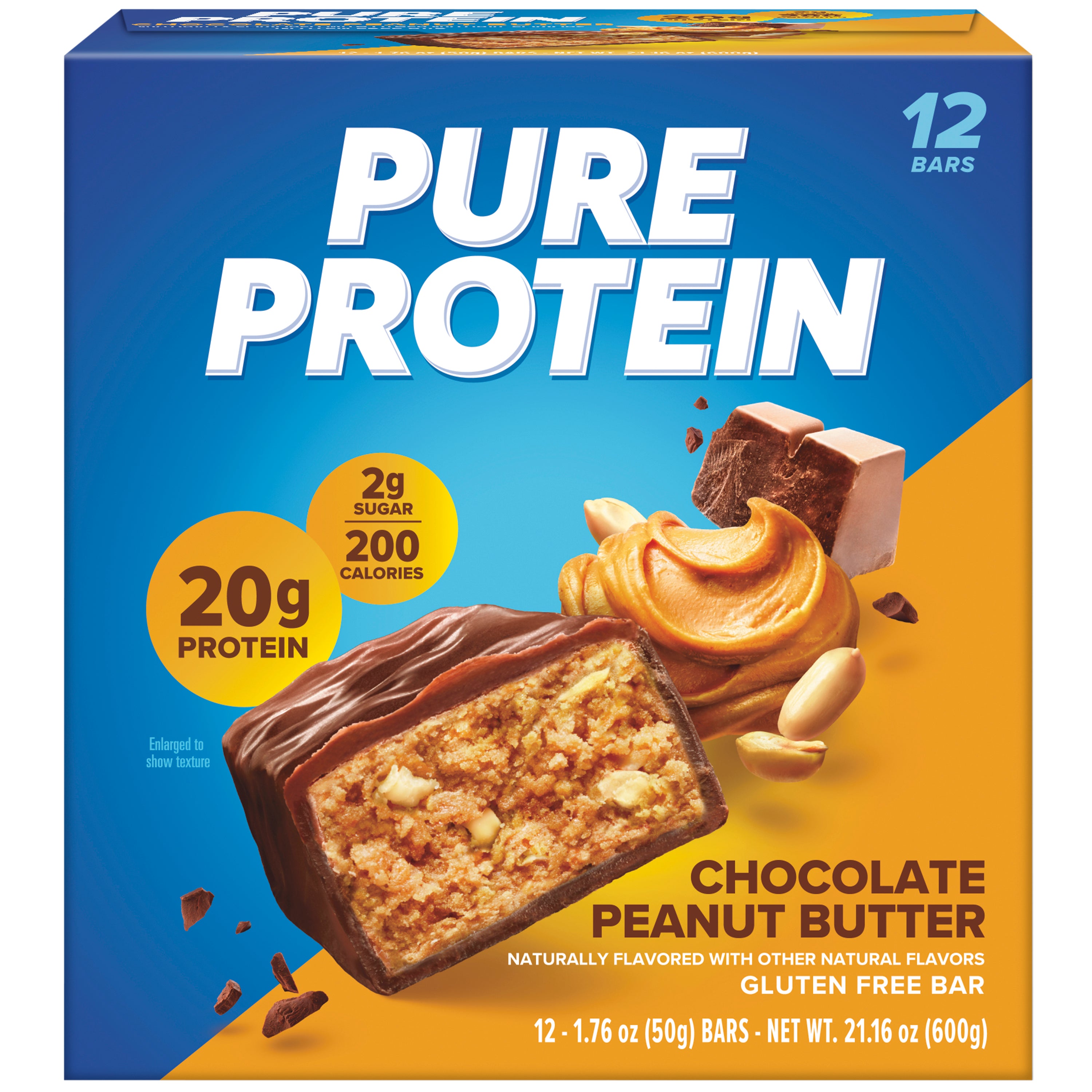
Pure Protein Chocolate Peanut Butter (50g bar)
20g protein · 200 cal · 6g fat · 17g carbs · 1g fiber · 2g sugar · 10.0g protein per 100 cal · maltitol + sucralose
Check price on Amazon →Pure Protein Chocolate Peanut Butter is the go-to for buyers who want the 20g protein hit without the premium-brand price tag. At roughly $12 for a 6-pack on Amazon (about $2 per bar) or under $1 per bar when a Costco 23-pack is stocked, it is the lowest cost-per-gram-of-protein bar on this list. The macros are competitive: 20g of whey-based protein, 200 calories, only 2g of sugar, and a 10g protein-per-100-calorie ratio that matches the more expensive No Cow. Texture is firm, chewy, and unmistakably reminiscent of the 2000s-era protein bar — not a candy bar, not a supplement, somewhere in between. The 50g bar is noticeably smaller than the 60g competitors, so a comparable serving is closer to 1.2 Pure Protein bars.
The honest catch: the ingredient list is not clean. Pure Protein uses maltitol as its primary bulk sweetener plus sucralose for finishing sweetness; a single bar contains roughly 10–13g of maltitol, which is at the upper end of the range where sugar-alcohol GI symptoms can start. If you are sensitive to sugar alcohols, this bar will find out for you. Fiber is only 1g per bar — the lowest in this comparison — which means satiety is weak and hunger returns fast. This is the right bar if the primary criterion is cost per gram of protein and you tolerate maltitol well; if either of those is not true, one of #1–#5 is a better use of the money you saved.
How to Pick the Best Peanut Butter Protein Bar for You
The right peanut butter bar depends on which trade-off you are willing to make, because no bar is best on every axis. If your primary goal is maximum protein per calorie, David wins the category by a large margin at 18.7g of protein per 100 calories. If you want a bar that eats like real food with recognizable ingredients, Perfect Bar is the clear pick despite the 18g of honey-derived sugar. If you avoid all artificial sweeteners and sugar alcohols, David (allulose only), ALOHA (coconut sugar and monk fruit), No Cow Upgraded (allulose, stevia, monk fruit), and Perfect Bar (honey) are the four bars on this list that qualify. If you avoid dairy for allergy or dietary reasons, ALOHA and No Cow are the two plant-based options. If cost per bar is the deciding factor, Pure Protein wins. For a deeper look at each sweetener class and what it does in the body, see our protein bar sweeteners explained guide.
Is Peanut Butter Actually a Good Protein Source?
Peanut butter itself is a moderate protein source, not a high one: 2 tablespoons of standard peanut butter deliver roughly 7–8g of protein for 190 calories, or about 3.8g of protein per 100 calories. That is significantly less protein-dense than any bar on this list because most of a peanut butter bar’s protein comes from an added protein source — whey, milk protein isolate, pea protein, or brown rice protein — layered onto a peanut-butter-flavored base. The peanut butter provides the flavor and much of the fat; the added protein does the heavy lifting on the label. This matters because a bar labeled “peanut butter protein” that lists peanut butter as the first ingredient and no added protein source will typically deliver only 6–10g of protein per bar — not enough to serve as a serious post-workout or between-meal protein source. Always verify the protein source on the ingredient panel, not just the front-of-package claim.
Which Peanut Butter Protein Bar Has the Least Sugar?
David Peanut Butter Chocolate Chunk and ONE Bars Peanut Butter Cup are tied at the low end, each with about 1g or less of total sugar per bar. Both achieve that with heavy use of non-sugar sweeteners — David with allulose (a rare sugar), ONE with sucralose plus maltitol. If you want a low-sugar bar without sugar alcohols or synthetic sweeteners, No Cow Upgraded Peanut Butter Cup (1g sugar, uses allulose plus stevia plus monk fruit) is the best of both worlds. If you want a bar with genuinely low sugar and recognizable food ingredients, ALOHA Peanut Butter Cup (5g of sugar from coconut sugar plus monk fruit) is the closest thing available at 5g of total sugar and 10g of fiber. Perfect Bar is not a low-sugar option — its 18g of honey-derived sugar is real and metabolizes as sugar. See best protein bars with no artificial sweeteners if avoiding sucralose, aspartame, and acesulfame potassium is a priority.
Frequently Asked Questions
Are peanut butter protein bars actually good for you?
It depends entirely on which bar. A well-formulated peanut butter protein bar with 15–20g of complete protein, moderate fiber, and low added sugar is a good grab-and-go snack that meets a real nutritional need — hitting a daily protein target that most Americans miss. A poorly formulated bar with 6g of collagen protein plus 20g of added sugar is closer to a candy bar with health branding. The bars on this list were selected specifically because their macros and ingredient lists withstand scrutiny; still, verify the label before every purchase because manufacturers reformulate without notice.
Which peanut butter protein bar has the most protein?
David Peanut Butter Chocolate Chunk has both the most protein per calorie (28g at 150 calories) and the highest protein-to-total-weight ratio in the mainstream category. For the same 28g of protein, you would need to eat approximately 1.4 ONE Bars, 1.4 No Cow Upgraded bars, 1.4 Pure Protein bars, 1.87 Perfect Bars, or two ALOHA Peanut Butter Cup bars. See our highest protein bars ranked by grams guide for the full absolute-protein leaderboard across all flavors.
Are peanut butter protein bars good for weight loss?
The best peanut butter protein bars for weight loss are the ones with the highest protein-to-calorie ratio and enough fiber to keep you full — because protein and fiber together drive satiety at the lowest calorie cost. By that dual metric, ONE Bars Peanut Butter Cup (20g protein / 210 cal / 6g fiber) and No Cow Upgraded Peanut Butter Cup (20g / 200 cal / 9g fiber) are the two strongest picks. David wins on pure protein density but its 0g of fiber makes it a poor satiety choice for weight loss compared to ONE or No Cow. For the broader category, see our best protein bars for weight loss guide.
Which peanut butter bar tastes the most like a Reese’s Peanut Butter Cup?
ONE Bars Peanut Butter Cup and No Cow Upgraded Peanut Butter Cup are the two closest to the Reese’s texture-and-flavor profile: soft-chew peanut-butter filling with a real chocolate coating and a candy-bar mouthfeel. Perfect Bar delivers the strongest fresh-peanut-butter flavor of any bar in the category, but its cookie-dough texture is very different from a Reese’s cup. David is the least Reese’s-like of the six — the texture is dense and compressed, closer to a protein-cake than a candy bar.
Do any of these bars use collagen to inflate the protein count?
None of the six picks on this list use collagen as their primary protein source. All six use complete protein — whey, milk protein isolate, egg white, pea, or brown rice — that delivers the full essential-amino-acid profile needed for muscle protein synthesis. This matters because collagen is an incomplete protein missing tryptophan, and a bar labeled “20g protein” with 12g of collagen filler effectively delivers only 8g of the complete muscle-building protein you thought you were getting. Always check the protein source in the ingredient list, not just the total gram count on the front label.
Bottom line: for the most protein per calorie, David Peanut Butter Chocolate Chunk is the clear leader at 28g for 150 calories — buy a 12-pack if you tolerate allulose and you want a supplement-grade protein number without any sugar. For a bar that eats like real food with recognizable ingredients, Perfect Bar Dark Chocolate Chip Peanut Butter is the pick, understanding that its 18g of honey-derived sugar is real. For the best 20g-protein bar on a strict calorie budget, ONE Bars Peanut Butter Cup delivers 20g at 210 calories with 1g of sugar. For a fully plant-based 20g bar with a clean sweetener stack, No Cow Upgraded Peanut Butter Cup is the strongest option. For low-sugar high-fiber with USDA Organic certification, ALOHA Peanut Butter Cup is the whole-food snack pick. For the lowest cost per gram of protein, Pure Protein Chocolate Peanut Butter is the value play, provided you tolerate maltitol. Browse the full protein snacks directory, compare across all flavors in our best protein bars 2026 guide, or read the sweetener side of the story in protein bar sweeteners explained.
Shop our top protein bar picks
Editor-selected high-protein options related to this guide. As an Amazon Associate we may earn from qualifying purchases.
Buy the products in this guide: Blueberry Pie Carton · Blueberry Pie · Peanut Butter Chocolate Chunk
28g protein28g proteinChocolate Chip Cookie Dough
Amazon returns policy · secure checkout
28g proteinTags
High Protein Snacks Pro Editorial Team
Independently researched and editorially reviewed. We compare real nutrition labels and never accept payment for coverage.
Get the best new protein snacks in your inbox
Weekly picks and honest reviews — no spam, unsubscribe anytime.
More from the journal
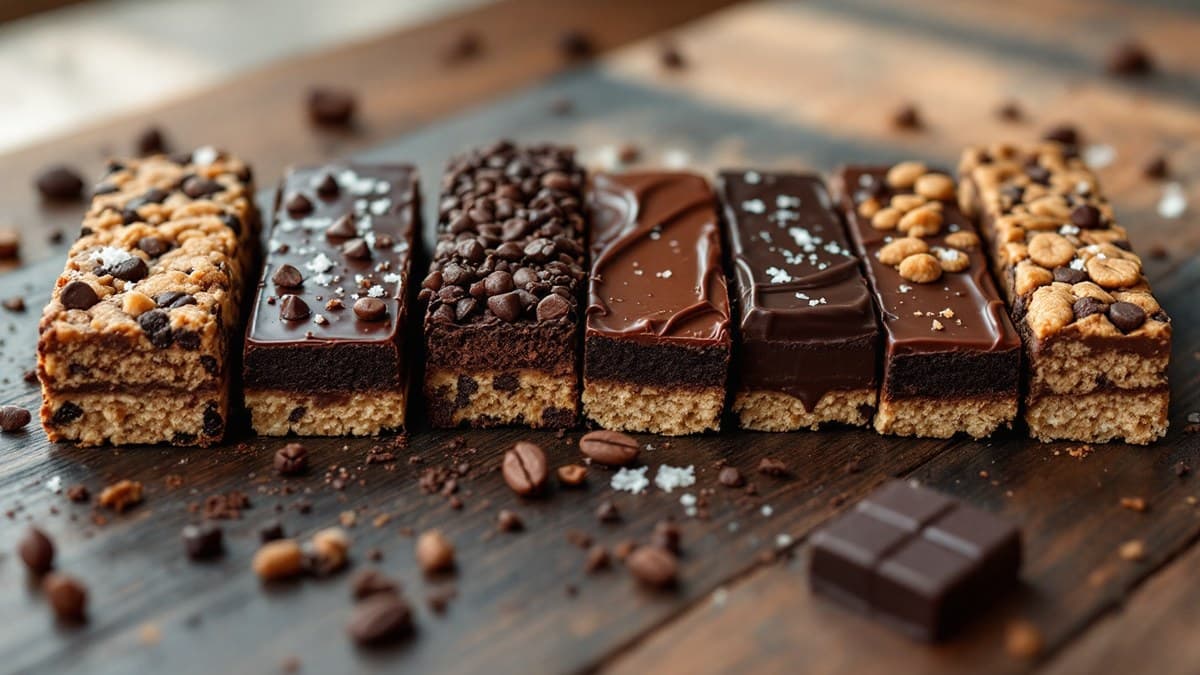
Best Chocolate Protein Bars 2026: 10 Top Picks Ranked by Protein, Sugar, and Real Cocoa Flavor
The best chocolate protein bar in 2026 is DAVID Chocolate Chip Cookie Dough — 28g of protein for 150 calories and 0g sugar, the highest protein-per-calorie ratio in the mainstream chocolate lineup. For a candy-bar experience, Barebells Chocolate Dough delivers 20g protein and 1g sugar in a real-chocolate coating. For satiety, Quest Chocolate Chip Cookie Dough wins with 21g protein and 14g fiber. Ten verified chocolate-flavored picks — from whey isolate to vegan pea to whole-food date bars — ranked on protein density, sweetener honesty, and real cocoa content, with tracked buy buttons and the honest catches for each.
Read more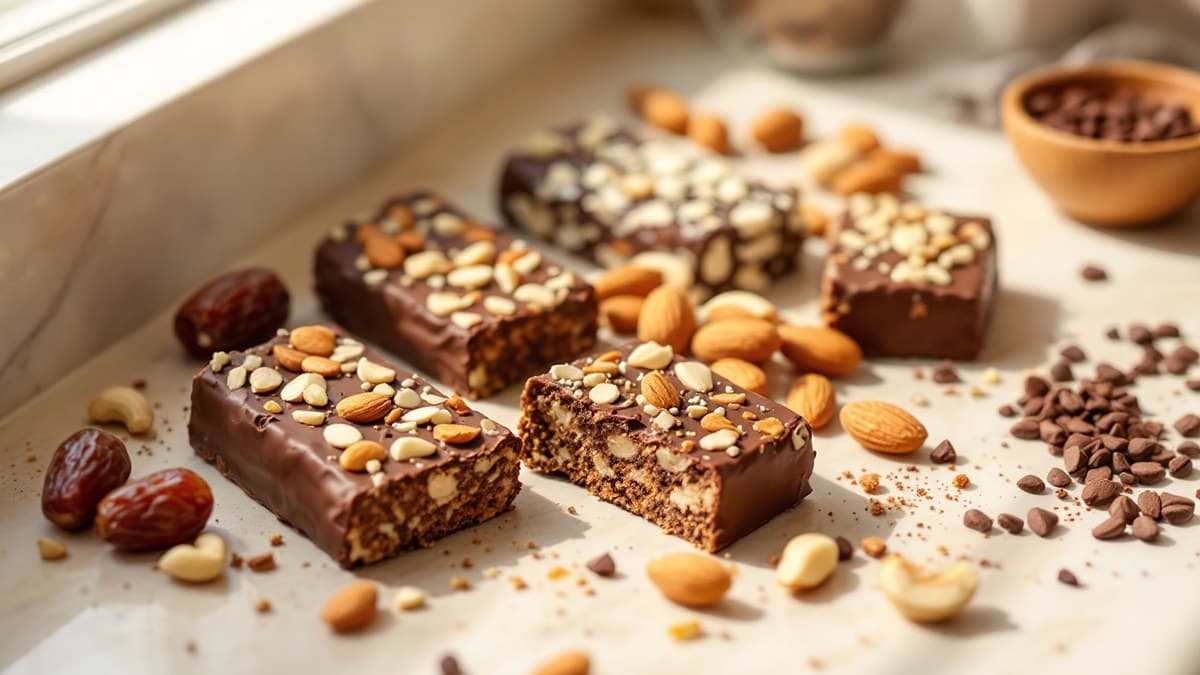
Celiac-Friendly Protein Bars (2026): 6 Certified GF Picks Ranked by Verified Nutrition
Quest Chocolate Chip Cookie Dough leads the certified gluten-free field — 21g of complete protein at 200 calories, 1g sugar, and third-party GFCO certification. RXBAR Chocolate Sea Salt is the cleanest whole-food option at 12g of protein and a five-ingredient label. Six real 2026 picks, each with verified nutrition, a real product photo, and a tracked buy button, plus how to actually verify a bar is gluten-free rather than just reading the front of the wrapper.
Read more
Softest Protein Bars 2026: 6 Genuinely Soft, Easy-to-Chew Bars Ranked by Verified Label Data
The softest protein bar in 2026 is the Perfect Bar Original Peanut Butter — a refrigerated bar of freshly ground peanut butter and honey with 17g of protein and 340 calories, closer to cookie dough than to anything else in the bar aisle. Built Puffs deliver the lightest chew at 140 calories with 17g of protein in a marshmallow-style puff, and Legendary Foods packs 20g into a soft frosted pastry at 180 calories. Six genuinely soft formats ranked with verified 2026 label data — and the dense, jaw-tiring bars named and skipped.
Read more