Best Protein Bars Without Artificial Sweeteners (2026): Top Picks Free of Sucralose, Aspartame & Ace-K
The best protein bar without artificial sweeteners for most people is Kirkland Signature — 21g of complete protein, 190 calories, 12g of fiber, erythritol and stevia (no sucralose, no Ace-K, no aspartame). For 20g of plant protein at just 170 calories with 15g of fiber and zero artificial sweeteners, No Cow is the standout dairy-free pick. Six clean-label protein bars ranked by protein density and sweetener honesty, with verified 2026 nutrition data.
The short answer
Our top protein bar picks
Editor-selected and ready to buy. As an Amazon Associate we may earn from qualifying purchases.
Buy the products in this guide: Birthday Cake Protein Bar · Chunky Peanut Butter Protein Bar · Upgraded - Peanut Butter Cup Protein Bar
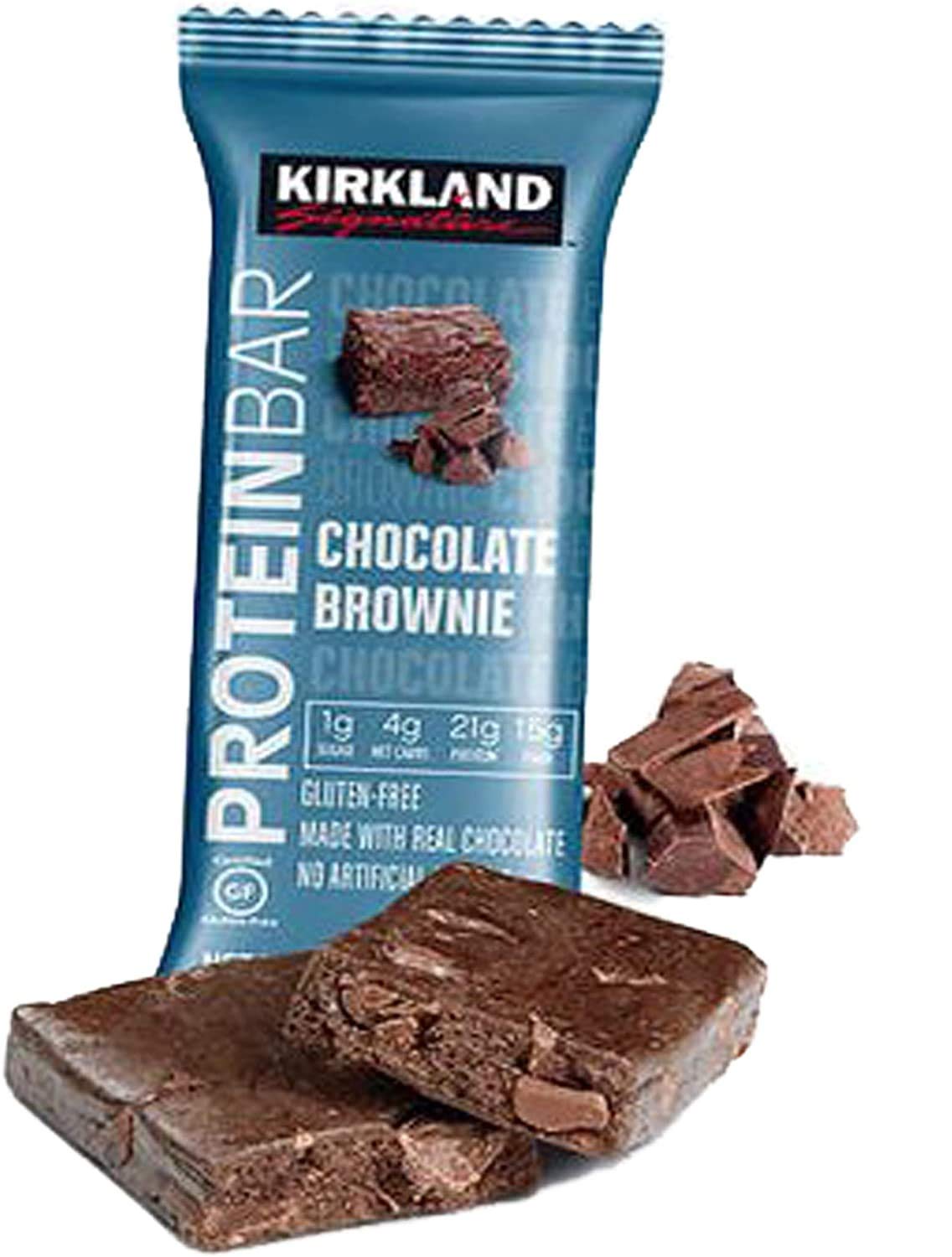 21g protein
Protein Bar Brownie
Amazon returns policy · secure checkout
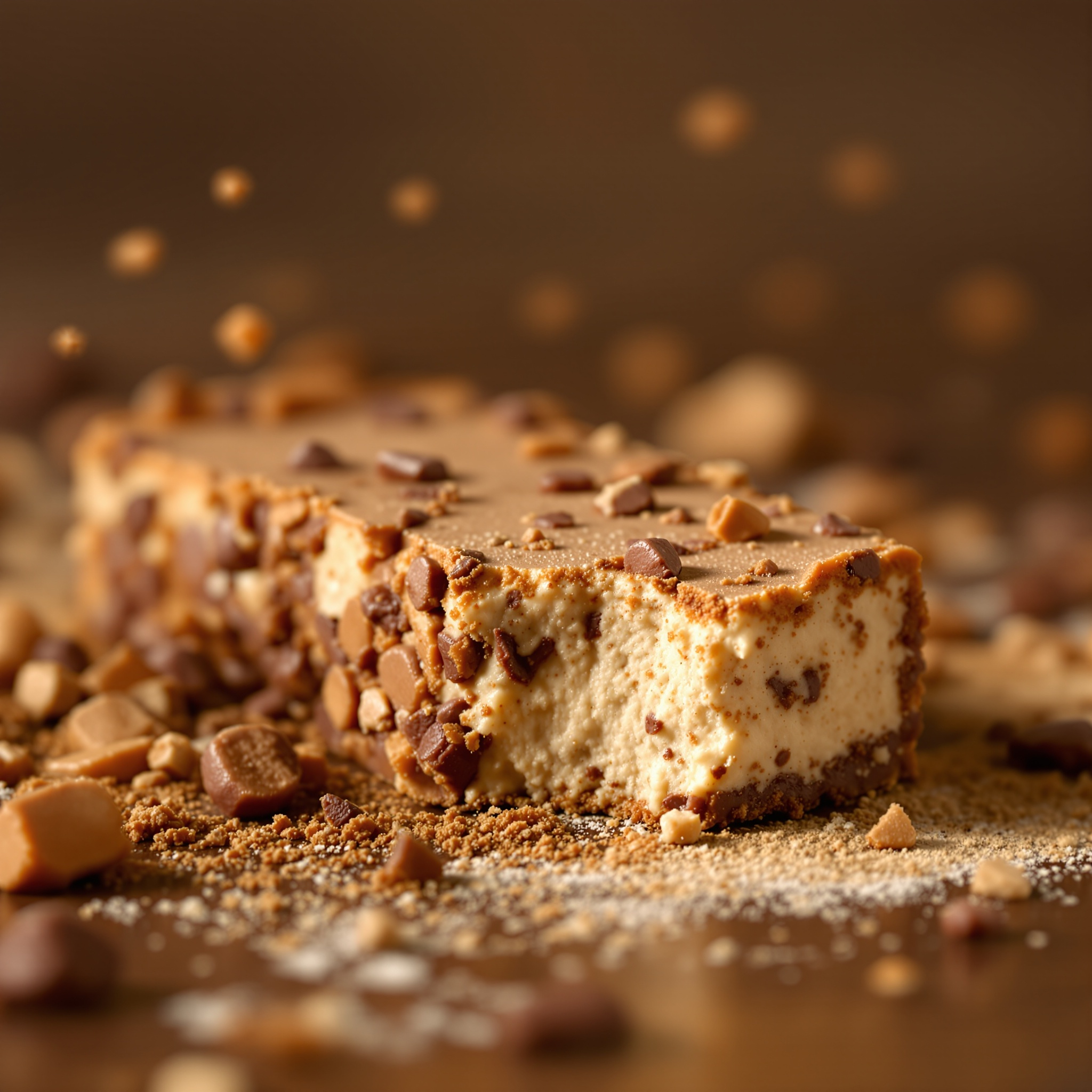 20g protein
Upgraded - Birthday Cake Protein Bar
Amazon returns policy · secure checkout
20g proteinWhich protein bars have no artificial sweeteners?
Best overall (protein + fiber, no artificial sweeteners): Kirkland Signature — 21g protein, 190 cal, 12g fiber, erythritol + stevia, ~$1.00–$1.25/bar at Costco. Best vegan and dairy-free: No Cow — 20g plant protein, 170 cal, 1g sugar, 15g fiber, no artificial sweeteners. Best zero-sugar, no-chemicals pick: think! High Protein — 20g protein, 230 cal, 1g sugar, maltitol only (no sucralose, no Ace-K). Best lowest-calorie clean option: Built Puff — 17g protein, 140 cal, real sugar. Best whole-food ingredient list: RXBAR — 12g protein, 210 cal, sweetened with dates only. Best no-sweetener-of-any-kind: Perfect Bar — 17g protein, 340 cal, organic honey, must refrigerate.
Affiliate links — if you buy through them we earn a small commission at no extra cost to you. Every nutrition figure below comes from each brand’s own published 2026 label; anything we could not confirm is marked with an em dash rather than a guess.
What Counts as an Artificial Sweetener in a Protein Bar?
The term is used loosely, which causes real confusion when shopping. Here is the practical breakdown used in this guide:
- Artificial sweeteners (excluded from every bar on this list): sucralose (Splenda), aspartame (Equal), acesulfame potassium (Ace-K), saccharin. These are synthesized compounds. Quest, ONE Bar, Barebells, and DAVID all use one or more of these.
- Sugar alcohols — generally not classified as artificial: erythritol, maltitol, xylitol, sorbitol. These are fermented or derived from plant sources. Erythritol contributes essentially zero calories and has near-zero glycemic impact. Maltitol has about 2.1 cal/g (roughly half the caloric density of sugar) and a glycemic index of approximately 35. Bars using only erythritol or maltitol qualify for this guide; bars combining them with sucralose or Ace-K do not.
- Natural non-caloric sweeteners (allowed): stevia (from the Stevia rebaudiana leaf) and monk fruit. Both are plant-derived and consistently excluded from “artificial” classifications by the FDA and mainstream nutrition guidance.
- Whole-food sweeteners (cleanest tier): dates, organic honey, organic coconut sugar, organic brown rice syrup. RXBAR and Perfect Bar use only these.
How Much Protein Do You Need From a Protein Bar?
Most adults need 0.7–1.0g of protein per pound of body weight for active muscle maintenance. A 150-pound active adult needs roughly 105–150g per day. Three standard meals typically provide 60–90g, leaving a 15–60g gap that a protein bar can address. A bar delivering 20g of protein closes that gap meaningfully in a single serving. The challenge is that the most protein-dense mainstream bars — DAVID (28g), Quest (21g), ONE Bar (20g) — almost universally use sucralose or Ace-K. The six bars below solve that: 12–21g of protein without the synthesized sweetening compounds most clean-label shoppers are trying to avoid.
#1 Best Overall — Kirkland Signature Protein Bar
Kirkland Signature Protein Bar (Chocolate Brownie, 60g)
21g protein · 190 cal · 1g sugar · 12g fiber · whey isolate + milk protein isolate (no collagen) · erythritol + stevia — no sucralose, no Ace-K · Costco-exclusive
Check price on Amazon →Kirkland Signature is the only mainstream protein bar that pairs 21g of complete protein, 12g of fiber, and 190 calories with a sweetener stack of only erythritol and stevia — no sucralose, no Ace-K, no aspartame. Erythritol is produced by fermenting glucose from plant starch; the FDA does not classify it as an artificial sweetener. It contributes essentially zero calories and has a glycemic index of zero — the cleanest low-calorie sweetener available without stepping into artificial chemistry. The protein comes from whey protein isolate and milk protein isolate with no collagen padding, so the 21g is complete, bioavailable protein. The 20-count Costco box runs $19.99–$24.99, or $1.00–$1.25 per bar. Full breakdown in our Kirkland protein bar nutrition guide.
Why it’s the pick: for someone who wants the highest protein-and-fiber combination without artificial sweeteners, Kirkland closes the argument. The sweetener choice is meaningfully cleaner than Quest (which adds sucralose on top of erythritol), the protein count is higher than think! (21g vs. 20g), and the fiber (12g) produces genuine satiety that lower-fiber options do not. At $1.00–$1.25 per bar, the value is also unmatched in this category.
The honest catch: Kirkland is Costco-exclusive. Amazon third-party resellers exist but price it above $2 per bar, erasing the value advantage. Flavor variety is limited to chocolate brownie and chocolate peanut butter chunk. The 12g of soluble corn fiber can cause digestive discomfort in some buyers eating two bars daily.
#2 Best Vegan and Dairy-Free — No Cow Protein Bar
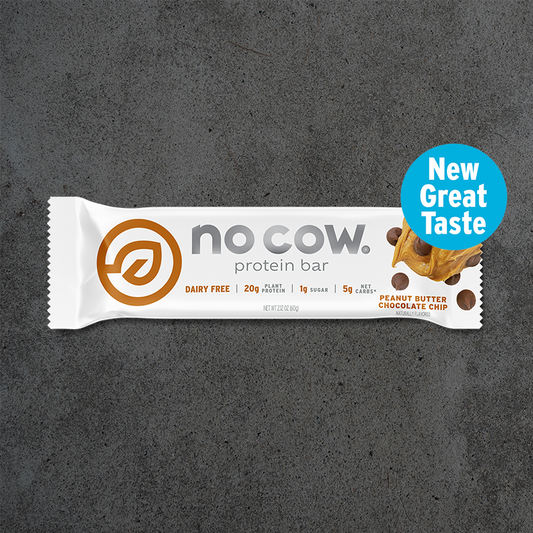
No Cow Protein Bar (Peanut Butter Chocolate Chip, ~60g)
20g protein · 170 cal · 1g sugar · 15g fiber · pea + brown rice protein · no dairy, no soy, no artificial sweeteners · vegan
Check price on Amazon →No Cow delivers 20g of plant-based protein, 15g of fiber, and zero artificial sweeteners at just 170 calories per bar — one of the best protein-to-calorie ratios on this list despite using only pea and brown rice protein. No dairy, no soy, no sucralose, no Ace-K, no aspartame. The 15g of chicory root fiber (inulin) is the highest of any bar in this guide by a wide margin, and it is the rare bar where the fiber count does not come with an artificial sweetener trade-off. Full flavor data in our No Cow protein bar nutrition guide.
Why it’s the pick: No Cow is the only mainstream bar that satisfies all four of these constraints simultaneously: 20g of protein, no artificial sweeteners, no dairy, and no soy. For the vegan or dairy-free buyer, nothing else in this tier comes close. The 170-calorie figure is also exceptional — lower than Kirkland (190 cal) and far lower than think! (230 cal), making it the best protein-per-calorie option among clean-sweetener bars.
The honest catch: pea and brown rice protein together supply all nine essential amino acids but at lower leucine concentrations than whey — relevant for post-workout muscle-protein synthesis if you are training at high volume. The 15g of inulin fiber from chicory root can cause significant bloating and gas in buyers with IBS or high sensitivity to prebiotic fermentation — a real concern for first-time users. Taste consistently rates lower than whey-based bars in direct comparisons. Distribution skews toward online ordering; availability in individual retail stores varies nationally.
#3 Best Zero-Sugar, Widely Available Pick — think! High Protein Bar

think! High Protein Bar (Brownie Crunch, ~53g)
20g protein · 230 cal · 1g sugar · <1g fiber · whey isolate + soy isolate + casein · maltitol only (no sucralose, no Ace-K, no aspartame)
Check price on Amazon →think! High Protein has been positioned around the no-artificial-sweetener claim longer than any other mainstream bar in wide retail distribution. The bar delivers 20g of complete protein from whey isolate, soy protein isolate, and calcium caseinate at 230 calories, sweetened exclusively with maltitol — a sugar alcohol derived from barley that is not classified as artificial by any regulatory definition. No sucralose, no acesulfame potassium, no aspartame of any kind. Available at Target, Walmart, Kroger, CVS, Walgreens, and Amazon. Full nutrition details by flavor in our think! protein bar nutrition guide.
Why it’s the pick: for the clean-label buyer who shops at a grocery store rather than Costco and needs something off the shelf today, think! is the default answer. It is in more retail doors than any other no-artificial-sweetener protein bar at 20g of protein, and the maltitol-only sweetener approach avoids the multi-sweetener complexity of other options.
The honest catch: maltitol has a glycemic index of approximately 35 and contributes roughly 2.1 cal/g — not a free ride the way erythritol is. Buyers managing blood sugar carefully should be aware that maltitol does produce a partial glycemic response. Additionally, think! bars contain both whey (dairy) and soy — not suitable for dairy-free or soy-free diets. Fiber content is very low (<1g per bar), so satiety is shorter than Kirkland or No Cow. At 230 calories for 20g of protein, the calorie efficiency is lower than either of the two bars above this one.
#4 Best Lowest-Calorie Clean Option — Built Puff
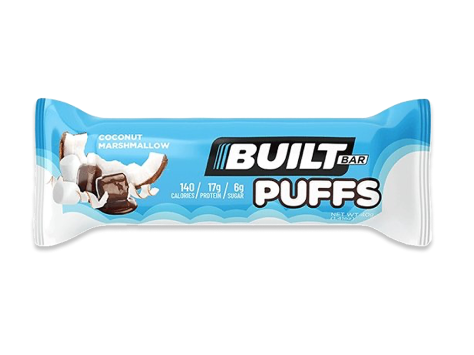
Built Puff (Coconut, ~50g)
17g protein · 140 cal · real sugar · no sucralose, no Ace-K, no aspartame · whey-based
Check price on Amazon →Built Puff delivers 17g of protein at 140 calories using real sugar as the primary sweetener — no sucralose, no aspartame, no Ace-K. The soft, airy texture is intentionally different from the dense chocolate-coated bars that dominate the category. At 140 calories, it is the lowest-calorie bar on this list with at least 15g of protein, which is unusual for a bar that avoids artificial sweeteners entirely — most clean-label bars run 170–340 calories. This bar is a practical option for buyers who want a lower-calorie snack without giving up the no-artificial-sweetener standard.
Why it’s the pick: among bars that avoid all artificial sweeteners and deliver at least 15g of protein, Built Puff sits at the lowest calorie count in mainstream distribution. For buyers on a strict calorie budget who still want clean sweeteners, no other bar solves both constraints as efficiently at this protein level.
The honest catch: the real-sugar sweetening means Built Puff does contain added sugar and carries a meaningful glycemic impact — it is not a low-sugar bar. Buyers managing blood sugar or on a very low-carb diet should not treat the absence of artificial sweeteners as the same as low sugar; real sugar still raises blood glucose. The lighter puff texture means less physical satiety than a denser bar at the same calorie count. Distribution skews heavily toward online ordering rather than major retail.
#5 Best Whole-Food Ingredient List — RXBAR
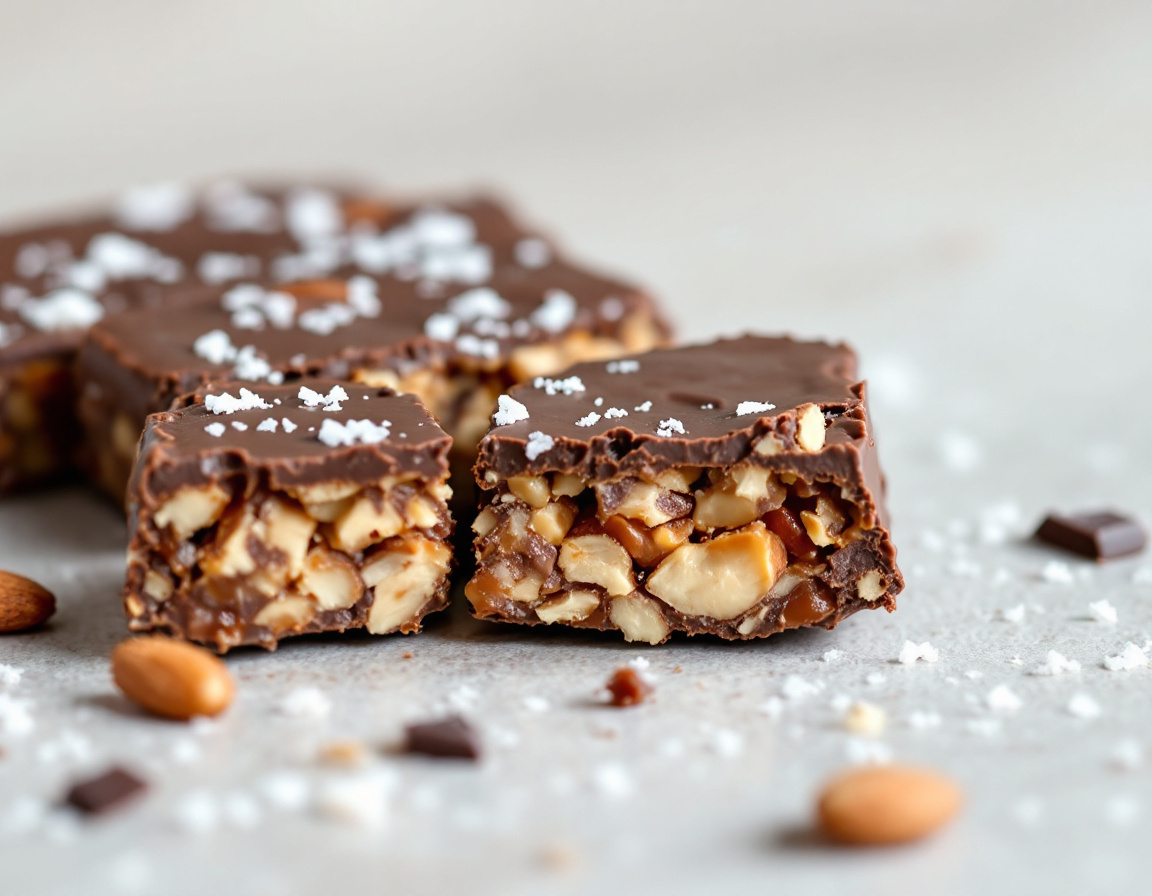
RXBAR (Chocolate Sea Salt, 52g)
12g protein · 210 cal · 22g total sugar (from dates, natural) · 5g fiber · egg whites + almonds + cashews · dates only as sweetener · no sugar alcohols, no artificial sweeteners
Check price on Amazon →RXBAR is the benchmark for ingredient simplicity. The Chocolate Sea Salt bar lists its ingredients on the front of the wrapper: egg whites, almonds, cashews, dates, chocolate. No sugar alcohols of any kind, no artificial sweeteners, no flavoring extracts beyond cocoa and sea salt. The 12g of protein comes from egg whites and nuts — both complete or near-complete protein sources as whole foods. The natural sweetness comes entirely from dates, which have a glycemic index of approximately 42 — lower than table sugar (GI ~65) but still a real blood-glucose contributor. Full nutrition guide at RXBAR nutrition facts.
Why it’s the pick: RXBAR is the answer for the buyer who does not just want to avoid artificial sweeteners but wants to avoid any processed sweetening agent at all — no sugar alcohols, no stevia, no concentrated extracts. The ingredient list is the shortest of any bar on this list and the most recognizable to anyone who can read a grocery store shelf. Stocked in virtually every grocery store, Target, Walmart, and airport in the US.
The honest catch: at 12g of protein per bar, RXBAR delivers roughly 40–45% less protein than Kirkland, No Cow, or think! at a similar or higher calorie count (210 cal). For a buyer using a protein bar primarily to close a daily protein gap, RXBAR is not the most efficient vehicle — the 22g of natural sugar from dates packs meaningful calories without much protein payoff compared to the bars above it. Not appropriate for someone managing a low-sugar diet or limiting carbohydrates; the date-based sweetening is natural but still high-glycemic in quantity.
#6 Best No-Sweetener-of-Any-Kind Option — Perfect Bar

Perfect Bar Original Peanut Butter (2.5oz / 71g)
17g protein · 340 cal · 13g added sugar (organic honey) · 3g fiber · fresh-ground peanut butter + egg whites · zero sweeteners of any kind except organic honey · must refrigerate
Check price on Amazon →Perfect Bar uses zero sweeteners of any kind other than organic honey — no erythritol, no maltitol, no stevia, no monk fruit, no artificial sweeteners. The Original Peanut Butter bar is built from fresh-ground organic peanut butter, organic honey, organic egg whites, and more than 20 organic superfoods including flaxseed, pumpkin seed, and sunflower seed. The high calorie count (340 per bar) directly reflects the calorie density of real, whole-food ingredients; there are no processed filler ingredients pulling the number down. The Protein + Prebiotics line (launched 2026) hits 20g of protein by adding grass-fed whey, at 330 calories. Full detail in our Perfect Bar nutrition guide.
Why it’s the pick: for the buyer who avoids not only artificial sweeteners but also every category of concentrated sweetening agent — no stevia, no erythritol, no sugar alcohols, no monk fruit — and wants a bar sweetened only by a traditional, unprocessed whole food, Perfect Bar stands alone in mainstream retail. Nothing else on this list comes close to this ingredient standard.
The honest catch: at 340 calories and 13g of honey-based added sugar, Perfect Bar is the least efficient option on this list for calorie management or low-sugar eating. The honey sweetening is real sugar that raises blood glucose. Refrigeration is required — no gym bag, no car, no desk drawer. Price runs $2.50–$3.50 per bar. If calorie efficiency matters, see Kirkland (21g protein, 190 cal) or No Cow (20g protein, 170 cal) instead. For the buyer who cares about ingredient purity above everything else, Perfect Bar is the answer.
Clean-Label Protein Bars: Side-by-Side Comparison
| Bar (per bar) | Cal | Protein | Sugar | Fiber | Sweetener | Dairy-Free? | Vegan? |
|---|---|---|---|---|---|---|---|
| Kirkland Signature (60g) | 190 | 21g | 1g | 12g | Erythritol + stevia | No | No |
| No Cow PB Choc. Chip (~60g) | 170 | 20g | 1g | 15g | Stevia + natural | Yes | Yes |
| think! High Protein (~53g) | 230 | 20g | 1g | <1g | Maltitol only | No | No |
| Built Puff (~50g) | 140 | 17g | — | — | Real sugar | No | No |
| RXBAR Chocolate Sea Salt (52g) | 210 | 12g | 22g* | 5g | Dates only | No | No |
| Perfect Bar Original PB (71g) | 340 | 17g | 13g** | 3g | Organic honey only | No | No |
*22g sugar from dates (natural, not refined added sugar). **13g added sugar from organic honey. — = not confirmed on current 2026 label. None of the bars above use sucralose, aspartame, or acesulfame potassium. For comparison: Quest uses erythritol + sucralose + stevia; ONE Bar uses maltitol + sucralose; DAVID uses sucralose + Ace-K.
Frequently Asked Questions
Which protein bars have no artificial sweeteners?
The bars above — Kirkland Signature, No Cow, think! High Protein, Built Puff, RXBAR, and Perfect Bar — all avoid sucralose, aspartame, and acesulfame potassium. The most popular high-protein bars that do use artificial sweeteners include Quest (sucralose on top of erythritol and stevia), ONE Bar (maltitol + sucralose), Barebells (maltitol + sucralose + Ace-K), and DAVID Gold (sucralose + Ace-K).
Is erythritol considered an artificial sweetener?
No. Erythritol is a sugar alcohol produced by fermentation from corn or other plant sources. The FDA does not classify it as an artificial sweetener. It contributes essentially zero calories and has a glycemic index of zero — one of the cleanest sweetening options available. Kirkland Signature uses erythritol plus stevia, both of which are plant-derived rather than synthesized in a lab.
What protein bars have no sugar at all?
No mainstream protein bar has truly zero sweetening. Bars reporting 0g sugar on the label typically use sugar alcohols (which are not counted as “sugar” on the FDA label) or natural non-caloric sweeteners. think! High Protein reports 1g of sugar and uses only maltitol. Kirkland also reports 1g of sugar with erythritol + stevia. RXBAR reports 22g of total sugar, all from dates. Quest and DAVID report near-zero sugar but achieve it with sucralose and Ace-K, which are artificial sweeteners.
Are maltitol and erythritol safe?
Both are FDA-approved and generally recognized as safe (GRAS). Erythritol has essentially no digestive side effects at normal consumption levels and a glycemic index of zero. Maltitol has a glycemic index of approximately 35 and contributes about 2.1 cal/g; it can cause digestive discomfort (bloating, loose stools) at higher intake levels, typically above 20–30g per day. One think! bar per day is generally below the threshold for most people; two or more per day may cause issues in sensitive individuals.
Does Kirkland use artificial sweeteners?
No. Kirkland Signature Protein Bars use erythritol and stevia — neither of which is classified as an artificial sweetener. Quest bars (often compared to Kirkland because both are 21g protein at 190 calories) add sucralose on top of the erythritol and stevia, which is why Quest does not qualify as no-artificial-sweetener and Kirkland does. This is the key practical difference between the two bars for clean-label shoppers.
What About Nature Valley Protein Bars?
Nature Valley Protein Bars (Peanut Butter Dark Chocolate) deserve a mention as the most widely available grocery-store option that avoids artificial sweeteners: 10g of protein at 190 calories, sweetened with cane sugar and cane syrup, no sucralose, no Ace-K, no aspartame, and certified gluten-free. At 5.3g of protein per 100 calories they are significantly less protein-dense than every bar in this guide — Kirkland delivers 11.1g per 100 calories, No Cow delivers 11.8g per 100 calories — but Nature Valley Protein is stocked in virtually every US grocery store and sits in the $1.50–$2.00 per bar range, making it an accessible stepping stone for the buyer who wants a clean-label protein boost without specialty bar pricing. For the full breakdown of Nature Valley Protein’s nutrition, ingredients, and use cases, check the label on the specific bar you purchase for the current figure.
Bottom line: if you want the best protein bar without artificial sweeteners and have Costco access, Kirkland Signature (21g protein, 190 cal, erythritol + stevia) is the clear answer — highest protein, best fiber, best value of any clean-label bar in mainstream distribution. If you want 20g of plant protein with the highest fiber and the best calorie efficiency while avoiding artificial sweeteners entirely, No Cow (170 cal, 15g fiber, dairy-free) stands alone. For the most widely available retail option at 20g of protein with no synthetic sweeteners, think! High Protein is stocked in more stores than any other option here. For a mainstream grocery option at a lower protein level with no artificial sweeteners, Nature Valley Protein (10g, no sucralose, gluten-free, widely available at Target and Walmart) is the most accessible pick in this category. Browse all options at the protein snacks directory or see our best protein bars of 2026 guide for the complete ranked comparison including all sweetener profiles.
Shop our top protein bar picks
Editor-selected high-protein options related to this guide. As an Amazon Associate we may earn from qualifying purchases.
Buy the products in this guide: Birthday Cake Protein Bar · Chunky Peanut Butter Protein Bar · Upgraded - Peanut Butter Cup Protein Bar
21g proteinProtein Bar Brownie
Amazon returns policy · secure checkout
20g proteinUpgraded - Birthday Cake Protein Bar
Amazon returns policy · secure checkout
20g proteinTags
High Protein Snacks Pro Editorial Team
Independently researched and editorially reviewed. We compare real nutrition labels and never accept payment for coverage.
Get the best new protein snacks in your inbox
Weekly picks and honest reviews — no spam, unsubscribe anytime.
More from the journal
Best Protein Bars for Muscle Gain 2026: 7 Picks Ranked by Complete Protein, Leucine Quality, and Calorie Efficiency
The best protein bar for muscle gain in 2026 is the DAVID Gold — 28g of protein at 150 calories per bar, the highest protein-to-calorie ratio of any mainstream bar. Quest and Kirkland Signature are the cleanest complete-protein picks without collagen at 21g each. Seven bars ranked on what drives muscle growth: complete protein per bar, leucine quality, calorie efficiency, and ingredient honesty.
Read more
Best Protein Bars for Morning Workouts 2026: 5 Pre-Training Picks for 6am Lifts, Fasted Cardio, and Pre-Run Fuel
The best protein bar to eat before a morning workout is DAVID Blueberry Pie — 28g of complete whey protein at just 150 calories with zero sugar, the highest protein-to-calorie ratio in mainstream retail and light enough to sit comfortably 30 minutes before training. For fast pre-workout energy, RXBAR Chocolate Sea Salt pairs 12g of protein with 15g of natural date sugar for immediate glycogen fuel. Five pre-training picks ranked by protein density, digestion speed, and sustained energy — with verified 2026 nutrition data.
Read more
Protein Bars With Erythritol: The Full 2026 List, the Research, and 6 Erythritol-Free Picks
Four major protein bars use erythritol in 2026 — Quest, No Cow, Atkins Strong, and Kirkland Signature. Here is the verified bar-by-bar sweetener list, what the Cleveland Clinic research actually found, and six erythritol-free bars ranked, led by RXBAR Chocolate Sea Salt, which is sweetened by nothing but dates.
Read more