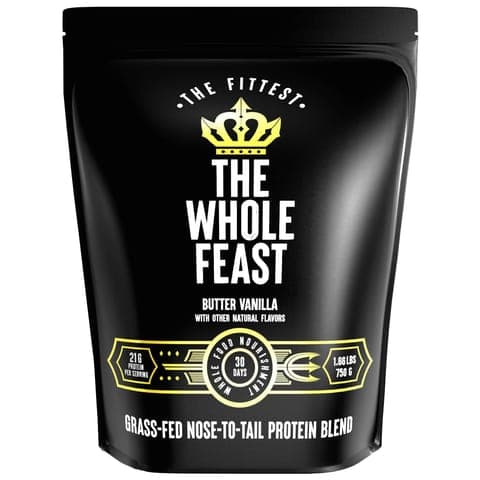
Whey vs Plant-Based Protein Bars for Recovery: Leucine, DIAAS, and What Science Says
Whey vs plant-based protein bars for recovery: the real science on leucine, DIAAS, and muscle protein synthesis—and why both work if total protein is adequate.
Our top protein bar picks
Editor-selected and ready to buy. As an Amazon Associate we may earn from qualifying purchases.
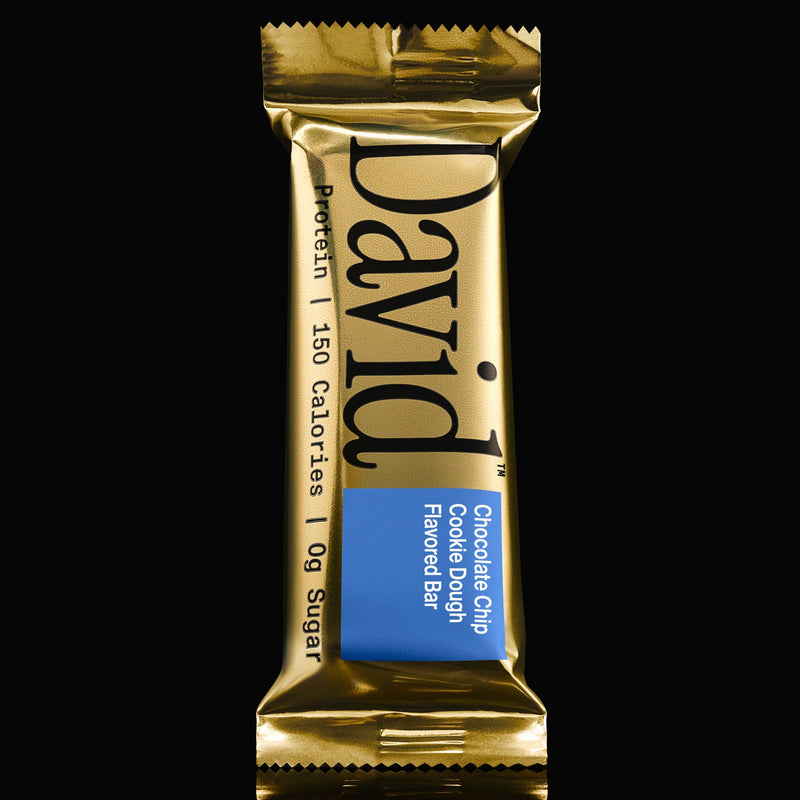 28g protein
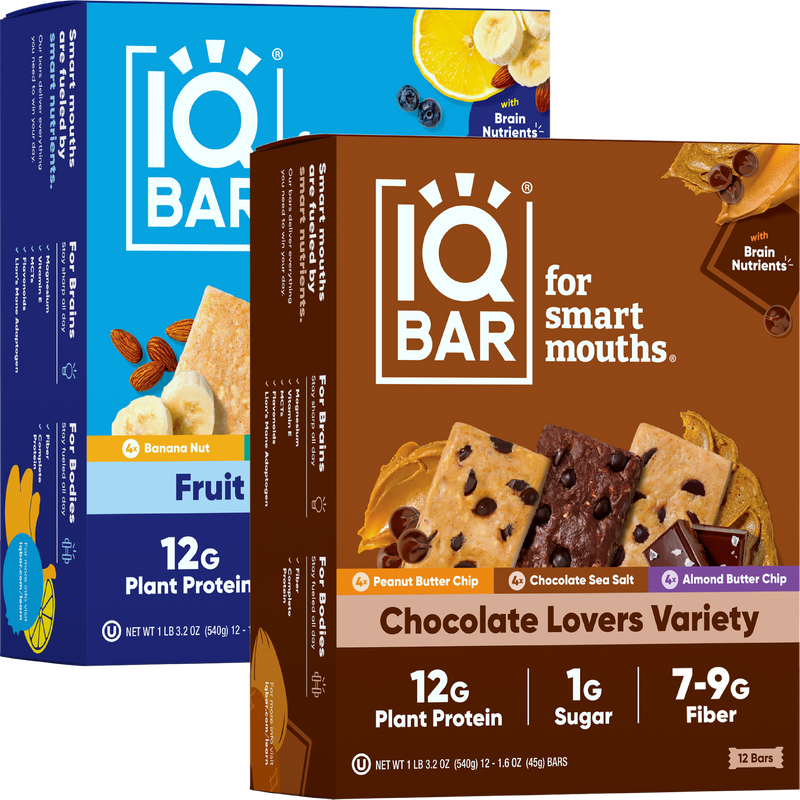 12g protein
Chocolate Lovers & Fruit Lovers (24 Bars)
Amazon returns policy · secure checkout
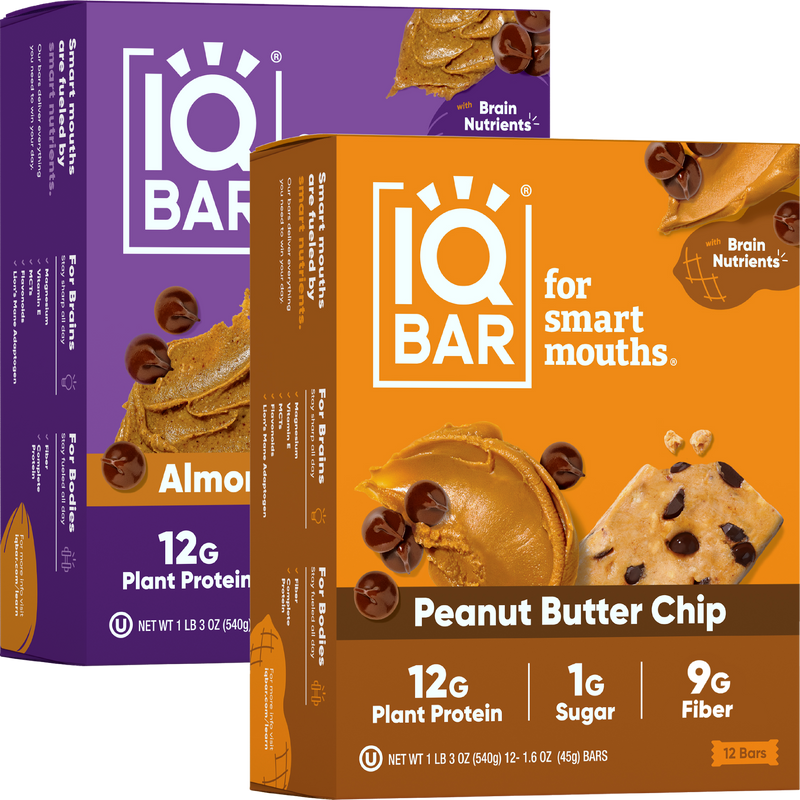 12g protein
Almond Butter Chip & Peanut Butter Chip (24 Bars)
Amazon returns policy · secure checkout
Here's the short answer most articles bury: for muscle recovery, whey protein bars have a small, real edge over plant-based bars—but the difference is modest, and it disappears almost entirely once you account for total daily protein and leucine. Whey is a complete protein that's especially rich in leucine, the amino acid that flips the switch on muscle protein synthesis (MPS). Plant proteins—especially single sources like rice or pea alone—are lower in leucine and slightly less digestible. But a well-formulated plant bar (usually a pea + rice blend, sometimes with added leucine) closes most of that gap. If you're hitting your protein target across the day, both will get you recovered.
Below is what the science actually says, the differences that matter in practice, and how to read a label so you pick the right bar regardless of source.
Why Whey Has the Theoretical Edge
Muscle recovery after training depends on muscle protein synthesis—your body rebuilding and reinforcing muscle tissue. Two protein properties drive how strongly a food triggers MPS: leucine content and amino acid completeness and digestibility.
Leucine: the trigger
Leucine is the branched-chain amino acid that acts as the primary on-switch for MPS. Research consistently points to a per-meal "leucine threshold" of roughly 2.5–3.0 grams needed to maximally stimulate synthesis. Whey is about 10–12% leucine, so a 25-gram serving comfortably clears that threshold. Most plant proteins run closer to 6–8% leucine, so you need more total grams to hit the same trigger. That's the single biggest reason whey looks better on paper.
Completeness and digestibility (DIAAS)
The modern measure of protein quality is DIAAS (Digestible Indispensable Amino Acid Score), which scores how well a protein's digestible amino acids meet human requirements. Whey protein isolate scores around 1.0 or higher—essentially a complete, highly digestible protein. Single plant sources score lower: pea isolate around 0.82 and rice protein around 0.37, mainly because each is low in a different essential amino acid (rice is low in lysine, pea is low in methionine).
Why the Gap Is Smaller Than It Looks
Here's the nuance the headline numbers miss. Those plant weaknesses are complementary—and bar makers exploit that.
- Blends fix completeness. Combine pea (high lysine, low methionine) with rice (low lysine, high methionine) and you get a near-complete amino acid profile. A good pea + rice blend lands much closer to animal protein than either source alone.
- Added leucine fixes the trigger. A 2024 study comparing plant-based protein blends with and without added leucine against whey found that the plain plant blend stimulated less MPS than whey—but the plant blend with added leucine stimulated MPS no differently than whey. The gap was closed by leucine, not by switching to dairy.
- Total daily protein dominates. Across the broader literature, total daily protein intake is the strongest predictor of muscle gains—far more than the exact source or precise timing. Meet your daily target (commonly ~1.6 g/kg of body weight for people training to build or keep muscle, spread across meals) and the whey-vs-plant question becomes a footnote.
Translation: a thoughtfully formulated plant bar with adequate protein and enough leucine recovers you about as well as a whey bar. A poorly formulated one (single low-quality source, low protein) does not.
Whey vs Plant-Based Protein Bars: Side-by-Side
| Factor | Whey protein bars | Plant-based protein bars |
|---|---|---|
| Amino acid completeness | Complete by default | Complete if blended (e.g., pea + rice); often incomplete if single-source |
| Leucine content | High (~10–12%); hits the MPS threshold easily | Lower (~6–8%); needs more grams or added leucine to match |
| Digestion / DIAAS | High (whey isolate ~1.0+) | Lower per source (pea ~0.82, rice ~0.37); blends score much higher |
| Typical protein per bar | ~16–21 g (e.g., Barebells, Quest, Pure Protein) | ~11–22 g (GoMacro ~11 g, Aloha ~14 g, No Cow ~20–22 g) |
| Recovery verdict | Slightly stronger per gram | Equivalent in practice if protein and leucine are adequate |
| Best for | Maximum recovery per gram, simplicity | Dairy-free/vegan diets, easier digestion for some, fiber |
When Whey Bars Win
- You want the most recovery per gram. If you're eating a single bar and want to be sure you cleared the leucine threshold, whey makes it easy—roughly 20 g of whey protein gets you there without thinking about it.
- Your overall protein is on the lower side. When you're not hitting a high daily total, the per-meal quality of each source matters more, and whey's higher leucine gives it an advantage.
- You tolerate dairy well and just want a convenient, high-quality option. Bars like Barebells, Quest, and Pure Protein deliver ~16–21 g of complete protein with minimal added sugar.
When Plant-Based Bars Win
- You're vegan, lactose-intolerant, or sensitive to whey. The recovery difference is small enough that there's no reason to force dairy if it bothers your gut. A quality plant bar will recover you fine.
- You read the label and it's a blend with enough protein. Look for pea + rice (or pea + another complementary source) and ~20 g of protein. No Cow, for example, packs ~20–22 g, which more than offsets the lower leucine percentage by sheer volume.
- You want fiber and whole-food ingredients. Plant bars like GoMacro and Aloha often bring more fiber and a cleaner ingredient list, even if their protein totals (~11–14 g) are lower—just pair them with other protein across the day.
One caveat for plant bars: a bar with only 11 g from a single lower-quality source is a snack, not a recovery tool. If you're relying on the bar to be your post-workout protein, prioritize total grams and a blended source.
How to Pick, Regardless of Source
- Aim for ~20 g of protein per bar if it's standing in as a real protein serving.
- For plant bars, favor blends (pea + rice) or any bar listing added leucine or BCAAs.
- Hit your daily total first. The bar's source is a rounding error compared to whether you eat enough protein overall.
- Don't over-index on timing. The "anabolic window" is far wider than gym folklore suggests; getting your total in across the day matters more than slamming a bar within 30 minutes.
Frequently Asked Questions
Is whey really better than plant protein for building muscle?
Per gram, whey has a small edge thanks to higher leucine and digestibility. But in real-world studies, when total protein and leucine are adequate, plant and whey produce similar gains in muscle and strength. For most people, the difference is modest.
How much protein should a recovery bar have?
Around 20 grams is a good target for a bar meant to function as a real protein serving. That's enough to reliably approach the ~2.5–3 g leucine threshold with whey, and with a good plant blend the higher gram count compensates for lower leucine density.
Are pea and rice protein blends as good as whey?
Close. Pea and rice complement each other's weak amino acids, so the blend is near-complete, and research shows a plant blend with sufficient leucine can match whey's muscle-building stimulus. A single-source plant bar (rice or pea alone) is a weaker choice.
Does it matter if I eat the bar right after my workout?
Less than people think. Total daily protein is the strongest driver of recovery and muscle growth. As long as you're eating enough protein spread across the day, eating your bar within a strict post-workout window isn't critical.
Which specific bars are good examples of each type?
For whey: Barebells, Quest, and Pure Protein all deliver roughly 16–21 g of complete protein. For plant-based: No Cow (~20–22 g) is a strong high-protein blend, while Aloha (~14 g) and GoMacro (~11 g) are cleaner-ingredient options better paired with other protein sources.
Bottom line: whey bars win slightly on paper, but a well-formulated plant bar recovers you just as well in practice. Pick the source that fits your diet and digestion, aim for ~20 g of protein, and make sure your daily total adds up—that's what actually builds muscle.
Shop our top protein bar picks
Editor-selected high-protein options related to this guide. As an Amazon Associate we may earn from qualifying purchases.
28g protein12g proteinChocolate Lovers & Fruit Lovers (24 Bars)
Amazon returns policy · secure checkout
12g proteinAlmond Butter Chip & Peanut Butter Chip (24 Bars)
Amazon returns policy · secure checkout
Tags
High Protein Snacks Pro Editorial Team
Independently researched and editorially reviewed. We compare real nutrition labels and never accept payment for coverage.
Get the best new protein snacks in your inbox
Weekly picks and honest reviews — no spam, unsubscribe anytime.
More from the journal
Best Protein Powders 2026: Whey Blend vs Isolate vs Plant-Based Compared — Gold Standard, ISO-100, and Sunwarrior Ranked
Dymatize ISO-100 has the tightest protein density of any major powder (up to 22.7g protein per 100 calories), Optimum Nutrition Gold Standard Whey delivers 24g for 120 calories at a lower price per scoop, and Sunwarrior Clear Protein Refresher offers 10g of plant-based protein for just 50 calories with zero artificial sweeteners. Verified nutrition facts for all three, ranked by protein density, with the honest trade-offs on sweeteners, lactose, and price.
Read more
No Cow Protein Bar Nutrition Facts: 20g Plant Protein, 1g Sugar, Dairy-Free and Soy-Free — All Flavors Compared
No Cow protein bars deliver 20g of plant-based protein from brown rice and pea protein with 1g sugar and ~15g fiber per bar — no dairy, no soy, and no artificial sweeteners. Verified 2026 nutrition facts for all core flavors, a full breakdown of the pea + rice protein blend, and a head-to-head against Clif Builder's and other plant-based competitors.
Read more
GoMacro Nutrition Facts: 11–12g Protein, 260–290 Calories — Every MacroBar Flavor (2026)
GoMacro MacroBars deliver 11–12g of protein for 260–290 calories per bar, verified flavor by flavor from the brand’s own label — plus why the organic, low-FODMAP bar carries the least fiber and the lowest protein-per-calorie of the plant-based bars it’s most often compared to.
Read more