Best Protein Bars for Hiking 2026: 5 Trail Picks Ranked by Protein and Pack Performance
The best protein bar for hiking is the RXBAR Chocolate Sea Salt — 12g of complete protein from egg whites, dates-based so it never melts in your pack, available at REI and every major grocery store. For 21g of protein at the best calorie efficiency, Quest Chocolate Chip Cookie Dough leads on pure numbers. Five trail picks ranked by protein, melt resistance, and calorie density, with verified 2026 nutrition data.
Our top protein bar picks
Editor-selected and ready to buy. As an Amazon Associate we may earn from qualifying purchases.
Buy the products in this guide: Chocolate Chip Cookie Dough Protein Bar · Cookies & Cream Protein Bars · Birthday Cake Protein Bars
 12g protein
Chocolate Sea Salt Protein Bar
Amazon returns policy · secure checkout
 12g protein
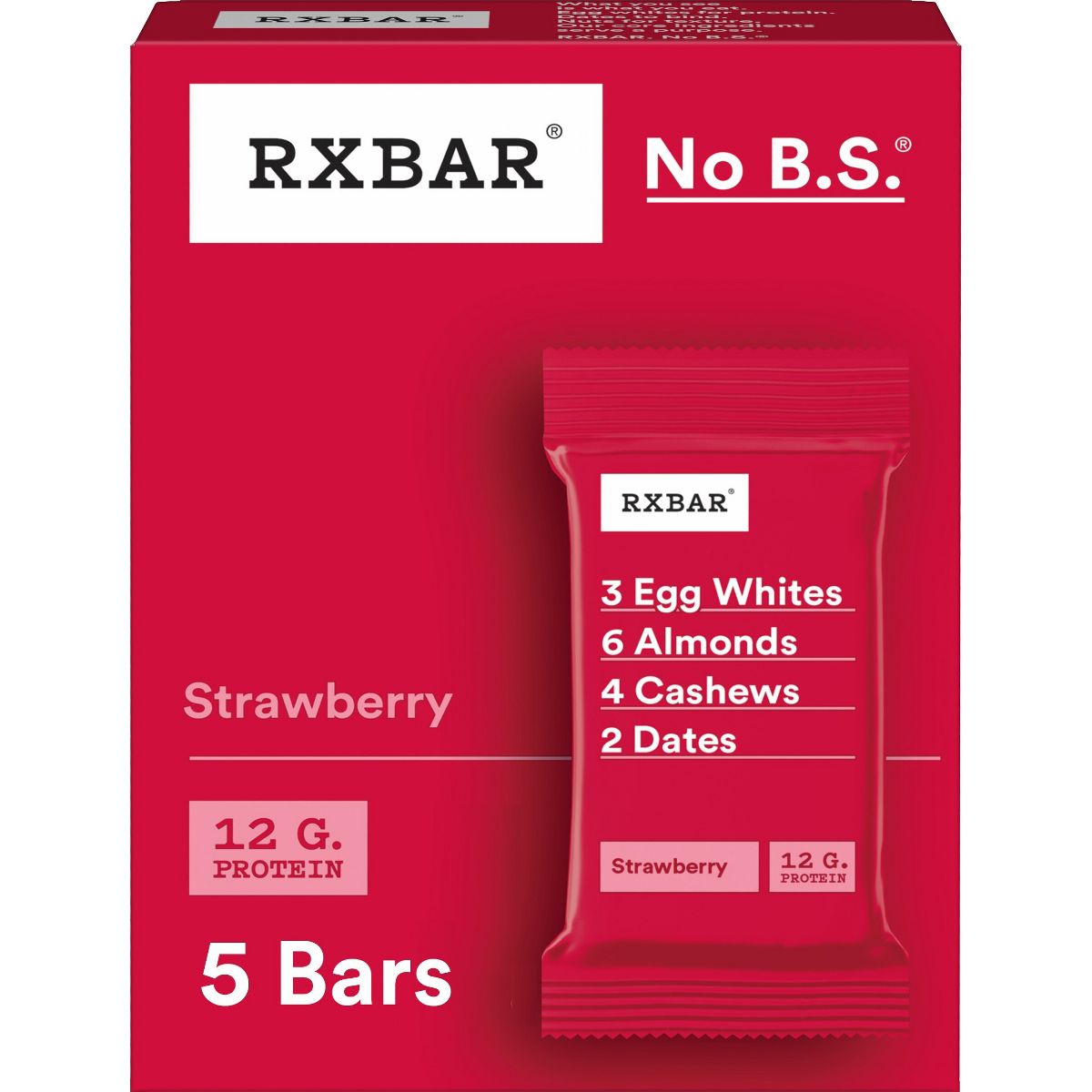 12g protein
What are the best protein bars for hiking?
Best overall (no-melt, widely available): RXBAR Chocolate Sea Salt — 12g complete protein from egg whites, no chocolate coating, holds solid at any pack temperature. Best protein efficiency: Quest Chocolate Chip Cookie Dough — 21g protein, 190 cal, 12g fiber; chocolate chips soften above ~85°F so best on cool-morning or alpine starts. Best calorie fuel for long days: Clif Builder’s Chocolate Peanut Butter — 20g protein, 263 cal, plant-based soy; chocolate shell melts in a hot pack. Best organic and vegan option: GoMacro MacroBar Peanut Butter Chocolate Chip — 12g organic plant protein, USDA Organic, soft format, no heat-sensitive coating. Best zero-carb, never-melts option: Chomps Original Grass-Fed Beef Stick — 10g protein, 100 cal, 0g carbs, cured meat is immune to heat at any trail temperature.
Protein bars for hiking solve a specific problem: you burn 300–600 calories per hour on trail, you need protein to prevent muscle breakdown across multi-day efforts, and the food has to survive hours inside a pack that can reach 100°F on a summer day. That combination eliminates most of the protein bar market outright. Bars with chocolate coatings turn to a melted mass in a hot pack. Bars requiring refrigeration (Perfect Bar) are a non-starter past the trailhead — our ranked high-protein snacks without refrigeration guide covers the full field beyond bars. High-fiber bars can cause bloating mid-climb in hikers not adapted to large fiber doses. The five picks below survive those filters and are ranked by how well they balance protein content, melt resistance, calorie density, and real-world trail convenience. Every nutrition figure comes from the brand’s own 2026 published label; anything not confirmed is marked with a dash rather than a guess.
Affiliate links — if you buy through them we earn a small commission at no extra cost to you. Every number in this guide comes from each brand’s own published 2026 nutrition panel.
Hiking Protein Bar Comparison: 2026 Verified Nutrition
| # | Pick | Weight | Protein | Calories | Protein / 100 cal | Melt Risk | Vegan? |
|---|---|---|---|---|---|---|---|
| 1 | RXBAR Chocolate Sea Salt | 52g (1.83 oz) | 12g | 210 | 5.7g | None — dates base | No |
| 2 | Quest Chocolate Chip Cookie Dough | 60g (2.12 oz) | 21g | 190 | 11.1g | Medium — chips soften above 85°F | No |
| 3 | Clif Builder’s Chocolate Peanut Butter | 68g (2.40 oz) | 20g | 263 | 7.6g | High — chocolate shell melts | No |
| 4 | GoMacro MacroBar PB Choc Chip | 68g (2.40 oz) | 12g | 270 | 4.4g | Low — soft organic base | Yes |
| 5 | Chomps Original Beef Stick | 32g (1.15 oz) | 10g | 100 | 10.0g | None — cured meat | No |
Melt risk: None = holds structure in any pack heat. Medium = may soften but stays edible. High = chocolate shell melts above 85°F. Protein / 100 cal = (protein ÷ calories) × 100.
The 5 Best Protein Bars for Hiking in 2026 (Plus One Meat Stick)
#1 Best Overall — RXBAR Chocolate Sea Salt
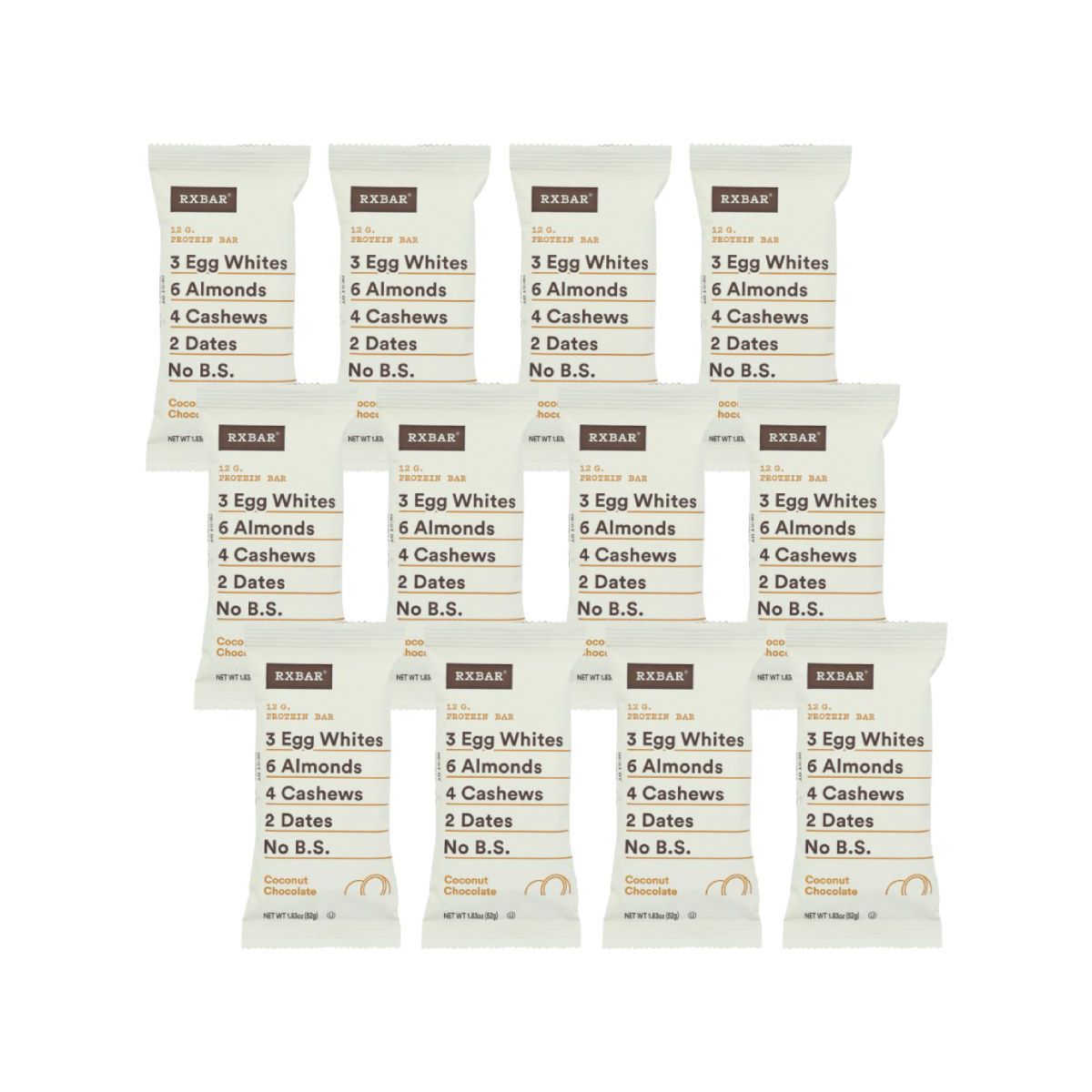
RXBAR Chocolate Sea Salt (52g / 1.83 oz)
12g protein · 210 cal · 22g natural sugar (dates) · 5g fiber · egg whites + almonds + cashews · no chocolate shell — melt proof
Check price on Amazon →RXBAR is the top hiking pick for one underappreciated reason: no chocolate coating. Every other popular protein bar — Quest, Clif Builder’s, Barebells, ONE Bar — is enrobed in or studded with chocolate that melts in a warm pack. RXBAR is a compressed date-and-nut bar with cocoa powder folded into the interior; it holds its shape at 100°F+ without becoming a sticky mess. The 12g of protein comes from egg whites, a complete protein source, plus whole almonds and cashews. The ingredient label is six items: dates, egg whites, cashews, almonds, cocoa, sea salt. No artificial sweeteners, no sugar alcohols, no protein isolates, no synthetic binders. At 52g and 210 calories it is the lightest bar on this list, which matters when you are carrying 8–12 bars across a four-day backpacking trip. Stocked at REI, Whole Foods, Target, most grocery stores, and every major trail outfitter. Full nutrition data by flavor in our RXBAR nutrition facts guide.
The honest catch: at 12g of protein per bar, RXBAR delivers significantly less protein than Quest or Clif Builder’s at roughly the same calorie cost. A backpacker trying to hit 30g of protein at a snack stop needs two and a half RXBAR bars, adding 525 calories. The 22g of natural sugar from dates — while not refined added sugar — still contributes a glycemic load. Best suited to day hikers who prioritize clean ingredients and want a bar that handles any weather.
#2 Best Protein Efficiency — Quest Chocolate Chip Cookie Dough
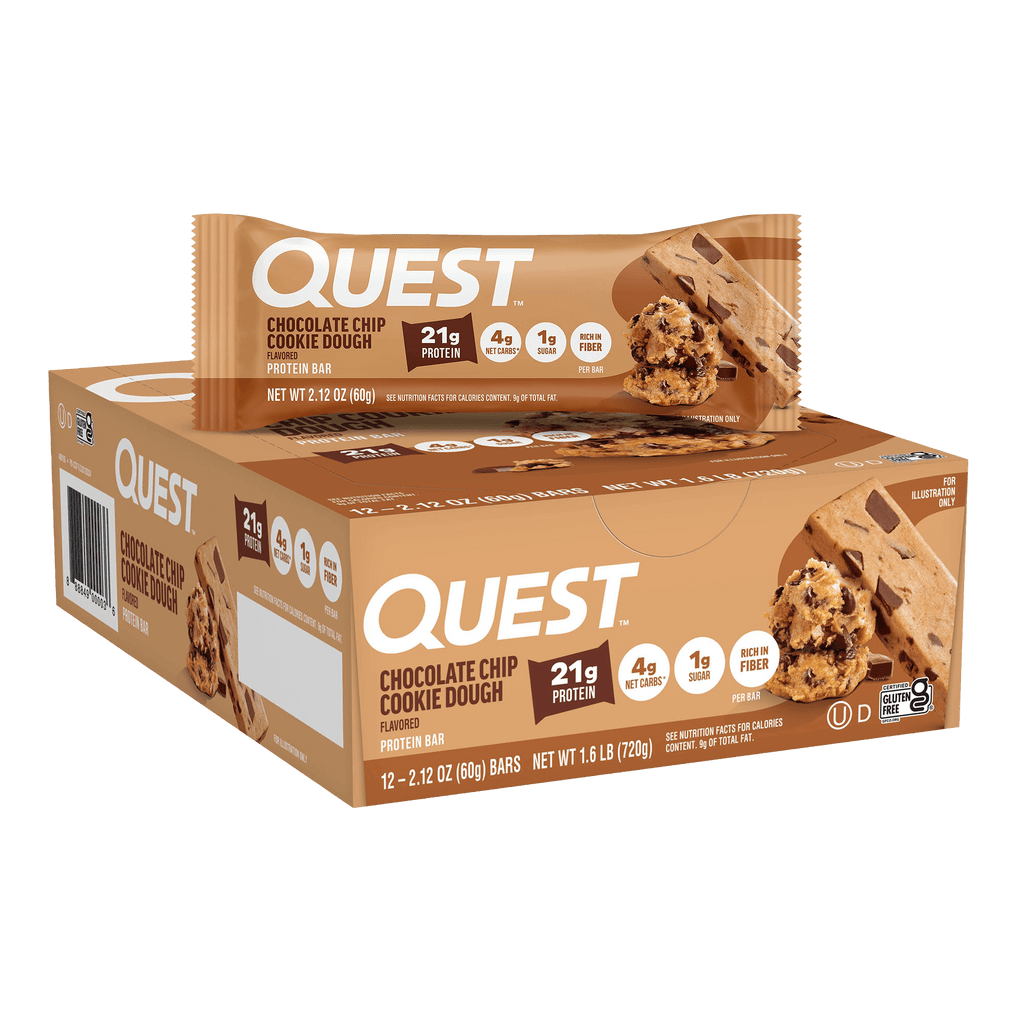
Quest Chocolate Chip Cookie Dough (60g / 2.12 oz)
21g protein · 190 cal · 1g sugar · 12g fiber · whey + milk protein isolate · chocolate chips soften above ~85°F
Check price on Amazon →Quest delivers the highest protein-to-calorie ratio on this list: 21g of complete protein from whey isolate and milk protein isolate at just 190 calories, with 12g of soluble fiber and only 1g of sugar. That 11.1g-per-100-calorie ratio is the highest of any bar reviewed here. For a backpacker counting protein grams and pack weight together, Quest gives the most protein per ounce of any bar on this list (60g / 2.12 oz). The 12g of fiber slows digestion for a longer, flatter energy curve on a sustained climb — no glucose spike and crash an hour into the ascent. Full details in our Quest protein nutrition guide.
The honest catch: Quest bars contain chocolate chips that soften and can stick together when pack temperatures exceed roughly 85°F (29°C). On a summer desert trail with a sun-heated pack, they can fuse into a crumbly block on opening. Still edible, but messy. For warm-weather hiking, pack Quest in an insulated side pocket or substitute RXBAR. The 12g of fiber can also cause bloating in hikers not adapted to high-fiber diets; test at home before a long trail day. The erythritol + sucralose sweetener combination causes GI discomfort in a small minority of sucralose-sensitive people.
#3 Best Calorie Density for Long Days — Clif Builder’s Chocolate Peanut Butter

Clif Builder’s Chocolate Peanut Butter (68g / 2.40 oz)
20g protein · 263 cal · 20g sugar · 5g fiber · organic soy protein isolate (plant-based) · chocolate shell melts above ~85°F
Check price on Amazon →Clif Builder’s delivers the highest calorie count per bar on this list (263 cal) alongside 20g of plant-based protein from organic soy protein isolate — a complete protein (all essential amino acids). The calorie density matters on the trail: a moderate-paced hiker burns 300–400 calories per hour, and a Clif Builder’s provides meaningful fuel recovery without needing a full meal stop. The 20g of sugar comes from organic cane syrup, brown rice syrup, and organic cane sugar — real carbohydrates that translate directly to trail energy. Available at REI, Target, Walmart, grocery stores, and gas stations along major trailhead access roads. Full data in our Clif Builder’s nutrition guide and the head-to-head in our Clif Builder’s vs Quest comparison.
The honest catch: Clif Builder’s has a full chocolate coating that will melt in a hot pack above roughly 85°F. In a summer pack the wrapper bonds to the bar and the whole thing arrives crumbly. This is a spring, fall, or alpine-start bar — not a desert-noon bar. The 20g of sugar, while from organic sources, is a real glycemic load; not appropriate for hikers managing blood sugar. Soy protein isolate contains isoflavones, which some hikers prefer to avoid; in that case, RXBAR (egg white) or Quest (whey and milk protein) are cleaner alternatives for animal-protein eaters.
#4 Best Organic and Vegan Option — GoMacro MacroBar Peanut Butter Chocolate Chip

GoMacro MacroBar Peanut Butter Chocolate Chip (68g / 2.40 oz)
12g protein · 270 cal · 8g sugar (brown rice syrup) · 2g fiber · USDA Organic · vegan · certified gluten-free
Check price on Amazon →GoMacro is the best hiking bar for hikers who require both USDA Organic certification and a vegan protein source. The Peanut Butter Chocolate Chip MacroBar delivers 12g of protein from sprouted brown rice protein and peanut butter. It is a soft chewy bar without a chocolate outer shell, which means heat does not turn it into a mess the way it does with Clif Builder’s or Quest. The 8g of sugar comes from organic brown rice syrup, a slower-digesting complex carbohydrate. Widely stocked at REI, Whole Foods, Natural Grocers, and Sprouts — the exact stores where trail-focused shoppers tend to resupply. Certified gluten-free, soy-free, and Non-GMO Project verified.
The honest catch: at 4.4g of protein per 100 calories, GoMacro is the least protein-efficient pick on this list. A hiker trying to hit 30g of protein at a snack stop needs two and a half bars at 675 combined calories and 170g (6 oz) of pack weight. GoMacro is the right choice when organic certification and plant-only sourcing are the priorities, not when protein efficiency is the primary metric. Fiber at 2g per bar is modest; GoMacro will not suppress appetite the way Quest (12g fiber) does. At $2.50–$3.50 per bar at retail, it is the most expensive pick per gram of protein in this guide.
#5 Best Meat-Based Option — Chomps Original Grass-Fed Beef Stick
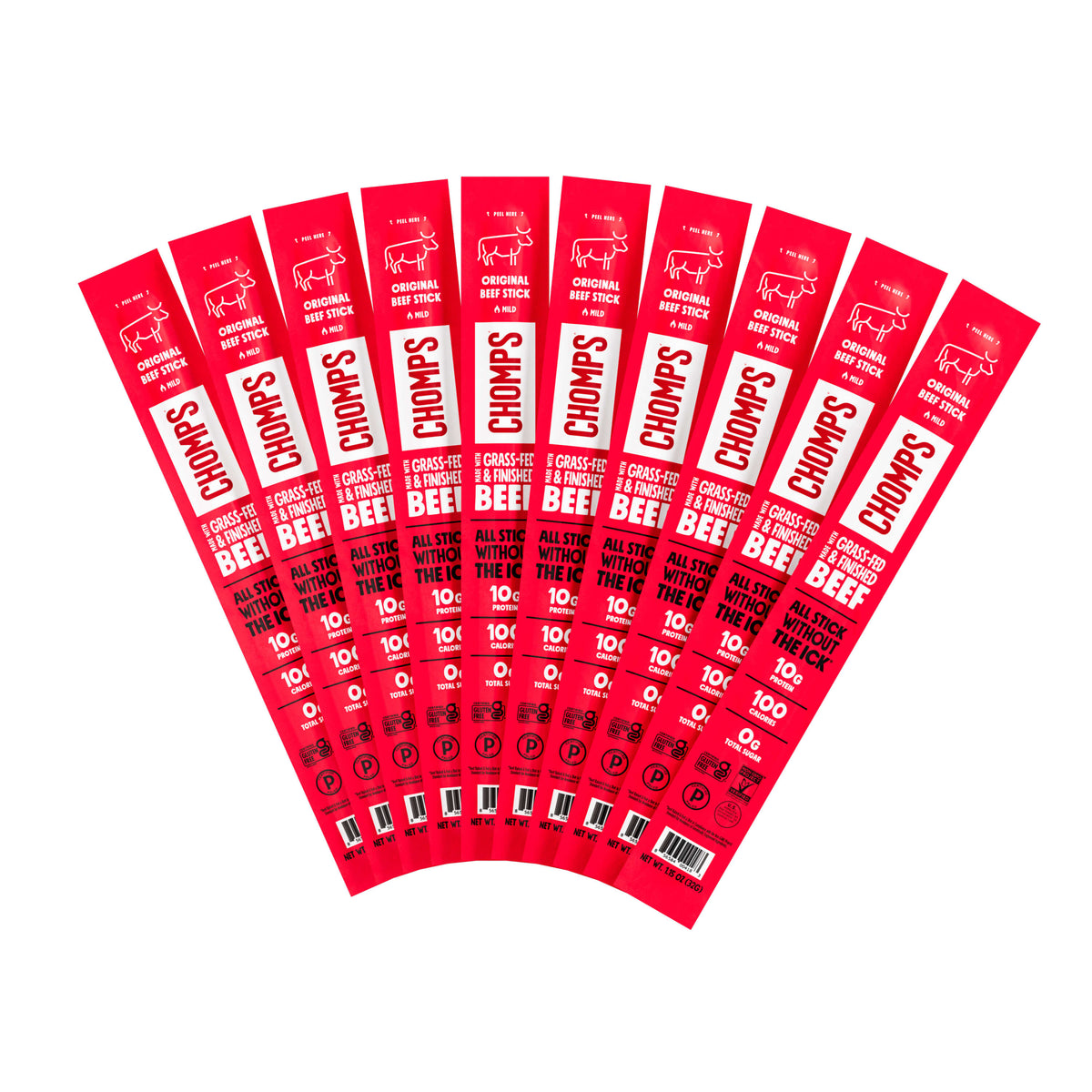
Chomps Original Grass-Fed Beef Stick (32g / 1.15 oz)
10g protein · 100 cal · 0g sugar · 0g carbs · 380mg sodium · 100% grass-fed beef · never melts · shelf-stable for months
Check price on Amazon →Chomps beef sticks are not a bar, but they earn a place on every serious hiking snack list for three reasons: they never melt, they are calorie-efficient per gram of protein, and they are the only pick here with zero carbohydrates. At 32g per stick and 100 calories, a single Chomps delivers 10g of complete beef protein in a format immune to heat, cold, altitude, and rough pack handling. Ingredient list: grass-fed beef, water, sea salt, spices, celery powder, lactic acid. No sugar, no MSG, no soy, no gluten, no synthetic nitrates. Paleo, Whole30, and keto compliant. Shelf-stable for months with no refrigeration. Best hiking use: one Quest or Clif Builder’s bar plus one Chomps gives 31g of protein at 290 calories or 31g at 363 calories respectively — a meaningful snack-stop protein hit. Full nutrition across every Chomps flavor in our Chomps nutrition facts guide.
The honest catch: at 380mg of sodium per stick, two or three sticks in a hot-day hiking session adds real sodium load. For hikers with sodium restrictions this is worth tracking; for everyone else, sodium replacement on a hard sweating day is actually useful. Three sticks to match the protein of one Quest bar costs 300 combined calories versus 190 for the bar, so the per-protein calorie math is less efficient. Best used as a complement to a bar rather than a standalone snack-stop replacement.
What Happens to Protein Bars in a Hot Backpack?
Chocolate-coated protein bars begin to soften when pack temperatures exceed roughly 85°F (29°C) and are usually fully melted by 90–95°F. On a summer day hike, a dark pack in direct sunlight can reach 100–120°F inside, which means chocolate-coated bars — Quest, Clif Builder’s, Barebells, ONE Bar — fuse to their wrappers and crumble on opening. Three practical solutions: (1) choose non-coated bars such as RXBAR and GoMacro MacroBar, which hold their structure at any hiking temperature; (2) pack chocolate-coated bars in an insulated side pocket or small soft cooler with an ice pack; or (3) start early and eat the chocolate bars before midday heat. Chomps beef sticks and other jerky-format snacks are completely immune to heat and are an ideal melt-proof complement to any chocolate bar in a summer pack.
How Much Protein Do You Actually Need on a Day Hike?
For a standard day hike of 4–8 miles, most hikers do not need to dramatically increase protein intake above their normal daily target. General sports-nutrition guidance puts protein needs for active people at 0.6–0.9 grams per pound of body weight per day; a 160-pound hiker targeting the upper end needs about 144g of protein daily, which does not fundamentally change on a moderate day hike. What does change is that carbohydrate and total calorie needs increase significantly with trail mileage and elevation gain — which is why calorie-dense options like Clif Builder’s (263 cal per bar) earn their place on longer efforts. For multi-day backpacking where muscle maintenance across consecutive high-output days matters more, targeting 25–35g of protein per snack stop becomes genuinely useful; that requires combining options (one Quest + one Chomps = 31g of protein) rather than relying on a single bar. For more on protein timing around active efforts, see our protein snacks for runners guide.
Frequently Asked Questions
Which protein bars won’t melt on a summer hike?
RXBAR and GoMacro MacroBar both hold their structure at high pack temperatures because neither uses a chocolate outer shell. RXBAR is a compressed dates-and-nut bar that stays solid at any temperature a hiker is likely to encounter. GoMacro is a soft organic bar without a heat-sensitive coating. Chomps beef sticks are also completely heat-stable. Quest, Clif Builder’s, Barebells, and ONE Bar all have chocolate coatings or chocolate chips that soften above roughly 85°F and should be packed with ice or eaten early on hot-day hikes.
What is the best protein bar for backpacking?
For multi-day backpacking where pack weight and protein efficiency both matter, Quest Chocolate Chip Cookie Dough is the best choice: 21g of protein at just 190 calories in a 60g (2.12 oz) bar, the best protein-per-ounce ratio on this list. Pair it with Chomps for a snack stop delivering 31g of protein at 290 total calories. For summer heat, substitute RXBAR for Quest to eliminate melt risk. GoMacro is the top pick for vegan backpackers who require USDA Organic certification.
Are protein bars good for hiking?
Yes, with caveats. The advantages are clear: shelf-stable, compact, convenient to eat while moving, and a reliable protein source without refrigeration. The caveats: many bars have chocolate coatings that melt in summer heat, high-fiber bars (Quest, No Cow) can cause bloating during strenuous activity in hikers not adapted to large fiber doses, and bars are calorie-dense enough to require calorie planning on longer trips. For most day hikers, one or two bars alongside other trail food (nuts, jerky, whole fruit) covers protein needs without issues. For longer efforts and multi-day backpacking, bars are one of the most weight-efficient protein sources available short of powder, which requires water and a container to mix.
How many protein bars should I bring on a day hike?
For a 4–8 mile day hike at moderate pace, one to two protein bars is typical alongside other trail food. A Quest (190 cal, 21g protein) or RXBAR (210 cal, 12g protein) provides a meaningful snack break without constituting a full meal. For a 10-plus-mile day or a heavy-effort hike with significant elevation gain, two to three bars become appropriate as part of a calorie plan targeting 300–400 calories per hour of sustained effort. Always bring more than you expect to need — trail times and hunger both run longer than planned more often than not.
What protein bars are available at REI?
REI consistently stocks RXBAR, Clif Builder’s, GoMacro MacroBar, Larabar, and KIND Protein bars at most locations. Quest and Chomps are stocked at select stores. REI’s bar selection skews toward whole-food, organic, and clean-label options compared to a standard grocery store — which is why RXBAR and GoMacro are more prominently featured there than at CVS or Walgreens. Online purchasing from REI or Amazon is the most reliable way to get your exact flavor choice in quantity before a longer trip.
Bottom line: for warm-weather or year-round use, RXBAR Chocolate Sea Salt is the default pick — it never melts, is available everywhere, and has a six-ingredient label as clean as a mainstream protein bar gets. For the best protein numbers on the trail, Quest gives 21g at 190 calories and 11.1g per 100 cal, the most efficient bar reviewed here; pack it in a cooler pocket on hot days. For long-day fuel, Clif Builder’s Chocolate Peanut Butter delivers the most combined protein and calories per bar but should be eaten before the midday heat on summer trips. For vegan and organic-certified snacking, GoMacro is the top choice at natural retailers and REI. For zero carbs and guaranteed no-melt, add Chomps beef sticks to any bar combination for a snack stop that hits 21–31g of protein. Browse the full protein snacks directory or see our complete best protein bars of 2026 guide for the broader comparison. For travel snacking more broadly, see our best travel protein snacks guide.
Shop our top protein bar picks
Editor-selected high-protein options related to this guide. As an Amazon Associate we may earn from qualifying purchases.
Buy the products in this guide: Chocolate Chip Cookie Dough Protein Bar · Cookies & Cream Protein Bars · Birthday Cake Protein Bars
12g proteinChocolate Sea Salt Protein Bar
Amazon returns policy · secure checkout
12g protein12g proteinTags
High Protein Snacks Pro Editorial Team
Independently researched and editorially reviewed. We compare real nutrition labels and never accept payment for coverage.
Get the best new protein snacks in your inbox
Weekly picks and honest reviews — no spam, unsubscribe anytime.
More from the journal
Best High-Protein Snacks at Harris Teeter (2026): 7 Picks Ranked by Protein, Price, and Availability
Harris Teeter stocks a stronger protein-snack lineup than most regional grocers, including Fairlife Core Power Elite (42g protein), Quest Protein Bars (21g), Premier Protein shakes (30g), and multiple cottage cheese brands — all in one trip without a warehouse membership. Seven picks verified against 2026 Harris Teeter listings and label data, ranked by protein per serving, price per gram of protein, and grab-and-go convenience.
Read more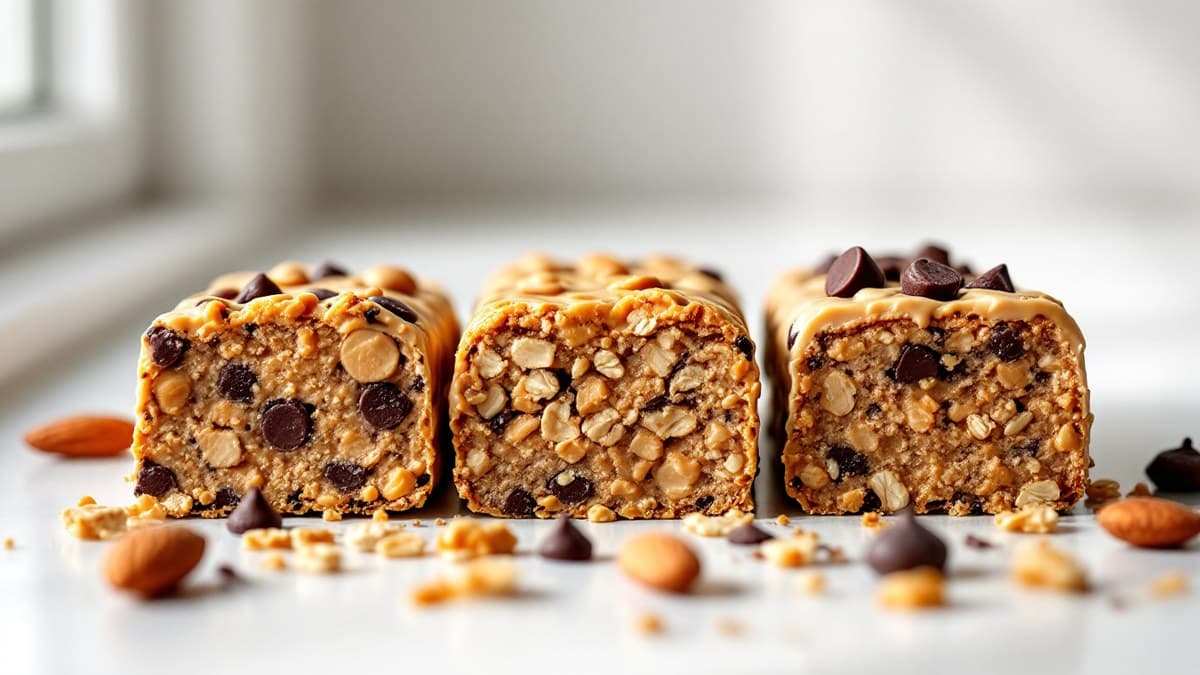
Best Protein Bars for College Students (2026): 6 Dorm-Ready Picks Ranked by Protein, Cost, and Convenience
The best protein bar for college students is Quest Chocolate Chip Cookie Dough — 21g of complete protein at 190 calories and 12g of fiber, shelf-stable with no refrigeration, available at campus stores and Amazon for roughly $1.50–$2.00 a bar in a 12-count box. For the highest protein-per-calorie ratio, DAVID Gold packs 28g of protein into just 150 calories — the most efficient bar in mainstream retail. Six dorm-ready picks ranked by protein, cost, and convenience, with verified 2026 nutrition data.
Read more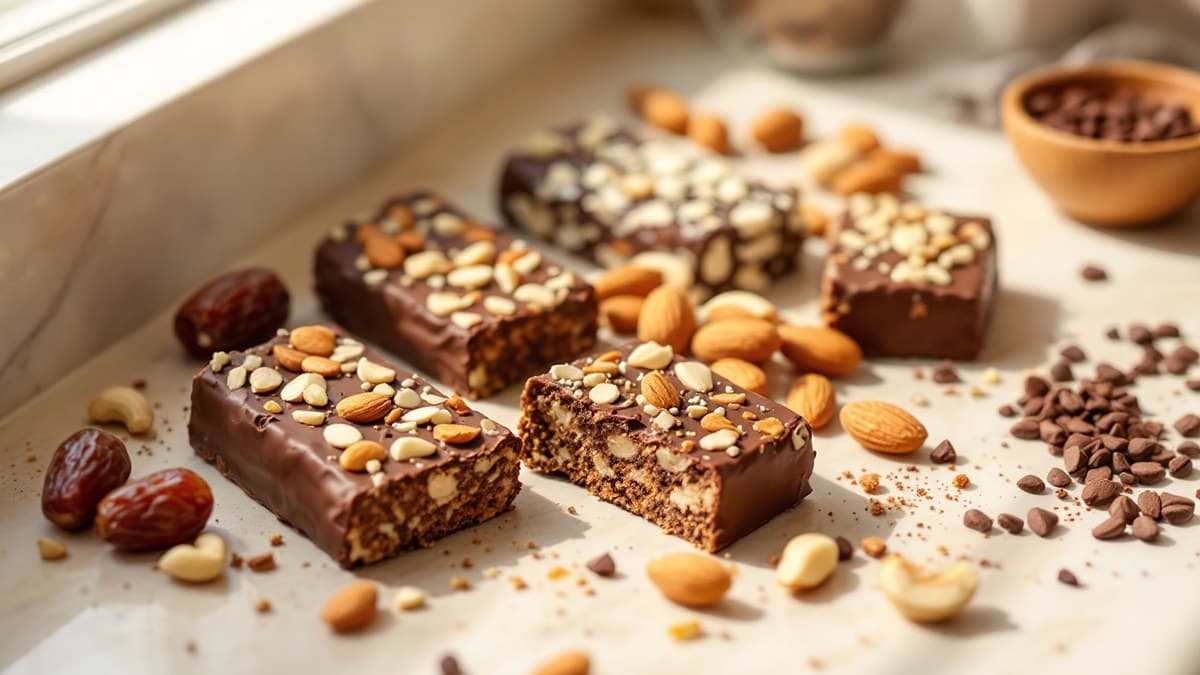
Celiac-Friendly Protein Bars (2026): 6 Certified GF Picks Ranked by Verified Nutrition
Quest Chocolate Chip Cookie Dough leads the certified gluten-free field — 21g of complete protein at 200 calories, 1g sugar, and third-party GFCO certification. RXBAR Chocolate Sea Salt is the cleanest whole-food option at 12g of protein and a five-ingredient label. Six real 2026 picks, each with verified nutrition, a real product photo, and a tracked buy button, plus how to actually verify a bar is gluten-free rather than just reading the front of the wrapper.
Read more