Best Protein Bars for College Students (2026): 6 Dorm-Ready Picks Ranked by Protein, Cost, and Convenience
The best protein bar for college students is Quest Chocolate Chip Cookie Dough — 21g of complete protein at 190 calories and 12g of fiber, shelf-stable with no refrigeration, available at campus stores and Amazon for roughly $1.50–$2.00 a bar in a 12-count box. For the highest protein-per-calorie ratio, DAVID Gold packs 28g of protein into just 150 calories — the most efficient bar in mainstream retail. Six dorm-ready picks ranked by protein, cost, and convenience, with verified 2026 nutrition data.
Our top protein bar picks
Editor-selected and ready to buy. As an Amazon Associate we may earn from qualifying purchases.
Buy the products in this guide: Chocolate Chip Cookie Dough Flavored Protein Bar · Chocolate Chip Cookie Dough Protein Bars · Oatmeal Chocolate Chip Protein Bars
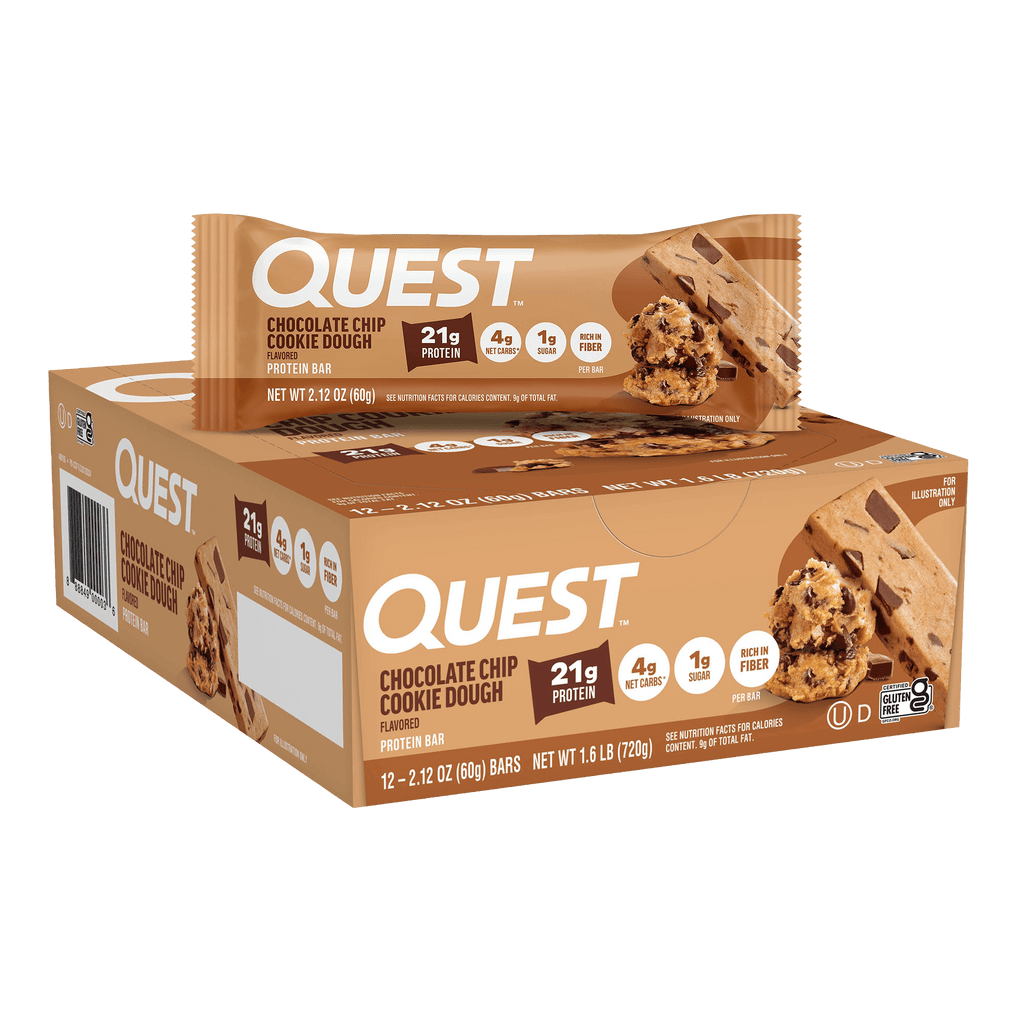 20g protein
Chocolate Chip Cookie Dough Protein Bar
Amazon returns policy · secure checkout
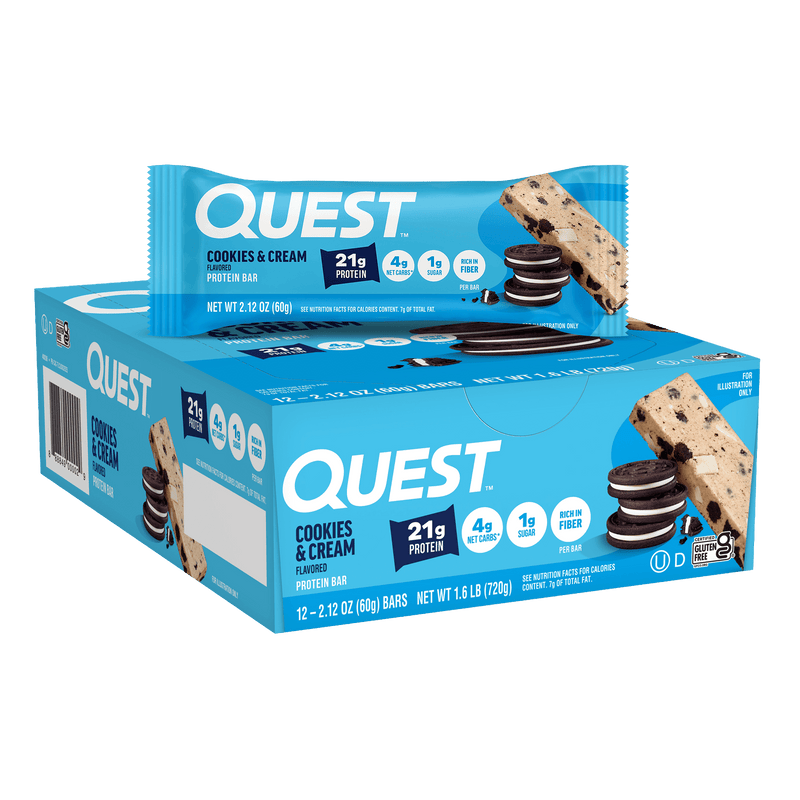 21g protein
Cookies & Cream Protein Bars
Amazon returns policy · secure checkout
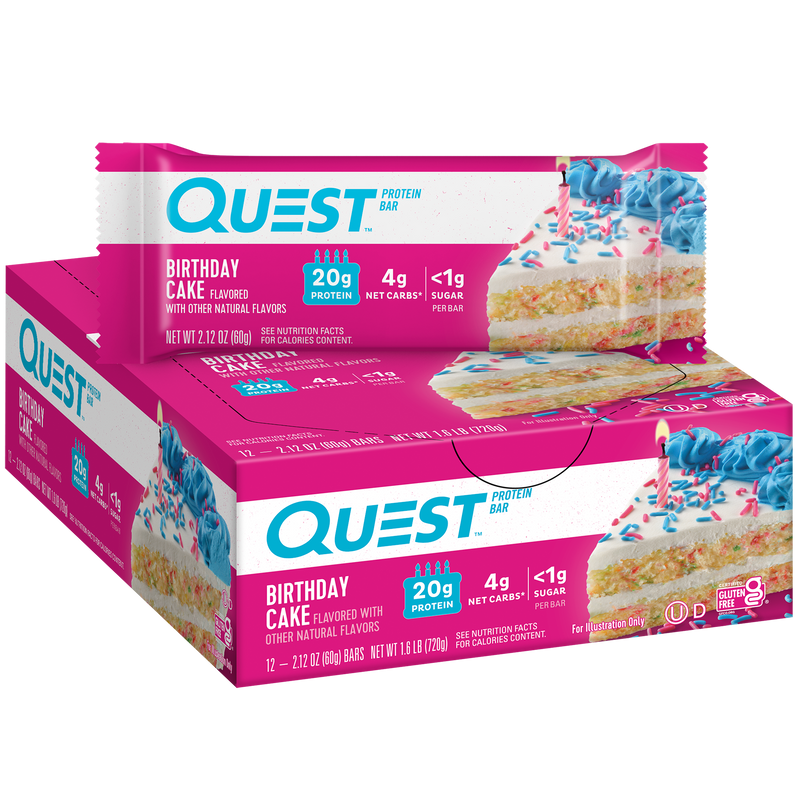 20g protein
Birthday Cake Protein Bars
Amazon returns policy · secure checkout
The 30-second answer
Best overall (protein + fiber, no refrigeration): Quest Chocolate Chip Cookie Dough — 21g protein, 190 cal, 12g fiber, ~$1.75/bar in a 12-count box. Best protein per calorie (gym-focused students): DAVID Gold Chocolate Chip Cookie Dough — 28g protein, 150 cal, 0g sugar, the highest protein-to-calorie ratio in mainstream retail. Best flavor variety (for staying consistent): ONE Bar Peanut Butter Pie — 20g protein, 220 cal, 25+ flavors including Birthday Cake and Maple Glazed Doughnut. Best clean-label ingredients: RXBAR Chocolate Sea Salt — 12g protein, 210 cal, six whole-food ingredients, no sweeteners of any kind. Best budget pick (most available at campus stores): Clif Builder’s Chocolate Peanut Butter — 20g protein, 263 cal, plant-based soy, found at virtually every campus convenience store and gas station. Best value per bar (Costco members): Kirkland Signature Protein Bar — 21g protein, 190 cal, 12g fiber, ~$1.10–$1.25/bar in a 20-count Costco box, the cheapest per-bar price on this list.
College students face a specific protein problem: dining halls load up on refined carbs, schedules make sit-down meals unreliable, dorm rooms have no kitchens, and a grocery budget that already covers rent and textbooks rarely has much room left for food. Protein bars solve the core constraint — they are shelf-stable, require no refrigeration, fit in a backpack, and can deliver 12–28g of complete protein in under two minutes between lectures. The six picks below are ranked specifically on the variables that matter in a dorm: protein content, cost per bar at realistic buying sizes (12-count box, not the $3.99 convenience store single), no-refrigeration requirement, and campus or online availability. Every nutrition figure comes from each brand’s own published 2026 label; anything not confirmed is marked with a dash rather than a guess.
Affiliate links — if you buy through them we earn a small commission at no extra cost to you. Every number below comes from each brand’s own published 2026 nutrition panel.
College Protein Bar Comparison: 2026 Verified Nutrition and Estimated Cost
| # | Pick | Protein | Calories | Protein / 100 cal | Fiber | Approx. Price / Bar |
|---|---|---|---|---|---|---|
| 1 | Quest Chocolate Chip Cookie Dough | 21g | 190 | 11.1g | 12g | ~$1.75 |
| 2 | DAVID Gold Chocolate Chip Cookie Dough | 28g | 150 | 18.7g | 0g | ~$2.50 |
| 3 | ONE Bar Peanut Butter Pie | 20g | 220 | 9.1g | 9g | ~$2.00 |
| 4 | RXBAR Chocolate Sea Salt | 12g | 210 | 5.7g | 5g | ~$2.25 |
| 5 | Clif Builder’s Chocolate Peanut Butter | 20g | 263 | 7.6g | 5g | ~$1.75 |
| 6 | Kirkland Signature Protein Bar (Costco) | 21g | 190 | 11.1g | 12g | ~$1.10–1.25 |
Protein / 100 cal = (protein ÷ calories) × 100. Approx. price per bar based on a 12-count Amazon box or Costco 20-count box at the time of writing; single-serve at campus convenience stores typically runs $0.50–$1.50 more per bar. Nutrition from each brand’s own 2026 published label.
The 6 Best Protein Bars for College Students in 2026
#1 Best Overall — Quest Chocolate Chip Cookie Dough
Quest Chocolate Chip Cookie Dough (60g / 2.12 oz)
21g protein · 190 cal · 1g sugar · 12g fiber · whey + milk protein isolate (no collagen) · erythritol + sucralose
Check price on Amazon →Quest is the default answer for college students for a straightforward reason: it delivers the best combination of protein, fiber, and cost at realistic buying volumes. A 12-count box on Amazon runs $19–$24, which works out to roughly $1.58–$2.00 per bar — meaningfully cheaper than the $2.29–$3.49 single-serve price at CVS or a campus bookstore. At 21g of complete protein from whey and milk protein isolate with 12g of soluble fiber and only 1g of sugar, it satisfies a real protein gap without contributing to the carbohydrate-heavy caloric load most dining halls already deliver. The 12g of fiber creates genuine satiety that lower-fiber bars at the same protein count do not — a Quest bar between lunch and a 3pm lecture holds differently than a 20g-protein, 3g-fiber bar at the same calorie count. Stocked at Target, Walmart, CVS, Walgreens, and most campus bookstores. Full nutrition breakdown in our Quest protein nutrition guide and the head-to-head in our Quest vs DAVID comparison.
The honest catch: Quest contains erythritol and sucralose. For most students eating one bar a day this is a non-issue, but students who eat two or more bars daily may notice digestive discomfort from the cumulative 12g of soluble corn fiber per bar. The chocolate chips soften when the bar is left in a warm backpack in direct sunlight for hours — edible but messier to open. Not suitable for dairy-free or vegan diets (whey and milk protein isolate).
#2 Best Protein per Calorie — DAVID Gold Chocolate Chip Cookie Dough
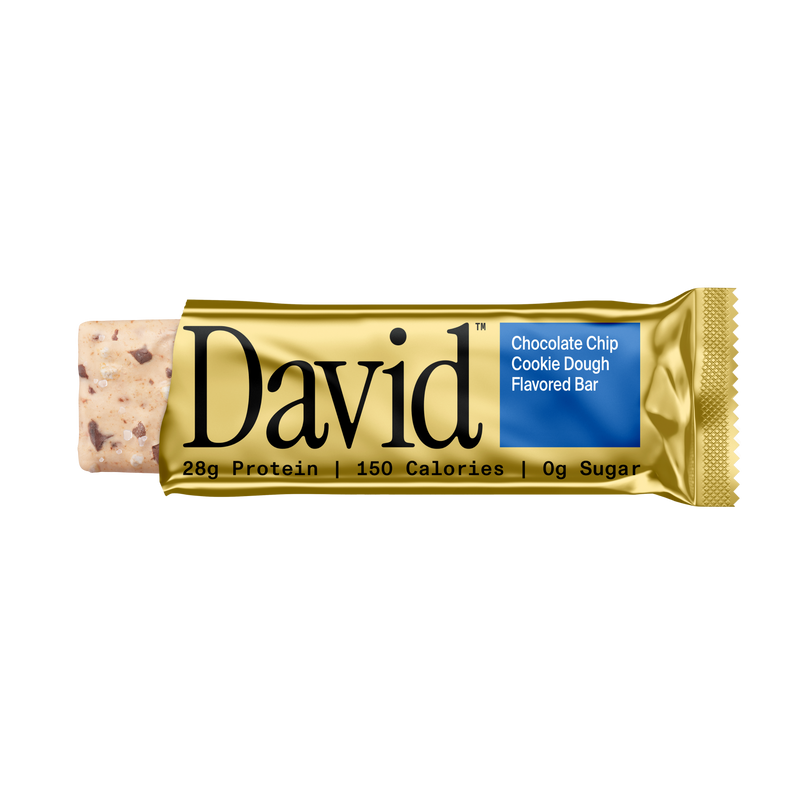
DAVID Gold Chocolate Chip Cookie Dough (2.19 oz)
28g protein · 150 cal · 0g sugar · 3g carbs · whey protein isolate · erythritol + stevia
Check price on Amazon →DAVID Gold has the best protein-to-calorie ratio of any mainstream protein bar currently in retail: 28g of complete whey protein at just 150 calories, giving an 18.7g-per-100-calorie ratio no other major brand matches. For a college student who lifts weights or is trying to build muscle while staying lean, this is a meaningful difference. One DAVID bar post-workout delivers more protein than any other single bar on this list while consuming 40 fewer calories than Quest and 113 fewer calories than Clif Builder’s. The bar is sweetened with erythritol and stevia — no sucralose, no Ace-K — and contains 3g of total carbohydrates. It satisfies the protein requirement without adding much to the day’s carbohydrate or calorie total, which matters for students tracking macros or eating in a caloric deficit. Full breakdown in our DAVID protein bar nutrition guide and the Quest vs DAVID head-to-head.
The honest catch: DAVID bars run about $2.50 per bar in a 12-count box — roughly 40–60% more expensive than Quest per bar. Distribution is also less reliable than Quest: Amazon is the most consistent source; individual campus stores and CVS/Walgreens locations stock DAVID inconsistently, so ordering online is more practical. The bar has 0g of dietary fiber, so it does not provide the same satiety as Quest’s 12g-fiber option at a similar calorie count. A single DAVID bar alongside a handful of nuts gives 28g of protein and meaningful fiber without needing a second bar. Not suitable for dairy-free or vegan diets (whey protein isolate).
#3 Best Flavor Variety (for Sticking With It) — ONE Bar Peanut Butter Pie
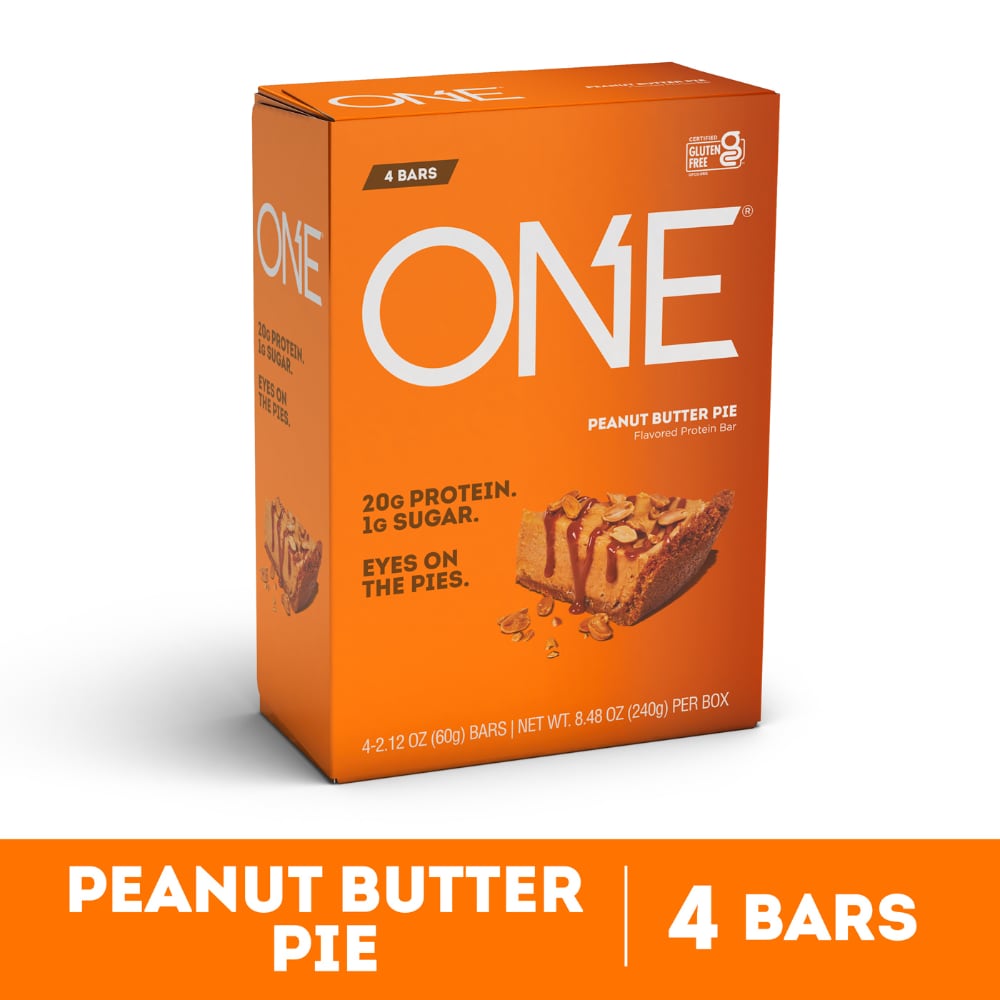
ONE Bar Peanut Butter Pie (60g / 2.12 oz)
20g protein · 220 cal · 1g sugar · 9g prebiotic fiber · milk protein isolate + whey isolate (no collagen) · 25+ flavors including Birthday Cake, Maple Glazed Doughnut
Check price on Amazon →ONE Bar’s primary advantage over Quest and DAVID for the college student audience is straightforward: 25+ flavor options including Birthday Cake, Maple Glazed Doughnut, Cinnamon Roll, Almond Bliss, Cookies & Cream, and Strawberry Shortcake. Eating the same chocolate protein bar every day for four years is a real compliance problem — boredom is the most common reason students stop taking a protein bar habit seriously. ONE Bar solves that with a flavor catalog no other bar in this category comes close to. At 20g of complete protein (milk protein isolate and whey protein isolate, no collagen filler) and 9g of prebiotic fiber at 220 calories, it is nutritionally competitive with Quest. Amazon 12-count boxes run $19.99–$27, depending on the flavor, putting the per-bar cost at $1.65–$2.25. Full nutrition breakdown in our ONE Bar nutrition guide and the head-to-head in our Quest vs ONE Bar comparison.
The honest catch: ONE Bar uses maltitol and sucralose as sweeteners. Maltitol has a glycemic index of approximately 35, so it is not truly a zero-impact sweetener the way erythritol is. Eating two or more ONE Bars per day can cause digestive discomfort in sensitive individuals due to the maltitol content — a known limitation shared with any maltitol-sweetened bar. At 220 calories for 20g of protein, ONE Bar runs 30 calories higher than Quest for an equivalent protein count and 3g less fiber than Quest’s 12g. For students who are strictly calorie-counting, Quest is the more efficient choice; for students who need flavor variety to stay consistent, ONE Bar is the practical answer.
#4 Best Clean-Label Option — RXBAR Chocolate Sea Salt
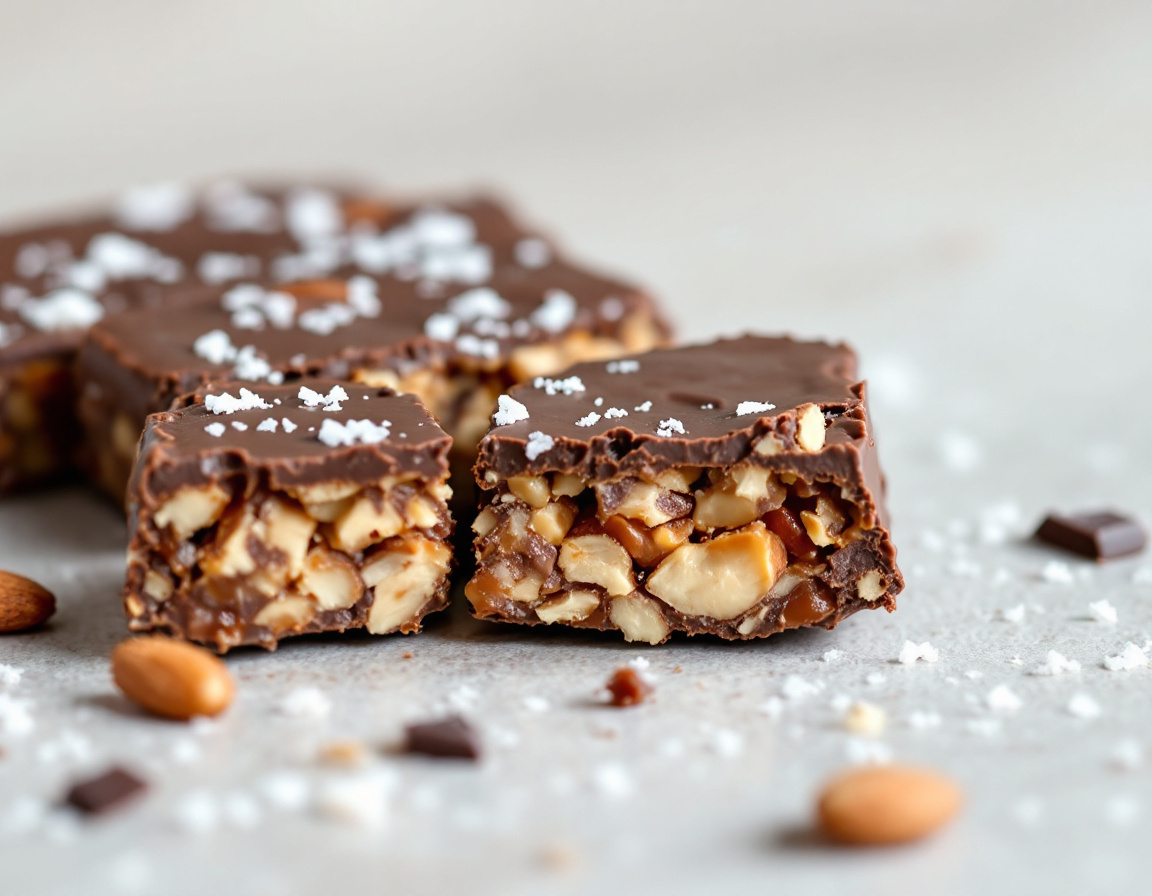
RXBAR Chocolate Sea Salt (52g / 1.83 oz)
12g protein · 210 cal · 22g total sugar (dates) · 5g fiber · egg whites + almonds + cashews + dates + cocoa · zero sweeteners, zero sugar alcohols
Check price on Amazon →RXBAR is the right answer for the college student who wants to avoid all sweeteners — no erythritol, no sucralose, no maltitol, no stevia — and wants an ingredient label they can actually read. The Chocolate Sea Salt bar is six ingredients: dates, egg whites, cashews, almonds, cocoa, sea salt. The 12g of protein comes from egg whites and nuts, both of which are complete or near-complete real-food protein sources. No sugar alcohols, no processed sweetening agents. The natural sweetness comes from dates, which also provide the 5g of fiber and a gentle carbohydrate source for sustained energy between classes. Stocked at virtually every Target, Whole Foods, campus bookstore, and most Starbucks locations — if you need a protein bar right now with no advance planning, RXBAR is the most reliably available option on this list. Full nutrition data in our RXBAR nutrition facts guide.
The honest catch: RXBAR delivers 12g of protein per bar — significantly less than Quest (21g), DAVID (28g), or ONE Bar (20g) at a similar or higher calorie count. A student targeting 25–30g of protein from a single snack needs two RXBAR bars, adding 420 calories and 44g of natural sugar from dates. The 22g of total sugar, while from whole-food dates rather than refined added sugar, still contributes a glycemic load and is not appropriate for students managing blood sugar or following a low-carb diet. Not the most cost-efficient protein source per gram: at roughly $2.25–$2.50 per bar for 12g of protein, the cost-per-gram of protein is the highest on this list.
#5 Best Budget Pick (Most Widely Available) — Clif Builder’s Chocolate Peanut Butter

Clif Builder’s Chocolate Peanut Butter (68g / 2.40 oz)
20g protein · 263 cal · 20g sugar (organic cane syrup) · 5g fiber · organic soy protein isolate (plant-based) · found at virtually every gas station, campus store, and pharmacy
Check price on Amazon →Clif Builder’s earns its place on this list for one practical reason college students understand: you can find it everywhere. Campus convenience stores, gas stations, CVS, Walgreens, Target, Walmart, and most grocery chains stock Clif Builder’s consistently in the $1.50–$2.00 price range. When it is 11pm, the dining hall is closed, and you need 20g of protein to hit your daily target, Clif Builder’s is the bar that exists at the nearest open store. At 20g of plant-based protein from organic soy protein isolate, it delivers a complete amino acid profile (soy is a complete plant protein). The 263 calories — the highest on this list — also make it a reasonable meal supplement for a student who skipped lunch. Full nutrition breakdown in our Clif Builder’s nutrition guide.
The honest catch: Clif Builder’s is sweetened with organic cane syrup and cane sugar rather than erythritol or stevia, producing 20g of real sugar per bar and a meaningful glycemic spike. At 263 calories it is the most calorie-dense bar on this list — not ideal for students tracking calories carefully. The 7.6g-per-100-calorie protein ratio is also the second-lowest here; a student hitting a protein-per-calorie target would pick Quest or DAVID before Clif Builder’s. The soy protein isolate is plant-based, which makes it a viable option for vegetarian students, but it is not appropriate for anyone with a soy allergy. The chocolate shell melts in a hot backpack.
#6 Best Value per Bar (Costco Members) — Kirkland Signature Protein Bar
Kirkland Signature Protein Bars from Costco match Quest’s core formula: 21g of complete protein from whey and milk protein isolate, 190 calories, 12g of fiber, and 1g of sugar per bar. The difference is price. A 20-count Costco box runs roughly $22–$25, which works out to $1.10–$1.25 per bar — the cheapest price per bar of any 21g-protein option at mainstream retail. For a college student with access to Costco, this is the most economical way to maintain a protein bar habit at scale. Nutrition is nutritionally identical to Quest on the core metrics: complete protein source, high fiber, minimal sugar, no refrigeration required.
The honest catch: Kirkland Signature Protein Bars are Costco-only — not on Amazon, not at Target, not at campus stores. They are a bulk-buying strategy, not a convenience buy. At one bar per day, buying Kirkland at $1.10–$1.25 instead of Quest at $1.75–$2.00 saves roughly $150–$200 per year. You will still need Quest or Clif Builder’s for campus emergencies. But if you can plan a monthly Costco run, Kirkland is the smarter bulk buy. A Costco membership costs $65 per year; on protein bars alone at daily use, it pays for itself in savings within 4–5 months.
What Should College Students Look for in a Protein Bar?
Four criteria matter in a dorm context that do not matter in the same way anywhere else. First, no refrigeration: the bar has to live in a desk drawer, backpack, or locker for hours or days without spoiling. Every bar on this list is shelf-stable. Second, protein-to-cost ratio: protein per dollar — not just protein per bar — is the metric that determines whether a protein habit fits a student budget. Quest at $1.75 per bar for 21g of protein ($0.083 per gram) and Clif Builder’s at $1.75 per bar for 20g ($0.088 per gram) lead this list on that measure. Third, actual protein quality: complete protein from whey, milk, egg whites, or soy (all on this list) is meaningfully better for muscle repair than incomplete plant proteins or collagen-padded bars that inflate the label number without the amino acid profile to match. Fourth, availability near campus: a bar you have to order three weeks in advance is not a real option during finals. Quest, ONE Bar, RXBAR, and Clif Builder’s are all stocked at most campus bookstores, CVS, Target, and Walgreens locations within walking distance of most major campuses.
How Do College Students Get Enough Protein Without a Kitchen?
The most reliable no-cook protein strategy combines a bar with two or three other shelf-stable sources kept in the dorm. A single Quest bar (21g) plus a packet of Justin’s almond butter (roughly 7g protein) plus a small tub of cottage cheese from a campus grab-and-go (14g per half-cup) gets a student to 42g of protein without any cooking, any refrigeration past the cottage cheese, or any prep time. Bars work best as the anchor of a no-cook protein plan because they require nothing — no utensils, no prep, no cleanup. For students whose dining halls are adequate at breakfast and dinner but poor at lunch, a protein bar plus a piece of fruit from the dining hall covers the midday gap for under $2 when purchased in the 12-count box format rather than individually.
Frequently Asked Questions
Which protein bar is best for college students on a tight budget?
Quest Chocolate Chip Cookie Dough and Clif Builder’s Chocolate Peanut Butter are the best budget picks. Quest in a 12-count Amazon box runs roughly $1.58–$2.00 per bar for 21g of protein; Clif Builder’s is frequently $1.50–$2.00 at Walmart and Target for 20g of protein. For even lower cost per bar, check if your campus is near a Costco: Kirkland Signature Protein Bars (21g protein, 12g fiber, 190 cal) run approximately $1.10–$1.25 per bar in the 20-count box and match Quest’s nutrition without the higher retail-store markup.
Do protein bars need to be refrigerated?
No. Every bar on this list — Quest, DAVID, ONE Bar, RXBAR, Clif Builder’s, and Kirkland Signature — is shelf-stable at room temperature and requires no refrigeration. The exception to watch for in this category is Perfect Bar, which does require refrigeration because it uses fresh-ground nut butter and egg whites without the preservative systems conventional bars use. For dorm storage, any bar without "refrigerate after opening" on the label is fine in a desk drawer for the shelf life printed on the package — typically 12–18 months from production.
How many grams of protein do college students need per day?
For sedentary or lightly active students, general nutrition guidance puts protein needs at 0.36–0.5g per pound of body weight per day (roughly 54–75g for a 150-pound person). For students who lift weights, play a club sport, or are trying to build muscle, guidance from sports nutrition research supports 0.7–1.0g per pound (105–150g for a 150-pound student). A typical dining hall meal provides 20–35g of protein if you choose wisely; two meals plus one protein bar at 21g gets an active 150-pound student to roughly 80–90g — adequate for general activity, but short of the upper end of a muscle-building target. Students actively trying to build muscle typically need two bars per day or additional protein from eggs, Greek yogurt, or cottage cheese.
Are protein bars a good breakfast substitute for class mornings?
For an 8am class where the dining hall is closed or you have five minutes to get out the door, a Quest or DAVID bar is a reasonable short-term substitute — better than nothing and far better than a dining hall bagel from a protein standpoint. As a full breakfast replacement every day, a single bar is insufficient for most active students: 21g of protein is good but a complete breakfast would also include more total calories, carbohydrates, and micronutrients than a bar provides. The most practical approach: eat the bar on the way to class and follow it with something more substantial from a grab-and-go or dining hall mid-morning. RXBAR is the best choice for this application because the dates-based carbohydrates digest quickly and provide glucose for focus during an early lecture.
Where can college students buy protein bars cheap?
Amazon is the most consistently cheap source: 12-count boxes of Quest and ONE Bar regularly price at $19–$24, and subscribing with Amazon’s Save & Subscribe drops that another 5–15%. Walmart and Target carry 12-count boxes in store at competitive prices, often $18–$22. Costco is the cheapest per-bar if you are near a location: Kirkland Signature at $1.10–$1.25 per bar beats every other source. The most expensive place to buy a protein bar is your campus bookstore or a convenience store near campus, where single-serve bars run $2.99–$3.99 each — two to three times the per-bar cost of buying a box. Order 12-count boxes at the beginning of each month rather than buying individually.
Bottom line: for most college students, Quest Chocolate Chip Cookie Dough is the default pick — 21g of complete protein, 12g of fiber, 190 calories, no refrigeration, and available almost everywhere at roughly $1.75 per bar in a 12-count box. If you train seriously and want the maximum protein-per-calorie ratio, DAVID Gold delivers 28g of protein at 150 calories with no sugar, at a slightly higher per-bar cost. If flavor variety is the thing that will actually keep you consistent for a full semester, ONE Bar’s 25+ flavors solve a real adherence problem Quest and DAVID do not. If you want nothing artificial and the shortest possible ingredient list, RXBAR (six ingredients, no sweeteners) is the right answer at 12g of protein per bar. If you need a bar tonight and can only buy it at the nearest open store, Clif Builder’s is at virtually every 24-hour gas station and campus convenience store. Browse the full protein snacks directory for the broader catalog, see our cheapest protein bars guide for the most cost-efficient options overall, and see the best protein bars of 2026 for the complete ranked comparison across all audiences.
Shop our top protein bar picks
Editor-selected high-protein options related to this guide. As an Amazon Associate we may earn from qualifying purchases.
Buy the products in this guide: Chocolate Chip Cookie Dough Flavored Protein Bar · Chocolate Chip Cookie Dough Protein Bars · Oatmeal Chocolate Chip Protein Bars
20g proteinChocolate Chip Cookie Dough Protein Bar
Amazon returns policy · secure checkout
21g proteinCookies & Cream Protein Bars
Amazon returns policy · secure checkout
20g proteinBirthday Cake Protein Bars
Amazon returns policy · secure checkout
Tags
High Protein Snacks Pro Editorial Team
Independently researched and editorially reviewed. We compare real nutrition labels and never accept payment for coverage.
Get the best new protein snacks in your inbox
Weekly picks and honest reviews — no spam, unsubscribe anytime.
More from the journal
Best Protein Bars at Target 2026: 7 Picks Ranked by Real Protein, Ingredients, and Per-Bar Cost
The best protein bar at Target in 2026 is the Quest Chocolate Chip Cookie Dough Bar — 21g of complete protein (no collagen), 14g of fiber, 1g of sugar, and 190 calories per bar, typically $2.19–$2.49 per bar in the 12-count box (before RedCard 5%). Premier Protein 30g Chocolate Peanut Butter is the highest absolute protein at 30g per bar. Barebells Cookies & Cream is Target's taste-first pick. Seven verified Target protein-bar picks with real 2026 label data, honest ingredient trade-offs, typical Target shelf pricing (with RedCard math), and a section on the bars Target stocks that Walmart does not — Perfect Bar, DAVID, Aloha, and reformulated think!.
Read more
Best Protein Bars at Walmart 2026: 7 Picks Ranked by Protein, Fiber, and Cost Per Gram
The best protein bar at Walmart in 2026 is the Quest Chocolate Chip Cookie Dough Bar — 21g of complete protein (no collagen), 14g of fiber, 1g of sugar, and 190 calories per bar. Pure Protein Chocolate Deluxe is the cheapest per gram of protein on the shelf at roughly $0.038 per gram in the 12-count box. Premier Protein 30g is the highest absolute protein per bar. Seven verified Walmart protein bar picks with 2026 label data, honest ingredient trade-offs, and typical Walmart shelf pricing.
Read more
Best Protein Bars for Muscle Gain 2026: 7 Picks Ranked by Complete Protein, Leucine Quality, and Calorie Efficiency
The best protein bar for muscle gain in 2026 is the DAVID Gold — 28g of protein at 150 calories per bar, the highest protein-to-calorie ratio of any mainstream bar. Quest and Kirkland Signature are the cleanest complete-protein picks without collagen at 21g each. Seven bars ranked on what drives muscle growth: complete protein per bar, leucine quality, calorie efficiency, and ingredient honesty.
Read more