Best High-Protein Snacks Without Refrigeration (2026): 8 Shelf-Stable Picks With 10g+ Protein, Ranked
Country Archer Zero Sugar Beef Jerky delivers 12g of protein per oz at just 70 calories with 0g sugar and a shelf life of months — the best protein-to-calorie ratio of any shelf-stable snack on this list. For the absolute most protein in one package, a Bumble Bee tuna pouch gives you 17g at 80 calories with no cooking and no refrigeration required. Eight picks ranked by verified protein, calories, and real-world travel durability.
Our top jerky & meat snack picks
Editor-selected and ready to buy. As an Amazon Associate we may earn from qualifying purchases.
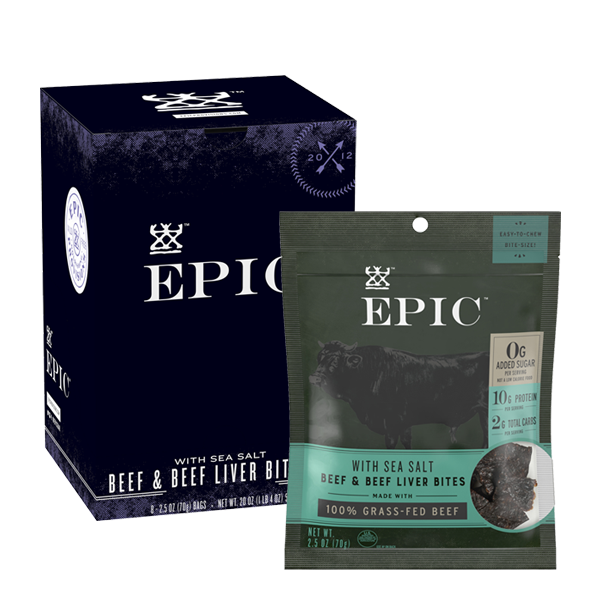 10g protein
Beef Liver Bites
Amazon returns policy · secure checkout
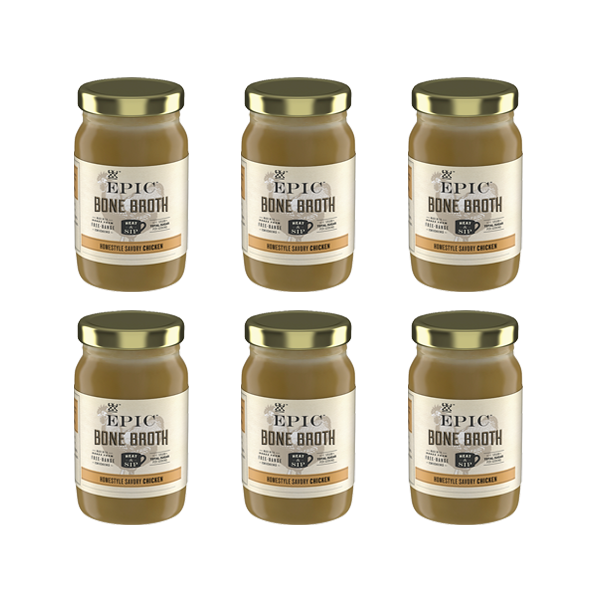 16g protein
Homestyle Savory Chicken Bone Broth (6) 14OZ Jars
Amazon returns policy · secure checkout
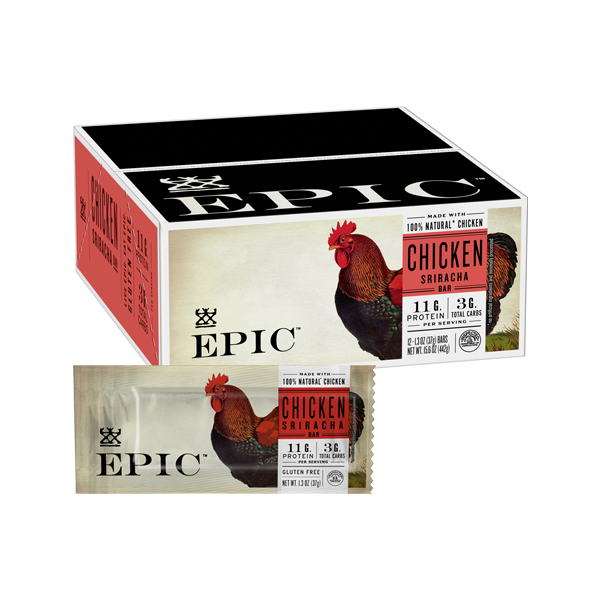 11g protein
Chicken Sriracha Bar
Amazon returns policy · secure checkout
The 30-second answer
Best protein density (jerky): Country Archer Zero Sugar Beef Jerky — 12g protein per oz at 70 calories, 0g sugar, grass-fed beef, shelf life of months. Highest absolute protein (single package): Bumble Bee Tuna Pouch — 17g protein at ~80 calories per pouch, 0g carbs, no cooking required. Highest protein in a bar: Quest Chocolate Chip Cookie Dough — 21g protein, 190 cal, shelf-stable at room temperature. Best whole-food option: RXBAR — 12g from egg whites, dates, and nuts, no refrigeration needed before opening. Best plant-based: Seapoint Farms Dry Roasted Edamame — 13g protein per 1/3 cup at 130 calories, complete amino acid profile, no refrigeration ever needed.
The right high-protein snack without refrigeration is one that actually travels well, survives a car, desk drawer, or gym bag, and still delivers at least 10g of protein per serving. That filter alone eliminates most of what the grocery snack aisle calls "high protein" — trail mixes with 4g of protein buried under 18g of sugar, granola bars padded with oats and honey, protein-labeled crackers delivering 3g per serving. The eight picks below all pass: each gives you 10g or more of verified protein per serving, needs no refrigeration, and has survived the real-world test of existing in a bag or desk for weeks without going stale or requiring special handling. Rankings are by protein per 100 calories, the cleanest apples-to-apples comparison when formats range from a 1-oz jerky piece to a 60g protein bar. Every nutrition figure comes from the brand’s own published 2026 label; anything unverified is marked with an em dash rather than a guess.
Affiliate links — if you buy through them we earn a small commission at no extra cost to you. All nutrition data is verified from brand labels.
All 8 Picks: 2026 Nutrition Comparison
Ranked by protein per 100 calories — the most useful metric when servings vary from a 28g jerky portion to a 60g protein bar. All figures are from verified 2026 brand labels.
| # | Pick | Serving | Protein | Calories | Protein / 100 cal | Sugar | Shelf Life |
|---|---|---|---|---|---|---|---|
| 1 | Bumble Bee Tuna Pouch (Lemon & Pepper) | 1 pouch (71g) | 17g | 80 | 21.3g | 0g | 3–5 years |
| 2 | Country Archer Zero Sugar Beef Jerky | 1 oz (28g) | 12g | 70 | 17.1g | 0g | 12+ months |
| 3 | Jack Link’s Original Beef Jerky | 1 oz (28g) | 10g | 80 | 12.5g | 3g | 12+ months |
| 4 | Quest Chocolate Chip Cookie Dough Bar | 1 bar (60g) | 21g | 190 | 11.1g | 1g | 12+ months |
| 5 | Seapoint Farms Dry Roasted Edamame | 1/3 cup (28g) | 13g | 130 | 10.0g | 1g | 12+ months |
| 6 | Chomps Original Grass-Fed Beef Stick | 1 stick (33g) | 10g | 100 | 10.0g | 0g | 12+ months |
| 7 | RXBAR Chocolate Sea Salt | 1 bar (52g) | 12g | 210 | 5.7g | 13g* | 12+ months |
| 8 | Justin’s Classic Almond Butter Packet | 1 packet (32g) | 7g | 190 | 3.7g | 1g | 12+ months |
* RXBAR’s 13g of sugar is entirely from dates (naturally occurring) — 0g of added sugar. Protein / 100 cal = (protein ÷ calories) × 100.
The 8 Best Shelf-Stable High-Protein Snacks in 2026
#1 Best Protein Density — Bumble Bee Lemon & Pepper Tuna Pouch
A single Bumble Bee tuna pouch delivers 17g of complete protein for approximately 80 calories with 0g of carbohydrates — the highest protein-to-calorie ratio of any item on this list at 21.3g per 100 calories. Pouch-format tuna is genuinely shelf-stable (3–5 year shelf life, no draining required), and the Lemon & Pepper and Chipotle varieties are pre-seasoned so you can eat them directly from the pouch without mixing anything. The sodium runs at approximately 280mg per pouch for Lemon & Pepper — moderate for a protein snack of this size and well below the 500–600mg range of a typical meat stick or beef jerky serving. Stocked at Walmart, Target, Costco (cases), and most grocery stores in the canned fish or snack aisle. If you are on a calorie deficit and want the most protein for the fewest calories in a portable format that never needs a cooler, tuna pouches lead the field outright.
The honest catch: the smell is real. Opening a tuna pouch in a shared office or on public transit is not always socially feasible. The Chipotle and Lemon & Pepper varieties smell less than plain tuna in water, but this remains a context-dependent snack. Also requires fork/spoon or eating directly from the pouch — not finger-food in the way jerky or a protein bar is.
#2 Best Jerky — Country Archer Zero Sugar Beef Jerky
Country Archer Zero Sugar is the best beef jerky on this list for one concrete reason: 12g of protein per 1-oz serving at 70 calories with 0g of sugar, from 100% grass-fed beef. Most standard beef jerky brands add sugar to their marinade (3–6g per oz is typical), which lowers the protein-to-calorie ratio while spiking the sugar count. Country Archer Zero Sugar eliminates that trade-off. The 1-oz serving delivers 17.1g of protein per 100 calories — the best jerky ratio on this list. Shelf-stable for 12+ months, sold in 2-oz and 5-oz bags at Target, Whole Foods, and most grocery stores. See our full beef jerky review for a comparison across brands and flavors.
The honest catch: sodium is high as with all cured meats — typically 330–380mg per 1-oz serving. If you are watching sodium intake, this is still within a snack-appropriate range (10–18% of daily value) but worth tracking if you’re having multiple servings.
#3 Most Available Jerky — Jack Link’s Original Beef Jerky
Jack Link’s Original is the most widely stocked beef jerky in the United States — sold at gas stations, dollar stores, convenience stores, pharmacies, and every major grocery chain, making it the easiest pick to grab anywhere, anytime. A 1-oz serving delivers 10g of protein at 80 calories with 3g of sugar. The protein-per-calorie ratio of 12.5g per 100 calories is lower than Country Archer Zero Sugar, and the sugar adds up across multiple servings, but for the traveler who is stuck at a gas station with no other options, Jack Link’s is the correct choice by default. For the full comparison of beef jerky brands on protein, sodium, and sugar, see our Jack Link’s nutrition facts guide.
#4 Highest Protein in a Bar — Quest Chocolate Chip Cookie Dough
Quest delivers 21g of protein in a single 60g bar for 190 calories and 1g of sugar — the most protein of any shelf-stable bar commonly available at retail. The protein comes from whey and milk protein isolate (complete proteins), and the bar is sweetened with erythritol and stevia rather than sucralose or aspartame, giving it a cleaner sweetener profile than most engineered protein bars. Shelf-stable at room temperature for 12+ months; does not melt in a bag the way chocolate-enrobed bars do (the chocolate chips soften above ~85°F but the bar holds together). The 12g of fiber per bar means it is genuinely filling — most people find one Quest bar with water satisfies a full snack hunger. For a full breakdown of all Quest flavors and nutrition data, see our Quest protein nutrition guide.
The honest catch: sugar alcohols (erythritol) can cause GI discomfort for some people, particularly at the 2+ bar per day frequency. Also the 12g fiber combined with high erythritol means bloating is more likely if you eat these while dehydrated.
#5 Best Plant-Based Pick — Seapoint Farms Dry Roasted Edamame
Seapoint Farms Dry Roasted Edamame is the strongest shelf-stable plant protein on this list: 13g of protein per 1/3-cup serving (28g) at 130 calories with 1g of sugar. Edamame is a complete protein — it contains all nine essential amino acids — which is rare for a plant food and means it functions more like an animal protein source nutritionally. The crunchy roasted format is shelf-stable for 12+ months, needs no preparation, and works as a direct substitute for any crunchy chip or cracker snack. The 10.0g protein per 100 calories matches Chomps in the rankings, but edamame is also significantly cheaper per gram of protein than meat sticks. Sold at Whole Foods, Target, and Amazon. For more plant-based shelf-stable protein options, see our best edamame snacks guide.
#6 Best Single-Serve Meat Stick — Chomps Original Grass-Fed Beef Stick
Chomps delivers 10g of protein per stick at exactly 100 calories with 0g of carbohydrates and 0g of sugar. The stick format — 1.15 oz per stick, pre-portioned — is more convenient than a bag of jerky for one-at-a-time snacking: no measuring, no portioning, no re-sealing. Chomps uses grass-fed and grass-finished beef with a short ingredient list (beef, sea salt, encapsulated lactic acid, cultured celery powder, black pepper, red pepper, garlic powder, coriander) and carries Whole30, Paleo, Non-GMO, and Certified Gluten-Free certifications. Shelf life of 12+ months. The sodium at 380mg per stick (17% DV) is higher than the tuna pouch but typical for cured meat snacks. For a full breakdown of all Chomps varieties, see our Chomps nutrition facts guide.
#7 Best Whole-Food Bar — RXBAR Chocolate Sea Salt
RXBAR delivers 12g of complete protein at 210 calories from a three-item protein list: egg whites, almonds, cashews. The 13g of sugar on the label is 100% from dates (naturally occurring) with 0g of added sugar. The bar is shelf-stable before opening — no refrigeration required — with a 12-month shelf life. The dates-and-nut base means RXBAR holds together better in a warm bag than chocolate-enrobed protein bars; there is no chocolate shell to melt. The protein per 100 calories (5.7g) is the lowest of any protein-specific pick on this list, which reflects the calorie density of the nut ingredients. RXBAR earns its place here for people who want a whole-food ingredient list with no protein isolates, sugar alcohols, or synthetic sweeteners. See our RXBAR nutrition facts guide for all flavors compared.
#8 Best Convenience Fat + Protein — Justin’s Classic Almond Butter Packet
Justin’s Classic Almond Butter single-serve packets deliver 7g of protein and 19g of healthy fats per 1.15-oz packet at approximately 190–220 calories. They earn a spot on this list not for protein density — at 3.7g per 100 calories they are the lowest on this list — but for the combination of protein, fat, and convenience that makes them a useful snack anchor. Pair a Justin’s packet with a Quest bar or tuna pouch and you have a 28g protein snack with enough fat for lasting satiety. The packets are shelf-stable, don’t require utensils (squeeze and eat), and travel in any bag or pocket. Available at Target, Whole Foods, and most grocery chains in the nut butter aisle or checkout lane.
What to Skip (And Why)
- Protein granola and trail mix: typical serving has 4–7g of protein with 15–25g of sugar and 200–300 calories. The protein is real; the calorie load from oil, sugar, and chocolate chips is also real. These are not protein snacks in the meaningful sense.
- Protein-labeled crackers and chips: most deliver 3–6g of protein per serving with 10–15g of carbohydrates — fine as a chip, misleading as a protein snack. Quest Loaded Taco Tortilla Chips (19g protein/bag) are the exception; everything else in the chip aisle is not.
- Most nut mixes: nuts are primarily a fat source. A 1-oz serving of mixed nuts delivers about 5g of protein alongside 14g of fat and 170 calories. Useful, but not a high-protein snack in the way the items above are.
- Refrigerated protein items at room temperature: Perfect Bar, certain dairy-based snacks, and some deli-style meat snacks require refrigeration and should not be kept unrefrigerated for more than 2 hours. When in doubt, check the label.
How to Build a Shelf-Stable Protein Kit
The most reliable approach is a small dedicated kit that you keep stocked: one for the car, one for the desk, one in a travel bag. Each kit should have at least three different formats so you have options across different hunger levels and social contexts (the office version should probably skip the tuna pouch).
- The lean-protein anchor: tuna pouches or beef jerky. Highest protein per calorie, lowest total calorie load. Keep two to three per kit.
- The satisfying option: one Quest or RXBAR. For when jerky and edamame is not enough and you need a complete snack.
- The plant protein option: a bag of dry roasted edamame. Good for variety and for situations where you want something that does not involve meat or manufactured bars.
- The social option: Chomps sticks or Justin’s packets. No smell, no mess, easy to share or eat discreetly anywhere.
Rotate stock every 4–6 weeks to keep freshness high, even though all of these have shelf lives of 12+ months. Stale jerky is still edible; fresh jerky is better. For a longer list of portable, travel-friendly options see our best travel protein snacks guide.
Which of These Survive a Hot Car, a Backpack, and a Carry-On?
"No refrigeration" is only half the question. A snack that lives in a glove box in July, gets sat on in a backpack, or has to clear an airport security line faces three different problems, and the eight picks above do not handle them equally.
- Heat (a parked car, a summer commute): jerky, Chomps sticks, tuna pouches, and dry roasted edamame are unbothered — there is nothing in them to melt. The two chocolate-coated or chocolate-chip bars are the weak point: a Quest Chocolate Chip Cookie Dough bar and an RXBAR Chocolate Sea Salt both soften and can go misshapen in a hot car, and Justin’s almond butter separates (squeeze the packet to remix it). None of that is a safety problem — they stay shelf-stable — it is a texture problem.
- Crushing (a backpack, a gym bag, a coat pocket): meat sticks and squeeze packets are the most durable, jerky bags next. Bars survive being sat on but come out flattened, and a foil tuna pouch is the one item to keep away from the bottom of a bag — a split seal is the failure mode you do not want in a laptop compartment.
- Airport security: solid foods go through in a carry-on, which covers seven of the eight picks. Nut butter is the exception: TSA treats spreadable foods as liquids, so a jar has to be checked. Justin’s single-serve packets sidestep that at 1.15 oz each, comfortably under the 3.4 oz carry-on limit.
If you want one pick that clears all three tests at once, it is a beef stick or a bag of jerky: no melt, no crush, no liquids rule, and no cooler.
Frequently Asked Questions
What is the best high-protein snack that needs no refrigeration?
By protein per calorie, the Bumble Bee Tuna Pouch (17g / 80 cal = 21.3g per 100 cal) leads everything on this list and most items in the snack market generally. By total protein in a single package, Quest bars (21g per bar) are the winner. For whole-food ingredients without protein isolates, RXBAR (12g from egg whites, almonds, cashews) and Chomps (10g from grass-fed beef, sea salt, spices) are the cleanest labels. The right answer depends on your primary goal: lean protein density vs. total protein count vs. ingredient quality.
Do protein bars need refrigeration?
Most protein bars do not require refrigeration before opening. Quest, RXBAR, ONE Bar, Chomps, Clif Builder’s, and Grenade Carb Killa are all shelf-stable for 12+ months at room temperature. The exception is Perfect Bar — a refrigerated protein bar that uses whole peanut butter and honey without preservatives. It can be kept at room temperature for up to a week, but for anything longer it requires refrigeration. Read the label if you are unsure: “Keep refrigerated” or “Refrigerate after opening” on the packaging is the definitive signal.
What is the best no-refrigeration protein snack for weight loss?
For weight loss, the primary metric is protein per calorie: the more protein you get per calorie, the more fullness you get per unit of your calorie budget. By that standard, the Bumble Bee Tuna Pouch (21.3g protein per 100 cal) and Country Archer Zero Sugar Jerky (17.1g protein per 100 cal) are the strongest weight-loss picks on this list. Both are lean, filling, and low enough in calories that two servings of jerky gives you 24g of protein for ~140 calories — a better ratio than any protein bar achieves. For a broader guide, see our best high-protein snacks for weight loss.
How much protein should a no-refrigeration snack have?
A meaningful protein snack should have at least 10g of protein per serving — enough to make a real contribution toward a 120–160g daily protein target. Snacks with only 4–6g of protein can fill a gap but are not going to move your daily total in a significant way. If you are trying to hit 30g+ per meal across three meals and protein snacks in between, prioritize the items at the top of this list (tuna, jerky, Quest bars) over items that deliver only 6–8g. Most of the things marketed as “high protein” in the snack aisle fall into the 4–7g category and do not deserve the label if your target is 100g+ per day.
Are meat sticks vs. beef jerky better without refrigeration?
Both are shelf-stable for 12+ months and safe without refrigeration. The practical difference is format: meat sticks (Chomps, Jack Link’s sticks) are individually wrapped single servings that are easier to portion and carry; jerky bags require re-sealing after each use. Protein content is similar per ounce (9–12g). Meat sticks tend to have more fat and calories per stick because the format is thicker; jerky is drier and leaner per ounce. For maximum protein per calorie, lean jerky (Country Archer Zero Sugar) beats meat sticks; for maximum convenience without re-sealing, a single-wrapped Chomps stick wins.
Can you bring high-protein snacks through airport security?
Solid foods are allowed through security in a carry-on, which covers jerky, meat sticks, protein bars, dry roasted edamame, and sealed tuna pouches. The exception is nut butter: TSA treats spreadable foods as liquids, so a jar exceeds the 3.4 oz carry-on limit and has to be checked. Single-serve packets like Justin’s (1.15 oz) stay under it. Rules can differ outside the U.S., and some countries restrict bringing meat products across the border, so jerky and meat sticks are the items to eat before landing on an international trip.
Do these snacks need refrigeration after opening?
It depends on the format. Protein bars, nut butter packets, and dry roasted edamame are fine at room temperature after opening — re-seal the edamame bag so it stays crunchy. Jerky and meat sticks should be re-sealed and eaten within a few days once the package is open, because the vacuum seal is what kept them stable. A tuna pouch is the one to finish in a sitting: once it is open it behaves like any other cooked fish, so refrigerate leftovers and eat them the same day. Always follow the storage line printed on the package.
Bottom line: for the leanest protein-per-calorie without refrigeration, start with a Bumble Bee Tuna Pouch or Country Archer Zero Sugar Jerky. For the most protein in one bar-format package, Quest leads at 21g. For whole-food labels without protein isolates or sugar alcohols, RXBAR and Chomps are the cleanest picks. Build a shelf-stable kit with one item from each category and you have covered every snack scenario without needing a cooler. See the full protein snacks directory to browse more options, or our travel protein snacks guide for flight and hotel-specific picks.
Shop our top jerky & meat snack picks
Editor-selected high-protein options related to this guide. As an Amazon Associate we may earn from qualifying purchases.
10g proteinBeef Liver Bites
Amazon returns policy · secure checkout
16g proteinHomestyle Savory Chicken Bone Broth (6) 14OZ Jars
Amazon returns policy · secure checkout
11g proteinChicken Sriracha Bar
Amazon returns policy · secure checkout
Tags
High Protein Snacks Pro Editorial Team
Independently researched and editorially reviewed. We compare real nutrition labels and never accept payment for coverage.
Get the best new protein snacks in your inbox
Weekly picks and honest reviews — no spam, unsubscribe anytime.
More from the journal
Best High-Protein Snacks (2026): 10 Category Winners Ranked by Verified Nutrition Labels
Country Archer Zero Sugar Classic is the best beef jerky, FAGE Total 0% is the best Greek yogurt, and Quest Chocolate Chip Cookie Dough is the best packaged protein bar — one verified pick per category across ten snack formats, ranked on real 2026 nutrition labels with honest sweetener and sodium disclosure. Every pick has 15g+ of protein per serving (or protein-per-100-calorie efficiency that matters more), a clean enough label to defend, and a tracked buy link — with the honest catches on each one so you can pick the right pick for your goal.
Read more
Protein Bars Without Seed Oils (2026): 5 Picks Verified From the Ingredient List
We read the published ingredient statement for eleven best-selling protein bars. Atlas Real Food Salted Peanut Butter wins with 20g of protein in 220 calories and no oil on its label at all; Quest Chocolate Chip Cookie Dough quietly passes too at 21g in 200 calories. Barebells and think! both list sunflower oil, and DAVID’s “modified plant fat” turns out to be built from canola oil.
Read more
Best Nut-Free Protein Bars (2026): 5 Picks Ranked by Protein and Allergen Statement
The best nut-free protein bars in 2026, ranked by how strong each brand's nut-free guarantee actually is: Alio Choco Mint (15g protein, 170 calories, peanuts and tree nuts not processed in its facility), No Nuts! (12g, 190 calories, 'Made in a 100% NUT-FREE Facility' printed on the box) and 88 Acres (12g, dedicated bakery free of seven allergens). Every bar with a real nut-free facility behind it tops out at 15g of protein — here is why, and what to do instead.
Read more