Best Travel Protein Snacks for Flights, Road Trips, and Hotels
Jerky anchors the travel kit because security ignores it and it cannot spoil — plus the TSA rules on powder, peanut butter, and what flies internationally.
Our top high-protein picks
Editor-selected and ready to buy. As an Amazon Associate we may earn from qualifying purchases.
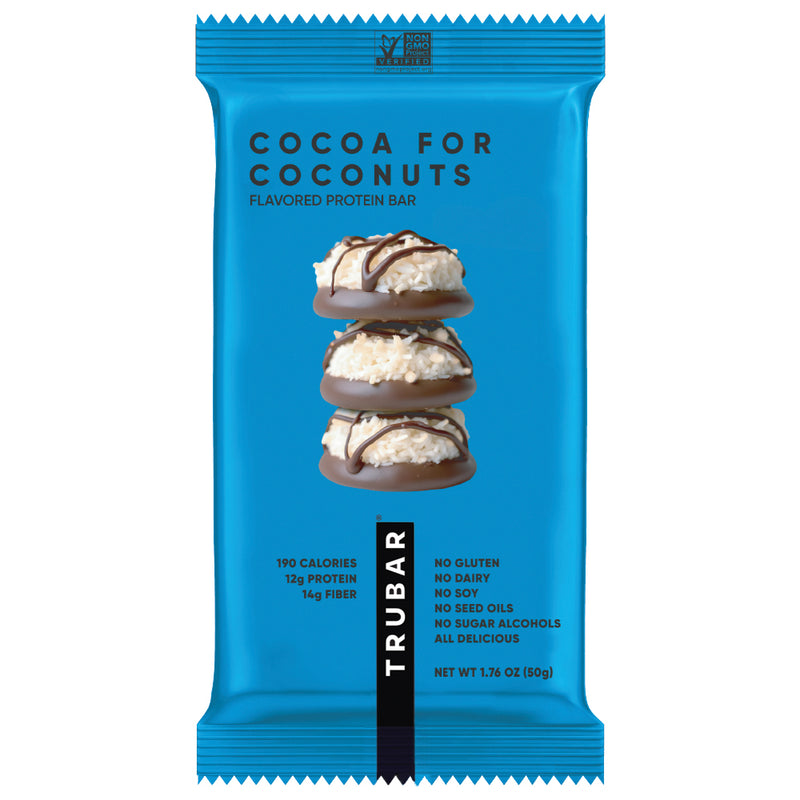 12g protein
Cocoa for Coconuts TRUBAR Nutrition and Protein Bar
Amazon returns policy · secure checkout
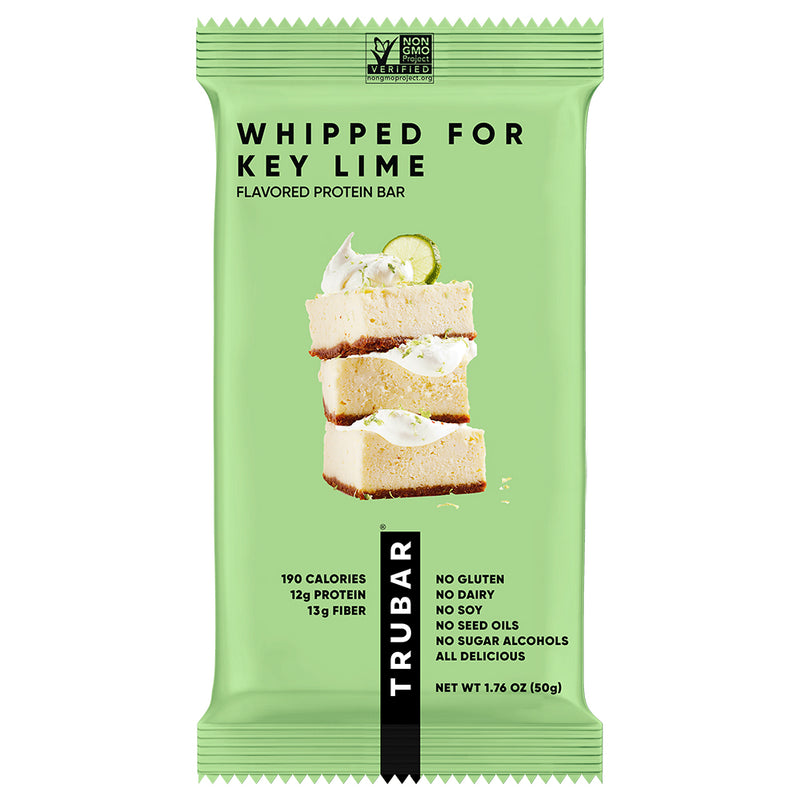 12g protein
Whipped For Key Lime TRUBAR Nutrition and Protein Bar
Amazon returns policy · secure checkout
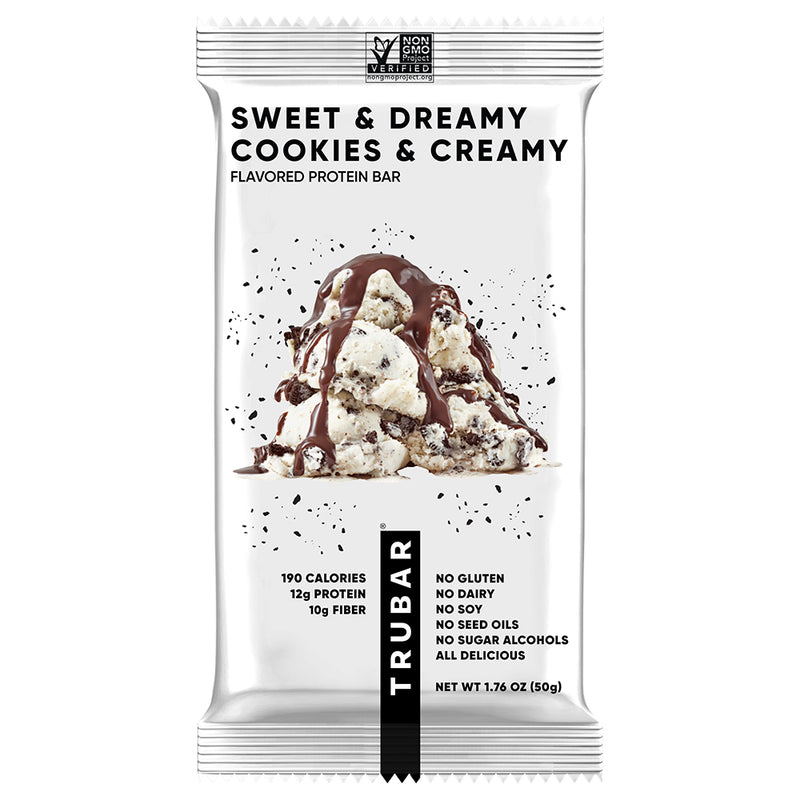 12g protein
Sweet & Dreamy, Cookies & Creamy
Amazon returns policy · secure checkout
Best travel protein snacks — the quick answer
Anchor the kit on jerky or meat sticks (10–12g protein per ounce, 0g sugar, survives any backpack). Add two Quest or Kirkland Signature Protein Bars (21g protein, 12g fiber each) for the middle hours. Pack an empty shaker plus single-serve protein powder sticks (25g protein per stick) — fill past security or at any hotel bathroom sink. That is roughly 60–70g of protein in a jacket pocket, TSA-compliant, and it survives a 20-hour travel day at cabin temperature without spoiling.
Turkey or beef jerky is the right anchor for travel for one unglamorous reason: it is 10–12g of protein per ounce, it cannot bruise, melt, leak, or spoil in a backpack, and security does not care about it. Travel snacking is a logistics problem before it is a nutrition problem — the day gets long, the airport's protein options are a $14 wrap and a fridge of sugar-forward yogurt, and the hotel minibar is a crime scene. The kit that solves it is dry food plus one empty shaker bottle. See everything else in the protein snacks directory.
What TSA Actually Says About Protein Snacks
Solid food flies: jerky, protein bars, roasted edamame and chickpeas, nuts, whole cheese (solid, not spreadable), hard-boiled eggs, and even a sandwich all go through the checkpoint untouched. The rules bite on anything that holds its shape in a spoon: yogurt, peanut butter, hummus, and spreadable cream cheese follow the liquids rule — under 3.4 oz in your quart bag or it stays home. Protein powder is allowed in any amount, but containers over 12 oz get pulled for extra screening, so single-serve stick packs or a pre-loaded shaker skip the delay. Our protein powders guide covers the brands that sell travel sticks.
Specific Brand Picks That Survive Any Travel Day
The kit works best when you buy specific SKUs and stop deciding at every convenience store. These are the picks that clear the twin bars of TSA-compliant and shelf-stable for a full 20-hour travel day, with verified 2026 label numbers from each brand’s own panels.
| Category | Pick | Protein / serving | Sugar | Fits carry-on |
|---|---|---|---|---|
| Meat stick | Chomps Original Grass-Fed Beef | 10g / stick | 0g | Yes — individually wrapped |
| Jerky (flat) | Country Archer Zero Sugar Classic | 12g / oz | 0g | Yes — resealable bag |
| Protein bar (fiber-forward) | Quest Chocolate Chip Cookie Dough | 21g / bar | 1g | Yes |
| Protein bar (whole-food) | RXBAR Chocolate Sea Salt | 12g / bar | 13g (from dates) | Yes |
| Protein bar (bulk value) | Kirkland Signature Protein Bar | 21g / bar | 1g | Yes — buy the Costco 20-pack before you leave |
| Roasted edamame | Seapoint Farms Dry Roasted Lightly Salted | 14g / 30g bag | 1g | Yes — single-serve bags |
| Tuna pouch | Bumble Bee Chipotle Seasoned | 14g / 2.5oz pouch | 0g | Yes — but eat in a private space, not open cabin |
| Powder stick pack | Optimum Nutrition Gold Standard Whey single-serve packet | 24g / packet | 1g | Yes — pair with any empty shaker filled past security |
| Protein cracker | Wilde Chicken & Waffles Chicken Chips | 10g / 1oz bag | 0g | Yes |
Two rows deserve honest caveats. Chomps and Country Archer are the cleanest sticks and bags but both cost roughly $1.50–$2.50 per serving; Kirkland Signature meat sticks and jerky at Costco are 30–50% cheaper and hold their own on macros if you can buy in bulk before you leave. And the tuna pouch is the most protein-per-calorie option on this list (14g for 60 calories) but the smell carries in a plane cabin — save it for the gate or a rental car, never row 24 seat B. See the deeper category rankings in our best beef jerky, best meat sticks, and best tuna pouches guides.
The Kit, by Mode of Travel
- Flights: jerky or meat sticks (10–12g of protein per ounce), two protein bars (15–20g each), roasted edamame for crunch, and an empty shaker to fill with water past security plus powder sticks — roughly 60–70g of protein in a jacket pocket.
- Road trips: the same dry core plus a cooler, which unlocks string cheese (7g per stick, USDA), hard-boiled eggs (6g each), and yogurt cups — more in our office snacks guide, whose drawer logic is the same as a car console. If your cooler stays cold, a 12-pack of shelf-stable Premier Protein shakes or Costco’s Kirkland Signature Protein Shakes (30g protein, 160 cal per bottle) covers the entire drive as breakfast and afternoon snacks without a single fast-food stop.
- Hotels: protein powder is the play — a shaker and a week of single-serve packs cover breakfast for less than one hotel breakfast, and a fridge (or an ice bucket with a bag) extends cheese and yogurt another day. A single Kirkland Signature Protein Shake stashed in the room fridge on arrival day is the fastest 30g of protein you can hit before the first morning meeting.
- Cruise ships: most major cruise lines allow non-perishable pre-packaged snacks in carry-on but restrict outside meat and produce for onboard biosecurity reasons; check the line’s current food policy before you sail. Jerky, sealed protein bars, roasted chickpeas, and powder sticks generally clear; meat sticks in some cases do not. When in doubt, lean on bars and powder.
- Camping / backpacking: the same dry core, plus jerky and meat sticks earn their calorie weight better than any other packaged protein on the market — 10g of protein for 100 calories in a 33g stick beats any granola bar on protein density. Pair with peanut butter travel packets (compliant if under 3.4 oz) and powder sticks for a lightweight 4–5 day kit.
The Airport Trap Worth Naming
Airport "protein" is mostly an upsell: grab-and-go yogurts routinely carry 20+ grams of sugar, the wraps are calorie-heavy and protein-thin, and everything costs triple. The reliable airport buys, when you do need them, are plain jerky at the newsstand, plain milk at the coffee stand (8g of protein per cup, USDA), and unflavored nuts. Everything else, bring it. A packed kit also fixes the schedule problem — delayed flights and missed connections stop being hunger emergencies.
Crossing Borders With Meat Snacks
The one place jerky gets complicated is international travel. Many countries restrict or prohibit meat products, and bringing jerky or other meat snacks back into the United States from abroad is likewise restricted — declare it or leave it. Domestic travel has no such issue. If you travel internationally, swap the jerky anchor for protein bars, roasted chickpeas, edamame, and nut butters in travel packets under 3.4 oz.
Frequently Asked Questions
Can I bring beef jerky through airport security?
Yes — in the United States, solid food including jerky goes through TSA checkpoints without restriction. The catches are international: many countries prohibit meat imports, and meat products returning to the US are restricted too. For domestic trips it is the single most reliable protein you can carry.
Can I bring protein powder on a plane?
Yes, in any quantity, but powder containers over 12 oz may be pulled aside for additional screening. Single-serve stick packs or pre-portioned baggies move through fastest, and an empty shaker bottle fills at a water fountain past security.
Is peanut butter allowed in carry-on luggage?
Only under the liquids rule — 3.4 oz or less, in the quart bag. The same applies to yogurt, hummus, and other spoonable foods. Nut butter single-serve packets are the compliant version.
What is the best protein snack for a long flight?
Jerky for protein density, a bar for the middle hours, and roasted edamame or chickpeas for the snacking urge that is really boredom — together about 40–50g of protein that survives cabin temperature for any number of delays.
Can I bring a full protein shake through TSA?
Not in a bottle over 3.4 oz — ready-to-drink shakes count as liquid under the TSA 3-1-1 rule, and every widely-sold RTD shake (Premier Protein, Fairlife, Muscle Milk, Kirkland Signature) ships in 11 or 11.5 fl oz bottles. Two workarounds: buy a sealed bottle at an airport newsstand after security (Hudson News and Duty Free carry Premier Protein at most major U.S. airports), or bring an empty shaker plus single-serve powder packets and fill with water past security. If you must bring a shake through, pack it in your checked bag — not carry-on.
What protein snacks work for a hotel room without a fridge?
Anything shelf-stable: jerky, protein bars, roasted edamame, roasted chickpeas, powder sticks, tuna pouches, and single-serve nut butter packets. If the room has an ice bucket, lining it with a plastic bag and refilling every 8–12 hours will keep string cheese, hard-boiled eggs, and yogurt cool overnight. Every mid-tier hotel front desk will pack an ice bucket on request; ask when you check in, not in the middle of the night.
Bottom line: anchor travel food on jerky, bars, and dry crunchy proteins, respect the 3.4-ounce rule on anything spoonable, keep powder in single-serve packs, and the worst travel day becomes nutritionally boring — which is the goal. Compare options in the protein snacks directory.
Shop our top high-protein picks
Editor-selected high-protein options related to this guide. As an Amazon Associate we may earn from qualifying purchases.
12g proteinCocoa for Coconuts TRUBAR Nutrition and Protein Bar
Amazon returns policy · secure checkout
12g proteinWhipped For Key Lime TRUBAR Nutrition and Protein Bar
Amazon returns policy · secure checkout
12g proteinSweet & Dreamy, Cookies & Creamy
Amazon returns policy · secure checkout
Tags
High Protein Snacks Pro Editorial Team
Independently researched and editorially reviewed. We compare real nutrition labels and never accept payment for coverage.
Get the best new protein snacks in your inbox
Weekly picks and honest reviews — no spam, unsubscribe anytime.
More from the journal
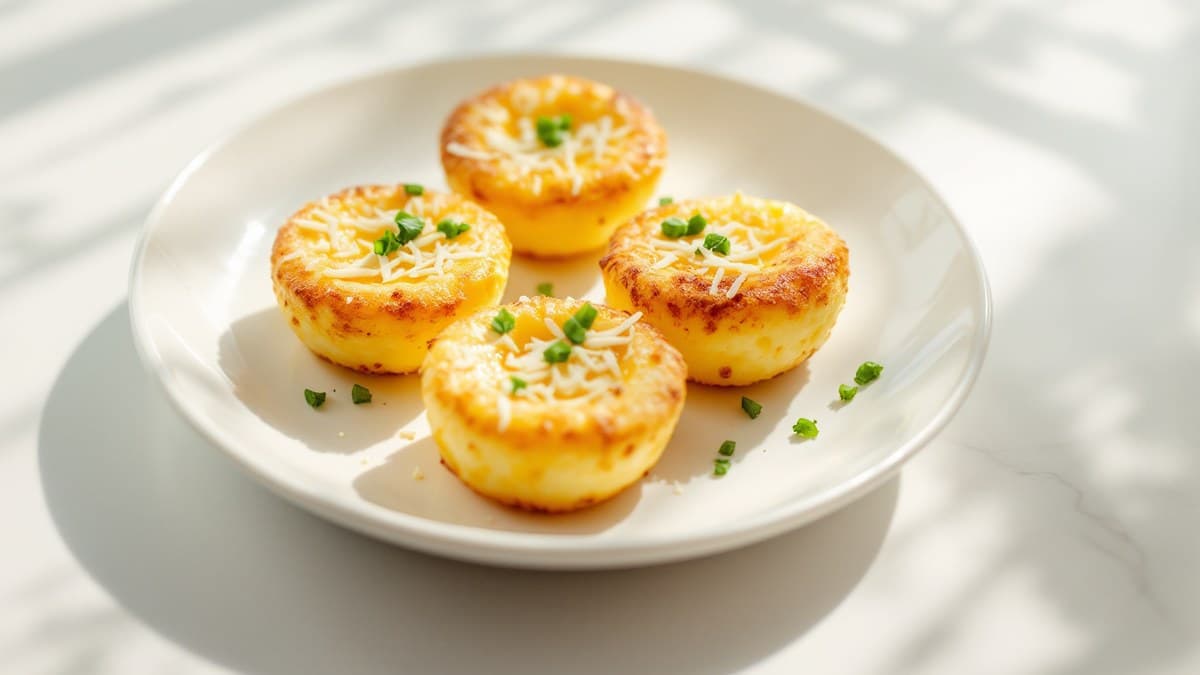
Starbucks Egg Bites Nutrition Facts (2026): 13–19g Protein, All 3 Flavors Compared
Starbucks Sous Vide Egg Bites deliver 13–19g of protein per 2-bite serving. Bacon & Gruyere: 300 cal, 19g protein. Egg White & Roasted Red Pepper: 170 cal, 13g protein. Kale & Mushroom: 230 cal, 13g protein. All nutrition figures from 2026 published Starbucks labels. Plus: how egg bites compare to other portable protein options.
Read more
Best High-Protein Bedtime Snacks (2026): 9 Options Backed by Nutrition Data
The best high-protein bedtime snacks for 2026: FAGE Total 0% Greek yogurt (18g protein, 90 cal), Premier Protein shake (30g, 160 cal), Good Culture 2% cottage cheese (14g per ½ cup, 80 cal), and ON Gold Standard Casein (24g, 120 cal). Casein-dominant proteins digest slowly overnight to support muscle protein synthesis. Verified 2026 nutrition data for all 9 options.
Read more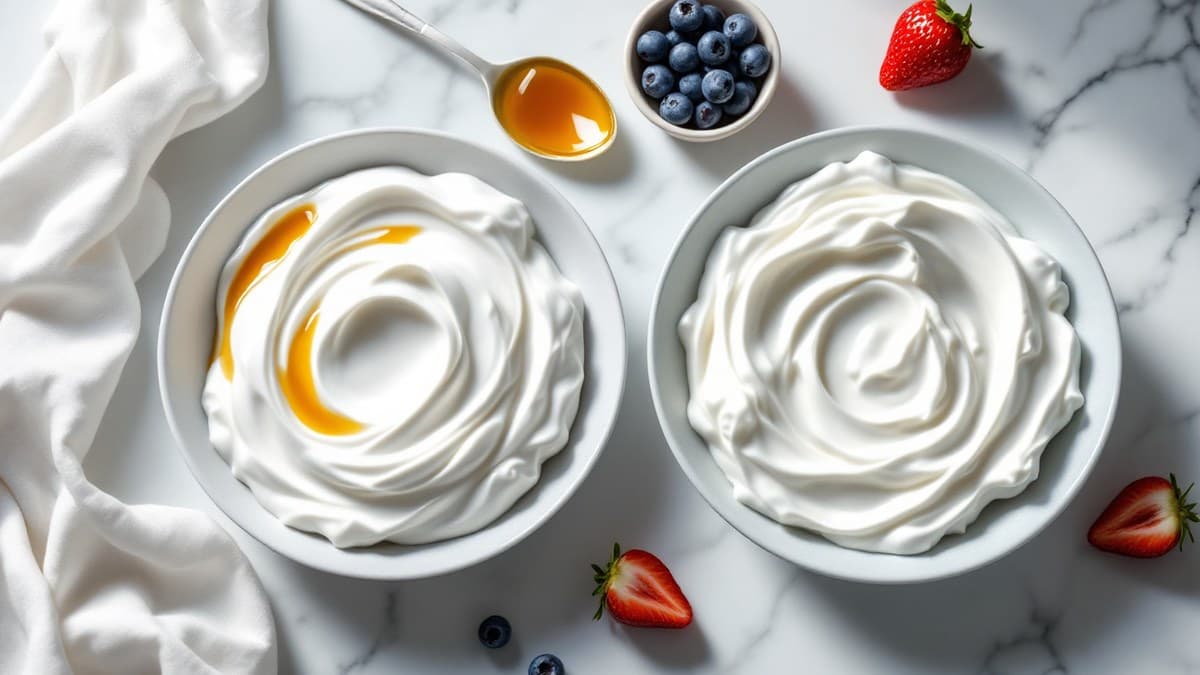
FAGE vs Chobani Greek Yogurt (2026): Protein, Price, and Which Brand Actually Wins
At their standard plain nonfat servings, FAGE Total 0% delivers 18g of protein at 90 calories (20g per 100 cal) while Chobani Nonfat Plain gives 14g at 80 calories. Both use just milk and live cultures — no additives, no thickeners. FAGE wins on protein density; Chobani wins on price (typically $0.30–$0.50 cheaper per cup) and availability. 2026 full comparison across all three fat levels, ingredients, texture, and who should buy which.
Read more