Clif Builder's Bar vs Quest Bar (2026): Same 20g Protein, Very Different Nutrition
Clif Builder's and Quest bars both deliver 20g of protein, but Quest does it at 190 calories with 1g of sugar — versus Clif Builder's 263 calories and 17g of sugar. Verified 2026 nutrition facts for all core flavors, a soy vs whey protein comparison, and a clear breakdown of who should buy each bar.
The short answer
Our top protein bar picks
Editor-selected and ready to buy. As an Amazon Associate we may earn from qualifying purchases.
Buy the products in this guide: Birthday Cake Protein Bars · Chocolate Chip Cookie Dough Flavored Protein Bar · Chocolate Chip Cookie Dough Protein Bars
 20g protein
Builder's Protein Bar - Chocolate
Amazon returns policy · secure checkout
 20g protein
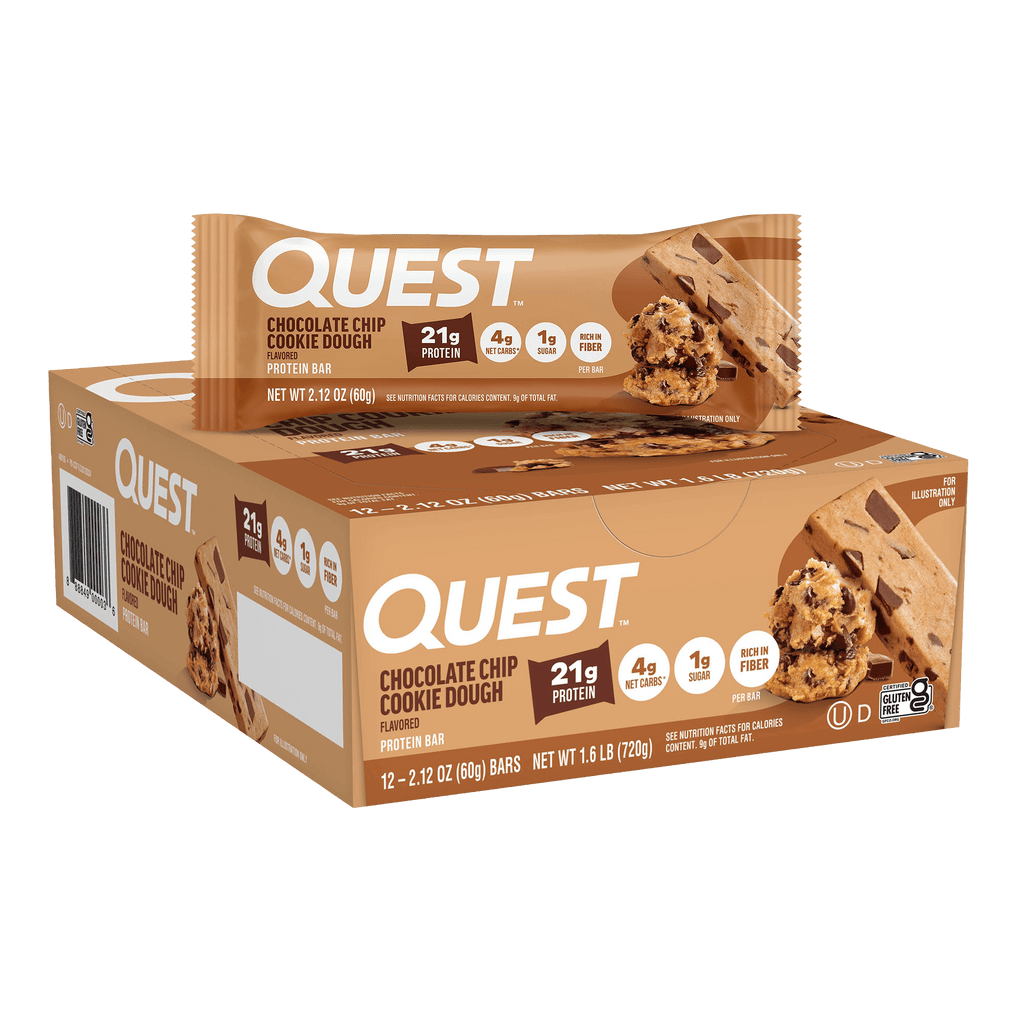
Chocolate Chip Cookie Dough Protein Bar
Amazon returns policy · secure checkout
 21g protein
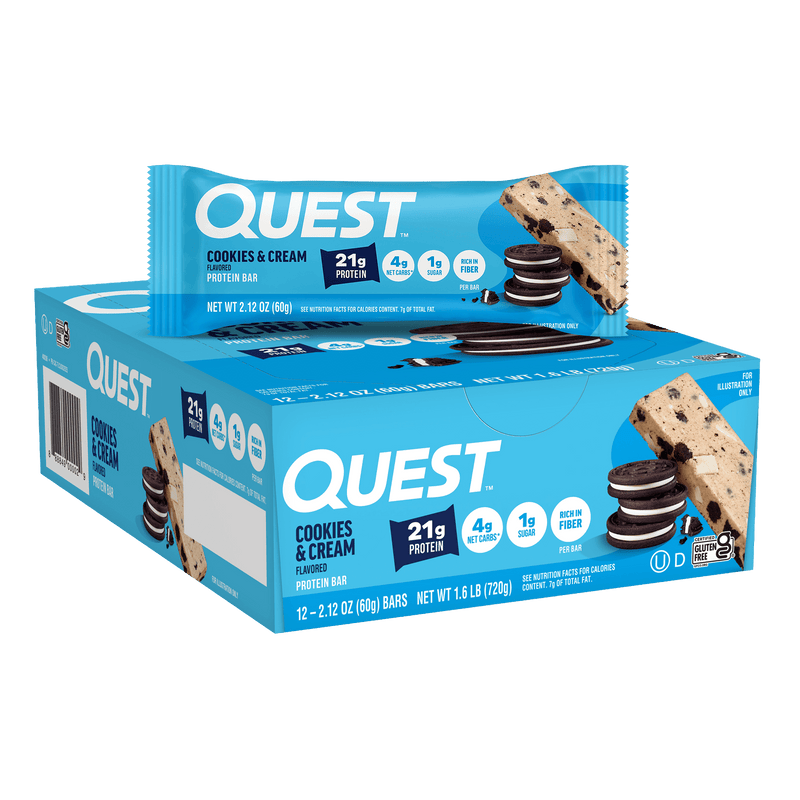
Cookies & Cream Protein Bars
Amazon returns policy · secure checkout
Clif Builder’s Bar vs Quest Bar: Side-by-Side Comparison
Numbers reflect typical values for the most common flavors. Individual flavors vary by 5–15 calories and 1–3g of macros. Always verify the label for your specific bar.
| Metric (per bar) | Clif Builder’s Bar | Quest Protein Bar |
|---|---|---|
| Calories | 263–280 | 190 |
| Protein | 20g | 20–21g |
| Total Fat | 7–9g | 7–8g |
| Saturated Fat | 3–4g | 2.5–3g |
| Total Carbs | 33–34g | 21–24g |
| Dietary Fiber | 3–4g | 12–14g |
| Sugar | 17–20g | 1g |
| Net Carbs | ~29–31g | ~4–10g |
| Sodium | 250–310mg | 220–290mg |
| Protein Source | Soy protein isolate | Whey protein isolate + milk protein isolate |
| Sweetener | Organic cane syrup, brown rice syrup | Erythritol, sucralose, stevia |
| Vegan | Yes | No (dairy) |
| Bar size | 68g | 60g |
| Protein per 100 cal | 7.6g | 11.1g |
| Price range | $2.00–$2.50/bar | $2.00–$2.75/bar |
The headline difference: Quest delivers 20–21g of protein in 190 calories with 1g of sugar. Clif Builder’s delivers 20g of protein in 263–280 calories with 17–20g of sugar. Despite matching on protein, these two bars occupy completely different macro categories.
Clif Builder’s Bar: Nutrition Facts by Flavor (2026)
All figures are per full bar (68g). Verified from Clif brand nutrition panels.
| Flavor | Calories | Protein | Carbs | Fiber | Sugar | Fat |
|---|---|---|---|---|---|---|
| Chocolate Peanut Butter | 263 | 20g | 33g | 4g | 17g | 8g |
| Chocolate | 270 | 20g | 33g | 3g | 17g | 8g |
| Vanilla Almond | 270 | 20g | 34g | 3g | 18g | 7g |
| Crunchy Peanut Butter | 280 | 20g | 34g | 4g | 17g | 9g |
| Chocolate Mint | 270 | 20g | 34g | 3g | 20g | 8g |
Every Clif Builder’s flavor delivers exactly 20g of protein. The calorie range is 263–280 across the lineup, with sugar ranging 17–20g per bar. All flavors use soy protein isolate and are sweetened with organic cane syrup and brown rice syrup — real sugar sources, not sugar alcohols. This is why Clif Builder’s shows 17–20g of sugar on the label while Quest shows 1g: Clif uses actual sugar to achieve its texture and sweetness, while Quest uses erythritol and sucralose.
Quest Bar: Nutrition Facts by Flavor (2026)
All figures are per full bar (60g). Verified from Quest brand nutrition panels.
| Flavor | Calories | Protein | Carbs | Fiber | Sugar | Fat | Net Carbs |
|---|---|---|---|---|---|---|---|
| Chocolate Chip Cookie Dough | 190 | 21g | 22g | 14g | 1g | 7g | ~4g |
| Chocolate Peanut Butter | 190 | 20g | 22g | 11g | 1g | 8g | ~7g |
| Peanut Butter Cups | 190 | 20g | 22g | 12g | 1g | 8g | ~6g |
| Double Chocolate Chunk | 190 | 21g | 24g | 13g | 1g | 8g | ~6g |
| Birthday Cake | 180 | 20g | 22g | 13g | 1g | 7g | ~4g |
Quest bars are consistent across flavors: 180–190 calories, 20–21g protein, 1g sugar, and 11–14g of fiber. The fiber source is primarily soluble corn fiber and chicory root (inulin), both recognized by the FDA as dietary fibers. Net carbs vary from approximately 4–10g across flavors after accounting for fiber and erythritol.
The Calorie Gap: 70–90 Extra Calories per Bar
Clif Builder’s delivers 263–280 calories per bar vs Quest’s 190 calories. That’s 70–90 extra calories per bar — roughly the equivalent of a hard-boiled egg. For someone eating one bar per day, that’s 490–630 extra calories per week from the snack alone. Over a month, approximately 2,000–2,500 extra calories. The extra calories in Clif Builder’s come almost entirely from sugar: 17–20g per bar from organic cane syrup and brown rice syrup, compared to Quest’s 1g. For general fitness snacking where caloric precision isn’t critical, this difference may not matter. For anyone tracking macros or managing caloric intake carefully, it makes Clif Builder’s a meaningfully less efficient protein source per calorie.
Protein Source: Soy vs Whey
Clif Builder’s: soy protein isolate
Clif Builder’s uses soy protein isolate as its sole protein source. Soy is a complete protein — it contains all nine essential amino acids including leucine, which drives muscle protein synthesis. However, soy’s leucine content is lower than whey’s: soy protein contains approximately 7.7g of leucine per 100g of protein, while whey protein isolate contains approximately 10–11g per 100g. Leucine is the primary amino acid trigger for activating mTOR and initiating muscle protein synthesis (MPS). Research comparing soy and whey at equivalent doses generally shows whey produces a higher MPS response in the 1–4 hours post-ingestion, particularly in older adults and during resistance training. At 20g of protein from soy, Clif Builder’s delivers adequate muscle-building stimulus for most goals — but at lower efficiency than whey per gram consumed. The key advantage of soy: it is vegan, making Clif Builder’s the only mainstream 20g-protein bar at major US retailers suitable for plant-based athletes.
Quest: whey protein isolate and milk protein isolate
Quest uses whey protein isolate as the primary protein source, supplemented by milk protein isolate (which contains a blend of whey and casein). Whey isolate is the fastest-absorbing, highest-leucine dairy protein — the gold standard for post-workout protein based on the research literature. At 20–21g of protein per bar with a high leucine fraction, Quest is more effective at triggering MPS per gram of protein than a soy-based equivalent. For muscle building and recovery specifically, whey is the better-supported protein source. The tradeoff: Quest is not vegan, and people with dairy or lactose sensitivities should note that whey isolate has very low lactose, but milk protein isolate adds a casein fraction.
Sugar and Carbohydrate Profile
The sugar difference between these bars is dramatic:
- Clif Builder’s: 17–20g of sugar from organic cane syrup and brown rice syrup. These are real sugars with meaningful glycemic index — brown rice syrup’s GI is approximately 98, higher than table sugar at 65. A Clif Builder’s bar produces a real blood glucose spike. This makes it a reasonable option for immediate post-workout glycogen replenishment — the combination of fast carbs and protein is a classic recovery approach.
- Quest: 1g of sugar, sweetened primarily with erythritol (GI ≈ 1) and sucralose/stevia (GI = 0). Quest produces minimal blood glucose response. For anyone managing blood sugar, on a ketogenic diet, or counting net carbs, Quest is the appropriate choice. For a full breakdown of protein bar sweeteners, see the best protein bars for diabetics guide.
Fiber Comparison
Quest delivers 11–14g of fiber per bar. Clif Builder’s delivers 3–4g. This is a large practical difference:
- Satiety: Quest’s 12–14g of soluble fiber significantly slows gastric emptying and increases fullness. One Quest bar can hold appetite for 2–3 hours as a between-meal snack. Clif Builder’s lower fiber means less satiety per calorie.
- Blood sugar buffer: high fiber slows carbohydrate absorption. Even if Clif Builder’s carbs weren’t mostly sugar, the low fiber means faster absorption.
- Gut health: soluble fiber like chicory root (inulin) in Quest bars feeds beneficial gut bacteria — a consistent long-term advantage over Clif Builder’s at comparable protein levels.
Ingredient Quality and Dietary Compatibility
Clif Builder’s is notable for organic ingredients and no artificial sweeteners. The sweetness comes entirely from organic cane syrup and brown rice syrup — real food sources. It is USDA Organic certified and non-GMO verified. For people who prioritize clean-label food without artificial sweeteners, colors, or preservatives, Clif Builder’s fits that preference. It is also vegan, making it the most accessible plant-based 20g-protein bar at mainstream US retail.
Quest uses processed protein isolates, erythritol, sucralose, and soluble fibers to achieve its macro profile. The bar is highly engineered. The sweetener sucralose is artificial; erythritol is a sugar alcohol produced through fermentation. Quest’s ingredient list is longer and more processed. It is not vegan (dairy-based protein), but is gluten-free and keto-compatible.
Taste and Texture
Clif Builder’s has a denser, chewier texture similar to a traditional energy bar — substantial and filling in texture, with a sweet taste from real sugar. The Chocolate Peanut Butter flavor is the top seller with a well-balanced salty-sweet profile. The bars are not candy-bar-like; they’re more utilitarian in texture, similar to a Clif Bar but with more protein.
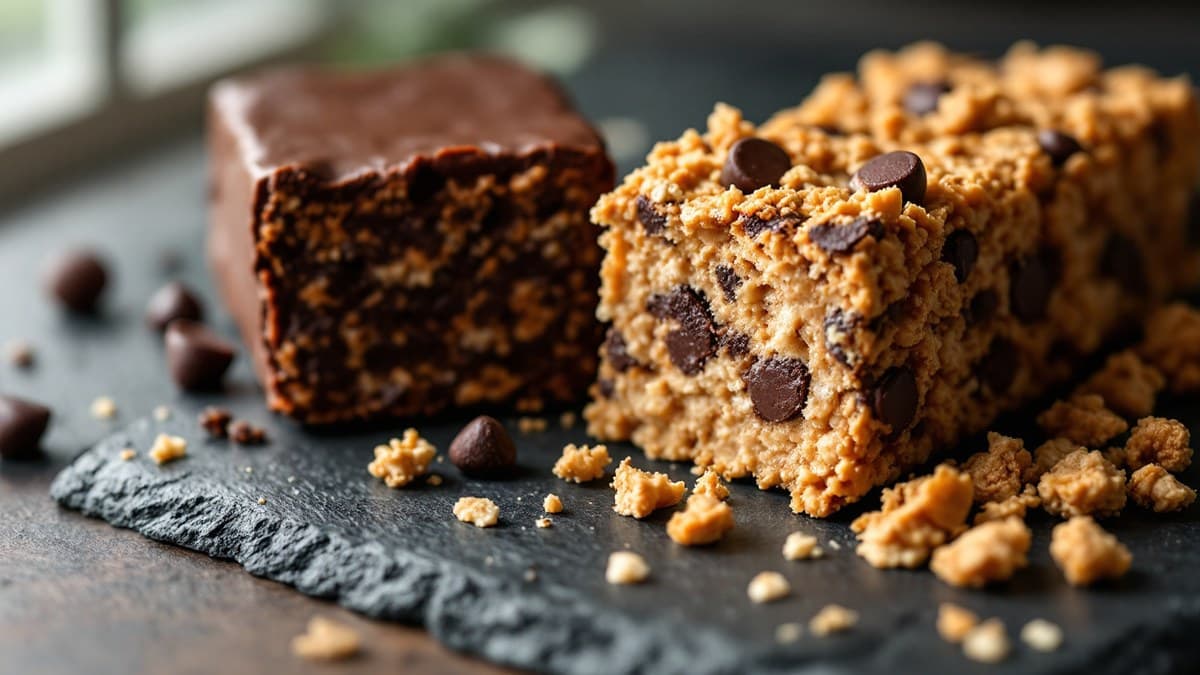
Quest has a dense, doughy, brownie-like texture with a thinner chocolate coating. The sweetness from erythritol/sucralose has a mild cooling aftertaste that some people notice. Chocolate Chip Cookie Dough is the perennial bestseller. Quest bars are generally described as more distinctly “protein bar” in taste than Clif Builder’s, while Clif Builder’s tastes closer to a conventional snack bar.
Who Should Buy Clif Builder’s Bar
- Vegan athletes and plant-based eaters: Clif Builder’s is the most accessible vegan 20g-protein bar at mainstream US retail. If you need plant-based protein and want to avoid protein powder, this is the practical choice.
- Post-workout with intentional carbs: the 33–34g of carbs (mostly fast-absorbing sugar) plus 20g of protein makes Clif Builder’s a reasonable immediate post-workout option when training hard and wanting fast carbs alongside protein.
- Clean-label preference: Clif Builder’s organic certification and no-artificial-sweetener ingredient list appeals to shoppers who want recognizable ingredients without erythritol, sucralose, or processed protein isolate blends.
- Higher calorie goals: for hardgainers or athletes in a significant calorie surplus, the extra 70–90 calories contributes to total intake without additional preparation.
Who Should Buy Quest Bar
- Calorie-controlled muscle building or fat loss: at 190 calories and 21g of protein, Quest delivers 11.1g of protein per 100 calories. For anyone counting macros seriously, Quest is the stronger pick. See the best protein snacks for muscle building guide for a full density ranking.
- Blood sugar management or keto: Quest’s erythritol-based sweetener and 12–14g of fiber make it far more appropriate for low-carb, ketogenic, or blood sugar management approaches. At ~4–10g effective net carbs, it fits macros where Clif Builder’s 29–31g net carbs would not. See the best keto protein bars guide for a full comparison.
- Between-meal protein snacking: Quest’s high fiber and low glycemic impact make it a better between-meal snack when additional carbs aren’t needed.
- Non-vegan athletes optimizing protein quality: whey protein isolate produces a higher muscle protein synthesis response per gram than soy protein isolate. For non-vegan athletes where MPS optimization matters, Quest has the better-supported protein source.
Frequently Asked Questions
Is Clif Builder’s Bar good for building muscle?
Yes, but it’s less efficient per calorie than Quest. Clif Builder’s delivers 20g of soy protein isolate — adequate for muscle protein synthesis — but at 263–280 calories vs Quest’s 190 for the same protein. Soy is a complete protein with all essential amino acids, though it produces a slightly lower MPS response than whey at equivalent doses. For plant-based athletes, Clif Builder’s is a practical and effective muscle-building bar. For non-vegan athletes optimizing calorie efficiency, Quest is the better choice.
Which has more sugar — Clif Builder’s or Quest?
Clif Builder’s has significantly more sugar: 17–20g per bar vs Quest’s 1g. Clif Builder’s sweetness comes from organic cane syrup and brown rice syrup. Quest uses erythritol (GI ≈ 1) and sucralose — no real sugar, minimal blood glucose impact. If managing sugar intake, Quest is the appropriate choice by a large margin.
Is Quest Bar or Clif Builder’s better for weight loss?
Quest is better for weight loss. At 190 calories with 21g of protein and 12–14g of fiber, Quest delivers a higher satiety-per-calorie ratio than Clif Builder’s at 263–280 calories. The 70–90 calorie difference per bar adds up meaningfully for people in a caloric deficit. Quest’s high fiber also slows gastric emptying, producing more sustained fullness. See the best high-protein snacks for weight loss guide for a full comparison across the category.
Can vegans eat Clif Builder’s Bar?
Yes — Clif Builder’s Bar is vegan. It uses soy protein isolate (no dairy or egg) and organic plant-based sweeteners. It is one of the few mainstream 20g-protein bars without animal ingredients, making it one of the top choices for vegan athletes who need a convenient high-protein snack. Quest bars use whey protein isolate and milk protein isolate — both dairy-derived — so they are not suitable for vegans.
Is Clif Builder’s Bar the same as a regular Clif Bar?
No. A regular Clif Bar (the original energy bar) is designed for endurance activity — it delivers 240–260 calories with 9–10g of protein and 43–45g of carbohydrates. Clif Builder’s Bar is formulated for protein — 20g of protein per bar with 33–34g of carbs. The protein content is roughly double that of the standard Clif Bar. Both use soy protein, but Builder’s has significantly more of it and fewer total carbohydrates per calorie.
Bottom line: Quest Bar wins on protein efficiency (11.1g per 100 cal vs 7.6g), calorie control (190 vs 263–280 cal), sugar (1g vs 17–20g), fiber (12–14g vs 3–4g), and blood sugar compatibility. Clif Builder’s wins on vegan credentials, clean-label organic ingredients, and post-workout carb delivery. If you eat dairy and are counting macros, Quest is the clear choice. If you’re plant-based or want organic real-sugar ingredients without artificial sweeteners, Clif Builder’s is the practical option. For a broader comparison of protein bar options, see the best protein bars of 2026 guide or browse the protein snacks directory.
Shop our top protein bar picks
Editor-selected high-protein options related to this guide. As an Amazon Associate we may earn from qualifying purchases.
Buy the products in this guide: Birthday Cake Protein Bars · Chocolate Chip Cookie Dough Flavored Protein Bar · Chocolate Chip Cookie Dough Protein Bars
20g proteinBuilder's Protein Bar - Chocolate
Amazon returns policy · secure checkout
20g proteinChocolate Chip Cookie Dough Protein Bar
Amazon returns policy · secure checkout
21g proteinCookies & Cream Protein Bars
Amazon returns policy · secure checkout
Tags
High Protein Snacks Pro Editorial Team
Independently researched and editorially reviewed. We compare real nutrition labels and never accept payment for coverage.
Get the best new protein snacks in your inbox
Weekly picks and honest reviews — no spam, unsubscribe anytime.
More from the journal
Quest Bar vs ONE Bar (2026): Sweetener, Fiber, and Blood Sugar — Full Comparison
Quest uses erythritol (GI ≈1); ONE Bar uses maltitol (GI ≈35–52). Despite identical "1g sugar" labels, their effective blood sugar impact differs by roughly 3×. Full 2026 nutrition comparison: protein, fiber quality, saturated fat, sodium, sweeteners, price, and who should buy which.
Read more
Fulfil Vitamin Protein Bar Review (2026): 20g Protein and 9 Vitamins Per Bar — Nutrition Facts and Honest Comparison
Fulfil Vitamin Protein Bar delivers 20g of protein and 9 vitamins (B1, B2, B3, B6, B12, C, D, folate, biotin) in a 40g bar at approximately 190–200 calories. Sweetened with maltitol and sucralose. Full 2026 nutrition facts for every flavor, a direct comparison with Quest, ONE Bar, and Barebells, and an honest look at who this vitamin-fortified bar is actually built for.
Read more
FitCrunch Protein Bar Nutrition Facts 2026: 30g Whey Protein, 6-Layer Baked Bar — Every Flavor Compared
FitCrunch full-size bars deliver 30g of whey protein at 380 calories with 6g of total sugar — the only mainstream 6-layer baked protein bar in the US, created by Food Network chef Robert Irvine. Snack-size bars deliver 16g of protein at 190 calories and 3g of sugar. Every flavor compared by calories, protein, fat, fiber, sugar, and sodium, with verified 2026 nutrition label data.
Read more