Best Protein Snacks for Runners 2026: Pre-Run, Post-Run & Race-Day Picks — 8 Verified Picks by Timing
The right protein snack for a runner depends entirely on timing — a high-fiber bar 45 minutes before a run triggers GI distress at mile 3. These 8 picks cover pre-run (0g fat, low fiber only), post-run recovery (20–42g protein within 60 minutes), and race-bag staples, with verified 2026 nutrition data and specific GI-safety windows for each.
The short answer
Our top high-protein picks
Editor-selected and ready to buy. As an Amazon Associate we may earn from qualifying purchases.
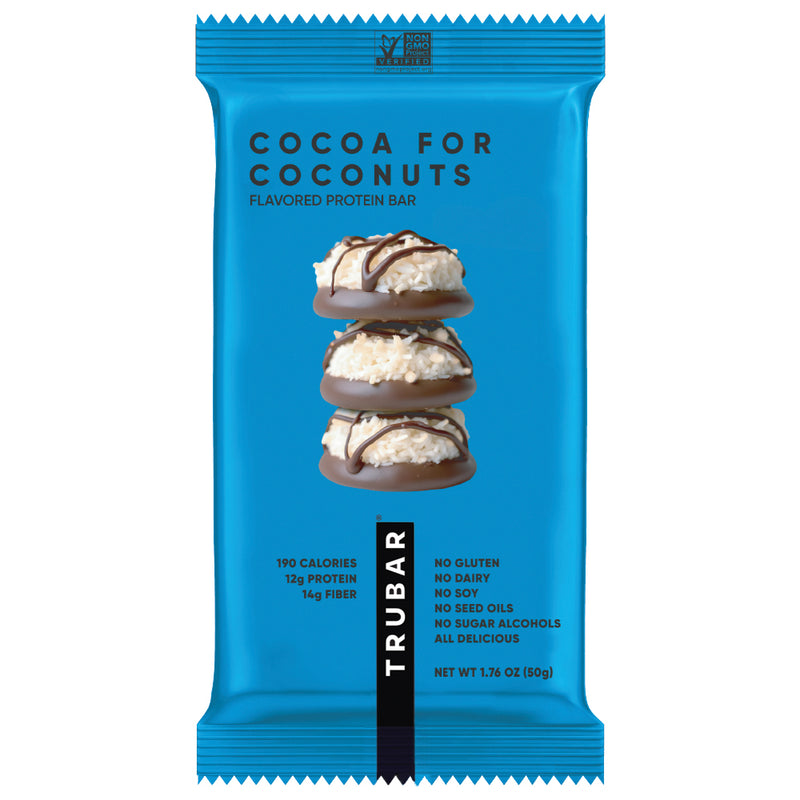 12g protein
Cocoa for Coconuts TRUBAR Nutrition and Protein Bar
Amazon returns policy · secure checkout
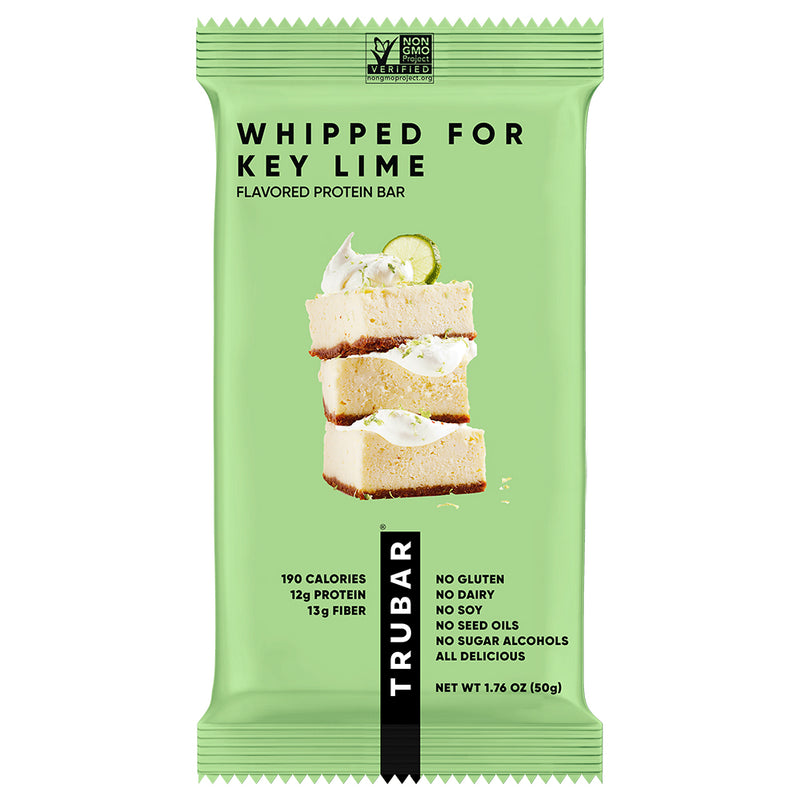 12g protein
Whipped For Key Lime TRUBAR Nutrition and Protein Bar
Amazon returns policy · secure checkout
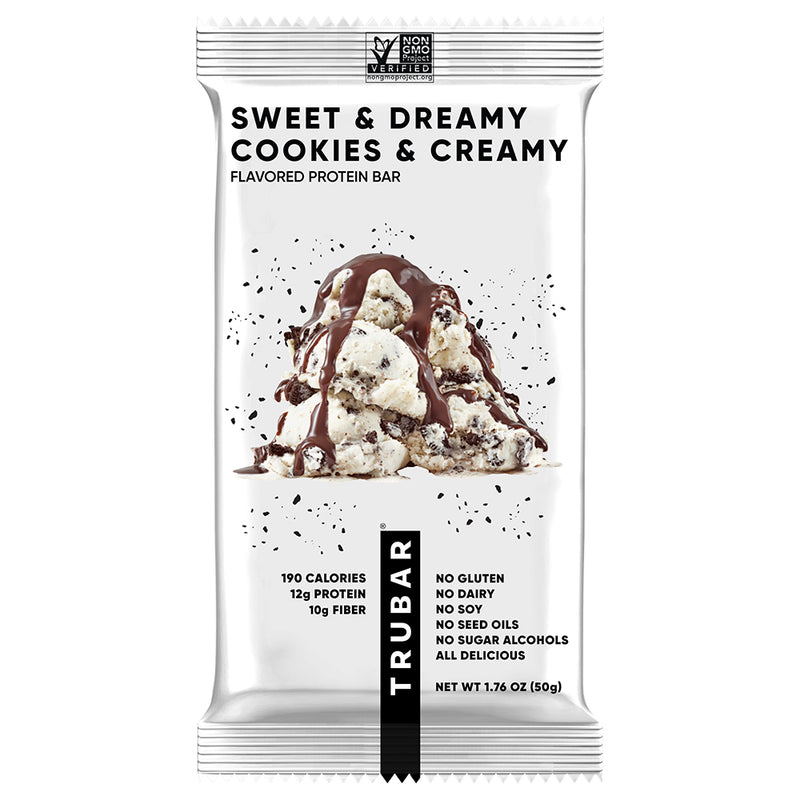 12g protein
Sweet & Dreamy, Cookies & Creamy
Amazon returns policy · secure checkout
Best Protein Snacks for Runners 2026: Quick Comparison (8 Picks by Timing)
| Snack | Serving | Protein | Calories | Timing | Key advantage |
|---|---|---|---|---|---|
| Fairlife Core Power Elite | 14 fl oz | 42g | 230 | Post-run | Highest protein of any mainstream RTD |
| Premier Protein Shake | 11.5 fl oz | 30g | 160 | Post-run | Best value recovery RTD (~$1.37/bottle at Walmart) |
| Low-Fat Chocolate Milk | 16 oz | 16g | 320 | Post-run (immediate) | 4:1 carb-to-protein ratio; research-backed glycogen + protein combo |
| Oikos Triple Zero | 5.3 oz | 15g | 90 | Pre-run (60–90 min before) | 0g fat, easy to digest, no added sugar |
| RXBAR Chocolate Sea Salt | 1 bar (52g) | 12g | 210 | Pre-run (90–120 min before) | Whole-food ingredients: egg whites, dates, nuts |
| Chomps Beef Stick | 1 stick (43g) | 9g | 90 | Race bag / pre-start | Shelf-stable, 0g sugar, fits in any jersey pocket |
| Siggi’s 0% Plain Skyr | 5.3 oz | 17g | 100 | Pre-run (60–90 min) | 0g fat, more protein than Triple Zero; zero GI risk |
| Clif Builder’s Bar Chocolate | 68g (1 bar) | 20g | 270 | Pre-run (2–3 hrs before) | 20g protein + 30g carbs; best for long-run pre-fueling |
Pre-Run Protein: What to Eat 60–90 Minutes Before a Run
The pre-run window is where most runners make mistakes with protein snacks. The priorities here are easy digestibility, moderate protein, and enough carbohydrate for glycogen. High fat and high fiber are the main risks — both slow gastric emptying and increase GI distress during the run. Never test a new snack for the first time on a race or key long-run day.
Oikos Triple Zero Greek Yogurt (15g protein, 90 calories)
The best pre-run protein snack for most runners. Oikos Triple Zero delivers 15g of protein at 90 calories with 6g of carbs, 0g of fat, and no added sugar. The 0g fat is the critical property — fat slows gastric emptying significantly, and any substantial fat intake within 60–90 minutes of a run raises GI distress risk. Greek yogurt digests cleanly, sits lightly, and delivers protein that primes muscle protein synthesis during the effort. Add a small banana for additional fast carbohydrate before runs longer than 60 minutes.
RXBAR (12g protein, 210 calories)
RXBARs use egg whites as their protein base alongside dates and nuts. At 12g of protein and 210 calories consumed 90–120 minutes before a run, they provide balanced fuel without the long ingredient list of processed bars. The caveat: nuts add 7–9g of fat per bar, so respect the 90–120 minute minimum window before a run. The dates provide fast-absorbing natural sugars well-tolerated by most runners. Chocolate Sea Salt and Peanut Butter Chocolate are the most widely available flavors at Target, Whole Foods, and CVS.
Siggi’s 0% Plain Skyr (17g protein, 100 calories)
Siggi’s 0% Plain Skyr delivers 17g of protein at 100 calories with 0g of fat — the highest-protein plain dairy snack for the pre-run window. The 0g fat profile eliminates gastric-emptying risk entirely, and skyr’s strained consistency provides more protein per ounce than most Greek yogurts. The 11g of sugar on the label is all natural lactose, not added sugar. Consume 60–90 minutes before a moderate run or as close as 45 minutes before an easy one. At 17g of protein it provides a stronger muscle protein synthesis stimulus than Oikos Triple Zero (15g), which matters for runs over 60 minutes where muscle breakdown accelerates.
Clif Builder’s Bar Chocolate (20g protein, 270 calories)
For long runs of 90 minutes or longer, Clif Builder’s provides 20g of soy-based protein alongside 30g of carbohydrates at 270 calories. Consume 2–3 hours before the run to allow complete digestion. The carb load is intentional: long-run performance is primarily limited by glycogen availability, and 30g of carbohydrates helps top off muscle glycogen before a sustained effort. At 7g of fat, it requires the full 2-hour minimum — it is not appropriate for the 60–90 minute window. Available at most running specialty stores, Target, Kroger, and Whole Foods. Note: soy is the protein source — well-tolerated by most runners, but relevant if you are soy-sensitive.
What to avoid before a run
High-fiber protein bars (Quest, Legendary Foods Pastries), casein-heavy shakes consumed within 60 minutes, bars with 10g+ fat, and anything with chicory root or sugar alcohols early in the ingredient list. These either slow gastric emptying, ferment in the gut during exertion, or draw water into the intestine — all mechanisms that produce cramping or urgent bathroom stops mid-run.
Post-Run Recovery Protein: The 30–60 Minute Window
Post-run is where protein density matters most. Current sports nutrition research supports consuming 20–40g of protein alongside carbohydrates within 30–60 minutes of finishing a run to support muscle repair and glycogen restoration. This is where RTD shakes earn their place — the convenience is unmatched when you’re hot, tired, and decision-fatigued after a hard effort.
Fairlife Core Power Elite (42g protein, 230 calories)
The highest-protein RTD at mainstream US retail. Core Power Elite delivers 42g of ultra-filtered milk protein at 230 calories with 7g of natural milk sugar and 4g of fat. The milk protein blend — fast-digesting whey plus slower casein — provides immediate leucine delivery for muscle protein synthesis while the casein fraction sustains amino acid availability for the next 2–4 hours. At roughly $3.99–$4.49 per bottle, it’s the most expensive option on this list, but no other mainstream RTD matches 42g of protein at comparable calories. Available at most Target, Whole Foods, Walmart, and 7-Eleven locations.
Premier Protein Shake (30g protein, 160 calories)
The best value post-run RTD for daily training runners. Premier Protein delivers 30g of protein at 160 calories with 1g of sugar and 24 vitamins and minerals — roughly $1.37 per bottle at Walmart in 12-packs. The protein source is milk protein concentrate and calcium caseinate. For runners training 5–7 days per week who need consistent post-run protein without a large food budget, Premier Protein in Walmart or Costco packs is the practical choice. For all flavors and full nutrition data, see our Premier Protein nutrition facts guide.
Low-Fat Chocolate Milk (16g protein, 320 calories)
Decades of sports nutrition research support chocolate milk’s 4:1 carbohydrate-to-protein ratio for post-endurance recovery. At 16g of protein and approximately 52g of carbohydrates per 16 oz serving, it replenishes glycogen and provides protein simultaneously. The 320-calorie load works best for moderate-to-high training volume runners who need aggressive glycogen replenishment. For runners in a caloric deficit or doing shorter easy runs, a lower-calorie option like Premier Protein is more appropriate.
Race Day and Portable Protein Options
During a race, the priority is carbohydrates, electrolytes, and gut safety — not protein. Protein digestion slows significantly during high-intensity running, and mid-race protein is a common GI problem source. The best portable protein options are for before the start and immediately after finishing, not during the race itself.
Chomps Beef Sticks (9g protein, 90 calories)
The best shelf-stable protein snack for the race bag or pre-race hotel morning. Chomps delivers 9g of protein from grass-fed beef at 90 calories per stick with 0g of added sugar, 0g of carbohydrates, and a clean ingredient list. They fit in a jersey pocket or race-morning bag, require no refrigeration for 48 hours out of packaging, and most runners tolerate beef sticks well 2–3 hours before a race when a full breakfast isn’t possible.
String Cheese (7g protein, 80 calories)
Underrated race-bag staple. A single string cheese stick delivers 7g of protein at 80 calories with 0g of carbohydrates and strong portability. Works well paired with a banana as a light pre-race breakfast that won’t sit heavily. Available everywhere, universally tolerated, and inexpensive. Polly-O, Sargento, and store-brand string cheese are nutritionally equivalent.
Protein Timing for Runners: Summary
- 2–3 hours before: Any familiar, well-tolerated protein snack (RXBAR, eggs on toast, Greek yogurt with fruit). Fat and fiber are acceptable at this lead time.
- 60–90 minutes before: Low-fat, low-fiber only (Oikos Triple Zero, string cheese). Avoid bars with nuts, coconut oil, or fiber supplements.
- Within 30–60 minutes before: Carbohydrates only or nothing. Any significant protein here risks GI issues for sensitive runners.
- Within 30–60 minutes post-run: 20–42g protein + fast carbohydrates. Fairlife Core Power Elite or Premier Protein are the most convenient options.
- 30–120 minutes post-run: Full recovery meal or shake + fruit. Greek yogurt with granola and berries is an excellent option in this window.
Frequently Asked Questions
Do runners need more protein than average?
Yes. Endurance training damages muscle tissue that requires protein for repair and adaptation. Current research-supported recommendations for endurance athletes are approximately 1.4–1.7g of protein per kilogram of body weight per day, compared to 0.8g/kg for sedentary adults. A 150 lb (68 kg) runner needs roughly 95–115g of protein daily to support training adaptation — reaching that from meals alone requires intentional planning, which is where high-protein snacks earn their place.
Should runners eat protein before a run?
Yes, if you can tolerate it and allow adequate lead time. Pre-run protein stimulates muscle protein synthesis that continues into and after the run, particularly for sessions over 60 minutes. Choose low-fat, low-fiber sources consumed at least 60–90 minutes before heading out. Oikos Triple Zero and plain Greek yogurt consumed 60–90 minutes before a moderate run are well-tolerated by most runners without GI issues.
Is whey protein good for runners?
Yes. Whey protein isolate is the best-studied protein source for muscle repair after endurance training. Its high leucine content (approximately 10–11g leucine per 100g of protein) directly triggers muscle protein synthesis via the mTOR pathway. For runners, a post-run shake with 25–42g of complete protein delivers the amino acids needed for the repair that happens in the 24 hours following a hard training session. Fairlife Core Power Elite and Premier Protein both use complete milk protein with adequate leucine for post-run recovery.
What protein snacks are safe before running?
Low-fat, low-fiber options consumed 60–90 minutes before: Oikos Triple Zero, string cheese, hard-boiled eggs, or a banana with a small amount of nut butter. Avoid bars with more than 8g of fat or 5g of fiber within 90 minutes of running. Within 30–60 minutes of a run, stick to simple carbohydrates only. Never try a new food before a race or key workout.
Bottom line: the best protein snack for a runner is the right one at the right time. For post-run recovery, Fairlife Core Power Elite (42g, 230 cal) or Premier Protein (30g, 160 cal) delivers the protein density the recovery window demands at a range of price points. For pre-run, Oikos Triple Zero (15g, 0g fat) digests cleanly without GI risk. For race day, keep protein in the bag for before and after — Chomps beef sticks and string cheese work well in the race-morning and post-finish contexts. Browse more options in the protein snacks directory or compare RTD shake options in our best protein drinks of 2026 guide.
Shop our top high-protein picks
Editor-selected high-protein options related to this guide. As an Amazon Associate we may earn from qualifying purchases.
12g proteinCocoa for Coconuts TRUBAR Nutrition and Protein Bar
Amazon returns policy · secure checkout
12g proteinWhipped For Key Lime TRUBAR Nutrition and Protein Bar
Amazon returns policy · secure checkout
12g proteinSweet & Dreamy, Cookies & Creamy
Amazon returns policy · secure checkout
Tags
High Protein Snacks Pro Editorial Team
Independently researched and editorially reviewed. We compare real nutrition labels and never accept payment for coverage.
Get the best new protein snacks in your inbox
Weekly picks and honest reviews — no spam, unsubscribe anytime.
More from the journal
Best Post-Workout Protein Snacks (2026): 7 Picks Ranked by Protein Speed, Amino Acid Quality, and Recovery Science
The 24-hour total matters more than the 30-minute "anabolic window" myth — but a snack with 20–40g of complete protein and some carbohydrate right after training still accelerates recovery. Fairlife Core Power Elite (42g protein, 230 cal) is the highest-protein single grab-and-go option; whey isolate + fruit delivers the fastest amino acid spike. Here are 7 verified picks ranked by absorption speed, protein quality, and practical fit for the post-gym window.
Read more
Best High-Protein Snacks at Safeway (2026): 6 Picks Ranked by Protein Density
Six high-protein snacks you can actually find at Safeway, ranked by protein-per-calorie. Top pick is FAGE Total 0% at 20g of protein per 100 calories — better than any protein bar on this list. Premier Protein and Oikos Triple Zero tie for second at 18.8g per 100 calories. Every number comes from the official Nutrition Facts panel, not a database average.
Read more
Chomps vs Epic Bar (2026): Protein, Ingredients, and Which Grass-Fed Meat Snack to Buy
Both Chomps and Epic deliver 10g of protein from 100% grass-fed beef — but they are not the same snack. Chomps Original is 100 calories with zero carbs and zero sugar; Epic Beef Sea Salt + Pepper is 130 calories with 3g of fiber and 590mg of sodium. Which you should buy depends on whether you prioritize calorie density or fiber. Verified 2026 nutrition data from official brand sources.
Read more