Best Zero-Added-Sugar Protein Snacks (2026): 12 Options Ranked — Plus What 'No Sugar Added' Really Means on the Label
A StarKist tuna pouch is the most protein-dense zero-added-sugar snack at 17g for 70 calories (24g per 100 cal) with 0g sugar. FAGE Total 0% Greek yogurt delivers 18g of protein at 90 calories with 0g added sugar (naturally occurring lactose is not added sugar). DAVID Gold bar hits 28g of protein at 150 calories with 0g sugar. 12 verified options ranked by protein density, plus a plain-English guide to what 'no sugar added,' 'zero sugar,' and 'no artificial sweeteners' actually mean on a nutrition label.
The short answer
Our top high-protein picks
Editor-selected and ready to buy. As an Amazon Associate we may earn from qualifying purchases.
 12g protein
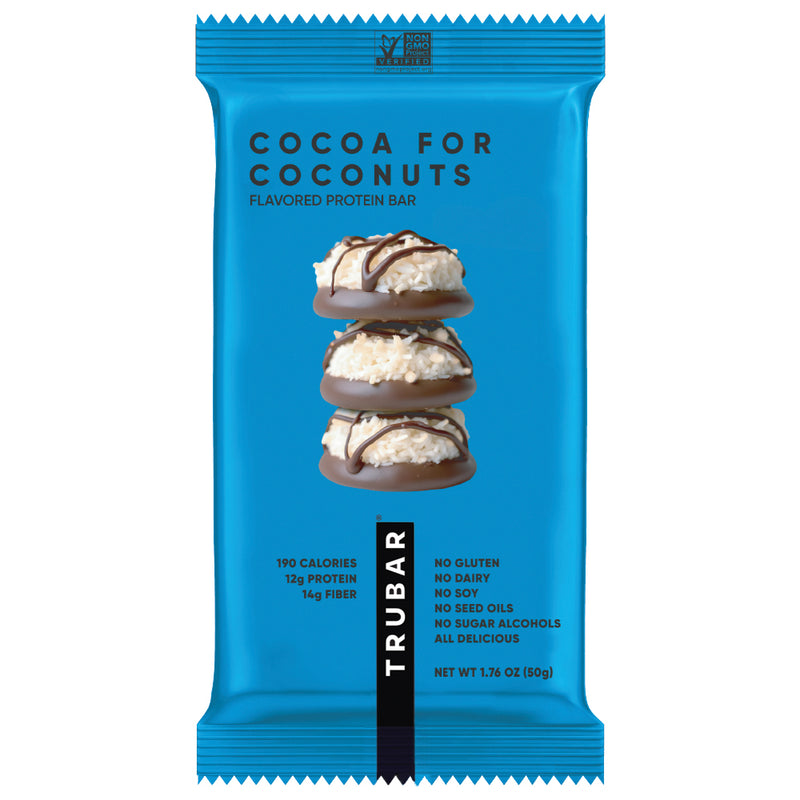
Cocoa for Coconuts TRUBAR Nutrition and Protein Bar
Amazon returns policy · secure checkout
 12g protein
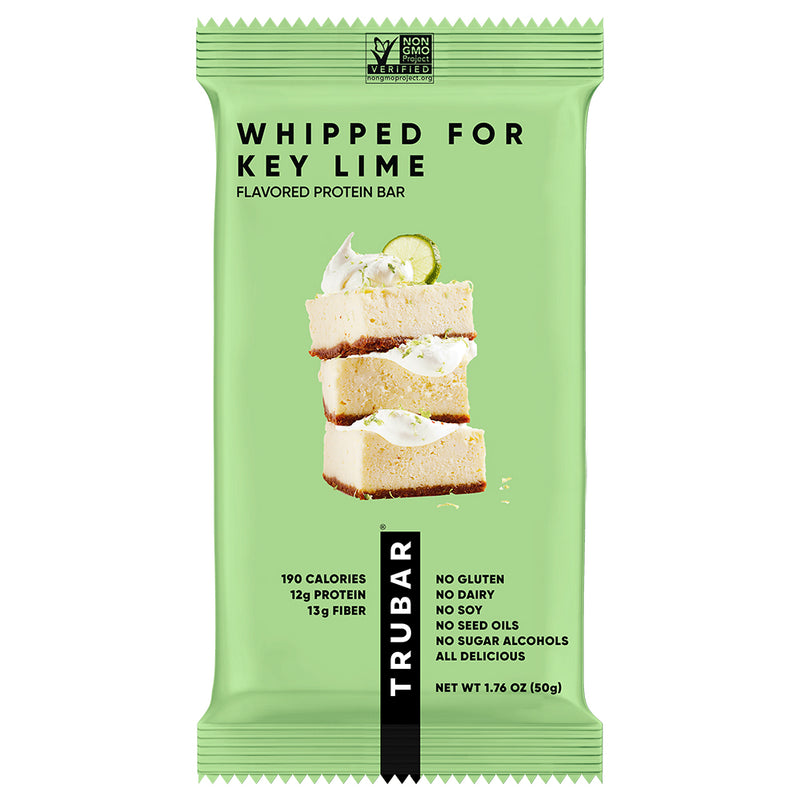
Whipped For Key Lime TRUBAR Nutrition and Protein Bar
Amazon returns policy · secure checkout
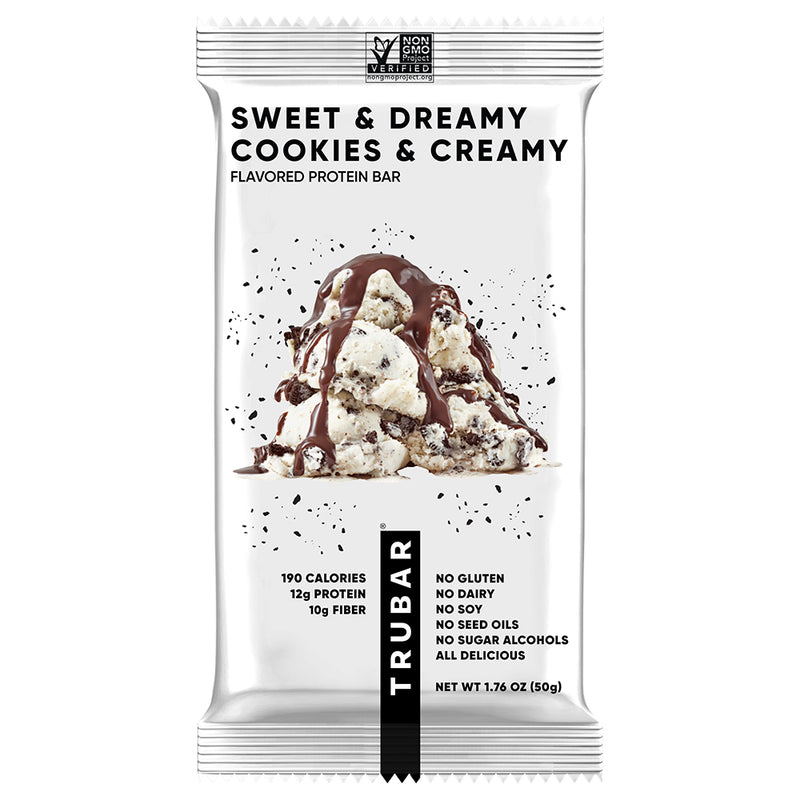 12g protein
Sweet & Dreamy, Cookies & Creamy
Amazon returns policy · secure checkout
The Label Guide: “No Added Sugar” vs “Zero Sugar” vs “No Artificial Sweeteners”
These three phrases look similar on a front-of-pack label but describe very different products:
- “No added sugar” / “0g added sugar”: No sugar was added during manufacturing. The product may still contain naturally occurring sugars — lactose from milk (Greek yogurt has 5–6g per cup), fructose from fruit, or glycogen from meat. These are not added sugars. Plain Greek yogurt, tuna, cottage cheese, eggs, and meat sticks all carry this label legitimately. The FDA requires the “added sugars” sub-line under “total sugars” on the nutrition label; look there, not at the front-of-pack claim.
- “0g sugar” / “zero sugar”: The product has less than 0.5g of total sugar per serving — both added and naturally occurring. Most products achieving this use non-nutritive sweeteners (sucralose, erythritol, stevia, allulose) in place of sugar. Examples: DAVID Gold protein bar, Quest bars, Stryve biltong, Chomps meat sticks.
- “No artificial sweeteners”: The product uses no synthetic non-nutritive sweeteners (no sucralose, aspartame, acesulfame potassium, saccharin). It may still contain real sugar (RXBAR uses 13g of date sugar), plant-derived sweeteners (stevia, monk fruit are derived from plants), or sugar alcohols (erythritol, allulose — classification here varies by brand). This label is about ingredient source, not the sugar or calorie count.
For blood sugar management: both “no added sugar” and “zero sugar” options are relevant, but they require different label reading. For ingredient minimalism: “no artificial sweeteners” matters. For low-carb/keto: check total carbohydrates and net carbs, not just the sugar line. These goals often overlap but sometimes conflict — a Zero Sugar Quest bar achieves 0g sugar with erythritol and sucralose; a plain Greek yogurt achieves 0g added sugar with natural lactose that does register on the total sugar line.
12 Best Zero-Added-Sugar Protein Snacks Ranked by Protein Density (2026)
All figures are per single serving. “Sugar” column shows total sugars / added sugars. Protein density = grams per 100 calories. Numbers verified against official brand nutrition panels.
| Snack | Serving | Protein | Calories | Sugar (total / added) | Protein / 100 cal | Sweetener type |
|---|---|---|---|---|---|---|
| StarKist Albacore Tuna in Water | 1 pouch (2.6oz) | 17g | 70 | 0g / 0g | 24.3g | None |
| FAGE Total 0% Plain | ¾ cup (170g) | 18g | 90 | 6g / 0g | 20.0g | None (lactose only) |
| Fairlife Nutrition Plan | 11.5 fl oz bottle | 30g | 150 | 2g / 0g | 20.0g | Sucralose, Ace-K |
| DAVID Gold Protein Bar | 1 bar (62g) | 28g | 150 | 0g / 0g | 18.7g | Allulose, sucralose, Ace-K |
| Premier Protein Shake | 11.5 fl oz bottle | 30g | 160 | 1g / 0g | 18.8g | Sucralose, Ace-K |
| Stryve Biltong (Original) | 1oz (28g) | 16g | ~70 | 0g / 0g | ~22.9g | None |
| Low-fat cottage cheese (Daisy) | ½ cup (113g) | 14g | 90 | 4g / 0g | 15.6g | None (lactose only) |
| Chobani Nonfat Plain | 5.3oz (150g) | 14g | 80 | 5g / 0g | 17.5g | None (lactose only) |
| Chomps Original Beef Stick | 1 stick (33g) | 10g | 100 | 0g / 0g | 10.0g | None |
| Quest Protein Bar (Choc Chip Cookie Dough) | 1 bar (60g) | 21g | 190 | 1g / 0g | 11.1g | Erythritol, sucralose, stevia |
| Hard-boiled egg (large, 2) | 2 eggs (100g) | 12g | 140 | 1g / 0g | 8.6g | None |
| Sargento Reduced-Fat String Cheese | 1 stick (21g) | 7g | 50 | 0g / 0g | 14.0g | None |
Two things stand out in this table. First, natural whole foods (tuna, FAGE, eggs, cottage cheese, biltong) dominate the top of the protein-density chart because they carry minimal fat or carbohydrate per gram of protein. Second, protein bars and shakes provide more absolute protein per serving but at a higher calorie cost — a DAVID bar delivers 28g of protein for 150 calories; a tuna pouch delivers only 17g, but at 70 calories it is the more efficient vehicle if calorie budget is the constraint. Both have their place.
The Top Picks, One by One
1. StarKist Albacore Tuna in Water — Leanest of All at 24.3g per 100 Cal
A single 2.6oz StarKist albacore pouch delivers 17g of complete protein for 70 calories and 0g of sugar with just two ingredients: albacore tuna and water. That 24.3g of protein per 100 calories is the highest ratio of any snack on this list. The pouch is shelf-stable, requires no prep, and costs roughly $1.50 each. The practical limitation is context: it smells distinctly fishy and requires something to eat it with at a desk. For home, gym bag, and lunch use, it’s the macro-efficiency leader. StarKist’s flavored pouches (lemon pepper, sweet & spicy, ranch) eliminate the need for condiments. See our best tuna and salmon pouches guide for a full brand comparison.
2. FAGE Total 0% Plain Greek Yogurt — Best Refrigerated No-Added-Sugar Option
FAGE Total 0% delivers 18g of protein at 90 calories per ¾ cup (170g) with 0g of added sugar. The 6g of total sugar on the label is entirely lactose from the milk — naturally occurring, not added. Ingredient list: pasteurized skim milk and live cultures. Nothing else. The protein density (20g per 100 cal) matches a Fairlife shake and beats every protein bar on this list. The texture is notably thick due to aggressive straining. Full data in our FAGE Total 0% nutrition guide; brand comparison in our FAGE vs Chobani comparison.
3. Stryve Biltong — Best Zero-Sugar Meat Snack on Protein Density
Stryve biltong air-dries beef without added sugars (unlike most beef jerky, which adds cane sugar or honey in the marinade). The Original variety delivers approximately 16g of protein per 1oz serving at roughly 60–70 calories with 0g of sugar — giving it the second-highest protein-per-calorie ratio of any shelf-stable snack on this list, behind only tuna. Unlike traditional jerky, biltong uses no nitrates and typically has lower sodium per ounce. A 3oz bag runs $7–$9 at most specialty retailers and Amazon. For the full biltong vs. jerky breakdown, see our Stryve biltong nutrition guide.
4. DAVID Gold Protein Bar — Best Packaged Bar with 0g Total Sugar
DAVID Gold achieves 28g of protein at 150 calories with 0g of total sugar by using allulose and sucralose as sweeteners, plus EPG (esterified propoxylated glycerol) as a reduced-calorie fat. The result is the highest protein-per-calorie ratio of any mainstream protein bar (18.7g per 100 cal) at true zero sugar. Unlike Quest bars, which reach near-zero sugar with erythritol and list some sugar alcohols, DAVID uses allulose, which is metabolized differently (negligible glycemic impact, not counted in total carbs on the label). Full EPG and sweetener breakdown in our DAVID protein bar nutrition guide.
5. Chomps Original Beef Stick — Best Clean-Label Meat Stick
A single Chomps Original beef stick delivers 10g of protein at 100 calories with 0g of sugar and a short ingredient list: 100% beef, sea salt, black pepper. No added sugar, no nitrates, no soy. The protein-per-calorie ratio (10g per 100 cal) is the lowest of the shelf-stable picks on this list, but the eating format — individually sealed, 1.15oz sticks you can eat with one hand — is the most grab-and-go of any option here. Best value in a 24-pack at Target or Amazon. Full comparison of meat stick brands in our Chomps nutrition guide and best meat sticks ranking.
6. Low-Fat Cottage Cheese — Best Pre-Sleep Protein Source
A ½ cup of Daisy 1% low-fat cottage cheese delivers 14g of protein at 90 calories with 4g of naturally occurring lactose (0g added sugar). The protein is primarily casein, which digests slowly over 4–7 hours — making cottage cheese the best pre-sleep protein snack on this list. Studies on pre-sleep protein intake consistently show that 30–40g of casein before bed increases overnight muscle protein synthesis. One cup of cottage cheese reaches 28g of protein at 180 calories with still 0g of added sugar. Good Culture and Daisy both offer clean two-ingredient versions (cultured skim milk, salt only). Full comparison in our best high-protein cottage cheese brands guide.
The “Natural Sugar” Question: Does Lactose in Yogurt Count Against You?
If you are managing blood sugar or following a strict low-sugar diet, the 5–6g of total sugar in plain Greek yogurt (from lactose) is a fair question. The short answer for most people: no, it does not meaningfully count against you. Lactose has a glycemic index of approximately 46 — lower than table sugar (65) and similar to legumes. For people with type 2 diabetes or insulin resistance, plain Greek yogurt has repeatedly been associated with favorable blood sugar outcomes in observational studies, partly because the protein and fat slow gastric emptying and moderate the glycemic response. The “no added sugar” label is accurate and relevant; the lactose in plain yogurt behaves very differently from the added cane sugar in flavored cups. If strict zero-sugar (including natural lactose) is required, Stryve biltong, tuna pouches, Chomps, and DAVID bars are your options from this list.
Which Format Fits Your Situation?
- Highest protein density — any context: StarKist albacore pouch (24.3g/100 cal), Stryve biltong (~22.9g/100 cal)
- Best refrigerated option: FAGE Total 0% (18g/90 cal, 0g added sugar, 0g sweeteners)
- Best portable/shelf-stable whole food: Chomps beef sticks (0g sugar, 0g sweeteners, clean label)
- Most protein per serving (packaged): DAVID Gold bar (28g/150 cal, 0g sugar) or Fairlife/Premier Protein shake (30g/150–160 cal, 0g added sugar)
- Best pre-sleep protein: Low-fat cottage cheese (½ cup = 14g protein, slow casein digestion)
- Most accessible at any grocery store: Hard-boiled eggs + Chobani Nonfat Plain — both 0g added sugar, zero sweeteners, available everywhere
- Bars with zero artificial sweeteners: RXBAR (12g protein, 13g date sugar — real sugar, no sweeteners) or Perfect Bar (17–20g protein, honey-sweetened) — real sugar present but no synthetic sweeteners
Protein Bars Labeled “Zero Sugar”: What to Watch For
Most protein bars with 0–1g of sugar achieve that count with a combination of erythritol, allulose, stevia, sucralose, or acesulfame potassium. These sweeteners are generally considered safe and are FDA-approved, but they are not interchangeable for all buyers:
- Erythritol (Quest bars): a sugar alcohol that provides minimal calories but can cause GI distress (bloating, loose stools) in some people at higher doses. Start with one bar per day.
- Allulose (DAVID Gold, some Chobani products): classified differently from other sugar alcohols — not counted toward total carbohydrates on the nutrition label in the US. Low glycemic impact. Generally well-tolerated.
- Sucralose and Ace-K (Fairlife, Premier Protein, Quest): synthetic sweeteners with no calories. Safe per FDA review but avoided by some buyers.
- Stevia and monk fruit: plant-derived, often considered more “natural” than synthetic sweeteners. No caloric impact. Taste varies.
If you are specifically avoiding all artificial sweeteners, the options that clear this bar without using real sugar are FAGE Total 0%, Chobani Nonfat Plain, Daisy cottage cheese, tuna pouches, Chomps, hard-boiled eggs, and Stryve biltong — all of which are naturally zero added sugar with no added sweetener of any kind. See our protein bar sweeteners guide for a full breakdown across 20 bars.
Frequently Asked Questions
What protein snacks have zero added sugar and no artificial sweeteners?
Whole-food options with 0g added sugar and no sweeteners include: plain Greek yogurt (FAGE, Chobani, siggi’s plain), plain cottage cheese, tuna and salmon pouches, Chomps or Stryve meat sticks, and hard-boiled eggs. Among packaged bars and snacks, RXBAR and Perfect Bar have 0g added sugar with no artificial sweeteners — but they do contain real sugar from dates or honey. There is no mainstream protein bar with 0g added sugar, 0g artificial sweeteners, AND 20g+ of protein at under 200 calories; bars that hit those macro targets all use some form of sweetener.
Does the sugar in plain Greek yogurt count as “added sugar”?
No. The 5–6g of sugar in plain Greek yogurt is entirely from lactose, the naturally occurring sugar in milk. FDA labeling requires “added sugars” to be listed separately from naturally occurring sugars on the nutrition panel. Plain Greek yogurt shows 0g on the “includes X added sugars” sub-line, confirming no sugar was added. If you are managing blood sugar specifically, note that lactose is lower-glycemic than sucrose and that plain Greek yogurt is generally well-tolerated by people with type 2 diabetes.
Are zero-sugar protein bars good for diabetics?
Most zero-sugar protein bars achieve their low-sugar claim with erythritol, allulose, and/or sucralose — none of which have a meaningful glycemic effect. Quest bars (21g protein, ~10g net carbs) and DAVID Gold bars (28g protein, ~3g net carbs) are commonly used by people with diabetes seeking a high-protein snack with minimal blood-sugar impact. However, sugar alcohols other than erythritol and allulose (especially maltitol, which Barebells and some Pure Protein products use) do have measurable glycemic impact. Always check the full sweetener list, not just the “0g sugar” claim. See our best protein bars for diabetics guide for a detailed breakdown.
How much protein should a no-added-sugar snack have?
Aim for at least 12–15g of protein per serving to get a meaningful satiety and muscle-protein-synthesis benefit. The options at the top of the ranking above (tuna at 17g, FAGE at 18g, Fairlife at 30g) all clear this threshold. Snacks under 10g of protein — string cheese at 7g, a small handful of nuts — contribute to total daily protein but are better as complements to a higher-protein item rather than standalone protein snacks.
What is the highest-protein zero-sugar packaged snack?
Among packaged shelf-stable snacks with 0g of total sugar: DAVID Gold protein bar (28g protein, 150 cal) leads. Among ready-to-drink shakes with 0g added sugar: Fairlife Nutrition Plan (30g protein, 150 cal) and Premier Protein (30g protein, 160 cal) are the top picks. Stryve biltong (~16g/oz, 0g sugar) is the best meat-snack option. Tuna pouches (17g protein, 70 cal, 0g sugar) have the highest protein-per-calorie ratio of any shelf-stable option.
Bottom line: the most protein-dense zero-added-sugar snacks are whole foods — tuna pouches at 24.3g per 100 calories, plain Greek yogurt at 20g per 100 calories, biltong at roughly 23g per 100 calories. DAVID Gold bar is the packaged bar leader at 28g protein and 0g sugar. For a flavored, portable option with no artificial sweeteners, the closest you get is RXBAR (12g protein, no artificial sweeteners, 13g date sugar) or Chomps meat sticks (10g, 0g sugar, 0g sweeteners). Read the “added sugars” sub-line on the nutrition panel — not just the front-of-pack claim — to know what you’re actually buying. Browse more options in the protein snacks directory or see our best protein bars for diabetics and protein bar sweeteners explained for deeper dives into specific products.
Shop our top high-protein picks
Editor-selected high-protein options related to this guide. As an Amazon Associate we may earn from qualifying purchases.
12g proteinCocoa for Coconuts TRUBAR Nutrition and Protein Bar
Amazon returns policy · secure checkout
12g proteinWhipped For Key Lime TRUBAR Nutrition and Protein Bar
Amazon returns policy · secure checkout
12g proteinSweet & Dreamy, Cookies & Creamy
Amazon returns policy · secure checkout
Tags
High Protein Snacks Pro Editorial Team
Independently researched and editorially reviewed. We compare real nutrition labels and never accept payment for coverage.
Get the best new protein snacks in your inbox
Weekly picks and honest reviews — no spam, unsubscribe anytime.
More from the journal
Chobani Zero Sugar Nutrition Facts (2026): 11g Protein, 60 Calories, and Why the 0g Sugar Claim Is Real
Chobani Zero Sugar Greek yogurt delivers 11g of protein at 60 calories per 5.3oz cup with genuinely 0g of total sugar — not a rounding trick. It achieves zero sugar by substituting allulose (a rare sugar the FDA exempts from the sugar count) and stevia leaf extract for the natural milk sugars filtered out during ultra-filtration. Full 2026 nutrition label for all flavors, comparison against Two Good, Oikos Triple Zero, and regular Chobani, plus an honest breakdown of whether the carb count matters for low-carb or diabetic diets.
Read more
Best High-Protein Snacks at Safeway (2026): 6 Picks Ranked by Protein Density
Six high-protein snacks you can actually find at Safeway, ranked by protein-per-calorie. Top pick is FAGE Total 0% at 20g of protein per 100 calories — better than any protein bar on this list. Premier Protein and Oikos Triple Zero tie for second at 18.8g per 100 calories. Every number comes from the official Nutrition Facts panel, not a database average.
Read more
Chomps vs Epic Bar (2026): Protein, Ingredients, and Which Grass-Fed Meat Snack to Buy
Both Chomps and Epic deliver 10g of protein from 100% grass-fed beef — but they are not the same snack. Chomps Original is 100 calories with zero carbs and zero sugar; Epic Beef Sea Salt + Pepper is 130 calories with 3g of fiber and 590mg of sodium. Which you should buy depends on whether you prioritize calorie density or fiber. Verified 2026 nutrition data from official brand sources.
Read more