Best Post-Workout Protein Snacks (2026): 7 Picks Ranked by Protein Speed, Amino Acid Quality, and Recovery Science
The 24-hour total matters more than the 30-minute "anabolic window" myth — but a snack with 20–40g of complete protein and some carbohydrate right after training still accelerates recovery. Fairlife Core Power Elite (42g protein, 230 cal) is the highest-protein single grab-and-go option; whey isolate + fruit delivers the fastest amino acid spike. Here are 7 verified picks ranked by absorption speed, protein quality, and practical fit for the post-gym window.
The short answer
Our top high-protein picks
Editor-selected and ready to buy. As an Amazon Associate we may earn from qualifying purchases.
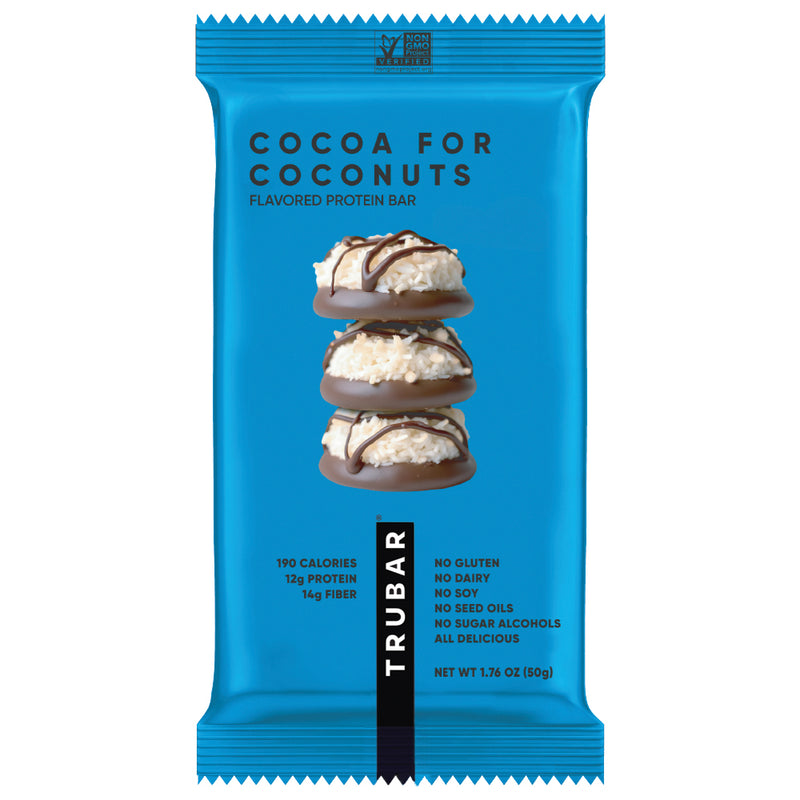 12g protein
Cocoa for Coconuts TRUBAR Nutrition and Protein Bar
Amazon returns policy · secure checkout
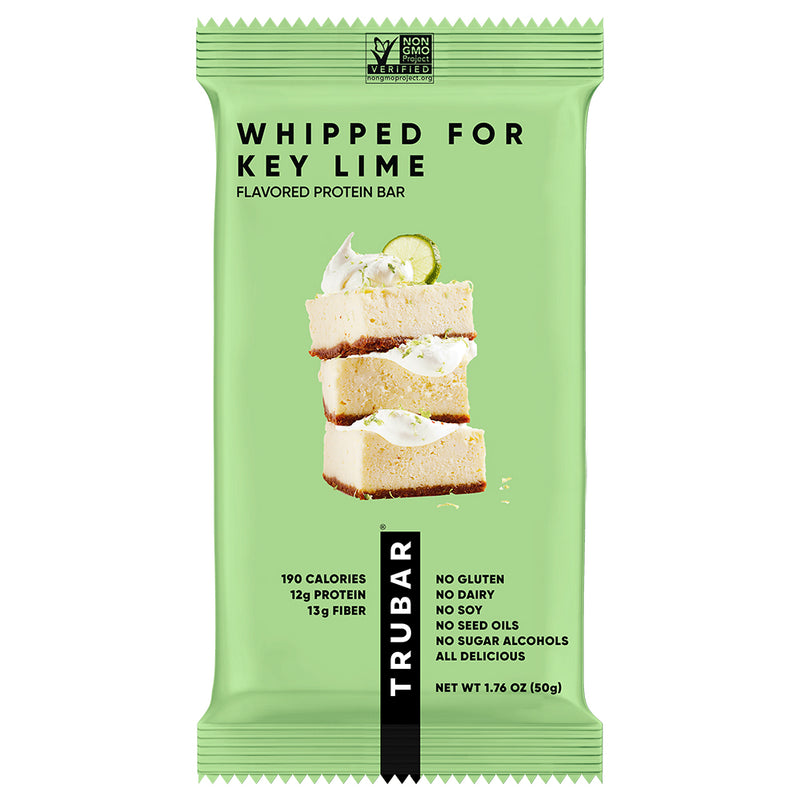 12g protein
Whipped For Key Lime TRUBAR Nutrition and Protein Bar
Amazon returns policy · secure checkout
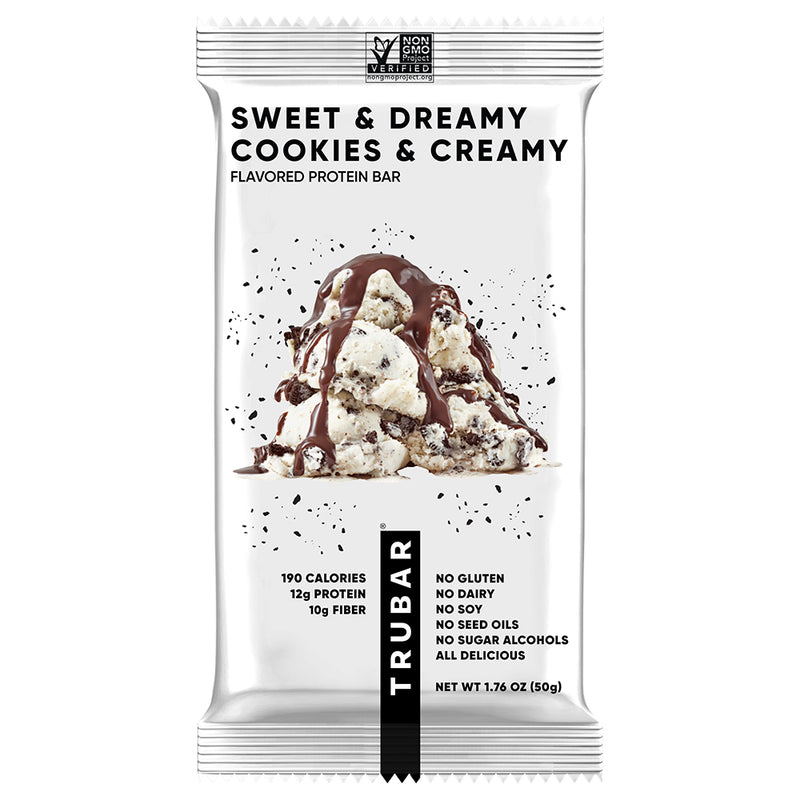 12g protein
Sweet & Dreamy, Cookies & Creamy
Amazon returns policy · secure checkout
What the Research Actually Says
- The “anabolic window” is wider than 30 minutes. Later research (including work from Alan Aragon and Brad Schoenfeld) put the practical window at several hours around training, not a narrow 30-minute sprint — and for anyone who ate a normal meal 1–2 hours before training, there is effectively no rush at all.
- Roughly 20–40g of protein per feeding is the range most studies use to maximize muscle protein synthesis in a single sitting; eating far beyond that in one snack shows diminishing returns compared to spreading protein across the day.
- Carbohydrate matters more for glycogen replacement than for the protein itself — if you trained hard enough to meaningfully deplete glycogen (long or intense sessions), pairing protein with carbs speeds that specific kind of recovery. A short, moderate workout doesn’t need the same carb load.
- Total daily protein is still the dominant variable. A single “perfect” post-workout snack cannot make up for a day that falls short of your overall protein target, and a day that hits its target isn’t ruined by a mediocre post-workout choice.
- Leucine is the key amino acid trigger. Leucine is the primary driver of the mTOR signaling pathway that initiates muscle protein synthesis. Per gram of protein, whey isolate has one of the highest leucine concentrations (~11% by weight) of any common protein source, followed by egg white (~9%), casein (~9%), and plant proteins (typically 6–8%). This is why source matters, not just gram count.
The 7 Best Post-Workout Protein Snacks of 2026
Ranked by absorption speed (how quickly the protein fraction elevates blood amino acids), then protein quality, then practical convenience.
| Snack | Protein | Calories | Carbs | Absorption speed | Convenience |
|---|---|---|---|---|---|
| Whey isolate + banana | 25–30g | 230–280 | 27–30g | Fastest | Requires shaker + powder |
| Fairlife Core Power Elite (42g) | 42g | 230 | 9g | Moderate (ultra-filtered milk) | Grab-and-go |
| Low-fat chocolate milk (2 cups) | ~16g | ~280 | ~50g | Moderate (whey + casein) | Fridge needed |
| FAGE Total 0% (170g) + fruit | 18g + fruit carbs | 90 + fruit | 7g + fruit | Slower (casein-dominant) | Fridge needed |
| Good Culture cottage cheese (1 cup) | 24–28g | 180–220 | 6–8g | Slow (mostly casein) | Fridge needed |
| Quest Bar (CCCD) | 21g | 190 | 22g | Moderate (dairy isolates) | Best shelf-stable option |
| Tuna pouch + rice cakes | ~22g + rice carbs | ~90 + ~70 | ~0 + ~15g | Moderate (whole-food protein) | No fridge, no prep |
Option 1: Whey Protein Shake + Fruit — #1 for Maximum Speed
Whey protein isolate is the fastest-absorbing complete protein available in a convenient format. A standard scoop (24–26g of protein, depending on brand) mixes in 8–10 oz of water or milk and peaks in blood amino acids within 60–90 minutes. Pairing it with a banana (27g carbs, ~100 cal) or a cup of orange juice provides simple carbohydrates for glycogen resynthesis after a hard session. This is the most-studied post-workout format in sports nutrition, and for peak-timing amino acid delivery, no bar or whole-food option matches it. The catch: you need to carry powder and a shaker, which is less practical than a shelf-stable bar. See our best protein powders of 2026 for specific brands. Dymatize ISO100 Hydrolyzed Whey runs roughly 25g of protein per scoop; Optimum Nutrition Gold Standard Whey runs 24g. Either works.
Option 2: Fairlife Core Power Elite — Best Grab-and-Go
Fairlife Core Power Elite (14 fl oz, 42g protein, 230 calories, 7g sugar, certified lactose-free) is the highest-protein single ready-to-drink bottle on the mainstream US market in 2026, and it requires zero preparation. At 18.3g of protein per 100 calories, it beats every bar in this comparison on protein efficiency and nearly triples the protein of chocolate milk at the same calorie cost. The protein comes from ultra-filtered milk, which retains the natural casein-to-whey ratio (~80/20), so absorption is moderate rather than whey-fast — making it excellent for a snack consumed 30–90 minutes after training when you’re not in a sprint for amino acids. Full breakdown in our Fairlife Core Power nutrition guide. For the comparison against Muscle Milk, see our Core Power vs Muscle Milk head-to-head.
Option 3: Low-Fat Chocolate Milk — Best Whole-Food Option With Carbs
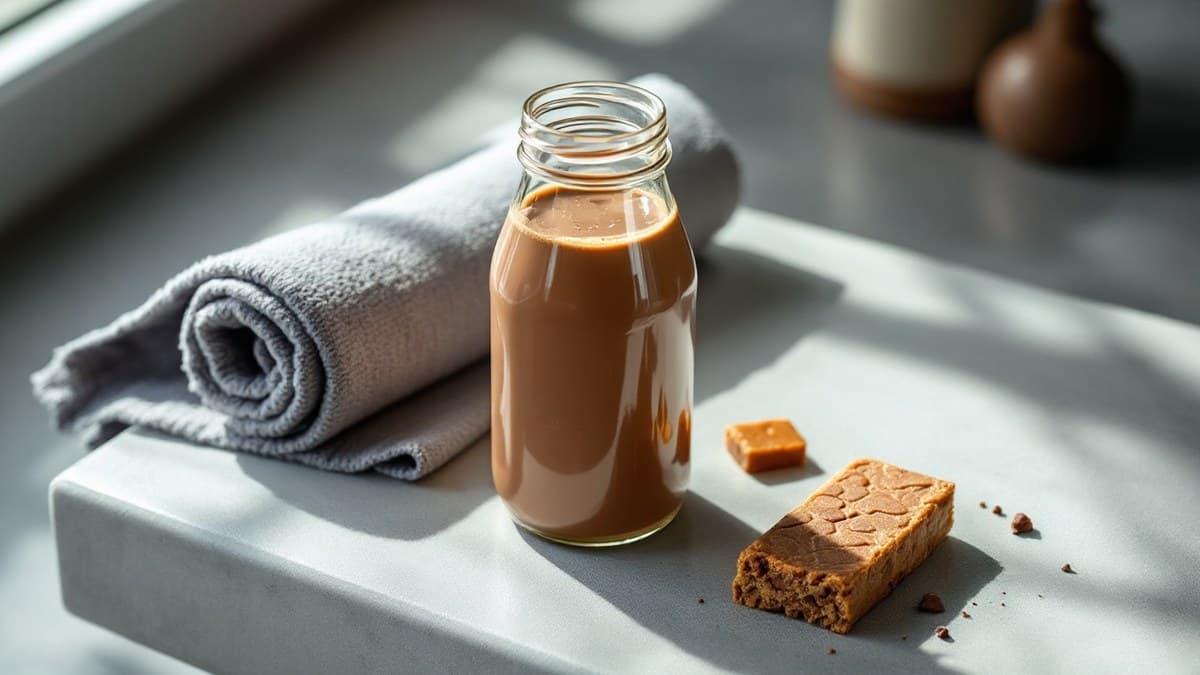
Chocolate milk at roughly 8g of protein per cup and a 3:1 to 4:1 carbohydrate-to-protein ratio has been studied specifically as a post-workout recovery beverage in multiple exercise-science trials. The standard recommendation is two cups for a meaningful protein dose (16g, combined from the natural whey and casein in milk), plus approximately 50g of carbohydrate from the lactose and added cocoa. It also provides real fluid and electrolytes for rehydration — something a protein bar cannot. It’s the cheapest option in this comparison, requires no prep, and most people find it genuinely pleasant to drink when they don’t want to eat solid food after a hard workout. The main limitation is the relatively low protein absolute (16g in two cups) — if you need 30g+ post-workout, you’d need to supplement this with another protein source.
Option 4: Plain Greek Yogurt + Fruit — Best Whole-Food Protein Density
FAGE Total 0% delivers 18g of protein per 170g serving at 90 calories — 20.0g of protein per 100 calories, the highest protein-to-calorie ratio in the yogurt category. Greek yogurt’s protein is casein-dominant, which digests more slowly than whey, producing a sustained amino acid release over 3–5 hours rather than a sharp 90-minute peak. This makes Greek yogurt an excellent choice when you eat it 45–60 minutes after training (not immediately), or as a bridge to the next meal. Pairing it with berries or a banana adds carbohydrate for glycogen repletion. Full data in our FAGE Total 0% nutrition guide and our best Greek yogurt brands ranking.
Option 5: Cottage Cheese — Best for Late-Night Recovery
Good Culture Classic Whole Milk 4% delivers 14g of protein per 5.3 oz cup; a full 225g (roughly one cup) delivers 24–28g of protein depending on fat percentage. Cottage cheese protein is almost entirely casein — the slowest-digesting common dairy protein, with amino acid release extending over 5–7 hours. This makes it the strongest choice among these seven options for the specific use case of training in the evening and wanting sustained muscle protein synthesis through the night. Research on casein as a pre-bed protein source shows it reduces muscle protein breakdown during overnight fasting more than whey at the same dose. For daytime post-workout use, cottage cheese is fine but not meaningfully better than Greek yogurt and slightly less convenient. See our best cottage cheese snacks guide for brand options.
Option 6: Quest Bar — Best Shelf-Stable Option
Quest Bar Chocolate Chip Cookie Dough (60g, 21g protein, 190 cal, 12g fiber, 1g sugar, ~4g net carbs) is the most protein-efficient shelf-stable bar at mainstream retail for post-workout use. The protein blend (milk protein isolate + whey protein isolate) provides both a fast-digesting whey fraction and a slower casein fraction. At 21g of complete dairy protein, it hits the lower end of the research-supported 20–40g range in a format you can carry in a gym bag for weeks without refrigeration. It also delivers 12g of prebiotic fiber, which is unusual for a bar this size. The main limitation relative to a shake: bars digest more slowly overall because the solid food matrix slows gastric emptying compared to a liquid protein source. For the full comparison of Quest flavors and which to buy, see our Quest protein nutrition guide.
Option 7: Tuna Pouch + Rice Cakes — Best Savory Option
A standard 2.5 oz tuna pouch (Bumble Bee Solid White Albacore, roughly 22g of protein at ~90 calories) paired with two rice cakes (~14g carbs, ~70 cal) provides the protein-plus-carbs combination the research targets, at one of the lowest calorie costs in this comparison. Tuna is a complete protein with strong leucine content and virtually no fat in a plain-packed pouch, making it one of the highest protein-per-calorie foods at any retail format. The obvious catch is that tuna pouches smell — this is a gym-bag option for eating alone, not in a crowded locker room. For more options in this category, see our best tuna and salmon pouches guide.
What Doesn’t Matter as Much as the Marketing Suggests
Specialty “post-workout” or “recovery” branded products rarely beat a plain whey shake, chocolate milk, or Greek yogurt on the metrics that actually drive recovery — they mostly add price and, in some cases, unnecessary added sugar or stimulants that aren’t appropriate right after training. The research-backed variables are protein amount (20–40g), protein source completeness (all essential amino acids present), having some carbohydrate if the session was demanding, and timing within a few hours — not a specific brand, a specific supplement blend, or hitting a 30-minute countdown. BCAAs and EAAs as standalone supplements also add cost with minimal benefit if you are already eating enough complete protein.
Frequently Asked Questions
Do I really need to eat protein within 30 minutes of working out?
No — that specific window has been walked back by more recent research. If you ate a normal protein-containing meal within a couple of hours before training, there is effectively no rush afterward. The exception is training in a fasted state or after a long gap since your last meal, where eating sooner rather than later is more useful. For most people doing a late-morning or afternoon workout after a normal breakfast or lunch, the timing pressure is minimal — getting 20–40g of complete protein at some point within a few hours is what matters.
How much protein should a post-workout snack have?
Most research on maximizing a single feeding’s contribution to muscle protein synthesis points to roughly 20–40g, depending on body size and training experience. A 130-pound person may max out near 20g per feeding; a 220-pound person may benefit from up to 40g. Eating well above that in one sitting shows diminishing returns compared to spreading the extra protein across other meals in the day. The seven options above all hit this range or pair well to reach it.
Is chocolate milk actually a good recovery drink, or is that just a marketing claim?
It’s genuinely research-backed, not just marketing — several exercise-science studies have used chocolate milk specifically because its natural carbohydrate-to-protein ratio happens to land near the 3:1 to 4:1 range researchers target for post-exercise recovery drinks, and it provides real fluid and electrolytes alongside the macros. The limitation is that two cups provides only ~16g of protein, which is on the low end of the research-supported range. For most people, chocolate milk works well as a recovery drink and is significantly better than nothing or a high-sugar sports drink.
What matters more: post-workout timing or total daily protein?
Total daily protein is the dominant factor by a wide margin. A well-timed post-workout snack is a genuine but secondary lever — useful, worth doing, but not able to compensate for a day that falls well short of your overall protein target. If you hit your daily protein target but miss the post-workout window by two hours, you lose a small margin of optimization. If you nail the post-workout window but only hit 60g total for the day when you need 150g, you lose most of the benefit of training entirely.
Is a protein bar as good as a shake post-workout?
Functionally yes, though not as fast. A shake (especially a whey isolate shake) peaks blood amino acids in 60–90 minutes; a protein bar digests more slowly because solid food takes longer to empty from the stomach. For most people’s training goals, this difference in timing is not meaningful enough to change outcomes — what matters is getting the protein in the window, not the exact speed within the window. The bar wins on portability and shelf life; the shake wins on immediate amino-acid availability. Both are significantly better than skipping the post-workout protein entirely.
Bottom line: skip the 30-minute panic — eating 20–40g of complete protein within a few hours of training, paired with some carbohydrate after a demanding session, covers what the research actually supports. For maximum protein at grab-and-go convenience, Fairlife Core Power Elite (42g) is the single best 2026 option. For fastest amino acid delivery, whey isolate + fruit. For whole-food simplicity, FAGE plain Greek yogurt. For shelf-stable portability, Quest Bar. For late-night training, cottage cheese. The best option is whichever you’ll actually eat consistently. Compare more options in our best protein bars 2026 ranking or the protein snacks directory.
Shop our top high-protein picks
Editor-selected high-protein options related to this guide. As an Amazon Associate we may earn from qualifying purchases.
12g proteinCocoa for Coconuts TRUBAR Nutrition and Protein Bar
Amazon returns policy · secure checkout
12g proteinWhipped For Key Lime TRUBAR Nutrition and Protein Bar
Amazon returns policy · secure checkout
12g proteinSweet & Dreamy, Cookies & Creamy
Amazon returns policy · secure checkout
Tags
High Protein Snacks Pro Editorial Team
Independently researched and editorially reviewed. We compare real nutrition labels and never accept payment for coverage.
Get the best new protein snacks in your inbox
Weekly picks and honest reviews — no spam, unsubscribe anytime.
More from the journal
Best Protein Snacks for Runners 2026: Pre-Run, Post-Run & Race-Day Picks — 8 Verified Picks by Timing
The right protein snack for a runner depends entirely on timing — a high-fiber bar 45 minutes before a run triggers GI distress at mile 3. These 8 picks cover pre-run (0g fat, low fiber only), post-run recovery (20–42g protein within 60 minutes), and race-bag staples, with verified 2026 nutrition data and specific GI-safety windows for each.
Read more
Best High-Protein Snacks at Safeway (2026): 6 Picks Ranked by Protein Density
Six high-protein snacks you can actually find at Safeway, ranked by protein-per-calorie. Top pick is FAGE Total 0% at 20g of protein per 100 calories — better than any protein bar on this list. Premier Protein and Oikos Triple Zero tie for second at 18.8g per 100 calories. Every number comes from the official Nutrition Facts panel, not a database average.
Read more
Chomps vs Epic Bar (2026): Protein, Ingredients, and Which Grass-Fed Meat Snack to Buy
Both Chomps and Epic deliver 10g of protein from 100% grass-fed beef — but they are not the same snack. Chomps Original is 100 calories with zero carbs and zero sugar; Epic Beef Sea Salt + Pepper is 130 calories with 3g of fiber and 590mg of sodium. Which you should buy depends on whether you prioritize calorie density or fiber. Verified 2026 nutrition data from official brand sources.
Read more