Premier Protein Bar Nutrition Facts (2026): 30g Protein Per Bar, All Flavors Compared and Bar vs Shake
Premier Protein’s 30g Protein Bars deliver the same 30g of protein as their RTD shake—but at 340 calories versus the shake’s 160 calories, with 40g of total carbohydrates versus 5g. Verified 2026 nutrition facts for the full 30g bar lineup, a bar-vs-shake macro comparison, sweetener breakdown (sucralose, not stevia), and a side-by-side against DAVID, Quest, and Kirkland at the same protein tier.
The short answer
Our top protein drink picks
Editor-selected and ready to buy. As an Amazon Associate we may earn from qualifying purchases.
Shopping for Premier Protein? Black Cherry Sparkling Protein Soda · Pineapple Orange Sparkling Protein Soda · Grapefruit Sparkling Protein Soda
 30g protein
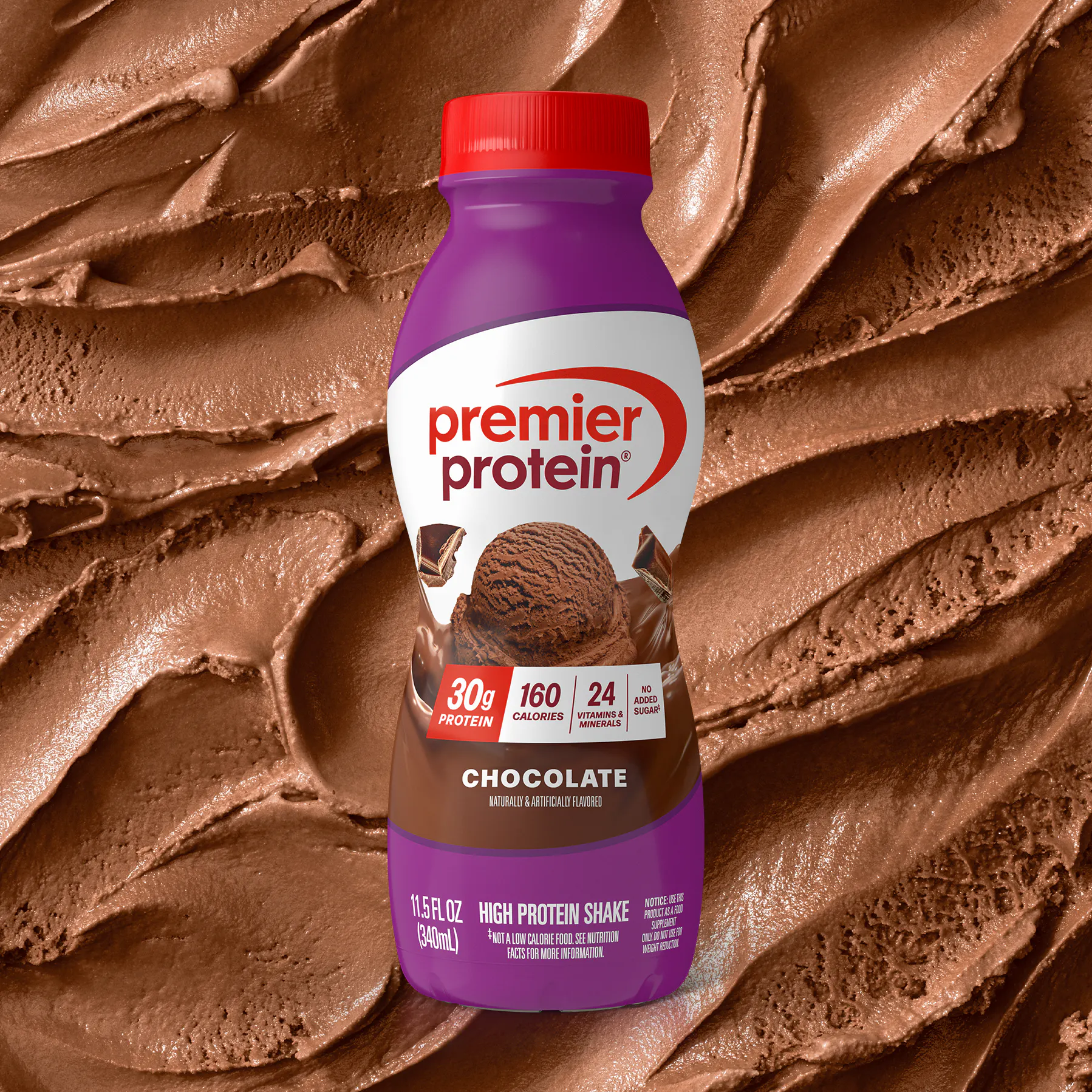
Shake, Chocolate, 30g Protein, No Added Sugar, 24 Vitamins & Minerals to Support Immune Health, 11 fl oz, 12
Amazon returns policy · secure checkout
 30g protein
Shake, Chocolate, 30g Protein, No Added Sugar, 24 Vitamins & Minerals to Support Immune Health, Gluten-Free,1
Amazon returns policy · secure checkout
30g proteinProtein Shake - Chocolate
Amazon returns policy · secure checkout
Premier Protein 30g Bar vs Premier Protein 30g Shake: Side-by-Side
Same brand. Same protein number. Completely different nutritional products. This comparison matters because many buyers assume the bar is a convenient solid equivalent of the shake. It is not.
| Metric (per serving) | Premier Protein 30g Bar | Premier Protein 30g RTD Shake |
|---|---|---|
| Calories | 340 | 160 |
| Protein | 30g | 30g |
| Total Fat | 6g | 3g |
| Saturated Fat | 3g | 1g |
| Total Carbs | 40g | 5g |
| Dietary Fiber | 18g | 0g |
| Total Sugars | 2g | 1g |
| Added Sugars | 0g | 0g |
| Net Carbs | ~22g | ~5g |
| Sodium | ~250mg | ~230mg |
| Protein per 100 cal | 8.8g | 18.8g |
| Primary sweetener | Sucralose | Stevia leaf extract |
| Serving size | 80g / 2.8 oz bar | 325mL / 11.5 fl oz |
| Typical retail price | ~$2.25–$2.75/bar | ~$1.35–$1.50/bottle |
The headline difference: the bar has 180 more calories than the shake for the same 30g of protein. Those extra calories come from the fat and carbohydrates required to give a protein bar its chewy solid structure. The shake is ultrafiltered liquid protein with minimal other macros. For anyone choosing between bar and shake format on protein-per-calorie grounds, the shake is considerably more efficient. The bar’s advantage is texture, satiety from 18g of fiber, and the real-food eating experience that a liquid cannot replicate.
Premier Protein 30g Bar: Nutrition Facts by Flavor
All figures are per full bar (approximately 80g / 2.8 oz). The 30g protein bar lineup is nutritionally consistent across flavors — calorie and macro variation between flavors is typically within ±10 calories and ±1g of protein or fat. Always verify the nutrition panel on your specific bar, as formulations can be updated.
| Flavor | Calories | Protein | Total Fat | Total Carbs | Fiber | Sugar | Net Carbs |
|---|---|---|---|---|---|---|---|
| Chocolate Peanut Butter | 340 | 30g | 6g | 40g | 18g | 2g | ~22g |
| Chocolate Almond | 330 | 30g | 5g | 40g | 18g | 2g | ~22g |
| Double Chocolate | 340 | 30g | 6g | 40g | 18g | 2g | ~22g |
| Cookies & Cream | 340 | 30g | 6g | 40g | 18g | 2g | ~22g |
| Chocolate Mint | 330 | 30g | 5g | 40g | 18g | 2g | ~22g |
Every flavor delivers 30g of protein. Total sugar stays at 2g or less across the lineup despite the sweet taste — the sweetness comes from sucralose (an artificial sweetener), not added sugar. The 18g of dietary fiber per bar is primarily from chicory root fiber (inulin), which also explains the high total carbohydrate count: 40g total carbs minus 18g fiber = approximately 22g of net carbs per bar. For anyone tracking net carbs, 22g per bar is moderate — well below a candy bar but higher than Quest (4–10g net carbs) or DAVID (~8g net carbs).
The Protein Source: What 30g Comes From
Premier Protein bars use a blend of dairy proteins similar to their shakes:
- Milk Protein Concentrate: the primary protein source. Milk protein concentrate is a blend of approximately 80% casein and 20% whey, making it a complete protein with all essential amino acids. Casein digests slowly, which contributes to the bar’s satiety advantage over faster-absorbing whey-only products.
- Calcium Caseinate: a supplemental slow-digesting casein protein in salt form. Adds structure to the bar dough and extends the amino acid release window. The same ingredient used by Premier Protein in their RTD shakes.
- Whey Protein Isolate: included in smaller amounts. Whey isolate is the fastest-digesting dairy protein and the highest-leucine source, which makes it effective at triggering muscle protein synthesis. Its presence gives the bar a modest post-workout protein quality advantage over bars using only casein-based sources.
The protein blend profile is comparable to Premier Protein’s RTD shake. At 30g of protein per serving, the bar meets the threshold where research shows maximum muscle protein synthesis response in most adults (approximately 20–40g per meal).
Sweetener Note: Sucralose, Not Stevia
Premier Protein’s RTD shakes use stevia leaf extract as their primary sweetener, which the brand markets as a “no artificial sweeteners” claim on the shake. The 30g Protein Bars use sucralose — an artificial sweetener derived from sugar via chlorination, approximately 600x sweeter than table sugar. This matters for buyers who specifically avoid artificial sweeteners: the bars are not compatible with that goal despite the Premier Protein brand association with the stevia-sweetened shakes.
Sucralose at the doses found in protein bars is recognized as safe by the FDA and has a glycemic index of approximately 0 — no meaningful blood glucose impact. The distinction between sucralose and stevia is primarily about ingredient preference and whether “natural” sweeteners matter to the buyer, not about metabolic outcomes at typical serving sizes.
Premier Protein 30g Bar vs Other High-Protein Bars
The 30g Premier Protein bar competes in a rare tier — most mainstream protein bars top out at 20–22g of protein. Here is how it compares to the other bars that hit or approach 30g of protein:
| Bar | Cal | Protein | Fat | Net Carbs | Sugar | Protein / 100 cal | ~Price |
|---|---|---|---|---|---|---|---|
| Premier Protein 30g Bar | 340 | 30g | 6g | ~22g | 2g | 8.8g | ~$2.50 |
| DAVID Protein Bar | 150 | 28g | 1g | ~8g | 1g | 18.7g | ~$2.75 |
| Quest Protein Bar (21g) | 190 | 21g | 7g | ~5–8g | 1g | 11.1g | ~$2.25 |
| Kirkland Protein Bar (21g) | 190 | 21g | 6g | ~8g | 5g | 11.1g | ~$1.50 |
| Barebells Protein Bar (20g) | 200 | 20g | 9g | ~13g | 1g | 10g | ~$2.75 |
On protein-per-calorie efficiency, the Premier Protein bar trails the field significantly. DAVID delivers 28g of protein at 150 calories — 18.7g of protein per 100 calories, more than double the Premier Protein bar’s 8.8g. Quest at 190 calories delivers 11.1g per 100 calories. The Premier Protein bar’s absolute protein number (30g) is higher than anything else on this list, but that protein comes at twice the calorie cost of DAVID and nearly double the cost of Quest. See our full ranking of protein bars by total protein for the complete category view, and our Kirkland protein bar guide for the value-tier comparison.
Who Should Buy the Premier Protein Bar (Instead of the Shake)
- Meal-replacement use: at 340 calories and 30g of protein, the bar functions as a light meal replacement in a way the 160-calorie shake cannot. For people using a protein product to substitute a full meal, the bar’s higher calorie count and 18g of fiber make it substantially more satiating than the shake format.
- Real food texture preference: some people find RTD shakes unsatisfying regardless of the protein content — they drink it and want more food immediately after. A bar with real chew and texture holds appetite longer for those buyers.
- Travel and convenience without refrigeration: the bar is shelf-stable and requires no mixing. The shake, while convenient, is a liquid that takes up more volume in a bag. For commuting, travel, or desk drawers, the bar format wins on pure portability.
- Higher calorie goals: for athletes in a calorie surplus or people struggling to eat enough, the bar’s 340 calories at 30g of protein is a more efficient macro package than eating a 160-calorie shake plus additional food to hit the same calorie target.
Who Should Buy the Premier Protein Shake (Instead of the Bar)
- Calorie-controlled muscle building or fat loss: the shake delivers the same 30g of protein at 160 calories — 18.8g of protein per 100 calories. For anyone tracking macros tightly, the shake is dramatically more efficient. A bar adds 180 calories for zero additional protein.
- Low net-carb or keto approaches: the bar has approximately 22g of net carbs per bar (40g total minus 18g fiber). The shake has about 5g of net carbs. For buyers who count net carbs, this is a large practical difference. See our best keto protein snacks guide for more low-carb options.
- Budget-conscious buyers: at $1.35–$1.50 per bottle versus $2.25–$2.75 per bar, the shake delivers the same protein at nearly half the price per serving.
- Post-workout where rapid absorption matters: a liquid protein source absorbs faster than a solid bar. For the 30–60 minute post-workout window where protein delivery speed matters, the shake starts delivering amino acids sooner than a bar that requires digestion of its solid food matrix.
Where to Buy and Current Pricing
Premier Protein 30g bars are widely available at Walmart, Sam’s Club, Target, Costco, Amazon, and most conventional grocery stores. Single bars typically retail for $2.25–$2.75. Buying in bulk (12-count or 18-count boxes at Walmart, Sam’s Club, or Costco) brings the per-bar cost to $1.50–$2.00. Walmart is typically the lowest retail price for both the bars and the shakes. For a full view of high-protein bars across all price tiers, see our best protein bars of 2026 guide or browse the protein snacks directory.
Frequently Asked Questions
How many calories are in a Premier Protein bar?
Premier Protein 30g Protein Bars contain approximately 330–340 calories per bar (80g / 2.8 oz), depending on flavor. This is significantly more than their RTD shake (160 calories), though the bar also provides 18g of dietary fiber and a solid food format. Individual flavor variation is typically within ±10 calories — check the nutrition panel on your specific bar for the exact figure.
Is the Premier Protein bar the same as their protein shake?
No — they share the brand name and the 30g protein number, but the nutritional profiles are very different. The bar has 340 calories (vs. 160 for the shake), 40g of total carbohydrates (vs. 5g), 18g of fiber (vs. 0g), and uses sucralose as the primary sweetener (vs. stevia in the shake). The bar and shake are appropriate for different use cases: the shake for calorie-efficient protein intake, the bar for meal replacement or real-food texture preference.
Are Premier Protein bars keto-friendly?
Not for strict ketogenic diets. The bars have approximately 22g of net carbs per bar (40g total carbs minus 18g fiber). Most ketogenic protocols target under 20–25g of net carbs per day, which would be consumed by a single bar. The 18g of fiber does significantly blunt the glycemic impact, but the net carb count is high relative to keto macros. For low-net-carb alternatives, see our best keto protein snacks guide or check Quest bars (4–10g net carbs at 20g protein).
What sweetener is in Premier Protein bars?
Premier Protein 30g Protein Bars use sucralose — an artificial sweetener derived from sugar, approximately 600x sweeter than table sugar. This is different from the Premier Protein RTD shakes, which use stevia leaf extract (a plant-derived sweetener the brand calls “no artificial sweeteners”). The distinction matters for buyers who specifically avoid artificial sweeteners: the bars are not the same as the shakes in this respect. For a full explanation of protein bar sweeteners, see our protein bar sweeteners guide.
How does the Premier Protein bar compare to DAVID protein bar?
DAVID delivers 28g of protein at 150 calories — 18.7g of protein per 100 calories, more than double the Premier Protein bar’s 8.8g. DAVID has ~8g of net carbs versus the Premier bar’s ~22g. On protein efficiency, calorie control, and net carbs, DAVID is a stronger macro product at a comparable or slightly higher price. The Premier Protein bar’s advantages are its higher absolute protein number (30g vs. 28g), wider retail availability, and the real-food texture that a bar format provides versus DAVID’s denser, more minimalist eating experience. For a full comparison of top-tier protein bars, see our highest-protein bars ranked by grams guide.
Bottom line: the Premier Protein 30g Bar delivers genuine high protein in a real-food bar format, with 30g of protein from a solid dairy protein blend and 18g of fiber per bar. The tradeoffs are real: 340 calories per bar (vs. 160 for their shake), ~22g of net carbs, sucralose as the sweetener, and only 8.8g of protein per 100 calories — lower efficiency than DAVID (18.7g/100cal), Quest (11.1g/100cal), or Kirkland (11.1g/100cal). For calorie-efficient protein intake, the Premier Protein shake is the superior product at half the calories and half the price. For meal-replacement use, travel convenience, and buyers who find shakes unsatisfying, the bar earns its place. Browse the protein snacks directory or see our best protein bars of 2026 guide to compare the full bar category.
Shop our top protein drink picks
Editor-selected high-protein options related to this guide. As an Amazon Associate we may earn from qualifying purchases.
Shopping for Premier Protein? Black Cherry Sparkling Protein Soda · Pineapple Orange Sparkling Protein Soda · Grapefruit Sparkling Protein Soda
30g proteinHigh Protein Shake
Amazon returns policy · secure checkout
30g proteinShake, Chocolate, 30g Protein, No Added Sugar, 24 Vitamins & Minerals to Support Immune Health, 11 fl oz, 12
Amazon returns policy · secure checkout
30g proteinShake, Chocolate, 30g Protein, No Added Sugar, 24 Vitamins & Minerals to Support Immune Health, Gluten-Free,1
Amazon returns policy · secure checkout
Tags
High Protein Snacks Pro Editorial Team
Independently researched and editorially reviewed. We compare real nutrition labels and never accept payment for coverage.
Get the best new protein snacks in your inbox
Weekly picks and honest reviews — no spam, unsubscribe anytime.
More from the journal
GoMacro Nutrition Facts: 11–12g Protein, 260–290 Calories — Every MacroBar Flavor (2026)
GoMacro MacroBars deliver 11–12g of protein for 260–290 calories per bar, verified flavor by flavor from the brand’s own label — plus why the organic, low-FODMAP bar carries the least fiber and the lowest protein-per-calorie of the plant-based bars it’s most often compared to.
Read more
Protein Bar vs Protein Shake (2026): Which Wins for Muscle, Fullness, and Cost
We pulled the Nutrition Facts panel for three best-selling protein bars and three best-selling ready-to-drink protein shakes straight from each brand's own product page, then did the arithmetic. Shakes carry more protein per calorie (17.7g per 100 calories on average versus 13.2g for the bars). Bars carry the fiber and the chewing, which is what actually keeps you full. Cost per gram of protein is a near-tie at roughly $0.12 to $0.13 either way.
Read more
Premier Protein vs Fairlife Nutrition Plan (2026): 30g Protein Shake Head-to-Head
Both Premier Protein and Fairlife Nutrition Plan deliver 30g of protein per 11.5 fl oz bottle at 0g of added sugar. Premier costs roughly $1.50–1.80 per bottle and is shelf-stable; Fairlife runs $2.25–2.75, needs refrigeration, has 10 fewer calories (150 vs 160), 60% DV calcium vs ~30%, and sources protein from ultra-filtered milk instead of isolates. Buy Premier for budget and convenience; buy Fairlife for protein source quality, calcium, and taste.
Read more