Best Protein Bars for Muscle Gain 2026: 7 Picks Ranked by Complete Protein, Leucine Quality, and Calorie Efficiency
The best protein bar for muscle gain in 2026 is the DAVID Gold — 28g of protein at 150 calories per bar, the highest protein-to-calorie ratio of any mainstream bar. Quest and Kirkland Signature are the cleanest complete-protein picks without collagen at 21g each. Seven bars ranked on what drives muscle growth: complete protein per bar, leucine quality, calorie efficiency, and ingredient honesty.
The short answer
Our top protein bar picks
Editor-selected and ready to buy. As an Amazon Associate we may earn from qualifying purchases.
Buy the products in this guide: Blueberry Pie Carton · Blueberry Pie · Peanut Butter Chocolate Chunk
 28g protein
 28g protein
Chocolate Chip Cookie Dough
Amazon returns policy · secure checkout
 28g protein
What are the best protein bars for muscle gain?
Best overall (highest protein/calorie ratio): DAVID Gold — 28g protein, 150 cal, 0g sugar, ~$2.85–$3.50/bar. Best complete protein + fiber: Quest Protein Bar — 21g complete protein, 190–200 cal, 12–14g fiber, no collagen, ~$1.75–$2.40/bar. Best value: Kirkland Signature — 21g complete protein, 190 cal, 12g fiber, no collagen, ~$1.00–$1.25/bar at Costco. Best no artificial sweeteners: think! High Protein — 20g complete protein, 230 cal, no sucralose or Ace-K, ~$2.00–$2.50/bar. Best flavor variety, no collagen: ONE Bar — 20g complete protein, 220 cal, 9g prebiotic fiber, ~$1.85–$2.40/bar. Best for taste/adherence: Barebells — 20g protein (includes collagen; ~15–17g complete), 200 cal, real milk-chocolate coating, ~$2.65–$3.10/bar. Best whole-food pick: RXBAR — 12g protein, 210 cal, egg whites + dates + nuts, no artificial ingredients, ~$2.20–$2.80/bar.
This page contains affiliate links — if you buy through them we earn a small commission at no extra cost to you. Every nutrition figure below comes from each brand’s own published 2026 label; anything we could not confirm is marked with an em dash rather than a guess.
What Makes a Protein Bar Good for Muscle Gain (and What Most Bars Get Wrong)?
“Best protein bar” and “best protein bar for muscle gain” are different questions, because muscle growth cares about specific amino acids, not just total grams:
- Complete protein, not just total protein. Collagen is an incomplete protein — it has no tryptophan and is extremely low in leucine. If a bar says “20g protein” and a meaningful portion is hydrolyzed bovine collagen, the complete protein available for muscle-protein synthesis is substantially less. Every bar on this list is evaluated on its complete protein content from whey, milk, soy, or egg sources — not the padded label total.
- Leucine is the trigger amino acid. Of all the essential amino acids, leucine is the one that directly signals muscle-protein synthesis (MPS). You need roughly 2–3g of leucine per meal to hit the MPS threshold. Whey isolate delivers about 10–11% of its weight as leucine, so a bar with 20g of whey isolate supplies roughly 2–2.2g of leucine, right at the threshold. A bar padded with collagen delivers significantly less leucine for the same label protein number.
- Calorie efficiency matters for lean bulking and cutting. A 290-calorie bar might provide 20g of protein, and so does a 150-calorie bar — but for someone tracking macros, the calorie gap is the difference between staying in a deficit and blowing through one. Higher protein-to-calorie ratio means more flexibility in your daily calorie budget.
- Consistency beats optimization. The bar you eat four times a week beats the nutritionally superior bar that sits in your cabinet because you dislike the taste. That is why the list includes Barebells (the taste pick) with a clear collagen caveat, and RXBAR (the whole-food pick) with a clear label about its lower protein count — both are honest answers for the right buyer.
How Much Protein per Bar Do You Need for Muscle Gain?
The current sports-nutrition consensus is that 20–40g of high-quality complete protein per meal is enough to maximize the muscle-protein synthesis response in most adults, with diminishing returns above 40g per meal. Spreading protein across 3–5 eating windows is more effective for MPS than front-loading it in one or two meals.
For protein bars specifically: a bar with 20g of complete protein (Quest, Kirkland, think!, ONE Bar) hits the lower end of the effective post-workout range. DAVID at 28g hits closer to the middle. RXBAR at 12g functions as a protein-boosted snack between meals — useful as an addition to a whole-food meal, but not a standalone post-workout protein hit for most lifters. The practical takeaway: any bar on this list with 20g+ of complete protein can cover a post-workout protein window; RXBAR works best as a supplement to meals, not a replacement.
7 Best Protein Bars for Muscle Gain 2026: Complete Comparison Table
All figures are per bar from each brand’s current 2026 nutrition label. “Complete protein” is the portion from whey, milk, soy, or egg protein — not collagen. Pricing is a typical online and retail range as of August 2026 and moves with subscription discounts, store sales, and retailer.
| Bar | Total protein | Complete protein* | Calories | Fiber | Collagen? | Sweetener | Typical price/bar |
|---|---|---|---|---|---|---|---|
| DAVID Gold | 28g | ~24–26g | 150 | ~1g | Small amount in some flavors | Sucralose + Ace-K | ~$2.85–$3.50 |
| Quest | 21g | 21g | 190–200 | 12–14g | No | Erythritol + stevia + sucralose | ~$1.75–$2.40 |
| Kirkland Signature | 21g | 21g | 190 | 12g | No | Erythritol + stevia | ~$1.00–$1.25 |
| think! High Protein | 20g | 20g | 230 | <1g | No | Maltitol (no sucralose/Ace-K) | ~$2.00–$2.50 |
| ONE Bar | 20g | 20g | 220 | 9g | No | Maltitol + sucralose + stevia | ~$1.85–$2.40 |
| Barebells | 20g | ~15–17g | 200 | 3g | Yes (~3–5g) | Maltitol + sucralose + Ace-K | ~$2.65–$3.10 |
| RXBAR | 12g | 12g | 210 | 5g | No | None (dates for sweetness) | ~$2.20–$2.80 |
*Complete protein = whey isolate, milk protein isolate, calcium caseinate, soy isolate, or egg white — not collagen peptides. Collagen lacks tryptophan and is very low in leucine, so it does not trigger MPS the way complete proteins do. Kirkland Signature is Costco-exclusive and the per-bar cost reflects the Costco 20-count box. All other prices reflect typical Amazon single-box pricing in August 2026 before coupons or Subscribe & Save discounts.
#1 Best Overall — DAVID Gold Protein Bar
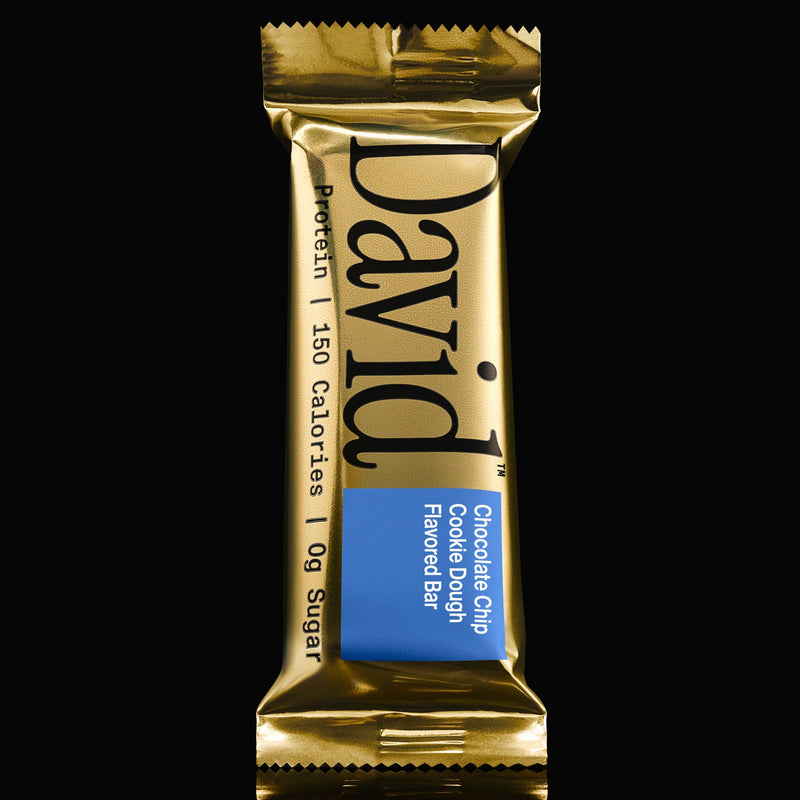
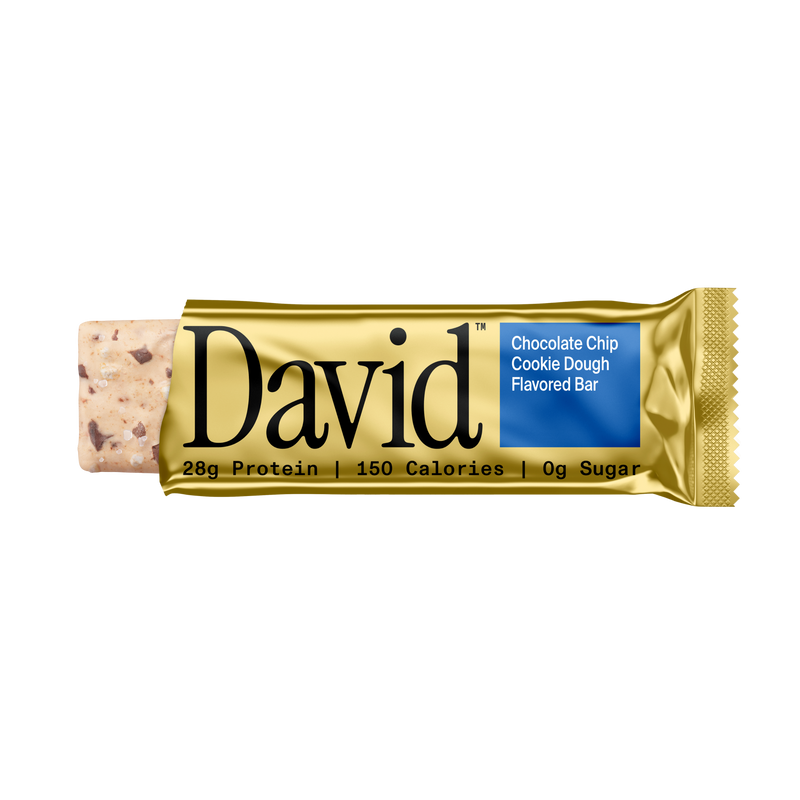
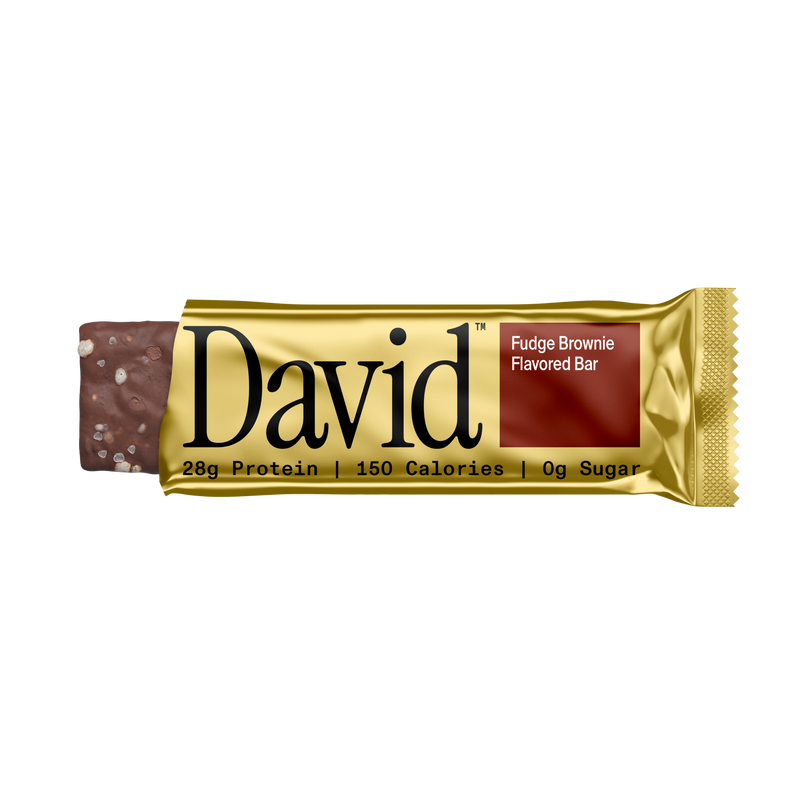
DAVID Gold Protein Bar (Chocolate Chip Cookie Dough, 62g)
28g protein · 150 cal · 0g sugar · ~1g fiber · whey isolate + milk protein isolate · EPG modified fat · sucralose + Ace-K
Check price on Amazon →DAVID Gold is the protein-density leader in the mainstream bar category — 28g of protein for just 150 calories per 62g bar. That 18.7g-of-protein-per-100-calories ratio is the highest of any bar sold at scale in the US. The protein stack is primarily whey protein isolate and milk protein isolate, both complete proteins with a strong leucine profile. At 28g of predominantly complete protein per bar, one DAVID bar exceeds the minimum MPS-triggering leucine threshold even accounting for any collagen contribution in certain flavors.
Why it’s the pick: if you are tracking macros — lean-bulking or cutting while preserving muscle — DAVID gives you the most post-workout protein coverage for the fewest calories of any mainstream bar. A standard 20g-protein bar costs 190–220 calories to deliver its protein; DAVID delivers 40% more protein at 150 calories. That gap compounds across a week of training. Typical Amazon pricing lands at roughly $2.85–$3.50 per bar in a 12-count box — a meaningful premium per bar, earned by the protein density. For the full DAVID explainer see our DAVID protein bar nutrition guide.
The honest catch: DAVID achieves its calorie count via EPG (esterified propoxylated glycerol), a synthetic modified fat that delivers approximately 0.7 cal/g instead of the standard 9 cal/g. EPG is FDA-classified as GRAS; a class-action lawsuit challenging the calorie count was dismissed by a US district court in April 2026. Some DAVID flavors include a small amount of hydrolyzed collagen alongside the whey and milk isolate — the label protein total is still predominantly from complete sources, but check your specific flavor’s ingredient list. Sweeteners are sucralose and Ace-K. Fiber per bar is essentially zero, so the satiety window is shorter than a Quest or Kirkland bar.
#2 Best Complete Protein + Fiber — Quest Protein Bar
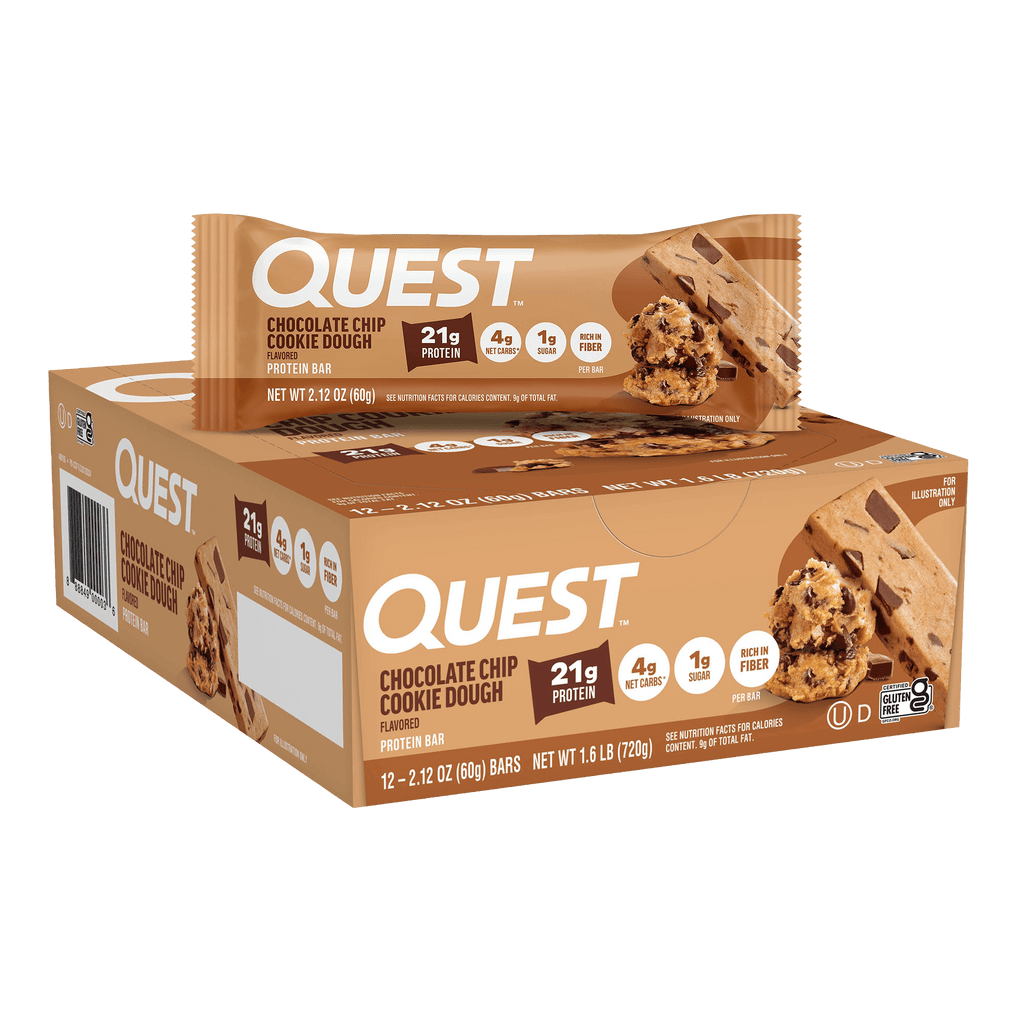
Quest Protein Bar (Chocolate Chip Cookie Dough, 60g)
21g protein · 190–200 cal · 1g sugar · 12–14g fiber · whey isolate + milk protein isolate (no collagen) · erythritol + stevia + sucralose
Check price on Amazon →Quest delivers two quality marks at once: 21g of complete protein from whey isolate and milk protein isolate with zero collagen, plus 12–14g of fiber per bar. That fiber load is what makes a 190-calorie bar function as a small meal, sustaining satiety for three to four hours after eating. For muscle gain, 21g of complete whey and milk protein per bar is sufficient to trigger a full MPS response in most lifters — and the no-collagen protein stack means the full 21g counts toward that goal.
Why it’s the pick: Quest is available at essentially every US grocery store, drug store, and mass retailer, plus Amazon and Costco in multi-packs — the easiest bar to keep consistently stocked. The Costco 20-count variety box typically prices at $17–$22 on promo (about $0.85–$1.10 per bar), the lowest per-bar cost of any name-brand bar in the US. For the Quest vs. DAVID head-to-head see Quest vs DAVID protein bar.
The honest catch: the sweetener slate is erythritol + stevia + sucralose — three sweeteners, not one. For shoppers specifically avoiding sucralose, think! High Protein is the cleaner pick. The 12–14g of fiber from soluble corn fiber can cause digestive discomfort for sensitive buyers at one bar per day — start with half a bar to test tolerance. Flavor variety is wide (Cookie Dough, Chocolate Peanut Butter, Cookies & Cream, Birthday Cake, and others), which helps long-term adherence.
#3 Best Value — Kirkland Signature Protein Bar (Costco)
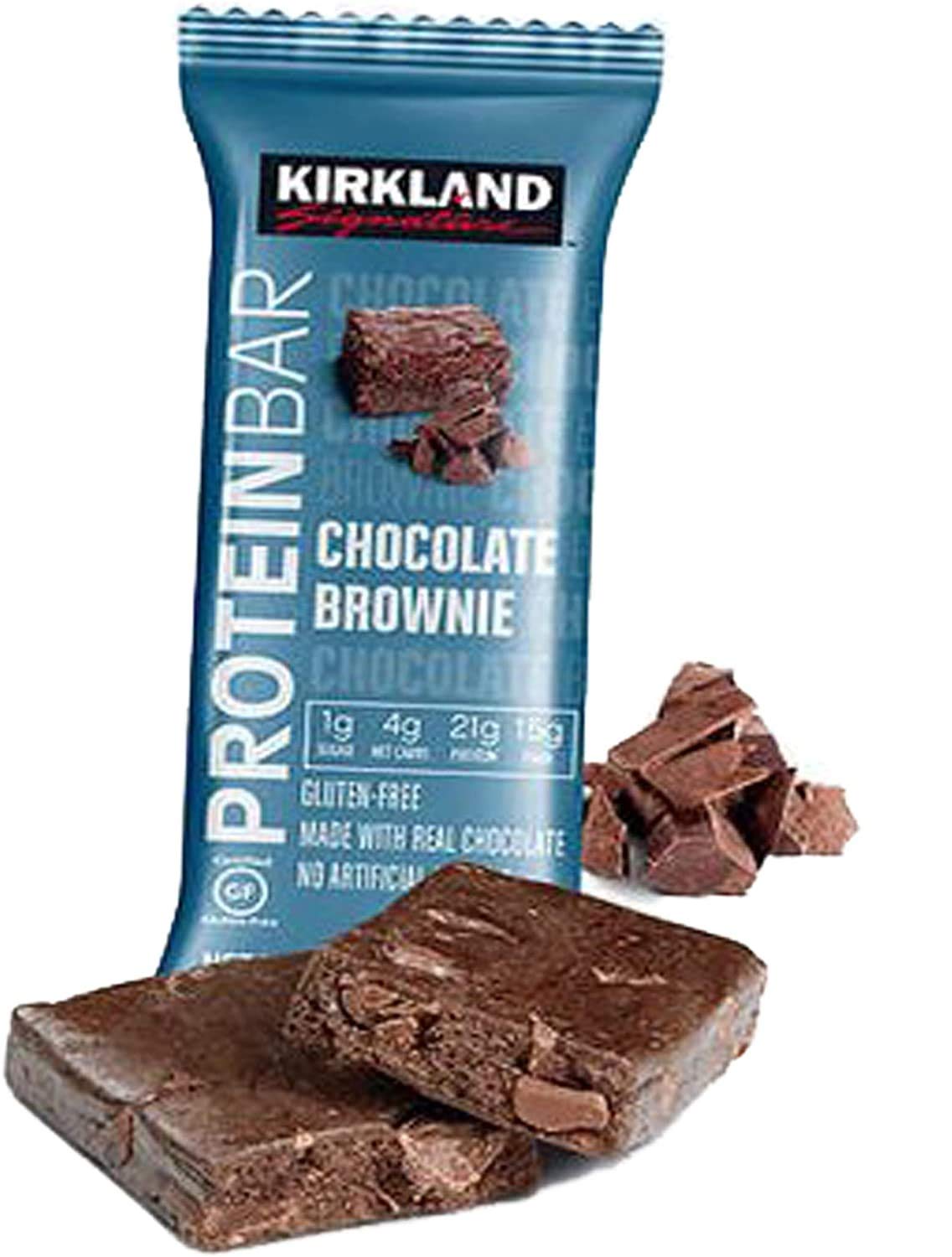
Kirkland Signature Protein Bar (Chocolate Brownie, 60g)
21g protein · 190 cal · 1g sugar · 12g fiber · whey isolate + milk protein isolate (no collagen) · erythritol + stevia · Costco-exclusive 20-count box
Check price on Amazon →Kirkland Signature delivers Quest-level nutrition — 21g of complete whey plus milk protein isolate, 12g of fiber, 190 calories, 1g of sugar, no collagen — at about half the per-bar cost of Quest at a grocery store. The 20-count Costco box typically runs $19.99–$24.99, or about $1.00–$1.25 per bar ($0.048–$0.060 per gram of protein), the lowest cost per gram of any mainstream protein bar in America. The sweetener is also slightly cleaner than Quest: erythritol plus stevia only, no sucralose.
Why it’s the pick: for any lifter with Costco access who eats bars three or more times a week, Kirkland is unmatched on value. The protein and fiber profile is essentially identical to Quest — same two complete-protein sources, same 12g fiber, same 190-calorie ceiling — at a price point that makes the Costco membership pay for itself in a few protein-bar restocks. Full nutrition breakdown in our Kirkland protein bar nutrition guide.
The honest catch: Kirkland Signature is Costco-exclusive. Amazon third-party resellers exist at markedly higher per-bar prices that erase the value advantage. Flavor variety is narrower than Quest: the standard assortment runs chocolate brownie and chocolate peanut butter chunk. And the 20-count box means a 4–6 week commitment to the same flavor family — if you are not a chocolate brownie person, you will not enjoy this bar no matter how good the macros are.
#4 Best No Artificial Sweeteners — think! High Protein Bar

think! High Protein Bar (Brownie Crunch, ~53g)
20g protein · 230 cal · no sucralose, no Ace-K · maltitol sweetener · whey isolate + soy isolate + calcium caseinate (no collagen)
Shop think! High Protein on Amazon →think! High Protein is the pick for buyers who want 20g of complete protein per bar without sucralose or acesulfame potassium. The protein blend — whey protein isolate, soy protein isolate, and calcium caseinate — contains no collagen and delivers all nine essential amino acids across multiple complete-protein sources. Soy isolate is one of the few plant proteins with a complete amino-acid profile; calcium caseinate digests slowly for extended satiety; whey isolate digests quickly for the immediate post-workout window. The sweetener is maltitol (a sugar alcohol derived from barley starch), avoiding the synthetic-sweetener stack that defines most other bars in this category.
Why it’s the pick: most high-protein bars that clear 20g of complete protein per bar default to sucralose or Ace-K for calorie efficiency. think! High Protein is one of the very few mainstream options that hits 20g without either artificial sweetener. If your reason for avoiding Quest or ONE Bar is the sweetener slate, this is the direct answer. The triple-protein blend also provides a broader amino-acid sourcing than a single-source bar.
The honest catch: at 230 calories for 20g of protein, think! runs 30–40 calories higher than Quest or ONE Bar for the same protein number — a real trade-off on a calorie budget. The primary sweetener is maltitol, which has a higher glycemic impact than erythritol (maltitol GI ~35–52 vs. erythritol GI near zero) and can cause digestive effects at higher intake. Fiber is low (<1g per bar), so satiety is shorter than a Quest or Kirkland bar. Available at most grocery chains and on Amazon; sweetener and calorie count can vary by SKU, so check the label on the specific flavor you buy.
#5 Best Flavor Variety, No Collagen — ONE Bar
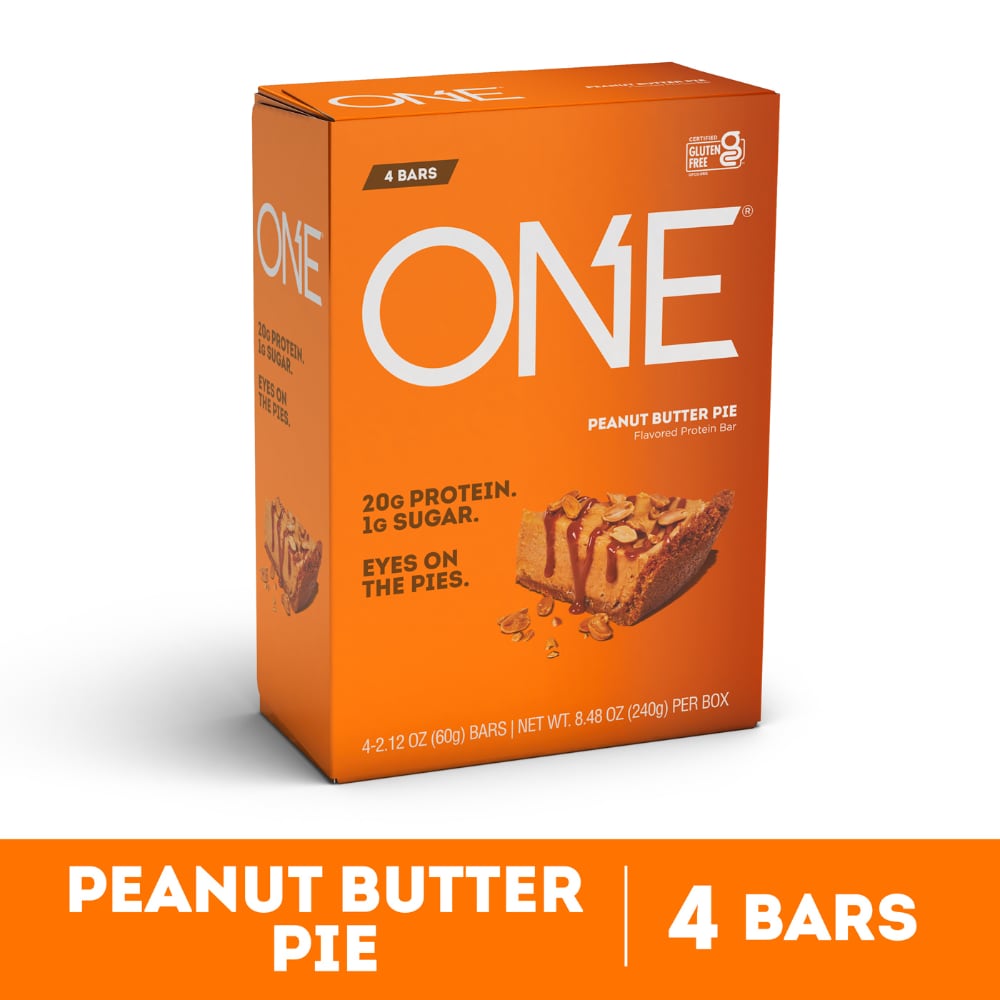
ONE Bar (Peanut Butter Pie, ~60g)
20g protein · 220 cal · 1g sugar · 9g prebiotic fiber · milk protein isolate + whey isolate (no collagen) · maltitol + sucralose + stevia
Check price on Amazon →ONE Bar from ONE Brands delivers 20g of complete protein from milk protein isolate plus whey protein isolate — no collagen — at 220 calories with 9g of prebiotic fiber and 1g of sugar. The 9g of prebiotic fiber from soluble corn fiber and IMOs is a meaningful satiety advantage over Barebells at the same protein count, and nearly matches Quest’s fiber ceiling. The flavor lineup is the widest of any bar in this category: Birthday Cake, Maple Glazed Doughnut, Peanut Butter Pie, Almond Bliss, Strawberry Shortcake, and others — critical for anyone who needs to eat a bar five days a week for months.
Why it’s the pick: for the buyer whose stated problem is “I get bored eating the same protein bar, so I stop” — ONE Bar is the answer. The collagen-free protein stack means the 20g on the label is 20g of complete protein. Amazon stocks 12-count variety boxes at roughly $22–$28, and single-flavor 12-count boxes from $19.99. For the full ONE Bar nutrition breakdown see our ONE Bar nutrition guide.
The honest catch: 220 calories for 20g of protein is slightly higher than Quest (190 cal) for the same protein number; if calorie efficiency is the top priority, Quest or Kirkland are the better fit. The sweetener slate includes maltitol and sucralose — maltitol at higher bar counts can cause a laxative effect in sensitive buyers. Not quite as universally available as Quest in single-serve, so plan your restock around a 12-count box order.
#6 Best for Taste and Adherence — Barebells Protein Bar
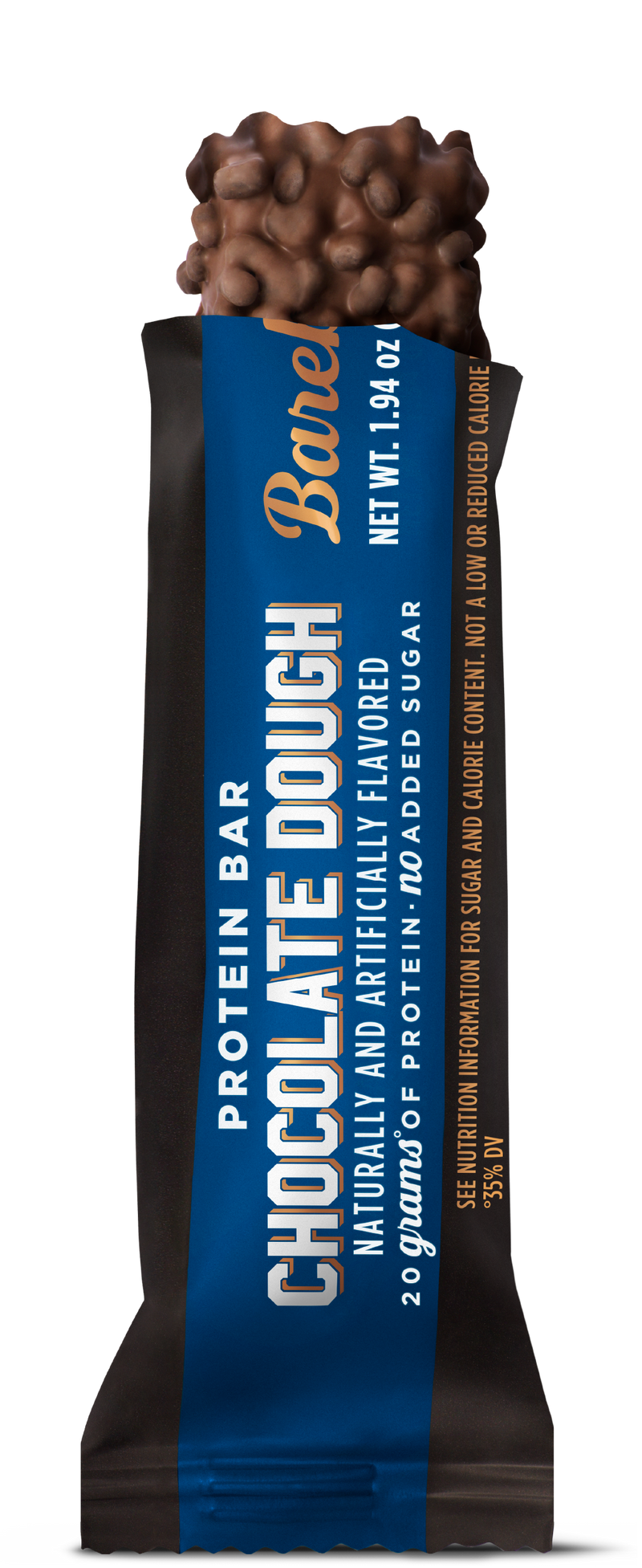
Barebells Protein Bar (Chocolate Dough, 55g)
20g protein (includes collagen — ~15–17g complete) · 200 cal · 1g sugar · 3g fiber · whey isolate + collagen blend · maltitol + sucralose + Ace-K
Check price on Amazon →Barebells is the protein bar that converts people who “hate protein bars.” Chocolate Dough delivers a genuine milk-chocolate coating over a soft caramel-fudge interior — the closest thing to a candy bar in the category — with 20g of protein, 200 calories, and 1g of sugar. Adherence is a real variable in training nutrition: the bar you eat consistently beats the nutritionally superior bar you skip because it tastes chalky.
Why it’s on the list: for the lifter whose bar routine keeps falling off because every protein bar tastes like a supplement, Barebells solves that. Eating one Barebells every day and getting 15–17g of complete protein reliably is a better outcome for muscle gain than eating zero bars because no other option is palatable. Costco carries the 12-count variety pack for roughly $19.99–$24.99 ($1.67–$2.08/bar), a real saving over the $2.65–$3.10 retail price. Full flavor breakdown in our Barebells protein bar nutrition guide.
The honest catch (important for muscle gain): Barebells’ 20g protein label includes hydrolyzed bovine collagen alongside whey isolate. Collagen is an incomplete protein — essentially no tryptophan and very low leucine. The complete-protein share of that 20g number is closer to 15–17g, not 20g, for MPS purposes. If your goal is to maximize muscle-protein synthesis per bar and you are counting protein grams, count Barebells as ~16g of complete protein, not 20g. The sweetener slate includes maltitol (~15g per bar), sucralose, and Ace-K — a heavier artificial-sweetener load than any other bar on this list. Two Barebells in a day regularly causes digestive discomfort in most buyers.
#7 Best Whole-Food Option — RXBAR
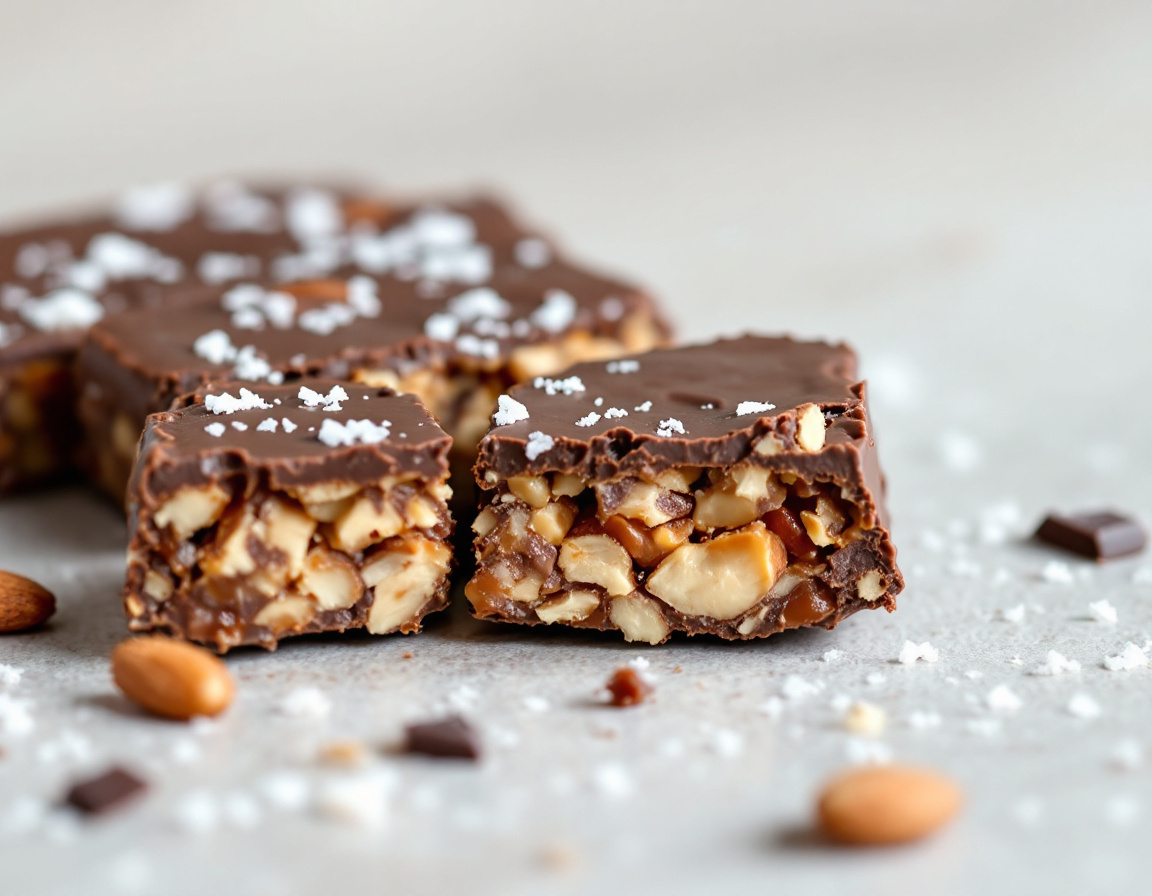
RXBAR (Chocolate Sea Salt, ~52g)
12g protein · 210 cal · 13g sugar (from dates only) · 5g fiber · egg whites + dates + almonds + cashews · no artificial ingredients
Check price on Amazon →RXBAR is the whole-food option for buyers who want to know exactly what is in their bar without decoding an ingredient list. The label lists three egg whites, dates, nuts, and cocoa — that is essentially the full ingredient list. The 12g of protein comes entirely from egg whites, a complete protein with all nine essential amino acids and a solid leucine profile. No artificial sweeteners, no sugar alcohols, no protein isolate powder, no modified fats. For the full breakdown see our RXBAR nutrition guide.
Why it’s on the list: for the buyer whose first criterion is “I want to eat food, not supplements,” RXBAR is the only mainstream bar on this list that genuinely satisfies that. The date-based sweetness is real food. The protein is from real eggs. That matters for a meaningful segment of lifters who want to build muscle from a whole-food base rather than isolate powder and novel fats.
The honest catch: 12g of protein per bar is below the 20g MPS-triggering threshold for most adults. Treat RXBAR as a protein-rich snack that adds to your total — pair it with Greek yogurt or a glass of milk to reach a full 20g+ from that eating window. The 13g of sugar from dates is real-food sugar but still 13g of sugar; for anyone tracking sugar for diabetes management or a strict deficit, the date load is a real number to account for. At $2.20–$2.80 per bar, RXBAR is also among the most expensive options on a per-gram-of-protein basis.
Where to Buy Protein Bars for Muscle Gain
All six name-brand bars (DAVID, Quest, think!, ONE Bar, Barebells, RXBAR) are available on Amazon and at most US grocery retailers. Kirkland Signature is Costco-exclusive. Best per-bar pricing by brand:
- DAVID: Amazon ($2.85–$3.50/bar in a 12-count box) and select Costco warehouses ($2.25–$2.75/bar in a 12-count when stocked). Subscribe & Save on Amazon typically saves 5–15%.
- Quest: widest retail presence — Target, Walmart, Amazon, Costco. The Costco 20-count variety box is the best per-bar value at $17–$22 on promo.
- Kirkland Signature: Costco warehouses and Costco.com only. Amazon third-party resellers exist but at much higher prices that erase the value.
- think!: Target, Walmart, Kroger, Sprouts, and Amazon. Usually $2.00–$2.50 per bar; 12-count boxes on Amazon at $22–$28.
- ONE Bar: Target, Walmart, Costco (rotating), Amazon. 12-count variety boxes on Amazon at $19.99–$28.
- Barebells: Target, Walmart, Amazon, select Costco warehouses. The Costco 12-count variety box ($19.99–$24.99) is the best per-bar price.
- RXBAR: Target, Walmart, Whole Foods, Amazon, Costco. Amazon 12-count boxes typically $22–$32.
Affiliate links — if you buy through our links we earn a small commission at no extra cost to you. Prices verified August 2026 and subject to change with retailer promotions.
Frequently Asked Questions
What is the best protein bar for building muscle?
For protein-to-calorie efficiency, DAVID Gold is the leader at 28g of protein for 150 calories per bar — nothing else in the mainstream bar market matches that ratio. For complete protein with high fiber and the best price, Quest and Kirkland Signature tie at 21g of complete protein and 12g of fiber at 190 calories; Kirkland at $1.00–$1.25/bar from Costco is the best value in America. The best bar for building muscle is ultimately the one you eat consistently every day, because total daily protein and adherence matter more than marginal differences in amino-acid profiles between bars.
Does collagen protein help build muscle?
Collagen alone does not effectively build muscle the way whey, milk, or egg protein does. Collagen is an incomplete protein — it has no tryptophan (one of the nine essential amino acids) and is very low in leucine (the amino acid that directly triggers muscle-protein synthesis). Research on collagen supplements shows benefits for joint and connective tissue, but not for muscle hypertrophy. When evaluating a bar for muscle gain, subtract any collagen from the total protein and count only whey, milk, soy, or egg protein toward the MPS-triggering dose.
How much protein per bar do you need after a workout?
Current research supports 20–40g of high-quality complete protein per meal to maximize the post-workout muscle-protein synthesis response in most adults. Above 40g shows diminishing returns per meal. A 20g complete-protein bar (Quest, Kirkland, think!, ONE Bar) hits the lower end of the effective range; DAVID at 28g hits closer to the mid-range. RXBAR at 12g functions as a protein-supplementing snack — pair it with a Greek yogurt cup or milk to reach a full 20g+ from that eating window.
Are there protein bars with no collagen?
Yes — Quest, Kirkland Signature, think! High Protein, ONE Bar, and RXBAR all use collagen-free protein blends. Quest and Kirkland use whey isolate plus milk protein isolate; think! uses whey isolate, soy isolate, and calcium caseinate; ONE Bar uses milk protein isolate plus whey isolate; RXBAR uses egg whites. Barebells and some DAVID flavors include hydrolyzed collagen in the blend. The simplest check: look for “hydrolyzed collagen” or “collagen peptides” in the ingredient list.
What is the best protein bar for muscle gain without sucralose or Ace-K?
think! High Protein is the only mainstream 20g-protein bar in this comparison that contains no sucralose and no acesulfame potassium — it uses maltitol as the primary sugar alcohol sweetener. Kirkland Signature uses erythritol plus stevia (no sucralose, no Ace-K) but is Costco-exclusive. RXBAR contains no artificial sweeteners of any kind (dates only for sweetness) but delivers only 12g of protein per bar. All other bars in this comparison (Quest, ONE Bar, Barebells, DAVID) include sucralose and/or Ace-K.
Can protein bars replace protein shakes for muscle building?
Yes, with caveats. Any bar on this list with 20g+ of complete protein provides the same MPS-triggering amino acid supply as a protein shake with equivalent protein content. The practical differences: bars are more convenient but slightly slower-digesting than a straight whey shake (fat and fiber slow absorption), and they cost more per gram of protein than mixing from powder (a shake typically runs $0.25–$0.50 per 25g-protein serving vs. $1.50–$3.50 per bar). A bar works well when mixing a shake is impractical; a shake is typically better value and faster-digesting for true post-workout windows. See our best protein snacks for muscle building guide for the full shake vs. bar comparison.
Is DAVID Gold the best protein bar for muscle gain?
On protein-to-calorie ratio, yes — 28g of protein at 150 calories per bar is the highest density of any mainstream bar, and the protein is predominantly from whey isolate and milk protein isolate (complete proteins with strong leucine profiles). The caveats: DAVID achieves its low calorie count via EPG, a synthetic modified fat; some flavors include a small amount of collagen; and there is essentially no fiber so satiety is shorter than a Quest or Kirkland bar. For lean bulking or cutting while maintaining muscle mass, DAVID is the strongest tool in the bar category. For shoppers who want a whole-food ingredient list and accept a lower protein count, RXBAR is the alternative.
Bottom line: DAVID Gold is the best protein bar for muscle gain in 2026 on protein-to-calorie ratio — 28g of protein at 150 calories, nothing in the mainstream bar market comes close. Quest and Kirkland Signature are the clean-protein-plus-fiber standard at 21g complete protein and 12g fiber, with Kirkland delivering the best per-bar value in America at ~$1.00–$1.25 from Costco. think! High Protein is the only major-brand 20g bar with no sucralose or Ace-K. ONE Bar has the widest flavor variety without collagen. Barebells is the taste pick — count it as 15–17g of complete protein, not 20g. RXBAR is the whole-food snack option at 12g. Whatever bar keeps you consistently eating 20g+ of complete protein five days a week is the one that actually builds muscle.
Shop our top protein bar picks
Editor-selected high-protein options related to this guide. As an Amazon Associate we may earn from qualifying purchases.
Buy the products in this guide: Blueberry Pie Carton · Blueberry Pie · Peanut Butter Chocolate Chunk
28g protein28g proteinChocolate Chip Cookie Dough
Amazon returns policy · secure checkout
28g proteinTags
High Protein Snacks Pro Editorial Team
Independently researched and editorially reviewed. We compare real nutrition labels and never accept payment for coverage.
Get the best new protein snacks in your inbox
Weekly picks and honest reviews — no spam, unsubscribe anytime.
More from the journal
Best Protein Bars for Men (2026): 7 Picks Ranked by Protein Density, Bulk Value, and Real Taste
The best protein bar for men in 2026 is the DAVID Gold — 28g of protein at 150 calories per bar, the highest protein-to-calorie ratio of any mainstream bar. For the best bulk value, Kirkland Signature delivers 21g of protein for around $1 a bar at Costco. Seven bars ranked by what matters most for men: protein density, calorie efficiency, bulk value, and taste for long-term consistency.
Read more
Protein Bars With Erythritol: The Full 2026 List, the Research, and 6 Erythritol-Free Picks
Four major protein bars use erythritol in 2026 — Quest, No Cow, Atkins Strong, and Kirkland Signature. Here is the verified bar-by-bar sweetener list, what the Cleveland Clinic research actually found, and six erythritol-free bars ranked, led by RXBAR Chocolate Sea Salt, which is sweetened by nothing but dates.
Read more
Best Chocolate Protein Bars 2026: 10 Top Picks Ranked by Protein, Sugar, and Real Cocoa Flavor
The best chocolate protein bar in 2026 is DAVID Chocolate Chip Cookie Dough — 28g of protein for 150 calories and 0g sugar, the highest protein-per-calorie ratio in the mainstream chocolate lineup. For a candy-bar experience, Barebells Chocolate Dough delivers 20g protein and 1g sugar in a real-chocolate coating. For satiety, Quest Chocolate Chip Cookie Dough wins with 21g protein and 14g fiber. Ten verified chocolate-flavored picks — from whey isolate to vegan pea to whole-food date bars — ranked on protein density, sweetener honesty, and real cocoa content, with tracked buy buttons and the honest catches for each.
Read more