Best Protein Snacks for Muscle Building (2026): 10 Real Options Ranked by Protein Density
Ranked by protein per 100 calories — the metric that actually determines how efficiently a snack builds toward your daily protein target. David Protein Bar leads at 18.7g/100 cal, tuna pouches hit 24.3g/100 cal, and Fairlife shakes hit 20g/100 cal. Verified 2026 nutrition data for all 10 options.
The short answer
Our top high-protein picks
Editor-selected and ready to buy. As an Amazon Associate we may earn from qualifying purchases.
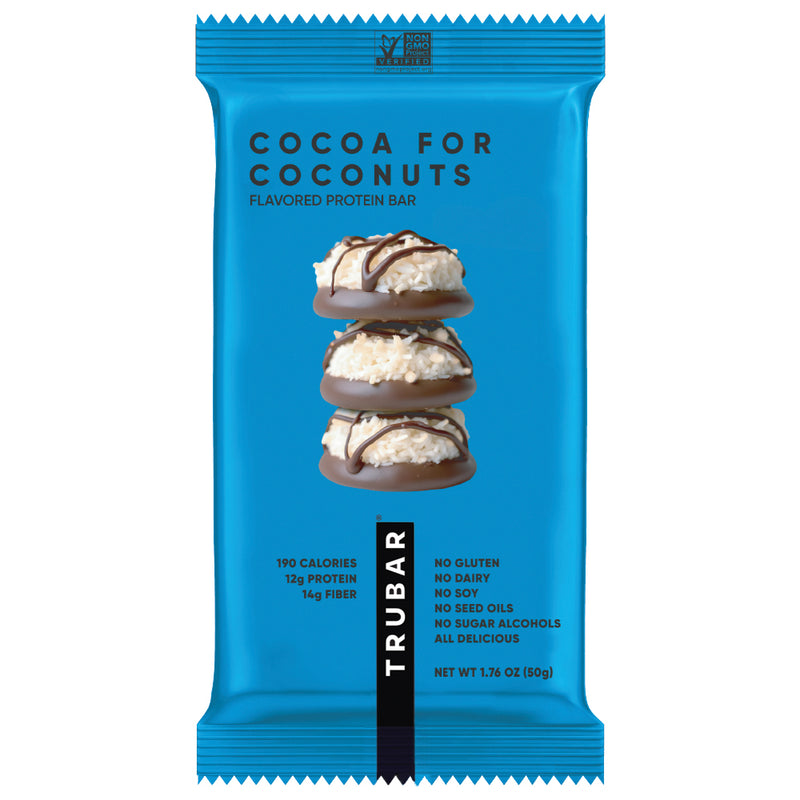 12g protein
Cocoa for Coconuts TRUBAR Nutrition and Protein Bar
Amazon returns policy · secure checkout
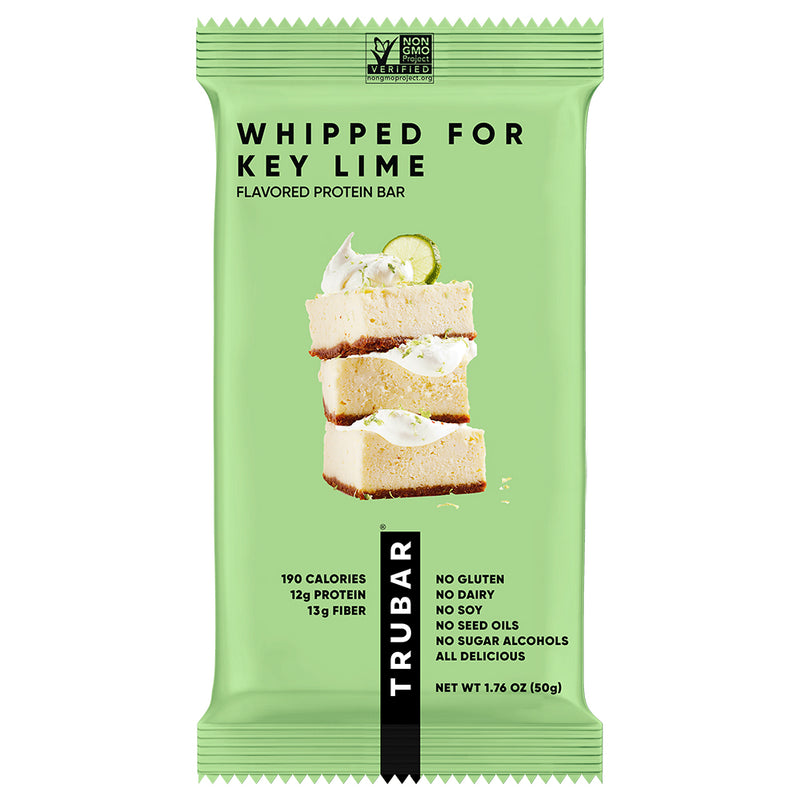 12g protein
Whipped For Key Lime TRUBAR Nutrition and Protein Bar
Amazon returns policy · secure checkout
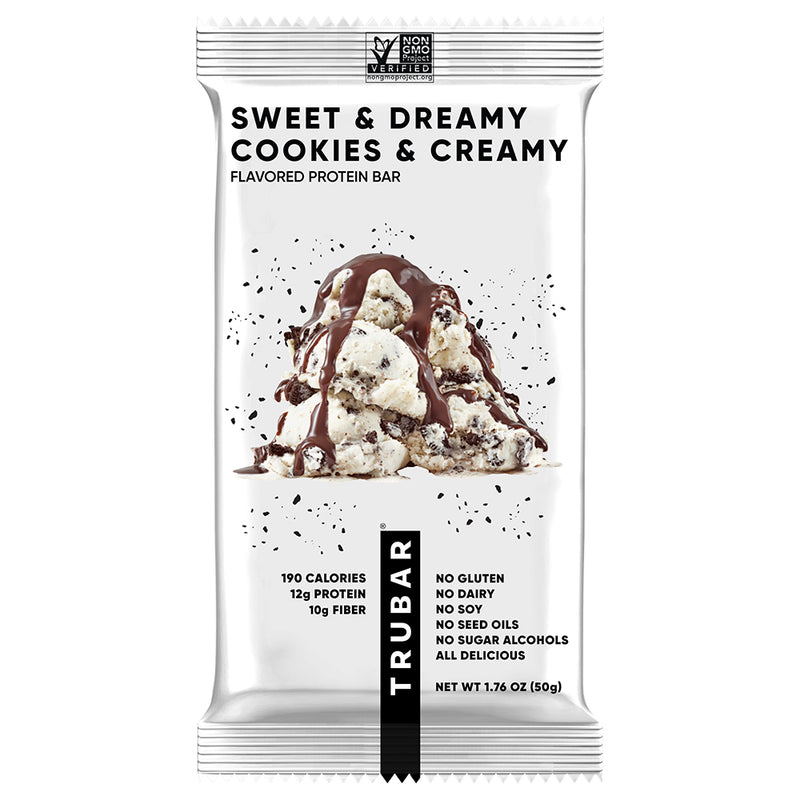 12g protein
Sweet & Dreamy, Cookies & Creamy
Amazon returns policy · secure checkout
10 Best Protein Snacks for Muscle Building: Ranked by Protein Density
| Snack | Serving | Protein | Calories | Protein per 100 cal | Protein source |
|---|---|---|---|---|---|
| StarKist Tuna Pouch | 1 pouch (2.6 oz) | 17g | 70 | 24.3g | Complete protein, high leucine |
| FAGE Total 0% Greek Yogurt | ¾ cup (170g) | 18g | 90 | 20.0g | Whey + casein blend |
| Fairlife Nutrition Plan Shake | 1 bottle (340ml) | 30g | 150 | 20.0g | Ultra-filtered milk protein |
| David Protein Bar | 1 bar (54g) | 28g | 150 | 18.7g | Whey protein isolate |
| Premier Protein Shake | 1 bottle (325ml) | 30g | 160 | 18.8g | Milk protein concentrate |
| Chomps Turkey Sticks (×2) | 2 sticks (56g) | 24g | 160 | 15.0g | Turkey, no fillers |
| Low-fat cottage cheese | 1 cup (226g) | 25g | 180 | 13.9g | Casein (slow-digesting) |
| Quest Protein Bar | 1 bar (60g) | 21g | 190 | 11.1g | Whey protein isolate |
| Barebells Protein Bar | 1 bar (55g) | 20g | 199 | 10.1g | Whey + milk protein |
| Hard-boiled eggs (×2) | 2 large eggs | 12g | 140 | 8.6g | Complete protein, highest PDCAAS |
Protein per 100 calories is the most useful single metric for muscle building efficiency. It shows how much protein you get relative to the caloric cost. Higher is better when managing calories while maximizing daily protein intake.
The Top Picks: What Actually Works
1. StarKist Tuna Pouch — 24.3g protein per 100 calories
A 2.6 oz StarKist albacore tuna pouch delivers 17g of protein at only 70 calories — the highest protein density on this list. Tuna is a complete protein with high leucine content and bioavailability comparable to chicken breast. For muscle building it is arguably the most efficient shelf-stable snack available. The practical barrier is smell and context — not appropriate for most offices. Keep it as a home or post-gym snack. StarKist’s flavor variety has expanded significantly (lemon pepper, sweet and spicy, ranch), making plain tuna optional. At roughly $1.50 per pouch it is also one of the lowest cost-per-gram protein sources at retail. See the best tuna and salmon pouches for protein guide for a full comparison across brands and flavors.
2. FAGE Total 0% Greek Yogurt — 20g protein per 100 calories
FAGE Total 0% delivers 18g of protein per ¾ cup at 90 calories, with a natural blend of fast-digesting whey and slow-digesting casein from milk. The whey fraction supports acute muscle protein synthesis; the casein fraction provides sustained amino acid release over 4–7 hours — making Greek yogurt one of the best pre-bed protein snacks for muscle building. FAGE in particular has a thicker consistency and higher protein density than most Greek yogurts. Buy the 35.3 oz tub rather than single-serve cups for the best cost per gram. See the best Greek yogurt brands ranked by protein for a full comparison.
3. Fairlife Nutrition Plan Shake — 30g protein, 150 calories
Fairlife’s ultra-filtered milk process concentrates protein while removing most lactose, producing a ready-to-drink shake with 30g of protein at 150 calories — the highest protein count of any mainstream RTD shake at major US retailers. At 20g of protein per 100 calories it matches FAGE Greek yogurt on protein density while requiring zero prep. The protein blend is all from milk (whey + casein) — complete protein with high leucine. This is a strong post-workout snack because it combines fast whey and slower casein in one drink. Available at Target, Walmart, Costco, and Amazon. Costco multipacks bring the per-bottle cost down significantly.
4. David Protein Bar — 28g protein, 150 calories
David Protein Bar is the most protein-dense mainstream bar currently available: 28g of protein at 150 calories (18.7g per 100 cal). Most other protein bars deliver 20g at 190–220 calories. David uses whey protein isolate as its primary source and achieves the high density by using a thinner, less sugar-based format — 1g of sugar and 14g of fiber. The tradeoff: the bar’s texture is significantly drier and harder than Quest or Barebells, which some people find off-putting. If the macro profile matters more than texture, David is the most efficient bar on this list. Available at Target and online. For a direct comparison with Quest, see the Quest vs David protein bar guide.
5. Premier Protein Shake — 30g protein, 160 calories
Premier Protein is the best-selling RTD protein shake in the US: 30g of protein at 160 calories, 1g of sugar, and a per-bottle price that is consistently the lowest among premium protein shakes ($30–35 for a 15-pack at Costco). The Caramel and Chocolate flavors are particularly well-regarded for taste — which matters for snack adherence over weeks and months. Protein source is milk protein concentrate. Widely available at Costco, Target, Walmart, and Amazon.
The Supporting Cast
Chomps Turkey Sticks (×2) — 24g protein, 160 calories
Two Chomps Turkey Sticks deliver 24g of protein at 160 calories with zero added sugar and a short, clean ingredient list — 100% turkey with sea salt and minimal spices, no nitrates, no soy, no artificial ingredients. They’re shelf-stable, individually portioned, and small enough to eat without making noise. Ideal for desk snacking, travel, and gym bags. The turkey variety has slightly better protein density than the beef variety.
Low-fat cottage cheese — 25g protein, 180 calories
One cup of low-fat cottage cheese delivers 25g of protein at 180 calories — primarily casein, making it the best pre-sleep protein source on this list. Research on pre-sleep protein intake consistently shows 30–40g of casein before bed increases overnight muscle protein synthesis. Cottage cheese is one of the most convenient ways to hit that target without protein powder. Good Culture and Daisy are reliable options. Pair with berries for palatability; avoid adding granola or high-carb toppings if keeping calories controlled.
Quest Protein Bar — 21g protein, 190 calories
Quest delivers 21g of whey protein isolate at 190 calories with 12–14g of fiber and 1g of sugar. The high fiber (mostly soluble corn fiber and chicory root) produces substantial satiety — one Quest bar can hold appetite for 2–3 hours. It is also compatible with low-carb and keto approaches at approximately 4–10g effective net carbs depending on flavor. Chocolate Chip Cookie Dough is the perennial bestseller. See the best protein bars of 2026 guide for a full ranking across the bar category.
Hard-boiled eggs (×2) — 12g protein, 140 calories
Two hard-boiled eggs deliver 12g of complete protein at 140 calories. Egg protein has the highest PDCAAS (Protein Digestibility Corrected Amino Acid Score) of any whole food — 1.0, meaning the amino acid profile perfectly matches human needs. Hard-boiling a dozen eggs on Sunday costs roughly $3 and provides 12 snack-ready servings. The protein count per snack is lower than shakes or bars, so eggs work best as part of a larger snack or alongside another protein source. At roughly $0.50 for two eggs, cost-per-gram is second only to whey powder.
What Makes a Protein Snack Good for Muscle Building
Three factors drive muscle building outcomes from a protein snack, in order of importance:
- Leucine content: leucine is the primary amino acid trigger for muscle protein synthesis via the mTOR pathway. Animal proteins (whey, egg, casein, meat) have higher leucine than plant proteins. Whey protein isolate has the highest leucine per gram of any common protein source — approximately 10–11g of leucine per 100g protein.
- Total protein per serving: research on muscle protein synthesis suggests a minimum of 20–25g of high-quality protein per meal or snack to maximally stimulate MPS in most adults. Below this threshold the anabolic response is real but submaximal. A snack with 12g from a whole food source still contributes to total daily protein, but the per-dose anabolic signal is lower.
- Protein per calorie: muscle building requires caloric precision, especially when building lean mass rather than accumulating excess body fat. Snacks with high protein-to-calorie ratios (tuna at 24.3g/100 cal, FAGE at 20g/100 cal) contribute more protein to your daily goal without using up your calorie budget.
Leucine Content by Protein Source
Leucine is the primary trigger for MPS via the mTOR pathway, and the per-serving leucine dose determines whether a snack produces a maximal or submaximal anabolic response. The practical threshold is approximately 2–3g of leucine per serving. Animal proteins contain 8–11g of leucine per 100g of protein; plant proteins contain 5–7g — which is why larger portions of plant protein are needed to match the MPS signal from a smaller portion of whey or egg.
| Protein source | Leucine per 100g protein | Leucine in typical serving | Reaches MPS threshold? |
|---|---|---|---|
| Whey protein isolate (1 scoop, ~25g protein) | ∼10–11g | ∼2.5g | Yes — at or above threshold |
| David Protein Bar (1 bar, 28g protein) | ∼10g | ∼2.8g | Yes — exceeds threshold |
| Tuna pouch (2.6oz, 17g protein) | ∼9g | ∼1.5g | Submaximal; combine with other protein |
| FAGE 0% Greek yogurt (¾ cup, 18g protein) | ∼9g | ∼1.6g | Submaximal; 1¼ cups reaches threshold |
| Casein / milk protein (30g serving) | ∼9g | ∼2.7g | Yes — at or above threshold |
| Cottage cheese (1 cup, 25g protein) | ∼9g | ∼2.3g | Yes — at or near threshold |
| Hard-boiled eggs (2 large, 12g protein) | ∼8.5g | ∼1.0g | Submaximal alone; combine with another source |
Leucine values per 100g protein from USDA FoodData Central and published amino acid profiles. “MPS threshold” refers to the approximate 2–3g leucine dose that maximally stimulates muscle protein synthesis in most adults; submaximal doses still trigger MPS, just not at the maximum rate. Source: USDA FoodData Central; Churchward-Venne et al., “Leucine supplementation of a low-protein mixed macronutrient beverage,” Am J Clin Nutr 2014.
Timing: When to Eat These Snacks
- Post-workout (0–2 hours): prioritize fast-absorbing whey-dominant protein. Fairlife or Premier Protein shakes, FAGE Greek yogurt, or a David/Quest bar are ideal. If combining with carbs for glycogen replenishment, add a banana to Greek yogurt or pair with rice cakes.
- Between meals: tuna pouch, Chomps sticks, or a Quest bar — low glycemic, high protein, won’t spike blood sugar before the next meal.
- Pre-bed: cottage cheese or FAGE Greek yogurt — casein-dominant protein releases slowly overnight, supporting continuous muscle protein synthesis during sleep. 30–40g is the research-supported pre-sleep protein dose.
- Travel and on-the-go: David, Quest, Barebells, or Premier Protein shakes — all shelf-stable and require no preparation.
Frequently Asked Questions
How much protein do I need per snack for muscle building?
Research on muscle protein synthesis generally shows a threshold of approximately 20–25g of high-quality protein per meal or snack to maximally stimulate MPS in most adults. Below this the anabolic response is real but submaximal. This doesn’t mean smaller protein snacks are worthless — they still contribute to total daily protein — but if the goal is maximum MPS per snack, aim for 20–25g per serving from a high-quality animal protein source.
Is Greek yogurt better than a protein bar for muscle building?
At equivalent protein doses, FAGE Total 0% Greek yogurt (20g protein per 100 cal) is more protein-efficient per calorie than most protein bars (Quest at 11.1g/100 cal, Barebells at 10.1g/100 cal). It also provides a natural whey + casein blend with high leucine. The case for bars is convenience and portability — a protein bar travels without refrigeration. If you’re home or near a refrigerator, Greek yogurt is the more efficient choice. If you’re traveling or don’t have access to refrigerated food, a bar is the practical option.
What’s the best protein snack before bed for muscle building?
Cottage cheese or FAGE Greek yogurt — both are casein-dominant proteins that digest slowly, releasing amino acids over 4–7 hours during sleep. Research shows pre-sleep casein protein (30–40g) increases overnight muscle protein synthesis significantly. One cup of cottage cheese (25g protein) or 1.5 cups of FAGE 0% (27g protein) hits this range. A scoop of casein protein powder mixed into either food increases the total without meaningfully changing the texture.
Are protein shakes or protein bars better for building muscle?
For protein quality and density, ready-to-drink protein shakes like Fairlife Nutrition Plan (30g protein, 150 cal, 20g/100 cal) or Premier Protein (30g protein, 160 cal, 18.8g/100 cal) outperform most bars on protein efficiency. The bars’ advantage is texture variety and chewable format, which some people find more satisfying for snack adherence. For maximizing lean muscle while controlling calories, shakes are more efficient. Most people benefit from using both depending on context and whether refrigeration is available.
Bottom line: for protein density, tuna pouches (24.3g/100 cal), FAGE Greek yogurt (20g/100 cal), and Fairlife shakes (20g/100 cal) are the best muscle-building snacks at mainstream retail. David Protein Bar (18.7g/100 cal) leads the bar category. Quest (11.1g/100 cal) and Barebells (10.1g/100 cal) are efficient and convenient but less protein-dense than dairy and seafood options. For pre-sleep muscle building, cottage cheese and Greek yogurt are the research-supported choices. Browse the full protein snacks directory for more options, or see the best protein bars of 2026 guide for a complete bar comparison.
Shop our top high-protein picks
Editor-selected high-protein options related to this guide. As an Amazon Associate we may earn from qualifying purchases.
12g proteinCocoa for Coconuts TRUBAR Nutrition and Protein Bar
Amazon returns policy · secure checkout
12g proteinWhipped For Key Lime TRUBAR Nutrition and Protein Bar
Amazon returns policy · secure checkout
12g proteinSweet & Dreamy, Cookies & Creamy
Amazon returns policy · secure checkout
Tags
High Protein Snacks Pro Editorial Team
Independently researched and editorially reviewed. We compare real nutrition labels and never accept payment for coverage.
Get the best new protein snacks in your inbox
Weekly picks and honest reviews — no spam, unsubscribe anytime.
More from the journal
Best High-Protein Bedtime Snacks (2026): 9 Options Backed by Nutrition Data
The best high-protein bedtime snacks for 2026: FAGE Total 0% Greek yogurt (18g protein, 90 cal), Premier Protein shake (30g, 160 cal), Good Culture 2% cottage cheese (14g per ½ cup, 80 cal), and ON Gold Standard Casein (24g, 120 cal). Casein-dominant proteins digest slowly overnight to support muscle protein synthesis. Verified 2026 nutrition data for all 9 options.
Read more
High-Protein Snacks With 30+ Grams (2026): 5 Verified Combos That Hit the Muscle Protein Synthesis Threshold
Thirty grams is where a snack triggers real muscle building — the leucine threshold math, five verified ways to get there, and the plateau rule for splitting doses instead of stacking them.
Read more
Starbucks Egg Bites Nutrition Facts (2026): 13–19g Protein, All 3 Flavors Compared
Starbucks Sous Vide Egg Bites deliver 13–19g of protein per 2-bite serving. Bacon & Gruyere: 300 cal, 19g protein. Egg White & Roasted Red Pepper: 170 cal, 13g protein. Kale & Mushroom: 230 cal, 13g protein. All nutrition figures from 2026 published Starbucks labels. Plus: how egg bites compare to other portable protein options.
Read more