Protein Bar vs Protein Shake (2026): 17.7g vs 13.2g Protein Per 100 Cal — Which Wins for Muscle and Fullness?
We read the Nutrition Facts panel for three best-selling protein shakes and three best-selling protein bars from each brand's own product page on September 8, 2026. Shakes average 17.7g of protein per 100 calories; bars average 13.2g — but the single best bar (David, 18.7g/100 cal) beats every shake on that metric. Bars win on fiber and fullness. Cost is a wash at $0.12–$0.13 per gram of protein either way.
Our top high-protein picks
Editor-selected and ready to buy. As an Amazon Associate we may earn from qualifying purchases.
Buy the products in this guide: Wild Caught Atlantic Cod · Pumpkin Spice Protein Bar · Chocolate Chip Cookie Dough
 28g protein
 30g protein
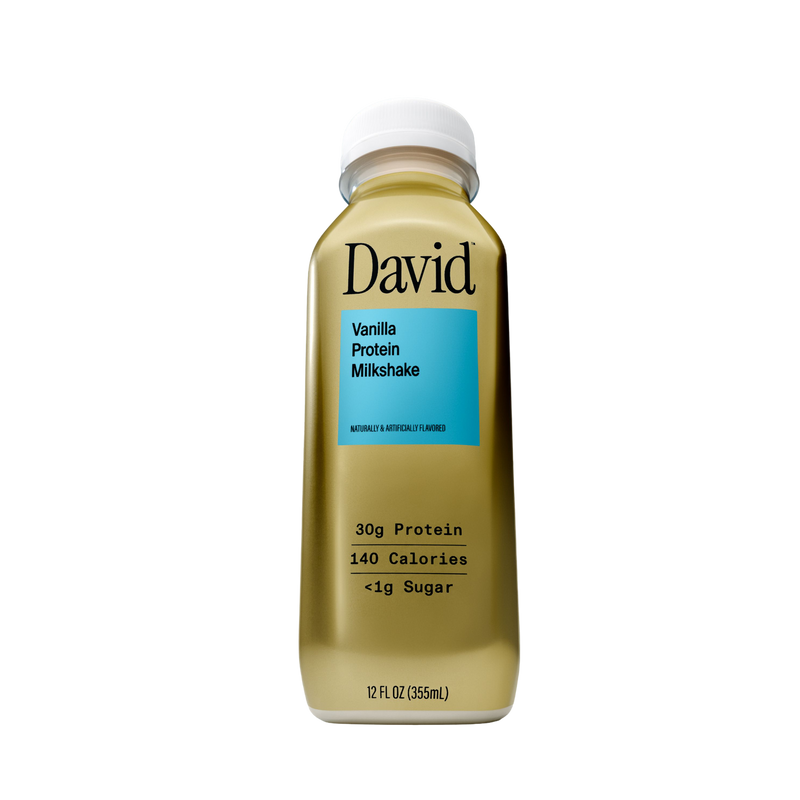 30g protein
The 30-second answer
A ready-to-drink shake wins on protein per calorie; a bar wins on staying full. The highest-protein single serving in this comparison is fairlife Core Power Elite Chocolate — 42g of complete milk protein in 230 calories from one 14 fl oz bottle. The most filling is a Quest Chocolate Chip Cookie Dough bar — 21g of protein plus 12g of fiber in 190 calories, and solid food blunts hunger longer than the same calories poured into a glass. Cost is effectively a tie: at each brand’s own list price, every product below lands between $0.12 and $0.13 per gram of protein.
A protein bar and a protein shake are not interchangeable, and you can see exactly where each one wins by reading two numbers off the label. We took three of the most widely sold protein bars and three of the most widely sold ready-to-drink protein shakes, read the Nutrition Facts panel for each one from the brand’s own product page on 8 September 2026, and then did the arithmetic ourselves: protein per 100 calories, and price per gram of protein. Nothing below is a marketing claim repeated back to you. Every figure in the table is either printed on that product’s label or is division we performed on figures that are.
Protein bars vs protein shakes: the label math, side by side
| Product | Format | Protein | Calories | Protein / 100 cal | Fiber | Sugar | List price per serving | Per gram of protein |
|---|---|---|---|---|---|---|---|---|
| fairlife Core Power Elite, Chocolate | Shake | 42g | 230 | 18.3g | — | 7g | — | — |
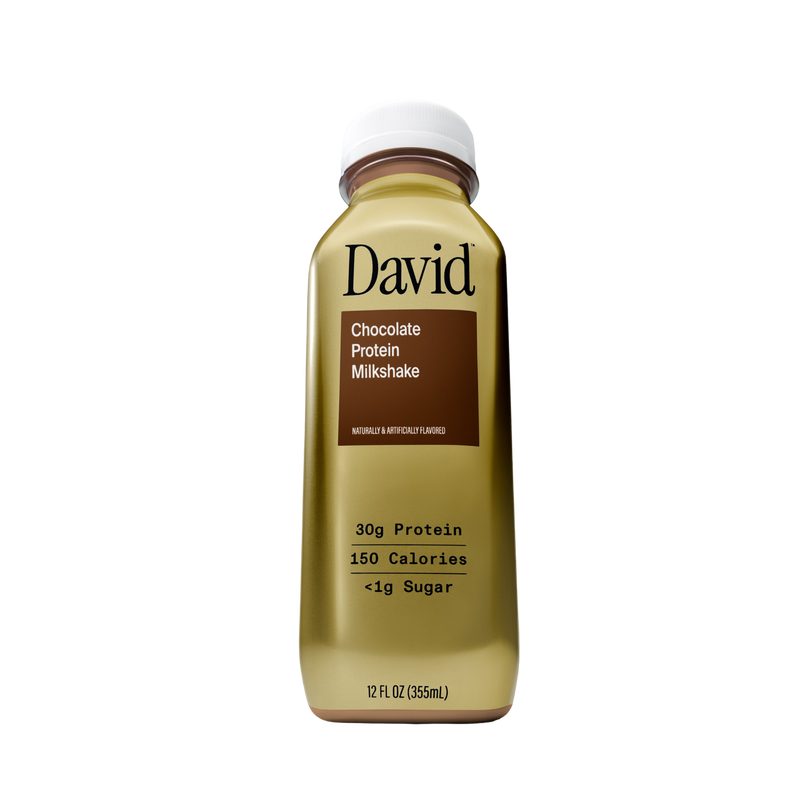
| Premier Protein Shake, Chocolate | Shake | 30g | 160 | 18.8g | 2g | 1g | — | — |
| OWYN Pro Elite, Chocolate | Shake | 32g | 200 | 16.0g | 3g | 0g | $4.17 | $0.13 |
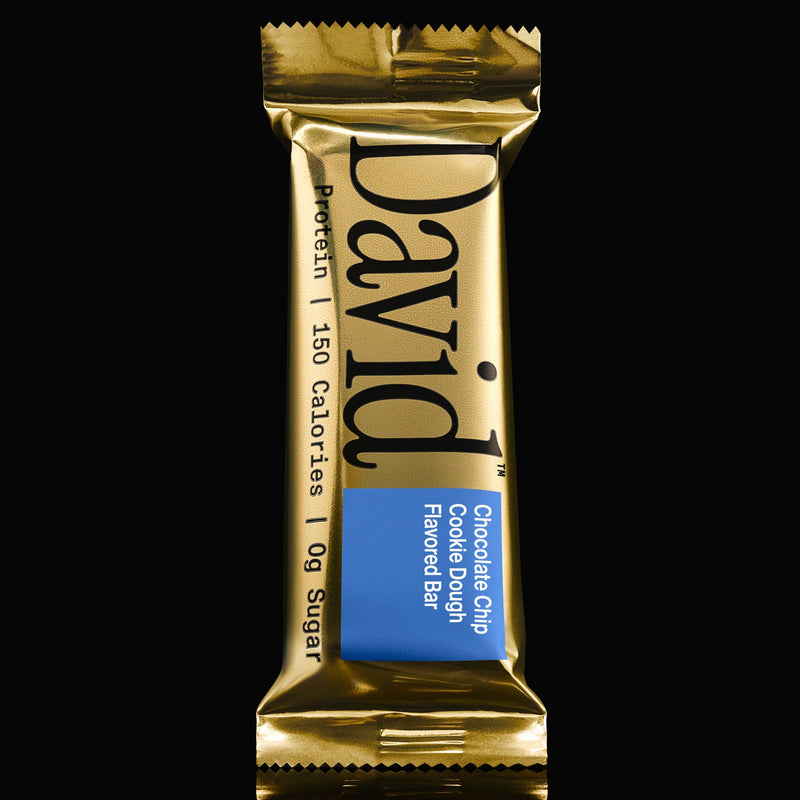
| David Chocolate Chip Cookie Dough | Bar | 28g | 150 | 18.7g | — | 0g | $3.25 | $0.12 |
| Quest Chocolate Chip Cookie Dough | Bar | 21g | 190 | 11.1g | 12g | 1g | $2.75 | $0.13 |
| Barebells Caramel Cashew | Bar | 20g | 200 | 10.0g | 3g | 1g | $2.58 | $0.13 |
Protein, calories, fiber and sugar are read from each brand’s own published Nutrition Facts panel on 8 September 2026 (sources listed at the end). Protein per 100 cal = (protein ÷ calories) × 100 — that is our arithmetic, not a label claim. List price per serving is the brand’s own one-time-purchase price for a multipack divided by the number of servings in it; a dash means the brand does not publish a single-serving price we could verify, and we will not estimate one. Amazon and grocery prices are usually lower and move constantly.
What the table actually says
1. As a format, shakes carry more protein per calorie. The three shakes average 17.7g of protein per 100 calories; the three bars average 13.2g. That is not brand luck, it is physics. A shake is mostly water and protein, so there is very little else in the calorie budget. A bar has to hold its shape, stay chewable and taste like food, and that structure is bought with fat and carbohydrate.
2. The single best bar still beats two of the three shakes. David’s Chocolate Chip Cookie Dough bar hits 18.7g of protein per 100 calories — the highest figure in the whole table, shakes included. So “shakes are more protein-dense” is true of the category and false of that particular matchup. If protein per calorie is your only priority, the format matters less than the specific product.
3. Bars are where the fiber is. The Quest bar carries 12g of fiber in one 60g bar. The best shake here carries 3g. Fiber is the thing on a label most closely tied to feeling full, and a drinkable shake has almost no room for it.
4. Price is a wash. Every product where the brand publishes a verifiable per-serving price lands at $0.12–$0.13 per gram of protein. Whatever decides this for you, it is not the money.
Is a protein bar or a protein shake better for building muscle?
Neither, as long as you hit your daily total. The largest meta-analysis on the question — 49 studies and 1,863 people, published in the British Journal of Sports Medicine — found that added protein improves resistance-training gains up to about 1.6g of protein per kilogram of bodyweight per day, and that intakes above roughly that level did not produce further gains (Morton et al., 2018). It measured total daily protein, not the container it arrived in.
The practical consequence: pick whichever one you will actually eat every day. A 42g shake closes a bigger gap in one go, so it is the better tool if you routinely finish the day short. A bar is the better tool if the reason you fall short is that you skipped a snack because there was nothing in your bag.
Which keeps you full longer, a protein bar or a protein shake?
The bar, and the reason is the format itself rather than the protein in it. In a crossover trial in older adults, the same number of calories eaten as a solid meal-replacement produced significantly lower hunger over the following four hours than the liquid version of the same product, along with lower ghrelin, the hormone that signals hunger (Stull et al., 2007). An earlier controlled study found that calories from liquid carbohydrate were compensated for far less completely at later meals than the same calories eaten as a solid (DiMeglio and Mattes, 2000).
Read those honestly: the 2007 trial had nine participants and studied older adults, so it is suggestive rather than settled, and neither study tested protein bars against protein shakes specifically. But the direction is consistent, it matches the fiber gap in our own table, and it lines up with the everyday experience of drinking a shake and being hungry an hour later. If the job is bridging four hours to dinner, take the bar.
Which is cheaper, a protein bar or a protein shake?
At list price, they cost the same to within a penny per gram of protein. Buying direct from each brand, the David bar works out to $0.12 per gram and the Quest bar, the Barebells bar and the OWYN shake all land at $0.13. The sticker prices look very different — $2.58 for a bar against $4.17 for a shake — because the shake is simply a bigger serving of protein.
The real cost difference shows up at the store, not on the spreadsheet. Shakes are heavy, so they cost more to ship and are usually cheapest bought by the case in person; bars survive a warm car and a gym bag, so a box bought on sale keeps until you get to it. If price per gram is the metric you shop on, our cheapest high-protein snacks ranked by price per gram of protein covers the whole catalog.
The 3 shakes we would buy
Most protein in one serving — fairlife Core Power Elite, Chocolate (42g)
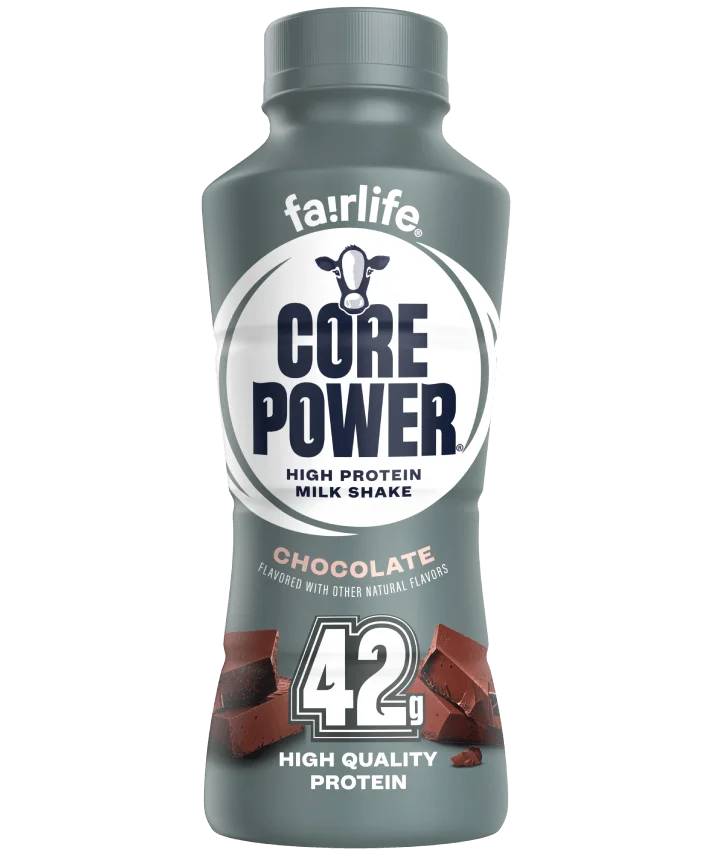
fairlife Core Power Elite — Chocolate
42g protein · 230 cal · 3.5g fat · 9g carbs · 7g sugar · 900mg calcium · 14 fl oz
Check price on Amazon →Nothing else in this comparison puts 42g of complete milk protein into a single container, and it does it in 230 calories. The protein is ultra-filtered milk protein, which carries all nine essential amino acids, and fairlife treats the milk with lactase enzyme, so it goes down easier than ordinary dairy for a lot of people. Full label breakdown in our fairlife Core Power nutrition guide.
Honest catch: 7g of sugar per bottle, which is naturally occurring milk sugar rather than added sugar — but if you are counting every gram, it is the highest sugar figure in this table. It is also sold from the refrigerated case, so it is not the bottle to leave in a gym bag.
Best protein per calorie — Premier Protein Chocolate (30g in 160 calories)

Premier Protein Shake — Chocolate
30g protein · 160 cal · 3g fat · 4g carbs · 2g fiber · 1g sugar · 0g added sugar · 24 vitamins and minerals · 11 fl oz
Check price on Amazon →18.8g of protein per 100 calories is the best ratio of any product in this comparison, shake or bar. It also carries 24 added vitamins and minerals and no added sugar, and the 11 fl oz carton is shelf-stable until you open it, which is why this is the one most people end up buying by the case. See the full panel in our Premier Protein shake nutrition guide.
Honest catch: the sweetness comes from non-nutritive sweeteners rather than sugar, which some people dislike immediately. It contains milk and soy, so it is out for anyone avoiding either.
Best dairy-free shake — OWYN Pro Elite Chocolate (32g)

OWYN Pro Elite — Chocolate
32g protein · 200 cal · 7g fat · 3g carbs · 3g fiber · 0g sugar · 350mg sodium · dairy-free · 12 fl oz
Check price on Amazon →32g of protein from a multi-source plant blend with zero sugar and only 3g of total carbohydrate — the highest-protein dairy-free ready-to-drink option in this group, and close enough to Core Power that giving up dairy costs you 10g rather than half the bottle. More options in our best ready-to-drink protein shakes guide.
Honest catch: 350mg of sodium is the highest in this comparison, roughly four times what the Barebells bar carries, which is worth knowing if you are watching sodium. Plant protein blends also taste noticeably different from milk protein; try one bottle before buying a case.
The 3 bars we would buy
Most protein per calorie of anything here — David Chocolate Chip Cookie Dough (28g in 150 calories)
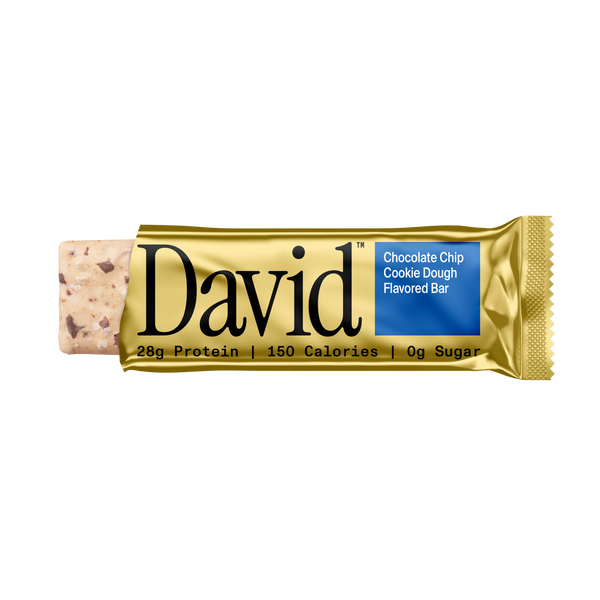
David — Chocolate Chip Cookie Dough
28g protein · 150 cal · 2g fat · 12g carbs · 0g sugar · $39.00 for 12 bars
Check price on Amazon →18.7g of protein per 100 calories — about three quarters of this bar’s calories come from protein, which is why it beats two of the three shakes at their own game. Zero sugar and only 2g of fat. If you want the highest protein-to-calorie ratio available in something you can put in a pocket, this is it, and our Quest vs David head-to-head runs the two side by side.
Honest catch: that ratio is achieved partly with EPG, a modified plant-oil ingredient that contributes far fewer calories than ordinary fat. It is permitted and it works, but it is a novel ingredient rather than a whole food, and some people report digestive discomfort with it — our David protein bar nutrition breakdown explains it in full. The bar also does not publish a separate fiber figure, so it is not the choice if fullness is what you are buying.
Most filling — Quest Chocolate Chip Cookie Dough (21g protein, 12g fiber)

Quest — Chocolate Chip Cookie Dough
21g protein · 190 cal · 9g fat · 22g carbs · 12g fiber · 1g sugar · 6g sugar alcohol · 60g bar
Check price on Amazon →12g of fiber is four times what the best shake in this comparison carries, and it is the single biggest reason this bar holds off hunger better than a shake with more protein in it. Protein plus fiber plus something you have to chew is the combination that gets you to the next meal; 21g of protein for 190 calories is a perfectly good ratio on top of that.
Honest catch: 6g of sugar alcohol per bar. Sugar alcohols are poorly absorbed by design, which is how the bar stays at 4g of net carbohydrate, and in some people that causes gas or loose stools — especially at two bars. Start with one. Our protein bar sweeteners guide covers which sweetener does what.
Best for someone who hates protein bars — Barebells Caramel Cashew (20g)
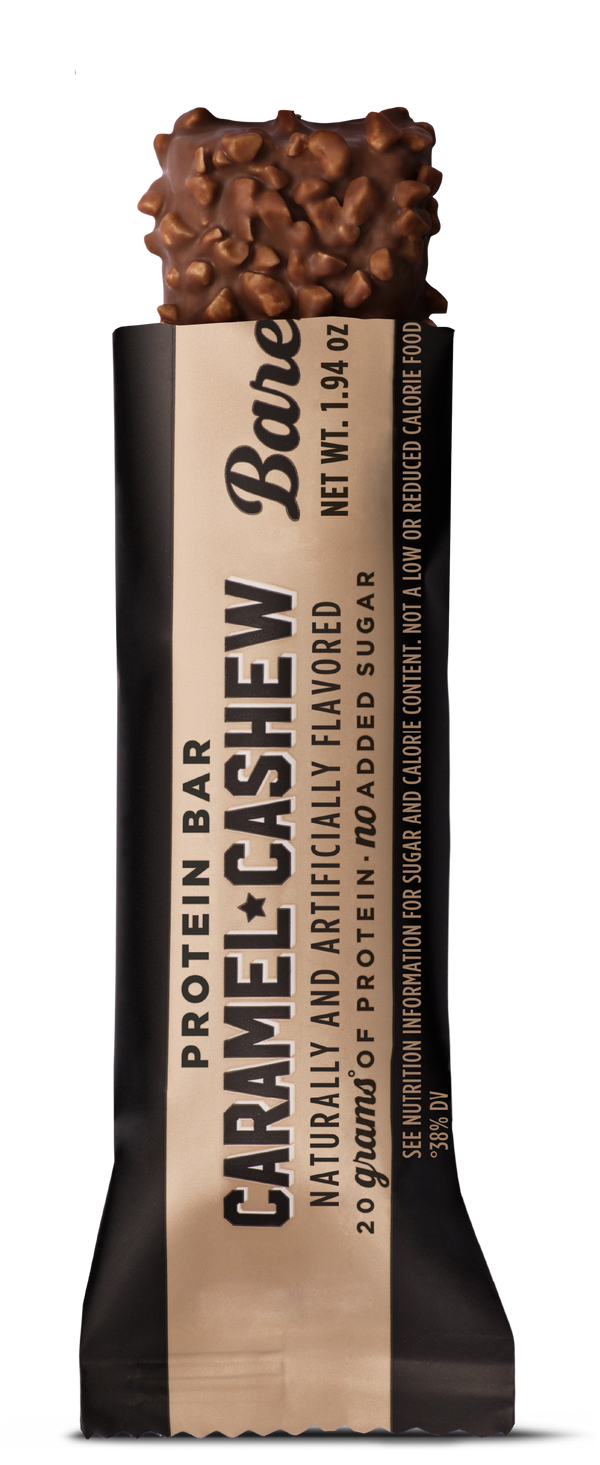
Barebells — Caramel Cashew
20g protein · 200 cal · 8g fat · 18g carbs · 3g fiber · 1g sugar · 5g sugar alcohol · 80mg sodium · 55g bar
Check price on Amazon →The lowest per-bar list price in this comparison at $2.58, 20g of protein, 1g of sugar, and a soft caramel-and-cashew build that reads as a candy bar rather than a supplement. This is the bar to hand someone who has decided they do not like protein bars. See how it stacks up in our Quest vs Barebells comparison.
Honest catch: 10.0g of protein per 100 calories is the weakest ratio in this table — you are paying some calories for the texture that makes it pleasant. It also carries 5g of sugar alcohol, with the same caveat as Quest.
When to pick each one
Pick the shake when you are behind on protein for the day and want to close the gap fast, when you have just trained and do not feel like eating, when chewing is unappealing (early morning, illness, dental work), or when you want the most protein possible in one item.
Pick the bar when you need to get from lunch to dinner without raiding the vending machine, when it has to live in a bag or a desk drawer for a week, when you are traveling, or when the point of the snack is to stop you eating something else. Our high-protein snacks for weight loss guide leans on exactly that logic.
The honest answer for most people is both, chosen by job rather than by loyalty: a shake for the post-workout gap, a bar for the mid-afternoon one.
Frequently Asked Questions
Is a protein shake better than a protein bar for building muscle?
Not inherently. The largest meta-analysis on protein supplementation found that gains track total daily protein intake up to about 1.6g per kilogram of bodyweight, not the form the protein arrives in. A shake makes it easier to add a large amount of protein at once, which matters if you regularly finish the day short.
Which has more protein, a protein bar or a protein shake?
Per serving, the shakes in this comparison carry more: 30g to 42g against 20g to 28g for the bars. Per calorie the gap narrows sharply, and the best bar here (David, at 18.7g of protein per 100 calories) beats two of the three shakes.
Do protein shakes keep you full?
Less well than solid food of the same calorie content. Controlled trials have found lower hunger and lower ghrelin after a solid meal-replacement than after its liquid equivalent, and calories drunk are compensated for less completely at later meals than calories chewed. Shakes also carry far less fiber than bars.
Can a protein bar or shake replace a meal?
Occasionally, not routinely. At 150 to 230 calories, none of these products is a meal by calorie content, and only Premier Protein adds a broad vitamin and mineral package. They are built to fill gaps between meals, not to stand in for one every day.
Is it cheaper to drink a protein shake or eat a protein bar?
At each brand’s own list price they cost almost exactly the same per gram of protein: $0.12 for the David bar and $0.13 for the Quest bar, the Barebells bar and the OWYN shake. The bar has the lower sticker price only because it is a smaller serving of protein.
What about protein powder instead?
Powder is meaningfully cheaper per gram of protein than either format, because you are not paying to have water shipped to you or a bar manufactured. It costs you the mixing, a shaker and clean-up. See our best protein powders guide if you want the cheapest route.
The bottom line
Buy the format that fits the gap you are trying to fill. If the goal is the most protein for the fewest calories in one item and you can get to a refrigerator, fairlife Core Power Elite at 42g is unmatched here. If the goal is not being hungry at 4pm, Quest at 21g of protein and 12g of fiber does something no shake in this group can. If you want the highest protein-to-calorie ratio in something pocketable, David at 18.7g per 100 calories wins outright. And since the cost per gram of protein is a near-tie across all of them, that decision is genuinely yours to make on convenience and taste rather than on price.
How we checked this
Every nutrition figure above was read on 8 September 2026 from the manufacturer’s own published Nutrition Facts panel: David, Quest, Barebells, fairlife Core Power, Premier Protein and OWYN. Protein per 100 calories and price per gram of protein were calculated by us from those figures. Where a brand does not publish a per-serving price we could verify, the table shows a dash rather than an estimate. Research cited: Morton et al., British Journal of Sports Medicine, 2018; Stull et al., Hormone and Metabolic Research, 2007; DiMeglio and Mattes, International Journal of Obesity, 2000. For context on how much protein a label percentage assumes, the FDA sets the Daily Value for protein at 50g. Formulations change; check the package you are holding.
Shop our top high-protein picks
Editor-selected high-protein options related to this guide. As an Amazon Associate we may earn from qualifying purchases.
Buy the products in this guide: Wild Caught Atlantic Cod · Pumpkin Spice Protein Bar · Chocolate Chip Cookie Dough
28g protein30g protein30g proteinTags
High Protein Snacks Pro Editorial Team
Independently researched and editorially reviewed. We compare real nutrition labels and never accept payment for coverage.
Get the best new protein snacks in your inbox
Weekly picks and honest reviews — no spam, unsubscribe anytime.
More from the journal
Best High-Protein Snacks at Sam's Club 2026: 10 Bulk Picks Ranked by Real Protein, Price Per Serving, and Ingredients
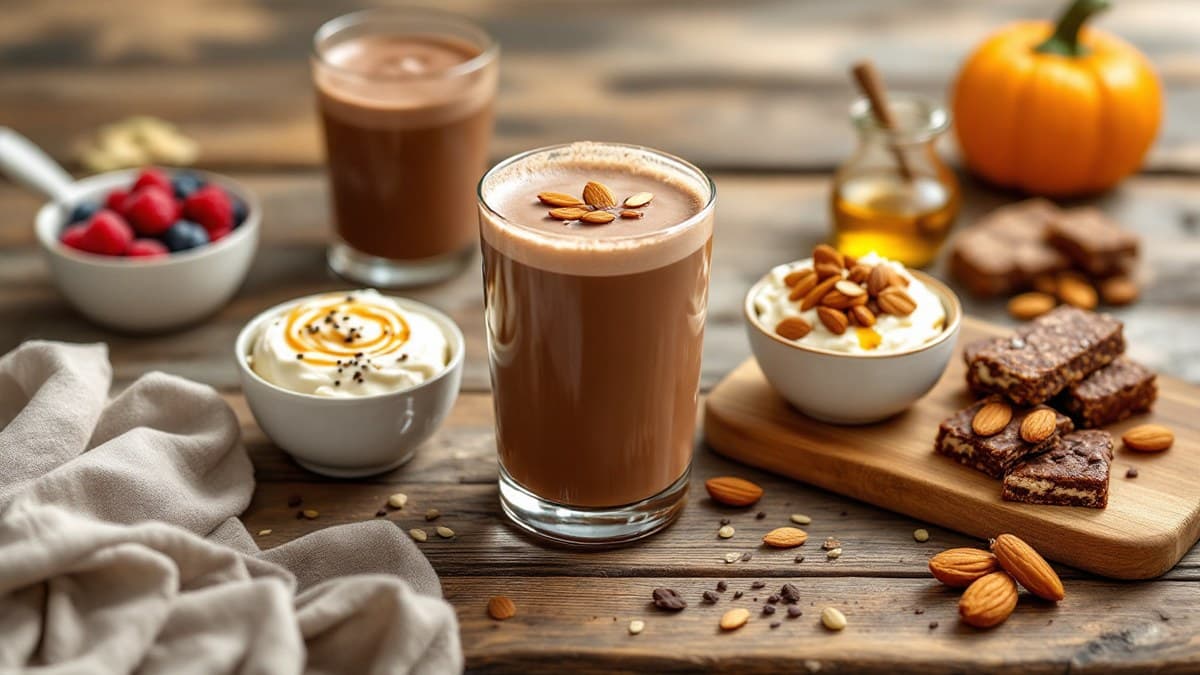
The best high-protein snack at Sam's Club in 2026 is the Fairlife Nutrition Plan Chocolate Shake 18-pack — 30g of complete dairy protein for 150 calories per 11.5oz bottle, sold in the Sam's Club exclusive 18-count for roughly $32–$36 (about $1.80–$2.00 per bottle, the cheapest 30g dairy shake anywhere in club-store retail). For the absolute-highest per-bottle protein, the Fairlife Core Power Elite 42g 12-pack lands at 42g/230 cal, and Muscle Milk Pro Series 40g is the alternative at 40g per 14oz bottle. On the whole-food side, FAGE Total 5% Plain Greek Yogurt in the 35.3oz Sam's tub delivers 18g per cup on a two-ingredient label. Ten Sam's Club-carried bulk picks — shakes, bars, meat sticks, cottage cheese, and yogurt — compared on real 2026 nutrition labels and typical Sam's Club per-serving price.
Read more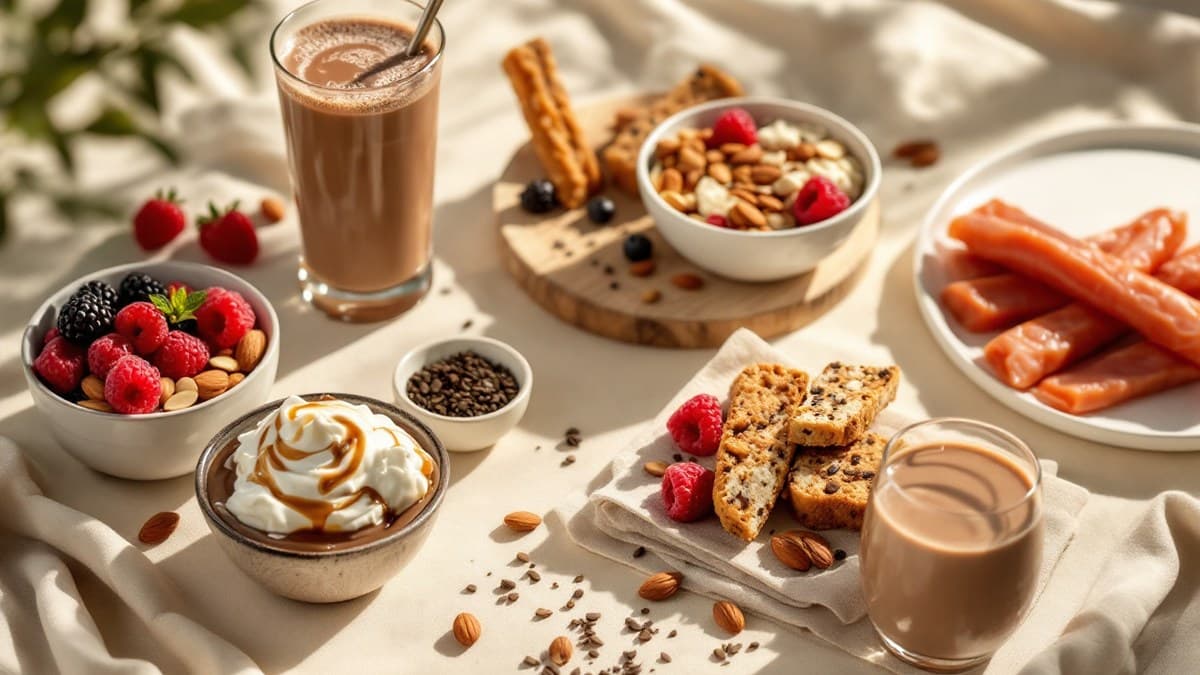
Best High-Protein Snacks at Target 2026: 10 Picks Ranked by Real Protein, Ingredients, and Shelf Price
The best high-protein snack at Target in 2026 is the Fairlife Nutrition Plan Chocolate Shake — 30g of complete dairy protein for 150 calories per 11.4oz bottle, the leanest protein-to-calorie ratio in Target's ready-to-drink cooler. For a real vegan alternative Target actually stocks, OWYN Pro Elite Chocolate hits 32g of complete plant protein at 200 calories. For grab-and-go dairy, FAGE Total 5% Plain Greek Yogurt delivers 16g per 6oz cup with a two-ingredient label, and Good Culture Organic Classic Cottage Cheese hits 14g per half-cup on organic milk. Ten Target-carried picks — shakes, bars, yogurt, cottage cheese, and meat sticks — compared on real 2026 nutrition labels, ingredient quality, and typical Target shelf price.
Read more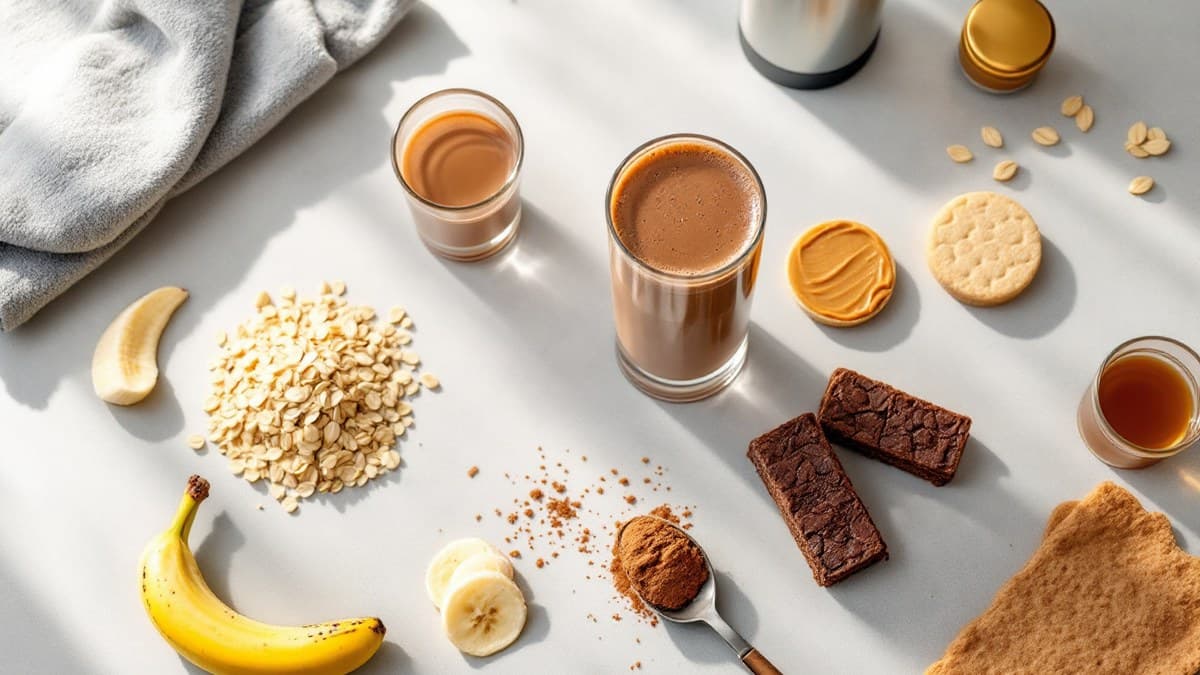
Best Pre-Workout Snacks 2026: 10 Grab-and-Go Picks Ranked by Protein, Digestion Speed, and Real Workout Fuel
The best pre-workout snack in 2026 is Fairlife Core Power Elite Chocolate — 42g of complete protein for 230 calories in an 11.5oz bottle, no mixing, fast liquid digestion, and it lands cleanly in the 30–60 minute window before training. For a leaner option that still hits the protein target, Fairlife Nutrition Plan Chocolate delivers 30g of protein in 150 calories. For the fastest liquid hit under 45 minutes out, Pure Genius 23g Protein Shot is 23g of protein in a 2.5oz bottle at 100 calories. Ten verified picks — RTD shakes, protein bars, a protein shot, and two whey powders — ranked on how well they actually fuel a workout, with the honest catches for each and real Amazon buy links.
Read more