Lowest-Sugar Protein Yogurts Ranked (2026): Chobani Zero Sugar’s 0g Leads 8 Verified Brands
All eight major low-sugar protein yogurt brands carry 0 grams of added sugar — but total sugar per cup still ranges from 0g (Chobani Zero Sugar) to 5g (Oikos Triple Zero, FAGE, Chobani Plain, and siggi’s). Here’s the verified cup-by-cup ranking, sourced from each brand’s own nutrition label, plus the one honest catch: siggi’s flavored cups use real cane sugar and jump to 9–11g.
The short answer
Our top high-protein picks
Editor-selected and ready to buy. As an Amazon Associate we may earn from qualifying purchases.
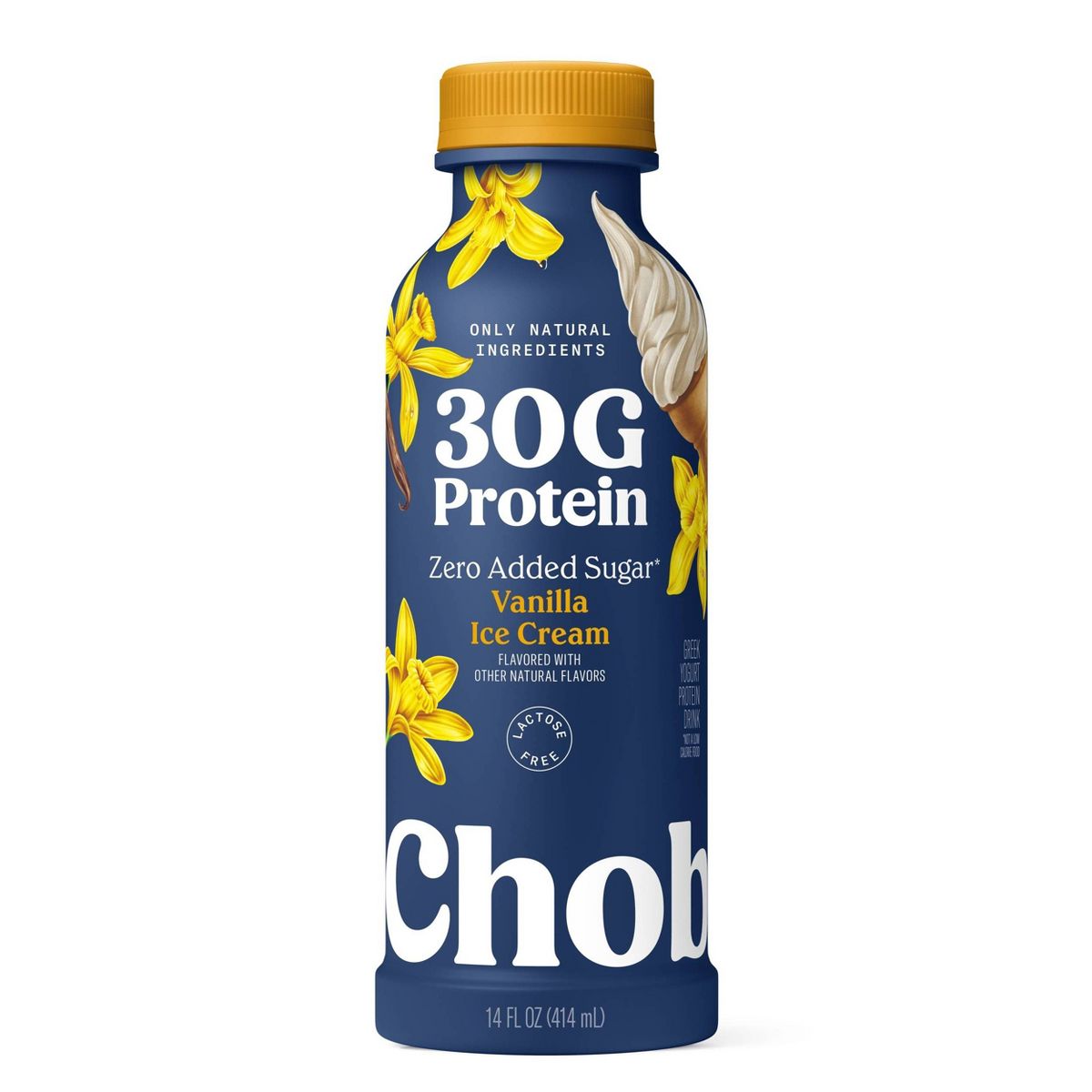 20g protein
Complete Protein Drink - Vanilla
Amazon returns policy · secure checkout
 10g protein
 12g protein
Lowest-Sugar Protein Yogurts: The Full Ranking
All figures are for each brand’s standard 5.3oz (150g) single-serve cup, plain or vanilla flavor where available, so the comparison is apples-to-apples. Every cup below carries 0g of added sugar — ranked here by total sugar, low to high.
| Rank | Yogurt (5.3oz cup) | Calories | Protein | Total Sugar | Added Sugar | Sweetener |
|---|---|---|---|---|---|---|
| 1 | Chobani Zero Sugar Vanilla | 60 | 11g | 0g | 0g | Allulose, stevia, monk fruit |
| 2 | Two Good Vanilla | 80 | 12g | 2g | 0g | Stevia |
| 3 | :ratio PROTEIN Vanilla | 170 | 25g | 3g | 0g | Sucralose |
| 4 | Oikos Pro Vanilla | 140 | 20g | 4g | 0g | None — fruit puree only |
| 5 (tie) | Chobani Nonfat Plain | 80 | 14g | 5g | 0g | None |
| 5 (tie) | FAGE Total 0% Plain | 80 | 16g | 5g | 0g | None |
| 5 (tie) | siggi’s Nonfat Plain | 100 | 17g | 5g | 0g | None |
| 5 (tie) | Oikos Triple Zero Vanilla | 90 | 15g | 5g | 0g | Stevia |
The FAGE figure above uses their 150g single-serve cup size (16g protein, 80 calories) rather than the larger 170g serving FAGE highlights on its own label (18g protein, 90 calories), to keep every row on the same serving size. Both are verified in our full FAGE Total 0% breakdown.
All Zero Added Sugar — So Why Does Total Sugar Still Range 0g to 5g?
Every yogurt in this ranking already carries 0g of added sugar on its Nutrition Facts label, so the remaining differences come down to two things: how much natural milk sugar (lactose) survives the straining or filtration process, and which non-nutritive sweetener (if any) the brand uses to add sweetness without adding sugar.
- Chobani Zero Sugar reaches literal 0g by combining allulose (a rare sugar that provides bulk sweetness but is excluded from the Total Sugars line under FDA labeling rules), stevia leaf extract, and monk fruit extract.
- Two Good and :ratio PROTEIN use a slow-straining or ultra-filtration process that removes most of the lactose before culturing, leaving only 2–3g of residual milk sugar, then sweeten the rest of the way with stevia (Two Good) or sucralose (:ratio).
- Oikos Pro, Chobani Nonfat Plain, FAGE Total 0%, siggi’s Nonfat Plain, and Oikos Triple Zero land at 4–5g because they use less aggressive filtration (or none, in FAGE and siggi’s plain case) and rely on straight lactose for what sweetness exists — several add no sweetener at all.
None of this is deceptive labeling: a total-sugar number above 0g on a “0g added sugar” cup is required by law to represent only naturally occurring sugar, and lactose is real, naturally occurring milk sugar that shows up whether or not a brand adds anything. For more on how sweetener choice affects a nutrition label, see our protein sweeteners explained guide.
The Catch: These Are the Plain or Vanilla Numbers — Flavored Cups Are Not All This Low
The ranking above uses each brand’s lowest-sugar variety, which for most brands is also their most popular single-serve flavor. But it is worth knowing before you buy that not every cup from these same brands stays this low:
- siggi’s flavored cups (Strawberry, Peach, Mixed Berry) use real cane sugar and jump to 11g of total sugar — more than double the 5g plain number above. siggi’s Lower Sugar line splits the difference at roughly 4g total sugar (2g added), using organic agave nectar. Full breakdown in our siggi’s nutrition guide.
- Chobani’s standard flavored Nonfat cups (Vanilla, Strawberry) use cane sugar too, running roughly 15g total sugar (about 13g added) — a different product from the Zero Sugar or plain lines in this ranking. See our full Chobani nutrition guide for every line.
- FAGE’s split-cup fruit and honey varieties, the most common FAGE format on US shelves, run 11–28g of total sugar from the fruit or honey compartment — the plain tub is where the 5g number above applies. Details in our FAGE Total 0% guide.
The takeaway: check the specific flavor and line, not just the brand name, before assuming a cup is low-sugar. The eight products in the ranking table above are verified as their lowest-sugar current offering.
Is a Low-Sugar Protein Yogurt Good for Blood Sugar Management?
For people managing blood sugar, the cups in this ranking share two things that matter: minimal total carbohydrate (typically 4–9g per cup) and sweeteners — stevia, allulose, monk fruit, sucralose — that the FDA recognizes as having no meaningful glycemic impact at normal food-serving doses. That combination is why yogurts like Two Good and Oikos Triple Zero show up specifically in our low-sugar diabetic-friendly snack rankings. Individual blood glucose response still varies person to person, and this is general nutrition information, not medical advice — always follow the plan set with your healthcare provider.
Protein vs. Sugar: There Is a Real Trade-off
Ranking purely by sugar produces a different winner than ranking by protein. Chobani Zero Sugar tops this list at 0g sugar but delivers the least protein of the group (11g). :ratio PROTEIN carries the most protein of any cup here (25g) but also the most calories (170) and, at 3g, is not the lowest-sugar option. If protein density matters more to you than sugar, FAGE Total 0% and siggi’s Nonfat Plain deliver 16–17g of protein for the same 5g of sugar as the mid-pack options — see the protein-first version of this comparison in our Greek yogurt brands ranked by protein guide. There is no single “best” cup here — only the right trade-off for your specific goal.
Frequently Asked Questions
Which protein yogurt has the least sugar?
Chobani Zero Sugar Vanilla has the least total sugar of any mainstream protein yogurt we’ve verified — a true 0g per 5.3oz cup, sweetened with allulose, stevia, and monk fruit extract. It carries 11g of protein and 60 calories per cup.
Do all these yogurts really have 0g added sugar?
Yes — all eight brands and products in this ranking carry 0g of added sugar on their Nutrition Facts label, verified against each brand’s own published label. The total sugar that remains (0–5g depending on the product) is naturally occurring lactose from the milk, plus fruit sugar in flavored varieties that use real fruit puree.
Is 5g of sugar in a yogurt a lot?
No. 5g is a small amount — roughly one teaspoon — spread across an entire cup, and it is naturally occurring lactose rather than added sweetener. For comparison, a typical flavored fruit-on-the-bottom yogurt cup that is not marketed as low-sugar can carry 15–20g of total sugar or more.
Which is better for blood sugar: stevia, allulose, or sucralose?
All three are recognized by the FDA as having no meaningful glycemic impact at normal food-serving doses, so none of them should meaningfully spike blood sugar. The choice between them usually comes down to taste preference and whether you want to avoid artificial sweeteners specifically — stevia and allulose are plant-derived or naturally occurring, while sucralose is synthetic. See our protein sweeteners explained guide for a full breakdown.
What is the difference between total sugar and added sugar on a yogurt label?
Total sugar includes every source of sugar in the product, including natural milk sugar (lactose) and fruit sugar. Added sugar is only the sugar the manufacturer puts in during processing — cane sugar, honey, agave, fruit concentrate used as a sweetener. A yogurt can legally show “0g added sugar” while still listing several grams of total sugar, because lactose is always present in dairy and is never counted as “added.”
Bottom line: if pure lowest-sugar is your target, Chobani Zero Sugar’s 0g total sugar is unmatched among mainstream protein yogurts, though it trades away some protein (11g) to get there. Two Good (2g sugar, 12g protein) and :ratio PROTEIN (3g sugar, 25g protein) are the strongest picks if you want more protein without giving up the low-sugar profile. Every product in this ranking already carries 0g added sugar — just double-check you are buying the plain or vanilla cup and not a flavored line, which can run 9–28g of sugar from real cane sugar, honey, or fruit. See the protein-first ranking in our Greek yogurt brands ranked by protein guide, or browse every high-protein option in the protein snacks directory.
Shop our top high-protein picks
Editor-selected high-protein options related to this guide. As an Amazon Associate we may earn from qualifying purchases.
25g proteinComplete Advanced Nutrition - Vanilla
Amazon returns policy · secure checkout
20g proteinComplete Protein Drink - Vanilla
Amazon returns policy · secure checkout
10g proteinTags
High Protein Snacks Pro Editorial Team
Independently researched and editorially reviewed. We compare real nutrition labels and never accept payment for coverage.
Get the best new protein snacks in your inbox
Weekly picks and honest reviews — no spam, unsubscribe anytime.
More from the journal
:ratio PROTEIN Yogurt Nutrition Facts (2026): 25g Protein, 170 Calories, Zero Added Sugar — All Flavors Verified
:ratio PROTEIN yogurt packs 25 grams of protein into a 5.3 oz cup for 170 calories and just 3 grams of naturally-occurring sugar — no added sugar, sweetened only with sucralose. It achieves that protein density by combining ultra-filtered nonfat milk with whey protein concentrate, producing roughly 4× the protein of a traditional yogurt cup. Here is the complete verified label, a flavor-by-flavor breakdown, and a head-to-head against Oikos Triple Zero, Two Good, and Siggi’s.
Read more
Oikos Pro Nutrition Facts (2026): 20g Protein Per Cup, All Flavors Verified, and How It Compares to Oikos Triple Zero
A single 5.3oz cup of Oikos Pro delivers 20g of protein and 0g of added sugar at 140 calories — 33% more protein than Oikos Triple Zero in the same serving. Verified per-cup nutrition facts for every Oikos Pro flavor, what ultra-filtered milk actually does to the label, and a head-to-head comparison with Oikos Triple Zero, Ratio PROTEIN, and Two Good to help you pick the right cup.
Read more
Two Good vs Oikos Triple Zero (2026): 12g vs 15g Protein — Which Low-Sugar Greek Yogurt Wins?
Two Good and Oikos Triple Zero are Danone’s two flagship low-sugar Greek yogurts, and neither wins outright: Oikos Triple Zero has more protein per cup (15g vs 12g) but Two Good has less than half the sugar (2g vs 5g) — both are stevia-sweetened with 0g added sugar in the same 5.3oz cup. Here is the full verified head-to-head, built from our own nutrition-facts data on both brands, plus how each stacks up against Fage, siggi’s, Chobani Zero Sugar, and the higher-protein Oikos Pro.
Read more