Best Breakfast Protein Bars 2026: 5 Real Whole-Food Picks Ranked by Ingredients, Protein, and Morning Staying Power
The best breakfast protein bar in 2026 is KIND Breakfast Protein Almond Butter — literally built and branded for breakfast, with 8g of protein, 6g of fiber, and a whole-nut and grain base sweetened with honey. For a whole-food refrigerated pick, Perfect Bar Peanut Butter delivers 15g of protein and roughly 20 organic superfoods at meal-replacement scale. Five real breakfast protein bars ranked strictly by ingredient quality, protein, and morning staying power — every macro number verified from each brand's own 2026 nutrition panel.
Our top high-protein picks
Editor-selected and ready to buy. As an Amazon Associate we may earn from qualifying purchases.
Buy the products in this guide: Coconut Chocolate · Strawberry · Peanut Butter Chocolate Chip MacroBar
 17g protein
Original Peanut Butter Protein Bar
Amazon returns policy · secure checkout
 12g protein
CHOCOLATE CHIP COOKIE DOUGH
Amazon returns policy · secure checkout
 12g protein
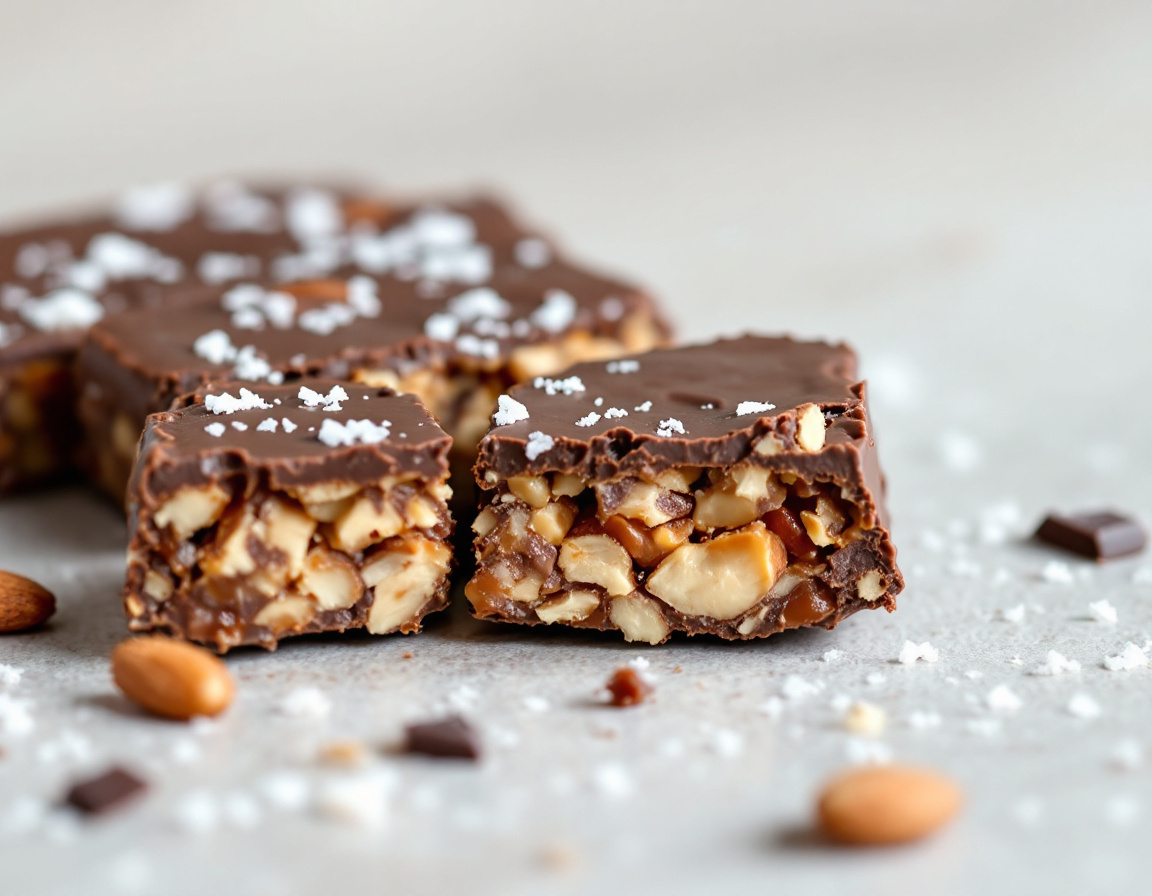
Chocolate Sea Salt Protein Bar
Amazon returns policy · secure checkout
Direct Answer
The best breakfast protein bar in 2026 is KIND Breakfast Protein Almond Butter — the only mainstream bar built and branded specifically for breakfast, with 8g of protein, 6g of fiber, and a visible whole-nut and whole-grain base (almonds, oats, chia, flax, quinoa) sweetened with honey, palm sugar, and molasses rather than sucralose or sugar alcohols. For a whole-food refrigerated pick that scales to a real meal, Perfect Bar Peanut Butter delivers 15g of protein, 340 calories, and roughly 20 organic superfoods with honey as the only sweetener. For the cleanest clean-label pick, RXBAR Chocolate Sea Salt uses five ingredients (egg whites, dates, almonds, cashews, cocoa) and lands 12g of protein at 210 calories with 5g of fiber.
A breakfast protein bar is a different job from a workout bar or a candy-bar-style protein snack. Breakfast has to hold a person to lunch, not just deliver a leucine spike after a lift. The bars that actually fit the job share three things: enough calories to be a real meal or half-meal (200–350, not 130), enough fiber to slow digestion (4g and up), and an ingredient list that resembles food you would eat off a plate. Below are five real breakfast protein bars in 2026, ranked strictly by ingredient quality, protein, and morning staying power. Every macro number comes from each brand’s own 2026 nutrition panel. For a broader best-of that also weighs candy-bar-style formats and pure protein macros, see our 2026 best protein bars roundup; for a protein-per-calorie ranking, see our best low-calorie protein bars guide; and for the pancake-and-waffle format, see our protein pancakes and waffles guide.
How We Ranked: Whole-Food Ingredients, Fiber, and Real Morning Staying Power
Ranking a breakfast bar is not the same as ranking a bar for the gym. The rubric here weighs four things in this order: (1) ingredient quality — recognizable whole-food ingredients over protein isolates, natural sweeteners over sucralose or sugar alcohols, whole grains over refined fillers; (2) fiber content — because a 2g-fiber bar will not hold anyone to a lunch meeting, and 4g+ signals a bar that actually slows digestion; (3) protein density and completeness — enough protein to matter (10g+) from complete or complementary sources; (4) real morning fit — whether the bar is calorically substantial enough to replace part of a breakfast, or is honestly a snack pretending to be one. Where two bars tie on ingredient quality, we tie-break on Amazon review count as a stand-in for real-world availability and reader trust.
Every macro number in this guide is copied verbatim from each brand’s current nutrition facts panel and cross-checked against the product listing at time of writing. Prices are the current one-time Amazon US pack price (non-Subscribe & Save) at time of writing and can move — the buy buttons take you to the current live listing.
The 5 Best Breakfast Protein Bars: Full Ranking
| # | Bar | Protein | Calories | Sugar | Fiber | Sweetener | Ingredient base |
|---|---|---|---|---|---|---|---|
| 1 | KIND Breakfast Protein Almond Butter | 8g | 260 | 6g | 6g | Honey + palm sugar + molasses | Whole almonds + oats + chia + flax + quinoa |
| 2 | Perfect Bar Peanut Butter | 15g | 340 | 17g | 2g | Honey only | Organic peanut butter + dry whole milk + ~20 superfoods |
| 3 | RXBAR Chocolate Sea Salt | 12g | 210 | 13g | 5g | Dates only (whole fruit) | Egg whites + dates + almonds + cashews + cocoa |
| 4 | GoMacro Peanut Butter Chocolate Chip | 12g | 270 | 8g | 2g | Organic brown rice syrup | Organic sprouted brown rice + pea protein + PB |
| 5 | ALOHA Peanut Butter Cup | 14g | 220 | ~5g | ~5g | Organic tapioca syrup + small cane sugar | Organic brown rice + pea protein (complete) |
#1. KIND Breakfast Protein Almond Butter — The One Bar Actually Built for Breakfast

KIND Breakfast Protein Almond Butter
8g protein · 260 cal · 6g sugar (honey + palm sugar) · 6g fiber · nut & grain base
Serving = 2 bars per pouch. Affiliate link.
KIND Breakfast Protein is the only mainstream US bar that carries “Breakfast” in its name and formulates for the job. Each pouch (two bars, 50g total) delivers 8g of protein, 260 calories, and 6g of fiber from a base of whole almonds, gluten-free oats, chia, flax, and quinoa — visible ingredients you can see through the wrapper. Sweetness comes from honey, palm sugar, and molasses; there is no sucralose, no acesulfame potassium, no sugar alcohols. Soy protein isolate is added to bring the protein up to 8g, but the bulk of the bar reads as recognizable whole food, which is precisely what a breakfast bar should look like.
The honest trade-offs. 8g of protein per serving is on the lower end of what most people expect from a “protein bar,” and it puts KIND Breakfast Protein closer to a whole-grain granola bar with added protein than a training-focused protein delivery vehicle. Total sugar is 6g and total carbs are 27g per serving — not a low-carb pick. If your target is 20g of protein at breakfast, you will need to pair this bar with something else (a Greek yogurt, a glass of milk, an egg or two). What it does deliver — 6g of fiber and 260 calories of real food — is enough to actually feel like breakfast at 7 a.m.
Why it ranks #1: the only mainstream bar built and branded specifically for breakfast, with a visibly whole-food base, honey rather than sucralose, and 6g of fiber that actually holds until lunch.
#2. Perfect Bar Peanut Butter — The Refrigerated Whole-Food Meal Replacement
Perfect Bar Peanut Butter
15g protein · 340 cal · 17g sugar (honey only) · 2g fiber · ~20 organic superfoods
Refrigerated bar — ships in a cold pack. Affiliate link.
Perfect Bar Peanut Butter is the outlier that earns its spot: it lives in the refrigerated section rather than the shelf-stable aisle, which forces the formulation into a genuinely different place. A refrigerated bar cannot rely on the sugar-alcohol / soluble-corn-fiber / preservative-isolate stack a shelf-stable bar depends on, and it shows. The base is organic peanut butter, organic honey, organic dry whole milk, a whey and rice protein blend, and roughly 20 organic superfoods (organic dried alfalfa, kale, spinach, orange, apple, papaya, celery, beet, and more) mixed straight in. Honey is the only sweetener — no sucralose, no maltitol, no stevia. Total sugar is 17g per bar, all from honey.
The honest trade-offs. At 340 calories per bar, Perfect Bar is meaningfully heavier than shelf-stable competitors and best treated as a compact breakfast meal, not a snack bar. 17g of sugar is real sugar even when the source is honey, so it is not a low-sugar or diet pick. Fiber is only 2g. And it needs refrigeration, which rules out a week in the gym bag — it belongs in the fridge and comes out for the morning it is eaten. What it delivers is a legitimate breakfast: 15g of protein and 340 calories of whole-food ingredients you can pronounce.
Why it ranks #2: a genuine whole-food breakfast in bar form, with organic ingredients and honey as the only sweetener — the closest thing to a peanut-butter-and-superfood sandwich on the mainstream refrigerated aisle.
#3. RXBAR Chocolate Sea Salt — The Cleanest Clean-Label Breakfast Bar

RXBAR Chocolate Sea Salt
12g protein · 210 cal · 13g sugar (dates only) · 5g fiber · 5-ingredient base
Shelf-stable. Affiliate link.
RXBAR is the shortest ingredient list in the protein-bar aisle by a wide margin: egg whites for the protein, dates for the binder and sweetness, almonds and cashews for fat and structure, cocoa and sea salt for flavor. That is the whole bar. No added sweeteners of any kind, no protein isolates, no sugar alcohols, no gums, no soluble corn fiber. 12g of protein comes entirely from egg whites — a complete protein with all nine essential amino acids — and 5g of fiber comes from the whole almonds and cashews rather than added prebiotic fibers. At 210 calories per 52g bar, RXBAR sits in the true “protein snack” range rather than the meal-replacement range.
The honest trade-offs. The 13g of sugar per bar is real sugar even though it comes from whole dates — the body metabolizes date sugar largely as fructose and glucose. What is different is what arrives alongside it: fiber from the fruit, fat from the nuts, protein from egg whites, all of which slow digestion. RXBAR is genuinely dense to chew, which is either a feature (satiety comes from the chewing) or a bug (some readers dislike the texture). At 12g protein, RXBAR alone is not a high-protein breakfast — pair it with a glass of milk (add 8g) or a Greek yogurt cup (add 15g) to clear a 20g protein breakfast target.
Why it ranks #3: a five-ingredient shelf-stable bar with complete protein from egg whites and zero added sweeteners — the cleanest label of any protein bar sold at scale. Deep dive: RXBAR nutrition facts.
#4. GoMacro MacroBar Peanut Butter Chocolate Chip — The Best Organic Vegan Breakfast Bar

GoMacro MacroBar Peanut Butter Chocolate Chip
12g protein · 270 cal · 8g sugar (brown rice syrup) · 2g fiber · USDA Organic · vegan
USDA Organic + Non-GMO Project verified. Affiliate link.
GoMacro is the clearest organic-plus-vegan pick on the mainstream US breakfast shelf. The Peanut Butter Chocolate Chip MacroBar is built on organic brown rice syrup, organic peanut butter, organic sprouted brown rice protein, organic chocolate chips, and organic pea protein — every ingredient certified USDA Organic and Non-GMO Project verified. The brown rice + pea protein blend is nutritionally complete (all nine essential amino acids), and brown rice syrup is a slower-digesting whole-food-adjacent sweetener rather than a refined sugar. It is a soft chewy bar with no chocolate outer shell, which is a real advantage for a summer commute or a warm car.
The honest trade-offs. At 4.4g of protein per 100 calories, GoMacro is the least protein-efficient bar on this list — if your goal is maximum protein per calorie at breakfast, this is not the pick. The 8g of sugar is real sugar even though the source (brown rice syrup) is closer to a whole food. Fiber is a modest 2g, so GoMacro will not suppress appetite the way a 5g-fiber RXBAR or 6g-fiber KIND Breakfast Protein will. At roughly $2.50–$3.50 per bar at retail, it is one of the more expensive picks per gram of protein.
Why it ranks #4: the cleanest USDA Organic + Non-GMO vegan option — every ingredient organic, complete plant protein, no synthetic sweeteners.
#5. ALOHA Peanut Butter Cup — The Best Low-Calorie Plant Breakfast Bar

ALOHA Peanut Butter Cup
14g protein · 220 cal · ~5g sugar · ~5g fiber · organic · no stevia or sugar alcohols
USDA Organic, vegan, gluten-free. Affiliate link.
ALOHA Peanut Butter Cup is the strongest plant-based bar for a reader who specifically wants a low-calorie breakfast without stevia or sugar alcohols. 14g of protein at 220 calories comes from organic brown rice and pea protein — a complete plant-protein blend — and the sweeteners are organic tapioca syrup plus a small amount of organic cane sugar. No stevia, no monk fruit, no erythritol, no sucralose. That combination is unusually clean for the low-calorie plant tier, and it is the reason ALOHA lands here rather than one of the shelf-stable candy-bar-style plant bars.
The honest trade-offs. The organic cane sugar is a real added sugar even in a small amount, and readers on a strict no-added-sugar plan should skip. Fiber is respectable at around 5g. Availability at grocery is narrower than KIND or RXBAR — ALOHA lives in the natural section at Whole Foods, Sprouts, and Amazon rather than every convenience-store checkout. And at roughly $1.60–$2.00 per bar in a variety pack, it is not the cheapest plant option.
Why it ranks #5: a rare vegan bar with no stevia, no sugar alcohols, and no artificial sweeteners — 14g of complete plant protein at 220 calories.
What Actually Makes a Bar a “Breakfast” Bar Rather Than a Snack?
The word “breakfast” on a wrapper is marketing; the real answer is about what the bar has to do at 7 a.m. A breakfast bar has to (1) carry enough calories to bridge to lunch — roughly 200–350, not 130; (2) deliver enough fiber (4g or more) to slow digestion and blunt the mid-morning hunger dip; (3) look and eat like real food rather than a candy bar with sucralose; and (4) either fit into the wider first meal (paired with milk, yogurt, or fruit) or replace part of it outright. The five bars ranked above all clear that bar in different ways; a 130-calorie 20g-protein “candy-bar” format does not, no matter how strong the label numbers look.
How Much Protein Should Breakfast Actually Have?
The commonly cited target for a breakfast that supports satiety and muscle protein synthesis is 20–30g of protein at the meal — roughly the leucine threshold above which muscle protein synthesis is meaningfully stimulated in a single sitting. Most breakfast protein bars, including the five above, do not deliver a full 20g on their own. That is why the honest read is: a breakfast bar is a component of breakfast, not the whole meal. Pair a KIND Breakfast Protein bar (8g) with a glass of 1% milk (8g) and a Greek yogurt cup (15g) and the meal clears 30g. Perfect Bar (15g) plus a piece of fruit and a coffee with milk works. A bar alone is usually 8–15g of protein at breakfast, and that is the truth on the label.
Which Breakfast Protein Bar Should You Actually Buy?
Three-way split, decided by what matters most to you. If you want a bar actually built for breakfast, with honey rather than sucralose and 6g of fiber, KIND Breakfast Protein Almond Butter is the answer. If you want a whole-food refrigerated bar that replaces part of a meal, Perfect Bar Peanut Butter is the pick — organic, honey-only, and 340 calories of real food. If you want the cleanest shelf-stable label at a snack-bar scale, RXBAR Chocolate Sea Salt’s five-ingredient formula is the honest answer. For the vegan and organic priorities, GoMacro and ALOHA are the two clean picks — GoMacro for USDA Organic + Non-GMO, ALOHA for no stevia and no sugar alcohols.
Frequently Asked Questions
What is the healthiest breakfast protein bar?
KIND Breakfast Protein Almond Butter is the healthiest mainstream breakfast bar in 2026 by ingredient quality — visible whole almonds, oats, chia, flax, and quinoa, sweetened with honey, palm sugar, and molasses rather than sucralose or sugar alcohols. For the runner-up on the strictly clean-label end, RXBAR Chocolate Sea Salt uses only five ingredients (egg whites, dates, almonds, cashews, cocoa) with zero added sweeteners of any kind. For the certified organic pick, GoMacro is the cleanest option.
Can a protein bar replace breakfast?
A single protein bar rarely delivers the full 20–30g of protein that a satiating, muscle-supportive breakfast target calls for — the bars in this ranking deliver 8–15g each. A bar can partially replace breakfast when paired with milk, yogurt, or a piece of fruit; alone, it is more accurately a component of breakfast than a full meal. Perfect Bar (340 calories, 15g protein, plus ~20 organic superfoods) comes closest to a true meal replacement.
Are breakfast protein bars good for weight loss?
Yes, provided the bar replaces a lower-quality breakfast (a pastry, a bagel, a sugary cereal) rather than adding to it. A 210–260 calorie bar with 8–12g of protein and 5–6g of fiber delivers meaningful satiety at breakfast — protein triggers GLP-1 and PYY release, fiber slows gastric emptying — that a similar-calorie muffin or granola bar cannot. Where breakfast bars fail is when they are eaten in addition to a full breakfast; at that point they are just extra calories.
Which breakfast protein bar has the most fiber?
Among the five picks here, KIND Breakfast Protein Almond Butter (6g per pouch) and RXBAR Chocolate Sea Salt (5g per bar) lead on fiber — both from whole-food sources (whole nuts, oats, chia, flax, dates) rather than added prebiotic fibers or soluble corn fiber. For substantially higher fiber in the general protein-bar universe, see our highest-fiber protein bars ranking.
Are breakfast protein bars gluten-free?
RXBAR, GoMacro, and ALOHA are all labeled gluten-free in current US formulations. KIND Breakfast Protein and Perfect Bar do not carry gluten-free labels as of this writing — check the specific package label if celiac disease or serious gluten sensitivity is a concern. For a dedicated ranking, see our celiac-friendly protein bars guide.
What is the highest-protein breakfast bar?
Among the breakfast-appropriate bars ranked here, Perfect Bar Peanut Butter delivers the most protein per bar at 15g (with 340 calories). ALOHA Peanut Butter Cup is close behind at 14g / 220 cal. For higher-protein bars that trade off some of the breakfast-appropriate qualities, see our highest-protein bars ranked and best protein bars 2026 guides.
Is it better to eat a protein bar or oatmeal for breakfast?
Oatmeal (30–45g dry, roughly 5g of protein) is a lower-protein but higher-volume, higher-fiber breakfast; a protein bar is a higher-protein, more portable option that fits when a stove is not available. The two are not exclusive — a bowl of oatmeal topped with a chopped-up RXBAR is roughly 17g of protein and one of the best-satiating breakfasts you can build in five minutes. For a pancake-format alternative, see our Kodiak Cakes nutrition facts guide.
Bottom line: the best breakfast protein bar in 2026 is KIND Breakfast Protein Almond Butter — the only mainstream bar built and branded for breakfast, with a visible whole-nut and grain base and 6g of fiber that actually holds until lunch. For a whole-food refrigerated meal replacement, Perfect Bar Peanut Butter is the honest pick. For the cleanest label, RXBAR Chocolate Sea Salt. For the organic vegan pick, GoMacro. For the low-calorie plant pick without stevia or sugar alcohols, ALOHA. Every macro number in this guide is verified from each brand’s current 2026 nutrition panel; every buy button takes you to the current live Amazon listing.
For companion rankings, see our 2026 best protein bars roundup, the best low-calorie protein bars, the healthiest protein bars 2026, and the best protein pancakes and waffles guide. Compare specific bars head-to-head with our KIND vs RXBAR comparison. To browse the full ingredient panel and current price for any product mentioned, visit the protein snacks directory.
Shop our top high-protein picks
Editor-selected high-protein options related to this guide. As an Amazon Associate we may earn from qualifying purchases.
Buy the products in this guide: Coconut Chocolate · Strawberry · Peanut Butter Chocolate Chip MacroBar
17g proteinOriginal Peanut Butter Protein Bar
Amazon returns policy · secure checkout
12g proteinCHOCOLATE CHIP COOKIE DOUGH
Amazon returns policy · secure checkout
12g proteinChocolate Sea Salt Protein Bar
Amazon returns policy · secure checkout
Tags
High Protein Snacks Pro Editorial Team
Independently researched and editorially reviewed. We compare real nutrition labels and never accept payment for coverage.
Get the best new protein snacks in your inbox
Weekly picks and honest reviews — no spam, unsubscribe anytime.
More from the journal
ALOHA vs GoMacro vs TruBar (2026): Which Plant-Based Protein Bar Wins on Protein, Sugar and Price?
ALOHA has the most protein of the three standard bars: 14g in every flavor, for 220 to 260 calories and 3g to 4g of added sugar. TruBar is the lightest at 190 calories with 12g of protein and up to 14g of fiber, and TruBar PRO tops everything at 18g. GoMacro trails at 11g to 12g for 260 to 290 calories, but it is the only one without added fiber. Fourteen bars compared flavor by flavor on each brand’s own September 2026 labels.
Read more
Healthiest Protein Bars 2026: 10 Bars Ranked by Ingredient Quality (Not Marketing)
RXBAR Chocolate Sea Salt is the healthiest protein bar in 2026 — four whole-food ingredients (egg whites, dates, almonds, cashews), zero added sweeteners, zero isolates, zero sugar alcohols. These 10 protein bars are ranked strictly by ingredient quality against a 5-part rubric: complete protein source (no collagen filler), sweetener transparency (no sucralose, aspartame, or Ace-K), whole-food ingredients, sugar source, and additive load. A bar with 20g of protein and sucralose is not healthier than a bar with 12g of protein and real dates — and this ranking is honest about that trade-off.
Read more
GoMacro Nutrition Facts: 11–12g Protein, 260–290 Calories — Every MacroBar Flavor (2026)
GoMacro MacroBars deliver 11–12g of protein for 260–290 calories per bar, verified flavor by flavor from the brand’s own label — plus why the organic, low-FODMAP bar carries the least fiber and the lowest protein-per-calorie of the plant-based bars it’s most often compared to.
Read more