Kodiak Cakes Nutrition Facts: 14g Protein per Serving — Power Cakes, Cups, and Carb-Conscious Compared
Kodiak Cakes Power Cakes Buttermilk & Vanilla pancake mix delivers 14g of protein per ½ cup dry serving using a just-add-water formula. The Power Cups hit 12g protein in about 65 seconds. The Carb-Conscious line cuts total carbs to 15g while keeping protein at 14g. Verified nutrition for every major Kodiak product line compared.

The short answer
Our top high-protein picks
Editor-selected and ready to buy. As an Amazon Associate we may earn from qualifying purchases.
 18g protein
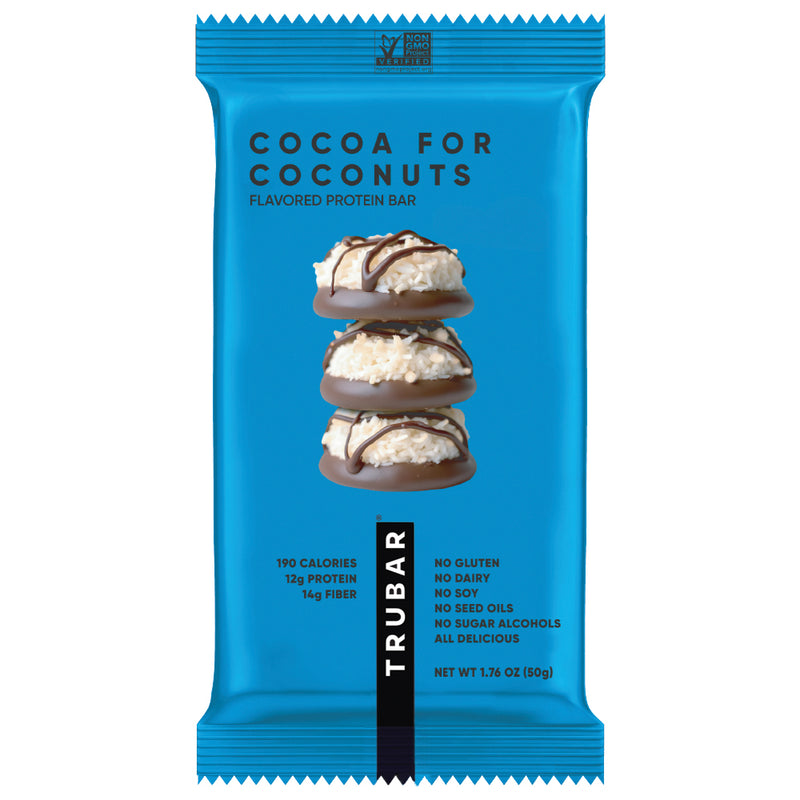 12g protein
Cocoa for Coconuts TRUBAR Nutrition and Protein Bar
Amazon returns policy · secure checkout
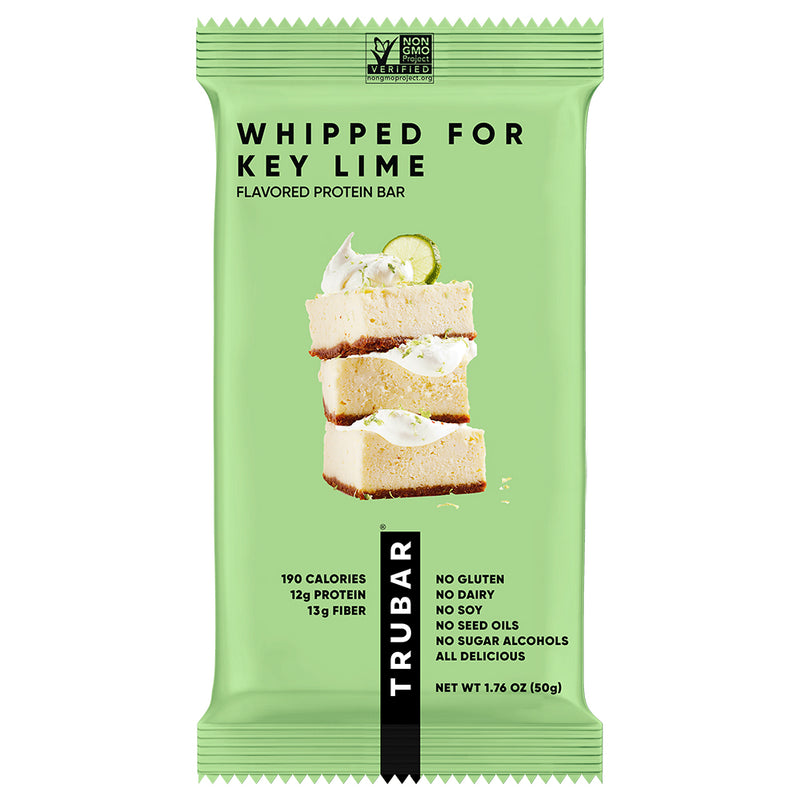 12g protein
Whipped For Key Lime TRUBAR Nutrition and Protein Bar
Amazon returns policy · secure checkout
Kodiak Cakes Nutrition Facts: All Product Lines at a Glance
Kodiak Cakes organizes its pancake and waffle products into three main lines: the classic Power Cakes (whole grain, whey protein), the Power Cups (single-serve microwaveable), and the Carb-Conscious line (almond flour base, lower carbs). All figures below are per labeled serving and are cross-verified from multiple nutrition databases and retail product listings.
| Product | Serving | Calories | Protein | Total Carbs | Fiber | Total Sugar | Fat |
|---|---|---|---|---|---|---|---|
| Power Cakes Buttermilk & Vanilla (dry mix + water) | ½ cup (56g) | 190 | 14g | 30g | 4g | 3g | 2.5g |
| Power Cakes Dark Chocolate (dry mix + water) | ½ cup (56g) | 200 | 14g | 31g | 4g | 7g | 3g |
| Power Cakes Flapjack & Waffle Mix Original (dry + water) | ½ cup (56g) | 190 | 14g | 30g | 3g | 3g | 2g |
| Power Cups Buttermilk & Vanilla (microwaveable, prepared) | 1 cup (74g) | 240 | 12g | 38g | 3g | 8g | 5g |
| Carb-Conscious Flapjack Mix (dry + water) | ½ cup (56g) | 190 | 14g | 15g | 5g | 2g | 8g |
| Carb-Conscious Waffle Mix (dry + water) | ½ cup (56g) | 200 | 14g | 16g | 5g | 2g | 9g |
Several patterns emerge from this comparison. First, the core Power Cakes dry mix lines are remarkably consistent: all deliver 14g of protein per ½ cup dry serving regardless of flavor, with calories ranging from 190–200. Second, the Power Cups deliver slightly less protein (12g) in a larger serving because the cup includes a different ingredient ratio; the per-gram protein density is lower than the bulk dry mix. Third, the Carb-Conscious line achieves its lower-carb profile by substituting almond flour for a portion of the wheat flour, which raises fat (8–9g vs. 2–2.5g in the classic) and cuts total carbs by roughly half (15–16g vs. 30g) while holding protein constant at 14g.
What Makes Kodiak Cakes High in Protein?
Most conventional pancake mixes — Bisquick, store brands — deliver 3–5g of protein per comparable serving, almost entirely from refined wheat flour. Kodiak Cakes reaches 14g per ½ cup dry serving through two structural differences:
- 100% whole grain flour base. Kodiak uses whole grain wheat flour and whole grain oat flour rather than refined white flour. Whole grain flour retains the bran and germ, which contain more protein and fiber than the endosperm alone, contributing a few extra grams of protein per serving versus a white-flour base.
- Added whey protein concentrate. Whey protein concentrate is an explicit ingredient in the Power Cakes line. This is the primary driver of the elevated protein count. Whey is a complete protein with all essential amino acids and high leucine content, making the protein in Kodiak Cakes nutritionally equivalent to what you would get from mixing conventional pancake batter with a partial scoop of protein powder — just formulated in from the start.
The practical result: cooking one serving of Kodiak Cakes Power Cakes (just add water, ½ cup dry) produces a stack of 3–4 pancakes with roughly the same protein as two large eggs for 190 calories. That protein density is genuinely meaningful for a carbohydrate-forward food like pancakes.
Kodiak Power Cups: Microwaveable Convenience
The Power Cups are single-serve, microwaveable flapjack cups sold pre-portioned in individual packaging. Add water to the fill line, microwave 65–75 seconds, eat from the cup. Per prepared cup (74g):
- Calories: 240
- Protein: 12g
- Total Carbohydrates: 38g
- Fiber: 3g
- Total Sugars: 8g
- Fat: 5g
The Power Cups deliver slightly less protein per serving than the bulk dry mix (12g vs. 14g) at more total calories (240 vs. 190). The trade-off is maximum convenience: no mixing bowl, no stovetop, no cleanup. They are a credible high-protein breakfast option for office or travel contexts where cooking is not possible. Available in Buttermilk & Vanilla, Dark Chocolate, and Blueberry flavors.
Kodiak Carb-Conscious Line
The Carb-Conscious line uses a partially almond flour–based formulation to cut total carbohydrates roughly in half versus the classic Power Cakes. Per ½ cup (56g) dry serving prepared with water:
- Calories: 190–200
- Protein: 14g
- Total Carbohydrates: 15–16g (vs. 30g in classic Power Cakes)
- Fiber: 5g
- Net Carbs (total minus fiber): approximately 10–11g per serving
- Fat: 8–9g (vs. 2–2.5g in classic — from almond flour)
- Total Sugar: ~2g
The Carb-Conscious line is not technically ketogenic (10–11g net carbs per serving), but it fits comfortably into lower-carbohydrate eating patterns and is a reasonable choice for people tracking net carbs. Protein remains at 14g per serving, so protein density is equivalent to the classic line. The higher fat from almond flour also increases satiety relative to the lower-fat classic formulation.
Kodiak Cakes vs. Conventional Pancake Mix and Other High-Protein Breakfasts
The most useful comparison is Kodiak vs. common high-protein breakfast alternatives at a similar calorie level — not just other protein pancake mixes, which remain a sparse category.
| Option | Calories | Protein | Protein / 100 cal | Notes |
|---|---|---|---|---|
| Kodiak Power Cakes (½ cup dry + water) | 190 | 14g | 7.4g | Whole grain + whey |
| Kodiak Carb-Conscious (½ cup dry + water) | 190 | 14g | 7.4g | ~10g net carbs |
| Conventional Pancake Mix (½ cup dry) | ~200 | 4–5g | ~2g | Refined flour, minimal protein |
| 2 Large Eggs (scrambled, no oil) | 140 | 12g | 8.6g | Complete protein, zero carbs |
| Chobani Nonfat Plain Greek Yogurt (5.3oz) | 80 | 14g | 17.5g | Much higher protein density |
| siggi’s Nonfat Plain (5.3oz) | 100 | 17g | 17g | Higher protein density |
Kodiak Power Cakes delivers 14g protein per 190 calories — respectable in absolute terms, but lower protein density (7.4g per 100 cal) than Greek yogurt options (12.5–17.5g per 100 cal) or eggs (8.6g per 100 cal). The key advantage Kodiak provides is format: if you want pancakes or waffles specifically, Kodiak is the highest-protein version of that food available at mainstream US grocery chains. If your goal is maximum protein efficiency at breakfast, Greek yogurt or eggs reach that goal with fewer calories per gram of protein. For a full range of options, browse the protein snacks directory.
How to Maximize Protein When Cooking Kodiak Cakes
Kodiak’s just-add-water formula is the baseline at 14g protein per serving. Several simple substitutions push that number higher:
- Use milk instead of water. Substituting 1% milk for water adds approximately 8g of protein per cup of milk. For a ½ cup dry mix that typically requires about ⅔ cup of liquid, the swap adds roughly 5–6g of additional protein, bringing one serving to approximately 19–20g total protein.
- Add one egg. Mixing in one egg instead of part of the water raises protein by approximately 6g per egg and improves the fat profile of the finished pancakes.
- Stir in plain Greek yogurt. A tablespoon or two of plain nonfat Greek yogurt can replace part of the liquid. It thickens the batter and adds 2–4g of additional protein with minimal flavor impact.
- Scale the dry mix portion. Using ¾ cup dry (84g) rather than ½ cup scales protein from 14g to approximately 21g while proportionally raising calories to about 285 — still within a reasonable range for a meal-sized portion.
Is Kodiak Cakes Healthy?
For a pancake mix, yes — it is meaningfully more nutritious than conventional alternatives. Whether it fits your specific goals depends on context:
- For weight management: Kodiak Power Cakes at 190 calories and 14g protein is reasonable if pancakes are your target format. The 30g of total carbs and 4g of fiber give a moderate glycemic load. The Carb-Conscious line (15–16g total carbs) fits tighter carbohydrate targets better.
- For muscle building: 14g protein per serving is at the lower end of an effective post-workout protein dose. Pairing Kodiak pancakes with eggs, Greek yogurt, or a glass of milk easily brings a full breakfast meal to 25–35g total protein, which falls within the range associated with optimal muscle protein synthesis stimulation.
- For dietary fiber: The 4–5g of dietary fiber per serving — from 100% whole grain wheat and oat flour — is a genuine nutritional advantage over refined-flour mixes and over most protein bars, which deliver 1–3g fiber per serving.
- For sugar content: The classic Power Cakes line has just 3g of total sugar per ½ cup dry serving. This is low for a pancake product, achieved without sugar alcohols or artificial sweeteners.
- For people with gluten sensitivity or celiac disease: Kodiak Cakes are NOT gluten-free. 100% whole grain wheat is the primary ingredient. People with celiac disease or gluten intolerance must avoid Kodiak Cakes standard products.
Frequently Asked Questions
How much protein is in Kodiak Cakes?
The Power Cakes Buttermilk & Vanilla pancake and waffle mix delivers 14g of protein per ½ cup (56g) dry serving prepared with water only. The Power Cups (microwaveable) deliver 12g per prepared cup (74g). The Carb-Conscious line delivers 14g per ½ cup dry serving. Protein comes from a blend of 100% whole grain wheat flour and added whey protein concentrate.
How many calories are in Kodiak Cakes?
The classic Power Cakes dry mix is 190–200 calories per ½ cup (56g) dry serving prepared with water. Power Cups are 240 calories per prepared cup. The Carb-Conscious line is 190–200 calories per ½ cup dry serving prepared with water. Calories increase if you prepare Kodiak pancakes with milk instead of water or add eggs.
Does Kodiak Cakes have a lot of sugar?
The classic Power Cakes dry mix has only 3g of total sugar per ½ cup dry serving (just-add-water formula) — low for a pancake product. The Dark Chocolate variety has 7g of total sugar per serving. The Power Cups have 8g total sugar per prepared cup. The Carb-Conscious line has approximately 2g of total sugar per dry serving. No artificial sweeteners or sugar alcohols are used in any Kodiak Cakes line.
Is Kodiak Cakes 100% whole grain?
Yes. Kodiak Cakes Power Cakes uses 100% whole grain wheat flour and whole grain oat flour as primary ingredients. This is a key differentiator from conventional pancake mixes, which typically use refined white flour. The whole grain base contributes 4–5g of dietary fiber per serving and more protein than refined-flour alternatives.
Is Kodiak Cakes gluten-free?
No. The Power Cakes line and most Kodiak products are made with 100% whole grain wheat flour and are NOT gluten-free. People with celiac disease or non-celiac gluten sensitivity should avoid standard Kodiak Cakes products. Kodiak does not currently offer a certified gluten-free pancake mix line in wide distribution.
Bottom line: Kodiak Cakes Power Cakes Buttermilk & Vanilla delivers 14g of protein per ½ cup dry serving using a just-add-water formula — the highest-protein widely available pancake mix in the US, achieved through 100% whole grain flour and added whey protein concentrate. The Carb-Conscious line maintains 14g protein while cutting total carbs to 15–16g per serving. Power Cups bring the same high-protein pancake experience in a microwaveable single-serve format at 12g protein per cup. While Kodiak’s protein density (7.4g per 100 cal) does not rival Greek yogurt or eggs, it is genuinely high for the pancake category and far above any conventional mix. For more high-protein breakfast and snack options, explore the protein snacks directory.
Shop our top high-protein picks
Editor-selected high-protein options related to this guide. As an Amazon Associate we may earn from qualifying purchases.
18g protein12g proteinCocoa for Coconuts TRUBAR Nutrition and Protein Bar
Amazon returns policy · secure checkout
12g proteinWhipped For Key Lime TRUBAR Nutrition and Protein Bar
Amazon returns policy · secure checkout
Tags
High Protein Snacks Pro Editorial Team
Independently researched and editorially reviewed. We compare real nutrition labels and never accept payment for coverage.
Get the best new protein snacks in your inbox
Weekly picks and honest reviews — no spam, unsubscribe anytime.
More from the journal
Best Protein Oatmeal Brands 2026: 7 Picks Ranked by Protein, Sugar, and Real Ingredient Quality
Kodiak PEAK delivers 20g of protein per instant packet at 290 calories — the most protein of any hot oatmeal packet in mainstream grocery. Bob's Red Mill Protein Oats gets to 10g with one ingredient (hulless oats, no added protein powder). This is every major protein oatmeal brand in 2026 ranked by verified protein per serving, added sugar, and ingredient quality — including which ones actually deliver on the protein claim and which pad it with cheap additives.
Read more
Chobani Zero Sugar Nutrition Facts (2026): 11g Protein, 60 Calories, and Why the 0g Sugar Claim Is Real
Chobani Zero Sugar Greek yogurt delivers 11g of protein at 60 calories per 5.3oz cup with genuinely 0g of total sugar — not a rounding trick. It achieves zero sugar by substituting allulose (a rare sugar the FDA exempts from the sugar count) and stevia leaf extract for the natural milk sugars filtered out during ultra-filtration. Full 2026 nutrition label for all flavors, comparison against Two Good, Oikos Triple Zero, and regular Chobani, plus an honest breakdown of whether the carb count matters for low-carb or diabetic diets.
Read more
Fairlife Milk Nutrition Facts 2026: 13g Protein per Cup, Lactose-Free — Full Label Breakdown
Fairlife ultra-filtered whole milk delivers 13g of protein and 6g of sugar per 8 fl oz cup — 62% more protein and 50% less sugar than regular whole milk, with zero lactose. Complete 2026 nutrition label breakdown for whole, 2%, and fat-free varieties, with honest price and taste comparison to regular milk.
Read more