Best Protein Pancakes and Waffles for a High Protein Breakfast Snack
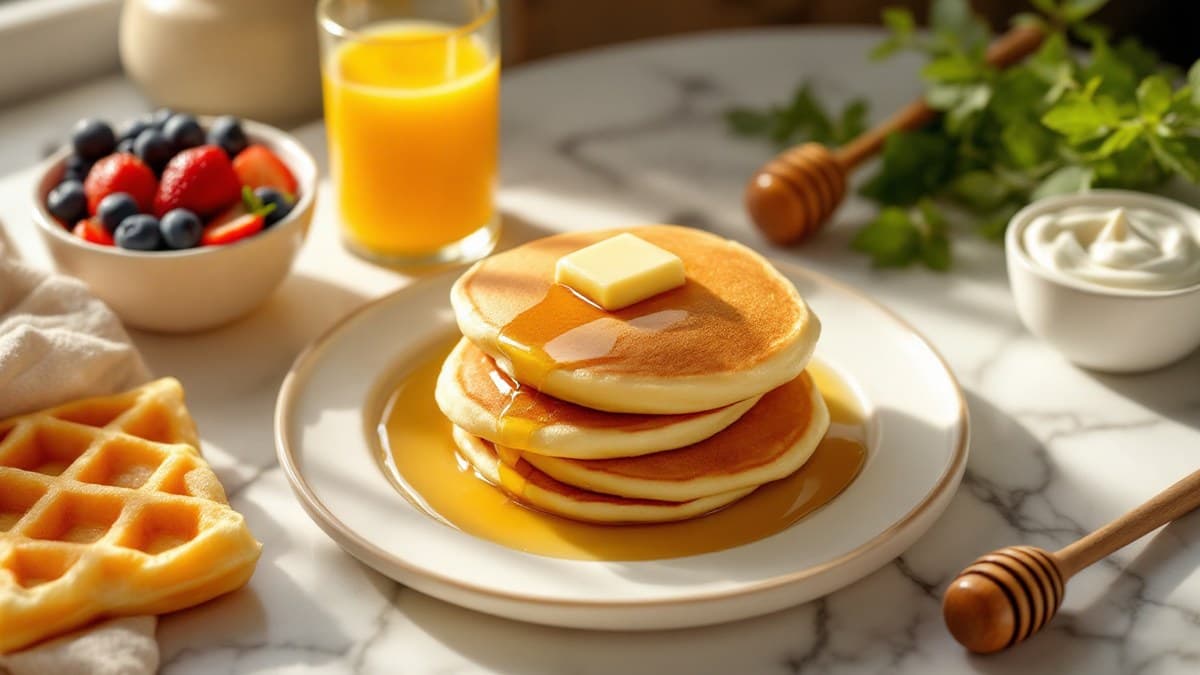
The pancake mix itself only carries part of the protein — most "protein pancake" claims lean on the eggs and milk the recipe calls for, not just what's in the box. Here's how to actually get a high-protein stack, with the topping math most guides skip.
The short answer
Our top high-protein picks
Editor-selected and ready to buy. As an Amazon Associate we may earn from qualifying purchases.
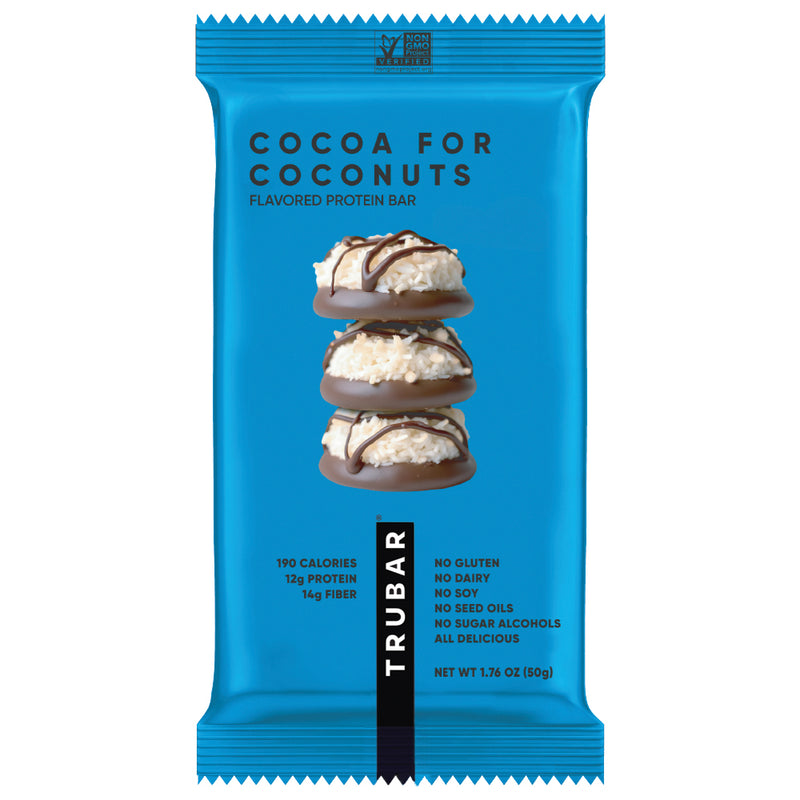 12g protein
Cocoa for Coconuts TRUBAR Nutrition and Protein Bar
Amazon returns policy · secure checkout
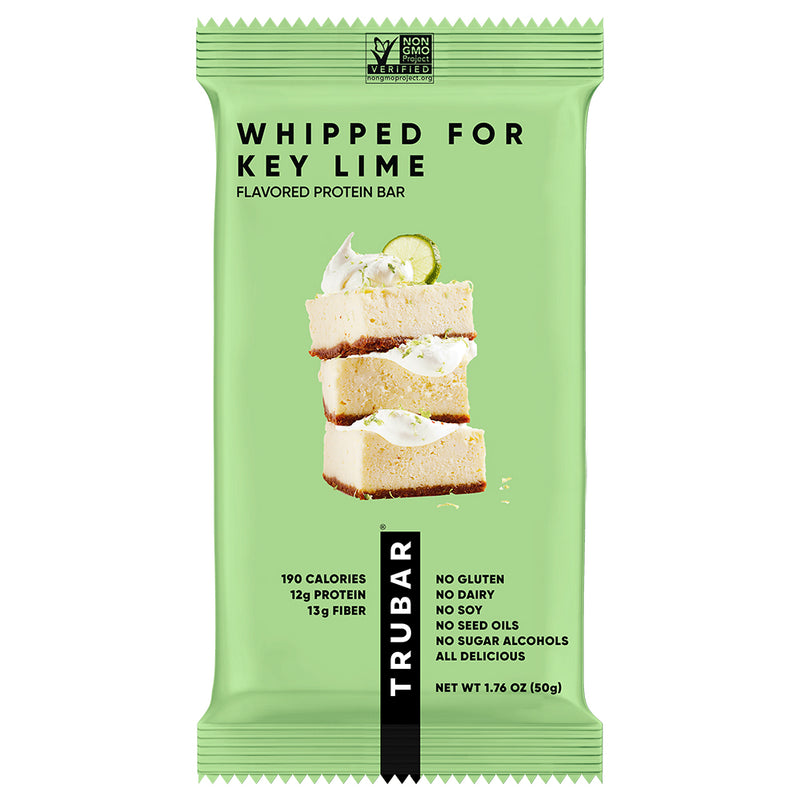 12g protein
Whipped For Key Lime TRUBAR Nutrition and Protein Bar
Amazon returns policy · secure checkout
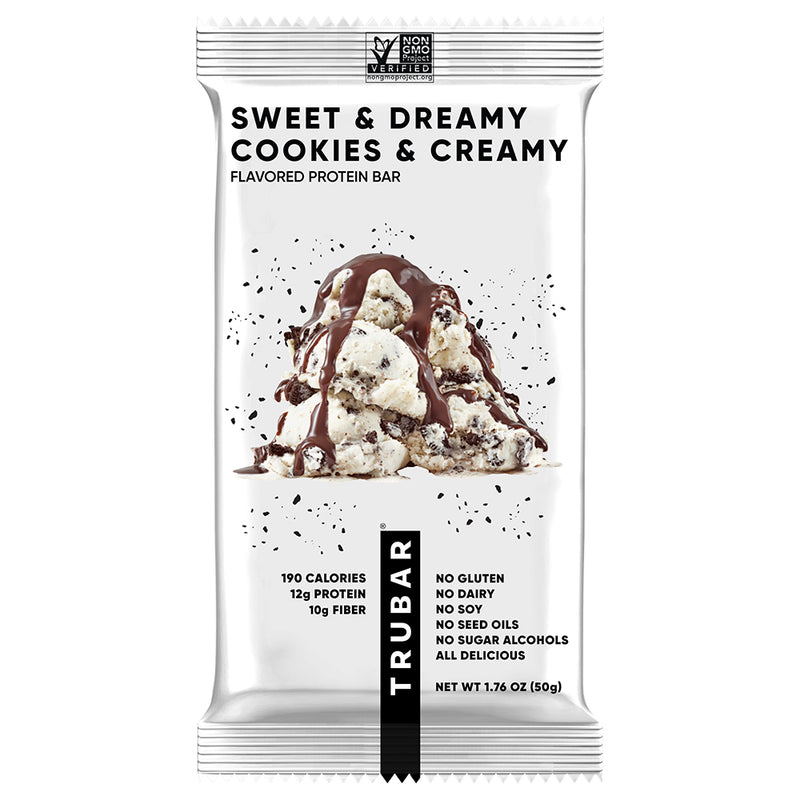 12g protein
Sweet & Dreamy, Cookies & Creamy
Amazon returns policy · secure checkout
Where the Protein Actually Comes From
| Component | Serving | Protein | Source |
|---|---|---|---|
| Protein pancake mix, made with water only | 3 pancakes | ~14g | Brand's own printed label (Kodiak Power Cakes) |
| Same mix, made with milk + 1 egg instead of water | 3 pancakes | ~20g | Mix protein + 1 large egg (6g, USDA) + milk swap |
| Large egg | 1 egg | 6g | USDA generic value |
| Whole milk | 1 cup | 8g | USDA generic value |
| Plain Greek yogurt topping | 1/2 cup | ~10–12g | USDA generic value, plain nonfat |
The practical takeaway: swapping water for milk and one egg in a standard mix adds roughly 14g of protein for very little extra effort, and it's a bigger single lever than switching brands of mix.
Building an Actually High-Protein Stack
The mix matters less than the liquid you use
Most protein pancake and waffle mixes are formulated to be made with water for convenience, and the front-of-box protein number usually reflects that water-only preparation. Checking the package instructions for a milk-and-egg version (most mixes list both) and using that instead is the single easiest way to raise the protein total without buying a different product.
Plain Greek yogurt beats syrup as a topping
A half-cup of plain Greek yogurt adds roughly 10–12g of protein and a tangy contrast that works well against pancakes' sweetness — compared to maple syrup, which adds protein-free sugar calories with nothing else. A drizzle of honey on top of the yogurt keeps most of the sweetness people actually want.
Nut butter adds protein and staying power
A tablespoon of peanut or almond butter carries roughly 3.5–4g of protein (USDA generic) and enough fat to slow digestion, which helps a carb-heavy pancake stack hold you longer than syrup alone would.
Cottage cheese blended into the batter
Blending a half-cup of cottage cheese into pancake or waffle batter before cooking adds roughly 14g of protein and extra moisture, and the flavor mostly disappears into the batter once cooked — a real technique, not a novelty. See our cottage cheese snacks guide for more on why the protein type matters.
Egg-white-forward waffles for the highest protein-to-carb ratio
A homemade waffle batter built around egg whites plus a smaller amount of flour (rather than flour-first, egg-optional) pushes protein meaningfully higher relative to carbs than a standard boxed mix — the trade-off is it takes real cooking rather than a pour-and-flip mix.
What to Watch For
Frozen "protein" waffles sold in the freezer aisle often carry only 5–7g of protein per waffle despite front-of-box protein branding — check the actual nutrition panel rather than the marketing callout, the same rule that applies to any packaged "protein" product. And syrup, regardless of how the pancakes underneath were made, adds roughly 50 calories and 13g of sugar per tablespoon with zero protein — it's the topping most likely to undo the math a high-protein mix or add-in just built.
Frequently Asked Questions
Do protein pancakes actually have more protein than regular pancakes?
The mix itself usually does, but the gap is smaller than marketing suggests once you compare like-for-like preparation. A standard buttermilk pancake mix made with milk and egg can carry 8–10g of protein for a similar serving, versus roughly 14–20g for a protein-formulated mix prepared the same way. The bigger lever, in either case, is what you make it with and put on top.
Is it better to use water or milk with a protein pancake mix?
Milk, if the goal is protein. Water is what most mixes are formulated and labeled for by default because it's simpler and shelf-stable, but swapping in milk (and an egg, if the recipe allows it) adds real protein with minimal extra effort or cost.
What's the healthiest topping for protein pancakes?
Plain Greek yogurt and fresh fruit add protein, fiber, and volume without much added sugar. Syrup, chocolate chips, and whipped cream add calories and sugar with no protein, which is the exact trade-off that turns a protein-forward breakfast back into a dessert.
Can I make protein waffles ahead and freeze them?
Yes — cooked pancakes and waffles freeze well for 1–2 months and reheat directly from frozen in a toaster, which makes batch-cooking a full recipe on the weekend a realistic way to have a high-protein breakfast on hand without cooking daily.
Bottom line: the protein in a stack of pancakes or waffles comes from the mix, the liquid you prepare it with, and what you put on top — not just the box. Swap water for milk and an egg, top with Greek yogurt instead of syrup, and a standard mix can carry 20g of protein instead of 14g with almost no extra effort. Compare more high-protein breakfast options in the protein snacks directory.
Shop our top high-protein picks
Editor-selected high-protein options related to this guide. As an Amazon Associate we may earn from qualifying purchases.
12g proteinCocoa for Coconuts TRUBAR Nutrition and Protein Bar
Amazon returns policy · secure checkout
12g proteinWhipped For Key Lime TRUBAR Nutrition and Protein Bar
Amazon returns policy · secure checkout
12g proteinSweet & Dreamy, Cookies & Creamy
Amazon returns policy · secure checkout
Tags
High Protein Snacks Pro Editorial Team
Independently researched and editorially reviewed. We compare real nutrition labels and never accept payment for coverage.
Get the best new protein snacks in your inbox
Weekly picks and honest reviews — no spam, unsubscribe anytime.
More from the journal
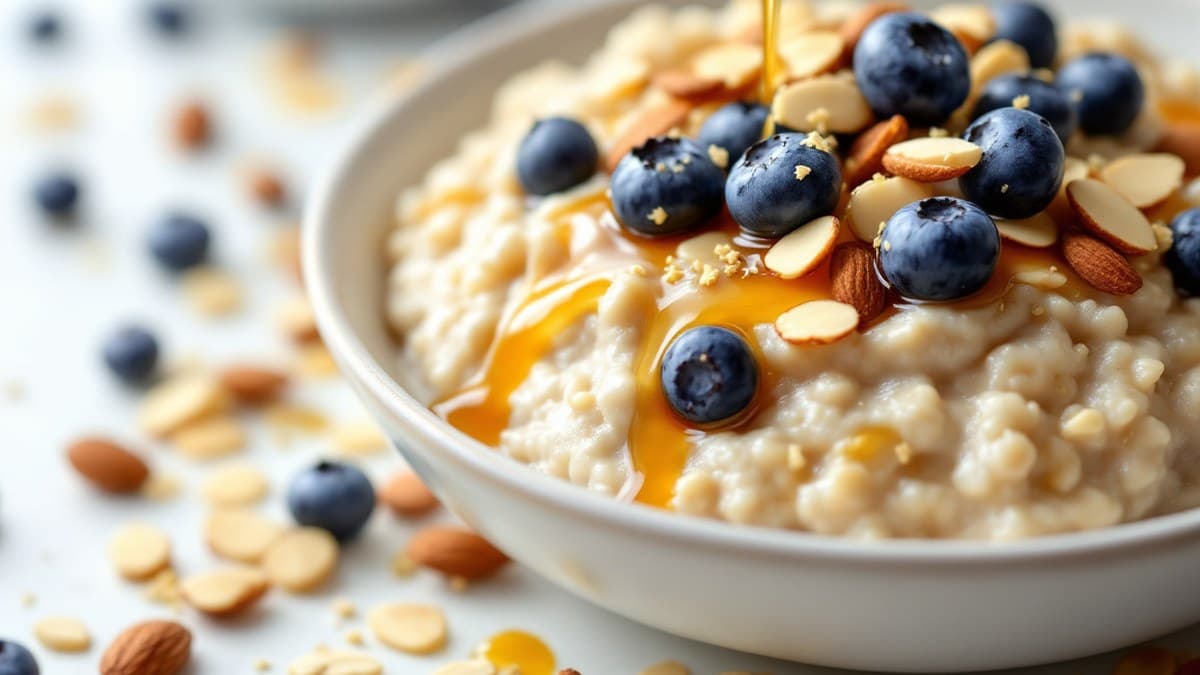
Best Protein Oatmeal Brands 2026: 7 Picks Ranked by Protein, Sugar, and Real Ingredient Quality
Kodiak PEAK delivers 20g of protein per instant packet at 290 calories — the most protein of any hot oatmeal packet in mainstream grocery. Bob's Red Mill Protein Oats gets to 10g with one ingredient (hulless oats, no added protein powder). This is every major protein oatmeal brand in 2026 ranked by verified protein per serving, added sugar, and ingredient quality — including which ones actually deliver on the protein claim and which pad it with cheap additives.
Read more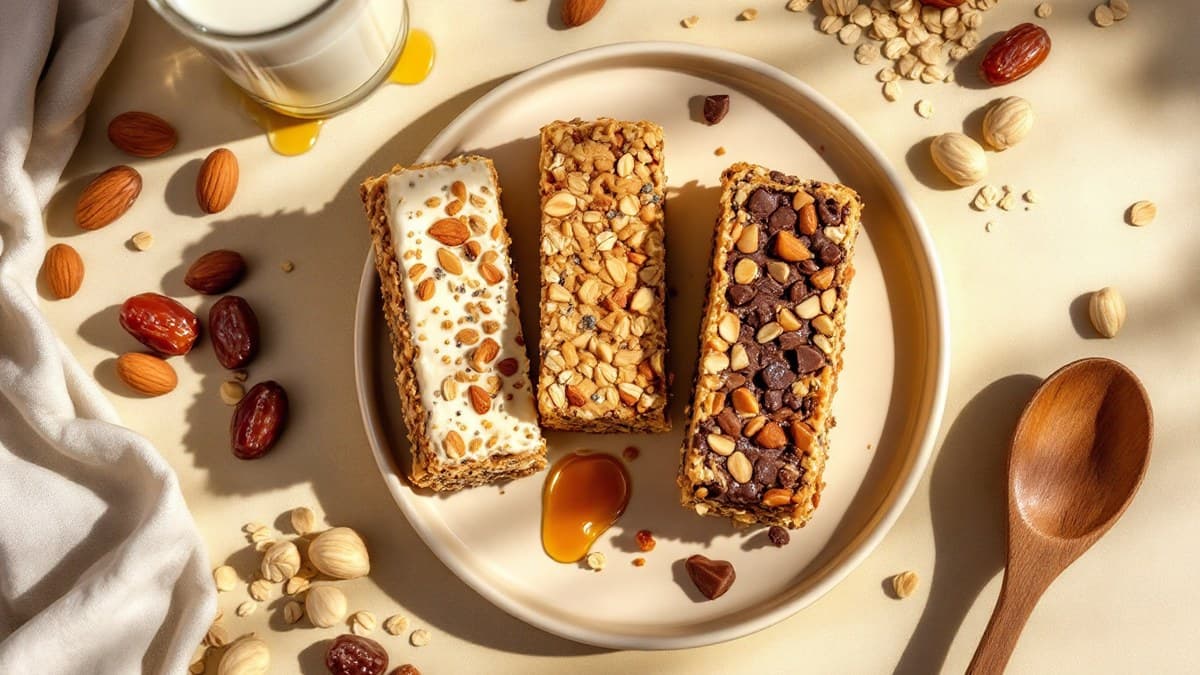
Best Breakfast Protein Bars 2026: 5 Real Whole-Food Picks Ranked by Ingredients, Protein, and Morning Staying Power
The best breakfast protein bar in 2026 is KIND Breakfast Protein Almond Butter — literally built and branded for breakfast, with 8g of protein, 6g of fiber, and a whole-nut and grain base sweetened with honey. For a whole-food refrigerated pick, Perfect Bar Peanut Butter delivers 15g of protein and roughly 20 organic superfoods at meal-replacement scale. Five real breakfast protein bars ranked strictly by ingredient quality, protein, and morning staying power — every macro number verified from each brand's own 2026 nutrition panel.
Read more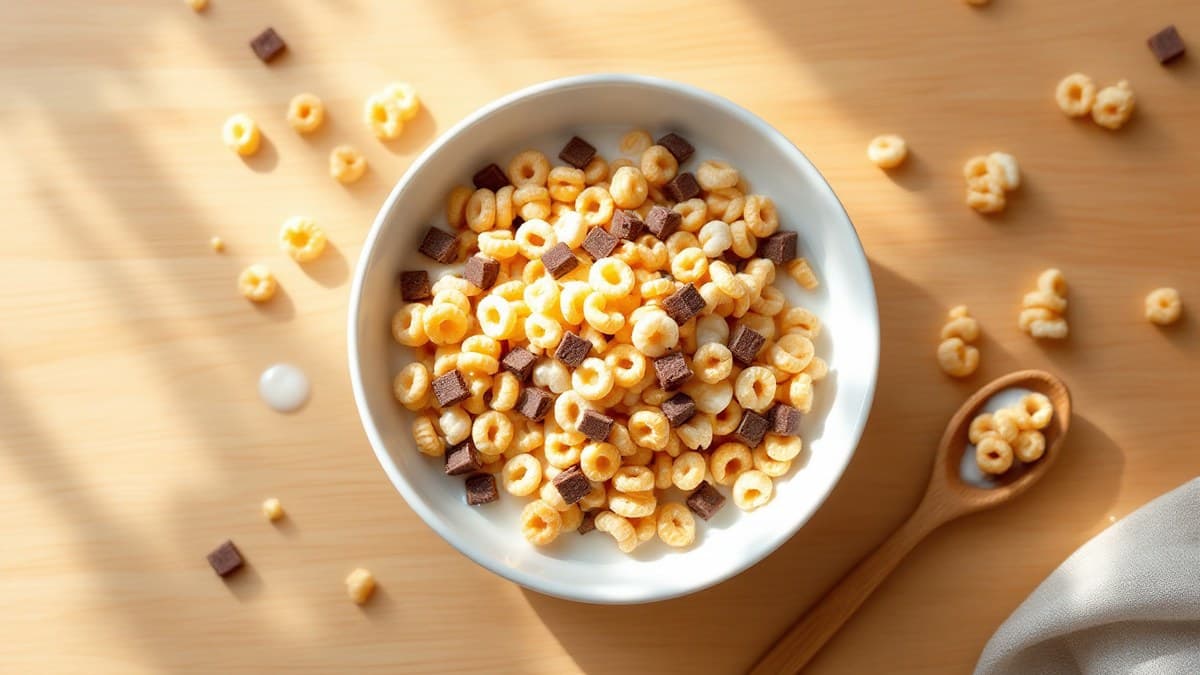
Best Protein Cereal 2026: 7 High-Protein Cereals Ranked by Protein, Sugar, and Cost Per Gram
Magic Spoon Frosted delivers 12g of protein and 0g of sugar per 35g (~1 cup) serving for about $1.32 per serving. Kashi GO Original wins on price per gram of protein at grocery — 13g of protein and 8g of fiber for roughly $0.55 per serving. This is every popular high-protein cereal in 2026 ranked by real per-serving protein, sugar, fiber, and cost per gram of protein — plus which ones are honest value and which trade the front-of-box protein claim for a heavy sugar load.
Read more