Best High-Protein Cottage Cheese Brands 2026: MULU Leads at 18g Per Serving, Good Culture and Friendship Dairies Close Behind
MULU — a brand-new cottage cheese from Dairy Farmers of America launched in April 2026 — delivers 18g of protein per half-cup at 100 calories, 33% more than Daisy or Breakstone's. Good Culture 2% is the clean-label runner-up at 14g per half-cup (80 cal, 340mg sodium, four-ingredient label). The biggest hidden variable across all brands is sodium: Daisy 2% runs ~400mg per serving while Breakstone's runs just 280mg. Every major cottage cheese brand compared by protein, sodium, calories, and ingredient quality.
The short answer
Our top Greek yogurt picks
Editor-selected and ready to buy. As an Amazon Associate we may earn from qualifying purchases.
 10g protein
 12g protein18g protein
Which cottage cheese has the most protein?
Most protein per serving: MULU 2% Low-Fat — 18g per half-cup at 100 cal (Walmart, $4.26 for 16oz). Best protein-to-calorie ratio with clean label: Good Culture 2% — 14g per half-cup at 80 cal, 340mg sodium, four-ingredient label. Best protein without MULU: Friendship Dairies 2% at 15g per half-cup, 90 cal — but ~390mg sodium. Most widely available, lower sodium than expected: Daisy 2% at 13g per half-cup, 90 cal, approximately 330–350mg sodium (simple three-ingredient list). Lowest sodium overall: Breakstone’s 2% at 280mg — but uses tapioca starch and runs more sugar (4g) than other brands. All sodium figures are a meaningful share of the AHA’s 2,300mg/day cap, so portion size matters if you eat more than one serving per day.
High-Protein Cottage Cheese Brands 2026: Full Comparison
All figures are per labeled half-cup serving (approximately 113g unless noted). Sodium and protein are the two most decision-relevant numbers in this category — they vary more across brands than calories or fat. Numbers confirmed from brand nutrition panels, press releases, and major retailer listings (Walmart, Instacart). Any figure I could not verify to at least two independent sources is marked as approximate (~).
| Brand / Variety | Serving | Cal | Protein | Sodium | Fat | Sugar | Additives |
|---|---|---|---|---|---|---|---|
| MULU 2% Low-Fat | 1/2 cup | 100 | 18g | 380mg | 2g | 1g | None (whey + casein blend) |
| MULU 4% Whole Milk | 1/2 cup | 120 | 18g | 380mg | 5g | 1g | None (whey + casein blend) |
| Friendship Dairies 2% | 1/2 cup | 90 | 15g | ~390mg | 2.5g | ~3g | Vitamin A, CO2 preservative |
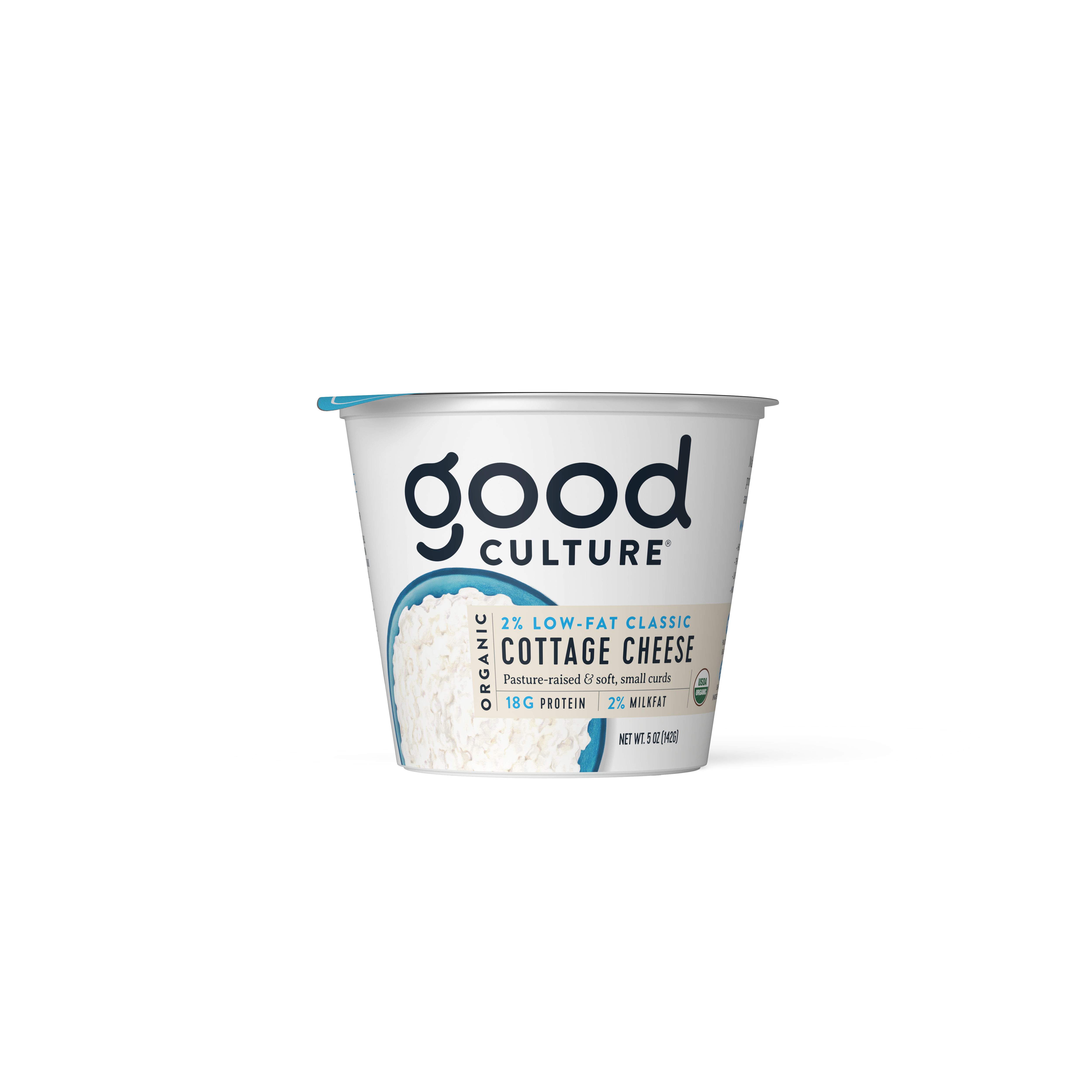
| Good Culture 2% | ~1/2 cup (110g) | 80 | 14g | 340mg | ~2g | ~3g* | None — 4-ingredient label |
| Muuna Lowfat | 5.3oz (150g) | 120 | 19g† | ~390mg† | ~2g | ~3g | Milk protein concentrate, potassium sorbate |
| Daisy 2% | 1/2 cup | 90 | 13g | 330–350mg | 2.5g | ~4g | None — 3-ingredient label |
| Breakstone’s 2% | 1/2 cup | 100 | 13g | 280mg | 2.5g | 4g | Tapioca starch, Vitamin A |
*Good Culture sugar is naturally occurring lactose from milk — 0g added sugar. The same is true across all plain cottage cheese brands listed here; none add sugar. †Muuna’s 5.3oz single-serve cup is a larger-than-standard serving; per half-cup (113g) the protein works out to approximately 14g and sodium to approximately 390mg — not materially higher protein than Good Culture or Friendship Dairies once normalized to the same serving size.
MULU: The New High-Protein Category Leader (April 2026)
MULU is the most significant development in cottage cheese since Good Culture launched its clean-label line. Backed by Dairy Farmers of America — the country’s largest dairy cooperative — MULU launched nationally at Walmart in April 2026 with one clear mandate: make cottage cheese a serious protein snack. The product delivers on that with 18g of protein per half-cup at 100 calories, or 18g of protein per 100 calories — the highest protein density of any mainstream US cottage cheese, and competitive with plain FAGE Total 0% Greek yogurt on that metric.
What makes MULU different nutritionally is its two-layer formulation. Standard cottage cheese protein is roughly 80% casein (slow-digesting) and 20% whey (fast-digesting). MULU reformulates the protein blend to include more fast-acting whey, which means its protein absorption profile is closer to a protein shake than standard cottage cheese. That is a meaningful advantage for post-workout use where fast leucine delivery matters more; for pre-sleep protein, the casein-heavy standard versions are actually preferable.
MULU is available in 16-ounce tubs in two varieties: 2% Low-Fat (100 cal, 18g protein) and 4% Whole Milk (120 cal, 18g protein). Both have 380mg of sodium per half-cup and only 1g of sugar. Current SRP at Walmart is $4.26 for a 16oz tub. As of mid-2026, MULU is Walmart-exclusive — not available at Target, Whole Foods, or Amazon.
The honest catch: 380mg of sodium per half-cup is not low. MULU sits in the middle of the sodium range for cottage cheese but is still a meaningful portion of the 2,300mg daily limit, especially if you eat a full cup (double serving = 760mg). The protein story is genuinely excellent; just account for sodium if you eat it daily.
Good Culture 2%: The Clean-Label Protein Runner-Up
Good Culture has been the premium cottage cheese choice since around 2016, and its 2% Low-Fat line remains the clearest pick for buyers who want a short ingredient list alongside solid protein. A half-cup (110g) of Good Culture 2% delivers 14g of protein at 80 calories, with 340mg of sodium — the lowest sodium of any non-MULU brand in this comparison. The ingredient list is four items: pasteurized cultured low-fat milk, cream, sea salt, and live cultures (S. thermophilus, L. bulgaricus, and Bifidobacterium BB-12). No gums, no modified food starch, no locust bean gum. This matters because most mainstream cottage cheese brands — including many not covered here — add gums to hold texture in low-fat formulations.
At 80 calories per half-cup with 14g of protein, Good Culture 2% delivers 17.5g of protein per 100 calories — second only to MULU (18g/100 cal) in this comparison. For buyers who want the best protein-to-calorie ratio in a widely available product from a brand that predates MULU’s Walmart exclusivity, Good Culture is the answer. Available at Target, Whole Foods, Sprouts, and Amazon.
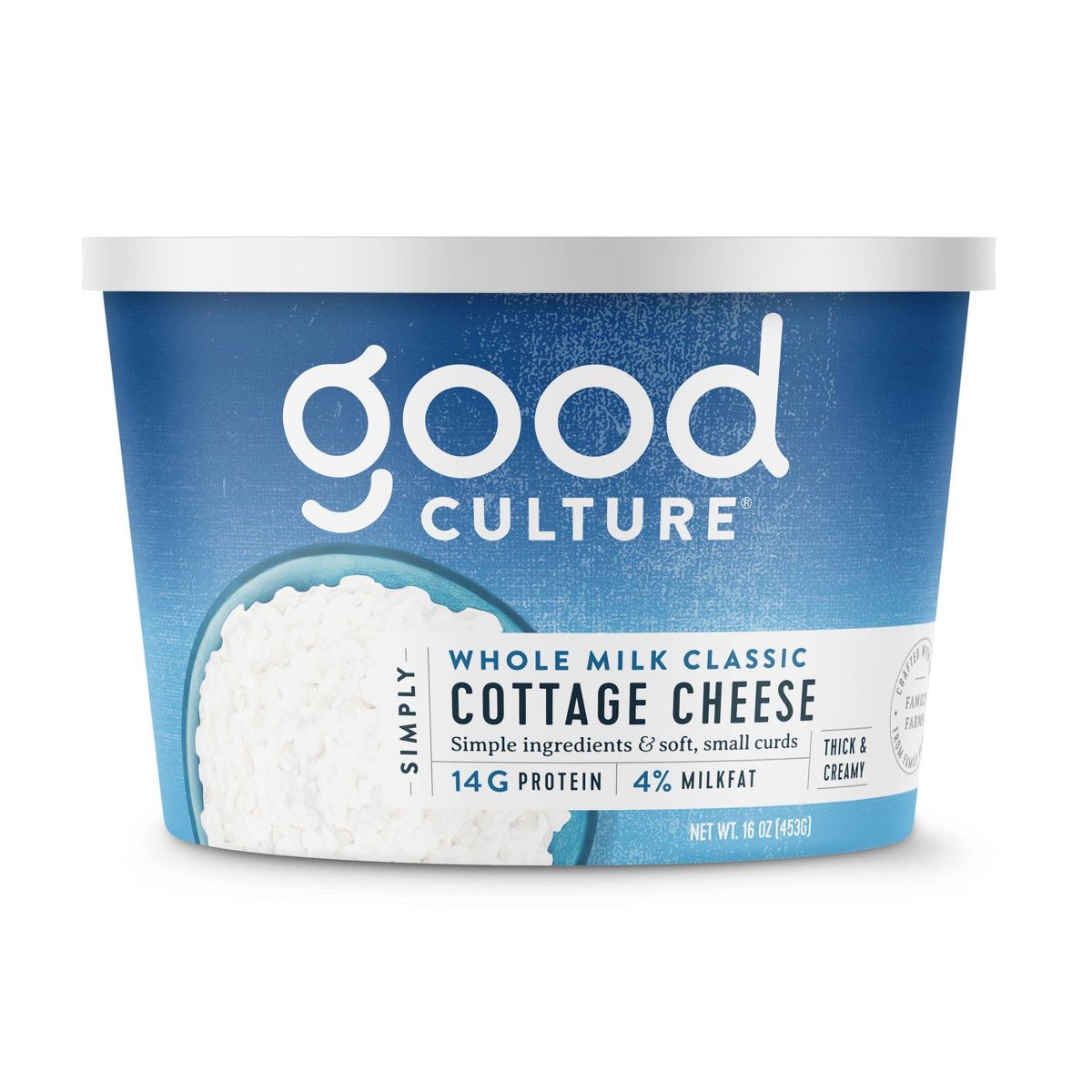
The Whole Milk 4% variety (covered in our best high-protein snacks of 2026 guide) delivers 14g protein at 110 calories in a 5.3oz single-serve cup — slightly fewer calories per half-cup than MULU’s whole milk version, with the same clean-label story.
Friendship Dairies 2%: Most Protein After MULU, but High Sodium
Friendship Dairies has been making cottage cheese since 1956 and remains a regional staple in the Northeast. Its 2% Milkfat Pot Style product delivers 15g of protein per half-cup (113g) at 90 calories — 2 more grams than Daisy or Breakstone’s at the same or fewer calories. The catch is the sodium: at 390mg per half-cup, it carries the highest sodium load of any brand in this comparison. For daily cottage cheese eaters, that is worth tracking. For buyers who want the highest protein-per-serving among the non-MULU brands that are available beyond Walmart (Friendship Dairies is at Publix, H-E-B, Kroger, and Amazon), Friendship Dairies 2% wins.
Note: Friendship Dairies also sells a No Salt Added version (available on Amazon), which eliminates nearly all sodium for buyers managing sodium intake. That version typically has slightly lower protein (around 12–13g per half-cup at a lower calorie count), but it’s the most obvious pick for anyone who likes cottage cheese but wants to cut the sodium entirely.
Daisy 2%: The Most Widely Available Mainstream Pick
Daisy is the most widely distributed cottage cheese brand in the US — available at virtually every major grocery chain, Walmart, and Target. Its 2% Milkfat variety delivers 13g of protein per half-cup at approximately 90 calories. The ingredient list is impressively short for a mainstream brand: cultured skim milk, cream, salt. No additives, no gums. That is the same clean-label approach Good Culture uses, and it is one reason Daisy has maintained a strong reputation despite being a mass-market product.
The sodium figure of approximately 400mg per half-cup is the highest among mainstream brands in this comparison — higher than Good Culture (340mg), Breakstone’s (280mg), and MULU (380mg). This is not unique to Daisy; most mainstream cottage cheese brands run 350–420mg per serving due to salt’s role in fermentation and preservation. The 5.3oz single-serve cups (available at Walmart and Target) deliver 17g of protein per cup at approximately 120 calories — simply because the cup holds 150g rather than the 113g half-cup serving size.
Breakstone’s 2%: Lowest Sodium, But More Sugar
Breakstone’s 2% Small Curd Cottage Cheese delivers 13g of protein per half-cup at 100 calories — the same protein as Daisy but with meaningfully lower sodium at 280mg. For buyers who eat cottage cheese daily and are managing sodium intake, Breakstone’s is the only mainstream brand that gets below 300mg per serving. The trade-off is 4g of sugar per half-cup, slightly more than most other brands in this comparison (which typically have 3g). The sugar is naturally occurring lactose from milk — not added sugar — but it is still more of it than Good Culture or MULU list. Breakstone’s is widely available at major grocery chains and Walmart, and is typically priced similarly to Daisy.
What About Muuna?
Muuna makes creamy small-curd cottage cheese in single-serve 5.3oz cups and is well-regarded for texture (creamier than most). Its Lowfat variety delivers 19g of protein per 5.3oz (150g) cup at 120 calories. That looks impressive until you normalize to the standard half-cup serving: 19g per 150g works out to approximately 14g per 113g (half-cup) — the same as Good Culture 2%. Muuna is not more protein-dense per serving; it just sells in a larger single-serve format. Where Muuna genuinely wins is texture: its small-curd formula is noticeably creamier than most low-fat options, and for people who find standard cottage cheese too watery, Muuna is the better eating experience. Available at Target, Whole Foods, and Sprouts.
Why Cottage Cheese Protein Is Mostly Casein — and Why That Matters
The protein in standard cottage cheese is approximately 80% casein and 20% whey — the same distribution as regular milk, but concentrated through the curdling process. Casein digests slowly, releasing amino acids over 5–7 hours rather than the 1–2 hours typical of whey. This is why cottage cheese is frequently recommended as a pre-sleep protein snack: a 1-cup serving delivers 26–36g of protein (depending on the brand) in a slow-release form that feeds muscle protein synthesis throughout the night.
Research on pre-sleep protein consistently points to 30–40g of casein as the effective dose for meaningfully increasing overnight muscle protein synthesis. A full cup of Daisy 2% (226g, two standard servings) delivers about 26g of protein; a full cup of MULU 2% delivers 36g — already in the research-supported range. For muscle building, the cottage cheese-before-bed strategy is one of the few timing interventions that has genuine research support, specifically because of the casein absorption profile.
MULU’s reformulation adds more fast-acting whey to the blend, which changes this profile. If you specifically want the slow-release casein benefit, standard cottage cheese brands (Daisy, Good Culture, Breakstone’s) deliver more of it. If you want faster protein delivery post-workout, MULU’s higher whey fraction has a functional advantage.
Cottage Cheese vs. Greek Yogurt: Which Has More Protein?
Plain FAGE Total 0% Greek yogurt delivers 18g of protein per 3/4 cup (170g) at 90 calories — 20g of protein per 100 calories. Good Culture 2% cottage cheese delivers 14g per half-cup (110g) at 80 calories — 17.5g per 100 calories. MULU closes that gap significantly: 18g protein at 100 calories = 18g per 100 calories.
For strictly comparing protein density per calorie, FAGE Total 0% edges out even MULU slightly (20g vs. 18g per 100 cal). But the products serve different purposes: cottage cheese is curlier and more savory, with a substantially higher casein fraction than Greek yogurt (which has had the whey removed in straining). Both are excellent high-protein dairy choices, and neither is wrong. See our high-protein yogurt brands comparison for the full Greek yogurt breakdown, and our FAGE Total 0% nutrition guide for the full FAGE data.
Frequently Asked Questions
Which cottage cheese has the most protein per serving in 2026?
MULU 2% Low-Fat, launched in April 2026 at Walmart, delivers 18g of protein per half-cup at 100 calories — the highest of any mainstream US cottage cheese brand. Among brands available beyond Walmart, Friendship Dairies 2% leads with 15g per half-cup at 90 calories, followed by Good Culture 2% at 14g per half-cup at 80 calories.
Is cottage cheese high in protein?
Yes, genuinely. Most 2% milkfat cottage cheese brands deliver 13–18g of protein per half-cup, primarily from casein — a complete protein containing all nine essential amino acids. One cup (two standard servings) of cottage cheese delivers 26–36g of protein depending on the brand, putting it in the same range as a protein bar or a protein shake. The catch is sodium: 280–400mg per half-cup, which adds up across multiple servings.
What is the best cottage cheese for muscle building?
For overnight muscle protein synthesis, any standard cottage cheese (Daisy, Good Culture, Breakstone’s) works well because of its high casein fraction. The research-supported pre-sleep dose is 30–40g of protein — achievable with 1–1.5 cups of any brand. MULU’s higher whey fraction makes it better for post-workout use; standard brands with more casein are better for pre-sleep. For the full muscle-building snack ranking, see our best protein snacks for muscle building guide.
Why does cottage cheese have so much sodium?
Salt is essential to the cottage cheese fermentation process — it draws whey out of the curds and controls the bacterial cultures. This is why even “clean label” cottage cheese with only three or four ingredients still has 280–400mg of sodium per serving. Friendship Dairies makes a No Salt Added version if you want to eliminate it entirely; otherwise, Breakstone’s 2% (280mg) is the lowest-sodium option among mainstream brands.
Is the sugar in cottage cheese added sugar?
No. The 1–4g of sugar shown on plain cottage cheese labels is naturally occurring lactose from milk — the same as in plain Greek yogurt. None of the brands compared here add sugar to their plain varieties. This means the total-sugar line on the label is slightly misleading if you’re watching “added sugar” specifically — zero added sugar across the board.
Is MULU cottage cheese only at Walmart?
As of mid-2026, yes. MULU launched as a Walmart-exclusive national rollout in April 2026 at an SRP of $4.26 for 16oz. It is not currently available at Target, Whole Foods, Sprouts, or Amazon. If MULU expands distribution, this answer will change, but as of the date of this article the product is Walmart-only.
Bottom line: MULU is the new protein leader in cottage cheese — 18g per half-cup at 100 calories, available at Walmart at $4.26/16oz. For buyers who want that level of protein at a retailer other than Walmart, Friendship Dairies 2% is the next-best option at 15g per half-cup (but check the 390mg sodium). Good Culture 2% is the clean-label, lowest-sodium choice at 14g protein per half-cup and 340mg sodium — available at Target and Whole Foods. Daisy is the most accessible and simplest, with 13g protein and a short ingredient list, but runs about 400mg sodium. Breakstone’s wins on lowest sodium (280mg) if that is the primary filter. For cottage cheese specifically as a pre-sleep protein strategy, any brand works — eat one full cup to hit the 26–36g pre-sleep protein target. Compare cottage cheese against other high-protein dairy options in our high-protein yogurt brands guide, or browse the full protein snacks directory.
Shop our top Greek yogurt picks
Editor-selected high-protein options related to this guide. As an Amazon Associate we may earn from qualifying purchases.
 14g protein
Classic Cottage Cheese
Amazon returns policy · secure checkout
10g protein12g proteinTags
High Protein Snacks Pro Editorial Team
Independently researched and editorially reviewed. We compare real nutrition labels and never accept payment for coverage.
Get the best new protein snacks in your inbox
Weekly picks and honest reviews — no spam, unsubscribe anytime.
More from the journal
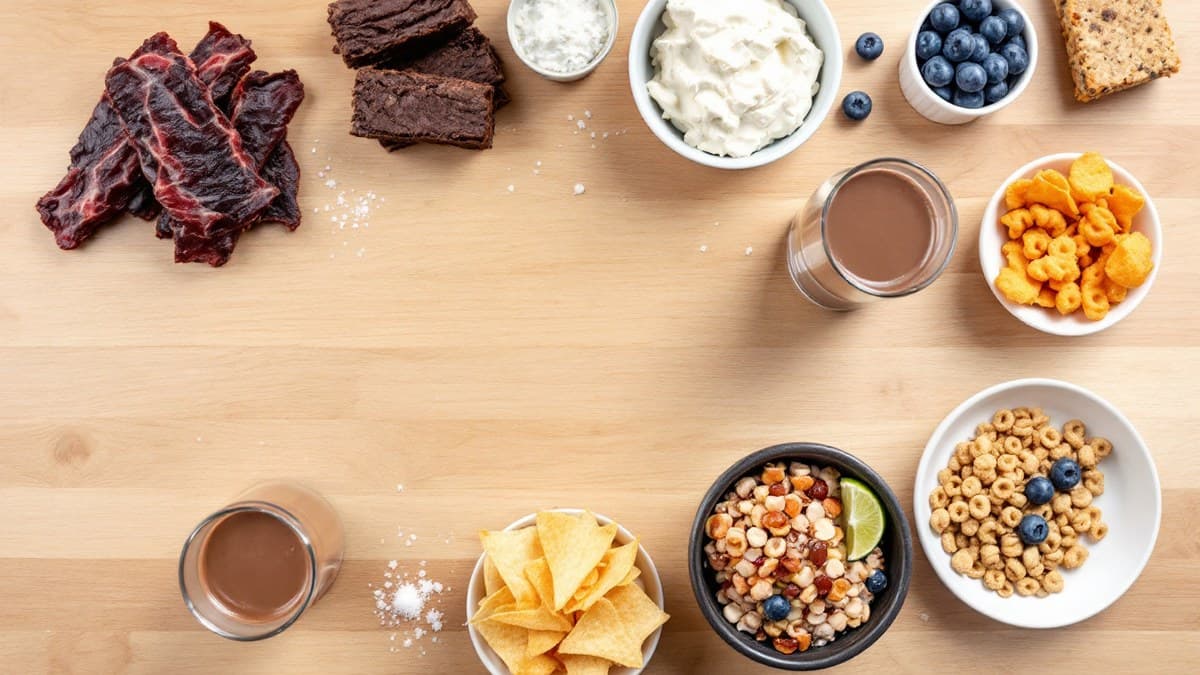
Best High-Protein Snacks (2026): 10 Category Winners Ranked by Verified Nutrition Labels
Country Archer Zero Sugar Classic is the best beef jerky, FAGE Total 0% is the best Greek yogurt, and Quest Chocolate Chip Cookie Dough is the best packaged protein bar — one verified pick per category across ten snack formats, ranked on real 2026 nutrition labels with honest sweetener and sodium disclosure. Every pick has 15g+ of protein per serving (or protein-per-100-calorie efficiency that matters more), a clean enough label to defend, and a tracked buy link — with the honest catches on each one so you can pick the right pick for your goal.
Read more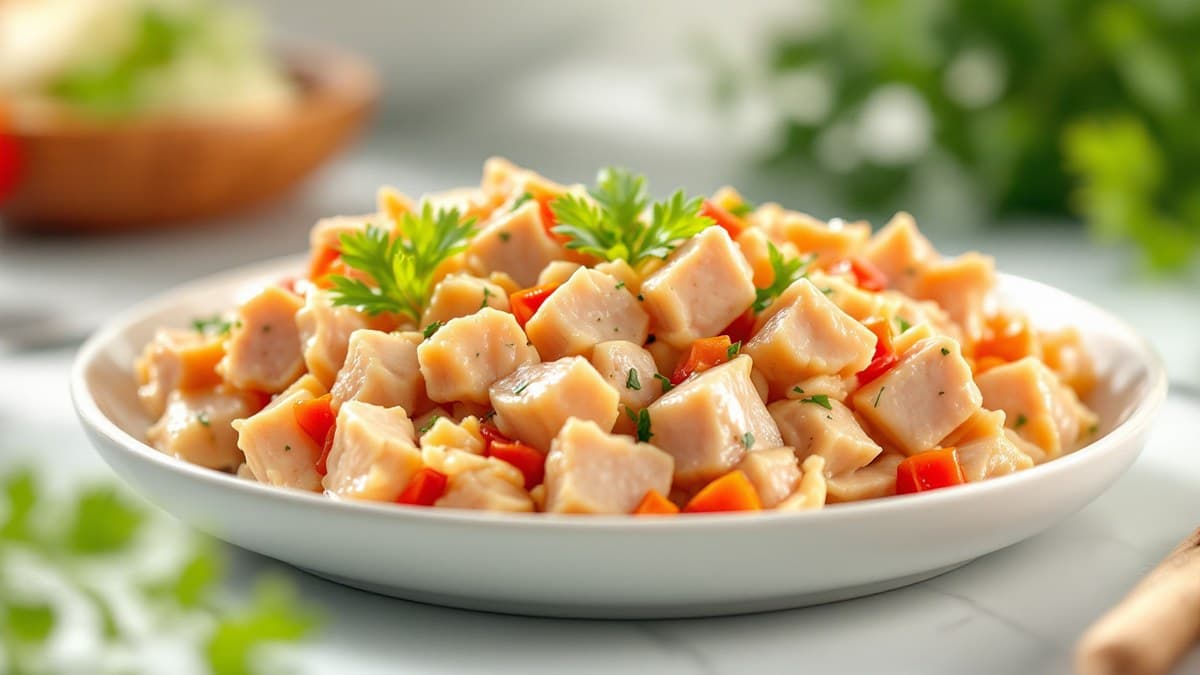
StarKist Tuna Creations Nutrition Facts (2026): 17g Protein Per Pouch, All Flavors Compared
One 2.6oz StarKist Tuna Creations pouch delivers 17g of protein at 80–90 calories with 0–1g of fat. Verified 2026 nutrition facts for every flavor, a direct comparison with Bumble Bee and Chicken of the Sea pouches, and a practical guide to the highest-protein flavors in the lineup.
Read more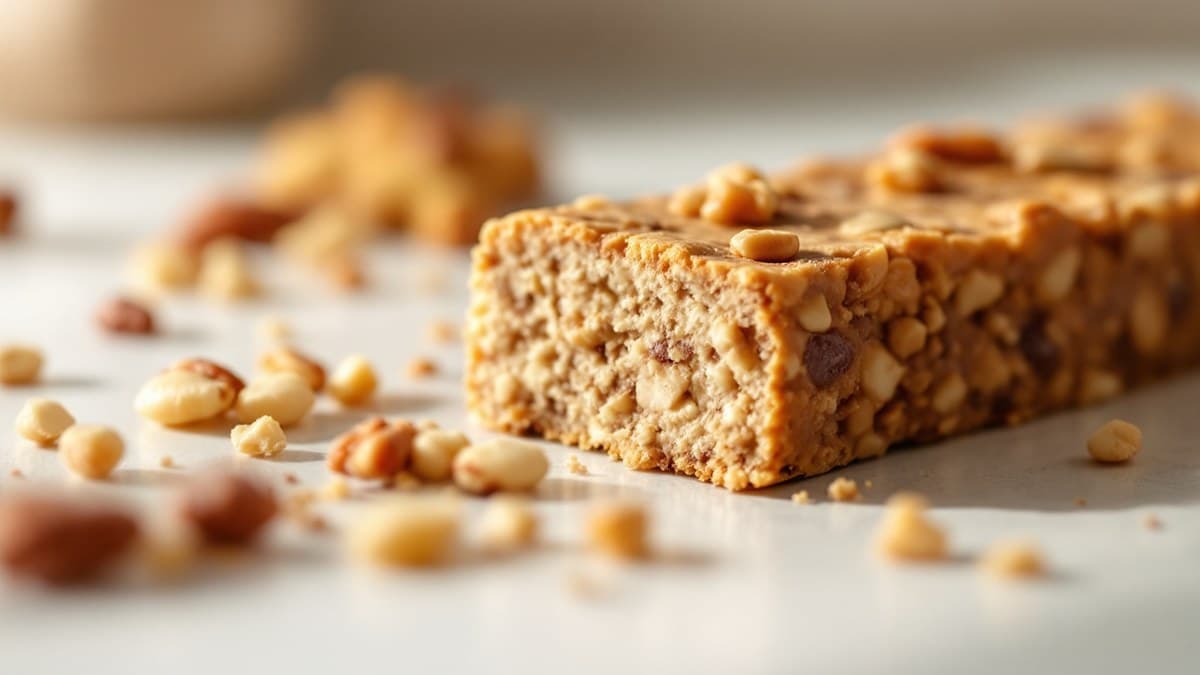
FitCrunch Protein Bar Nutrition Facts 2026: 30g Whey Protein, 6-Layer Baked Bar — Every Flavor Compared
FitCrunch full-size bars deliver 30g of whey protein at 380 calories with 6g of total sugar — the only mainstream 6-layer baked protein bar in the US, created by Food Network chef Robert Irvine. Snack-size bars deliver 16g of protein at 190 calories and 3g of sugar. Every flavor compared by calories, protein, fat, fiber, sugar, and sodium, with verified 2026 nutrition label data.
Read more