FitCrunch Protein Bar Nutrition Facts 2026: 30g Whey Protein, 6-Layer Baked Bar — Every Flavor Compared
FitCrunch full-size bars deliver 30g of whey protein at 380 calories with 6g of total sugar — the only mainstream 6-layer baked protein bar in the US, created by Food Network chef Robert Irvine. Snack-size bars deliver 16g of protein at 190 calories and 3g of sugar. Every flavor compared by calories, protein, fat, fiber, sugar, and sodium, with verified 2026 nutrition label data.
Our top protein bar picks
Editor-selected and ready to buy. As an Amazon Associate we may earn from qualifying purchases.
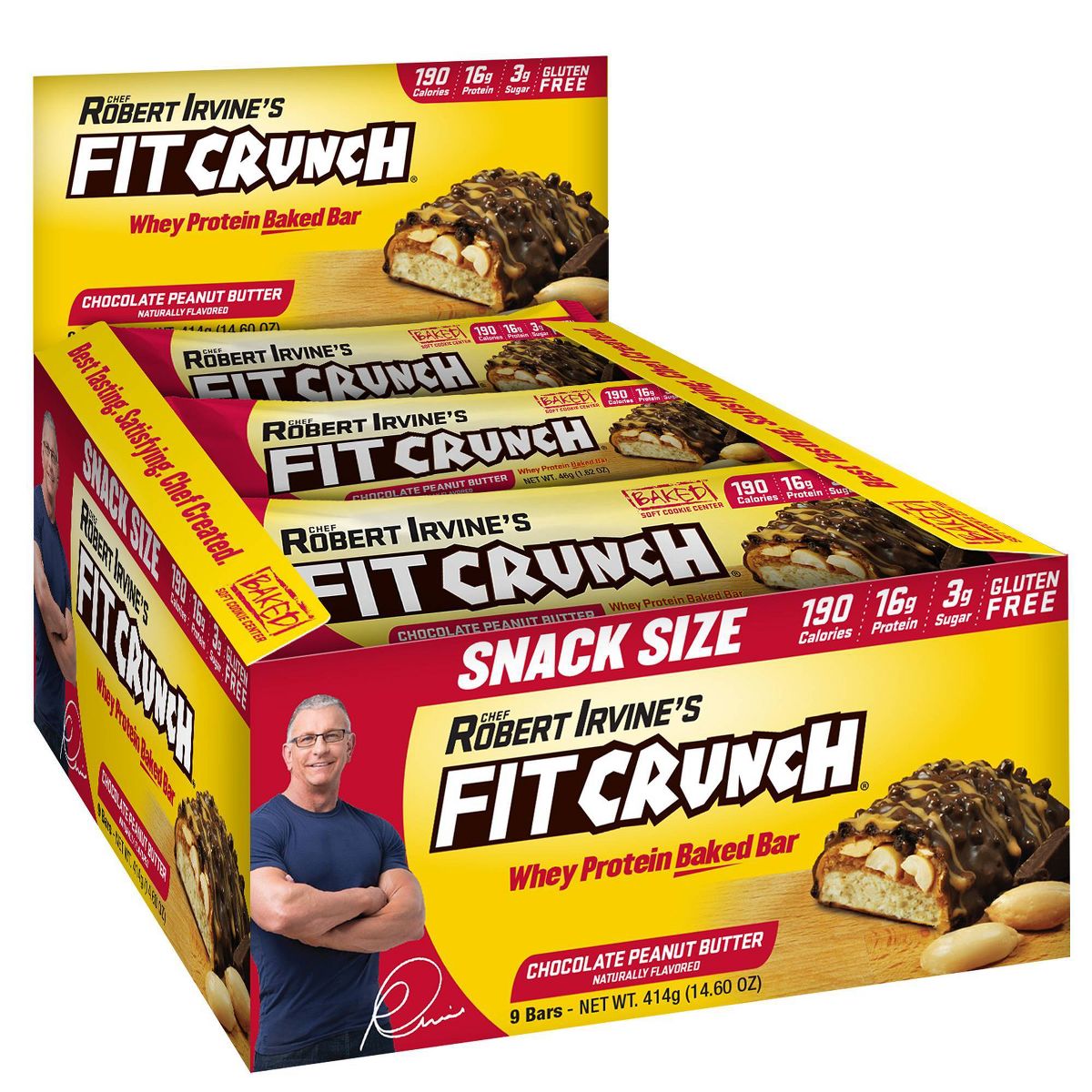 16g protein
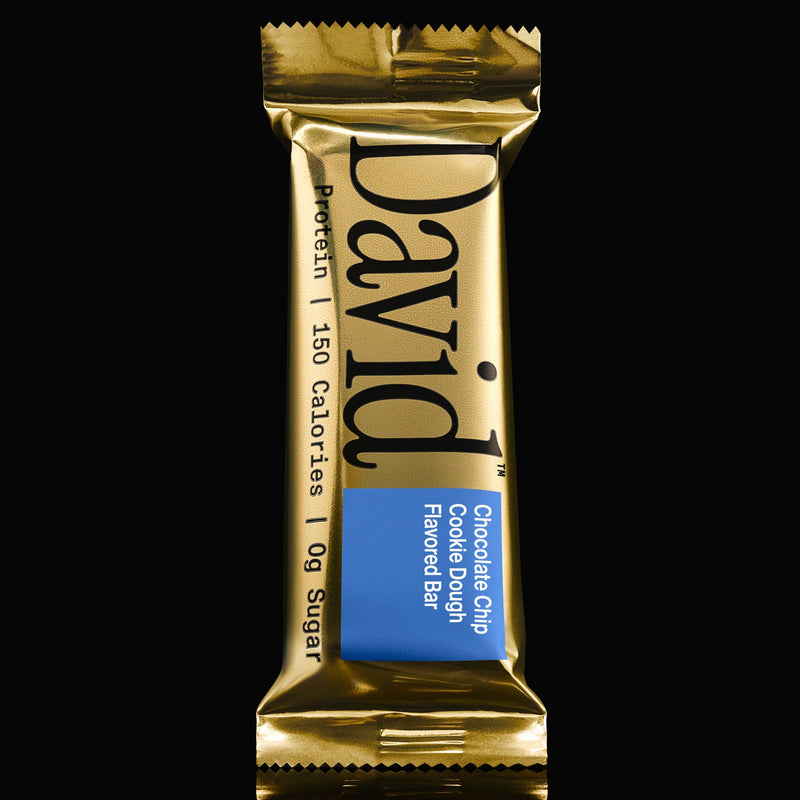 28g protein
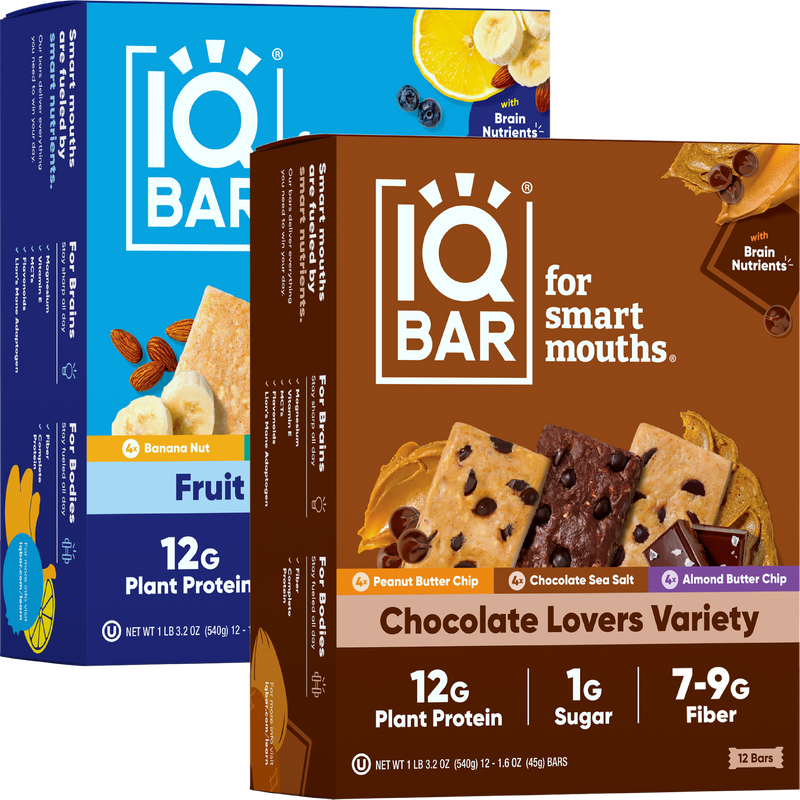 12g protein
Chocolate Lovers & Fruit Lovers (24 Bars)
Amazon returns policy · secure checkout
Direct Answer
FitCrunch full-size bars deliver 30g of whey protein at 380 calories with 6g of total sugar and 2g of fiber — the most protein of any mainstream 6-layer baked protein bar in the US. The snack-size bar delivers 16g of protein at 190 calories and 3g of sugar. FitCrunch is the correct bar when you want a genuine dessert-like texture — a soft cake core with protein crisp layers and a chocolate coating — with serious protein numbers. It is not the correct bar for a calorie deficit (380 calories per bar is high for a snack), for a low-fiber diet (2g fiber), or for avoiding sugar alcohols — the formula uses maltitol and sucralose alongside the whey protein blend. Protein quality is solid: the FortiFX blend combines whey protein isolate and whey protein concentrate, both complete proteins rich in leucine. Every nutrition figure in this guide was verified from FitCrunch’s own published 2026 nutrition panels and multiple third-party databases on September 17, 2026.
FitCrunch is the protein bar created by chef Robert Irvine — best known as the host of Food Network’s “Restaurant: Impossible” — and marketed on the premise that high-protein snacks do not have to taste like compressed sawdust. The bars are built on what the brand calls a 6-layer baked architecture: a soft cookie dough or cake core is layered with protein crisps, a peanut butter or flavored filling, and then coated in a chocolate shell. This is structurally different from the pressed-isolate format used by Quest, DAVID, and most other mainstream protein bars — which is why FitCrunch bars have a noticeably lighter, crispier texture and a more convincing dessert profile. The trade-off is calorie density: at 380 calories per full-size bar, FitCrunch delivers the same 30g of protein as some dedicated bulking shakes, making it a poor fit for cutting phases and an excellent fit for athletes eating at maintenance or in a caloric surplus. Available at Walmart, Target, Costco, and Amazon in both full-size (3.1 oz) and snack-size (1.6 oz) formats. All figures below come from each product’s verified nutrition panel on fitcrunch.com and major retailer listings.
Affiliate links — if you buy through them we earn a small commission at no extra cost to you. Every nutrition figure below comes from the manufacturer’s own published 2026 nutrition panel.
FitCrunch Full-Size Bar Nutrition Facts: All Flavors Compared (2026)
All figures are per one full-size bar (88g / 3.1 oz). Nutrition verified from FitCrunch’s published 2026 panels and major retailer nutrition databases. “—” = not confirmed by a verified label at time of writing; check the specific package for the most current data.
| Flavor | Calories | Protein | Total Fat | Sat Fat | Total Carbs | Fiber | Total Sugar | Sodium |
|---|---|---|---|---|---|---|---|---|
| Peanut Butter | 380 | 30g | 16g | 8g | 27g | 2g | 6g | 490mg |
| Chocolate Chip Cookie Dough | 380 | 30g | 16g | 8g | 27g | 2g | 6g | — |
| Birthday Cake | 380 | 30g | 16g | 8g | 27g | 2g | 6g | 320mg |
| Milk & Cookies | ~390 | 30g | 18g | — | ~27g | 2g | 6g | — |
| Chocolate Peanut Butter | 380 | 30g | 16g | 8g | 27g | 2g | 6g | — |
All full-size bars weigh approximately 88g (3.1 oz). Protein is from the FortiFX whey protein blend (whey protein isolate + whey protein concentrate). Sodium values where confirmed: Peanut Butter 490mg (higher sodium due to peanut butter content), Birthday Cake 320mg; other flavors vary — check the specific package label. Milk & Cookies uses slightly more fat from the white-chocolate component (~390 cal, 18g fat). Figures sourced from FitCrunch product listings and third-party nutrition databases cross-referenced September 17, 2026.
The 6-Layer FitCrunch Architecture
FitCrunch markets its bars as “the world’s only 6-layered baked bar,” and the layered construction is the key structural difference from most protein bars. Rather than being compressed into a single homogenous slab, FitCrunch bars are built in distinct layers. Using the Peanut Butter flavor as the example:
- Outer chocolate coating — a compound chocolatey shell; not real milk chocolate (compound chocolate uses vegetable fats rather than cocoa butter).
- Protein crisp layer — a layer of protein-enriched puffed crisps that provide the signature crunch.
- Peanut butter filling — a thick layer of flavored peanut butter; the flavor-specific ingredient.
- Soft cake core — a moist, cookie dough–style base made from the whey protein blend, flour components, and vegetable glycerin for moisture.
- Second protein crisp layer — a mirrored crisp layer below the core.
- Chocolate drizzle or coating base — a final chocolate layer completing the bottom of the bar.
This construction gives FitCrunch bars a noticeably different texture from pressed-isolate bars like Quest or DAVID: each bite has a soft center with a slight crunch from the crisp layers rather than the uniform dense chew of most competitors. The layered format also means the bar does not become as hard or stale when cold, which is why FitCrunch is among the easier bars to eat straight from a gym bag or a cold car. The practical limitation: the layers rely on vegetable glycerin, maltitol, and emulsifiers (propylene glycol monoesters, acetylated monoglycerides) for moisture retention, which is why the ingredient list is longer than whole-food bars like RXBAR or Perfect Bar.
Snack Size vs Full Size: Which FitCrunch Bar Should You Buy?
FitCrunch sells both a full-size bar (88g / 3.1 oz, 30g protein) and a snack-size bar (approximately 46g / 1.6 oz, 16g protein). The calorie and protein numbers scale proportionally: the snack-size bar is essentially half a full-size bar.
| Format | Weight | Calories | Protein | Total Sugar | Best for |
|---|---|---|---|---|---|
| Full Size | 88g / 3.1 oz | 380 | 30g | 6g | Post-workout recovery, bulking, meal replacement snack |
| Snack Size | ~46g / 1.6 oz | 190 | 16g | 3g | Between-meal protein hit, lighter snack, calorie-conscious use |
The snack-size bar is the better choice if you are tracking calories carefully or just need a 16g protein top-up between meals. At 190 calories, it fits into most daily budgets without displacing a whole meal. The full-size bar is the better choice post-workout or when you need a larger protein dose — 30g in one bar is a complete post-workout protein serving that does not require a separate shake. If you are in a caloric surplus (gaining muscle), the full-size bar’s 380 calories fits more naturally into a higher daily calorie target than if you are eating at a deficit.
FitCrunch vs Other Popular Protein Bars: 2026 Comparison
How does FitCrunch compare to the other mainstream protein bars on the market? The key variables for each bar are protein per calorie (efficiency), fiber (satiety), and sugar (insulin impact).
| Bar (per bar) | Calories | Protein | Protein / 100 cal | Sugar | Fiber | Sweetener |
|---|---|---|---|---|---|---|
| FitCrunch Full Size (88g) | 380 | 30g | 7.9g | 6g | 2g | Maltitol, sucralose |
| DAVID Gold (62g) | 150 | 28g | 18.7g | 0g | ~1g | Maltitol, allulose, sucralose |
| Quest Chocolate Chip Cookie Dough (60g) | 190 | 21g | 11.1g | 1g | 14g | Erythritol, sucralose |
| RXBAR Chocolate Sea Salt (52g) | 210 | 12g | 5.7g | 13g | 5g | None — dates only |
| Barebells Caramel Cashew (55g) | 200 | 20g | 10.0g | 1g | 3g | Maltitol, sucralose |
| Pure Protein Choc. Peanut Butter (50g) | 200 | 20g | 10.0g | 2g | <1g | Maltitol, sucralose |
The immediate observation: FitCrunch has the lowest protein-per-calorie ratio of the group — 7.9g of protein per 100 calories vs 18.7g for DAVID and 11.1g for Quest. This is the core trade-off: FitCrunch is a high-protein, high-calorie bar designed for muscle building and caloric adequacy, not for calorie efficiency. If your goal is maximum protein in minimum calories, DAVID delivers 28g of protein for 230 fewer calories per bar. If satiety in a calorie deficit is the goal, Quest’s 14g of fiber is the better choice. FitCrunch earns its place when you want a large complete post-workout protein dose (30g) with exceptional taste and texture — the 6-layer construction genuinely outperforms every other bar on dessert-style eating experience. For a fuller comparison see our best protein bars 2026 ranking.
Protein Quality: Is FitCrunch’s 30g Complete?
FitCrunch uses a proprietary “FortiFX” protein blend consisting of whey protein isolate and whey protein concentrate. Both are complete dairy proteins — they contain all nine essential amino acids including leucine, the amino acid that directly triggers muscle protein synthesis. Whey isolate is the faster-digesting of the two and has a slightly higher protein percentage by weight (>90% protein vs ~70–80% for concentrate). The blend of both isolate and concentrate is a common and legitimate formula: isolate provides fast amino acid delivery, concentrate adds a slightly richer flavor and a small amount of lactose. The 30g figure on the label represents total protein from both whey forms. Unlike DAVID Gold (which includes collagen in its protein blend), FitCrunch does not list collagen as a protein source — all 30g are from the whey blend, which is better for muscle protein synthesis. For athletes prioritizing protein quality, the leucine content of whey makes FitCrunch competitive with any other whey-based bar at this calorie level.
Sweeteners and Ingredients: What You Should Know
FitCrunch is sweetened with maltitol (a sugar alcohol) and sucralose (a zero-calorie artificial sweetener). Maltitol is the most important to understand:
- Maltitol has a glycemic index of approximately 35 — lower than table sugar (65) but meaningfully higher than erythritol (1) or allulose (~0). At 6g of total sugar on the label, there is also a significant additional maltitol content from the sugar alcohol fraction that does not appear as “sugar” but does contribute some caloric and glycemic load. Consumers monitoring blood glucose should be aware that maltitol is not a zero-glycemic-impact sweetener.
- GI effects: Maltitol is a partial malabsorber in the intestinal tract — at typical serving sizes (one bar) most people tolerate it without symptoms, but consuming two or more FitCrunch bars in a day can cause gas, bloating, or loose stools in sensitive individuals. This is the same pattern as other maltitol-sweetened bars including Barebells and ONE Bar.
- Sucralose: A chlorinated derivative of table sugar with essentially zero caloric or glycemic impact at the doses used in protein bars. Present in virtually all mainstream low-sugar protein bars.
The full ingredient list includes vegetable glycerin (moisture retention), maltodextrin (a fast-digesting carbohydrate), palm oil and palm kernel oil (fat source for the layers), soy lecithin (emulsifier), and a series of emulsifiers (propylene glycol monoesters, acetylated monoglycerides, mono and diglycerides). This is a long ingredient list compared to bars like RXBAR (three real ingredients) or Perfect Bar (whole food ingredients). If a short, recognizable ingredient list is a priority, FitCrunch is not the right choice; if taste and protein count are the priorities, the formula delivers on both. FitCrunch is gluten-free, which is verified by the brand. It contains dairy (whey), soy (soy lecithin, soy protein isolate in some formulas), peanuts (in PB flavors), and almonds — not suitable for tree nut or peanut allergies.
Is FitCrunch a Good Protein Bar?
FitCrunch is genuinely good at what it is designed to do: deliver 30g of complete whey protein in a bar that eats like a dessert. It is genuinely poor at things it is not designed to do. Here is the honest breakdown:
FitCrunch is the right choice if:
- You need 30g of post-workout protein and want it to taste like a candy bar rather than a supplement.
- You are bulking or eating at caloric maintenance, where 380 calories per snack fits your daily target.
- You have struggled with bar fatigue (eating the same boring bar every day) — the 6-layer texture is genuinely distinct and more enjoyable for daily use than most competitors.
- You want a gluten-free, whey-based bar at a major retail chain (Walmart, Target, Costco) without ordering online.
FitCrunch is not the right choice if:
- You are in a calorie deficit or cutting phase: 380 calories is a large chunk of a restricted daily budget for a snack, and the 7.9g protein-per-100-calories ratio means DAVID (18.7g/100 cal) or Quest (11.1g/100 cal) are dramatically more efficient.
- You want high fiber for satiety: 2g of fiber per bar will not extend fullness meaningfully between meals. Quest at 14g or ONE Bar at 9g are better for that goal.
- You avoid sugar alcohols or artificial sweeteners on principle or for GI sensitivity.
- You want a clean, short ingredient list: the emulsifiers and multiple processing aids make this a highly processed food by any standard.
See our healthiest protein bars 2026 ranking for bars ranked by ingredient quality rather than taste, or our best protein bars for muscle gain guide for a comparison at maintenance and surplus calorie targets where FitCrunch is a competitive pick.
Where to Buy FitCrunch Bars and What to Pay
FitCrunch is available at most major US retailers. Typical 2026 pricing:
- Walmart: Full-size 12-count box approximately $28–$32 ($2.35–$2.70 per bar). Snack-size available in single-serve and multi-count options at approximately $2–$2.50 per bar.
- Target: Similar to Walmart; full-size singles at $3–$3.50 per bar, 12-count boxes at approximately $30.
- Costco: Often carries FitCrunch in 18–20-count bulk packs at the lowest per-bar price — typically $0.80–$1.20 per bar depending on the current Costco offering. The Costco pack is usually the Chocolate Peanut Butter or Peanut Butter snack-size format.
- Amazon: 12-count full-size boxes at approximately $26–$34 depending on flavor and Subscribe & Save discounts (typically 10–15% off). ASIN availability varies by flavor.
- Direct (fitcrunch.com): Individual and bulk orders, including variety packs of mixed flavors not always available at retail. Slightly higher per-bar price than Costco but offers the broadest flavor selection.
At the typical $2.35–$2.70 per bar retail price, FitCrunch is priced similarly to Barebells ($2.65–$3.10) and Quest ($2.20–$2.70), and more expensive than Pure Protein ($1.10–$1.30) or Kirkland Signature ($1.10–$1.25). The Costco bulk format is the best value if you eat the same flavor daily.
Frequently Asked Questions
How many calories are in a FitCrunch bar?
A full-size FitCrunch bar (88g / 3.1 oz) contains 380 calories. The snack-size bar (approximately 46g / 1.6 oz) contains approximately 190 calories. The Milk & Cookies flavor runs slightly higher at approximately 390 calories due to additional fat from white chocolate components. All other full-size flavors (Peanut Butter, Chocolate Chip Cookie Dough, Birthday Cake, Chocolate Peanut Butter) are consistently 380 calories per bar.
How much protein does a FitCrunch bar have?
Every full-size FitCrunch bar (all flavors) delivers 30g of protein from the FortiFX whey protein blend — a combination of whey protein isolate and whey protein concentrate. The snack-size bar delivers 16g of protein. All protein is from whey (a complete dairy protein containing all nine essential amino acids); the formula does not include collagen, which is the incomplete protein added to some competing bars to inflate the headline number.
Is FitCrunch good for weight loss?
No — not for a calorie-deficit weight loss phase. At 380 calories per full-size bar, FitCrunch is one of the highest-calorie protein bars in the mainstream market and delivers only 7.9g of protein per 100 calories. Bars like DAVID Gold (28g of protein at 150 calories — 18.7g per 100 cal) or Quest (21g of protein at 190 calories — 11.1g per 100 cal) are dramatically more efficient for weight loss. FitCrunch is the right bar for athletes maintaining or gaining weight who want a high-protein, high-calorie snack with excellent taste. For the best bars for weight loss, see our best protein bars for weight loss 2026 guide and our best low-calorie protein bars 2026 ranking.
Does FitCrunch use real chocolate?
No — FitCrunch uses a compound chocolate coating, meaning vegetable fats (palm oil, palm kernel oil) are used instead of cocoa butter. Compound chocolate is less expensive and more stable at room temperature than real chocolate, which is why it is used in most protein bars including FitCrunch, Quest, and Pure Protein. The only mainstream protein bar that uses real milk chocolate is Barebells, which is part of why Barebells costs more per bar. Compound chocolate tastes similar but is technically not “chocolate” under FDA standards.
Is FitCrunch gluten-free?
Yes — FitCrunch protein bars are certified gluten-free across all flavors. They do not contain wheat, rye, or barley. The bars do contain dairy (whey), soy (soy lecithin), and depending on flavor, peanuts and tree nuts (almonds). They are produced in a facility that handles these allergens; the gluten-free certification applies to the formula, not necessarily to shared-equipment cross-contact, so individuals with celiac disease should verify the current allergen labeling on the specific product they purchase.
Bottom line: FitCrunch full-size bars deliver 30g of complete whey protein at 380 calories — the most protein of any mainstream 6-layer baked bar, with a dessert-quality texture that genuinely outperforms pressed-isolate competitors on taste. The protein-per-calorie efficiency is low (7.9g per 100 cal) compared to DAVID, Quest, or Barebells, so FitCrunch is the bar for athletes eating at maintenance or a surplus, not for cutters or IF practitioners. The snack-size (16g protein, 190 calories, 3g sugar) is the better fit for between-meal protein boosts. Buy at Costco for the best value in bulk; full-size flavors at Walmart or Target for single-flavor variety. For a broader bar comparison see our best protein bars 2026 guide or our best protein bars for muscle gain ranking where FitCrunch is a competitive pick.
Shop our top protein bar picks
Editor-selected high-protein options related to this guide. As an Amazon Associate we may earn from qualifying purchases.
 16g protein
FitCrunch Protein Bar
Amazon returns policy · secure checkout
16g protein28g proteinTags
High Protein Snacks Pro Editorial Team
Independently researched and editorially reviewed. We compare real nutrition labels and never accept payment for coverage.
Get the best new protein snacks in your inbox
Weekly picks and honest reviews — no spam, unsubscribe anytime.
More from the journal
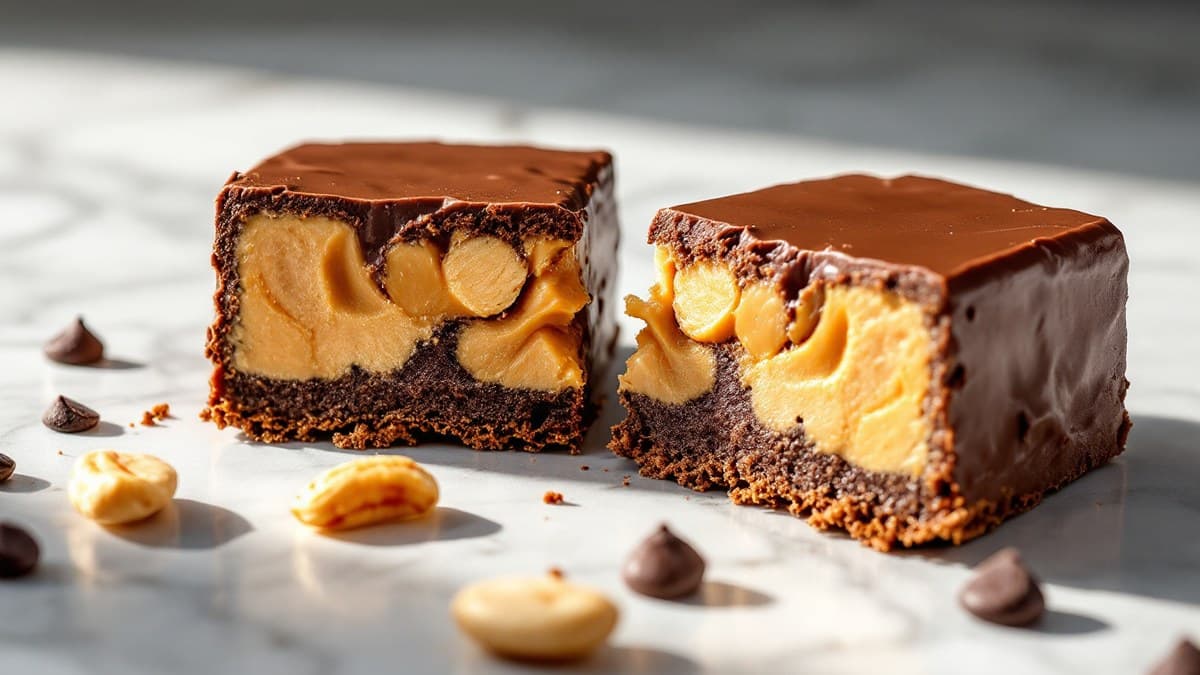
Luna Protein Bar Nutrition Facts 2026: 12g Protein, Certified Gluten-Free, No Artificial Sweeteners
Luna Protein Bars deliver 12g of protein per 1.59 oz bar from soy protein isolate plus whey protein concentrate, certified gluten-free and Non-GMO, with no artificial sweeteners. Verified nutrition facts for Chocolate Peanut Butter (190 cal) and Chocolate Chip Cookie Dough (170 cal), plus a head-to-head against Quest (21g) and RXBAR (12g).
Read more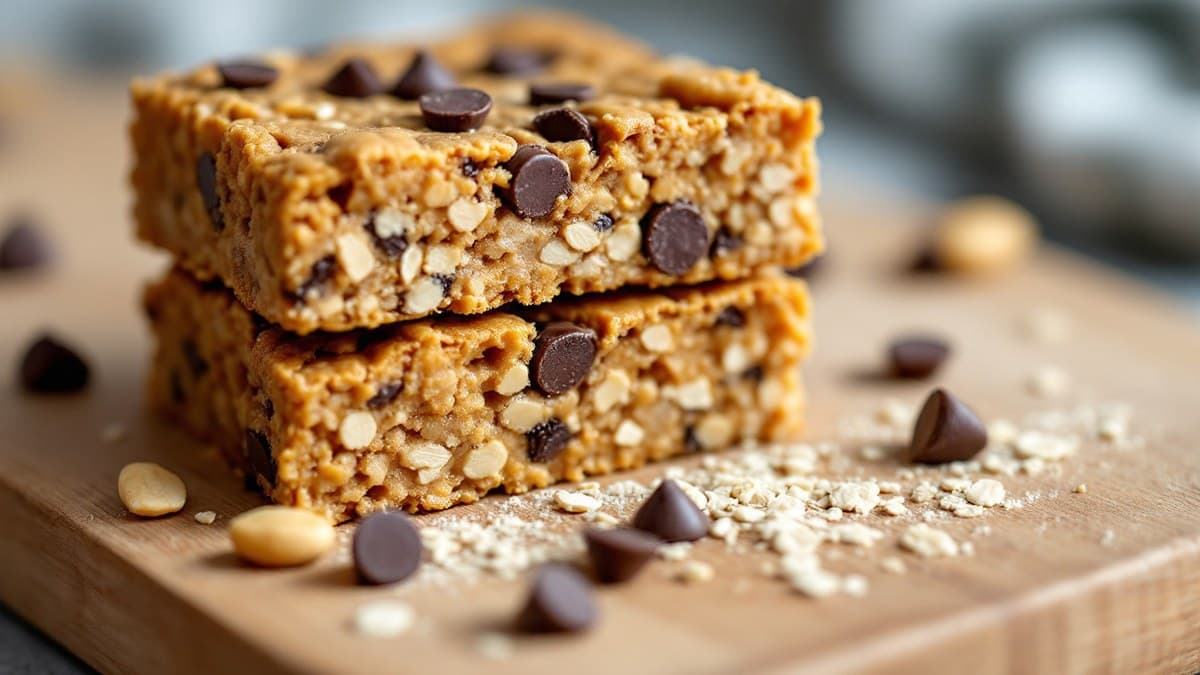
GoMacro Nutrition Facts: 11–12g Protein, 260–290 Calories — Every MacroBar Flavor (2026)
GoMacro MacroBars deliver 11–12g of protein for 260–290 calories per bar, verified flavor by flavor from the brand’s own label — plus why the organic, low-FODMAP bar carries the least fiber and the lowest protein-per-calorie of the plant-based bars it’s most often compared to.
Read more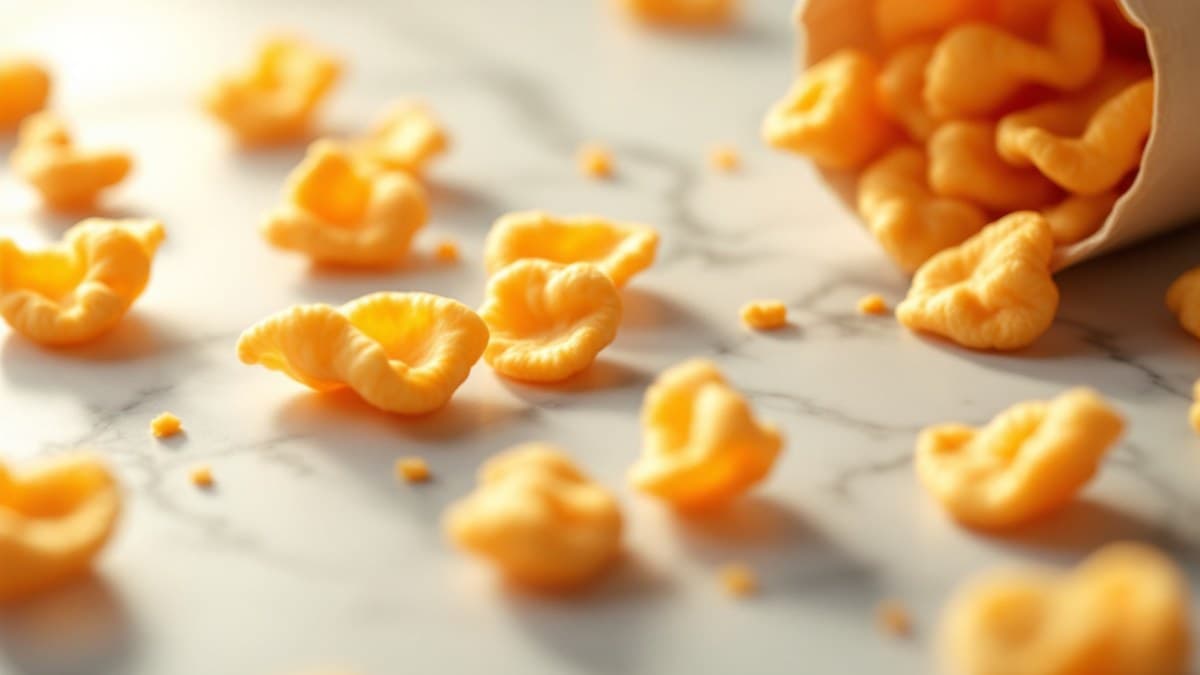
Moon Cheese Nutrition Facts (2026): 9g Protein, 0 Net Carbs — All 5 Flavors Compared
Moon Cheese delivers 9g of protein and zero net carbs per 1oz serving from 100% real cheese — no artificial ingredients, no grain, no gluten. Verified 2026 nutrition data for Cheddar, Pepper Jack, Gouda, Mozzarella, and Buen Queso, plus a straight comparison against chips, pork rinds, and crackers on protein density.
Read more