Best Canned Salmon for Protein (2026): 5 Brands Ranked by Protein, Omega-3, Sodium, and Cost Per Gram
Wild Planet Wild Sockeye Salmon leads the field at 25g of protein per 3 oz serving at 130 calories — and 1,025mg of omega-3 per serving, the highest of any brand here. Kirkland Signature Alaskan Pink Salmon is the best value at roughly $0.80 per serving (Costco). Bumble Bee Pink Salmon delivers 17g per 2 oz serving and is the most widely available at grocery stores. Five canned salmon brands ranked on protein, sodium, omega-3, and cost per gram of protein, with verified 2026 nutrition data.
Our top high-protein picks
Editor-selected and ready to buy. As an Amazon Associate we may earn from qualifying purchases.
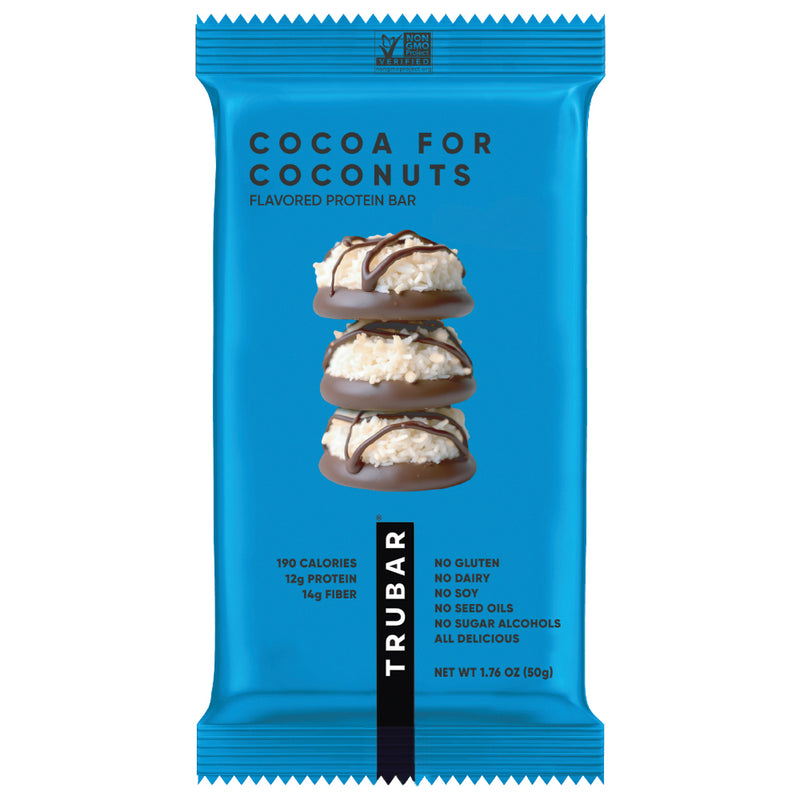 12g protein
Cocoa for Coconuts TRUBAR Nutrition and Protein Bar
Amazon returns policy · secure checkout
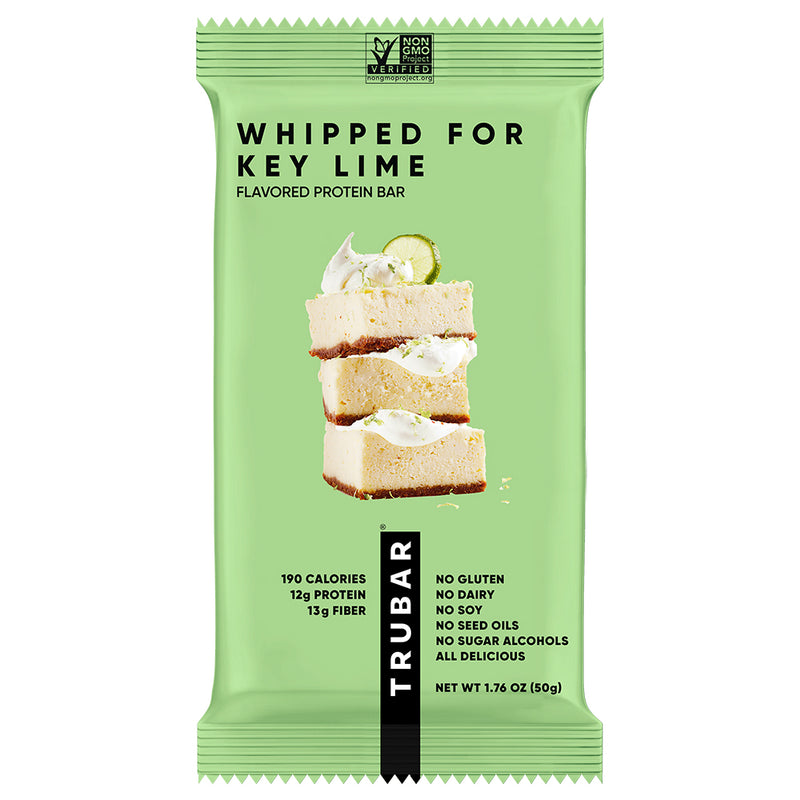 12g protein
Whipped For Key Lime TRUBAR Nutrition and Protein Bar
Amazon returns policy · secure checkout
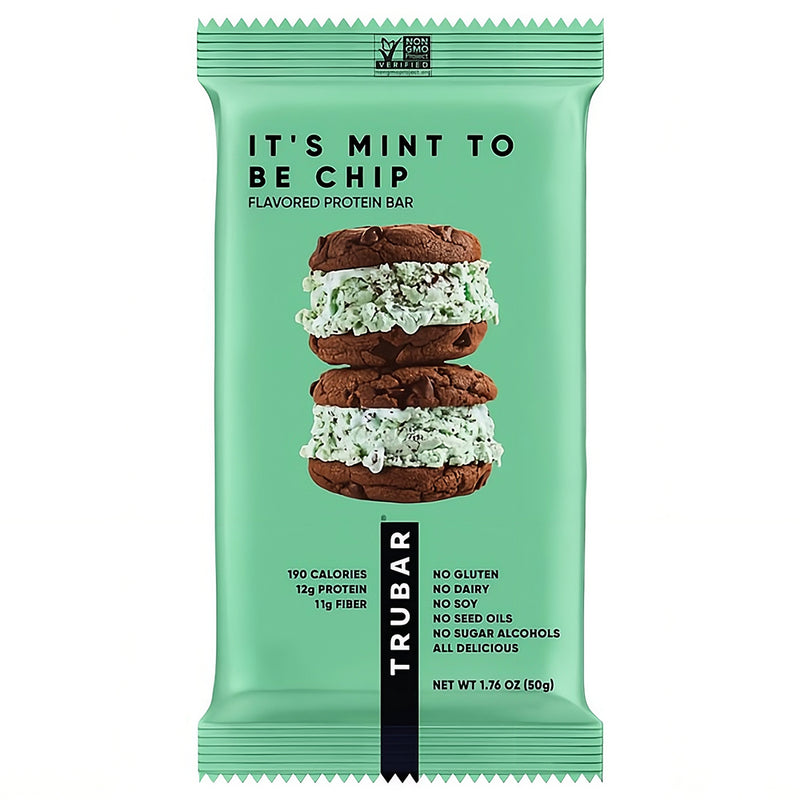 12g protein
It's Mint to Be Chip TRUBAR Nutrition and Protein Bar
Amazon returns policy · secure checkout
Direct Answer
Wild Planet Wild Sockeye Salmon leads on protein (25g per 3 oz serving, 130 calories) and omega-3 content (1,025mg per serving) among the brands here. Kirkland Signature Alaskan Pink Salmon is the best value at roughly $0.80 per serving from Costco. Safe Catch Wild Pacific Pink Salmon is the pick for lowest mercury. Bumble Bee Pink Salmon is the most widely available at grocery stores. Five brands ranked on protein, omega-3, sodium, and cost per gram of protein — verified from USDA FoodData Central and brand nutrition panels, October 2026.
Canned salmon is one of the most underused high-protein foods in the American pantry. A single 3 oz serving of wild sockeye salmon delivers 25g of complete protein at 130 calories — more protein per calorie than most protein bars and with a full omega-3 dose that most protein-focused foods skip entirely. The category has a real quality ladder: wild-caught sockeye and coho are nutritionally different from farmed Atlantic, and the brands differ meaningfully on omega-3 content, sodium, bone-in vs. boneless formatting, and cost per gram of protein. This guide puts five of the most widely available brands side by side on all four variables.
Affiliate links — if you buy through them we earn a small commission at no extra cost to you. Protein and nutrition figures come from USDA FoodData Central entries and brand nutrition panels, cross-referenced in October 2026. Omega-3 figures (EPA + DHA combined) come from brand disclosures where available and USDA entries for standard 3 oz servings where brands do not publish them.
5 Brands Ranked: Protein, Omega-3, Sodium, and Cost Per Gram (2026)
All figures from USDA FoodData Central entries and brand nutrition panels, cross-referenced in October 2026. Omega-3 figures (EPA + DHA combined) come from brand disclosures where available and USDA entries for standard 3 oz servings where brands do not publish them. Cost per serving is October 2026 retail pricing at Costco, Amazon, Target, and grocery shelf.
| Brand | Protein (per serving) | Calories | Omega-3 (mg EPA+DHA) | Sodium | Approx. cost/serving |
|---|---|---|---|---|---|
| Wild Planet Wild Sockeye | 25g / 3 oz | 130 | 1,025mg | 75mg (no salt added) | $3.00–$4.50 |
| Safe Catch Wild Pacific Pink | 22g / 3 oz | 90 | ~800mg | 75mg (no salt added) | $2.50–$3.50 |
| Kirkland Alaskan Pink (Costco) | 22g / 3 oz | 90 | ~550mg | 270mg | $0.80–$1.00 |
| Bumble Bee Pink Salmon | 17g / 2 oz | 60 | ~250mg | 270mg | $1.50–$2.50 |
| Crown Prince Wild Pink | 17g / 2 oz | 60 | ~250mg | 270mg | $2.00–$3.00 |
Serving sizes vary: Wild Planet, Kirkland, and Safe Catch are 3 oz (85g) per serving; Bumble Bee and Crown Prince individual tins are 2 oz (56g). Omega-3 figures represent EPA + DHA combined per serving. “~” denotes a USDA estimate where the brand does not publish a specific figure.
Protein Per 100 Calories: The More Useful Comparison
Front-of-can protein claims are at different serving sizes, which makes them incomparable at face value. Per-100-calorie protein equalizes that:
- Bumble Bee / Crown Prince Pink: 28.3g per 100 cal (17g / 60 cal)
- Kirkland / Safe Catch Pink: 24.4g per 100 cal (22g / 90 cal)
- Wild Planet Wild Sockeye: 19.2g per 100 cal (25g / 130 cal)
Bumble Bee and Crown Prince score highest on protein per calorie because their small-tin servings are leaner (lower fat content of pink salmon) and their serving sizes are smaller. But at 60 calories per serving, two tins equal one 3 oz Wild Planet serving — and the omega-3 content of wild sockeye (~1,025mg per 3 oz) is still substantially higher than two tins of pink salmon (~500mg combined). What you are optimizing for determines which number matters: if it is protein per calorie, pink salmon wins; if it is omega-3 per serving, Wild Planet Sockeye wins by a wide margin.
Wild Planet Wild Sockeye Salmon
Best for: highest omega-3, no added salt, whole-food label
Wild Planet is the benchmark for canned salmon quality. Their Wild Sockeye is caught in Alaskan and Pacific Northwest waters, packed without draining liquid, and is available in a no-salt-added SKU (75mg sodium) alongside a lightly salted version. A single 3 oz serving delivers 25g of protein at 130 calories and approximately 1,025mg of omega-3 (EPA + DHA) — the highest of any brand here. Sockeye (red salmon) is a higher-fat species than pink salmon, which drives both its higher calorie count and its substantially higher omega-3 concentration.
The label is clean: wild-caught Alaskan sockeye salmon, water, sea salt (or no salt). No added color, no oil, no artificial brine. Price reflects the quality: $3.00–$4.50 per 3 oz can at natural grocery and Amazon. The American Heart Association’s recommendation of two servings of fatty fish per week is met by two cans. View on Amazon.
Kirkland Signature Alaskan Pink Salmon (Costco)
Best for: cost per gram of protein, bulk value
Kirkland’s canned salmon is the best cost-per-gram-of-protein option here by a wide margin. The standard 6 oz can delivers 44g of protein at 180 calories per can (two 3 oz servings), with Costco pricing landing at $0.80–$1.00 per 3 oz serving. Ingredient list: wild-caught Alaskan pink salmon, water, salt. Pink salmon has lower fat content than sockeye — which is why the omega-3 count is lower (~550mg per 3 oz vs. ~1,025mg for sockeye) and the calorie count is also lower (90 cal vs. 130 cal).
For anyone using canned salmon primarily as a protein source rather than an omega-3 delivery vehicle, this is the clear value pick — especially purchased as a multipack at Costco. Main trade-off: 270mg of sodium per 3 oz serving vs. 75mg for Wild Planet’s no-salt option. The Kirkland can also tends to be bone-in and skin-on, which adds calcium (~200mg per serving from the soft, edible bones). Check Kirkland Salmon on Amazon.
Safe Catch Wild Pacific Pink Salmon
Best for: lowest mercury claim, low sodium
Safe Catch’s key claim is mercury testing: they state that every fish batch is tested for mercury content before canning. Their Wild Pacific Pink Salmon delivers 22g of protein at 90 calories per 3 oz serving, with low sodium (~75mg, no added salt) and a moderate omega-3 estimate (~800mg per 3 oz). The nutritional profile is similar to Kirkland’s pink salmon except for the sodium: Kirkland runs 270mg per serving, Safe Catch runs ~75mg.
The per-serving price ($2.50–$3.50) is significantly higher than Kirkland for comparable nutrition, meaning the premium is for the mercury-testing claim and no-salt formulation. For most adults eating a few servings of fish per week, canned salmon already sits in the FDA’s “best choice” low-mercury category — but for pregnant women, young children, or high-frequency consumers, the extra verification may be worth the premium. View Safe Catch Wild Salmon on Amazon.
Bumble Bee Pink Salmon
Best for: widest grocery availability, entry-level price point
Bumble Bee is the most widely distributed canned salmon brand in conventional US grocery — stocked at Walmart, Kroger, Target, and most regional chains where Wild Planet and Safe Catch are not always available. Per 2 oz serving: 17g of protein at 60 calories, 270mg sodium. This is wild-caught pink salmon; the ingredient list reads “pink salmon, water, salt.”
The lower omega-3 count (~250mg per 2 oz serving) reflects both the smaller serving size and the lower fat of pink vs. sockeye. For shoppers using canned salmon as a protein booster for salads, pasta, or rice bowls — not primarily for omega-3 supplementation — Bumble Bee is the most convenient and accessible option. View Bumble Bee Pink Salmon on Amazon.
Crown Prince Natural Wild Pink Salmon
Best for: BPA-free can preference, natural grocery shoppers
Crown Prince Natural uses BPA-free lined cans and distributes primarily through natural grocery channels (Whole Foods, Sprouts, health food stores). Their Wild Pink Salmon delivers 17g of protein at 60 calories per 2 oz serving — nutritionally similar to Bumble Bee — with 270mg of sodium. Price: $2.00–$3.00 per small tin, more than Bumble Bee for similar nutrition. The premium is primarily for the BPA-free packaging. View Crown Prince Wild Pink Salmon on Amazon.
Is Canned Salmon Healthy?
Yes — canned salmon is one of the more nutritionally complete shelf-stable proteins available.
- Complete protein: Salmon provides all essential amino acids with a PDCAAS score of 1.0 — equivalent to eggs and whey.
- Omega-3 fatty acids: Wild sockeye is one of the richest food sources of EPA and DHA. One can of Wild Planet Sockeye meets the American Heart Association’s recommendation of two fatty fish servings per week.
- Vitamin D: A 3 oz serving of wild salmon provides approximately 430–530 IU of vitamin D — one of the few significant food sources of this nutrient.
- Low mercury: Canned salmon is in the FDA’s “best choice” category (2–3 servings/week for adults including pregnant women) due to its low mercury content.
- Calcium (bone-in): Bone-in canned salmon provides 200–250mg of calcium per 3 oz serving (~20% DV) from the soft, edible canned bones.
The main consideration for regular consumption is sodium: salted varieties run 250–300mg per 3 oz serving. No-salt-added options from Wild Planet and Safe Catch bring this down to ~75mg — less sodium than most protein bars and less than a serving of cottage cheese.
How to Use Canned Salmon for Protein
Canned salmon works in more contexts than most people use it for:
- Salmon patties: One 6 oz can plus an egg and a binder makes two patties at ~22g protein each. Meal-preppable; reheat in a pan or air fryer.
- Grain bowls: Drain and flake over quinoa, farro, or rice with lemon and herbs. A 3 oz serving over ½ cup of cooked quinoa delivers ~35g combined protein.
- Pasta: Salmon’s richer flavor works well with lemon, capers, and olive oil. A single can over 2 oz dry pasta makes a ~500-calorie meal at 35+ grams of protein.
- Salad topper: Drain and flake over a green salad. At 25g per tin (Wild Planet Sockeye), it competes with grilled chicken without any cooking.
- Salmon dip: Mix with Greek yogurt, lemon, and dill for a high-protein spread. One 3 oz can plus 2 tablespoons of plain Greek yogurt delivers ~30g of protein.
Frequently Asked Questions
How much protein is in a can of canned salmon?
It depends on the can size and brand. A standard 3 oz (85g) serving of Wild Planet Wild Sockeye contains 25g of protein at 130 calories. A 3 oz serving of pink salmon (Kirkland, Safe Catch) runs 22g at 90 calories. A standard 2 oz tin of Bumble Bee or Crown Prince delivers 17g at 60 calories. A full 6 oz Kirkland Alaskan Pink can contains approximately 44g of total protein. Check the per-serving line on the label rather than the front-of-can claim, since serving sizes vary widely across brands.
Is wild-caught canned salmon higher in omega-3 than farmed salmon?
Wild-caught salmon has a higher EPA + DHA ratio per unit of fat than farmed Atlantic salmon. The practical note for canned salmon shoppers: nearly all commercially canned salmon sold in the US is wild-caught Alaskan pink or sockeye — not farmed Atlantic. The more meaningful variable for canned formats is species. Sockeye (Wild Planet) delivers ~1,025mg omega-3 per 3 oz; pink salmon brands deliver ~400–800mg per 3 oz depending on brand and catch.
What is the difference between pink salmon and sockeye in a can?
Sockeye is a fattier fish: ~5g of fat per 3 oz serving at 130 calories, with ~1,025mg of omega-3. Pink salmon is leaner: ~1.5–2g of fat per 3 oz at 90 calories, with ~400–600mg of omega-3. Protein per 3 oz is 25g for sockeye vs. 22g for pink. Pink wins on protein per calorie (24.4g per 100 cal) and cost per gram. Sockeye wins on total omega-3 per serving and absolute protein per can.
How much omega-3 is in a can of Wild Planet sockeye salmon?
A 3 oz serving of Wild Planet Wild Sockeye Salmon delivers approximately 1,025mg of EPA + DHA combined — the highest of any brand here. For reference, the American Heart Association recommends 500–1,000mg of EPA + DHA per day for general heart health; one can meets or exceeds that range in a single serving. Pink salmon brands deliver approximately 400–600mg per 3 oz.
Is the sodium in canned salmon a concern?
For most adults at one serving per day: no. Salted canned salmon delivers 250–300mg of sodium per 3 oz serving, roughly 11–13% of the 2,300mg daily limit — less than most protein bars and less than a serving of cottage cheese. For sodium-sensitive individuals, no-salt-added options from Wild Planet and Safe Catch bring sodium down to ~75mg per serving at the same protein and omega-3 content.
Bottom line: For maximum protein and omega-3 in a single serving, Wild Planet Wild Sockeye Salmon is the clear winner at 25g of protein and ~1,025mg of omega-3 per 3 oz. For maximum value per dollar, Kirkland Signature Alaskan Pink Salmon from Costco delivers 22g per 3 oz at ~$0.80 per serving. For the lowest mercury and lowest sodium, Safe Catch is the pick. All five brands are wild-caught and complete proteins — the choice comes down to whether you are optimizing for omega-3, cost, or convenience. For more high-protein seafood options, see our best canned tuna for protein guide and browse the full high-protein snacks directory.
Shop our top high-protein picks
Editor-selected high-protein options related to this guide. As an Amazon Associate we may earn from qualifying purchases.
12g proteinCocoa for Coconuts TRUBAR Nutrition and Protein Bar
Amazon returns policy · secure checkout
12g proteinWhipped For Key Lime TRUBAR Nutrition and Protein Bar
Amazon returns policy · secure checkout
12g proteinIt's Mint to Be Chip TRUBAR Nutrition and Protein Bar
Amazon returns policy · secure checkout
Tags
High Protein Snacks Pro Editorial Team
Independently researched and editorially reviewed. We compare real nutrition labels and never accept payment for coverage.
Get the best new protein snacks in your inbox
Weekly picks and honest reviews — no spam, unsubscribe anytime.
More from the journal
FitCrunch Protein Bar Nutrition Facts 2026: 30g Whey Protein, 6-Layer Baked Bar — Every Flavor Compared
FitCrunch full-size bars deliver 30g of whey protein at 380 calories with 6g of total sugar — the only mainstream 6-layer baked protein bar in the US, created by Food Network chef Robert Irvine. Snack-size bars deliver 16g of protein at 190 calories and 3g of sugar. Every flavor compared by calories, protein, fat, fiber, sugar, and sodium, with verified 2026 nutrition label data.
Read more
Moon Cheese Nutrition Facts (2026): 9g Protein, 0 Net Carbs — All 5 Flavors Compared
Moon Cheese delivers 9g of protein and zero net carbs per 1oz serving from 100% real cheese — no artificial ingredients, no grain, no gluten. Verified 2026 nutrition data for Cheddar, Pepper Jack, Gouda, Mozzarella, and Buen Queso, plus a straight comparison against chips, pork rinds, and crackers on protein density.
Read more
Orgain Protein Shake Nutrition Facts (2026): All 5 Formulas Compared — Which One Is Actually High Protein?
Orgain sells five RTD protein shake formulas ranging from 16g to 30g protein and 130 to 250 calories per bottle — and the nutrition gap between them is larger than most buyers expect. Verified 2026 facts for the Classic, Plant-Based, 20g Grass-Fed Whey, 26g Grass-Fed, and Costco-exclusive 30g Milk Protein formulas, with a comparison against Fairlife and Premier Protein.
Read more