Luna Protein Bar Nutrition Facts 2026: 12g Protein, Certified Gluten-Free, No Artificial Sweeteners
Luna Protein Bars deliver 12g of protein per 1.59 oz bar from soy protein isolate plus whey protein concentrate, certified gluten-free and Non-GMO, with no artificial sweeteners. Verified nutrition facts for Chocolate Peanut Butter (190 cal) and Chocolate Chip Cookie Dough (170 cal), plus a head-to-head against Quest (21g) and RXBAR (12g).
Our top protein bar picks
Editor-selected and ready to buy. As an Amazon Associate we may earn from qualifying purchases.
 28g protein
 12g protein
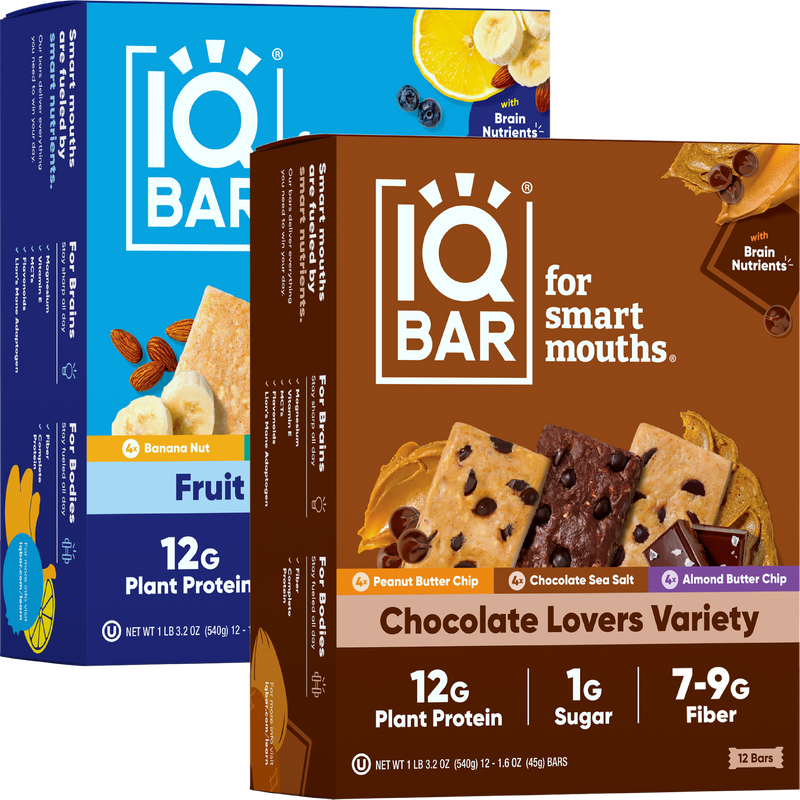
Chocolate Lovers & Fruit Lovers (24 Bars)
Amazon returns policy · secure checkout
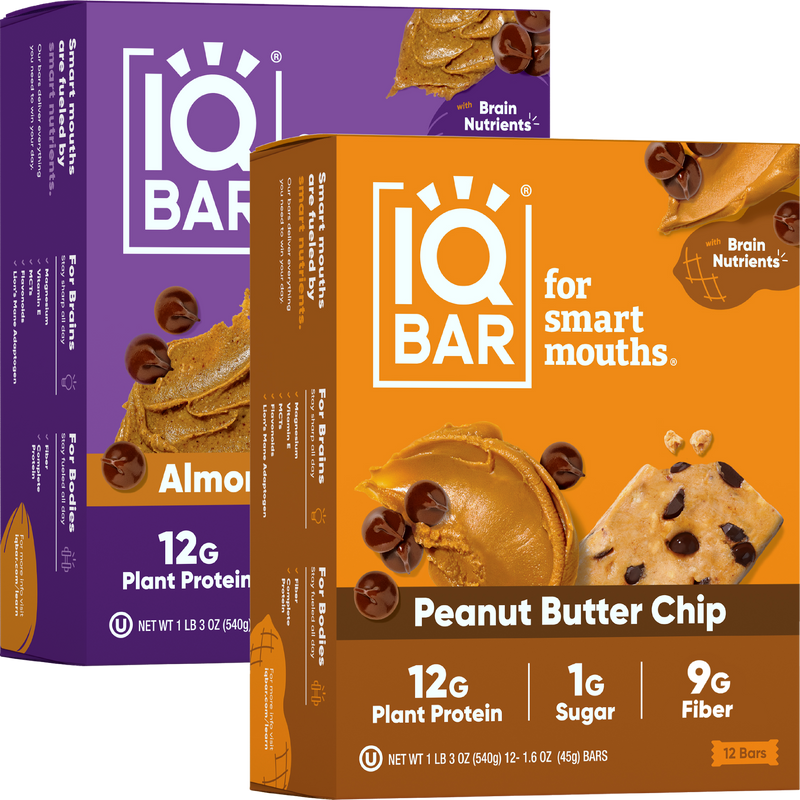 12g protein
Almond Butter Chip & Peanut Butter Chip (24 Bars)
Amazon returns policy · secure checkout
Luna Protein Bars are made by Clif Bar & Company and have been on market for over 15 years, but they stand on nutrition merit in 2026 — 12 grams of protein from a verified soy + whey blend, certified gluten-free, Non-GMO Project Verified, and no artificial sweeteners at 170–190 calories per bar. The protein blend (soy protein isolate as the primary source, whey protein concentrate as secondary) is not vegan despite the soy — whey is a dairy derivative. For a broader comparison of the protein bar category, see our best protein bars guide and the protein snacks directory.
Nutrition figures verified against Luna Bar brand published labels and USDA FoodData Central entries, September 2026. Affiliate links — if you buy through them we earn a small commission at no extra cost to you.
Luna Protein Bar Nutrition Facts: Two Verified Flavors
All figures are per one 1.59 oz (45g) bar. Both flavors verified from current brand label data and USDA FoodData Central.
| Flavor | Calories | Protein | Fat | Carbs | Sugar | Fiber | Protein sources |
|---|---|---|---|---|---|---|---|
| Chocolate Peanut Butter | 190 | 12g | 8g | 20g | 11g | 2g | Soy protein isolate, whey protein concentrate |
| Chocolate Chip Cookie Dough | 170 | 12g | 6g | 21g | 14g | 2g | Soy protein isolate, whey protein concentrate |
All Luna Protein flavors deliver 12g of protein per bar. The calorie range across flavors (roughly 170–200) tracks fat content: flavors with peanut butter or chocolate coatings run higher; lighter flavors (vanilla, lemon) run closer to 170. The macros above are the two most widely stocked flavors at major retailers.
Luna Protein Bar — Variety Pack
12g protein · 170–190 cal · Gluten-free · Non-GMO · No artificial sweeteners · 15-bar box
Check price on Amazon →Protein Source: Soy + Whey — What That Means
Luna Protein uses soy protein isolate (first listed protein ingredient) plus whey protein concentrate (a dairy derivative). Both are complete proteins — they contain all nine essential amino acids including leucine, which drives muscle protein synthesis. The soy-first ordering means soy protein makes up the larger share of the blend. A few things to know:
- Not vegan. Whey is derived from cow’s milk. Despite the soy base, Luna Protein is not suitable for vegans.
- Not dairy-free. Anyone with a milk allergy (not just lactose intolerance) should check the label — whey concentrate contains milk protein.
- Gluten-free certified. Luna Bar carries a gluten-free certification, meaning the bar and its ingredients are tested to below 20 ppm gluten. People with celiac disease can eat it safely. Soy protein isolate itself is naturally gluten-free; the certification covers the full manufacturing environment.
- Non-GMO Project Verified. The soy protein in Luna Protein is Non-GMO Project Verified, which matters to a specific segment of buyers given that most soy grown in the US is genetically modified.
Luna Protein vs Quest Bar: 12g vs 21g Protein
| Luna Protein (Choc Chip Cookie Dough) | Quest Bar (Chocolate Chip Cookie Dough) | |
|---|---|---|
| Calories | 170 | 190 |
| Protein | 12g | 21g |
| Fat | 6g | 9g |
| Net carbs | ~19g | ~4g |
| Sugar | 14g | 1g |
| Fiber | 2g | 14g |
| Sweeteners | Cane sugar, organic cane syrup | Erythritol, sucralose |
| Gluten-free certified | Yes | Yes |
| Non-GMO | Yes | No (not certified) |
| Protein per 100 cal | 7.1g | 11.1g |
Quest wins decisively on protein density — 21g vs 12g per bar, 11.1g vs 7.1g per 100 calories. If your goal is maximizing protein per calorie or per dollar, Quest is the more efficient tool. Luna Protein’s advantages are real but different: it uses cane sugar instead of erythritol and sucralose (which cause gastrointestinal distress in some people), is Non-GMO certified, and has a softer, more dessert-like texture that many people prefer. For keto or low-carb eating, Quest’s 4g net carbs wins outright; Luna Protein’s 19g net carbs does not fit a strict keto budget. For our full Quest comparison, see our best protein bars 2026 guide.
Luna Protein vs RXBAR: Same Protein, Very Different Ingredients
| Luna Protein (Choc Peanut Butter) | RXBAR (Chocolate Sea Salt) | |
|---|---|---|
| Calories | 190 | 210 |
| Protein | 12g | 12g |
| Fat | 8g | 9g |
| Carbs | 20g | 23g |
| Sugar | 11g | 17g |
| Fiber | 2g | 5g |
| Protein source | Soy protein isolate, whey protein concentrate | Egg whites, almonds, cashews |
| Sweetener | Cane sugar, organic cane syrup | Dates (whole-food) |
| Gluten-free | Certified | Certified |
| Non-GMO | Yes | Yes |
On the label, Luna Protein and RXBAR deliver identical protein (12g) and similar calories (190 vs 210). The real difference is ingredient philosophy. RXBAR’s protein comes from egg whites plus whole almonds and cashews; its sugar comes entirely from dates. There are no protein isolates, no added sweeteners beyond the fruit. Luna Protein uses refined protein isolates (soy and whey) and cane sugar. RXBAR’s whole-food approach also yields more fiber (5g vs 2g) and a denser, chewier texture. For people who prefer minimally processed ingredients, RXBAR is the better choice despite the higher calorie count. For people who want a softer, more candy-bar-like texture and don’t mind refined protein sources, Luna Protein delivers a comparable protein dose at a similar price.
Where to Buy Luna Protein Bars — Availability and Price
Luna Protein Bars are among the most widely distributed protein bars in the US — sold at Target, Walmart, Kroger, Safeway, Whole Foods, Trader Joe’s, and most natural food retailers. Single bars retail for approximately $1.50–$2.50 depending on retailer. Fifteen-bar boxes (the most common multi-pack) run roughly $23–$30 on Amazon, putting the per-bar cost around $1.53–$2.00 — about 10–20% cheaper than buying singles. No warehouse-club-exclusive format exists; Luna Protein is not sold at Costco in a bulk case. Amazon Subscribe & Save typically saves another 5–15% on the box price for repeat buyers.
Who Luna Protein Bar Is and Is Not For
- Good fit: Anyone who wants a certified-gluten-free, Non-GMO protein bar with no artificial sweeteners and a mainstream grocery-store texture. Luna Protein is also a straightforward choice for people with gluten sensitivity who find Quest’s fiber load (14g per bar) causes bloating.
- Not the right fit: People maximizing protein per calorie (Quest, at 21g per bar, wins); people on a keto or low-carb diet (19g net carbs per bar is too high); vegans (whey protein concentrate); people with soy allergies.
Frequently Asked Questions
How much protein is in a Luna Protein Bar?
12 grams of protein per bar (1.59 oz / 45g), consistent across all flavors. The protein blend is soy protein isolate plus whey protein concentrate. Luna Bar (the original non-protein line) has 8–9g of protein and is a different product.
Are Luna Protein Bars gluten-free?
Yes — Luna Protein Bars carry a gluten-free certification and are tested to below 20 ppm gluten, making them appropriate for people with celiac disease. The original Luna Bar line is also gluten-free certified.
Are Luna Protein Bars vegan?
No. Despite using soy protein as the primary protein source, Luna Protein Bars contain whey protein concentrate, which is derived from cow’s milk. They are not suitable for vegans or people with milk allergies.
Do Luna Protein Bars have artificial sweeteners?
No. Luna Protein Bars use cane sugar and organic cane syrup as sweeteners, with no sucralose, aspartame, acesulfame potassium, erythritol, or stevia. This makes them one of the few mainstream protein bars without artificial or non-caloric sweeteners.
How do Luna Protein Bars compare to RXBAR?
Both deliver 12g of protein per bar. RXBAR uses whole-food protein sources (egg whites, almonds, cashews) and dates as its only sweetener, with 5g of fiber per bar and no protein isolates. Luna Protein uses soy protein isolate and whey protein concentrate with cane sugar and 2g of fiber. RXBAR is the better choice for whole-food ingredient preference; Luna Protein is softer, more widely available, and certified Non-GMO.
Is the Luna Bar the same as the Luna Protein Bar?
No. The original Luna Bar (without “Protein” in the name) delivers 8–9g of protein per bar at around 180 calories and is positioned as a meal-replacement snack bar. The Luna Protein Bar delivers 12g of protein per bar and has a different protein blend and formulation. Both are certified gluten-free and made by Clif Bar & Company, but they are separate products with different nutrition profiles.
Bottom line: Luna Protein Bar delivers 12g of protein per bar at 170–190 calories from a soy–whey blend, with no artificial sweeteners, gluten-free certification, and Non-GMO Project Verification. It is not the highest-protein bar on the market (Quest delivers 21g) and not the most whole-food bar (RXBAR wins there), but it is one of the most accessible — available at nearly every major US grocery chain, priced reasonably, and palatable to people who find Quest too sweetener-forward or RXBAR too dense. For anyone specifically needing certified-gluten-free protein with no artificial sweeteners at a mainstream grocery store, Luna Protein is the most reliable pick. Compare more protein bars in our best protein bars 2026 guide or browse the protein snacks directory.
Shop our top protein bar picks
Editor-selected high-protein options related to this guide. As an Amazon Associate we may earn from qualifying purchases.
28g protein12g proteinChocolate Lovers & Fruit Lovers (24 Bars)
Amazon returns policy · secure checkout
12g proteinAlmond Butter Chip & Peanut Butter Chip (24 Bars)
Amazon returns policy · secure checkout
Tags
High Protein Snacks Pro Editorial Team
Independently researched and editorially reviewed. We compare real nutrition labels and never accept payment for coverage.
Get the best new protein snacks in your inbox
Weekly picks and honest reviews — no spam, unsubscribe anytime.
More from the journal
GoMacro Nutrition Facts: 11–12g Protein, 260–290 Calories — Every MacroBar Flavor (2026)
GoMacro MacroBars deliver 11–12g of protein for 260–290 calories per bar, verified flavor by flavor from the brand’s own label — plus why the organic, low-FODMAP bar carries the least fiber and the lowest protein-per-calorie of the plant-based bars it’s most often compared to.
Read more
Premier Protein Bar Nutrition Facts (2026): 30g Protein Per Bar, All Flavors Compared and Bar vs Shake
Premier Protein’s 30g Protein Bars deliver the same 30g of protein as their RTD shake—but at 340 calories versus the shake’s 160 calories, with 40g of total carbohydrates versus 5g. Verified 2026 nutrition facts for the full 30g bar lineup, a bar-vs-shake macro comparison, sweetener breakdown (sucralose, not stevia), and a side-by-side against DAVID, Quest, and Kirkland at the same protein tier.
Read more
Clif Builder's Bar vs Quest Bar (2026): Same 20g Protein, Very Different Nutrition
Clif Builder's and Quest bars both deliver 20g of protein, but Quest does it at 190 calories with 1g of sugar — versus Clif Builder's 263 calories and 17g of sugar. Verified 2026 nutrition facts for all core flavors, a soy vs whey protein comparison, and a clear breakdown of who should buy each bar.
Read more