Core Power vs Muscle Milk (2026): The Full Head-to-Head on Protein, Sugar, Sweeteners, and Value
Fairlife Core Power and Muscle Milk both build their 2026 shakes on ultra-filtered milk — and after Muscle Milk's Spring 2026 reformulation dropped sucralose and Ace-K, the comparison is closer than it has ever been. The standard bottles tie on protein (26g), and the high-protein bottles tie again (42g for both Core Power Elite and Muscle Milk Pro 14oz). Muscle Milk has the cleaner ingredient list; Core Power still holds a real edge on certified lactose-free labeling and fortification. Here is the verified head-to-head on protein per calorie, sugar, sweeteners, lactose, and price per gram of protein — with clear picks for lactose intolerance, maximum protein, weight loss, and value.
The short answer
Our top protein drink picks
Editor-selected and ready to buy. As an Amazon Associate we may earn from qualifying purchases.
Buy the products in this guide: Nutrition Plan High Protein Shake · Core Power Elite - Chocolate · Nutrition Plan Shake - Chocolate
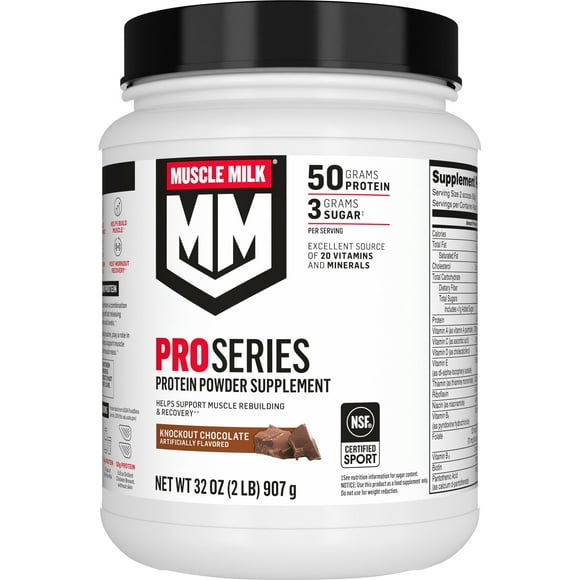 40g protein
Pro Series Protein Shake - Knockout Chocolate
Amazon returns policy · secure checkout
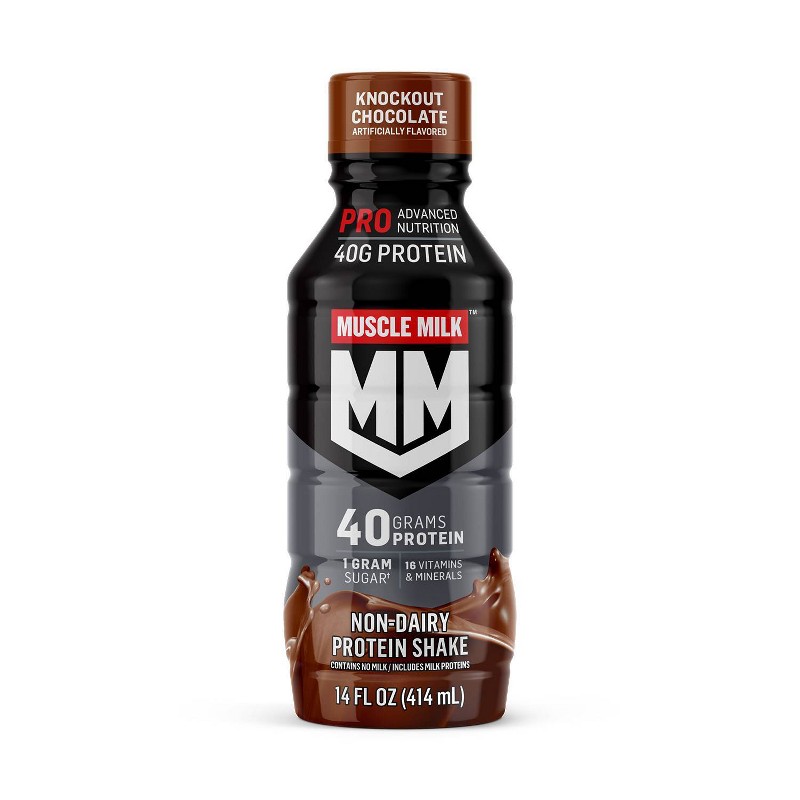 40g protein
Pro Series Protein Shake
Amazon returns policy · secure checkout
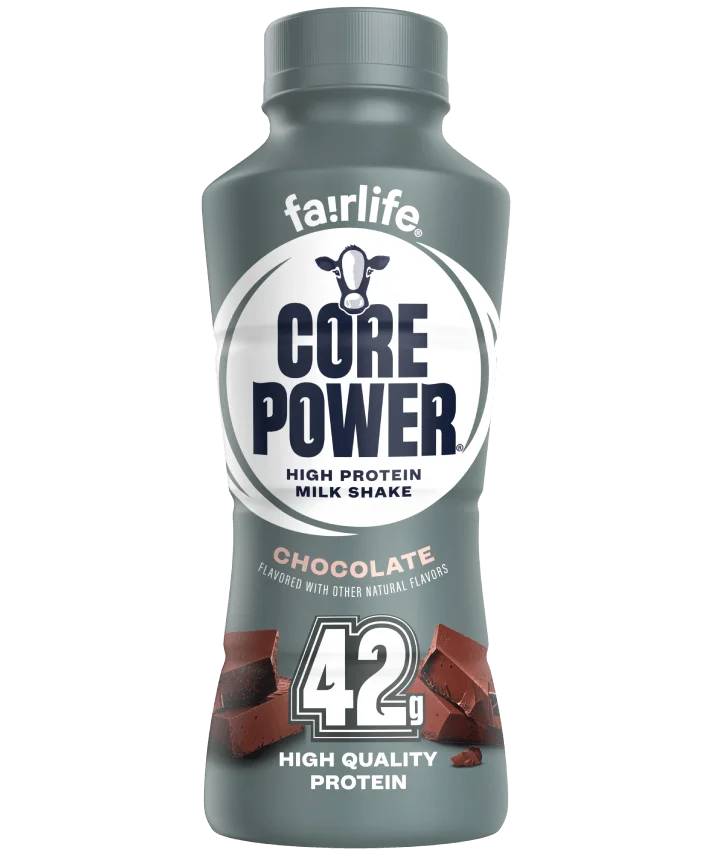 42g protein
Core Power Elite High Protein Shake
Amazon returns policy · secure checkout
Affiliate links — if you buy through them we earn a small commission at no extra cost to you. The facts and picks below are our own.
The Quick Verdict
Neither brand is a clean sweep. Here is who wins each category that actually drives a purchase decision.
- No artificial sweeteners: Muscle Milk (2026 formula). Core Power’s current ingredient panel still lists sucralose and Ace-K alongside monk fruit and stevia.
- Certified lactose-free: Core Power. Fairlife adds lactase enzyme and labels the entire lineup lactose-free. Muscle Milk’s ultra-filtration cuts lactose to under 1g per bottle but the 2026 formula is not certified lactose-free on the label.
- Highest single-bottle protein: Tied. Core Power Elite (14 fl oz, 42g, 230 cal) and Muscle Milk Pro 14oz (14 fl oz, 42g, ~220 cal) both hit 42g of protein.
- Best protein per calorie in the standard bottle: Muscle Milk Genuine (~16g / 100 cal, 26g in 11 fl oz at ~160 cal) narrowly beats standard Core Power (15.3g / 100 cal, 26g in 14 fl oz at 170 cal).
- Lowest total sugar (standard bottle): Muscle Milk at <2g. Standard Core Power carries 5g of naturally-occurring lactose sugar.
- Lowest calories per bottle at the same protein target: Muscle Milk Pro 14oz — 42g for ~220 cal vs. Core Power Elite’s 42g for 230 cal.
- Most flavors and widest retail distribution: Core Power. Fairlife is stocked at every Costco and most major grocery chains; Muscle Milk’s 2026 flavor set is smaller (Chocolate, Vanilla, Strawberry).
Side-by-Side Nutrition: The Standard Bottle
The fairest apples-to-apples comparison at the everyday level. All figures below are from each brand’s current 2026 nutrition-facts panel, cross-referenced against major retailer listings. Values marked (~) for Muscle Milk are compiled from retailer listings during the reformulation rollout; confirm against your specific bottle.
| Per standard bottle | Core Power (Chocolate) | Muscle Milk Genuine, 2026 (Chocolate) |
|---|---|---|
| Bottle size | 14 fl oz | 11 fl oz |
| Calories | 170 | ~160 |
| Protein | 26g | 26g |
| Protein per 100 cal | 15.3g | ~16g |
| Total sugar | 5g | <2g |
| Added sugar | 0g | — |
| Fat | 4.5g | ~6g |
| Sweeteners | Monk fruit, stevia, sucralose, Ace-K | None (no artificial, no monk fruit or stevia) |
| Protein source | Ultra-filtered lactose-free milk (+ lactase) | Ultra-filtered milk |
| Certified lactose-free? | Yes | Not labeled lactose-free (lactose is low, ~<1g) |
Two patterns matter here. First, both shakes now deliver the same 26g of protein from ultra-filtered milk — that’s the direct consequence of Muscle Milk’s reformulation, and it’s what makes this a real comparison rather than a category-mismatch. Second, they diverge on sweeteners and lactose certification: Muscle Milk removed all sweeteners of any kind (artificial, monk fruit, stevia) and lets natural dairy sweetness carry the flavor, while Core Power still uses a four-sweetener blend that includes sucralose and Ace-K on the current ingredient panel. Core Power is certified lactose-free on the label; Muscle Milk is not, even though ultra-filtration removes most of the lactose.
The Full Lineup: All Bottles Compared
Both brands sell more than one SKU. Here are every current 2026 bottle from each brand, ranked by protein per calorie.
| Shake | Bottle | Calories | Protein | Total Sugar | Fat | Protein / 100 cal |
|---|---|---|---|---|---|---|
| Muscle Milk Pro (2026) | 11 fl oz | ~170 | 33g | <2g | ~5g | ~19.4g |
| Muscle Milk Pro (2026) | 14 fl oz | ~220 | 42g | <2g | ~6g | ~19.1g |
| Fairlife Core Power Elite (Chocolate) | 14 fl oz | 230 | 42g | 7g | 3.5g | 18.3g |
| Muscle Milk Genuine (2026) | 11 fl oz | ~160 | 26g | <2g | ~6g | ~16g |
| Fairlife Core Power (Chocolate) | 14 fl oz | 170 | 26g | 5g | 4.5g | 15.3g |
Three patterns worth surfacing. First, Muscle Milk Pro is the most efficient shake in this comparison at either size — roughly 19g of protein per 100 calories versus Core Power Elite’s 18.3g. The absolute difference is small; the practical effect at 42g is about 10 fewer calories per bottle. Second, both brands hit the same 42g protein ceiling in their high-protein tier — if maximum protein per bottle is the only criterion, it’s a genuine tie and the tiebreaker moves to sweeteners, lactose certification, and price. Third, Core Power’s sugar numbers are higher (5g standard, 7g Elite) because Fairlife retains more of the naturally-occurring lactose sugar even after adding lactase enzyme; Muscle Milk’s ultra-filtration removes more of that residual sugar upstream.
Sweeteners: The Biggest Split Between the Two Brands
This is the single most important difference for buyers who read ingredient panels, and it’s where the two brands genuinely diverge.
- Muscle Milk (2026): No added sweeteners of any kind — not sucralose, not Ace-K, not monk fruit, not stevia. The Spring 2026 reformulation removed the sucralose and Ace-K that had been in the previous formula, and unlike Fairlife, the brand chose not to swap in monk fruit or stevia. Sweetness comes from the natural lactose sugars retained after ultra-filtration plus natural flavors.
- Fairlife Core Power: Uses a four-sweetener blend — monk fruit juice concentrate, stevia leaf extract, sucralose, and acesulfame potassium (Ace-K). Fairlife markets the shakes as sweetened with monk fruit and stevia (accurate), but the current ingredient panels also list sucralose and Ace-K (also accurate). If you are picking a Fairlife shake specifically to avoid sucralose, check the current label before buying — the sucralose-free positioning is largely marketing hype rather than an ingredient-panel reality.
The practical takeaway: if you strictly avoid non-nutritive sweeteners of any kind, Muscle Milk 2026 is now the only shake in this comparison that qualifies. That’s a real change from the pre-2026 landscape where every ultra-filtered RTD shake used some form of artificial sweetener. If sweeteners are a non-issue for you, this difference doesn’t matter and you should decide on protein, price, or taste instead. One transition caveat — old-formula Muscle Milk (which still listed sucralose and Ace-K) may linger on some shelves during the changeover, so check the ingredient list on the bottle: if you see either sweetener, it’s old stock.
Lactose: Both Are Low, Only Core Power Is Certified
Both shakes use ultra-filtration as part of the production process, and both end up with low lactose relative to conventional milk. The difference is what happens after that.
- Fairlife Core Power is made from ultra-filtered milk with added lactase enzyme, which breaks the residual lactose down into simple sugars (glucose and galactose). The result is labeled and certified lactose-free on the front of the bottle. This is the same process Fairlife uses across its entire brand.
- Muscle Milk (2026) uses ultra-filtered milk without added lactase. Ultra-filtration alone typically removes most lactose — usually below 1g per bottle — but residual lactose is still present, and the brand does not label the shakes lactose-free.
The practical difference: for anyone with mild-to-moderate lactose intolerance, both shakes are likely to be tolerated well — ultra-filtered milk at <1g of lactose per bottle is far below the 12g in a typical cup of regular milk that triggers symptoms. For anyone with severe lactose intolerance who requires a certified lactose-free label to be confident, Core Power is the safer pick. Neither shake is safe for a diagnosed casein or whey (milk protein) allergy, regardless of the lactose content — both contain dairy proteins.
Fortification: Core Power Retains a Meaningful Edge
Fairlife naturally includes calcium, vitamin D, potassium, and other micronutrients from the ultra-filtered milk base, and Core Power specifically is fortified beyond that baseline. Muscle Milk’s 2026 reformulation appears to rely primarily on the micronutrients naturally present in ultra-filtered milk without extensive additional fortification. If daily micronutrient coverage from your shake matters — for example, if you’re relying on it as a rushed-breakfast stand-in on hurried days — Core Power carries a real edge here. If you’re getting your micronutrients from real food and just using the shake for protein, this difference is essentially irrelevant. Confirm against the specific label on the bottle you buy, since both brands adjust fortification periodically.
Muscle-Building: When the 42g Tier Is the Right Answer
If your protein target is high (0.7–1.0g per pound of bodyweight for strength training, per the general sports-nutrition literature) and you’re using shakes to close a real gap, the 42g high-protein tier — either Core Power Elite or Muscle Milk Pro 14oz — is the most efficient single-bottle option in this comparison. 42g of complete dairy protein in one bottle gives you the equivalent of nearly two standard shakes’ worth of protein, at a lower calorie cost than drinking two smaller shakes back-to-back.
Between the two 42g options, Muscle Milk Pro 14oz is roughly 10 calories lighter (~220 vs 230) and free of added sweeteners; Core Power Elite carries the certified lactose-free label and Fairlife’s smoother, more milk-like mouthfeel that many taste testers prefer. Both digest at a moderate-to-slow pace because ultra-filtered milk retains the natural ~80/20 casein-to-whey ratio — neither is a fast-absorbing whey isolate, so if your priority is rapid amino-acid delivery in the 30 minutes after a hard workout, a whey isolate is better timed than either shake. Both are excellent for closing a daily protein target or as a between-meals or pre-bed dose. See our best post-workout protein snacks guide for faster-digesting alternatives, and our highest protein-to-calorie ratio ranking for the full efficiency-focused view across bars, shakes, and yogurt.
Weight Loss: Muscle Milk Wins Narrowly on Both Sugar and Calories
For a shake used specifically as a weight-loss tool — either as a rushed breakfast, a mid-afternoon hunger buffer, or a low-calorie way to hit a daily protein target — Muscle Milk has a small but real edge over standard Core Power in this comparison. At 26g of protein for ~160 calories and <2g of sugar, Muscle Milk Genuine delivers ~16g of protein per 100 calories versus Core Power’s 15.3g, and drops 3g of sugar off the standard-bottle number. The practical daily difference at one bottle a day is about 10 calories and 3g of sugar — small at any single meal, but non-trivial over a month.
Where Core Power earns points for weight loss anyway: the larger 14 fl oz volume can be more filling than the 11 fl oz Muscle Milk bottle for the same protein target, and the certified lactose-free label is a real edge for anyone whose bloating or GI discomfort makes them feel heavier and less likely to stay on plan. If neither shake bothers your stomach, this is a coin flip — pick by taste and price. Compare both against our best high-protein snacks for weight loss guide for the full field.
Price and Value: What You Actually Pay Per Gram of Protein
Both brands sell in bulk multipacks at Costco, on Amazon, and at conventional grocery. Pricing swings frequently, especially on Amazon, so the figures below are ranges verified against current listings at the time of writing rather than fixed numbers. Cost per gram of protein is the fairest way to compare shakes of different sizes.
| Shake | Typical pack | Approx. price per bottle | Cost per gram of protein |
|---|---|---|---|
| Fairlife Core Power Chocolate 26g (14 fl oz) | 4-, 8-, or 12-pack | ~$3.50–$4.50 | ~$0.13–$0.17 / g |
| Fairlife Core Power Elite Chocolate 42g (14 fl oz) | 4-, 8-, or 12-pack | ~$4.50–$5.75 | ~$0.11–$0.14 / g |
| Muscle Milk Genuine Chocolate (11 fl oz) | 12-pack | ~$2.20–$3.00 | ~$0.08–$0.12 / g |
| Muscle Milk Pro 14oz 42g | 12-pack | ~$3.50–$4.75 | ~$0.08–$0.11 / g |
Muscle Milk is typically cheaper per gram of protein than Core Power in this comparison, sometimes meaningfully so. Standard Core Power carries a real premium (~$0.13–$0.17 per gram) for the certified lactose-free label, the 14 fl oz volume, and the fortification. Core Power Elite closes some of the value gap because you get more protein per bottle, but Muscle Milk Pro 14oz still tends to come in lower per-gram. That premium is worth paying only if you specifically want the certified lactose-free label, the extra micronutrients, or you strongly prefer the taste. For an even lower cost-per-gram comparison across the whole snack category, see our cheapest high-protein snacks by price per gram.
Taste and Texture: The Subjective Part
Both shakes are built on ultra-filtered milk, which gives them the smoother, more milk-like mouthfeel that consistently wins informal taste tests over milk-protein-concentrate shakes like Premier Protein. Between the two, informal consensus tends to give Core Power a slight edge for a smoother, slightly sweeter finish — the four-sweetener blend hits the sweetness curve more like traditional chocolate milk. Muscle Milk’s 2026 reformulation reads a little less intensely sweet (because it removed all sweeteners rather than swapping to monk fruit or stevia) and has a cleaner dairy-forward taste that some people prefer and others find under-sweetened. If taste is the deciding factor, buy a small variety pack of each before committing to a case — personal preference varies too much to predict from spec sheets.
Which Shake Wins for Each Use Case
- Best for avoiding all non-nutritive sweeteners: Muscle Milk (2026 formula). Core Power still uses sucralose and Ace-K on its current ingredient panel alongside monk fruit and stevia.
- Best for certified lactose intolerance: Fairlife Core Power (or Core Power Elite). Certified lactose-free with added lactase enzyme. Muscle Milk’s lactose is low but not labeled lactose-free.
- Best cost per gram of protein: Muscle Milk. Typically ~$0.08–$0.12 per gram at bulk-pack pricing, versus $0.13–$0.17 for standard Core Power.
- Best for maximum protein in a single bottle: Tied. Core Power Elite (42g / 14 fl oz / 230 cal) and Muscle Milk Pro 14oz (42g / 14 fl oz / ~220 cal) both hit 42g. Muscle Milk Pro is roughly 10 calories lighter.
- Best protein-per-calorie in the standard bottle: Muscle Milk Genuine (~16g per 100 cal) narrowly ahead of standard Core Power (15.3g per 100 cal).
- Best all-around post-workout recovery shake: Fairlife Core Power. The 14 fl oz volume plus the smoothest ultra-filtered mouthfeel is what most trainers reach for after a session, though the 2026 Muscle Milk covers the same 26g protein target.
- Best fortification (calcium, vitamin D, added micronutrients): Fairlife Core Power. Muscle Milk’s 2026 formula relies primarily on the micronutrients naturally present in ultra-filtered milk.
- Widest retail distribution and flavor variety: Fairlife Core Power. Stocked at every Costco and most major grocery chains. Muscle Milk’s 2026 flavor set is smaller (Chocolate, Vanilla, Strawberry).
Who Should Skip Both
These shakes aren’t the right answer for everyone. Skip both brands if you fall into any of the following:
- Milk allergy. Both shakes are dairy-derived (casein and whey from cow’s milk). Neither is safe for a diagnosed milk protein allergy, only for lactose intolerance. For plant-based alternatives, see our dairy-free protein options roundup.
- Vegans. Ultra-filtered milk is still cow’s milk. Both shakes are dairy products.
- People who prefer whole-food protein. A shake is a supplement, not a replacement for whole-food sources like FAGE Total 0% yogurt, :ratio PROTEIN yogurt, or eggs. For daily protein above the ~50g mark, whole foods should be doing most of the work.
- Anyone building a shake to a very specific macro spec. If you want exact control of protein, carbs, fat, and micronutrients, a whey or casein isolate scoop mixed with milk or water gives you precise dosing and typically costs less per gram of protein than either bottled shake.
Where to Buy
Both brands are stocked at Costco, Sam’s Club, Walmart, Target, Kroger, Publix, Safeway, and most conventional grocery chains. Amazon offers all four SKUs in this comparison in variety-pack sizes with subscribe-and-save pricing. Fairlife typically has wider in-store distribution; Muscle Milk’s 2026 reformulation is still rolling out to some regional markets, so availability of the newest formula may vary.
Affiliate links — it costs you nothing extra and supports our independent guides.
Frequently Asked Questions
Which has more protein, Core Power or Muscle Milk?
It depends which bottle. Standard Fairlife Core Power (14 fl oz) and standard Muscle Milk Genuine 2026 (11 fl oz) both deliver 26g of protein, so they tie at the standard-bottle level. At the high-protein tier, Fairlife Core Power Elite (14 fl oz, 230 cal) and Muscle Milk Pro 14oz (~220 cal) both hit 42g of protein — another tie, with Muscle Milk having a slight ~10-calorie edge. In short: no brand out-protein-grams the other, at either tier.
Is Core Power or Muscle Milk healthier?
Closer than most brand comparisons suggest, and “healthier” depends on which axis matters most. Muscle Milk’s 2026 formula is the only one of the two without any added non-nutritive sweeteners, which is a meaningful edge if you strictly avoid sucralose, Ace-K, or even monk fruit and stevia. Core Power is certified lactose-free and typically better fortified with added vitamins and minerals. Both have 0g added sugar, ultra-filtered milk as the protein base, and complete dairy protein. Neither is a whole food.
Is Core Power lactose-free? Is Muscle Milk lactose-free?
Fairlife Core Power (all three lines: standard, Elite, Nutrition Plan) is certified lactose-free on the label, thanks to ultra-filtration plus added lactase enzyme. Muscle Milk’s 2026 formula uses ultra-filtered milk but does not add lactase and is not labeled lactose-free — residual lactose is very low (typically under 1g per bottle), so most lactose-sensitive people tolerate it fine, but people with severe lactose intolerance who require a certified lactose-free product should choose Core Power. Neither shake is safe for a milk protein allergy (casein or whey).
Do Core Power or Muscle Milk have artificial sweeteners?
Core Power does — sucralose and acesulfame potassium (Ace-K) are on the current ingredient panel alongside monk fruit and stevia, even though Fairlife markets the shakes as sweetened with monk fruit and stevia. Muscle Milk (2026 reformulation) does not use any artificial sweeteners; it also skipped monk fruit and stevia entirely and relies on natural sweetness from the ultra-filtered milk base and natural flavors. If the ingredient list on your current Muscle Milk bottle still lists sucralose or Ace-K, you have old-formula stock from before the changeover.
Which is cheaper per gram of protein?
Muscle Milk, typically. Muscle Milk Genuine tends to run ~$0.08–$0.12 per gram of protein at bulk-pack pricing; Muscle Milk Pro 14oz ~$0.08–$0.11. Standard Core Power runs ~$0.13–$0.17 per gram, and Core Power Elite ~$0.11–$0.14. Prices swing frequently, especially on Amazon, so verify the current pricing before committing to a case. The Fairlife premium is real and buys you the certified lactose-free label, the fortification, and the larger 14 fl oz volume.
Which shake tastes better?
Subjective. Both are built on ultra-filtered milk, so both have the smoother, more milk-like mouthfeel that consistently outperforms milk-protein-concentrate shakes. Informal consensus tends to give Core Power a slight edge for a smoother, sweeter finish — the four-sweetener blend hits the sweetness curve more like traditional chocolate milk. Muscle Milk’s 2026 reformulation reads less intensely sweet and has a cleaner dairy-forward taste that some people prefer. If taste is the deciding factor, buy a small variety pack of each before committing to a case.
Which is better right after a workout?
Both are moderate-to-slow digesters because ultra-filtered milk retains the natural ~80/20 casein-to-whey ratio. Neither is a fast-absorbing whey isolate, so if your priority is rapid amino-acid delivery in the 30 minutes after a hard workout, a whey isolate is better timed than either shake. Both are excellent for simply closing a daily protein gap or as a between-meals or pre-bed protein dose. If you specifically want fast post-workout absorption, see our best post-workout protein snacks guide.
Are these shakes safe for kids?
Neither brand markets these shakes to young children. A single bottle is not unsafe for an older child or teen, but children typically get plenty of protein from a normal diet. Muscle Milk’s 2026 formula is now the only one of the two without any added artificial sweeteners — a point some parents may care about — while Core Power’s current formula still contains sucralose and Ace-K alongside monk fruit and stevia. For a child or teen where protein is genuinely a concern, plain fairlife milk, Greek yogurt, or real food is usually the better call. Ask your pediatrician if you’re unsure. This is general information, not medical advice.
Bottom line: Pick Muscle Milk (2026) when you want zero added sweeteners of any kind (artificial or natural), the cleanest ingredient panel in the category, and a lower cost per gram of protein — and you don’t need a certified lactose-free label. Pick Fairlife Core Power when you specifically need certified lactose-free protein, better fortification, a smoother sweeter taste, and Costco-scale distribution — and you’re comfortable with a four-sweetener blend that includes sucralose and Ace-K. At the high-protein tier, Core Power Elite and Muscle Milk Pro 14oz both deliver 42g per bottle — a genuine tie, with Muscle Milk about 10 calories lighter and Core Power carrying the lactose-free label. Neither is artificial-sweetener-free if you count sucralose; only Muscle Milk 2026 is if you count monk fruit and stevia as non-nutritive too. Compare both against the rest of the field in our Fairlife Core Power nutrition guide, Muscle Milk nutrition facts, Premier Protein vs Core Power, and best ready-to-drink protein shakes of 2026, or browse the full protein snacks directory.
Shop our top protein drink picks
Editor-selected high-protein options related to this guide. As an Amazon Associate we may earn from qualifying purchases.
Buy the products in this guide: Nutrition Plan High Protein Shake · Core Power Elite - Chocolate · Nutrition Plan Shake - Chocolate
40g proteinPro Series Protein Shake - Knockout Chocolate
Amazon returns policy · secure checkout
40g proteinPro Series Protein Shake
Amazon returns policy · secure checkout
42g proteinCore Power Elite High Protein Shake
Amazon returns policy · secure checkout
Tags
High Protein Snacks Pro Editorial Team
Independently researched and editorially reviewed. We compare real nutrition labels and never accept payment for coverage.
Get the best new protein snacks in your inbox
Weekly picks and honest reviews — no spam, unsubscribe anytime.
More from the journal
Fairlife Nutrition Plan vs Core Power (2026): 30g in 150 Calories or 26g in a Bigger Bottle — Which Fairlife Shake Wins?
Nutrition Plan: 30g protein for 150 calories. Core Power: 26g for 170. Elite: 42g for 230. The verified head-to-head using fairlife's own labels.
Read more
Premier Protein vs Core Power (2026): The Full Head-to-Head on Protein, Sugar, Sweeteners, and Value
Premier Protein (11.5 fl oz) delivers 30g protein and 160 calories for 1g sugar. Fairlife Core Power sells three different shakes with three different answers: the original 26g Core Power (14 fl oz, 170 cal), the high-protein Core Power Elite (14 fl oz, 42g, 230 cal), and the 30g Nutrition Plan (11.5 fl oz, 150 cal). We compared all four bottle-for-bottle on protein per calorie, sugar, sweeteners, lactose, vitamins, and price per gram of protein — with a clear pick for lactose intolerance, muscle-building, weight loss, and budget.
Read more
Fairlife Core Power Nutrition Facts: Every Line Ranked by Protein Density (2026)
Core Power packs 26g protein for 170 calories, Elite hits 42g, and Nutrition Plan delivers 30g for just 150 — every line ranked by protein density.
Read more