Best Dairy-Free Greek Yogurt 2026: 8 High-Protein Brands Ranked by Protein Per Cup
Two Good Plant-Based leads the dairy-free protein category at 12g per 5.3oz cup with only ~2g of total sugar (0g added), stevia-sweetened on a soy base. Kite Hill Greek Style Plain delivers 11g with 0g of added sugar and no sweeteners at all — the best pick for buyers avoiding stevia too. Soy-free options from Forager Project (cashew + rice protein) and Silk Greek Style (coconut + pea) hit 10g. All 8 brands ranked by protein per cup with per-brand breakdowns, sweetener analysis, allergen guide, and a decision table for every goal.
Our top high-protein picks
Editor-selected and ready to buy. As an Amazon Associate we may earn from qualifying purchases.
 12g protein
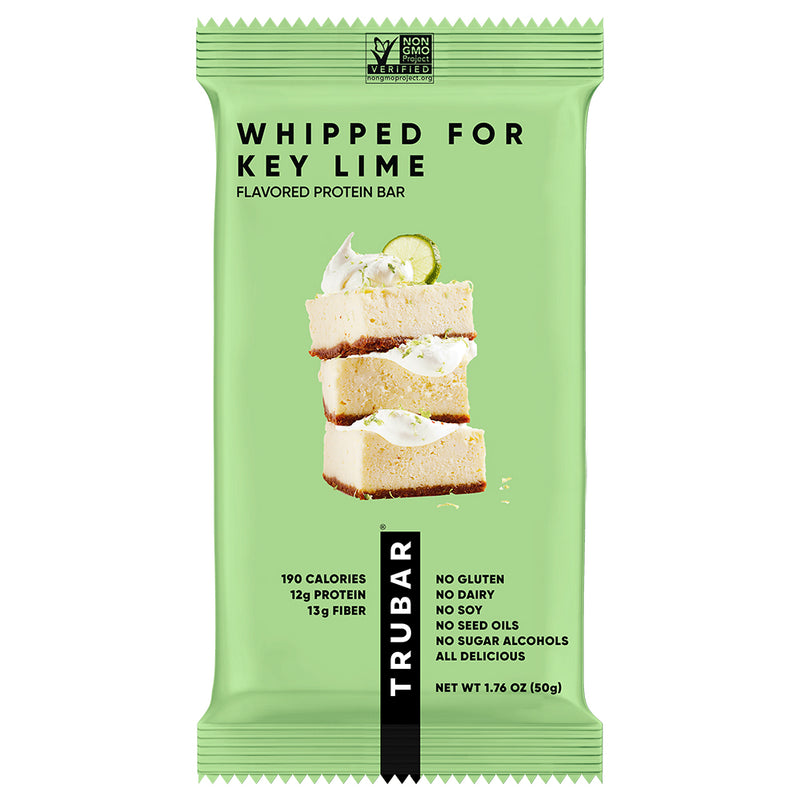
Whipped For Key Lime TRUBAR Nutrition and Protein Bar
Amazon returns policy · secure checkout
 12g protein
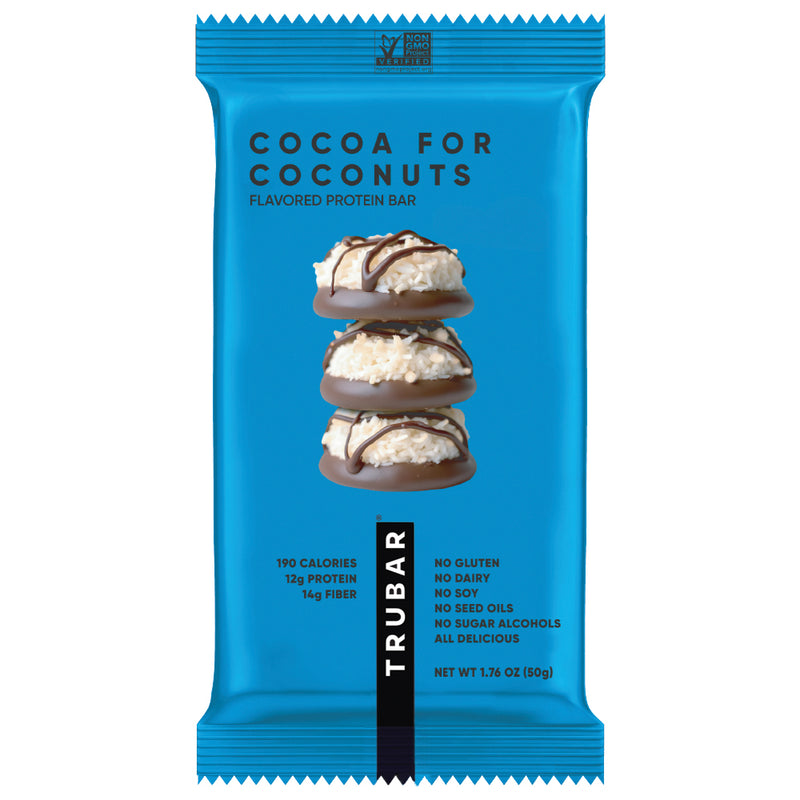
Cocoa for Coconuts TRUBAR Nutrition and Protein Bar
Amazon returns policy · secure checkout
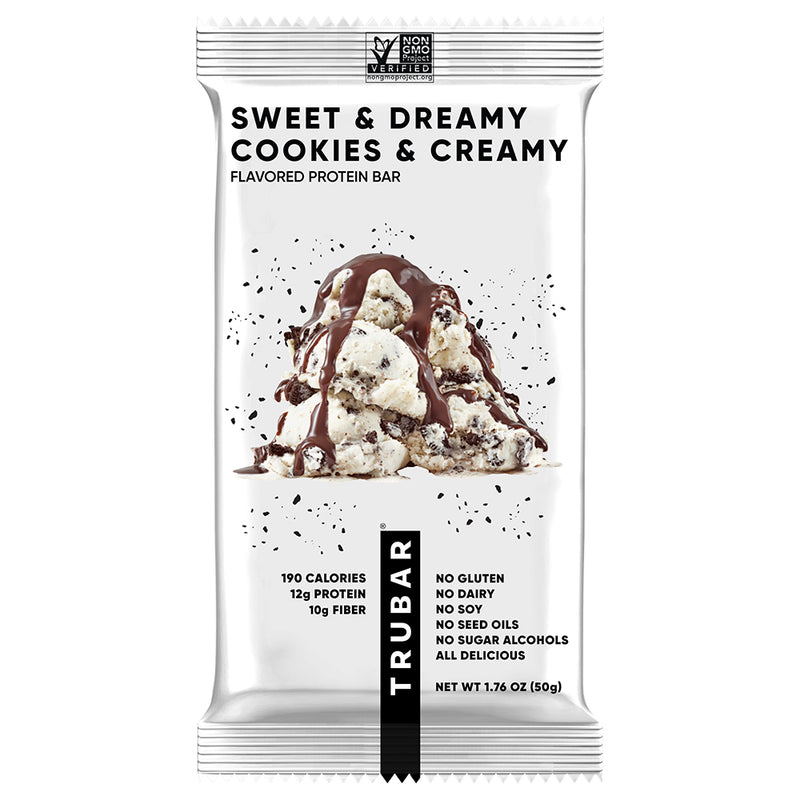 12g protein
Sweet & Dreamy, Cookies & Creamy
Amazon returns policy · secure checkout
Direct Answer
Two Good Plant-Based Vanilla leads the dairy-free yogurt category at 12g of protein per 5.3oz cup with only ~2g of total sugar (0g added), sweetened with stevia on a soy base. For no-sweetener options (no stevia, no artificial sweeteners), Kite Hill Greek Style Plain Unsweetened delivers 11g with 0g added sugar. For soy-free at 10g: Forager Project Greek Style (cashew + rice protein, organic) and Silk Greek Style (coconut + pea, conventional stores). The entire high-protein tier (10g+) is either soy-based or pea/rice-protein-boosted — plain coconut-milk yogurts top out at 1–3g without protein additions.
The dairy-free yogurt aisle has a protein gap most labels do not make obvious. Most of what is shelved as “Greek-style” dairy-free yogurt is built on coconut milk, almond milk, or oat milk — bases that are naturally low in protein. A thick texture is no proof of protein. The only way to find genuinely high-protein options is to look for soy-based yogurts (the one plant milk with protein density close to dairy) or to check the ingredient list for “pea protein” or “rice protein” near the top, which signals added protein in a lower-protein base. Below is every widely-available dairy-free Greek-style yogurt in the US ranked by protein per cup, with a per-brand breakdown on ingredients, sweeteners, allergens, and who each one is right for. For comparison against dairy options, see our high-protein yogurt brands guide. For purely coconut-based options, see our best high-protein coconut yogurt guide.
Why Most Dairy-Free Greek Yogurts Are Low in Protein
Regular dairy Greek yogurt is high in protein because straining concentrates naturally occurring milk protein into a thick base. Plant milks do not work the same way. Coconut, almond, oat, and cashew milks are naturally low in protein, so straining them produces a thick texture but very little protein. That is why an unsweetened coconut “Greek-style” yogurt can be thick and luscious yet only deliver 1–2g of protein per cup.
To get real protein, manufacturers do one of two things:
- Start from soy milk. Soy is the only plant milk that naturally contains meaningful protein — roughly 7–9g per cup of plain soy milk before straining. When fermented and strained, a pure soy yogurt reaches 10–12g of protein per serving without adding isolated protein. Two Good Plant-Based and Silk Protein Dairy-Free use this approach. Advantage: simpler ingredient lists. Trade-off: contains soy, a top-8 allergen.
- Add protein to a lower-protein base. Start from coconut, almond, oat, or cashew milk (naturally 1–3g protein), then add pea protein or rice protein isolate to reach 10g+. Forager Project, Silk Greek Style, So Delicious, Siggi’s Plant-Based, and Cocojune Protein all use this approach. Advantage: enables soy-free options. Trade-off: longer ingredient lists, and the added protein can change texture and flavor.
Either strategy works nutritionally. The choice is mostly about allergen tolerance: soy-based yogurts are simpler but contain soy; pea/rice-protein-boosted yogurts can be soy-free but are more processed.
All 8 Brands: Full Comparison Table
All protein figures are per single-serve cup (5.3oz / 150g) unless noted. Sweetener and allergen information is from current brand ingredient panels.
| Brand | Base | Protein | Total Sugar | Sweetener | Soy-Free? |
|---|---|---|---|---|---|
| Two Good Plant-Based Vanilla | Soy | 12g | ~2g (0g added) | Stevia only | No |
| Kite Hill Greek Style Plain Unsweetened | Almond + soy protein | 11g | 0g added | None (plain) | No |
| Silk Protein Dairy-Free Yogurt Alternative | Soy | 11g | ~9g (flavored) | Cane sugar (flavored) | No |
| Silk Greek Style | Coconut + pea protein | 10g | ~9g (flavored only) | Cane sugar | Yes |
| Forager Project Greek Style Unsweetened | Cashew + coconut + rice protein | 10g | 0g added | None (plain) | Yes |
| So Delicious Greek Style (flavored) | Coconut + pea protein | 10g | ~8–9g (flavored) | Cane sugar | Yes |
| Siggi’s Plant-Based | Coconut + macadamia + pea protein | 10–11g | 8–9g | Cane sugar | Yes |
| Cocojune Organic Protein | Coconut + pea protein | 10g (5.6oz) | ~7g | Cane sugar | Yes |
Protein figures from verified brand nutrition panels. All data are per 5.3oz (150g) cup except Cocojune Protein (5.6oz). Low-protein options like Oatly Oatgurt (3g) and Lavva (2g) are excluded from the high-protein table — they are excellent products for taste but not protein sources.
#1. Two Good Plant-Based — 12g Protein, ~2g Sugar, Stevia Only
Two Good Plant-Based is the protein leader in the dairy-free yogurt category: 12g of protein per 5.3oz cup with only ~2g of total sugar (0g added), on a soy base slow-strained to remove most naturally occurring sugars. The brand applies the same approach from its dairy version — our Two Good nutrition guide confirms the dairy product runs 80 calories, 12g protein, 2g total sugar, 0g added across all flavors. The plant-based version is designed to the same macro profile, with stevia leaf extract as the only sweetener. The result: the highest protein available in the dairy-free yogurt category at the lowest sugar, without any artificial sweeteners.
For buyers who want maximum protein AND minimum sugar in dairy-free yogurt without using artificial sweeteners, Two Good Plant-Based is the clearest answer. Stevia is the only trade-off; shoppers who notice a bitter aftertaste from stevia may prefer Kite Hill (no sweeteners at all) or Silk Protein (cane sugar).
Who it’s for: anyone maximizing protein and minimizing sugar from dairy-free yogurt; stevia-tolerant buyers replacing dairy Two Good. Who should skip: anyone with a soy allergy; anyone sensitive to stevia’s aftertaste.
#2. Kite Hill Greek Style Plain — 11g Protein, 0g Added Sugar, No Sweeteners
Kite Hill uses almond milk as the base and adds soy protein to reach 11g per 5.3oz cup. The plain unsweetened version has 0g added sugar and no sweeteners of any kind — no stevia, no cane sugar, no monk fruit, no sucralose. For buyers who want maximum protein alongside zero sweeteners (not even a natural non-nutritive sweetener like stevia), Kite Hill plain is the standout. It is notably tangy, similar to a high-quality plain dairy Greek yogurt, which most people find easier to use with their own fruit or toppings than a pre-sweetened cup.
A sizing note: the larger multi-serve tub can list a different per-serving protein count (up to 17g on some configurations) because of a larger recommended serving size. Always check the serving size on the exact container you buy to compare like-for-like with a 5.3oz cup.
Who it’s for: anyone avoiding all sweeteners including stevia; people who prefer to customize with their own fruit; clean-label buyers who want a short ingredient list. Who should skip: anyone with a soy allergy (Kite Hill uses soy protein); buyers who need flavored ready-to-eat cups; anyone who finds plain tangy yogurt unpleasant without sweetener.
#3. Silk Protein Dairy-Free Yogurt Alternative — 11g Protein, Soy Base, Widely Available
Silk Protein Dairy-Free (the Protein line specifically, not Silk Greek Style or standard Silk yogurt) is a soy-based yogurt at 11g of protein per 5.3oz cup. The flavored varieties carry approximately 9g of total sugar from cane sugar, typical for a flavored dairy-free yogurt using a real sweetener. Silk Protein Dairy-Free is available at most conventional grocery stores — more broadly distributed than Kite Hill or Forager Project — and is a reliable, accessible option for soy-tolerant buyers who want a flavored, protein-forward cup without seeking out a specialty store.
Important distinction: “Silk Protein Dairy-Free” is different from “Silk Greek Style” (coconut + pea protein, detailed below) and from standard Silk yogurt cups. All use the Silk brand but have different protein bases. Read the label.
Who it’s for: conventional grocery store shoppers who want a reliable soy-based 11g protein cup. Who should skip: anyone with a soy allergy; buyers wanting unsweetened (not available without added sugar in this line).
#4. Silk Greek Style — 10g Protein, Soy-Free, Broadly Available
Silk Greek Style is built on coconut milk with pea protein added to reach 10g per cup. Crucially, it is soy-free, making it the best-distributed soy-free dairy-free high-protein yogurt at conventional grocery stores. The one trade-off: Silk Greek Style is only available in flavored cups (no plain unsweetened), so there is no way to buy it without added sugar from cane sugar (~9g per cup). For soy-allergic buyers at Target, Walmart, or conventional grocery chains who want a simple 10g protein option and can accept the sugar from a flavored cup, Silk Greek Style is the most practical choice.
Who it’s for: soy-allergic buyers at conventional grocery stores; people who prefer a coconut-base yogurt with protein. Who should skip: anyone avoiding added sugar (no unsweetened option exists); anyone who wants the Kite Hill or Forager ingredient cleanliness.
#5. Forager Project Greek Style — 10g Protein, Soy-Free, Organic
Forager Project Greek Style is built on a cashew and coconut base with rice protein added — soy-free, certified organic, and one of the cleaner ingredient lists in the category. The plain unsweetened version has 0g added sugar and no sweeteners. At 10g of protein, it sits at the same level as Silk Greek Style and So Delicious, but with organic certification and a cashew base that gives it a slightly richer, rounder flavor than coconut-dominant alternatives. Forager Project is typically stocked at Whole Foods, Sprouts, and natural grocery stores; its mainstream distribution is narrower than Silk.
Who it’s for: soy-allergic buyers who want organic certification; Whole Foods and natural grocery shoppers; anyone who wants 10g protein, 0g added sugar, and a clean-label soy-free format. Who should skip: buyers at conventional grocery chains without specialty sections; anyone with tree nut allergies (cashew base).
#6. So Delicious Greek Style — 10g Protein, Coconut-Pea, Accessible
So Delicious Greek Style adds pea protein to a coconut base to reach 10g per flavored cup. A critical distinction: the So Delicious plain unsweetened yogurt (same brand, same base) delivers only about 2g of protein without the pea protein boost. The “10g protein” SKUs are the flavored cups only. So Delicious is broadly available at Whole Foods, Target, and conventional grocery stores, and is one of the more accessible soy-free options after Silk Greek Style. The cane-sugar sweetening in flavored cups brings approximately 8–9g of total sugar per cup.
Who it’s for: soy-avoiding buyers at Whole Foods, Target, or conventional stores; people familiar with the So Delicious brand. Who should skip: anyone accidentally buying the plain/unsweetened version (only ~2g protein); buyers who want 0g added sugar.
#7. Siggi’s Plant-Based — 10–11g Protein, Skyr-Style
Siggi’s Plant-Based applies the brand’s Icelandic skyr-style “more protein than sugar” philosophy to a coconut and macadamia base with added pea protein. Per cup it delivers 10–11g of protein and 8–9g of total sugar from cane sugar, targeting siggi’s dairy fans making a plant-based switch. The macadamia content gives it a slightly richer texture than standard coconut yogurts, and the brand keeps sugar lower than most conventional flavored dairy-free yogurts (which commonly run 14–20g per cup). Siggi’s Plant-Based uses cane sugar rather than artificial sweeteners, mirroring the dairy line’s no-artificial-sweetener commitment — see our siggi’s nutrition guide for the full dairy comparison.
Who it’s for: siggi’s dairy fans making a plant-based switch; buyers who want more protein than sugar in a soy-free yogurt. Who should skip: buyers who need 12g protein (Two Good Plant-Based is the stronger pick); anyone strictly limiting added sugar.
#8. Cocojune Organic Protein — 10g Protein, Cleanest Coconut-Pea Label
Cocojune Organic Protein leads the soy-free category on ingredient quality: a short organic ingredient list, all ingredients USDA Organic certified, with pea protein added to a coconut base. The Protein line reaches 10g per 5.6oz cup (the serving is slightly larger than the standard 5.3oz — factor that in when comparing protein per cup directly). Total sugar is approximately 7g from cane sugar. Note: standard Cocojune (not labeled Protein) delivers only about 2–3g of protein — only the Protein-labeled SKUs hit 10g. Cocojune is narrowest in distribution, primarily available at Whole Foods and boutique natural grocery stores.
Who it’s for: organic certification and clean-label priority buyers; Whole Foods shoppers paying a premium for ingredient quality in the soy-free category. Who should skip: buyers outside specialty store reach; anyone needing strict 5.3oz serving comparison (this is 5.6oz).
Decision Guide: Which Brand for Your Goal
| Goal | Best Pick | Why |
|---|---|---|
| Maximum protein per cup | Two Good Plant-Based (12g) | Highest protein in the dairy-free category |
| No sweeteners at all (not even stevia) | Kite Hill Greek Style Plain (11g) | 0g added sugar, zero sweeteners, no sucralose, no stevia |
| Low sugar + no artificial sweeteners | Two Good Plant-Based (2g total, stevia only) | Near-zero sugar using plant-based stevia |
| Soy-free + 10g protein at specialty stores | Forager Project Greek Style (organic) | Cashew + rice protein, USDA Organic, 0g added sugar (plain) |
| Soy-free + 10g protein at conventional stores | Silk Greek Style | Coconut + pea protein, available at Target and Walmart |
| Widest availability at any grocery store | Silk Greek Style or So Delicious | Both carried at Target, Whole Foods, and conventional chains |
| Organic + clean ingredient list | Forager Project or Cocojune Protein | USDA Organic certified, short recognizable ingredient lists |
| Siggi’s brand preference + plant-based | Siggi’s Plant-Based (10–11g) | Preserves siggi’s “more protein than sugar” approach |
Dairy Greek Yogurt vs. Dairy-Free: The Honest Protein Gap
The gap between the best dairy-free options and the best dairy Greek yogurts is real but narrowing. Two Good Plant-Based (12g) directly matches its dairy counterpart (12g). But the dairy leaders — siggi’s plain nonfat (17g at 100 calories) and Oikos Triple Zero (15g at 120 calories) — still have a meaningful edge over the best dairy-free picks at the same serving size. Here is how they line up:
| Product (5.3oz cup) | Protein | Total Sugar | Added Sugar | Sweetener System |
|---|---|---|---|---|
| siggi’s Nonfat Plain (dairy) | 17g | 5g | 0g | None |
| Oikos Triple Zero Vanilla (dairy) | 15g | 6g | 0g | Stevia, sucralose |
| Two Good Vanilla (dairy) | 12g | 2g | 0g | Stevia |
| Two Good Plant-Based (dairy-free) | 12g | ~2g | 0g | Stevia |
| Kite Hill Greek Style Plain (dairy-free) | 11g | 0g | 0g | None |
| Silk Protein Dairy-Free (dairy-free) | 11g | ~9g | ~9g | Cane sugar |
| Silk Greek Style (dairy-free) | 10g | ~9g | ~9g | Cane sugar |
If dairy is tolerable for you, siggi’s plain or Oikos Triple Zero remain the highest-protein options in the category. If dairy is off the table, Two Good Plant-Based and Kite Hill are genuine protein sources — not just low-protein flavor products that happen to be plant-based. For a complete overview of all dairy high-protein yogurts including siggi’s, Oikos Pro, Ratio, and Two Good, see our high-protein yogurt brands guide.
Frequently Asked Questions
Which dairy-free Greek yogurt has the most protein?
Two Good Plant-Based leads at 12g of protein per 5.3oz cup with only ~2g of total sugar (0g added), sweetened with stevia on a soy base. Kite Hill Greek Style and Silk Protein Dairy-Free both follow at 11g. Silk Greek Style, Forager Project, So Delicious (flavored), and Siggi’s Plant-Based all deliver approximately 10g. Cocojune Organic Protein reaches 10g in a slightly larger 5.6oz cup.
Are coconut-based Greek yogurts high in protein?
Only when pea or soy protein is explicitly added. Plain coconut milk is naturally very low in protein (about 0.5g per cup of coconut milk before straining). A “Greek-style” coconut yogurt with no added protein delivers 1–3g per cup despite a thick texture. Check the ingredient list: if “pea protein” or “soy protein isolate” appears near the top, the yogurt has been protein-boosted and will reach 10g. If the ingredient list is coconut cream, water, and cultures only — expect 1–3g.
Is dairy-free Greek yogurt as high in protein as regular Greek yogurt?
The best dairy-free options reach 10–12g per 5.3oz cup, while the best dairy Greek yogurts deliver 15–17g at the same serving size. Two Good Plant-Based (12g) matches its dairy counterpart exactly, but the dairy leaders — siggi’s plain (17g) and Oikos Triple Zero (15g) — still hold a meaningful edge. If strict protein maximization is the goal and dairy is tolerable, dairy options still win on density. If dairy is off the table, the 10–12g dairy-free tier is still a legitimate protein source.
What is the best dairy-free Greek yogurt with no added sugar AND no stevia?
Kite Hill Greek Style Plain Unsweetened is the answer: 11g of protein, 0g added sugar, and no sweeteners of any kind including stevia, sucralose, erythritol, or monk fruit. Forager Project Greek Style Unsweetened Plain is the soy-free alternative at 10g protein and 0g added sugar, also with no sweeteners. Both are tangy plain yogurts that benefit from your own fruit or granola addition for palatability.
What is the best soy-free dairy-free Greek yogurt with at least 10g of protein?
Forager Project Greek Style (organic, cashew + rice protein, 10g) and Silk Greek Style (coconut + pea protein, 10g) are the two most reliable soy-free options. So Delicious Greek Style (flavored cups, 10g) and Siggi’s Plant-Based (10–11g) are additional soy-free picks. All four use pea or rice protein added to a coconut or cashew base. Forager is the pick for organic and no-sweetener priorities; Silk Greek Style is the pick for broadest conventional store availability.
Is soy yogurt or coconut yogurt better for protein?
Soy, by itself without adding protein, is the better natural protein source — it is the only plant milk with protein density close to dairy. A pure soy yogurt reaches 10–12g of protein per cup without adding isolated protein. A pure coconut yogurt reaches 1–3g without protein additions. Coconut yogurts only compete on protein when pea or rice protein is added. If you tolerate soy and protein efficiency is the goal, a soy-based yogurt is the most reliable choice. If soy is off the table, look for a pea-protein-boosted coconut option (Silk Greek Style, Forager, So Delicious, Siggi’s Plant-Based) and expect 10g per cup when you buy the correct protein-labeled SKU.
Shop our top high-protein picks
Editor-selected high-protein options related to this guide. As an Amazon Associate we may earn from qualifying purchases.
12g proteinWhipped For Key Lime TRUBAR Nutrition and Protein Bar
Amazon returns policy · secure checkout
12g proteinCocoa for Coconuts TRUBAR Nutrition and Protein Bar
Amazon returns policy · secure checkout
12g proteinSweet & Dreamy, Cookies & Creamy
Amazon returns policy · secure checkout
Tags
High Protein Snacks Pro Editorial Team
Independently researched and editorially reviewed. We compare real nutrition labels and never accept payment for coverage.
Get the best new protein snacks in your inbox
Weekly picks and honest reviews — no spam, unsubscribe anytime.
More from the journal
ALOHA vs GoMacro vs TruBar (2026): Which Plant-Based Protein Bar Wins on Protein, Sugar and Price?
ALOHA has the most protein of the three standard bars: 14g in every flavor, for 220 to 260 calories and 3g to 4g of added sugar. TruBar is the lightest at 190 calories with 12g of protein and up to 14g of fiber, and TruBar PRO tops everything at 18g. GoMacro trails at 11g to 12g for 260 to 290 calories, but it is the only one without added fiber. Fourteen bars compared flavor by flavor on each brand’s own September 2026 labels.
Read more
ALOHA Protein Bar Nutrition Facts 2026: Full Label Breakdown for Every Flavor
ALOHA protein bars deliver 14g of organic plant protein per bar from a pea-and-brown-rice blend, with 230–260 calories, 5–9g of sugar from organic coconut sugar, and 8–11g of fiber. Every flavor is USDA Organic, vegan, gluten-free, and soy-free. Here is a full nutrition-label breakdown for the six flagship US flavors, who ALOHA is actually best for, and how the plant-based protein compares to whey.
Read more
Best Vegan Protein Bars 2026: 4 Plant-Based Picks Ranked by Protein, Ingredients, and Value
The best vegan protein bar in 2026 is No Cow — 20g of plant-based protein from a pea and brown rice blend at 190–200 calories per bar, with no dairy, no soy, and no sucralose or Ace-K. For certified organic with no sugar alcohols, ALOHA Organic delivers 14g of protein from sprouted brown rice and pea protein. Four vegan protein bars ranked by protein density, ingredient honesty, and real-world availability — every nutrition figure verified from each brand's 2026 label.
Read more