String Cheese Protein: How Much Is in Each Stick? 4 Brands Compared (2026)
A standard string cheese stick (28g) delivers 6–7g of protein at 80–90 calories — roughly 8–9g of protein per 100 calories, which beats most crackers and granola bars. We pulled Nutrition Facts from four major brands (Sargento, Polly-O/BelGioioso, Frigo CheeseHeads, Organic Valley) and ranked them by protein density, sodium, fat, and cost.
Our top high-protein picks
Editor-selected and ready to buy. As an Amazon Associate we may earn from qualifying purchases.
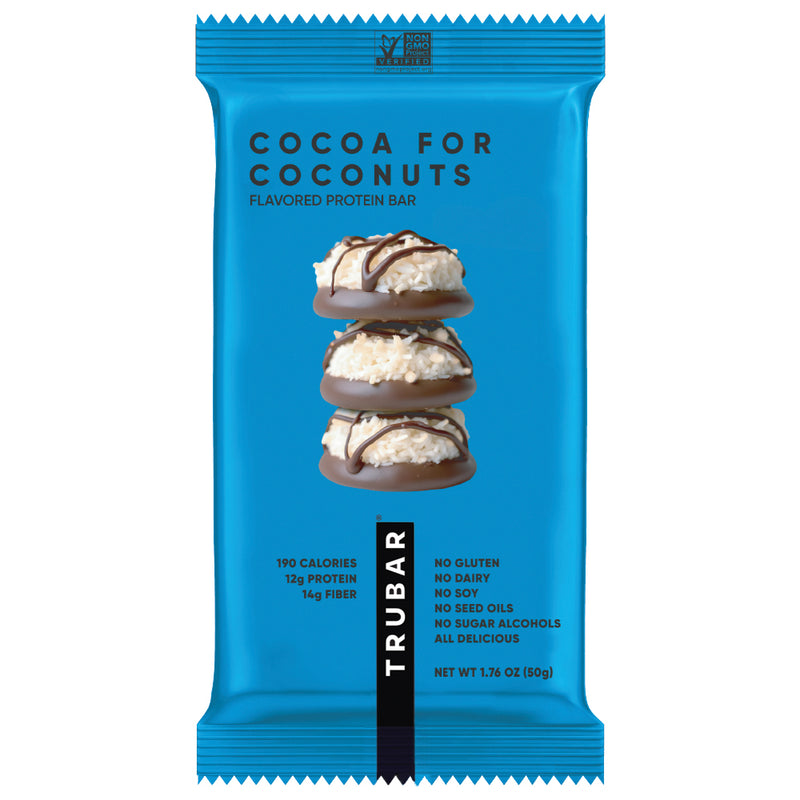 12g protein
Cocoa for Coconuts TRUBAR Nutrition and Protein Bar
Amazon returns policy · secure checkout
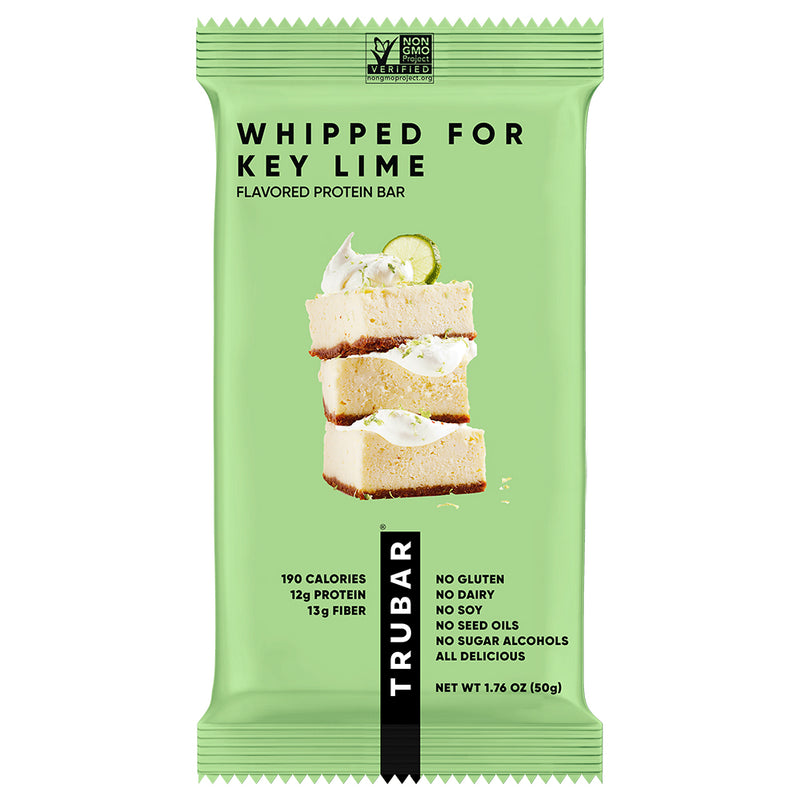 12g protein
Whipped For Key Lime TRUBAR Nutrition and Protein Bar
Amazon returns policy · secure checkout
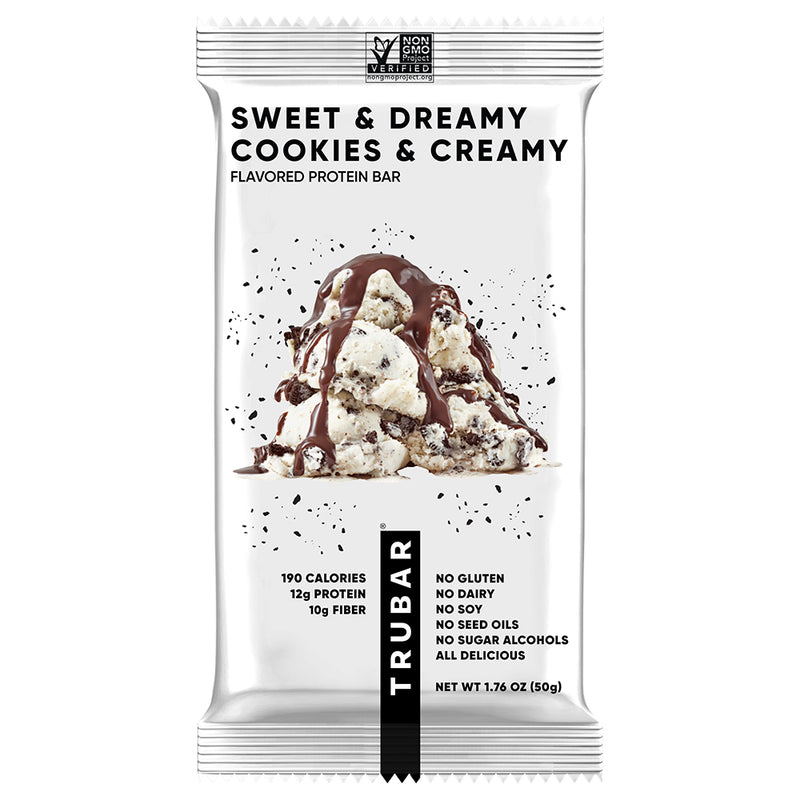 12g protein
Sweet & Dreamy, Cookies & Creamy
Amazon returns policy · secure checkout
String cheese is one of the most convenient protein snacks in the grocery store — no prep, no refrigeration for short trips, and a naturally portable shape. But shoppers rarely know exactly how much protein is in each stick, or how the major brands compare on protein density, sodium, and fat. This guide pulls Nutrition Facts directly from brand packaging and retailer sites for the four most widely available string cheese brands and ranks them by the numbers that matter for high-protein snacking.
How Much Protein Is in a String Cheese Stick?
A standard string cheese stick weighs 28g (1 oz) and is made from low-moisture part-skim mozzarella. At that serving size, most brands deliver 6–7g of protein at 80–90 calories — a protein density of roughly 7.8–8.8g per 100 calories. That places string cheese above most crackers (1–3g/100 cal), granola bars (3–5g/100 cal), and flavored yogurt (5–6g/100 cal), and broadly on par with hard-boiled eggs (~8g/100 cal). It is lower than Greek yogurt (12–17g/100 cal) or dedicated protein bars (10–18g/100 cal), but with zero prep and a two-week refrigerated shelf life, it punches above its weight as a grab-and-go option.
String Cheese Nutrition: 4 Brands Side by Side
All values below are per stick (28g / 1 oz), pulled from official brand Nutrition Facts panels as of September 2026.
| Brand / Product | Calories | Protein | Fat | Sat Fat | Carbs | Sodium | Protein/100 cal |
|---|---|---|---|---|---|---|---|
| Sargento Natural String Cheese | 90 | 7g | 6g | 3g | 0g | 190mg | 7.8g |
| Polly-O / BelGioioso Mozzarella String | 80 | 7g | 5g | 3g | 1g | 180mg | 8.8g |
| Frigo CheeseHeads Original | 80 | 6g | 6g | 3g | 0g | 200mg | 7.5g |
| Organic Valley Stringles | 80 | 7g | 6g | 3.5g | 0g | 210mg | 8.8g |
Winner on protein density: Polly-O/BelGioioso and Organic Valley Stringles both hit 8.8g protein per 100 calories — the best ratio in this set. Polly-O/BelGioioso also has the lowest fat (5g) and lowest sodium (180mg) per stick. Sargento is the only brand at 90 calories per stick due to its slightly higher fat content; Frigo CheeseHeads has the lowest protein per stick (6g) despite the same 80-calorie base.
How String Cheese Compares to Other Quick Protein Snacks
Context matters when you are choosing a protein snack. Here is where a 7g string cheese stick sits among common portable options, all measured per 100 calories:
- String cheese (7g/80 cal): 8.8g protein per 100 cal
- Hard-boiled egg (6g/78 cal): ~7.7g protein per 100 cal
- Greek yogurt, plain nonfat (17g/100 cal): 17g protein per 100 cal
- Cottage cheese, low-fat (14g/90 cal): 15.6g protein per 100 cal
- Protein bar, average (20g/220 cal): ~9.1g protein per 100 cal
- Crackers (2g/70 cal): ~2.9g protein per 100 cal
- Granola bar (3g/100 cal): 3g protein per 100 cal
String cheese is a genuine protein source — not just a cheese snack with trace protein. Its 8–9g/100 cal compares well with protein bars on a calorie-adjusted basis, while costing a fraction as much (typically $0.30–$0.60 per stick in multipacks vs. $2–$4 for a protein bar). The trade-off is total protein per snack: a single 7g stick is a supplement to your day, not a protein-anchor meal. Two sticks give you 14g, which is competitive with a serving of Greek yogurt.
For more high-protein snack comparisons, see our best high-protein cheese snacks guide and our full ranking of cheapest high-protein snacks by cost per gram.
What Makes String Cheese a Good Protein Snack?
String cheese is low-moisture part-skim mozzarella. The "part-skim" designation means it is made from milk with some cream removed, lowering fat compared with whole-milk mozzarella. "Low-moisture" means it has been dried to reduce water activity, which extends shelf life and concentrates protein. The result is a snack with zero added sugar, near-zero carbs (0–1g), moderate saturated fat (3–3.5g per stick), and a clean two- or three-ingredient label for most brands: pasteurized part-skim milk, cheese cultures, salt, and enzymes.
The protein in mozzarella is primarily casein (~80%) with some whey (~20%), the same proteins found in dairy protein supplements. Casein digests slowly, which contributes to satiety — relevant for an afternoon snack that is supposed to hold you until dinner. Calcium content is also meaningful: a single stick provides roughly 20–25% of the daily value (around 200–220mg), which is a notable secondary nutrient for bone health and muscle function.
Buying String Cheese in Bulk for Protein Goals
String cheese is significantly cheaper per gram of protein when purchased in large multipacks. Individual sticks at convenience stores run $1.50–$2.00 each (roughly $0.21–$0.29 per gram of protein). Grocery store 12–24-count packs typically land at $0.33–$0.45 per stick ($0.047–$0.064 per gram of protein). Amazon and club stores (Costco, Sam's Club) often have 48–60-count packs that bring the cost under $0.30 per stick. At that price point, string cheese becomes one of the most cost-competitive whole-food protein sources available, rivaling eggs and cottage cheese on a per-gram basis.
For people using it as a daily snack to hit protein targets, buying a 24–48-count multipack and eating 2–3 sticks per session (14–21g of protein) is a practical strategy. Two Polly-O sticks = 14g protein at 160 calories for roughly $0.60–$0.70 total. For cost comparison across the whole high-protein snack space, see our price-per-gram ranking.
Frequently Asked Questions
How much protein is in a stick of string cheese?
Most standard string cheese sticks (28g / 1 oz) contain 6–7g of protein. Polly-O, BelGioioso, Sargento, and Organic Valley all deliver 7g per stick at 80–90 calories. Frigo CheeseHeads is 6g per stick at 80 calories. The exact figure depends on the brand and whether it is full-fat or reduced-fat mozzarella; standard low-moisture part-skim mozzarella sticks cluster tightly at 6–7g.
Is string cheese a good source of protein?
Yes — string cheese delivers roughly 8–9g of protein per 100 calories, which is competitive with hard-boiled eggs and on par with many protein bars on a calorie-adjusted basis. The total protein per stick (6–7g) is modest, but two sticks give you 12–14g with no prep and under 180 calories. It is also a source of calcium (about 20–25% DV per stick) and has zero added sugar and nearly zero carbs.
Which string cheese brand has the most protein?
Polly-O (now made by BelGioioso), Sargento, and Organic Valley Stringles all deliver 7g of protein per stick. On a protein-per-calorie basis, Polly-O/BelGioioso and Organic Valley tie at 8.8g per 100 calories because both are 80 calories per stick. Frigo CheeseHeads delivers 6g per stick at 80 calories (7.5g/100 cal) and ranks lowest in this comparison.
How many sticks of string cheese should I eat for protein?
Two to three sticks (12–21g protein) is a practical serving for a protein-focused snack. Two Polly-O sticks provide 14g protein at 160 calories — comparable to a serving of Greek yogurt. Three Sargento sticks provide 21g protein at 270 calories. If you are using string cheese to hit a 25–30g protein target per meal, you would need 4–5 sticks, at which point Greek yogurt or cottage cheese are more efficient and less expensive options.
Is Polly-O string cheese the same as before?
Polly-O was originally acquired by Kraft Foods and later divested to Lactalis. In 2021, BelGioioso Cheese acquired the Polly-O brand and its manufacturing operations, so Polly-O string cheese is currently produced by BelGioioso. The nutrition profile is essentially unchanged from the Kraft-era product: 80 calories, 7g protein, 5g fat, 1g carb, 180mg sodium per stick.
Bottom line: A standard string cheese stick (28g) delivers 6–7g of real dairy protein at 80–90 calories and near-zero carbs, with no added sugar and a clean label. On a protein-per-calorie basis (8–9g per 100 calories), it outperforms crackers, granola bars, and most flavored yogurts. Polly-O/BelGioioso and Organic Valley Stringles lead the major brands with 7g protein at 80 calories per stick; Sargento ties on protein (7g) but runs 90 calories due to slightly higher fat. Two sticks is a practical snack serving with 14g of protein and around 160–180 calories for under $0.80 in a grocery multipack. For a broader protein snack comparison see our best high-protein snacks for weight loss guide and the full list of best high-protein cheese snacks.
Shop our top high-protein picks
Editor-selected high-protein options related to this guide. As an Amazon Associate we may earn from qualifying purchases.
12g proteinCocoa for Coconuts TRUBAR Nutrition and Protein Bar
Amazon returns policy · secure checkout
12g proteinWhipped For Key Lime TRUBAR Nutrition and Protein Bar
Amazon returns policy · secure checkout
12g proteinSweet & Dreamy, Cookies & Creamy
Amazon returns policy · secure checkout
Tags
High Protein Snacks Pro Editorial Team
Independently researched and editorially reviewed. We compare real nutrition labels and never accept payment for coverage.
Get the best new protein snacks in your inbox
Weekly picks and honest reviews — no spam, unsubscribe anytime.
More from the journal
Moon Cheese Nutrition Facts (2026): 9g Protein, 0 Net Carbs — All 5 Flavors Compared
Moon Cheese delivers 9g of protein and zero net carbs per 1oz serving from 100% real cheese — no artificial ingredients, no grain, no gluten. Verified 2026 nutrition data for Cheddar, Pepper Jack, Gouda, Mozzarella, and Buen Queso, plus a straight comparison against chips, pork rinds, and crackers on protein density.
Read more
Oikos Pro Nutrition Facts (2026): 20g Protein Per Cup, All Flavors Verified, and How It Compares to Oikos Triple Zero
A single 5.3oz cup of Oikos Pro delivers 20g of protein and 0g of added sugar at 140 calories — 33% more protein than Oikos Triple Zero in the same serving. Verified per-cup nutrition facts for every Oikos Pro flavor, what ultra-filtered milk actually does to the label, and a head-to-head comparison with Oikos Triple Zero, Ratio PROTEIN, and Two Good to help you pick the right cup.
Read more
Lowest-Sodium Beef Jerky & Meat Sticks, Ranked (2026): Country Archer Beats Jack Link's by Nearly 3x
Country Archer Classic Original has the lowest sodium of any beef jerky we've verified — 260mg per ounce, less than a third of Jack Link's Original's ~770mg — while still delivering 12g of protein. Stryve Biltong Seasoned has the best protein-to-sodium trade-off in this ranking: 16g of protein for just ~430mg of sodium. We ranked 17 real jerky and meat-stick products by sodium per serving, using nutrition data already verified and published across our jerky and meat-stick reviews, with the honest catch that a few of the lowest-sodium picks also carry the least protein.
Read more